Most cat owners know the basics: food, water, a clean litter box, a warm spot to sleep. What’s easier to overlook is the quieter need sitting just underneath all that routine comfort. Your cat is, at heart, a small and highly capable predator. When nothing in the environment reflects that, things can start to unravel in ways that look a lot like bad behavior but are really just unmet needs.
The encouraging news is that meaningful enrichment doesn’t require elaborate setups or a significant budget. Enrichment doesn’t have to be complicated or expensive. It just takes a bit of creativity and awareness of your cat’s needs, and even the smallest changes can make a big difference in their daily life. What follows are ten practical, evidence-informed ways to enrich your indoor cat’s life, one day at a time.
Understanding Why Your Indoor Cat Needs Mental Stimulation
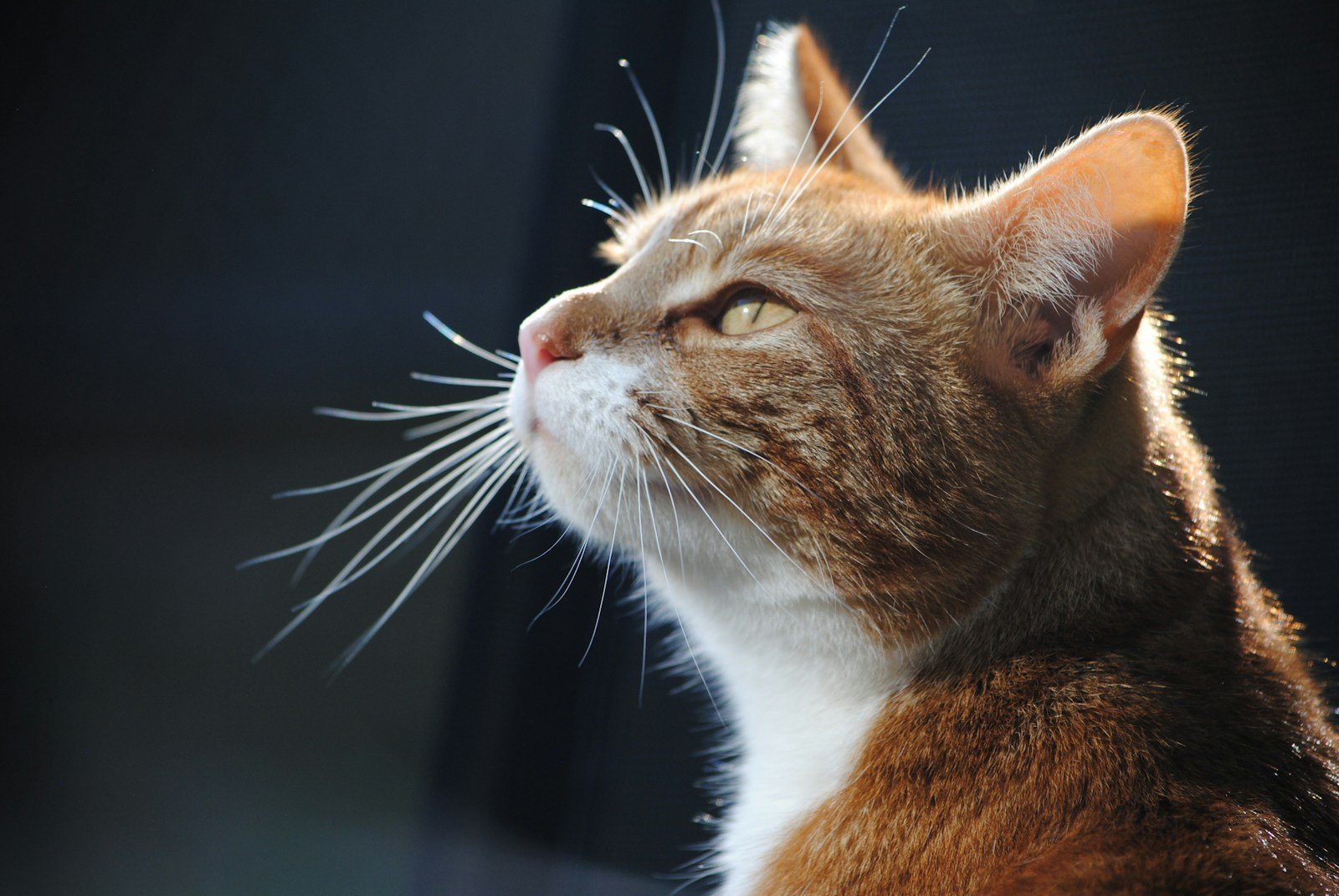
While indoor living keeps cats safe from dangers like traffic, predators, and disease, it also limits their exposure to the stimulating experiences they instinctively crave. Cats are natural explorers, driven by curiosity to hunt, climb, and discover new environments. Without the mental and physical challenges they need, they can easily become bored, which may lead to a decline in their well-being.
If a cat is left at home alone for hours with no interaction, stimulation, or outlet for their natural behaviors, the chances are they will get bored. Cats are highly intelligent animals with a range of natural behaviors that they need an appropriate outlet for, and if these needs are not fulfilled, boredom often occurs. The link between boredom and behavioral problems is real and well-documented, so understanding this connection is the first step toward genuinely improving your cat’s quality of life.
Recognizing the Signs of a Bored or Understimulated Cat
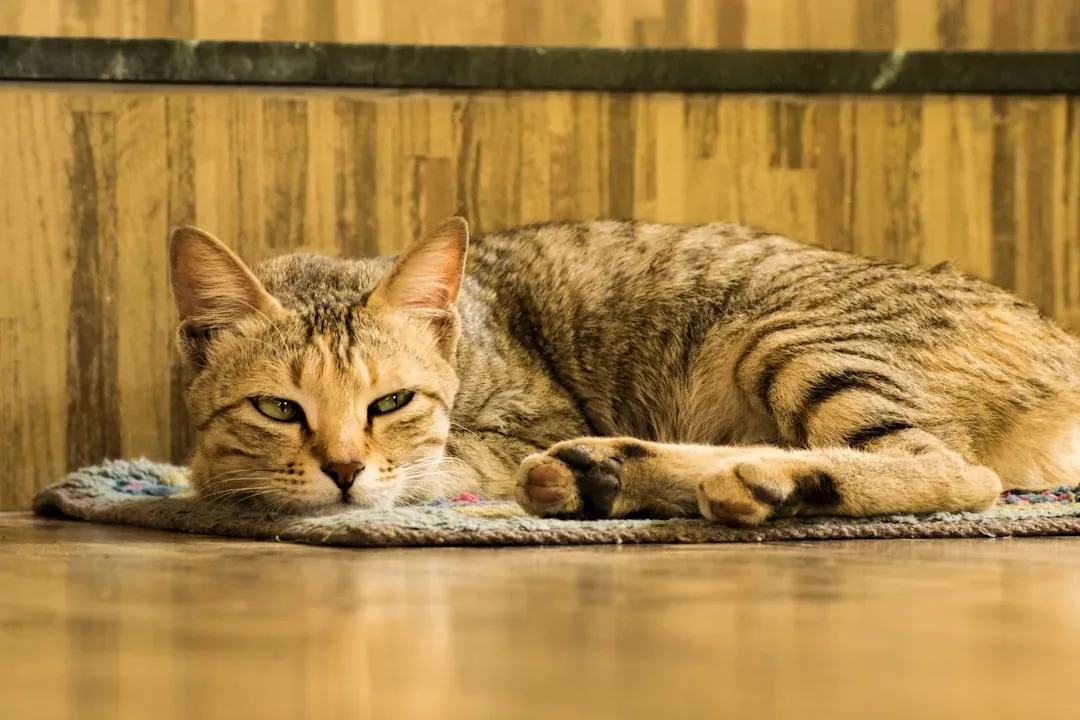
A cat that isn’t mentally stimulated may experience stress, anxiety, or even depression. You might notice behavior changes like excessive grooming, hiding, vocalizing more than usual, or even becoming more aggressive. These are signs that your cat is feeling frustrated by their lack of stimulation.
Cats, when bored, may engage in destructive behaviors such as scratching furniture, shredding curtains, or chewing on household items. Destructive behavior can be a cry for attention. Bored cats may also constantly lick and clean themselves to the point of creating bald patches or skin irritation, often resorting to excessive grooming in order to self-soothe when they are understimulated. If you notice any of these patterns, it’s worth ruling out medical causes with your vet first before adjusting enrichment strategies.
Make Interactive Playtime a Daily Habit
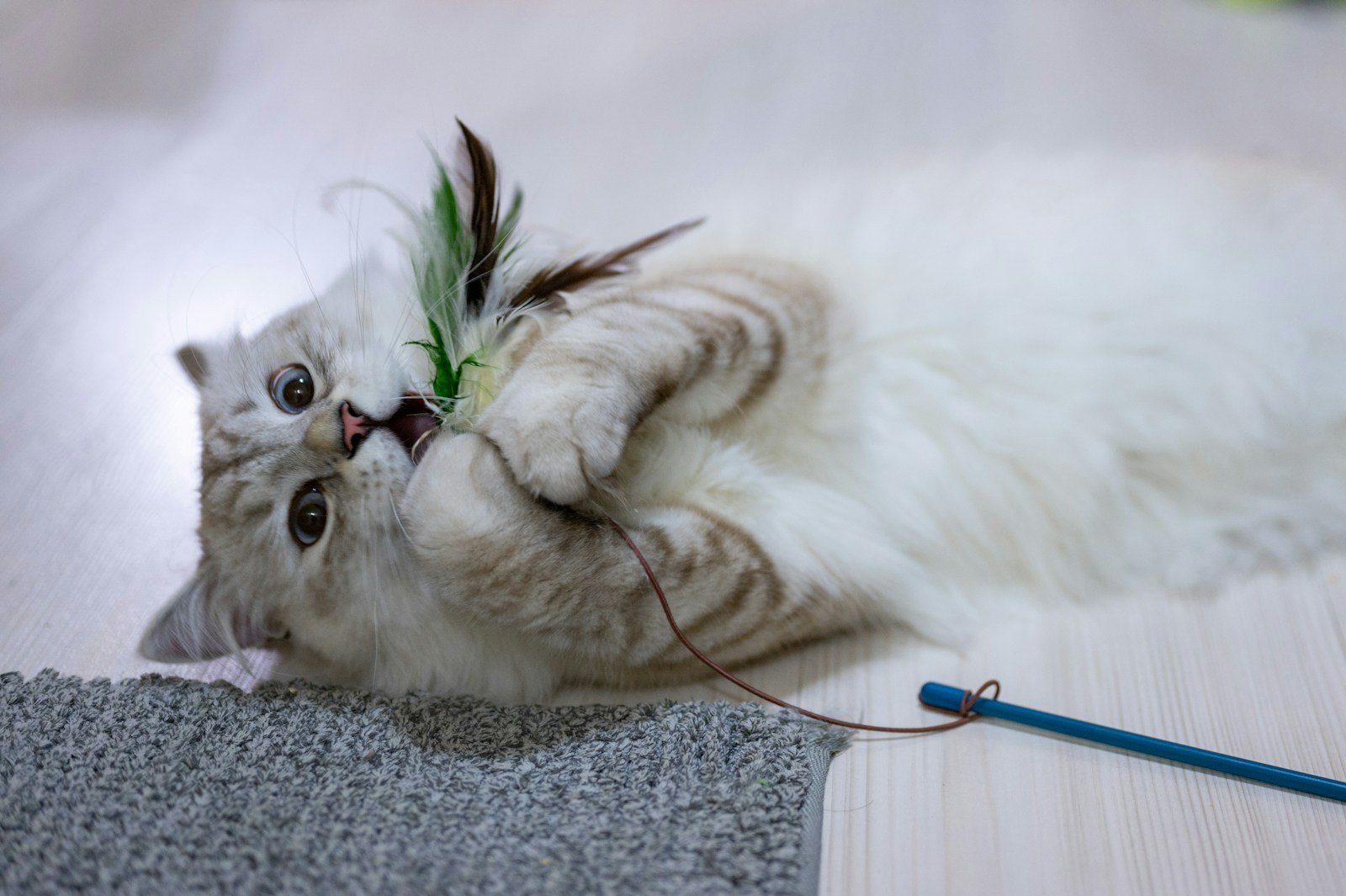
Playtime is crucial for keeping an indoor cat mentally happy, physically healthy, and content to be inside. Make a habit of playing with your cat for at least 10 minutes a day. The best type of play for keeping a cat happy is interactive, where you use a toy to mimic the behavior of a cat’s prey animals, either birds or rodents. Wand toys are exceptionally good for this. Make the toy act like scared prey, darting away from your cat, hiding, and freezing in fear.
Wand toys with feathers, strings, or small fabric attachments are the gold standard because they mimic prey movement and let you control the hunt. Move the toy away from your cat, not toward them. Let it pause behind furniture, then dart out. Let your cat stalk, pounce, and catch the toy periodically so they feel the satisfaction of a successful hunt. End sessions by slowing the toy’s movement and following up with a small meal or treat, which mirrors the natural hunt-catch-eat-groom cycle.
Turn Mealtime Into a Mental Challenge with Puzzle Feeders
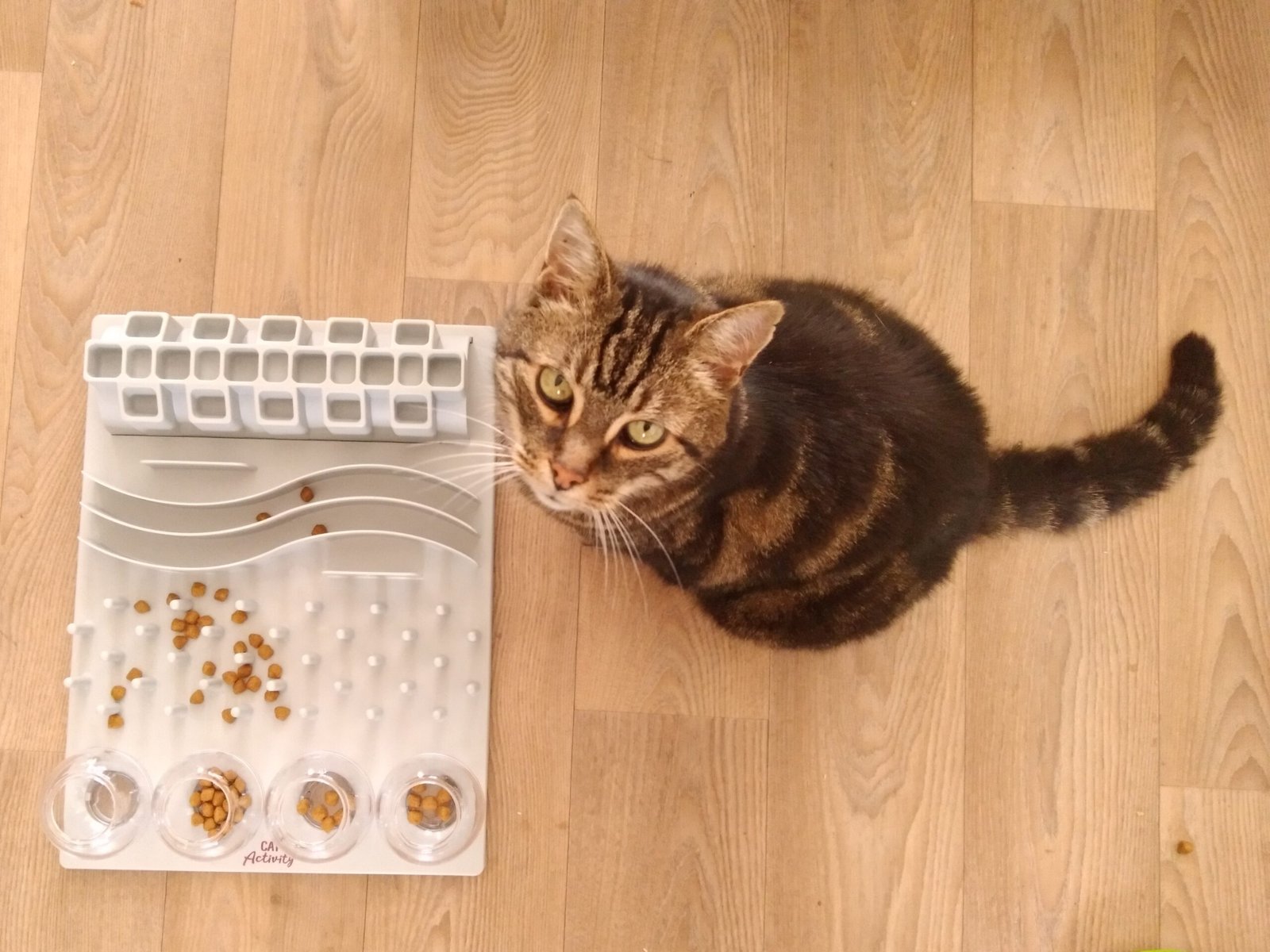
One of the simplest and most impactful changes you can make is ditching the food bowl. Cats are wired to work for their meals, and eating from a dish in 90 seconds flat leaves that drive completely unfulfilled. Puzzle feeders, snuffle mats, and treat-dispensing balls force your cat to problem-solve and slow down at mealtime, which taps into the same mental circuits as hunting prey.
Puzzle feeders are an excellent way to make mealtime more engaging for your cat. These devices require your cat to work for their food, stimulating their problem-solving skills and providing mental enrichment. You can also take a simpler approach. One way to provide extra exercise is to divide your cat’s daily meal serving into several dishes and distribute the dishes around the house. This turns a passive activity into a mini foraging adventure, and it costs nothing.
Add Vertical Space to Your Cat’s World
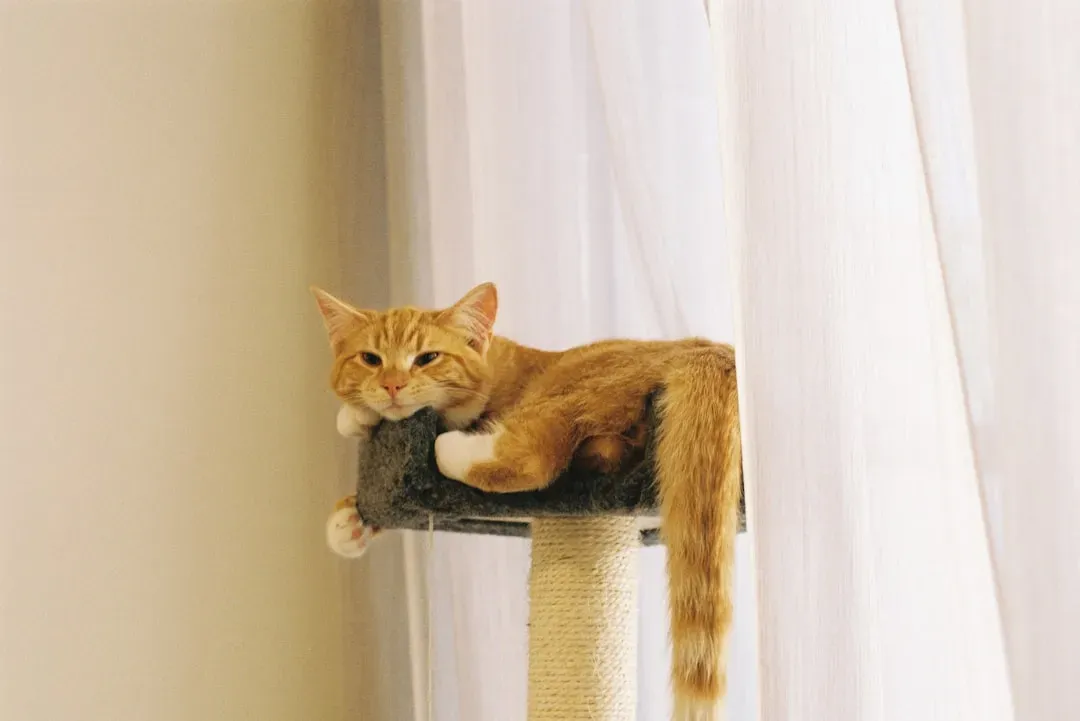
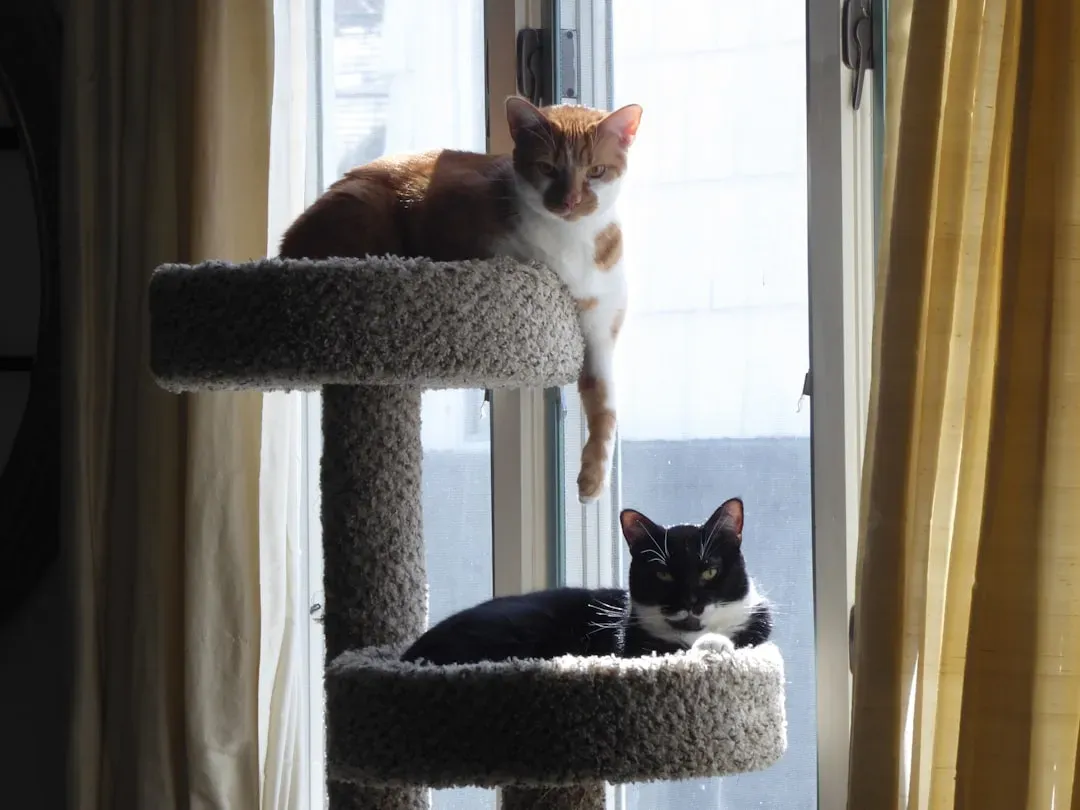
Install cat trees, wall-mounted shelves, or provide sturdy, carpeted perches. Vertical spaces not only offer exercise opportunities but also allow cats to observe their territory, providing mental stimulation and a sense of security. Cats instinctively love climbing and observing from high vantage points. Vertical cat furniture can help make this outdoor dream an indoor reality. Wall-mounted climbing systems and shelves give a safe place for cats to jump, perch, and explore new routes throughout the home.
Provide kitty hiding spots like cat caves, because cats love to hide and watch what’s going on with a feeling of being invisible. Many cats also like to hang out up high so they can watch what’s going on below them without being involved in it if they don’t want to be. The more varied the vertical landscape, the richer the environment becomes for a cat who naturally surveys their territory from above.
Create a Window Perch for Natural Sensory Engagement
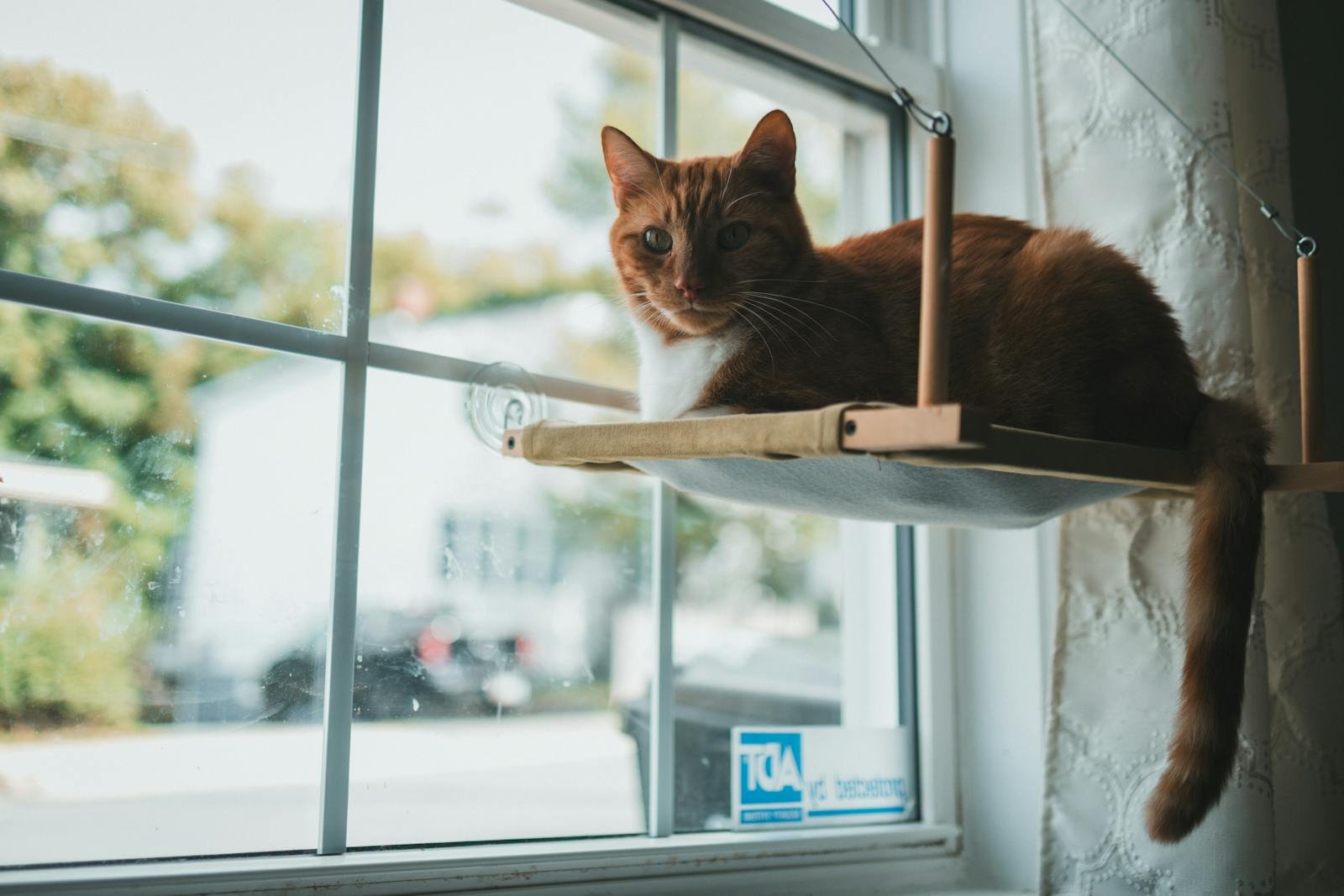
Set up a comfortable perch near a window to create a front-row seat to the outside world. Cats are fascinated by bird activity, passing wildlife, and changing scenery. By providing a window view, you enable them to engage with the sights and sounds of the outdoors, stimulating their senses and preventing boredom.
Outdoor sights and sounds provide natural stimulation even for indoor cats looking out of windows. Birds, squirrels, passing people, and changing weather all create visual enrichment. Well-placed window perches or observation shelves let your cat catch glimpses of the outdoors without the danger of actually letting them outside. You can enhance this further by placing a bird feeder within view of the window, effectively creating live television that changes with every season.
Use Scent Enrichment to Stimulate Your Cat’s Nose
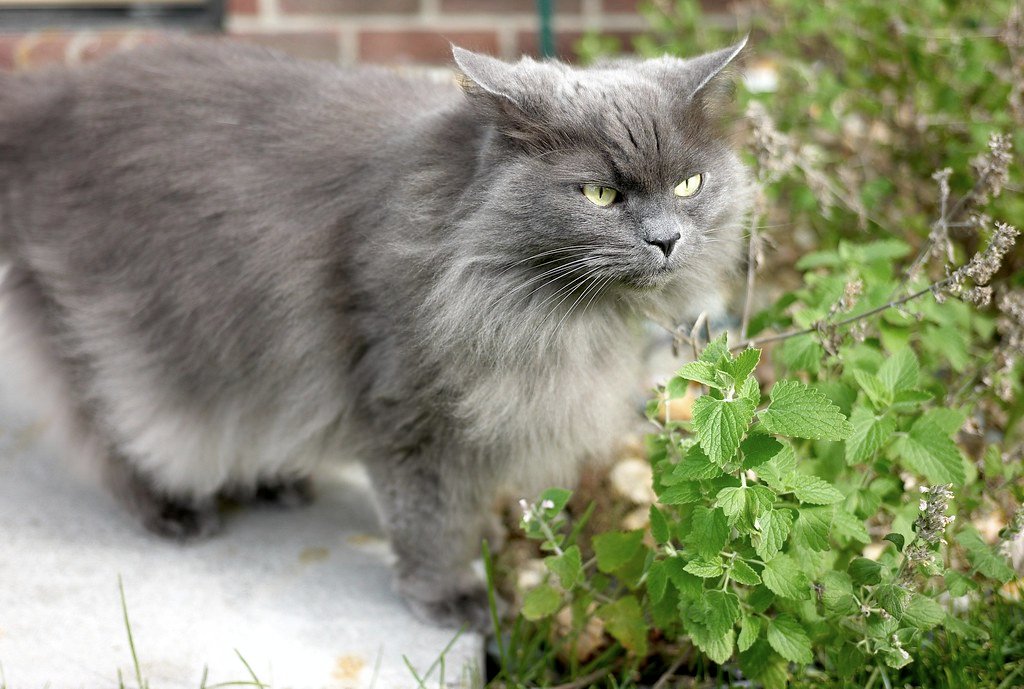
Cats experience the world through scent far more than we do, and olfactory enrichment is one of the easiest categories to provide. Cats experience the world through scent, so providing safe, stimulating scents can add another layer of enrichment. Catnip, silver vine, and valerian root are popular choices that can encourage play and relaxation. You can also introduce potted cat grass, which many cats enjoy nibbling on and which adds natural texture to their environment. This can bring a taste of the outdoors inside, especially for cats who don’t have access to a catio.
If your cat doesn’t respond to catnip, silver vine is worth trying. Despite catnip’s reputation, only about two thirds of cats actually respond to it. Whereas roughly four out of five cats respond to silver vine, including three quarters of the cats who didn’t respond to catnip. So if your cat isn’t a fan of catnip, there’s a good chance they will enjoy silver vine. Silver vine provides much-needed mental stimulation, especially for indoor cats that may not have access to the same variety of sights, smells, and experiences as their outdoor counterparts. Engaging with it can help prevent boredom and reduce the risk of destructive behaviors such as scratching furniture or excessive grooming.
Try Clicker Training to Engage Your Cat’s Brain
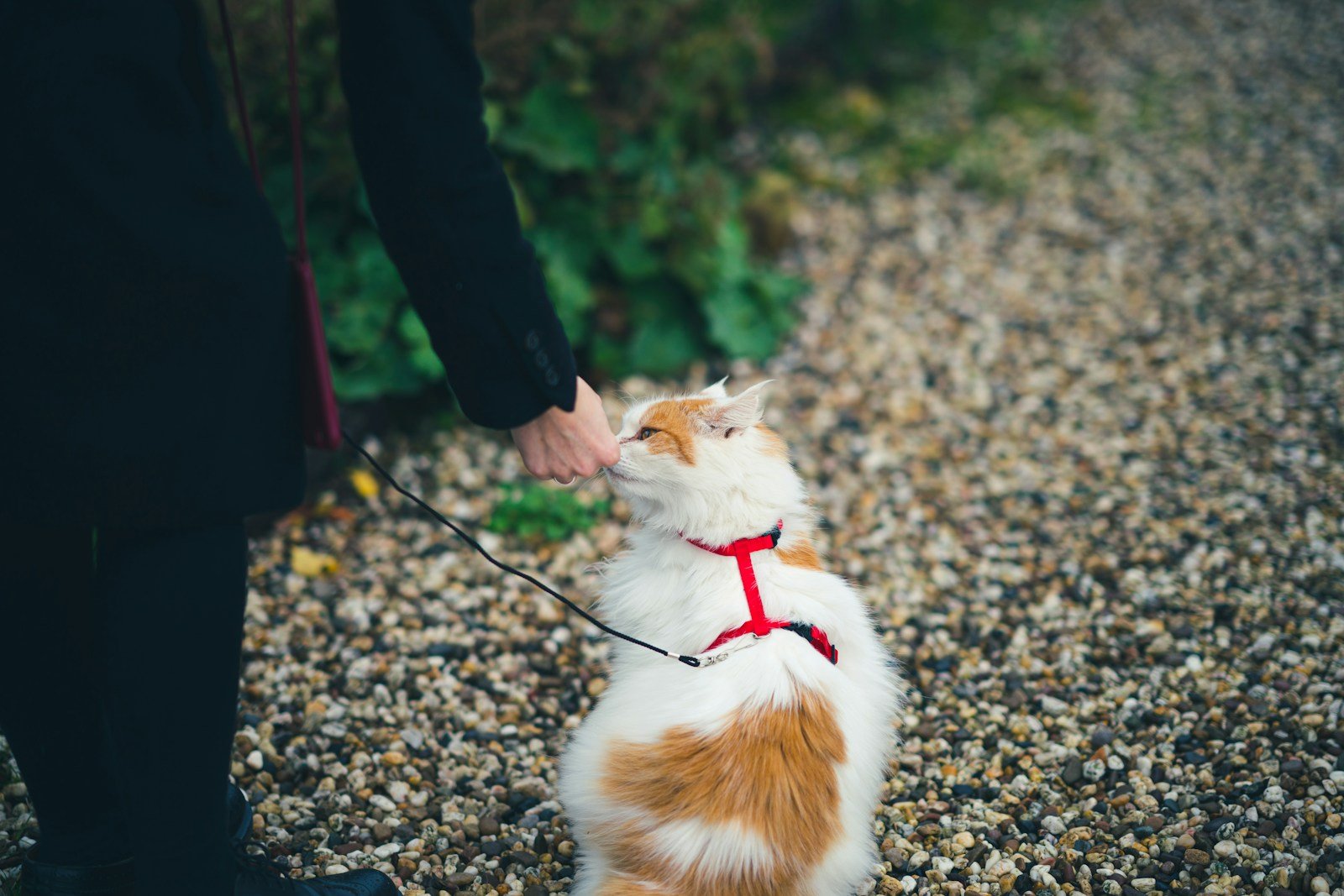
Clicker training isn’t just for dogs. Cats learn quickly through positive reinforcement, and the mental effort of figuring out what earns a click and a treat provides genuine cognitive enrichment. Clicker training gives cats predictable, positive interactions with humans, which increases their sense of control over their environment. That sense of control is a core component of feline well-being.
Start with something simple like a nose-touch to your palm, called targeting. Hold your hand near your cat’s face, click the instant their nose touches it, and deliver a small treat. Most cats figure this out within a few sessions. From there, you can build to sitting on cue, going to a mat, or even running a small agility course. Keep sessions short, around five minutes, and always end on a success. Clicker training provides crucial mental enrichment for indoor cats, helping prevent boredom-related behavioral issues. The physical activity involved in training sessions also contributes to better overall health and weight management.
Rotate Toys and Rearrange the Environment Regularly
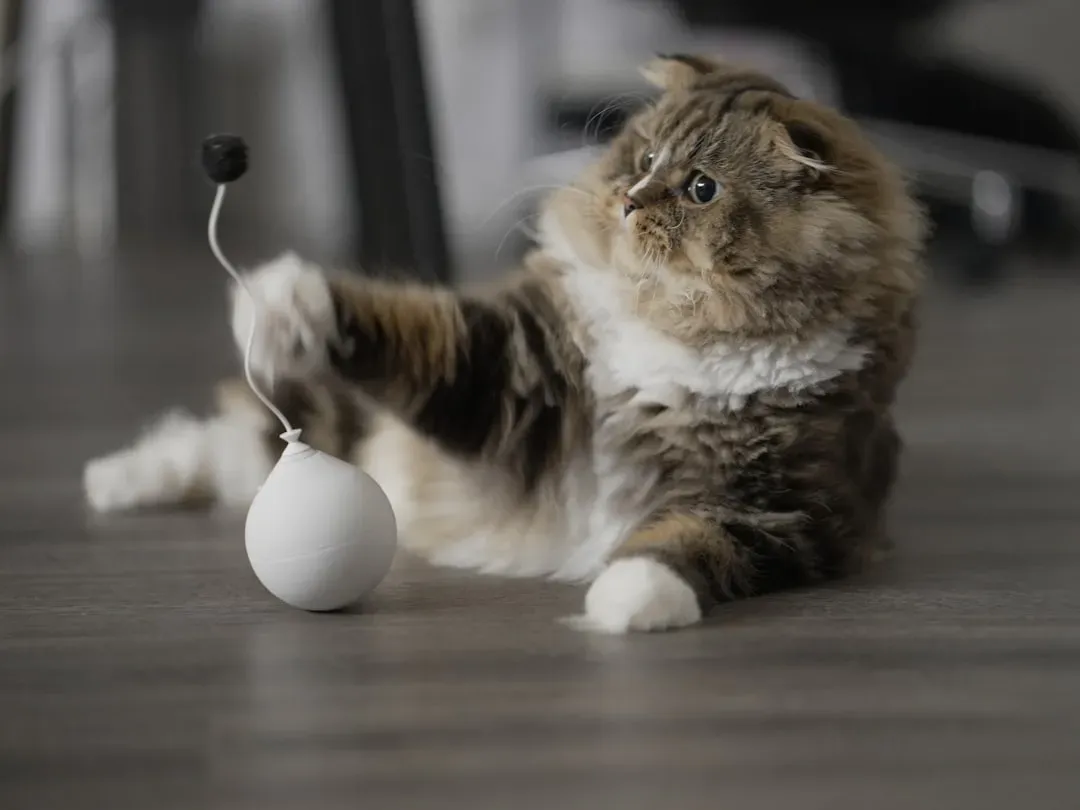
When you notice your cat becoming bored with self-play toys, store them away in an airtight container with some catnip and rotate them in at a later date. This simple strategy works because novelty is genuinely stimulating to a cat’s brain, and a toy that’s been ignored for weeks can suddenly become irresistible when reintroduced with a fresh scent. A toy that’s been ignored for weeks might suddenly regain appeal in a new location. Try switching up where you leave toys or scratching posts.
Cats notice even the smallest changes in their space. Try moving one item each week, like a chair or a small rug. Repositioning cat furniture, like that dusty cat tree, might suddenly make it a feline jungle gym if it’s moved near a window or a sunny spot. These shifts require almost no effort on your part, yet they deliver a genuine novelty experience that keeps the home environment feeling dynamic and worth exploring.
Provide Safe Scratching Outlets Throughout the Home
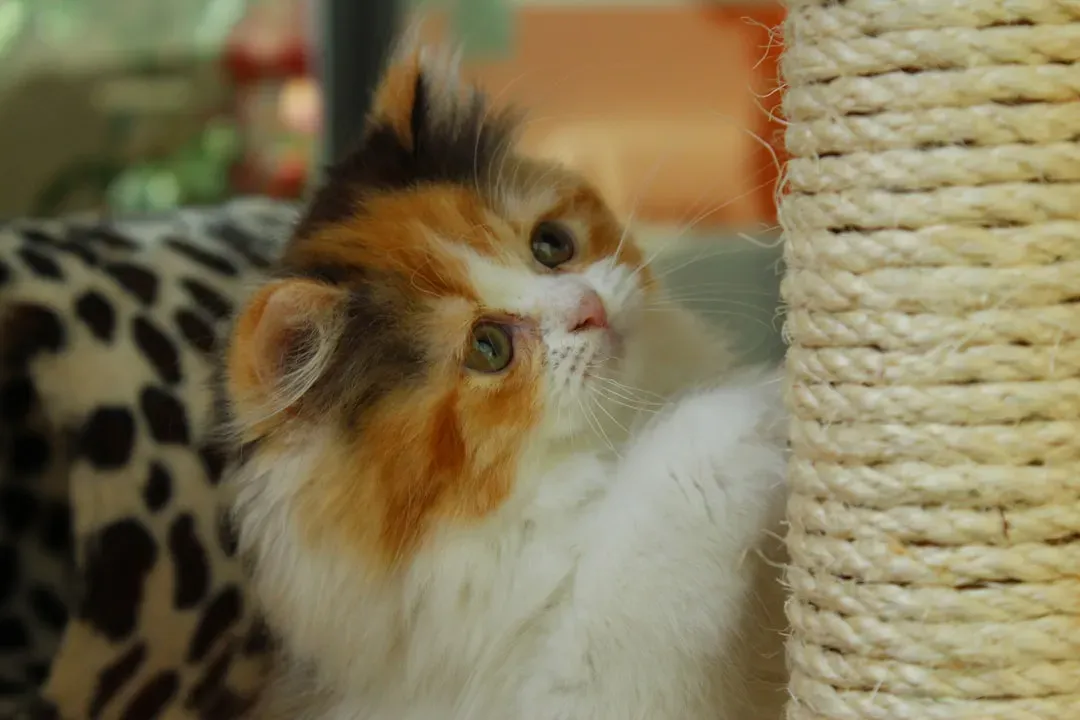
Scratching posts are important for cats. When cats scratch surfaces with their paws, they deposit pheromones, chemicals that help make them feel secure in their home. The scratching areas should be made of material the cat likes and be large enough for the cat to stretch out completely.
Scratching is a normal cat behavior that serves many functions. Providing a variety of interesting scratching posts around the house will give your cat the opportunity to perform this natural behavior without ruining your furniture. Provide both vertical and horizontal scratching posts, and offer posts with a variety of substrates such as corrugated cardboard, sisal rope, and natural wood. Research suggests that sisal and cardboard are preferred scratching textures for most cats. Make sure all scratching posts are tall, sturdy, and in prominent locations, as cats often like to scratch near where they eat, rest, or greet you.
Create Safe Hiding Spots and Comfort Zones

Calming activities are just as much a part of cat enrichment as stimulating activities. Every animal needs a comfort zone where they can go to feel safe and relax. Closets, open crates, high shelves, cat trees, and the space under beds are great places to put a comfy cat bed or blanket to create a safe place. If your cat is resting in their safe place, make sure to leave them alone; this is their quiet time away from everyone.
Cats like places where they feel safe. These are often in a high location, such as on top of a dresser or table where a cat can evaluate the environment for dangers, just as they would in nature, while being relatively hidden from view. The location of a refuge can be anywhere, low or high, and the substrate can be as simple as a paper bag or cardboard box. For shy or fearful cats, mental stimulation can help them gain confidence and may allow them to come out of their shell sooner. When cats are stressed or don’t have an outlet for their energy, adding enrichment will help them.
Conclusion
Your indoor cat’s wellbeing doesn’t hinge on expensive equipment or dramatic changes. It comes down to consistent daily attention to the needs that every cat carries regardless of where they live: the need to hunt, explore, problem-solve, and feel safe.
Cat enrichment means creating an environment for your feline friend where they have plenty of opportunities to express their natural instincts and behaviors in appropriate ways. Meeting your cat’s mental and emotional needs will help them lead a happier, healthier life and have fewer behavior issues. The smallest actions, a wand toy at dusk, a puzzle feeder at breakfast, a new perch near the window, taken consistently over time, add up to a genuinely enriched life for the animal sharing your home. That’s a pretty good return on a few minutes a day.
Kristina is a young writer from India. An arts graduate and an avid content creator, Kristina is passionate about animals and wildlife. She enjoys exploring topics related to pet care, animal behavior, conservation, and nature, combining thorough research with engaging storytelling.