There’s a moment that most cat owners will recognize immediately. You’re sitting quietly in the same room as your cat, not making any grand gestures or trying too hard. Then they look at you, pause, and let their eyes close slowly before opening them again. It feels deliberate. Almost ceremonial.
Most people write it off as tiredness. The truth, backed by growing research in animal behavior, is considerably more touching. That quiet little movement is one of the most sincere things your cat can communicate to you, and understanding it changes how you see your relationship with them entirely.
What a Slow Blink Actually Looks Like
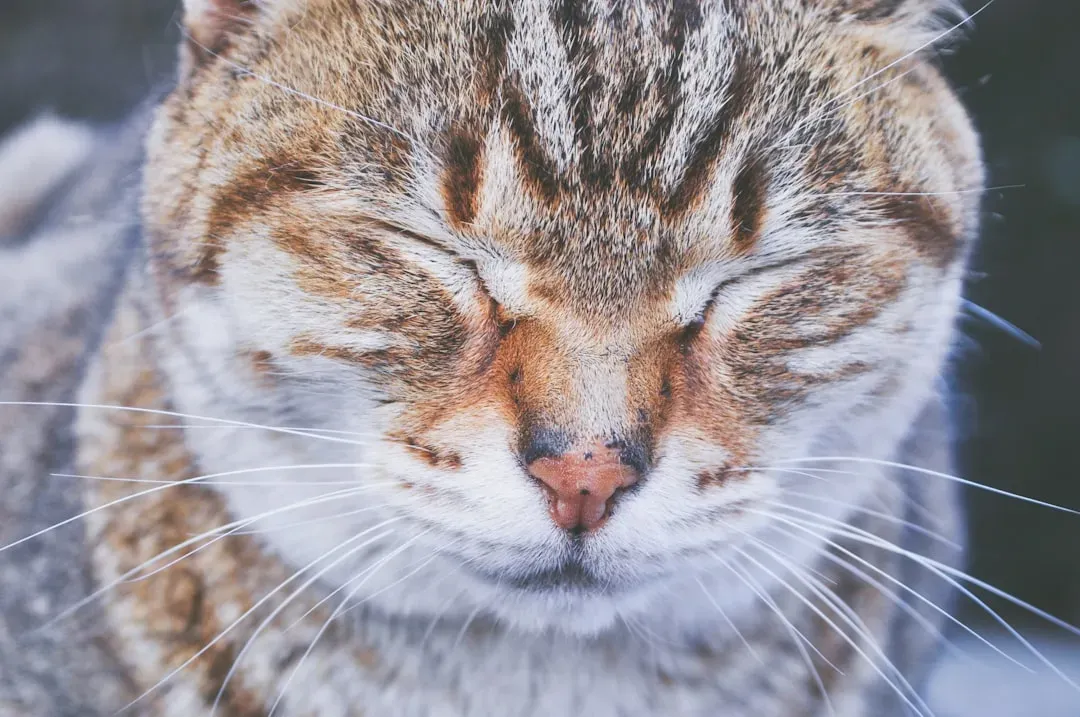
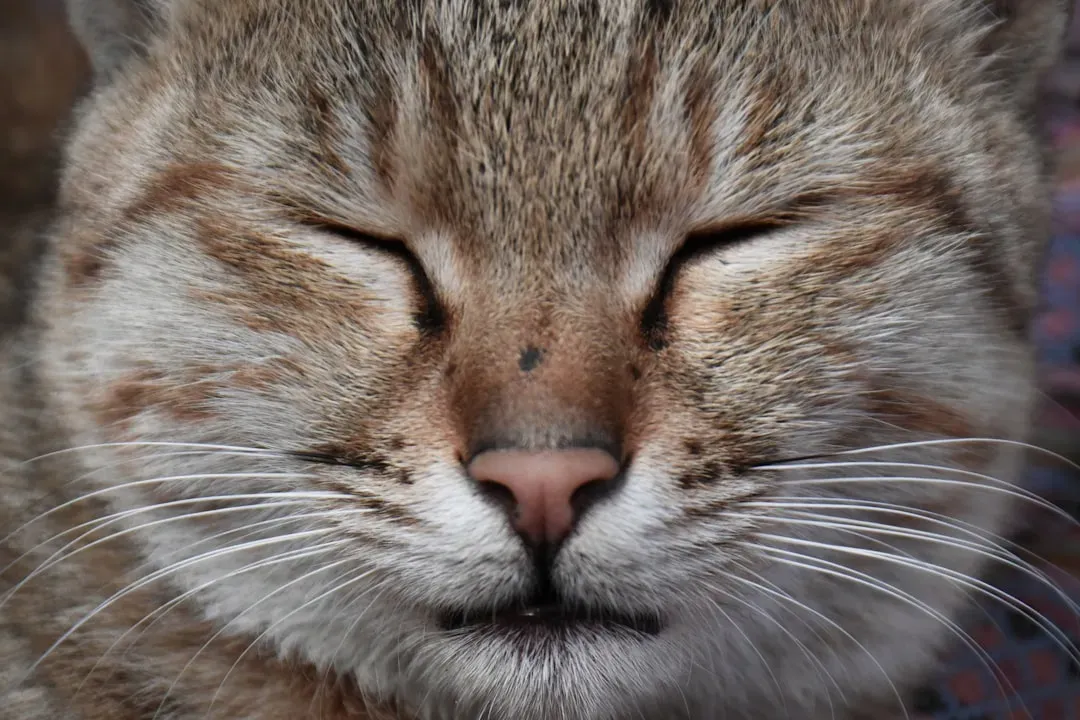
The slow blink is a leisurely closing and opening of the eyes that, to the uninitiated, probably looks like any other blink. It isn’t. With a slow blink, your cat will completely or partially shut their eyelids for more than half a second. Sometimes it ends with a full closure; other times, it softens into a gentle squint before the eyes reopen.
A slow blink usually involves a series of soft, half-closed blinks, ending with a long eye narrow or even a full eye closure. The key is the deliberate, unhurried quality of it. It doesn’t happen by accident, and it’s worth paying close attention when you notice it directed your way.
The Science That Confirms What You Suspected
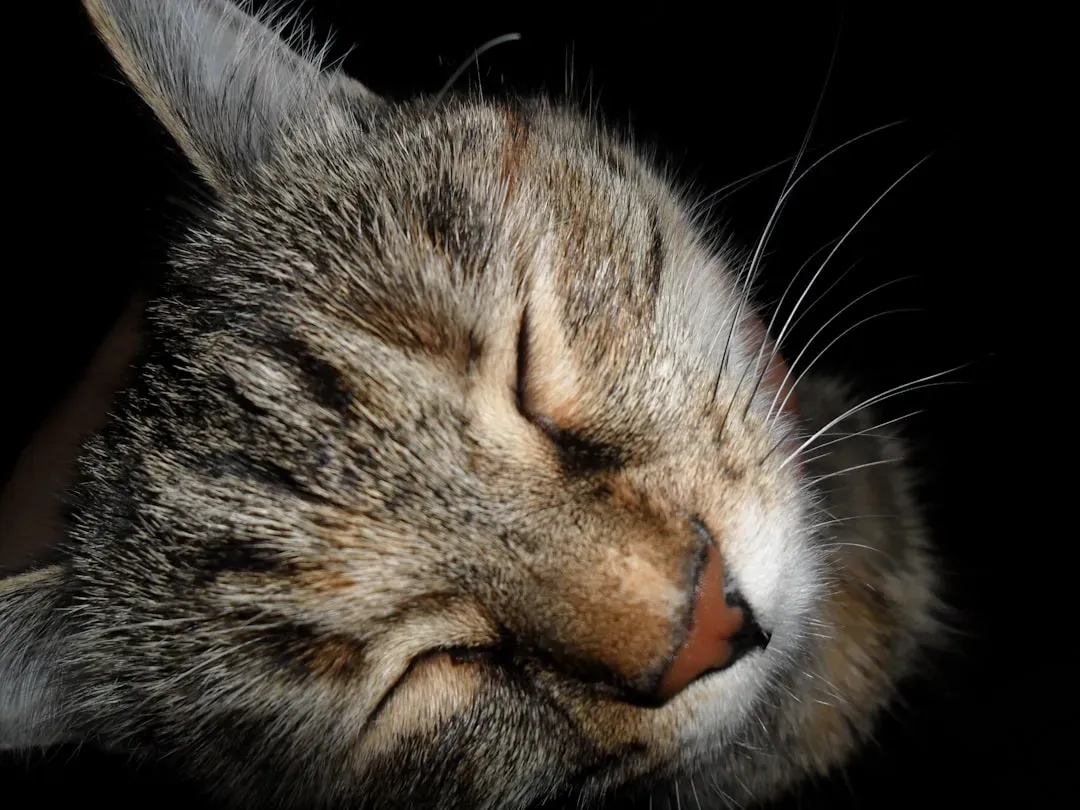
A University of Sussex study examines the communicatory significance of a widely reported cat behavior that involves eye narrowing, referred to as the slow blink sequence, which typically involves a series of half-blinks followed by either a prolonged eye narrow or an eye closure. This was the first time researchers formally tested what cat owners had long believed intuitively.
From the study, the slow blink sequence appears to be an indicator of positive emotion in cats. Identifying observable indicators of positive emotions has practical benefits for the welfare of animals by providing assessment markers of an individual’s current welfare and pointing to behaviors that can be promoted to produce a better quality of life. In other words, the slow blink isn’t just sweet – it may be measurably good for your cat’s wellbeing too.
Why Your Cat Closing Their Eyes Around You Matters
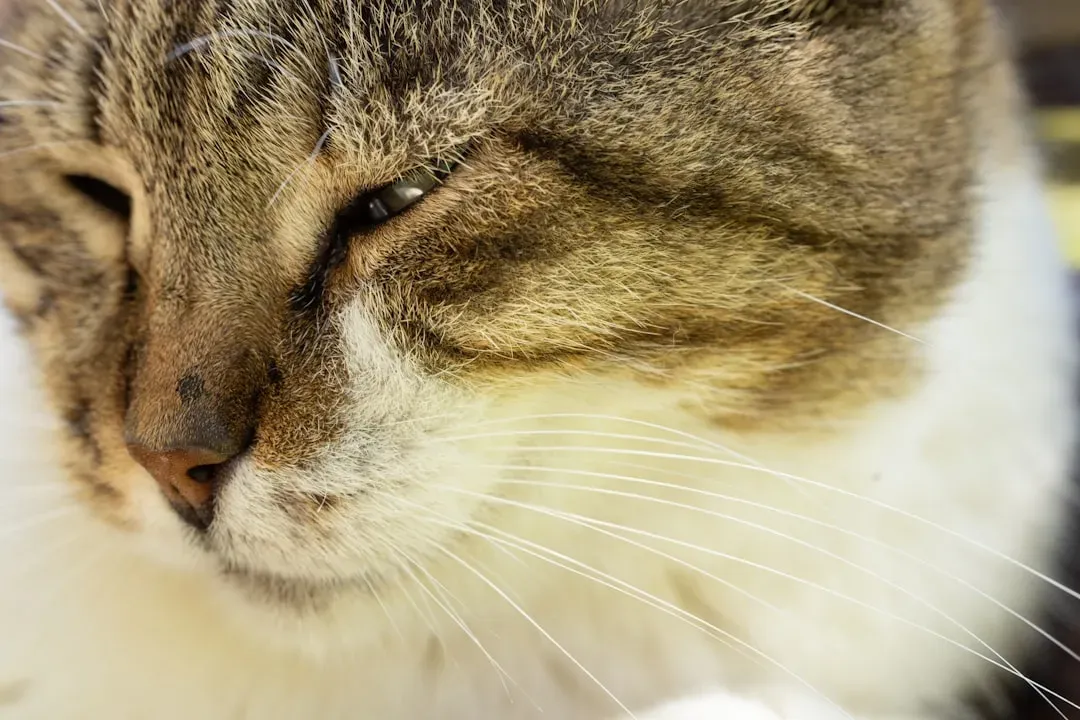
When cats are blinking slowly towards their humans, it often signifies affection, trust, and feeling safe in their company. When felines close their eyes near another creature, it shows vulnerability since it prevents them from noticing possible threats. Animal behavior experts believe that a slow blink from your cat denotes that they trust you enough not to take advantage of that moment of vulnerability.
For cats, slow blinking is a sign of trust. It means they trust you enough to lower their guard. Slow blinking is your cat telling you they feel comfortable and relaxed in your presence. That’s no small thing for a species that spent thousands of years as a largely solitary animal.
How Cats Evolved to Use This Gesture With Humans
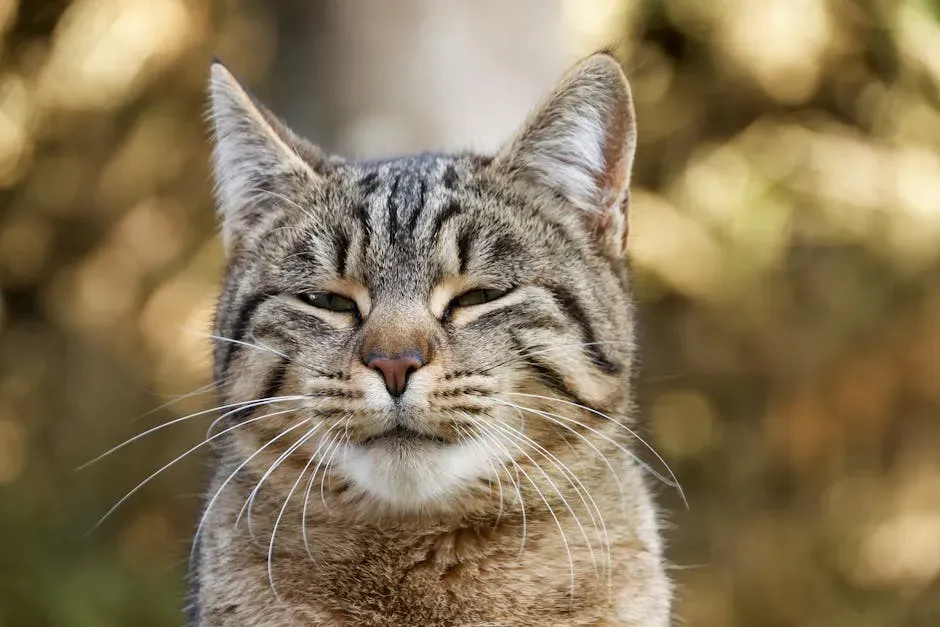
Domestic cats are remarkably adaptable animals and, although they are descendants of the North African wildcat which is largely a solitary species, domestic cats have developed the ability to live alongside other cats and also humans. This means that our feline friends have had to develop ways of communicating and understanding both cats and humans.
Your cat’s slow blinks are similar to why they meow. It’s a form of communication they’ve evolved specifically to better relate to and interact with us humans. The slow blink, like the meow, appears to be a behavior that was shaped over generations by the unique relationship between cats and the people who kept them.
What Happens in the Brain During a Slow Blink
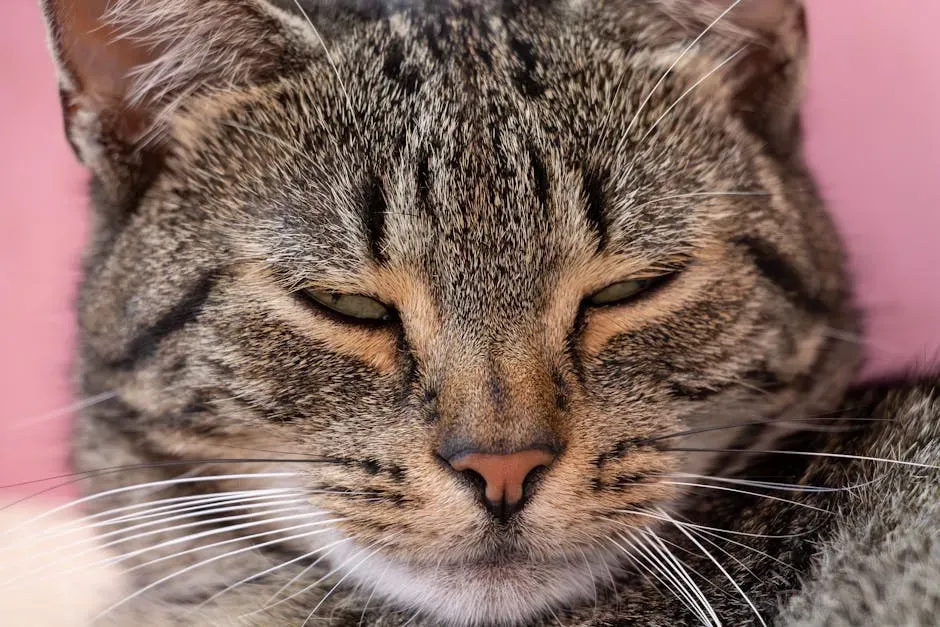
The act of slow blinking releases oxytocin – a hormone associated with bonding and affection – in both cats and humans. When a cat slow blinks at a trusted human, the gesture is not only a show of emotional security but also an actual biological response, fostering a sense of connection and wellbeing.
Domestic animals are sensitive to human cues that facilitate inter-specific communication, including cues to emotional state. The eyes are important in signaling emotions, with the act of narrowing the eyes appearing to be associated with positive emotional communication in a range of species. Your cat’s slow blink, it turns out, belongs to a much wider vocabulary of the eyes shared across the animal world.
How You Can Slow Blink Back at Your Cat
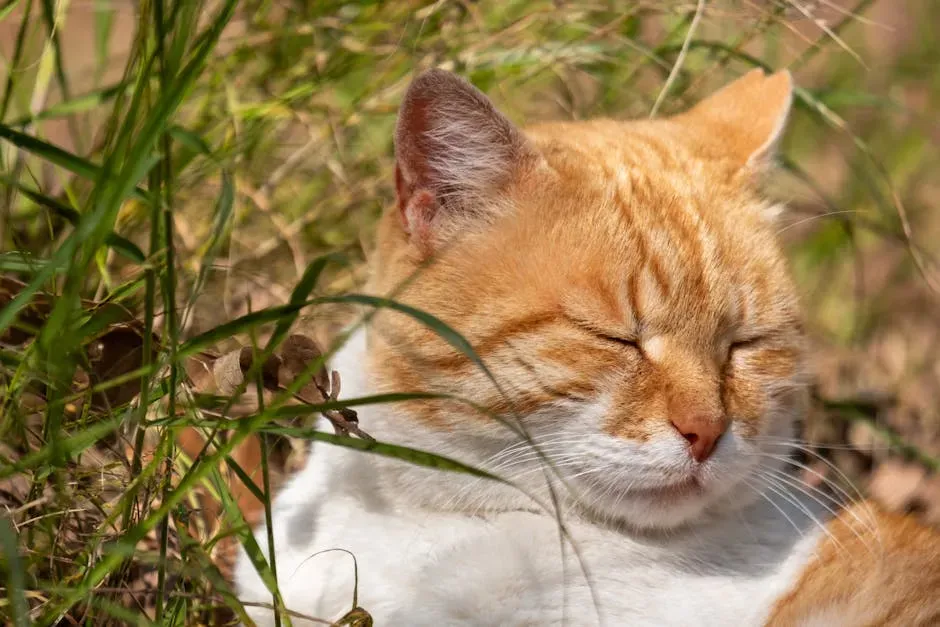
Research revealed that cats are more likely to slow blink at their owners after their owners have slow blinked at them, compared to when they don’t interact at all. In a second experiment with a researcher unfamiliar to the cat, the cats were more likely to approach the experimenter’s outstretched hand after they’d slow blinked at the cat. Taken together, the study shows that this slow blinking technique can provide a form of positive communication between cats and humans.
To try it yourself, sit about three feet away from your cat when they are calm and relaxed, wait until your cat looks directly at you, gently narrow your eyes as if you are smiling, slowly close your eyes for a moment, then open them again and watch your cat’s response. You don’t need a script, a prop, or any special timing. Just soft eyes and a quiet room.
Slow Blinking Between Cats: It’s Not Just for Humans
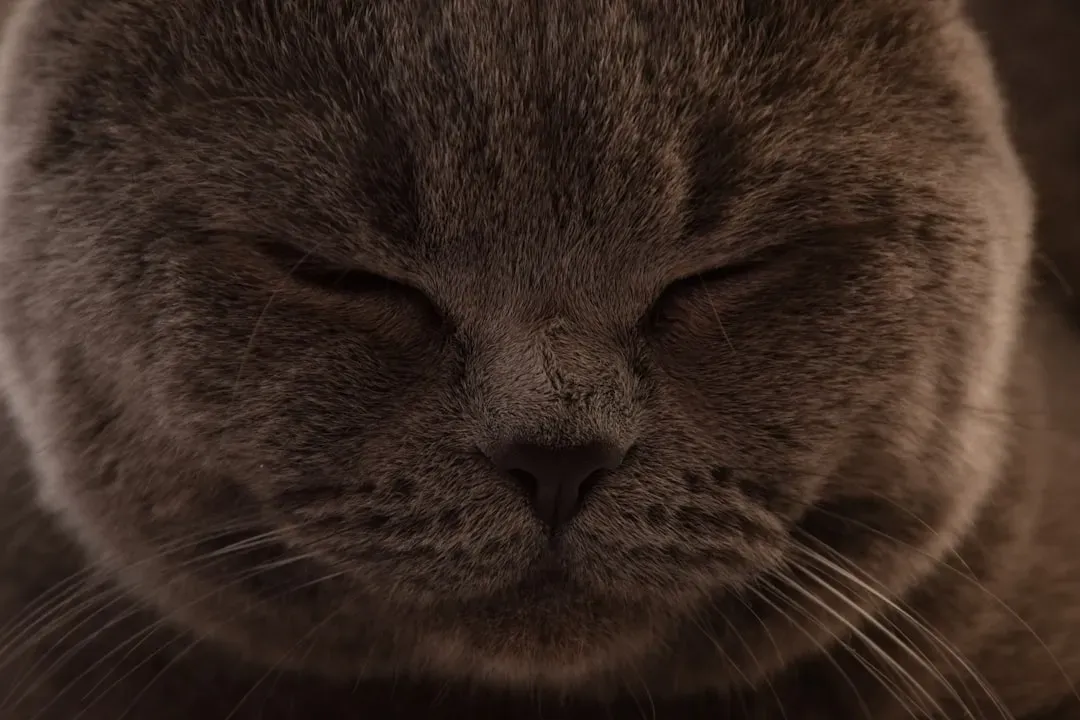
Cats also slow blink to one another to indicate friendliness, while a hard stare between cats is usually perceived as a threat or challenge. So the behavior isn’t something your cat invented exclusively for your relationship – it exists in their natural social toolkit, shared among felines who feel at ease with each other.
Cats do slow blink at each other. You’re more likely to see this among two cats who aren’t threatened by each other’s presence. If you share your home with multiple cats and notice them exchanging that gentle eye softening, you’re watching feline diplomacy at its most graceful.
What It Means When a Cat Slow Blinks at a Stranger
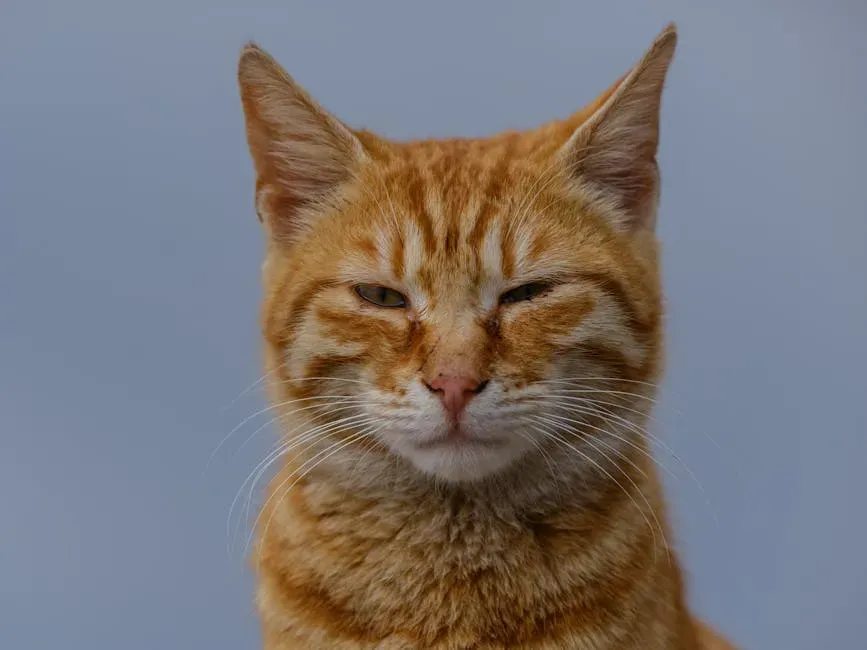
In one study conducted by animal behaviorists, researchers observed that cats were more likely to approach strangers who use slow blinking than those who did not. The slow blink acts as a bridge of communication, easing the natural wariness of cats and encouraging them to feel safe. That’s a striking finding, because cats are not typically known for warming up quickly to unfamiliar faces.
Your cat is also likely to slow blink back at other people who slow blink at them. So if you’re introducing someone new to your cat and you want to speed up the process, coaching that person to offer a slow blink may genuinely help. It’s a small gesture, but it communicates clearly in a language your cat already speaks.
When Your Cat Doesn’t Slow Blink – and What That Tells You
Regardless of age or breed, all cats can slow blink. Actually engaging in slow blinking is a personal choice, and some cats don’t enjoy doing it. If your cat doesn’t slow blink, don’t worry. It doesn’t mean you’ve done anything wrong or that your cat doesn’t love you. Affection in cats, like in people, doesn’t always look the same way.
Cats are famously undemonstrative, affection-wise, but they do have their ways of showing they care. Instead of a slow blink, they might purr on your lap, snuggle against you at night, or cry endlessly when you’re behind a locked bathroom door. Much like humans, cats have different types of love languages, and with a little patience and consistency, you can figure out the subtle cues that yours trusts you.
The Broader Implications for Feline Welfare
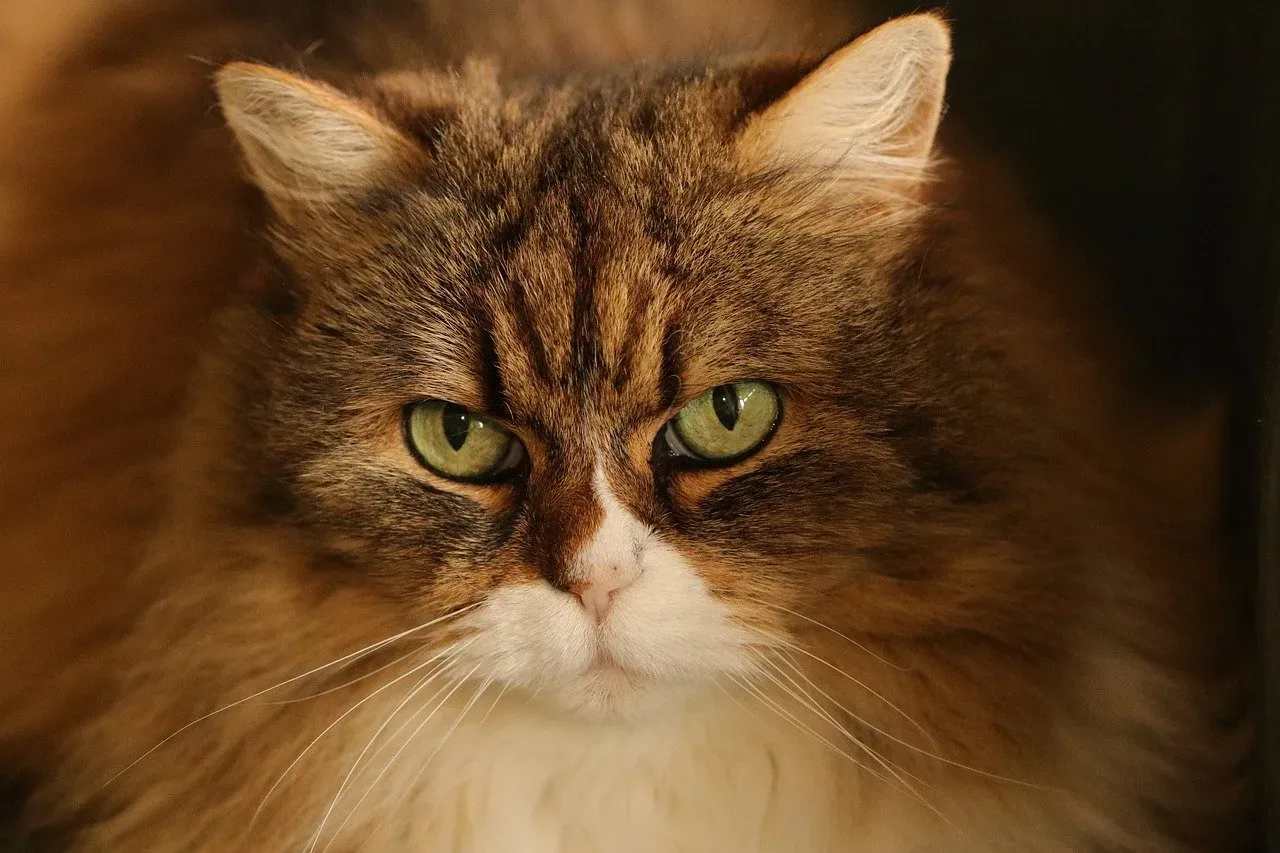
Research demonstrates for the first time that cats that responded to human slow blinking, specifically by using eye closures, were rehomed quicker than cats that closed their eyes less. This suggests that the use of slow blinking may have given cats a selective advantage during the domestication process. The simple act of a blink, in a shelter setting, can literally change a cat’s life.
The implications of this discovery go well beyond simple curiosity. The research suggests that this technique could be particularly useful in stressful situations, such as vet visits or shelter environments. Professionals working with cats could use it to ease tension and build trust more quickly. For anyone who spends time around cats in a professional capacity, that’s a genuinely practical takeaway.
Conclusion
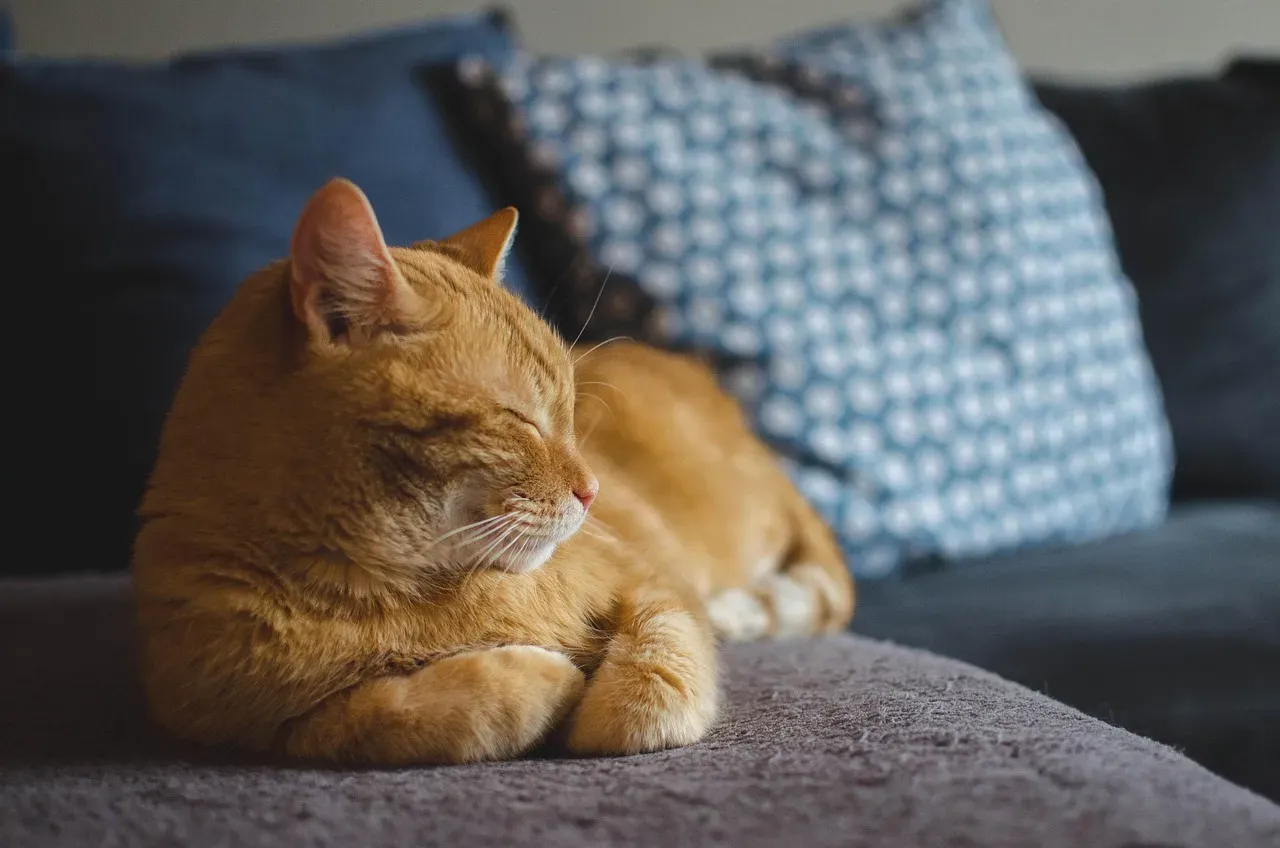
The slow blink is one of those small things that reveals something large. Your cat lives in a world full of stimuli and perceived threats, and in the middle of all that, they choose to close their eyes in front of you. That’s not a reflex. That’s a choice.
Many cats end up misunderstood because their subtle behaviors go unnoticed. Recognizing the meaning behind slow blinking helps us offer better emotional support, whether a cat lives in a warm home or a crowded rescue center. Learning to read these quiet signals is worth the effort.
The next time your cat settles across the room, catches your eye, and lets their lids fall slowly shut, don’t look away. Blink back. It’s one of the few conversations between species that doesn’t require a single word – and somehow, it says everything.
Kristina is a young writer from India. An arts graduate and an avid content creator, Kristina is passionate about animals and wildlife. She enjoys exploring topics related to pet care, animal behavior, conservation, and nature, combining thorough research with engaging storytelling.