There’s a moment most cat owners recognize. You walk through your front door carrying invisible weight, and before you’ve even sat down, your cat is already watching you from across the room, its gaze steady and unhurried, reading something you haven’t said aloud. It’s easy to chalk that up to coincidence. Harder to explain is why it keeps happening.
Cats possess sensory abilities far exceeding human perception, including superior hearing, enhanced night vision, and acute sensitivity to vibrations and electromagnetic fields. What we often interpret as an almost supernatural attentiveness is, in fact, rooted in genuine biological capability. Your cat isn’t mystical. It’s just tuned into a frequency you can’t quite access.
Your Cat Reads the Scent of Your Emotions
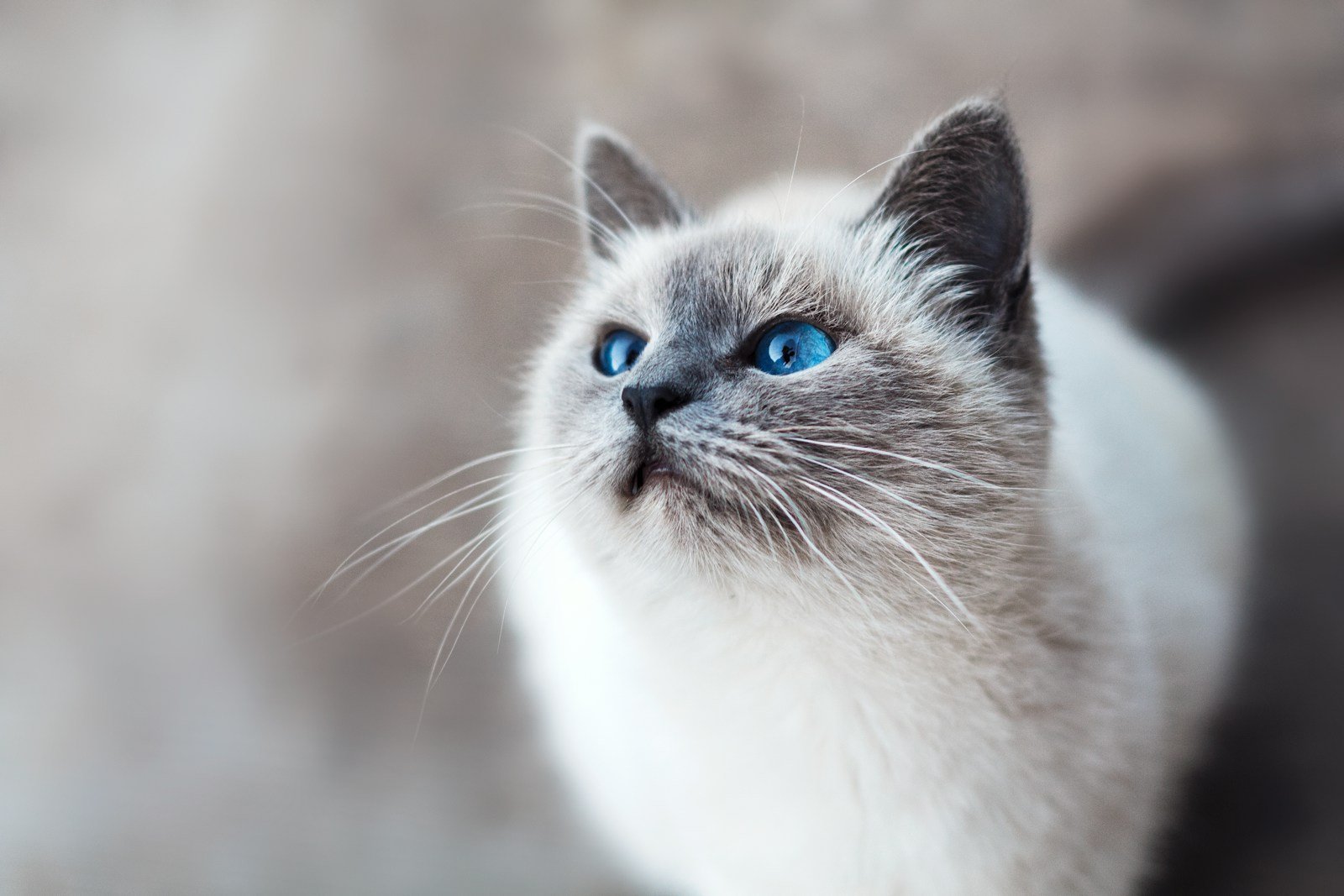
Strong emotions may lead to changes in your hormones, thus changing the scent you’re giving off. Cats and dogs are highly receptive to scents, which is likely how they sense energy and mood shifts. When you’re anxious, grieving, or quietly overwhelmed, your body chemistry tells a story your face doesn’t always show.
Strong emotions can lead to hormonal changes, which in turn alter the scents we give off. This sensitivity helps cats absorb bad energy, as they are highly receptive to these shifts in scent. Anecdotal evidence suggests that cats respond differently to the scents we emit when our moods shift. The chemistry of your emotional state quite literally travels through the air, and your cat is paying close attention.
Their Hearing Goes Far Beyond What You Can Imagine
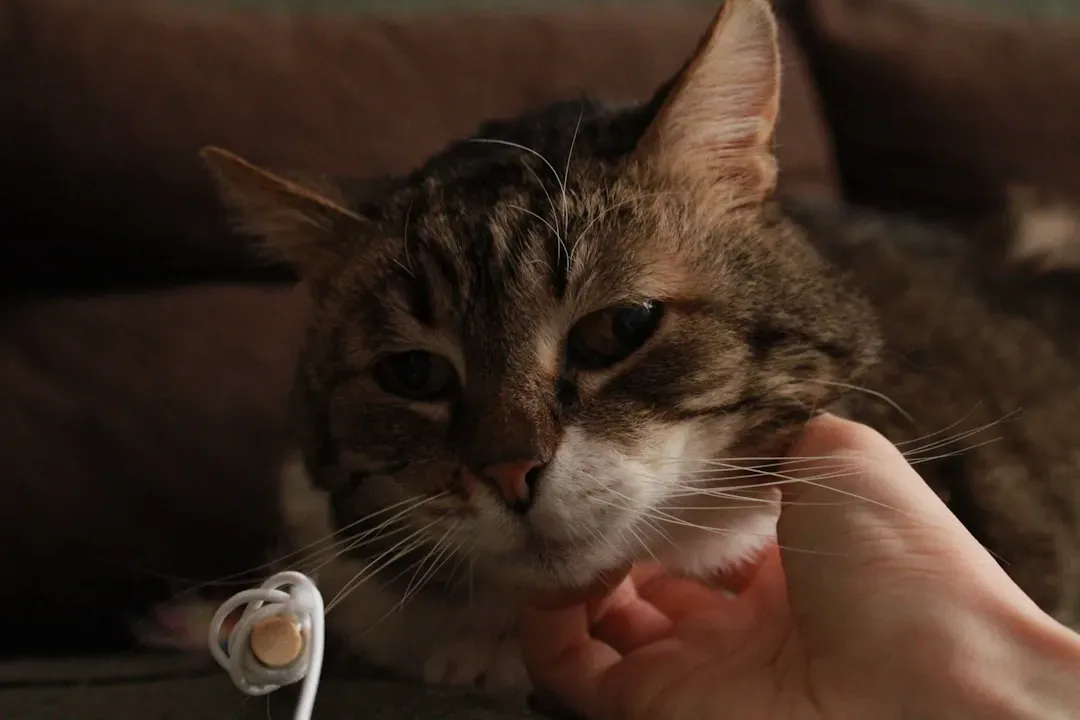
Their hearing range extends from 45 to 64,000 Hz, far beyond human capacity, allowing them to perceive subtle vibrations and low-frequency sounds that might precede an earthquake. This expanded hearing isn’t just useful during seismic events. It means your cat hears shifts in your home’s ambient soundscape that you’d never consciously register.
If your cat suddenly fixates on an empty corner or hisses at a particular spot, they might be reacting to subtle environmental changes like shifts in air pressure, ultrasonic sounds, or even electromagnetic disturbances, things that are beyond our perception. With their ability to hear frequencies up to 64 kHz, far beyond the human range of 20 kHz, they’re attuned to a world of sounds and cues we simply can’t detect. That strange staring at a wall isn’t paranoia. It may be attentiveness you simply can’t share.
You Can’t Hide Your Emotional State From Your Cat

Cats possess an extraordinary ability to read human emotional states. A 2020 study in Animal Cognition journal revealed that cats can distinguish between happy and angry human faces and voices, adjusting their behavior accordingly. This isn’t passive observation. Your cat actively interprets the information your face and voice send out, and it adjusts its behavior in real time.
Research demonstrated that cats could recognize happiness and anger based on their owners’ voices and facial expressions. The cats in the study also showed signs of stress when they recognized that their owners were giving off “bad energy” or anger. In other words, your emotional state becomes your cat’s emotional state too, whether you intend that or not.
The Vomeronasal Organ: Your Cat’s Hidden Sensor
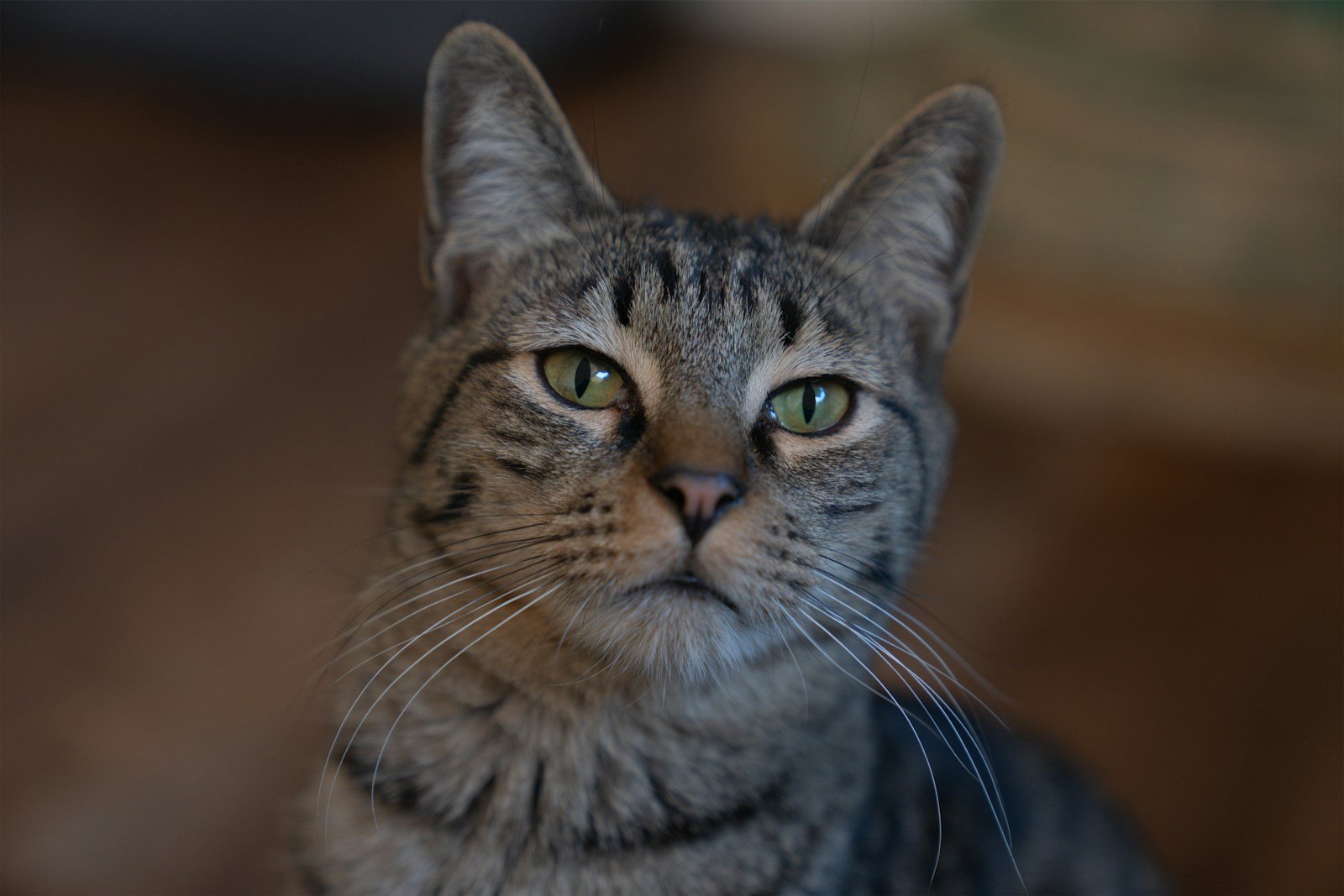
Cats have an additional sensory organ called the vomeronasal organ, or Jacobson’s organ, located in the roof of their mouth. This specialized structure allows them to “taste” scents and detect pheromones that are completely invisible to human perception. It’s a dual-function system that makes their chemical awareness of your home remarkably precise.
Cats use their Jacobson’s organ, located on the roof of their mouth, to process these scents. Ever seen your cat open their mouth slightly and freeze, looking like they’re in a trance? That’s called the Flehmen response, and it’s how they analyze pheromones in the air. The next time you notice that brief open-mouthed pause, your cat is essentially conducting a chemical reading of your home’s current atmosphere.
Your Cat Senses Approaching Storms Before You Do
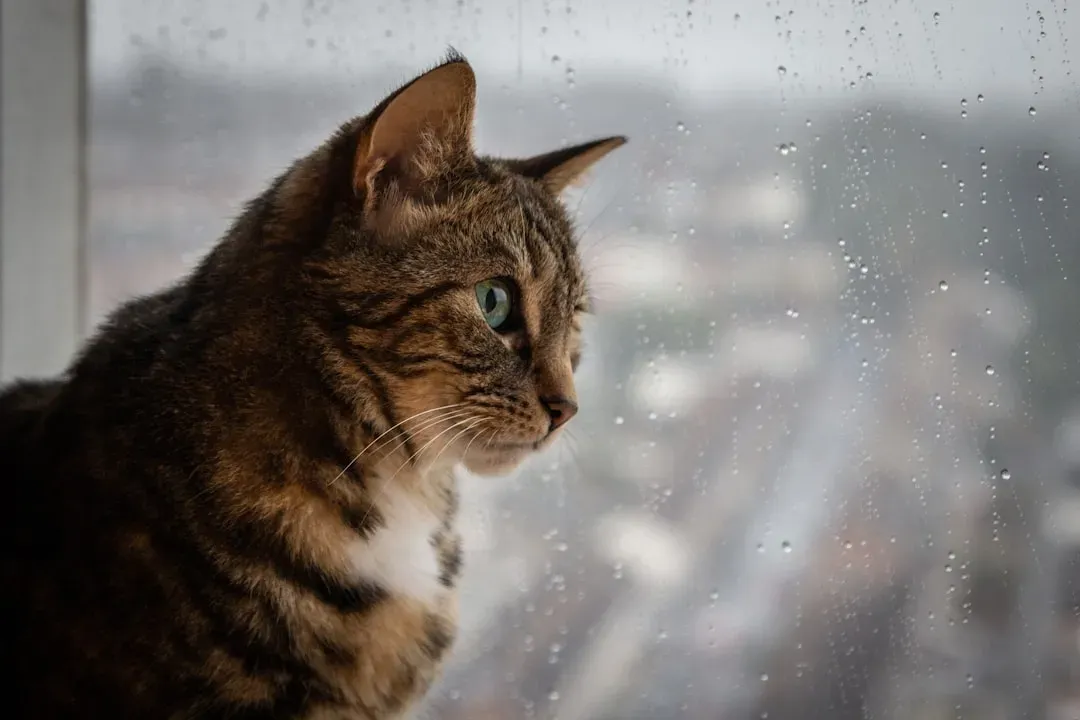
Cats can often sense approaching thunderstorms due to their sensitivity to changes in atmospheric pressure. As a storm is brewing, the drop in pressure, along with changes in humidity and a buildup of static electricity, can make them feel uneasy or anxious. They can also hear the distant rumble of thunder long before we do and may even sense static in the air. This explains that restless, inexplicable pacing you might see well before any weather warning appears on your phone.
Cats are also extremely sensitive to changes in atmospheric pressure, which can fluctuate before certain weather events, including storms or hurricanes. These changes in air pressure are often imperceptible to humans but may be detectable to cats through their keen senses. For example, before a thunderstorm, cats might become restless or hide. This behavior could be attributed to their ability to sense the shift in air pressure that precedes the storm. If your cat suddenly retreats to an unusual hiding spot on an otherwise calm afternoon, it’s worth glancing at the weather forecast.
They Feel Seismic Shifts Beneath Your Feet
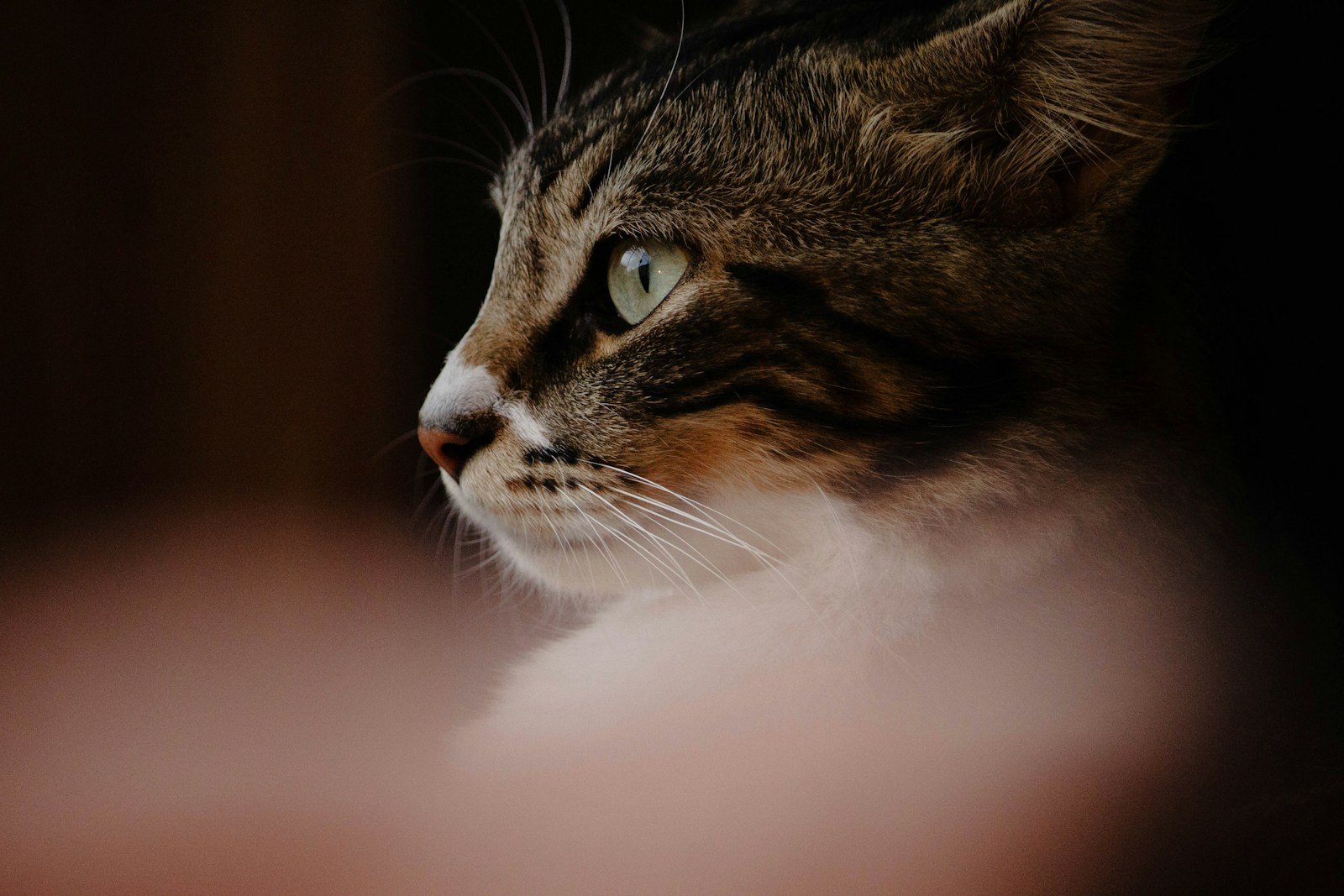
Cats’ sensitive paw pads contain thousands of nerve endings that can detect minute ground movements. Their whiskers, or vibrissae, are also finely tuned to detect changes in air pressure and vibrations, potentially alerting them to environmental changes before a seismic event. The ground beneath your home carries information your cat can feel through its body that you cannot.
Earthquakes start with fast, subtle P-waves, which we don’t notice, followed by stronger shaking S-waves. Unlike us, cats can likely sense the initial P-waves, which is why they often act anxious before an earthquake hits, or at least before we notice it’s there. Their unusual agitation in those moments isn’t random. It’s a physical response to something already in motion underground.
Your Cat Knows When You’re Not Well
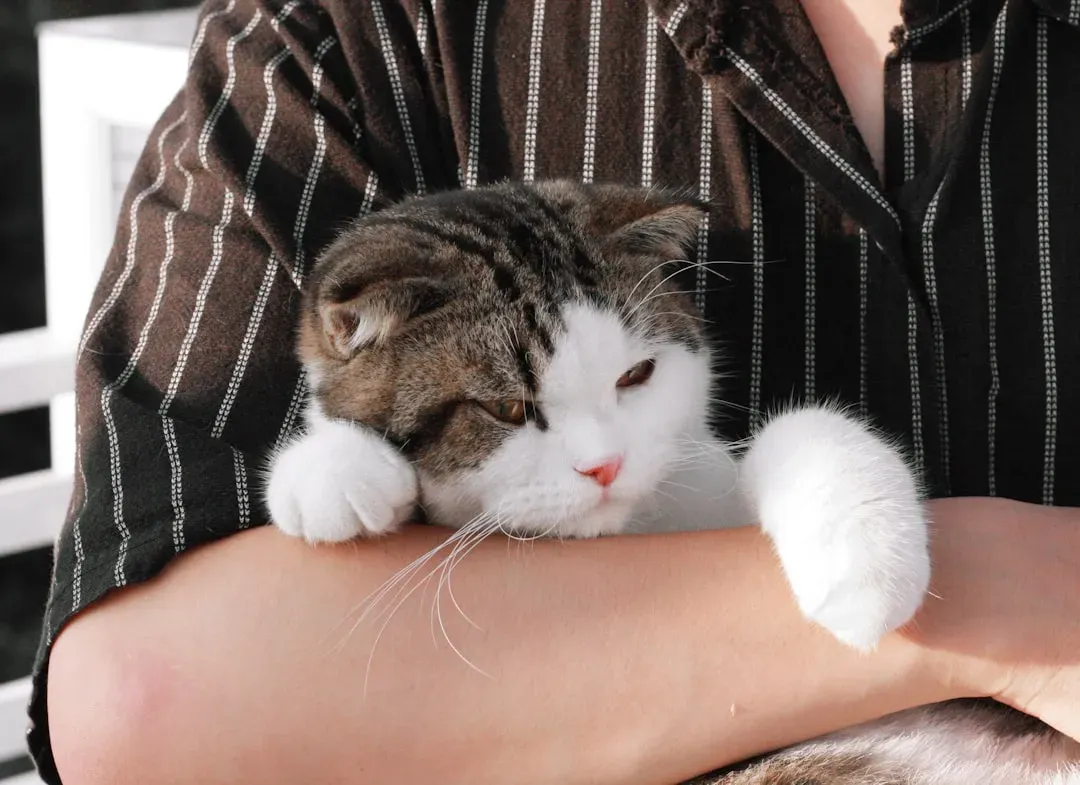
Cats detect physiological changes before we consciously register symptoms. The direct answer is yes, cats can sense when you are unwell. They do this through scent detection, thermoregulation sensitivity, and pattern recognition of your daily behavior. Your cat has been building a behavioral and chemical baseline of you over years, and any deviation from that baseline gets noticed.
Cats possess up to 200 million scent receptors in their noses, far more than humans. Illness can change human body odor due to chemical changes or medications, which a cat may easily detect. There’s anecdotal evidence suggesting some cats can detect serious illnesses, including cancer, through changes in scent caused by chemical compounds the disease produces. It’s worth taking your cat’s sudden attentiveness seriously, especially when it targets a specific part of your body.
The Purr Is Not Just Comfort – It’s Vibrational Healing
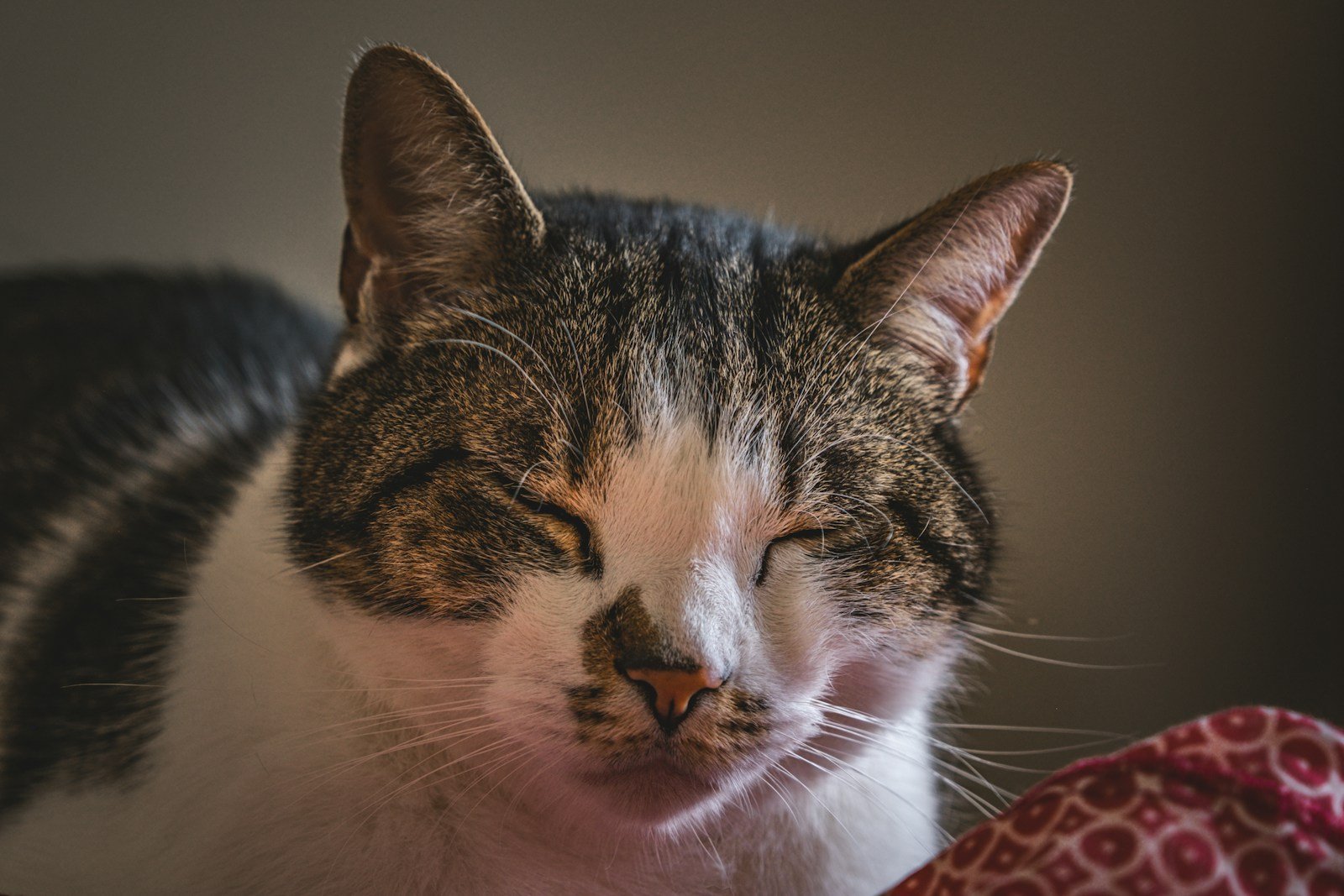
The average domestic cat purrs at a frequency of 25 to 150 Hertz. Research suggests that the frequency of cat purring may aid in healing processes. Frequencies in the 25 to 150 Hertz range are known to help promote the healing of bones, reduce inflammation, and improve joint mobility. That low, rolling vibration your cat produces isn’t a passive expression of contentment. It’s doing something measurable to the air and surfaces around it.
Being multi-frequency, the cat’s purr accelerates the healing of bones, reduces pain, and relaxes muscles. One of the most immediate effects of cat purring on humans is its ability to reduce stress and anxiety. The soothing sound and vibration of a purr have been compared to the calming effects of meditation. Studies suggest that the frequency of a cat’s purr has a relaxing effect on the human nervous system. When your cat settles onto your lap on a difficult day, it’s changing the physical and emotional environment of the room in a real, documented way.
Your Cat Responds to Tension Between People in Your Home
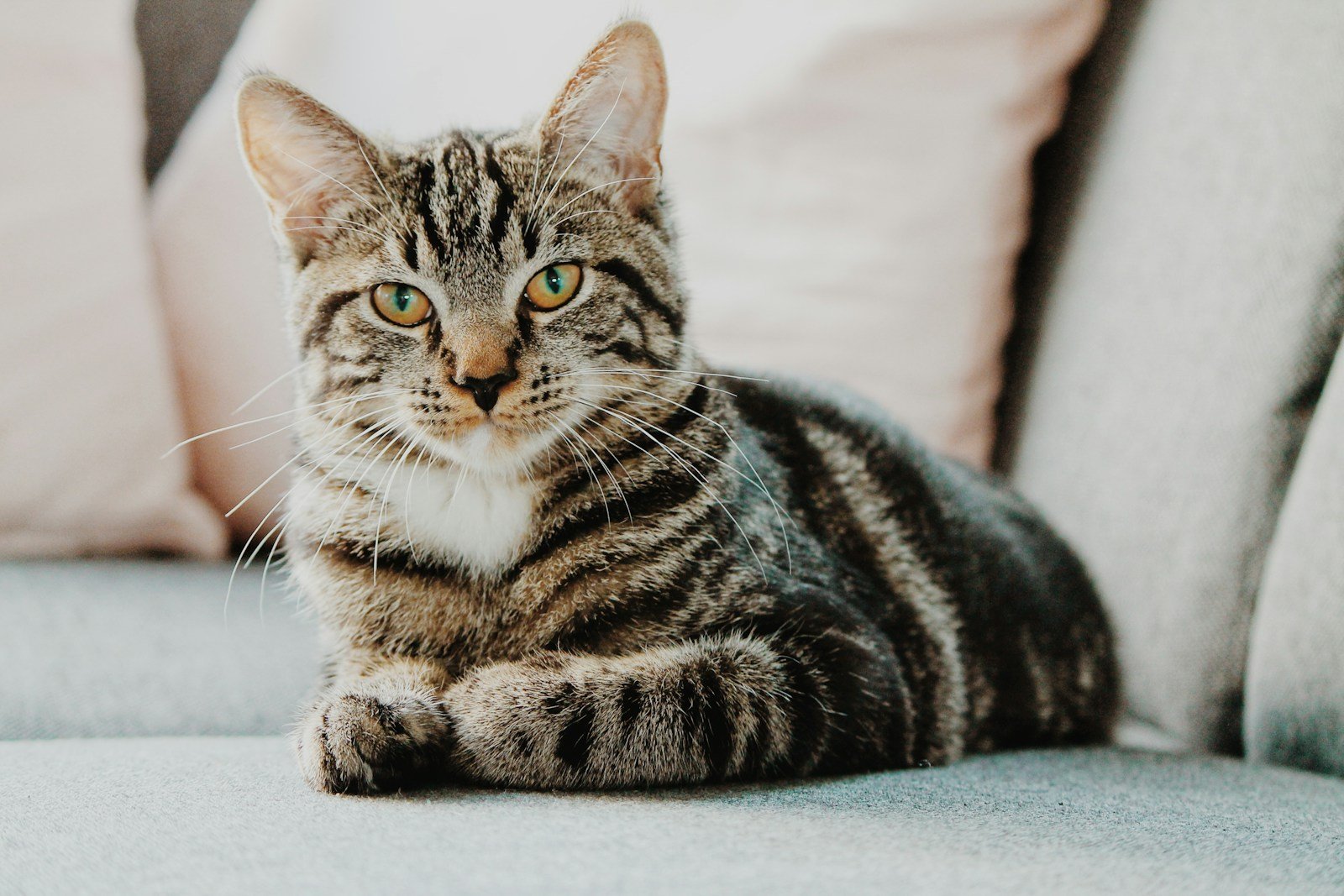
Some experts believe that cats may be able to detect changes in human pheromones associated with stress, fear, or other negative emotions. In a household where tension or stress is prevalent, cats might pick up on these subtle chemical signals and alter their behavior accordingly. This could explain why some cat owners observe changes in their feline companion’s demeanor when they themselves are experiencing heightened emotions. Your cat doesn’t need to hear raised voices. The chemical signature of conflict in a room is enough.
When you’re feeling stressed, your cat picks up on it through your scent, expressions, and voice. In response, they might try to comfort you by staying close or, alternatively, they might retreat to give you space. Their behaviors are a reflection of the energy they sense, making them quiet but effective emotional barometers. Pay attention to how your cat behaves during tense household moments. It’s registering what you’re all broadcasting, even when no one is speaking.
Your Cat Mirrors Your Energy Back to You
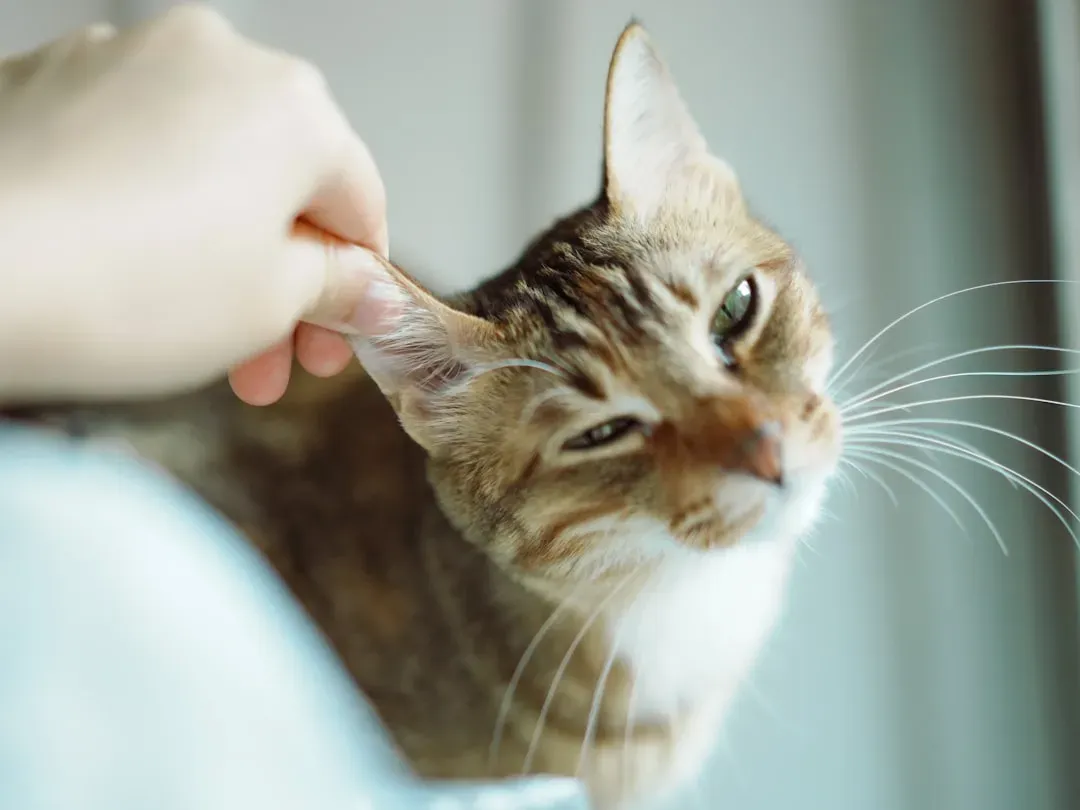
Cats often mirror their owner’s energy and emotions. If you’re feeling stressed or anxious, your cat may exhibit similar behaviors, such as pacing or meowing excessively. Conversely, if you’re calm and relaxed, your cat may curl up next to you and purr contentedly. The atmosphere you carry into your home doesn’t stay with you alone. Your cat wears it too.
Studies have confirmed that cats form strong emotional bonds with their owners and can distinguish their voices from those of strangers. This deep connection enables cats to respond to their owners’ emotional states with remarkable accuracy. When humans experience stress, anxiety, or depression, their cats often display empathetic behaviors such as increased physical proximity and purring, which can have therapeutic effects on both parties. There’s a loop running between your emotional state and your cat’s behavior, and it’s more interconnected than most people realize.
Conclusion
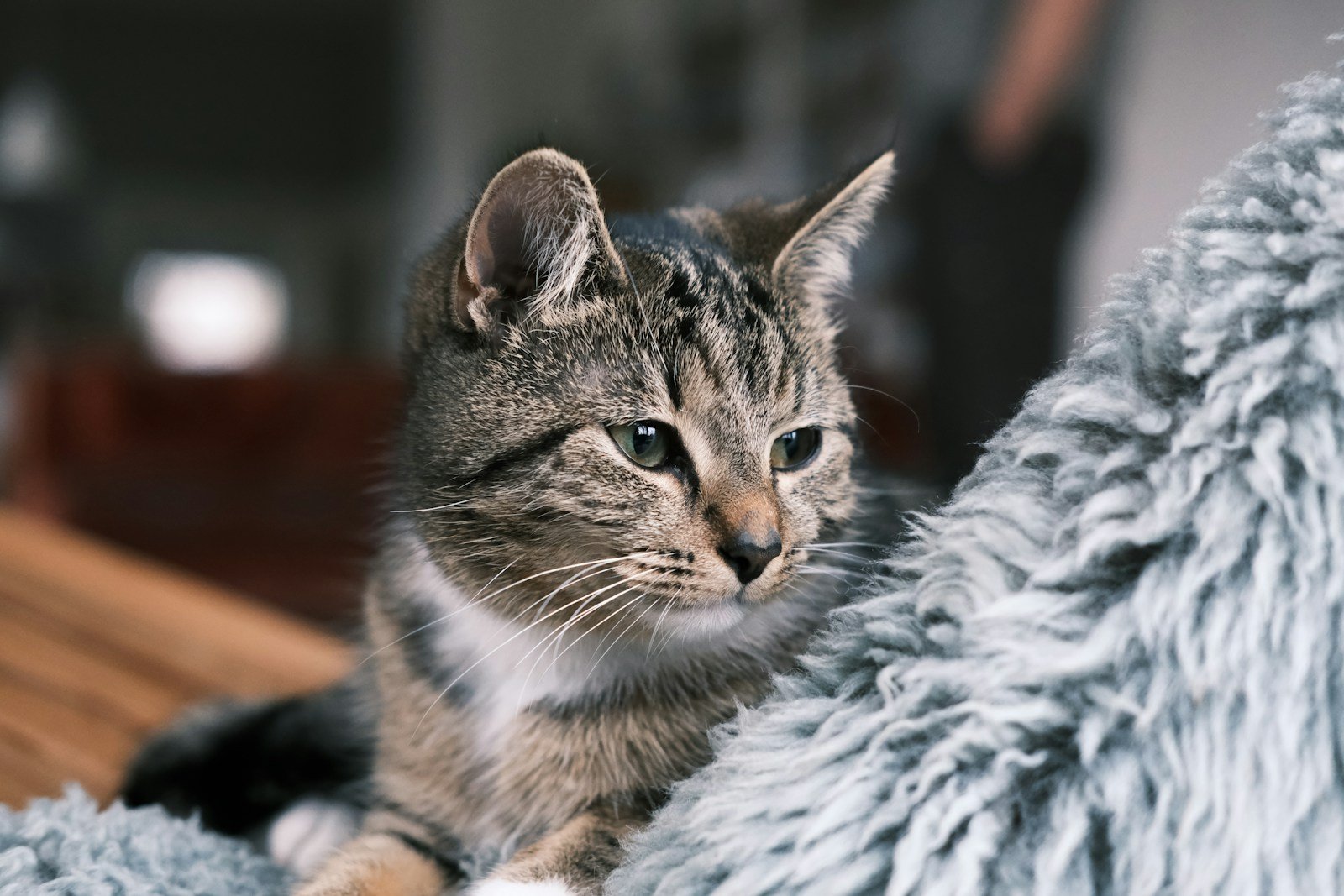
The idea that your cat senses changes in your home’s energy isn’t a folk tale dressed up as intuition. It’s grounded in measurable biology. From the chemical language of hormones and pheromones to the physics of purring frequencies and the mechanical sensitivity of paw pads, your cat has built-in tools that make it genuinely responsive to things you can’t perceive with your own senses.
That doesn’t mean every unusual behavior needs a dramatic interpretation. Cats are also simply creatures of habit, comfort, and quirk. Still, when your cat settles unusually close during a stressful week, lingers over a part of your body that later turns out to need attention, or retreats just before a storm rolls in, it’s worth taking a moment to pay attention in return. Your cat has been watching you that carefully all along.
Kristina is a young writer from India. An arts graduate and an avid content creator, Kristina is passionate about animals and wildlife. She enjoys exploring topics related to pet care, animal behavior, conservation, and nature, combining thorough research with engaging storytelling.