There’s a persistent assumption that a cat’s heart is basically won with a pouch of tempting snacks. Offer them something delicious, and you’re automatically their favorite person. It’s a charming idea, and it’s only partially true. The full picture of what your cat actually wants from you is a good deal richer than anything that comes in a foil wrapper.
Scientists from Oregon State University set out to test this very idea, and what they found may surprise you: cats actually prefer human social interaction to food. That single finding reshapes the entire conversation around cat bonding. Your presence, your attention, and your behavior toward your cat are arguably the most valuable currency you have.
The Power of Genuine, Unhurried Attention
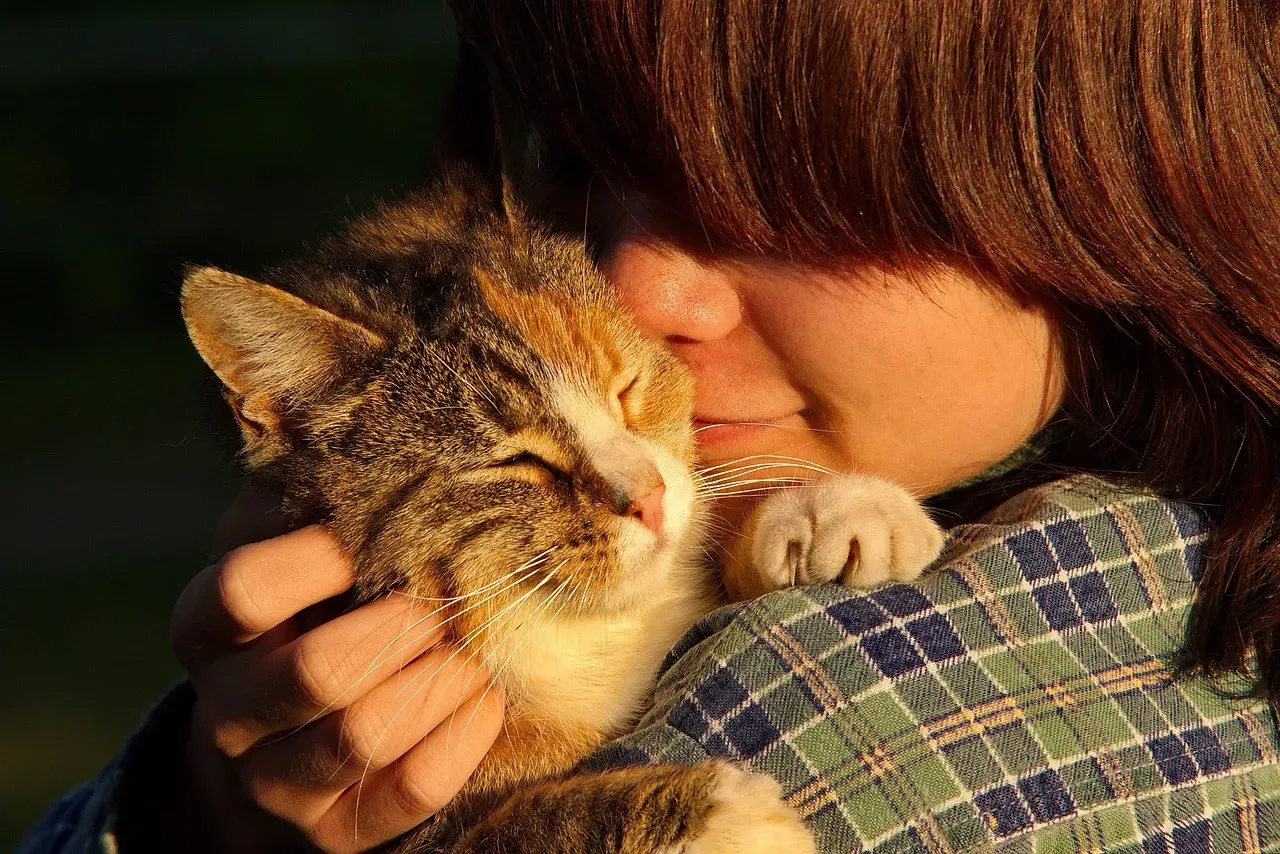
Your cat notices when you’re distracted. They’re wired to pick up on your energy, your posture, and whether or not you’re truly present. Cats watch how you move through your home, how you speak, how predictable you are, and how regulated or restless your energy feels. That kind of quiet attunement matters more than most people realize.
In the Oregon State University study, cats were offered a choice between food, toys, scent, and social interaction with humans. Although there was clear individual variability in cat preference, social interaction with humans was the preferred activity for the majority of both pet and shelter cats, followed by food. So the next time your cat strolls over and simply sits near you, understand that your company is genuinely what they came for.
Interactive Playtime That Mimics the Hunt
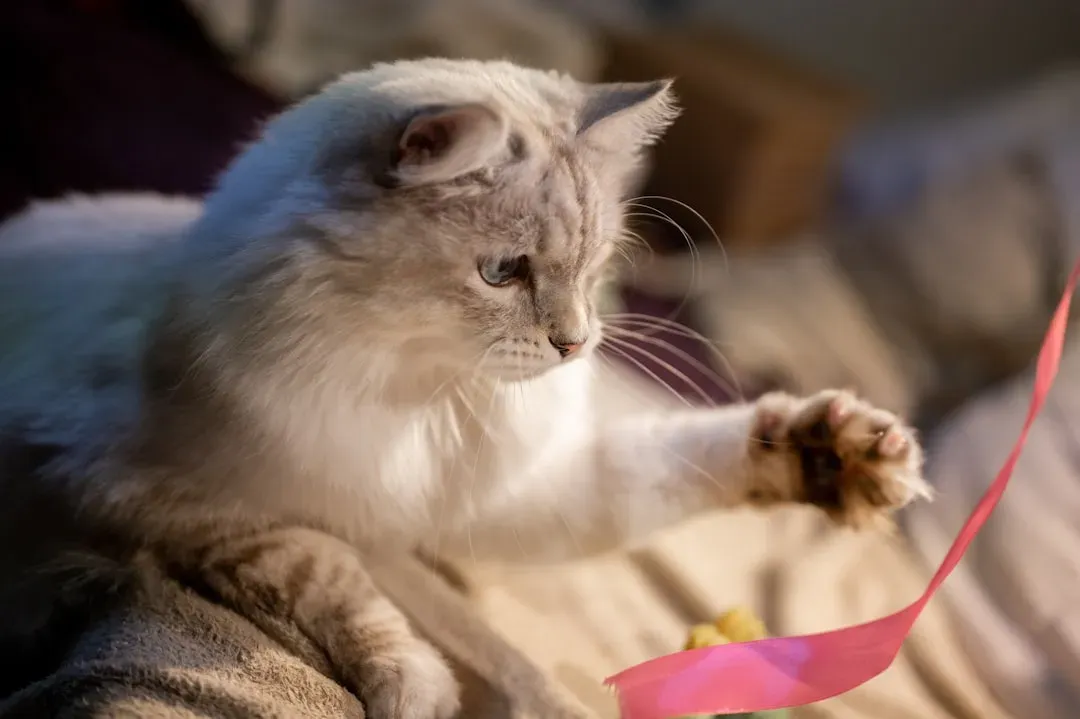
Cat play appears to be motivated by initial interest and rapid habituation. You should find a number of toys that interest your cat and play with several different toys until interest wanes. To add an element of hunting, you can give your cat opportunities to chase, pounce on, and bite toys that you dangle or pull in front of them. This kind of active, participatory play is not something a toy can replicate on its own.
Cats thrive on play, which stimulates their minds and bodies. Interactive play sessions involving toys like feathers or laser pointers cater to their hunting instincts. These sessions promote physical health and offer essential mental stimulation. During playtime, you become a part of your cat’s world, building a bridge of trust and joy. It’s in these moments that cats learn to associate you with fun and positive energy.
The Slow Blink: Your Cat’s Silent Love Language
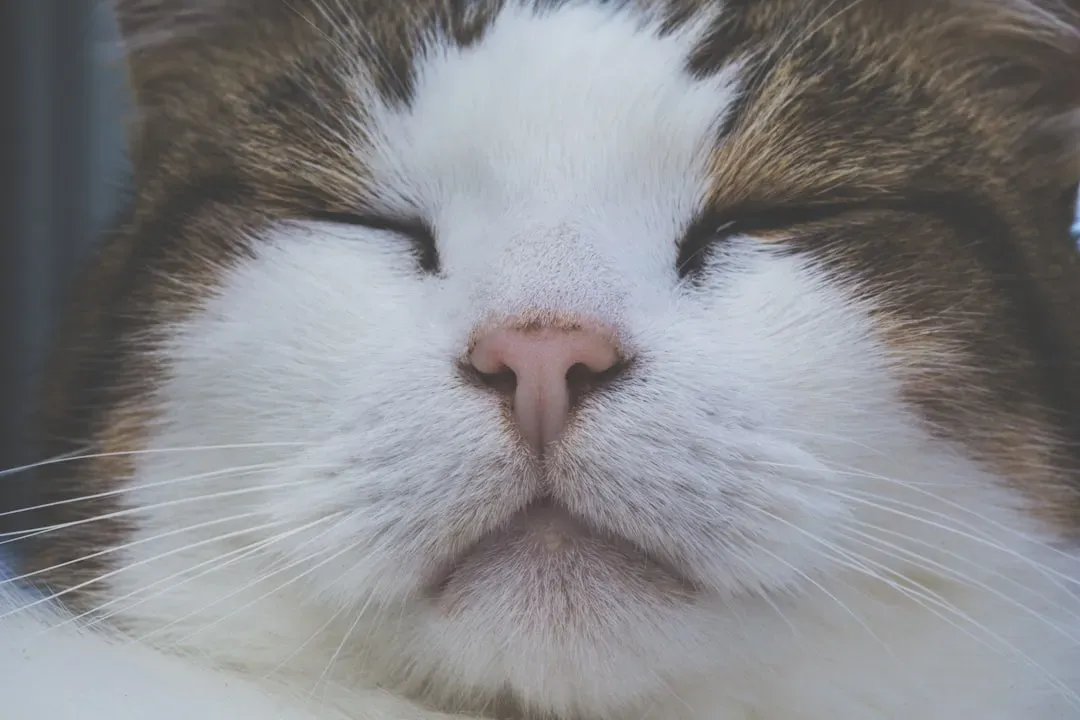
Cats slow blink only with their most trusted family members, so it’s a sign of a strong cat and owner bond. A cat’s slow blink is when they slowly close and reopen their eyes while looking at someone they trust. A slow, intentional blink is a common sign that your cat is happy and loves you. It costs you nothing, and it speaks volumes.
Research confirmed that cat half-blinks and eye narrowing occurred more frequently in response to owners’ slow blink stimuli toward their cats compared to no owner-cat interaction. In a second experiment, cats had a higher propensity to approach the experimenter after a slow blink interaction than when the experimenter had adopted a neutral expression. Try it the next time your cat is watching you from across the room. The response can be remarkably moving.
Consistent Daily Routines as Emotional Security
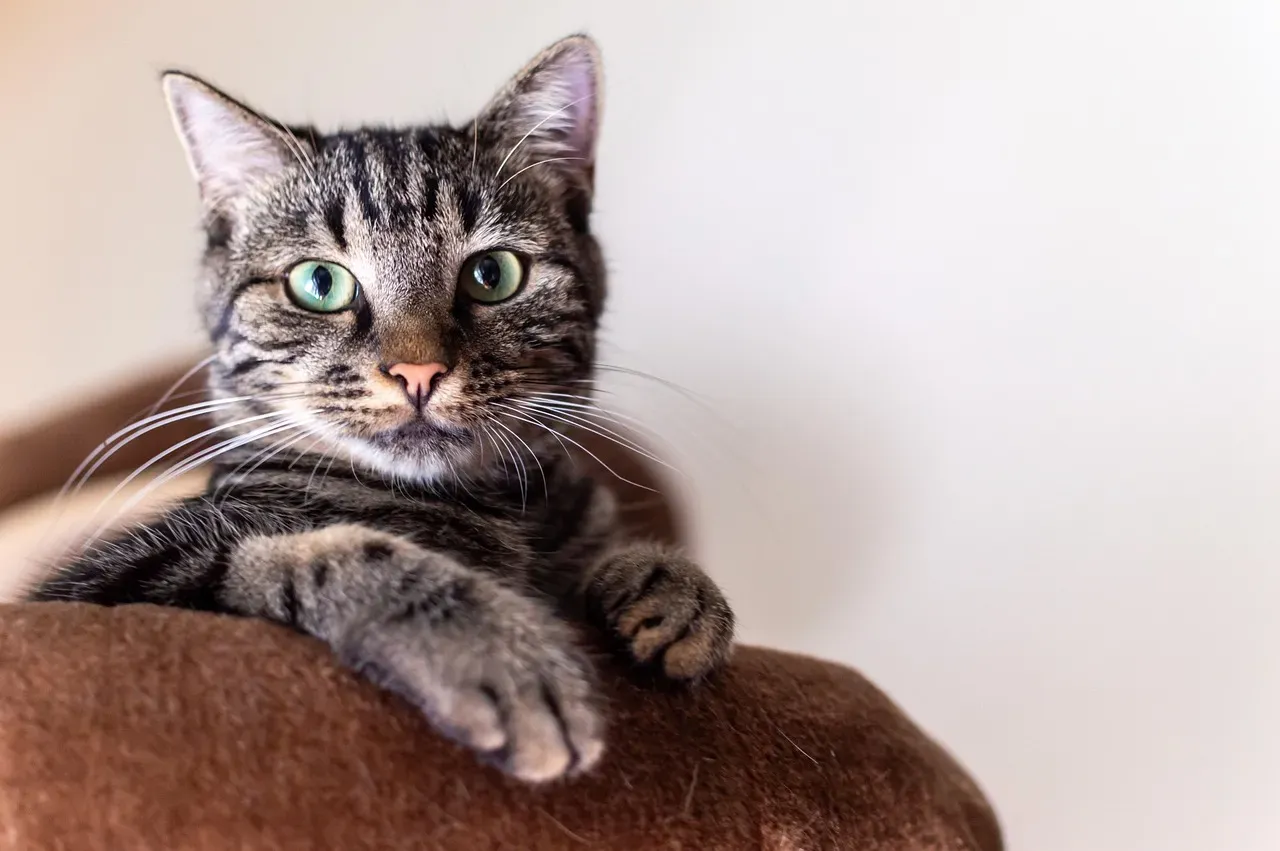
For cats, predictable routines help regulate stress, emotions, and behavior. Cats are highly sensitive to unpredictability. When their daily world feels inconsistent or chaotic, stress builds quietly and often shows up later as behavioral problems. A predictable routine allows their nervous system to relax. This is one of the most underappreciated gifts you can give your cat, and it requires no special equipment.
A predictable and consistent routine is important. An inconsistent routine can be a source of chronic stress for cats, which in turn can have detrimental effects on their physical health over time. Predictability matters most in areas like regular playtime or cuddling sessions that strengthen your bond with your cat, and in keeping their litter box, scratching post, and resting spots in the same location to promote stability.
Respectful Touch on Their Terms
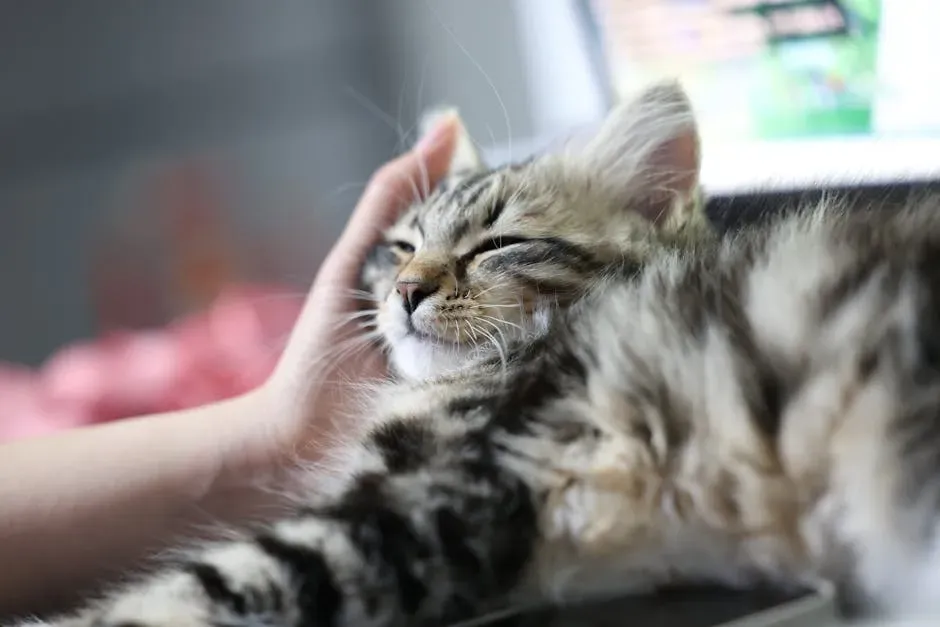
For non-food motivated cats, bonding usually comes down to praise and affection or playtime. In spite of the popular misconception that cats are aloof, a surprising number of cats love to be praised. The catch is that the petting needs to happen on their terms, not yours. Pushing for physical contact when a cat hasn’t invited it can actually undo trust rather than build it.
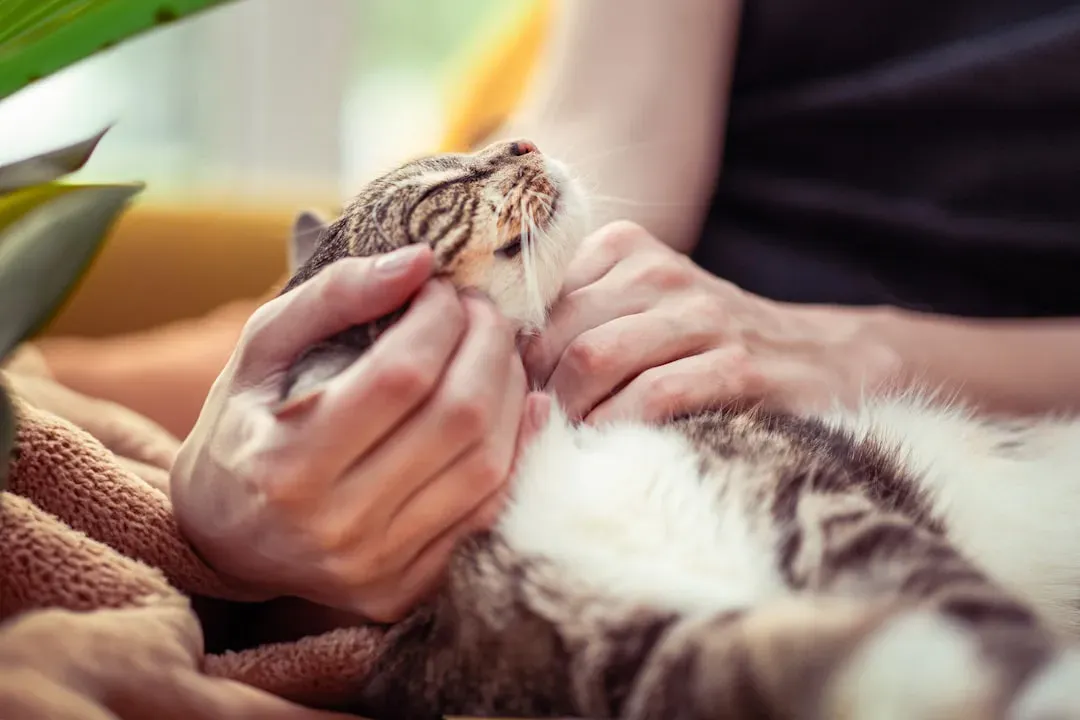
When cats expose their bellies, they are saying they trust you. When you take them up on this by rubbing their bellies, they may retract it with a bite or a scratch, as it was only meant as a form of communication. If you establish even more trust, you may be able to go in for the pets without reprimand, but be gentle and keep in mind this is a physical expression of trust more than it is an invitation. Reading those signals accurately is, in itself, a form of respect your cat deeply appreciates.
Grooming Sessions as Bonding Rituals
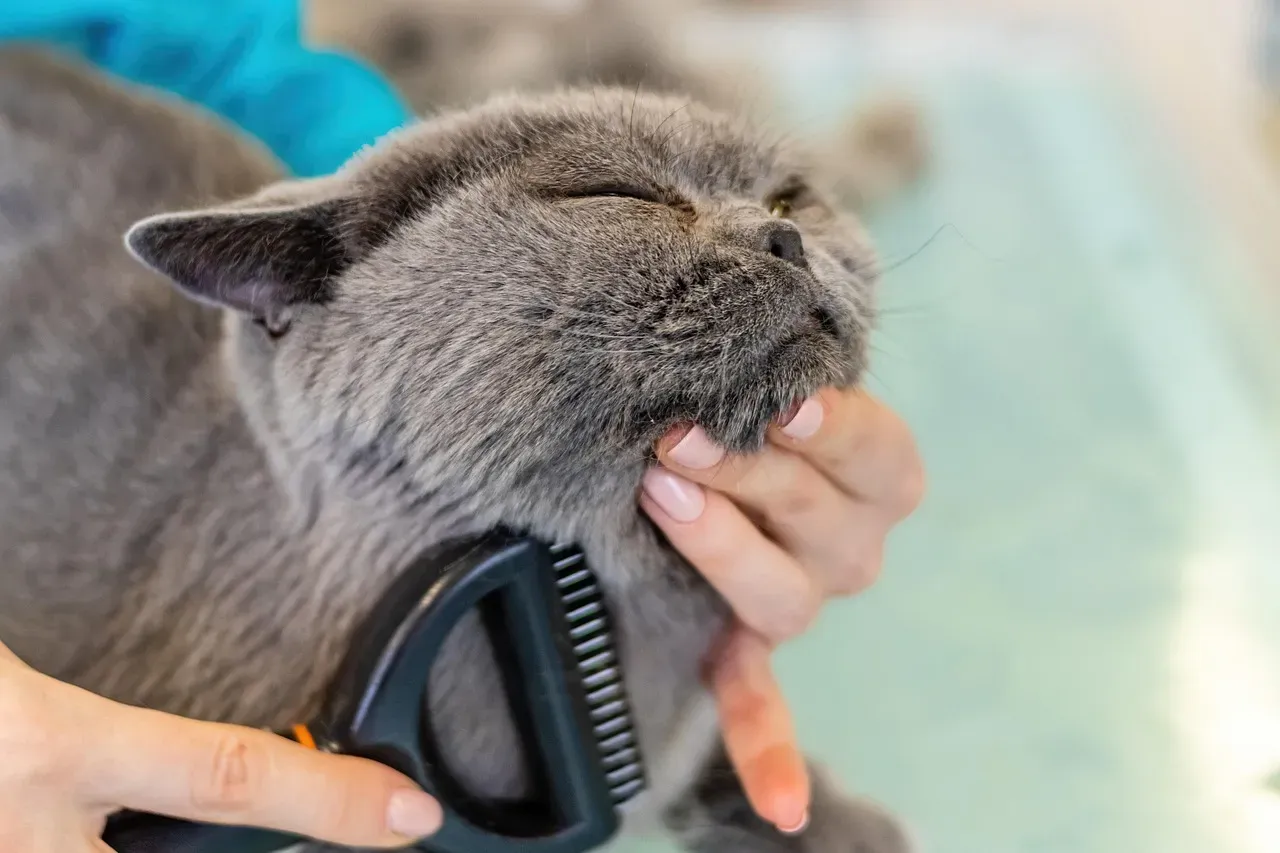
Grooming is more than keeping your cat’s coat healthy; it’s a bonding activity. Brushing your cat not only removes tangles but also mimics the social grooming they engage in with other cats. During grooming, you’re nurturing your cat and reinforcing your role as a caregiver. It’s a time of closeness and trust, where your cat learns to associate your touch with comfort.
A relaxed, slow blink might signal that it’s a good time to brush your cat. Grooming not only keeps a cat’s fur healthy and free of matting, but it’s also a way to bond with your pet, since closely bonded cats will often groom each other as part of their social interaction. Pay attention to your cat’s body language during the session. If they lean into the brush, you’re doing it right.
Vertical Space and Environmental Enrichment
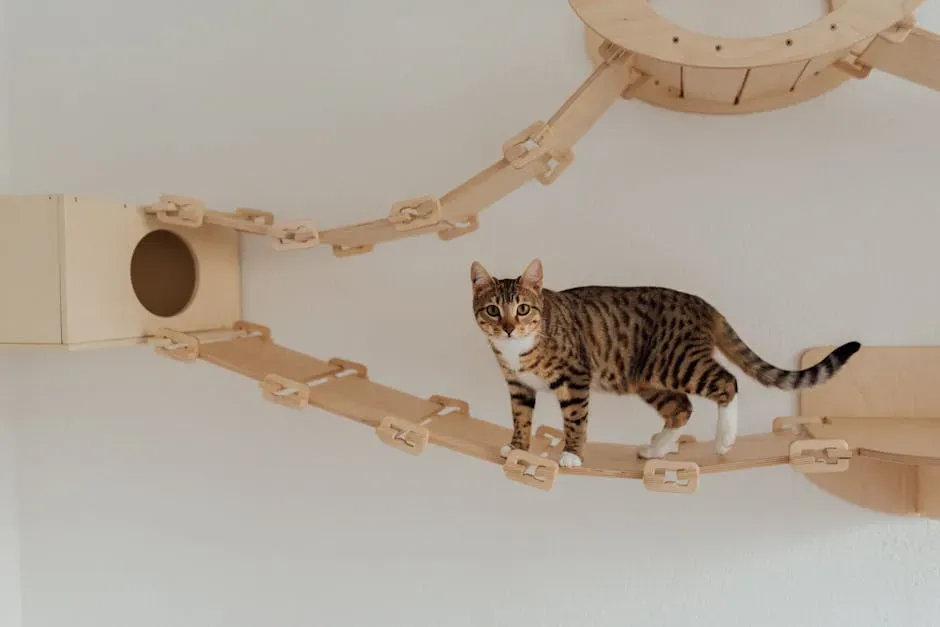
As prey, cats escape to high places where large predators can’t follow. Jumping and climbing to high places continues to be a normal behavior for domesticated cats. Like their ancestors, your feline friends seek out high places to survey their home territory and to escape from other pets, young children, or something that scares them. Providing these spaces is a direct act of care.
A safe place to hide can provide a sense of security and control. From a protected location, often a vertical space, your cat can survey the environment and be protected from potential threats. Providing a variety of safe hiding locations at various elevations can help cats feel secure and decrease their stress. A well-placed cat tree or a cleared shelf by the window can mean more to your cat than you might expect.
Your Calm Presence During Quiet Time
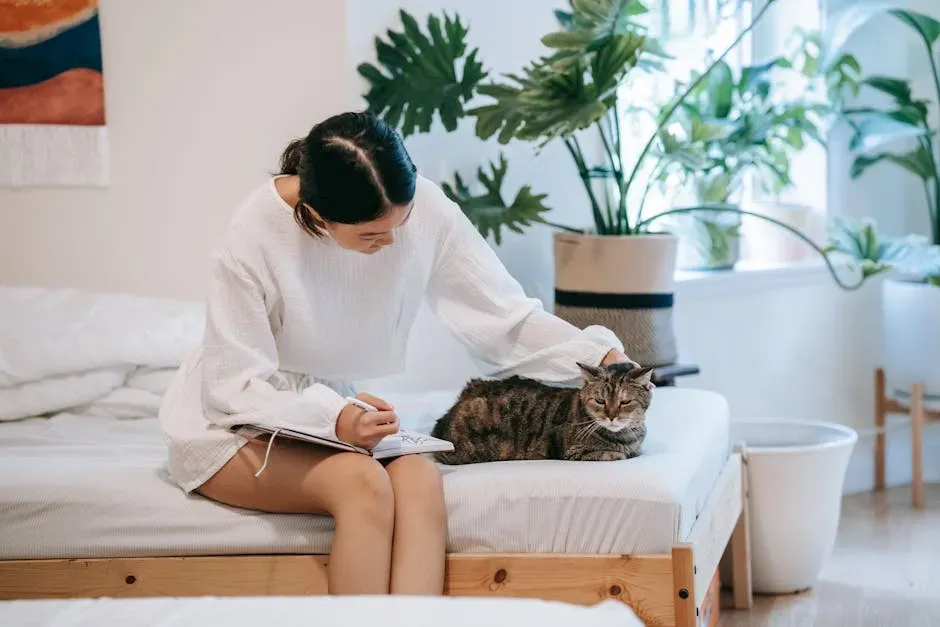
Spending downtime together is a meaningful way to bond with your cat. Whether you’re reading or watching TV, having your cat beside you creates a shared experience of calmness. This relaxed companionship strengthens your relationship, as your cat learns to associate you with comfort and peace. It’s a simple yet effective way to deepen your connection.
Scientists announced that cats appear to display traits of the “secure attachment” seen in dogs, where the presence of a human caregiver prompts behaviors signaling security and calmness. There’s even separate evidence that cats, upon receiving a stroke, get a sudden dose of brain hormones like humans receive when around their loved ones. Your simple, unhurried proximity is doing more work than you know.
Praise and Vocal Communication
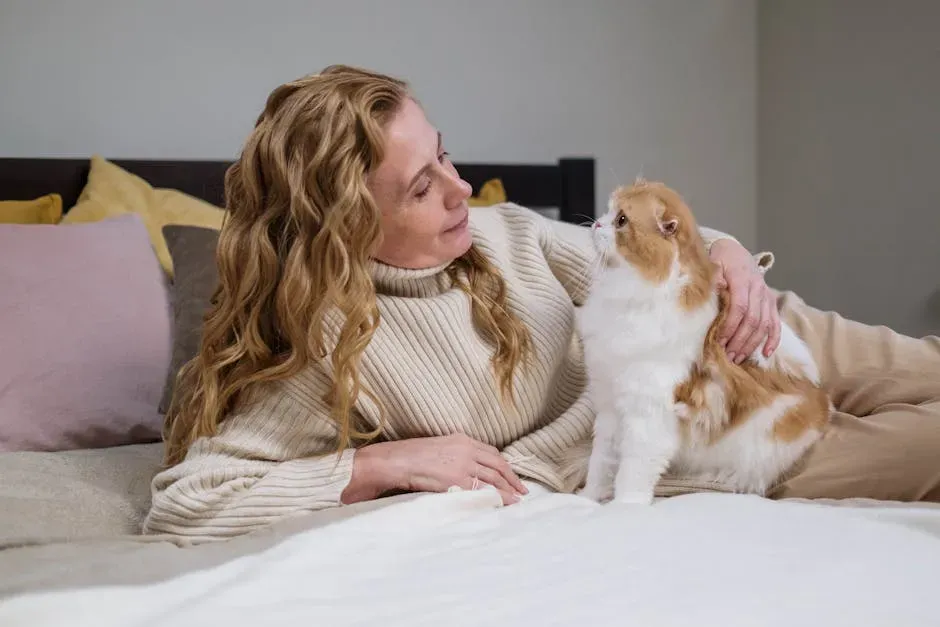
For cats who don’t respond as much to food or who are on a restricted diet, you can always use affection or sweet-talk as a reward, or even a short play session with a favorite toy. Your voice is more powerful than you might think. Cats genuinely tune in to the tone, rhythm, and softness of what you say to them, even when the words themselves mean nothing to them.
In a domestic setting, cats whose owners engaged more frequently in tactile and vocal communication had higher urinary oxytocin levels, a hormone associated with positive social bonding. That means cats’ stress and comfort hormones are not just abstract concepts but are affected by how often and how you touch and communicate with them. Speaking softly to your cat while petting them isn’t just sweet. It’s physiologically meaningful to them.
Conclusion
The relationship your cat wants with you is more layered than it first appears. Treats work. There’s no denying it. Yet the research is fairly clear that what your cat most deeply craves sits in a different category altogether: your steady presence, your consistent rhythms, your gentle communication, and your willingness to engage on their terms.
Cats favor stability over almost everything else. The quiet routines and emotional steadiness you provide are what many cats interpret as safety. Through consistent routines, respectful communication, and calm interaction, you can create a home where your cat feels secure, confident, and deeply connected.
The most rewarding part of all this? None of it costs a thing. It only asks that you pay closer attention, move a little slower, and show up for your cat in the ways they’ve been quietly asking for all along.
Kristina is a young writer from India. An arts graduate and an avid content creator, Kristina is passionate about animals and wildlife. She enjoys exploring topics related to pet care, animal behavior, conservation, and nature, combining thorough research with engaging storytelling.