There’s a reason so many people describe their cat as “acting strange” in the weeks before a serious diagnosis. You might write it off as coincidence, or chalk it up to the animal simply feeding off your anxiety. Plenty of cat owners have done exactly that, only to look back later and realize their pet had been signaling something long before a doctor confirmed it.
The relationship between cats and human health is more layered than most people give it credit for. These animals are precision instruments of sensory information, shaped by millions of years of evolution to detect the world around them at a molecular level. Whether it’s a shift in your body chemistry, a change in the sound of your breathing, or something as invisible as a volatile compound your cells are emitting, your cat may know about it first.
The Olfactory Superpower You Live With Every Day
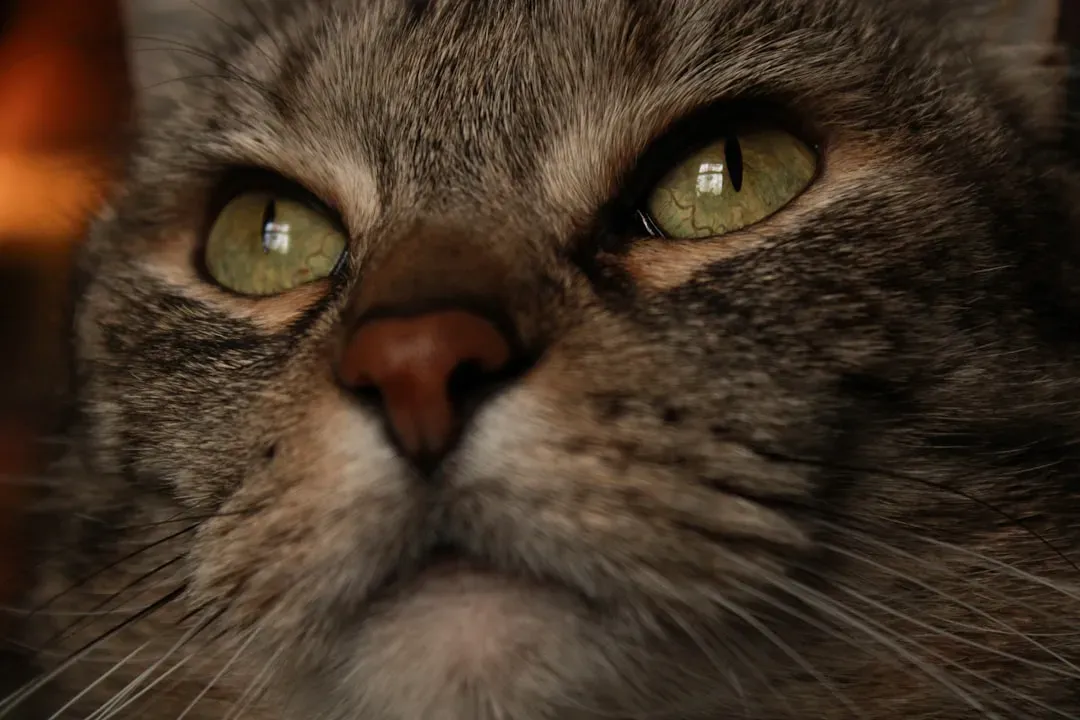
Your cat’s sense of smell is not just sharper than yours. It operates on an entirely different scale. A domestic cat’s sense of smell is roughly nine to sixteen times stronger than a human’s, and they have over ten times more odor-sensitive cells in their noses. That isn’t a minor upgrade. That’s a fundamentally different experience of the world.
Their olfactory system is built to detect even the faintest chemical signals, aided by a specialized organ called the vomeronasal organ, which plays a crucial role in perceiving pheromones and other chemical markers. When you walk through a door, your cat is already reading a full chemical report on where you’ve been and how your body is functioning.
Cats rely heavily on their olfactory system. With approximately 200 million odor-sensitive cells in their noses, they’re capable of smelling subtle changes in their surroundings. When an illness alters a person’s body chemistry, breath, or sweat, cats may notice and react accordingly. That biological machinery, tuned over millennia, is the foundation of their ability to detect human illness.
Volatile Organic Compounds: The Invisible Signal
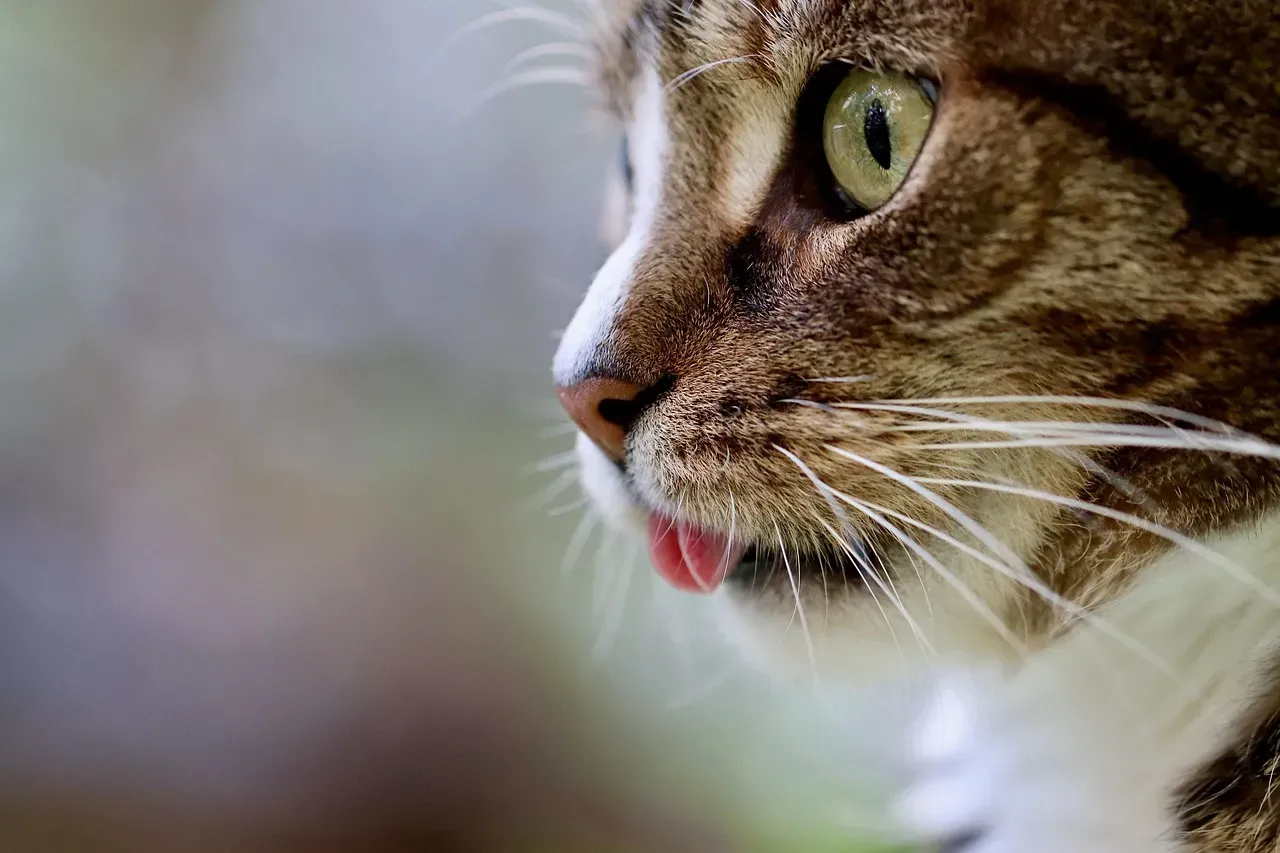
When disease takes hold in your body, it leaves a chemical trail. Researchers believe that cats may pick up on chemical cues such as volatile organic compounds, known as VOCs, which are emitted by certain diseases and detected through scent. These compounds are released when the body’s cellular processes shift due to illness, and they carry information invisible to you but legible to your cat.
Cats possess a remarkable number of olfactory receptors, allowing them to differentiate between a wide range of scents. Changes in volatile organic compounds associated with illness can be detected by these receptors, providing a scientific basis for cats’ ability to sense disease. This isn’t mystical intuition. It’s sensory biology operating at a precision that human medicine is only beginning to understand.
Emerging studies have documented changes in VOC patterns linked to diseases like Alzheimer’s and Parkinson’s. In recent years, scientific studies have explored the link between VOCs and disease, suggesting that certain illnesses produce recognisable chemical signatures. Your cat’s nose may be picking up on those signatures before any diagnostic test even asks the question.
Sensing Cancer: What the Anecdotal Evidence Tells Us
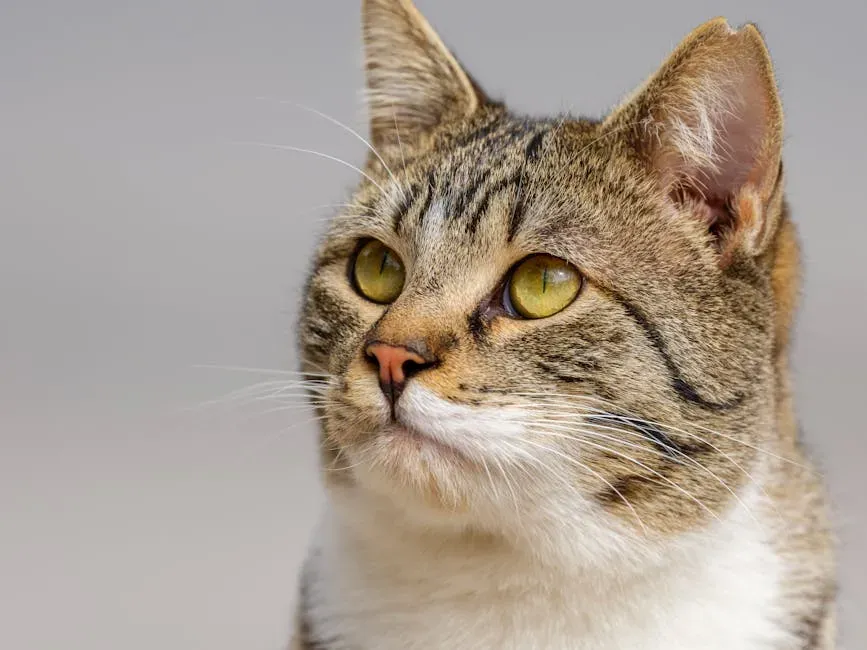
The stories involving cancer detection are among the most striking. A woman claimed her cat alerted her to her breast cancer by repeatedly jumping on the affected breast. A man also claimed that his cat warned him of his lung cancer by dragging his paw down the left side of his body, where doctors later found a large tumor. These accounts are compelling even if they haven’t yet been confirmed through formal studies.
There are numerous case studies where cats have reportedly detected cancerous tumors by smell. These reports suggest that cancer alters a person’s scent profile, making it detectable to a cat’s sensitive nose. The underlying biology supports the idea. Anecdotal reports have shown cats repeatedly sniffing or sitting on parts of their owner’s bodies where tumors were later discovered. The belief is that metabolic changes in cancer cells give off distinct odors that cats can detect.
When cancer develops and changes occur in the cells, producing volatile organic compounds, cats might notice a change in their owner’s scent. Whether or not your cat can reliably diagnose cancer, the possibility that it’s noticing something real is hard to dismiss entirely, and easy to take seriously enough to visit your doctor.
Diabetes and Blood Sugar Shifts
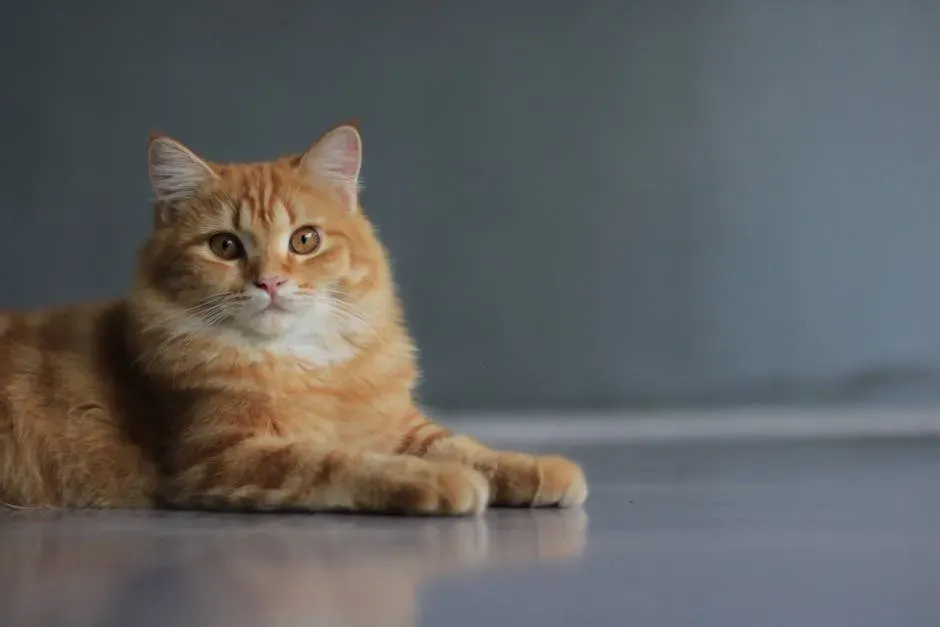
Detecting blood sugar changes is one of the more grounded areas of animal illness-sensing research, largely because the mechanism is relatively straightforward. Cats have been observed reacting to their diabetic owners’ low blood sugar episodes. They seem to sense changes in scent and behavior, alerting owners to potential danger. This isn’t trained behavior. It’s a spontaneous response to chemical change.
Changes in blood sugar can affect body smell. Some cat owners with diabetes have reported that their pets behave unusually before a hypo- or hyperglycemic event, possibly detecting hormonal shifts or sweat-related odors. The body produces different compounds during a glycemic event, and your cat’s nose is sophisticated enough to register that difference.
Predicting Seizures Before They Happen
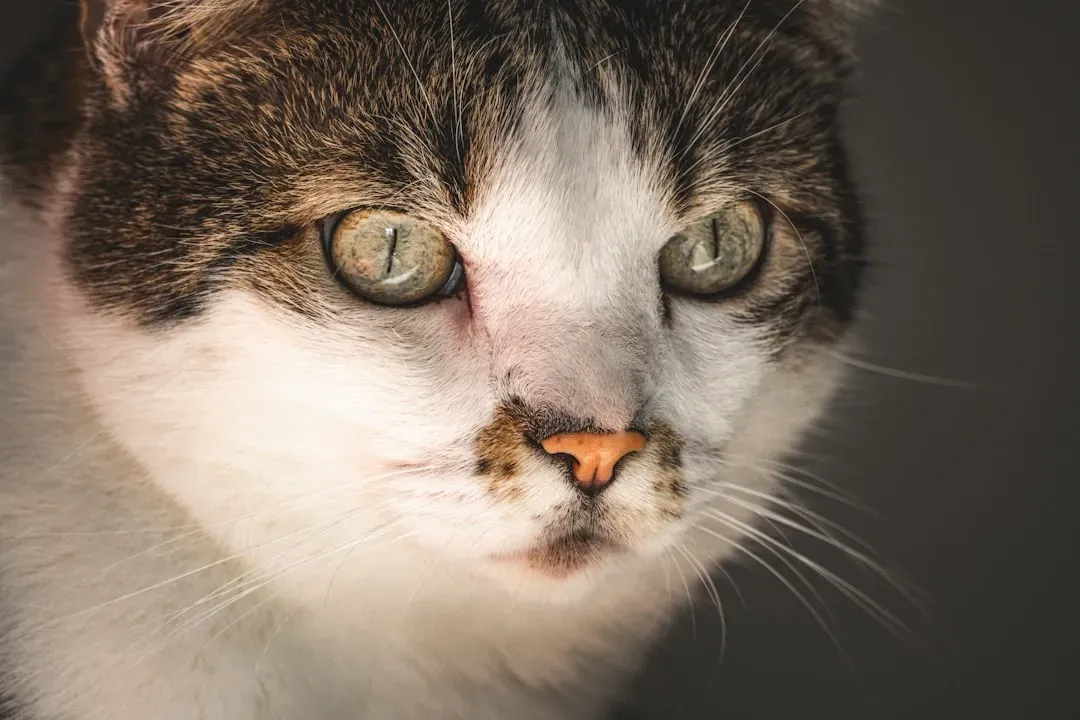
You might be surprised to learn that cats have been informally credited with alerting their owners before epileptic episodes occur. There is evidence, both scientific and anecdotal, that cats can predict epileptic seizures. Some hypotheses suggest that cats detect seizures through smell or by noticing subtle behavior changes before an episode. Unlike trained alert animals, cats often sense these changes informally, relying on their innate abilities.
Some epileptic patients report their cats vocalizing or becoming agitated before the onset of a seizure. The exact mechanism isn’t pinned down, but this could be due to a change in the person’s smell, behavior, or electrical activity in the body that the cat senses. It’s a narrow but real window into how much these animals are perceiving that you simply aren’t.
Some cats will unusually circle you; others may jump onto your chest or howl incessantly. Other cats go as far as alerting a family member or significant other, even waking them if they are asleep. That can help preventive or protective measures be undertaken before a seizure happens. Their response might look erratic to you, but it may be quite deliberate on their part.
Oscar the Cat: The Case That Made Medical History
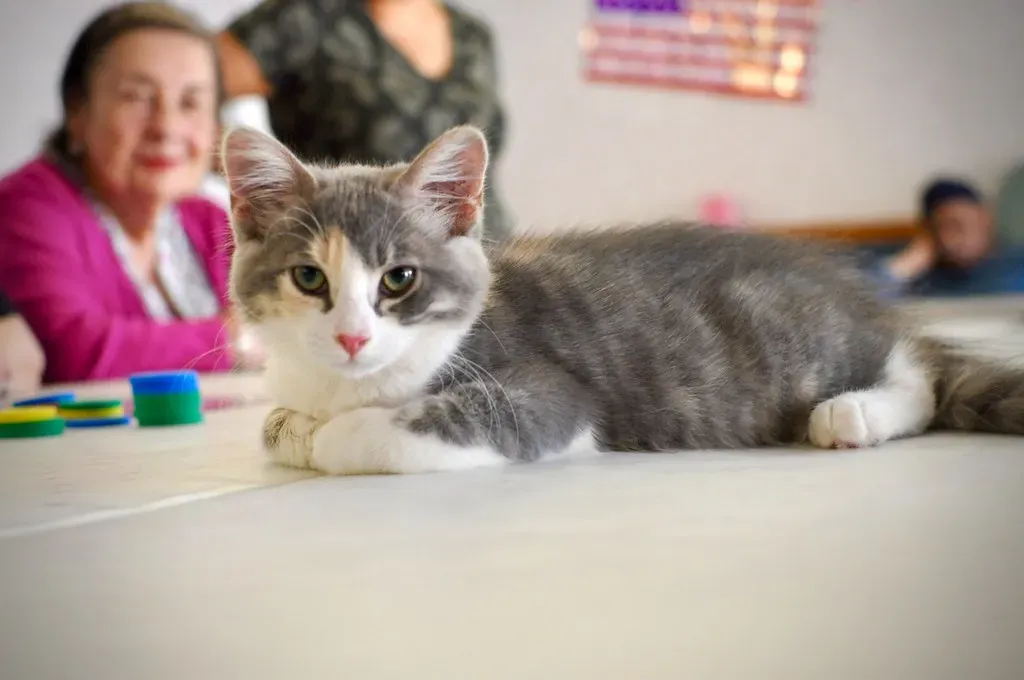
If you want a single story that puts feline illness detection in sharp focus, Oscar is it. Oscar was a therapy cat, one of six adopted in 2005 by the Steere House Nursing and Rehabilitation Center in Providence, Rhode Island. He came to public attention in 2007 when he was featured in an article by geriatrician David Dosa in the New England Journal of Medicine. According to Dosa, Oscar appeared able to predict the impending death of terminally ill patients by choosing to nap next to them a few hours before they died.
After Oscar accurately predicted 25 deaths, staff started calling family members of residents as soon as they discovered him sleeping next to a patient, in order to notify them and give them an opportunity to say goodbye. As of 2015, it was believed that Oscar had accurately predicted 100 deaths. That figure is not a small coincidence. It’s a pattern that prompted serious clinical attention.
Researchers Teno and Dosa hypothesized that Oscar was responding to the smell of chemicals released when someone died, or some other odor emitted during the dying process. Cats possess between 45 to 200 million olfactory receptors, compared to humans who have around 5 million. This heightened sensitivity may have allowed Oscar to recognise the unique chemical markers associated with terminal illness and impending death.
Reading Body Language and Behavioral Cues
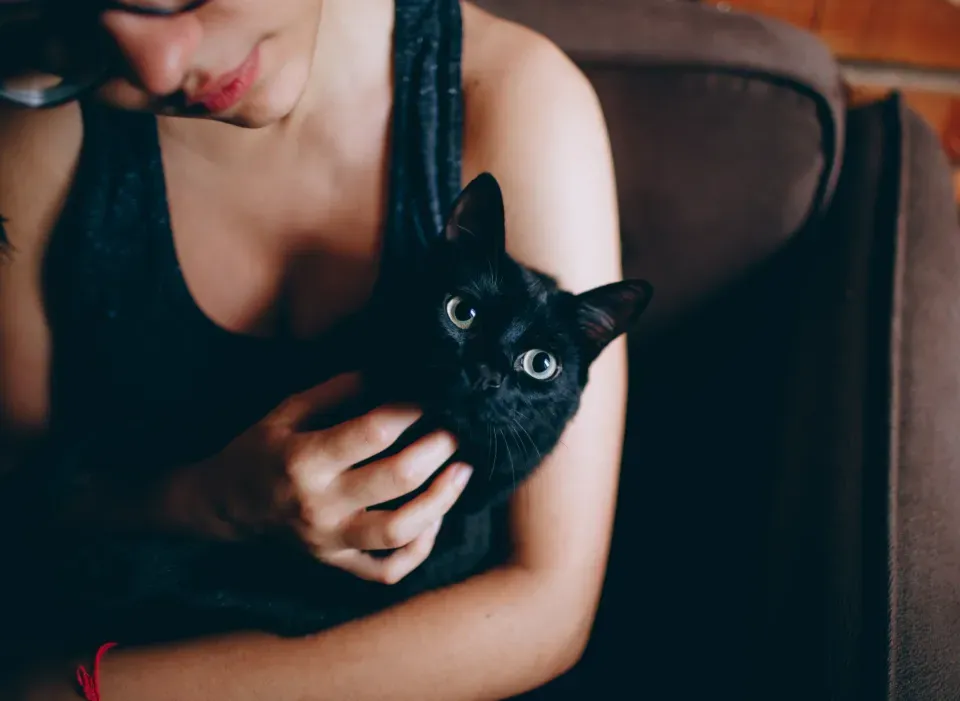
Smell isn’t the only channel your cat uses. Cats are well versed in non-verbal communication such as body language and facial expressions and are extremely clever at picking up on changes in body language, facial expression, and mood. When you’re unwell, you move differently, speak differently, and rest more than usual. Your cat tracks all of that.
In addition to being exceptional smellers, cats are very observant creatures. They prefer reliable routines, and are quick to notice when anything is out of the ordinary in their territory. If your schedule suddenly shifts because you’re exhausted or in pain, that deviation is registered immediately. Your cat is, in a quiet and unassuming way, monitoring you.
Cats are keen observers of routines and energy changes, making them sensitive to even the slightest shifts in their human’s behavior. When people get ill and the decomposition of cells causes chemical changes in the body, it is well evidenced that cats can sense the hormonal changes using their olfactory pathway. These two streams of information combine into a surprisingly complete picture of your health.
How Your Cat Signals That Something Is Wrong
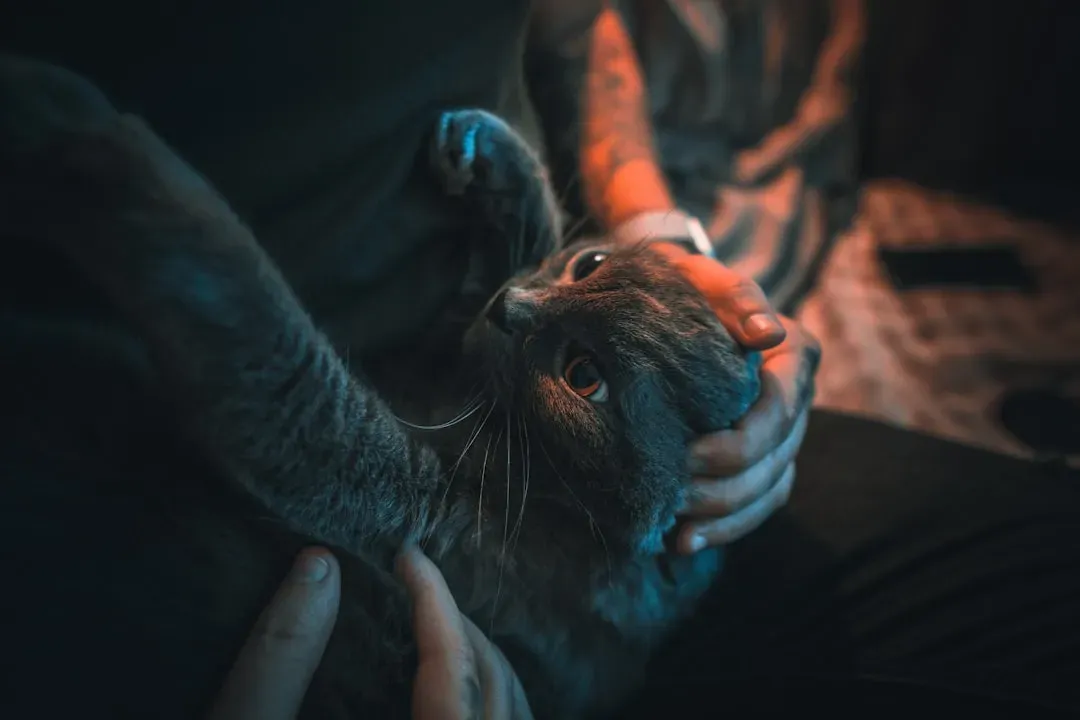
The way a cat reacts to illness isn’t always loud or obvious. Cat owners have regularly reported behavioral changes in their cats when they or loved ones have been sick. Anecdotal evidence shows that cats often give people extra attention, become clingy, and start meowing, purring, and cuddling a lot more than they normally would. If your typically aloof cat suddenly won’t leave your side, that shift is worth noticing.
Emerging scientific evidence suggests that cats may exhibit specific behaviors that align with their ability to sense illness in humans. Some cat owners have reported that their pets display increased attentiveness, sniffing, or even gently nudging unwell areas of the body. That persistent nuzzling at a specific spot on your body might not be random affection. It could be an attempt to communicate.
Many cat owners share stories of their feline friends identifying illness long before medical diagnoses. A woman’s cat persistently pawed at her chest, prompting her to seek medical attention and discover a tumor. Another owner recalls their cat lying on their abdomen prior to a diagnosis of appendicitis. These accounts, taken collectively, are hard to entirely dismiss.
The Healing Frequency of a Cat’s Purr
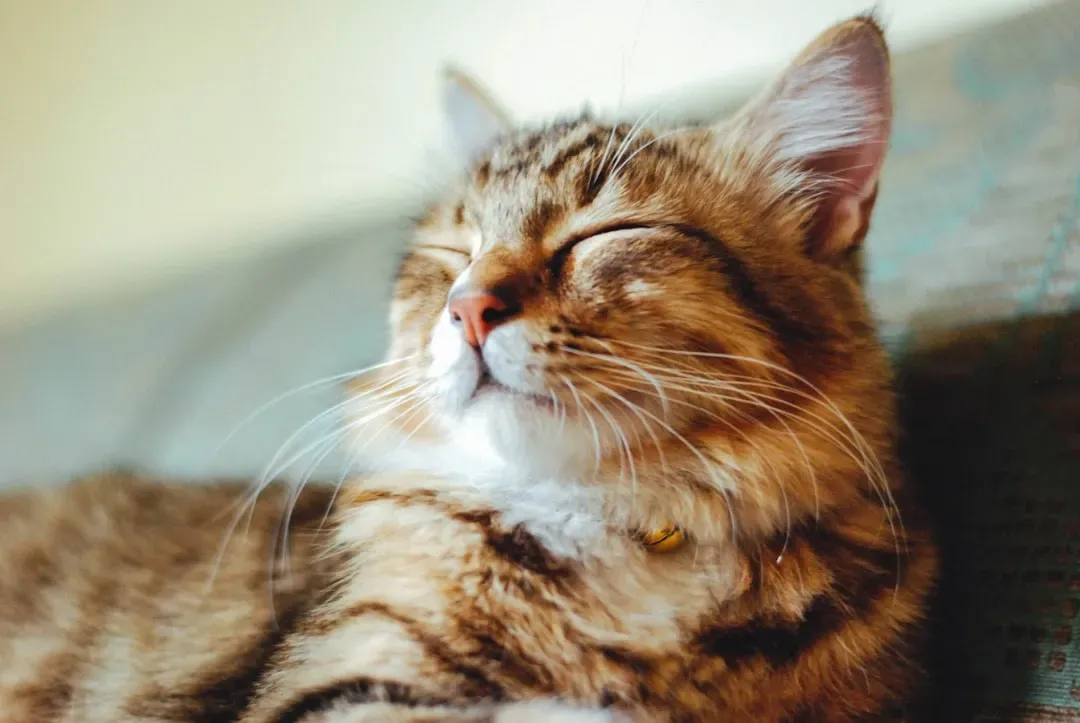
Beyond detection, there’s a whole other layer to the human-cat health relationship: the physical effect of a cat’s purr on your body. Research suggests that the frequency of a cat’s purring, typically between 25 and 150 hertz, could have therapeutic effects on the body and mind. That familiar rumble against your chest isn’t just comforting. It may be physically beneficial.
The frequency of cat purring has been shown to fall between 25 and 140 Hz. That same frequency range has been shown to aid in the healing of broken bones, joint and tendon repair, and wound healing. These vibrations can help reduce inflammation, improve circulation, and stimulate the healing of damaged tissues, and have also been shown to promote the regeneration of bone cells and increase bone density.
The soothing vibrations of a cat’s purr can help regulate the autonomic nervous system, which controls involuntary bodily functions like heart rate and breathing. By lowering stress and triggering the body’s relaxation response, purring promotes a sense of calm, balance, and emotional well-being. That’s a remarkable deal for something that requires no prescription and costs nothing beyond a warm lap.
Conclusion: Pay Attention When Your Cat Does
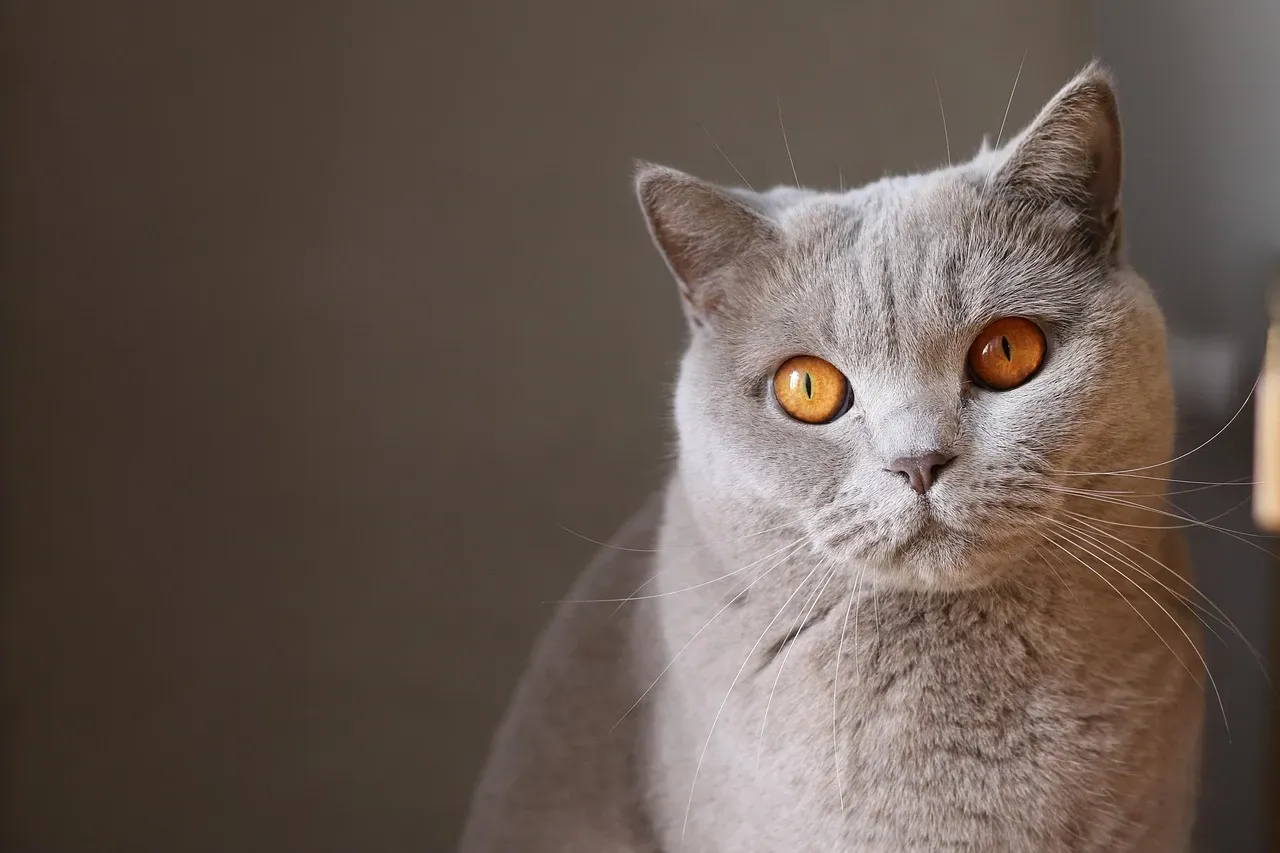
The science around feline illness detection is still developing, and it would be an overreach to say your cat is a diagnostic tool. While they are not a replacement for professional medical advice, your furry companion could serve as an early warning system, alerting you to subtle changes before they become critical. That framing feels right. Not a substitute for medicine, but a quiet signal worth taking seriously.
There are many ways cats can sense illness in humans, whether by smelling chemical changes in the body, recognizing subtle changes in body language and facial expression, or even sensing changes in body temperature. Cats are extremely sensitive animals, and their close bond with their owners probably allows them to detect very small changes very quickly.
If your cat suddenly starts following you from room to room, pressing its head against your chest, or fixating on a specific part of your body with unusual attention, it may be worth a conversation with your doctor. You don’t have to explain that your cat sent you. You can just say you wanted to get something checked. Sometimes, the most important health decisions come from the most unexpected sources.
Kristina is a young writer from India. An arts graduate and an avid content creator, Kristina is passionate about animals and wildlife. She enjoys exploring topics related to pet care, animal behavior, conservation, and nature, combining thorough research with engaging storytelling.