You’ve probably seen it happen a hundred times without thinking much of it. Your cat settles across the room, catches your eye, and then very slowly closes their eyelids before reopening them with a kind of lazy, drowsy ease. It looks like they’re half asleep. It looks almost like indifference. It’s actually one of the most meaningful things they can do.
Cats have a reputation for being aloof, emotionally unreadable creatures who bond reluctantly, if at all. That reputation isn’t entirely fair. Cats are often known for their independence, but that reputation hides a more complex reality. These animals actively try to communicate with us, yet we don’t always understand their signals. The slow blink is one of those signals, and once you understand what it means, you’ll never look at your cat the same way again.
What the Slow Blink Actually Is
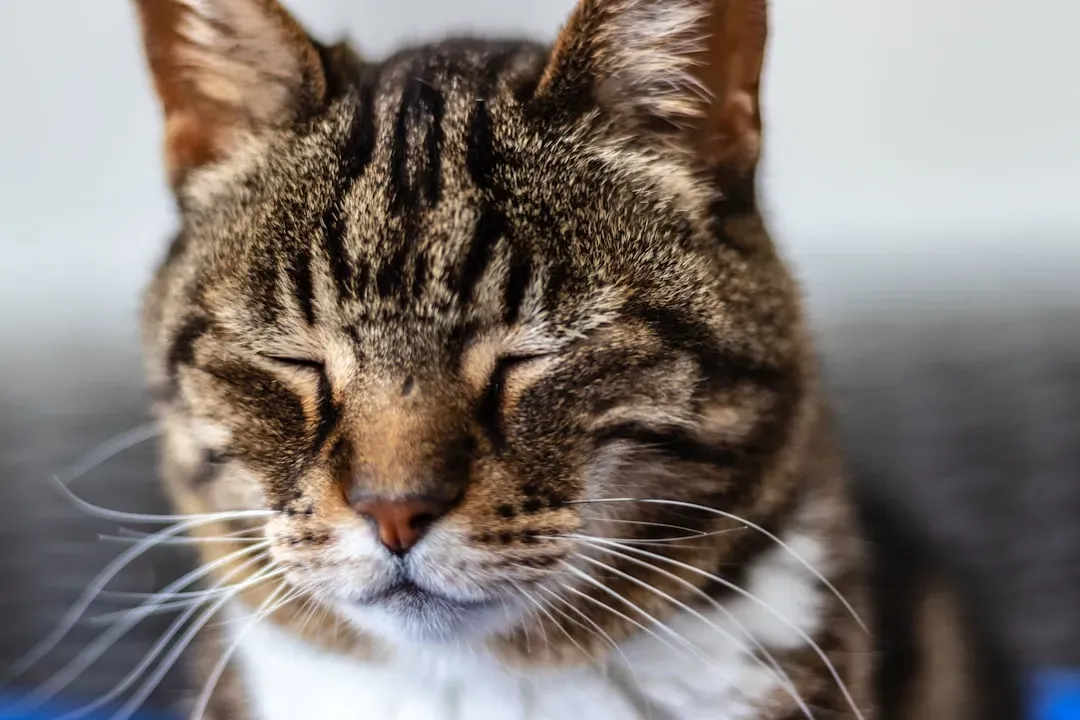
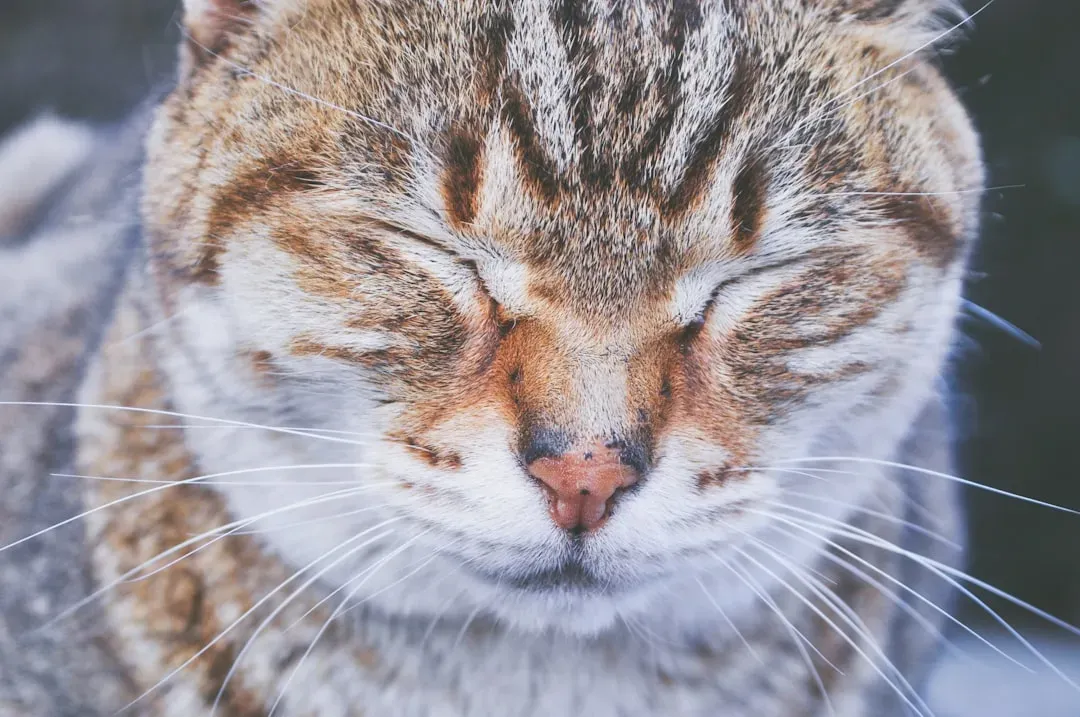
The slow blink is a subtle feature that has been observed in cats for some time, and is thought to be used by cats to indicate a sense of calm and a positive emotional state. It involves the partial or complete closure of the eyelids, performed slowly and lasting for longer than half a second. It’s not a single, dramatic gesture. It’s quieter than that.
Slow blink sequences typically involve a series of half-blinks followed by either a prolonged eye narrow or an eye closure. Think of it less like a wink and more like a gentle, deliberate softening of the gaze. Your cat isn’t blinking to moisten their eyes or because they’re distracted. They’re choosing to lower their visual defenses in front of you, and that choice carries real weight.
The Science That Changed Everything
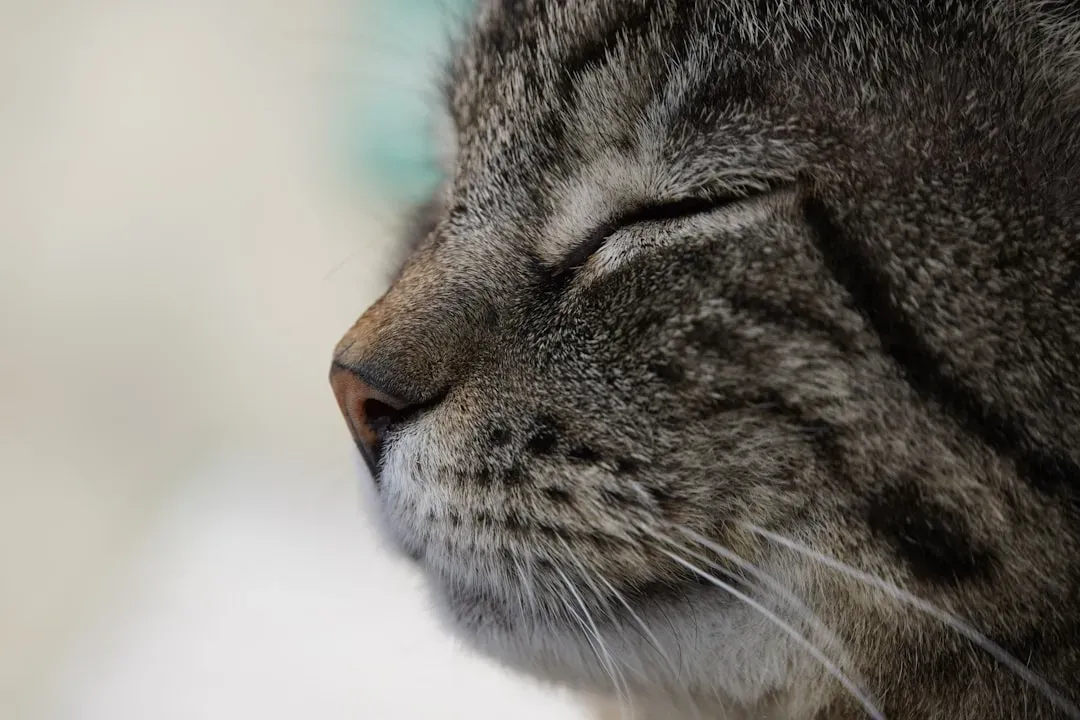
In 2020, psychologists at the University of Sussex conducted the first scientific study on cat slow blink meaning. Led by Dr. Tasmin Humphrey and Professor Karen McComb, the research published in Scientific Reports proved something cat owners long suspected: slow blinking is genuine cat communication. It wasn’t just anecdotal anymore.
A team of psychologists designed two experiments to determine whether cats behaved differently towards slow-blinking humans. In the first experiment, owners slow-blinked at 21 cats from 14 different households. Once the cat was settled and comfortable in one spot in their home environment, the owners were instructed to sit about a meter away and slow-blink when the cat was looking at them. Cameras recorded both the owner’s face and the cat’s face, and the results were compared to how cats blink with no human interaction. The findings were clear and consistent.
What Your Cat Is Actually Saying to You
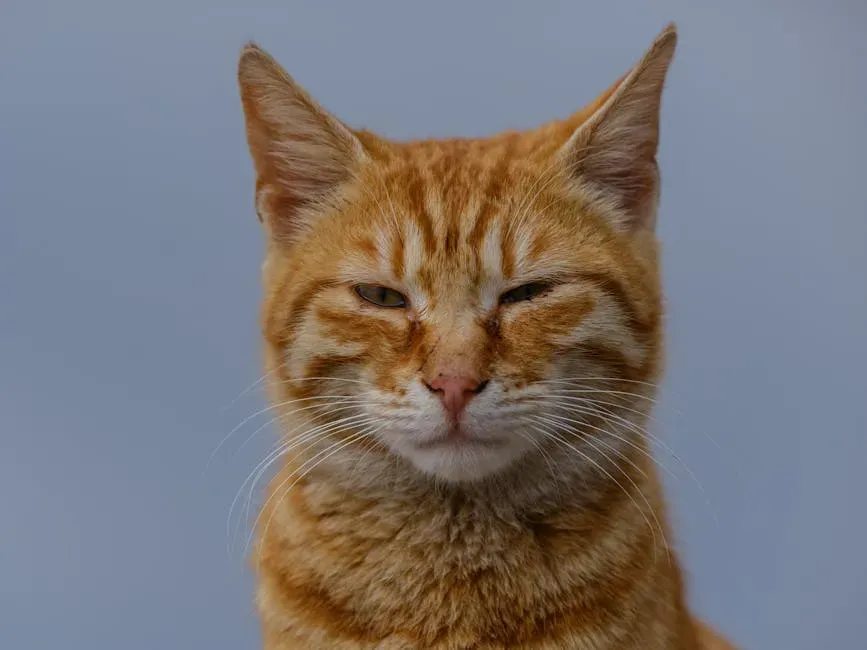
When cats feel relaxed and content, they naturally narrow their eyes and blink slowly. This facial expression closely resembles the soft squint humans make when smiling. In other words, it’s a cat’s way of expressing friendliness and trust, a kind of silent “hello.” It’s a remarkably human-like signal when you consider the context.
To understand cat eye narrowing, consider what wide eyes mean in the animal kingdom: alertness, fear, potential threat. A predator locks eyes on prey. A scared animal scans for danger. When your cat narrows their eyes around you, they’re doing the opposite. They’re signaling vulnerability. Closed eyes mean “I don’t need to watch you for threats.” That’s not a small thing from a creature built to stay perpetually alert.
Why the Stare Is the Opposite of a Slow Blink
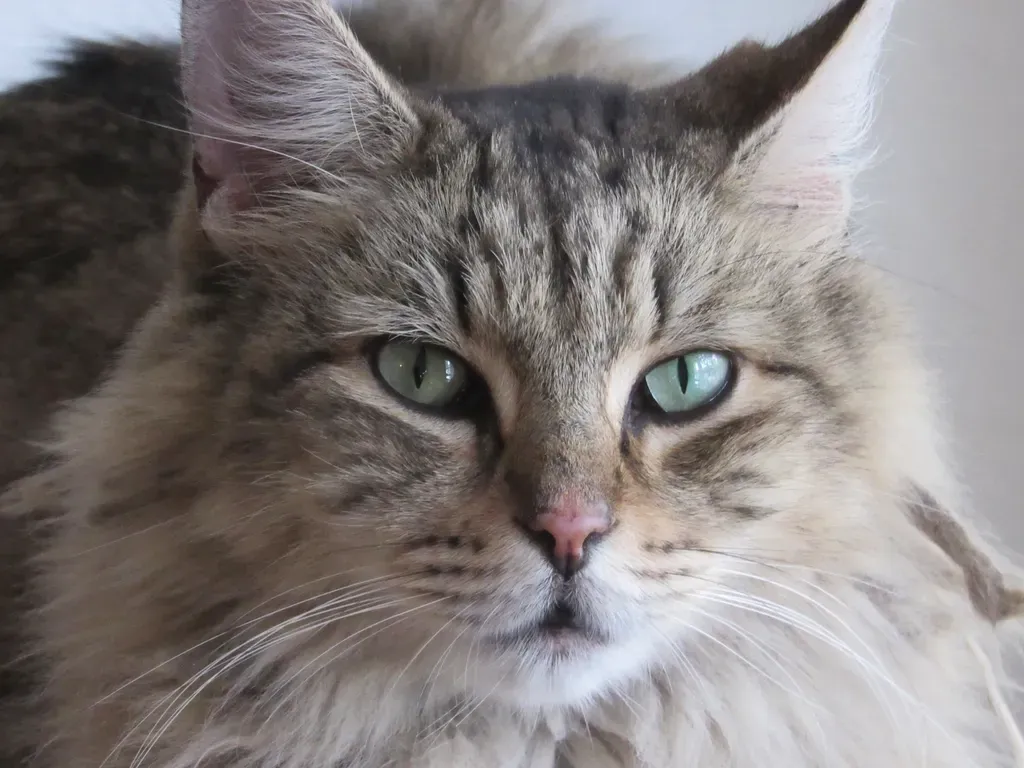
Direct eye contact in cats can be a sign of trust and affection, particularly when accompanied by slow blinking. However, prolonged staring might be seen as a challenge or threat. The difference between a slow blink and a hard stare is enormous in feline social terms, even if it looks subtle to you.
It’s difficult to know exactly why cats slow-blink at humans this way. It’s been interpreted as a means of signaling benign intentions, since cats are thought to interpret unbroken staring as threatening. So when you stare directly at your cat without blinking, you may be accidentally sending a confrontational signal without realizing it. A slow blink dismantles that tension almost instantly.
Can You Blink Back? Yes, and It Actually Works
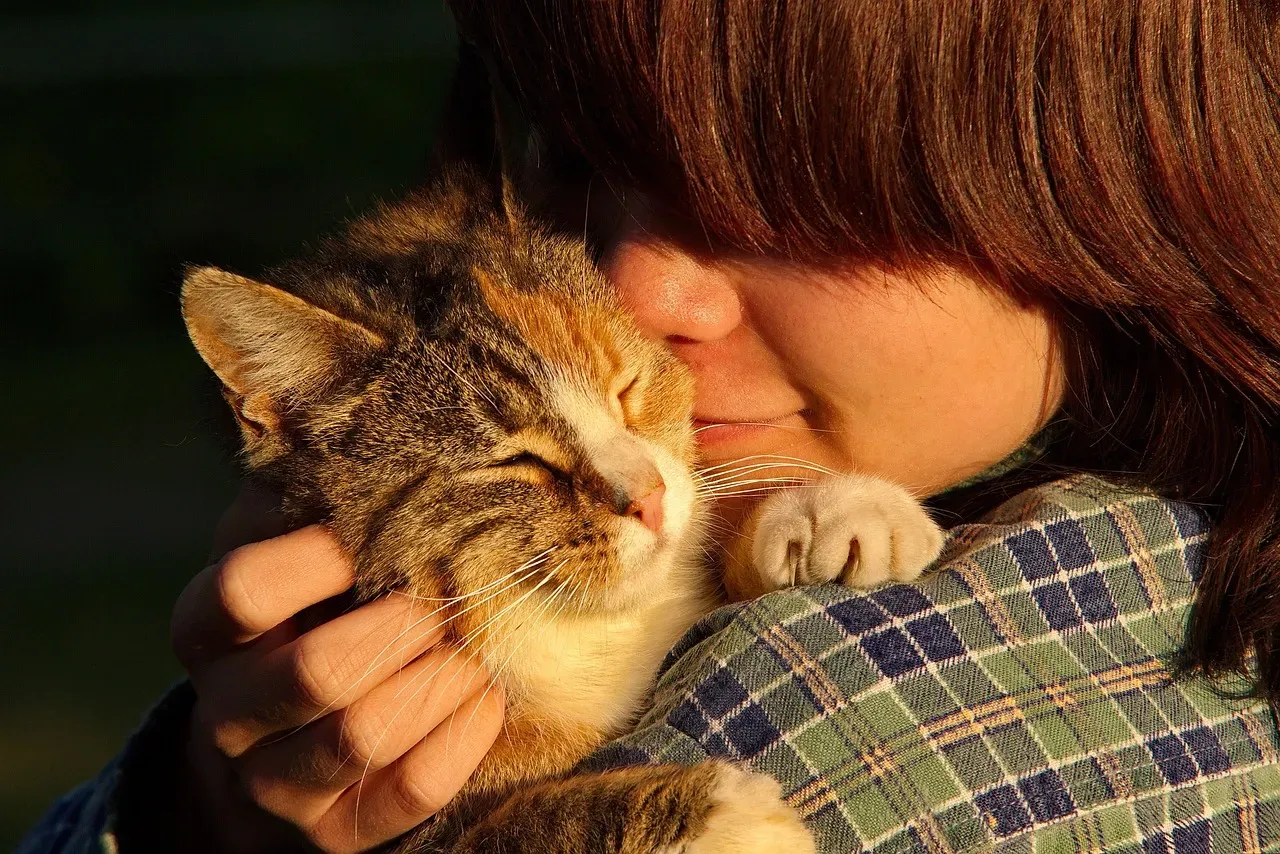
The results showed that cats are more likely to slow-blink at their humans after their humans have slow-blinked at them, compared to the no-interaction condition. This was a significant finding because it confirmed the behavior works in both directions. You don’t have to wait for your cat to initiate it.
Not only did the cats respond to the slow blink from strangers, but they were also more willing to approach a human hand offered by someone who had used the technique. That’s meaningful. A cat choosing to approach an unfamiliar person after a slow blink exchange suggests that the gesture carries genuine communicative weight, not just a conditioned response to familiar people.
How to Do It Correctly
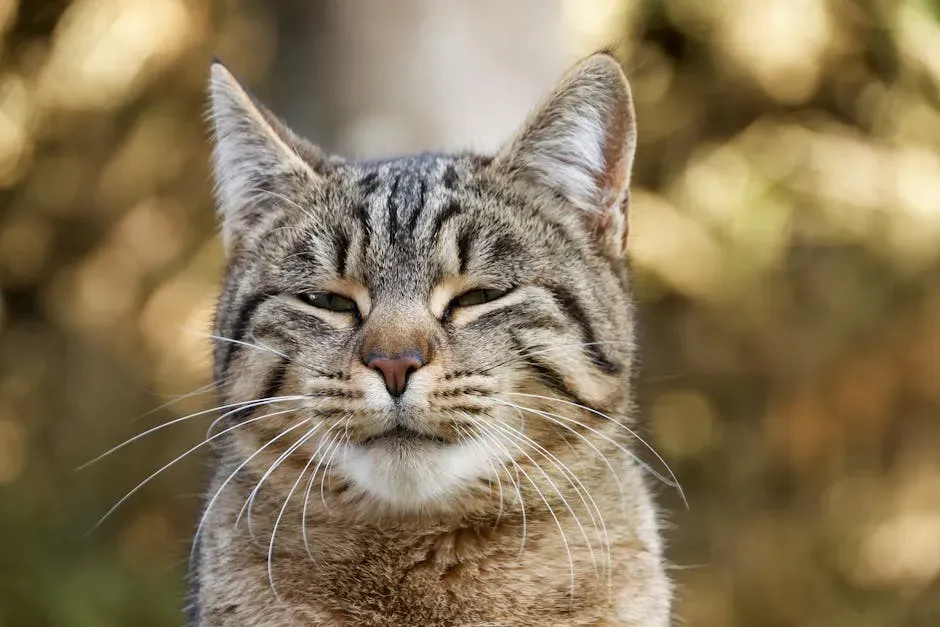
Sit about three feet away from your cat when they are calm and relaxed, wait until your cat looks directly at you, gently narrow your eyes as if you are smiling, slowly close your eyes for a moment, then open them again and watch your cat’s response. That’s the full sequence, and it’s worth following it carefully rather than just squinting aggressively at your cat and hoping for the best.
Prolonged direct staring can feel threatening to cats. Don’t expect immediate results. Some cats respond within seconds. Others need repeated positive interactions before they reciprocate. Patience matters here. If your cat doesn’t blink back the first time, that doesn’t mean it isn’t working. Consistency and a calm environment tend to yield better results over time.
The Duchenne Smile Connection
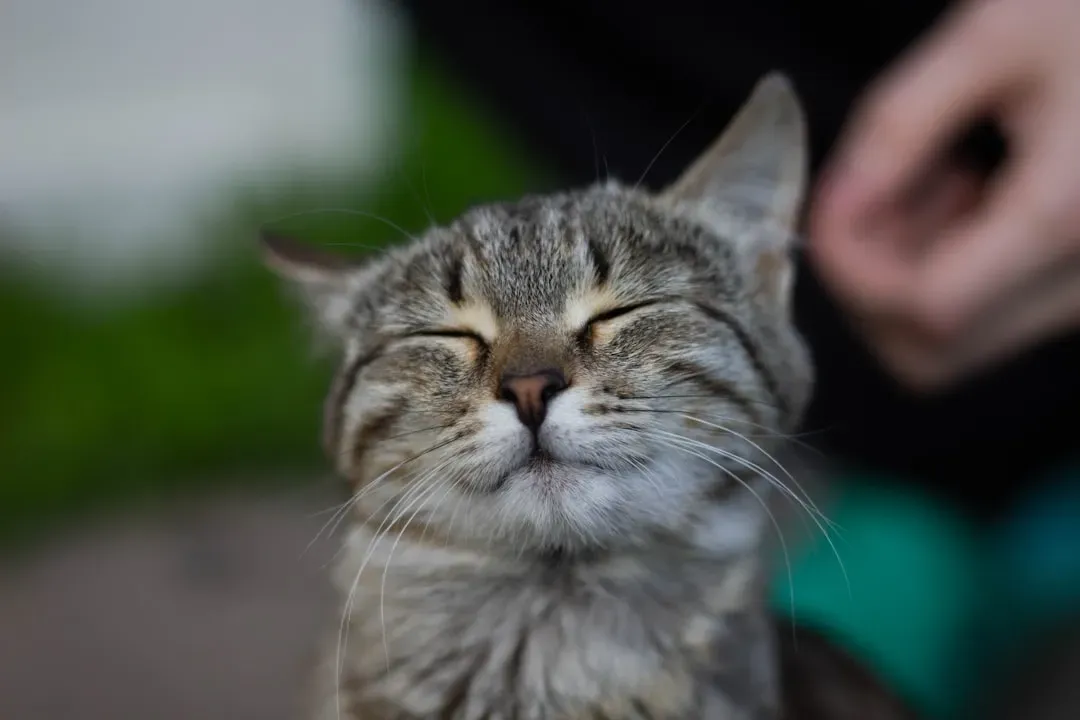
Researchers noted that cat slow blinks share similarities with the Duchenne smile in humans, the genuine smile that reaches the eyes. Both are involuntary expressions of positive emotion. Understanding how cats see the world helps explain why visual signals carry such weight in feline communication. The Duchenne smile is considered the marker of authentic happiness in humans because it’s hard to fake. The parallel with cat slow blinking is striking.
Domestic animals are sensitive to human cues that facilitate inter-specific communication, including cues to emotional state. The eyes are important in signaling emotions, with the act of narrowing the eyes appearing to be associated with positive emotional communication in a range of species. It turns out that emotional expression through the eyes may be more universal across species than previously assumed.
What the Slow Blink Reveals About Cat Welfare
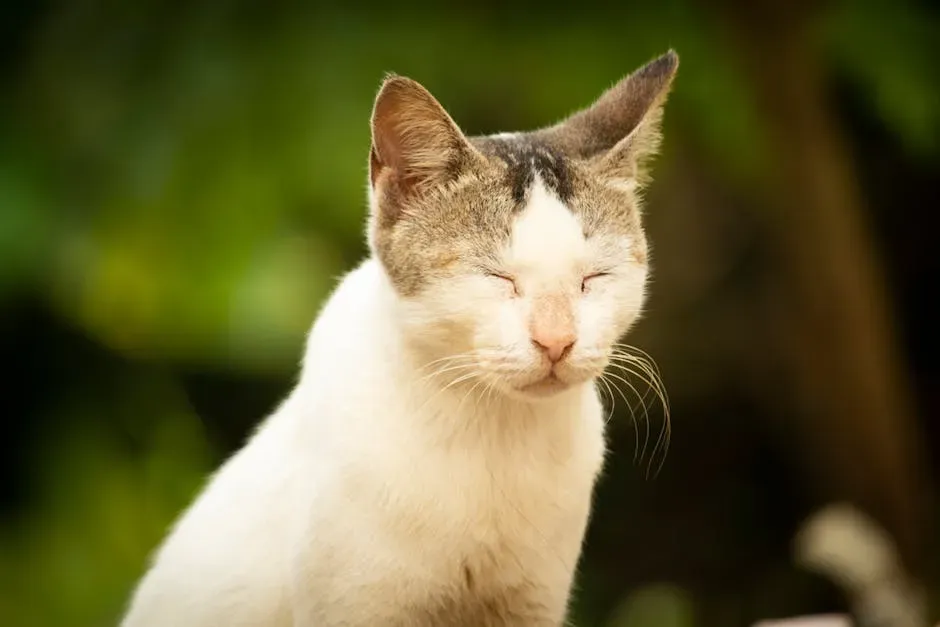
Slow blink interactions appear to be a positive experience for cats, and may be an indicator of positive emotions. Such findings could potentially be used to assess the welfare of cats in a variety of settings, including veterinary practices and shelter environments. That practical application is one of the more underappreciated dimensions of this research.
Cats that were identified as more anxious around humans upon arrival at the shelter had a tendency to spend more time producing slow blink sequences. This suggests the behavior may serve a dual purpose, functioning as both a positive social signal and a way of managing social tension. Slow blinking could share a similar social bonding function, and therefore the trend towards an increased length of time spent slow blinking seen in the anxious cats may have been used to mitigate their anxiety around humans.
The Surprising Link to Shelter Adoptions
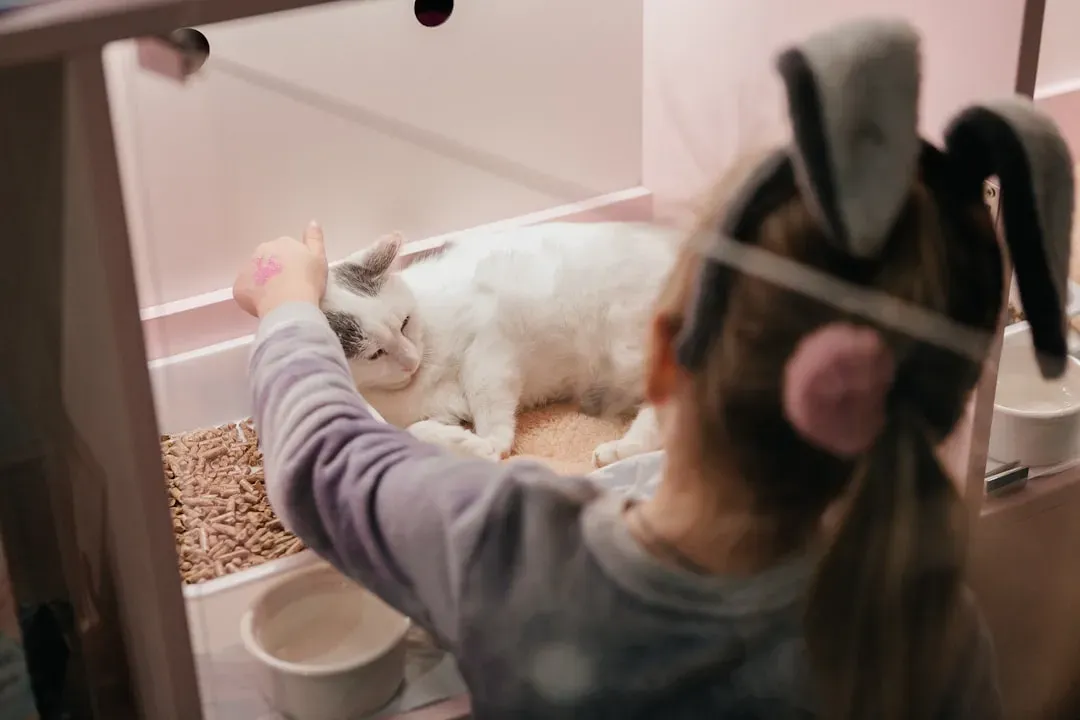
Research demonstrated for the first time that cats that responded to human slow blinking, specifically by using eye closures, were rehomed quicker than cats that closed their eyes less. The implications for animal welfare are real and immediate. Something as small as a blink pattern can genuinely influence whether a cat finds a home.
Shelter cats participate in slow blinking interactions with humans, and cats that showed an increased number of and longer eye closures in response to human slow blinks were rehomed faster. Nervous cats may spend more time slow blinking than relaxed cats, providing supporting evidence that this behavior may act as both a positive signal and a submissive display. The research suggests that this technique could be particularly useful in stressful situations, such as vet visits or shelter environments. Professionals working with cats could use it to ease tension and build trust more quickly.
Cats Are More Socially Aware Than You Think
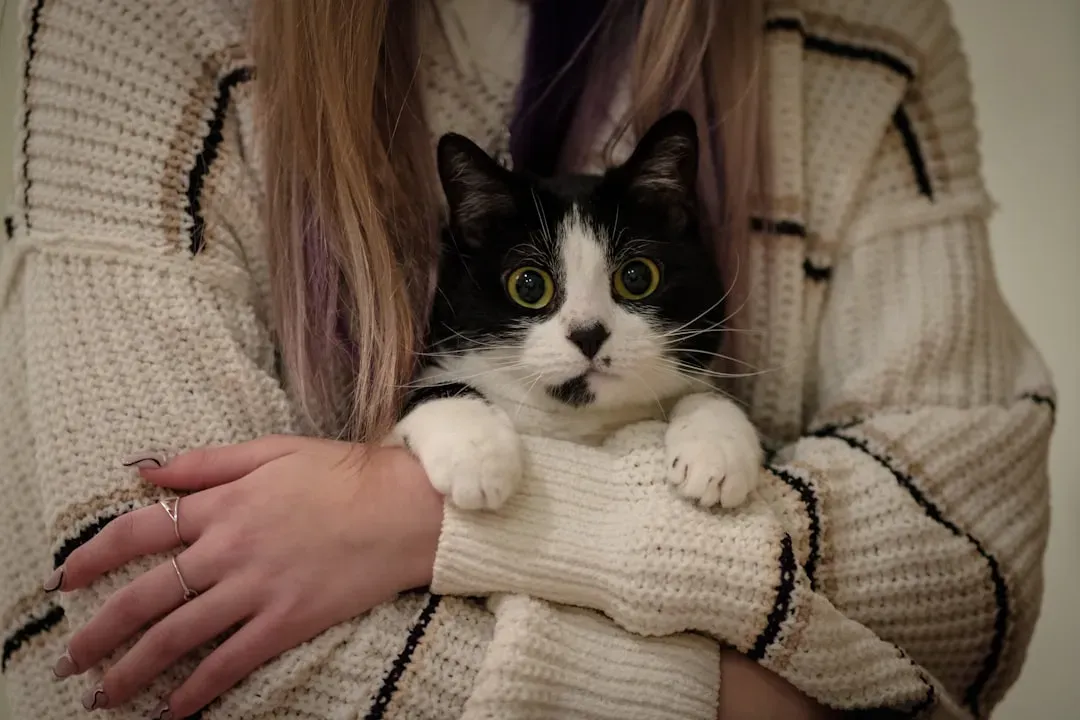
Recent research also shows that cats pay far more attention to their human companions than we once believed. They often mirror their owners’ personality traits and can even detect human emotions, including sadness. Contrary to long-standing stereotypes, the bonds cats develop with their humans are meaningful and emotionally significant. The slow blink is just one piece of a much larger picture of feline social intelligence.
Research in recent years has shown that our feline friends are a lot more in tune with their human housemates than previously supposed, and that comparing them to dogs is a disservice. Cats respond in kind to humans who are receptive to them, so if you find cats standoffish, that might be a problem with you, not the kitty. The relationship, it turns out, is far more reciprocal than the myth of the cold, indifferent cat would suggest.
Conclusion
There’s something quietly remarkable about the slow blink. It requires no translation, no special training, and no expensive equipment. It’s a gesture built into the very biology of the cat, shaped through thousands of years of living alongside humans, and it’s been waiting for you to notice it all along.
Learning how to improve our relationships with these enigmatic animals could also be a way to improve their emotional health, not just in the home environment, but across a range of potentially stressful situations. The next time your cat looks your way and gently closes their eyes, you now know what to do. Blink back. Slowly. That small exchange, quiet and wordless as it is, may be the closest thing to a genuine conversation you’ll ever have with another species.
Kristina is a young writer from India. An arts graduate and an avid content creator, Kristina is passionate about animals and wildlife. She enjoys exploring topics related to pet care, animal behavior, conservation, and nature, combining thorough research with engaging storytelling.