You’ve probably watched your cat pick the strangest spot in the house, circle it twice, arrange themselves with impossible precision, and then drop off into what looks like blissful unconsciousness. It seems effortless. Casual, even. The truth, though, is that almost nothing about a cat’s relationship with sleep is accidental.
Science has been quietly catching up to what cats have always known. Every nap location, every posture, every hour of rest is shaped by millions of years of evolutionary pressure. What looks like laziness is, in fact, a finely tuned system of energy management, threat awareness, and neurological maintenance. Here’s what’s actually going on.
The Sheer Volume of Sleep Is Not What You Think It Is
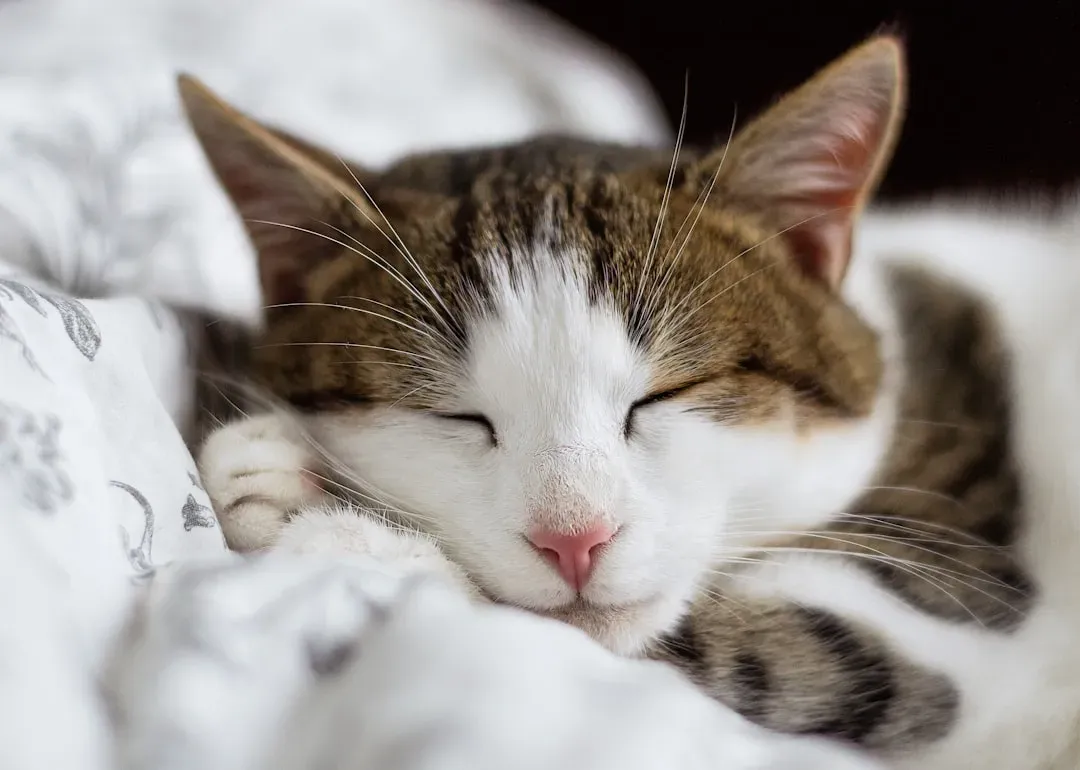
Sleep is a period of significant vulnerability for all animals. Cats, which typically sleep between 12 and 16 hours a day, have naturally developed strategies to minimize this risk. That’s a number that sounds absurd on the surface, but it makes sense once you understand what fuels a cat’s body.
Cats sleep 12 to 18 hours per day because they are obligate carnivores running a protein-dependent metabolism that demands extended recovery, apex predators whose low predation risk permits prolonged deep sleep, and crepuscular hunters wired for intense dawn-and-dusk activity bursts separated by mandatory rest. A domestic cat’s sleep budget is not laziness – it is the operating cost of a body optimized to sprint, kill, and digest in cycles.
Your Cat’s Crepuscular Clock Is Quietly Running the Show
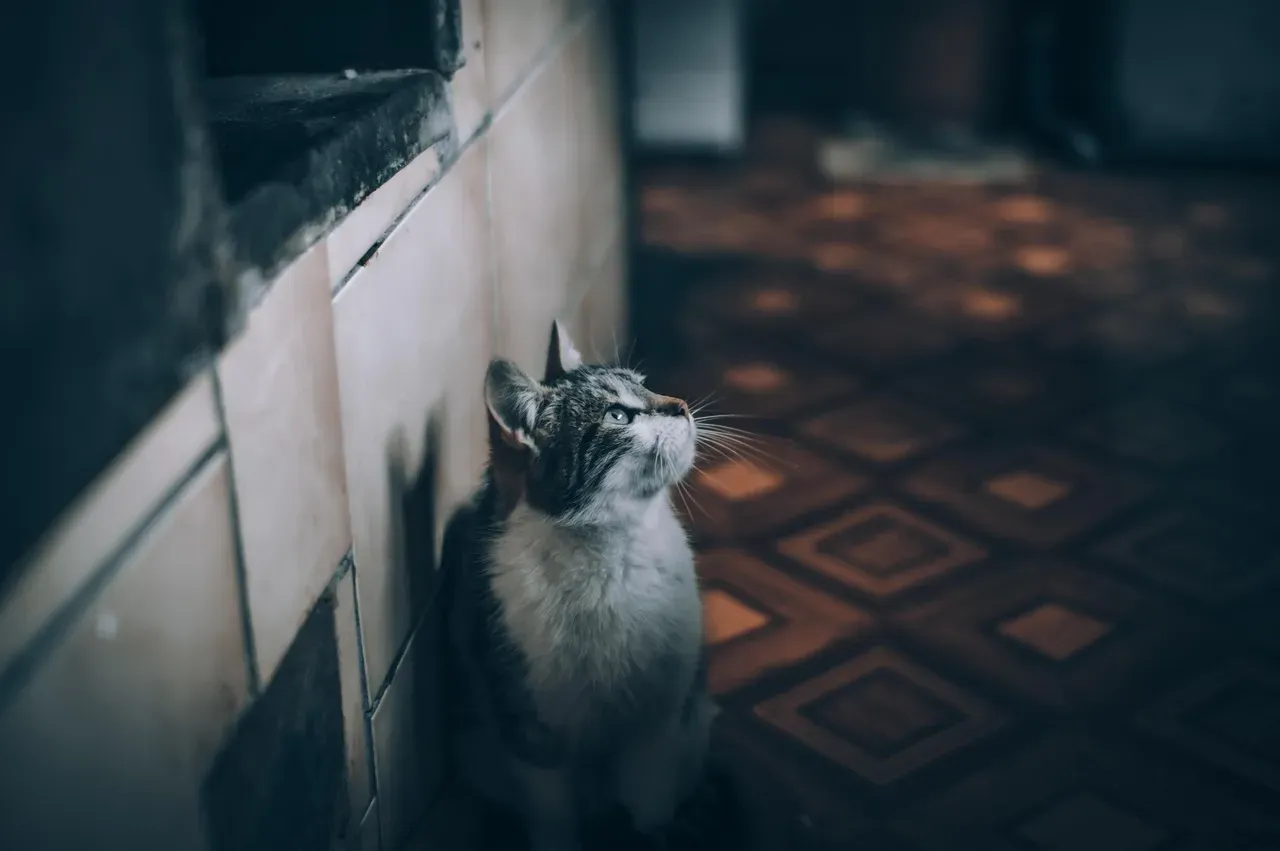
Cats exhibit a unique pattern of activity that aligns with the twilight hours of dawn and dusk. This behavior, known as crepuscular rhythms, is deeply rooted in their evolutionary history. Cats are crepuscular because they have evolved to hunt at dusk and dawn, taking advantage of the peak activity times of their prey, such as birds and mice. This is why your cat tears across the room at 5:30 in the morning and then disappears for the rest of the day.
Before being domesticated, cats would have had to expend huge amounts of energy at these times, finding, chasing, and killing their prey. While house cats no longer hunt before each dinnertime, their natural hunter instincts still encourage them to conserve energy for dawn and dusk. Those midday naps aren’t indulgence. They’re the preparation for the main event.
The Protein Problem: Why Their Metabolism Demands So Much Rest
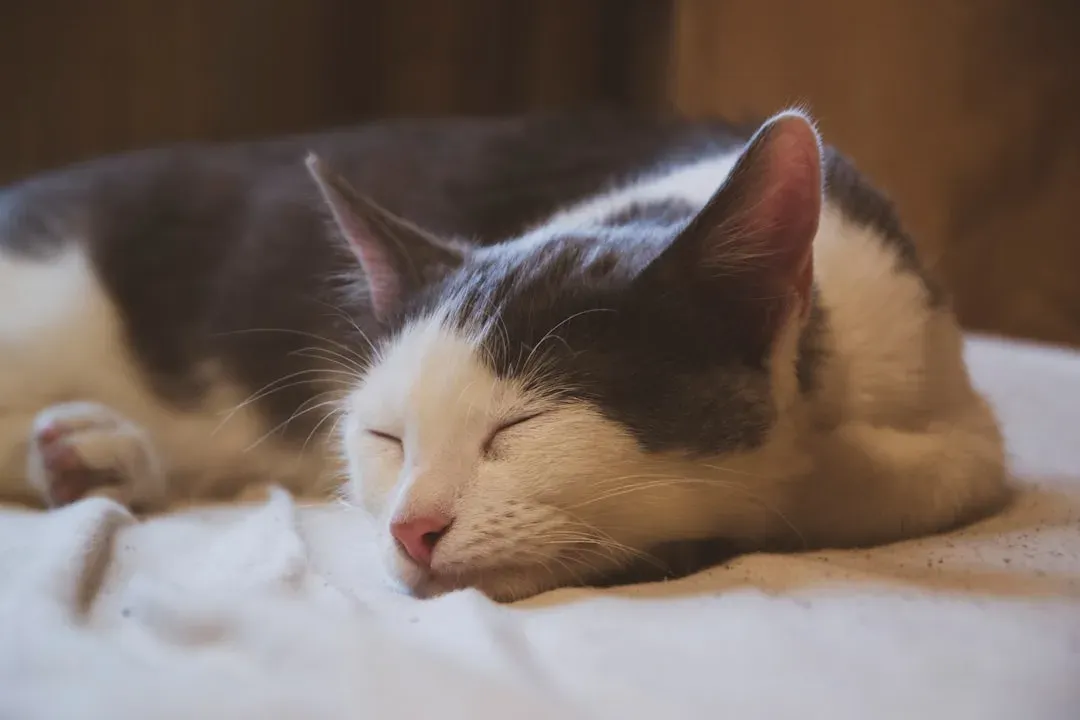
Cats need prolonged sleep because their protein-dependent metabolism, deriving roughly half of their energy from protein and very little from carbohydrates, runs on gluconeogenesis, a costly biochemical process that demands extended recovery periods unavailable to herbivores running cheaper carbohydrate pathways. That’s a meaningful distinction. Their metabolic strategy is expensive, and sleep is how they pay the bill.
Cats are obligate carnivores with very low liver glucokinase activity, meaning their bodies convert protein to blood glucose rather than processing carbohydrates directly. This metabolic strategy fuels explosive predatory output but demands proportionally more downtime. Every nap is, in effect, a biological recharge between high-performance intervals.
Light Sleep vs. Deep Sleep: Two Modes, One Very Deliberate System
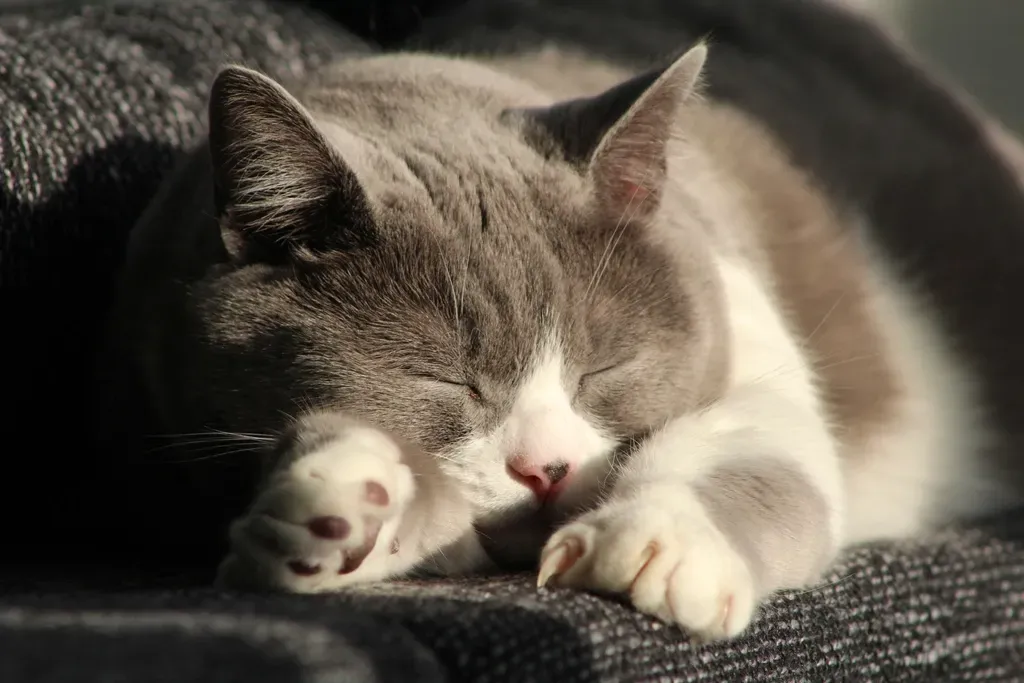
Cat sleep patterns include two different types of sleep: a light doze and a deeper sleep. During light sleep, your cat stays somewhat aware of her surroundings. Her ears remain erect and might even turn or angle toward sounds in the environment. A light-sleeping cat may keep one eye half-open to watch for anything unusual, and you might notice your cat’s tail gently swishing from side to side while she rests. Cats engaged in light sleep are ready to wake up and spring into action if the situation requires it.
Cats are famous for their catnaps, short bursts of light sleep that last roughly 15 to 20 minutes. These naps aren’t deep sleep; instead, they help cats recharge while staying alert to their surroundings. Their ears might twitch at small sounds. They’re ready to jump up if they hear or see something unusual. This habit comes from their wild ancestors who needed to stay alert to predators.
Where Your Cat Naps Is a Strategic Decision, Not a Random One
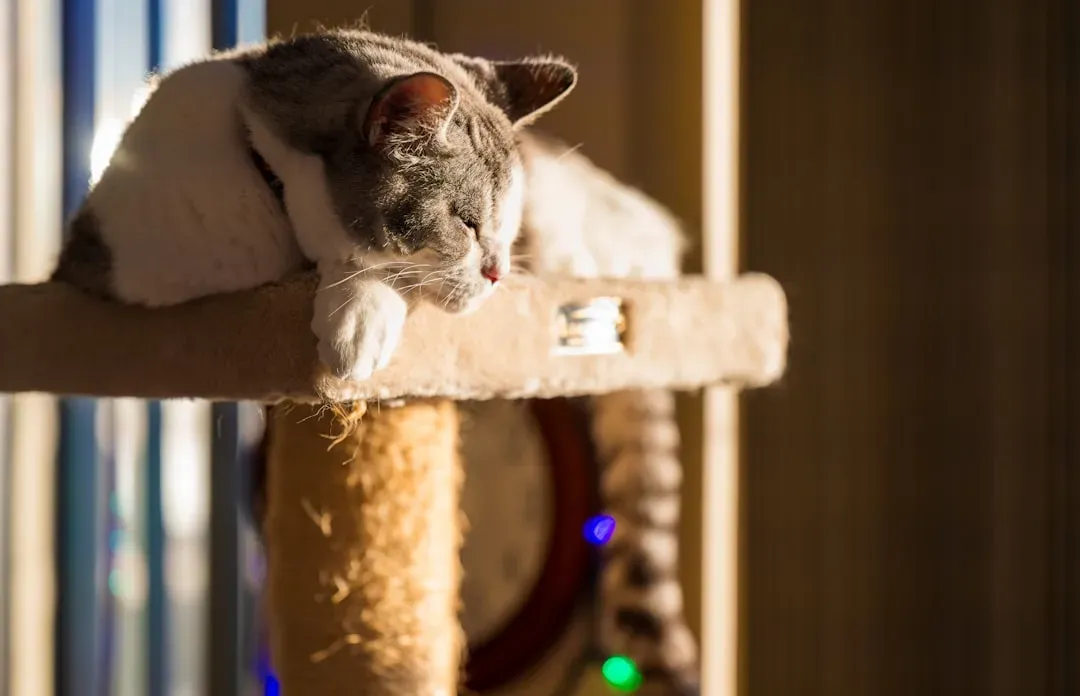
Cats naturally gravitate toward high spots for sleeping, such as cat trees, windowsills, and tall furniture. This preference stems from their wild ancestors’ need to survey their territory while remaining safe from predators. These elevated positions offer both security and a tactical advantage, allowing cats to observe their surroundings while resting. Your cat on top of the fridge isn’t showing off. That’s a watchtower.
Felines can’t afford to become too predictable. If they sleep in the same place all the time, predators will know exactly where to look. Cats also leave a distinct scent behind when they sleep. By regularly finding new terrain, the cat is not easily tracked by predators. Your perfectly positioned cat bed, ignored for the cardboard box, now makes a certain kind of sense.
The Science Behind Sleeping on the Left Side
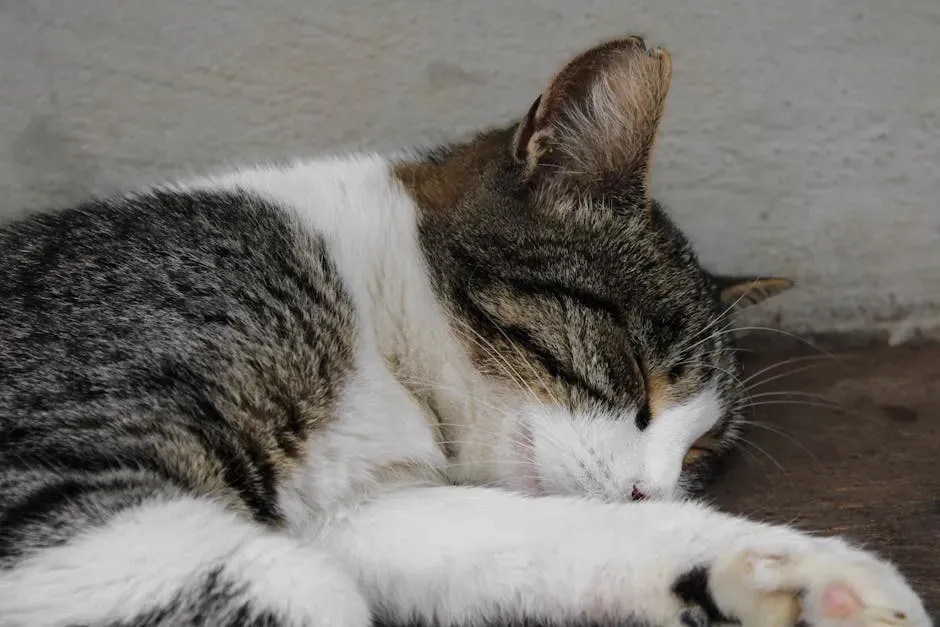
An international team of researchers has discovered that when cats curl up for a nap, they are not just getting comfortable; they are likely engaging in an evolutionary survival strategy. A new study analyzing hundreds of videos found that cats show a significant preference for sleeping on their left side. According to research published in June 2025 in the journal Current Biology, this seemingly minor preference may be a powerful behavior linked to how their brains process threats.
Scientists conclude this specific sleeping posture is an ingrained survival tactic, giving felines a significant advantage by preparing their brains to react more effectively to potential predators or prey. The finding is rooted in a concept known as brain lateralization, which refers to the specialization of the brain’s two hemispheres for distinct functions. Just as most humans are right-handed, many animals exhibit similar left-right asymmetries that improve efficiency. Your cat’s casual nap position, it turns out, is a neurological choice.
Fake Sleep: The Art of Appearing More Vulnerable Than You Are
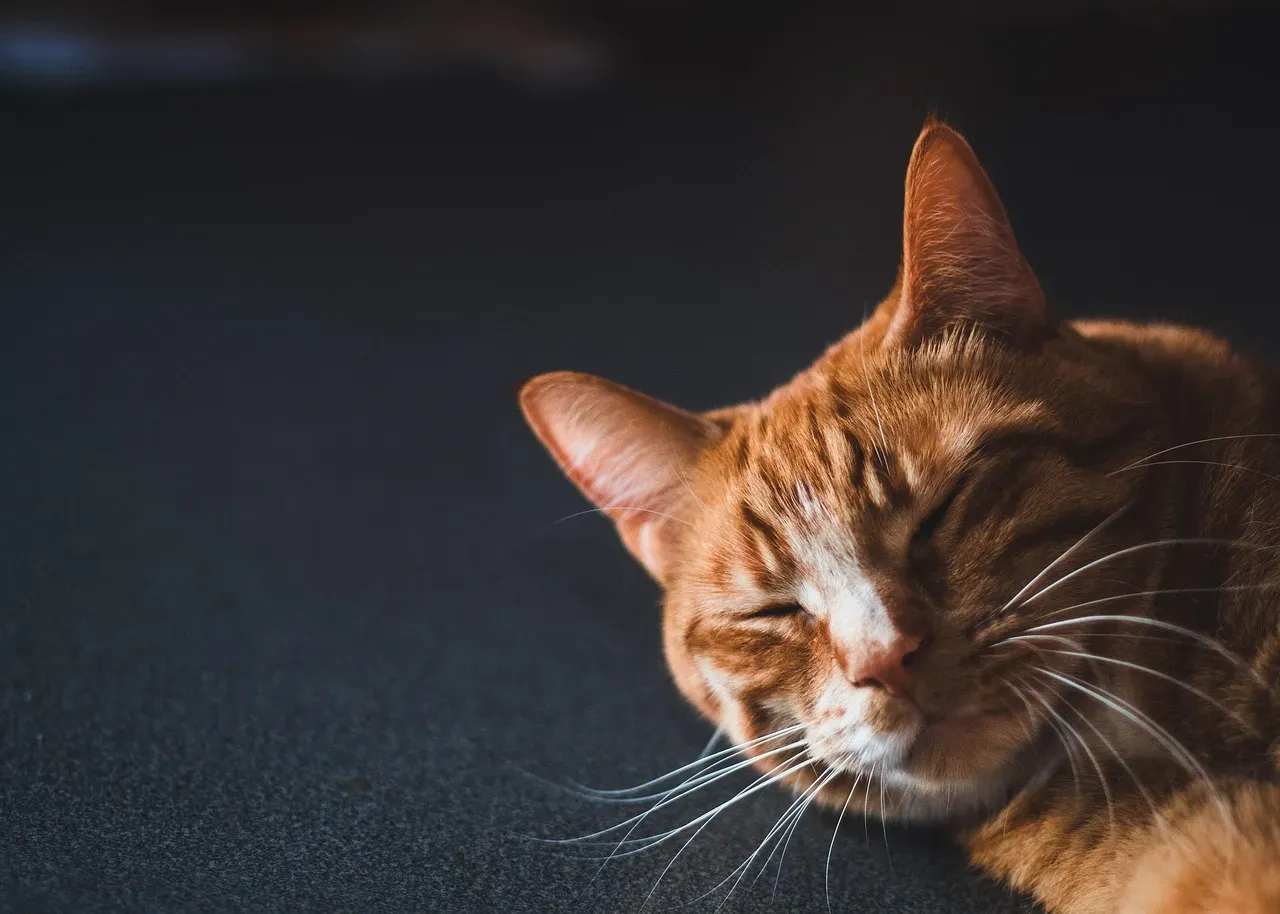
Cats fake sleep as a survival strategy to remain aware of their surroundings while appearing non-threatening. This behavior allows them to rest while maintaining the ability to respond quickly to potential dangers or opportunities. You’ve almost certainly been fooled. That cat who appeared to be deeply asleep clocked your every move.
Cats often use fake sleep as a polite way to establish boundaries. Rather than actively avoiding interaction through aggression or hiding, they simply “sleep” through unwanted attention. This passive approach helps maintain household harmony while allowing cats to control their social interactions. It’s a remarkably efficient social tool when you think about it.
What’s Actually Happening in Your Cat’s Brain During REM Sleep
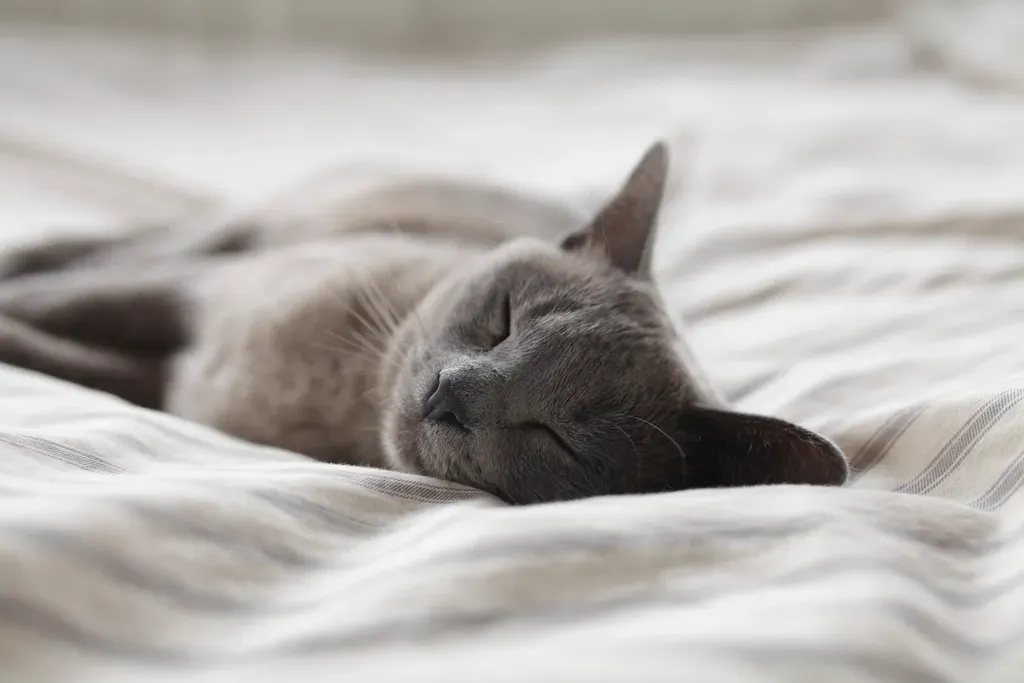
Studies like Michel Jouvet’s REM sleep experiment show cats mimic hunting behaviors while asleep, swatting, stalking, or pouncing in their dreams, even if they’ve never caught live prey. The hippocampus, the memory part of the brain, is highly active during feline REM sleep. That means dreams may also help cats process learning, solve problems, or solidify new routines.
When the part of the brain responsible for REM muscle paralysis was removed from cats in Jouvet’s research, the sleeping animals began physically acting out their dreams. They pounced. They swatted. They stalked invisible prey. All while completely asleep. This is powerful evidence that cats are not just twitching randomly but are genuinely experiencing something during sleep. Their naps, in other words, double as rehearsals.
How Temperature, Scent, and You Factor Into Their Sleep Strategy
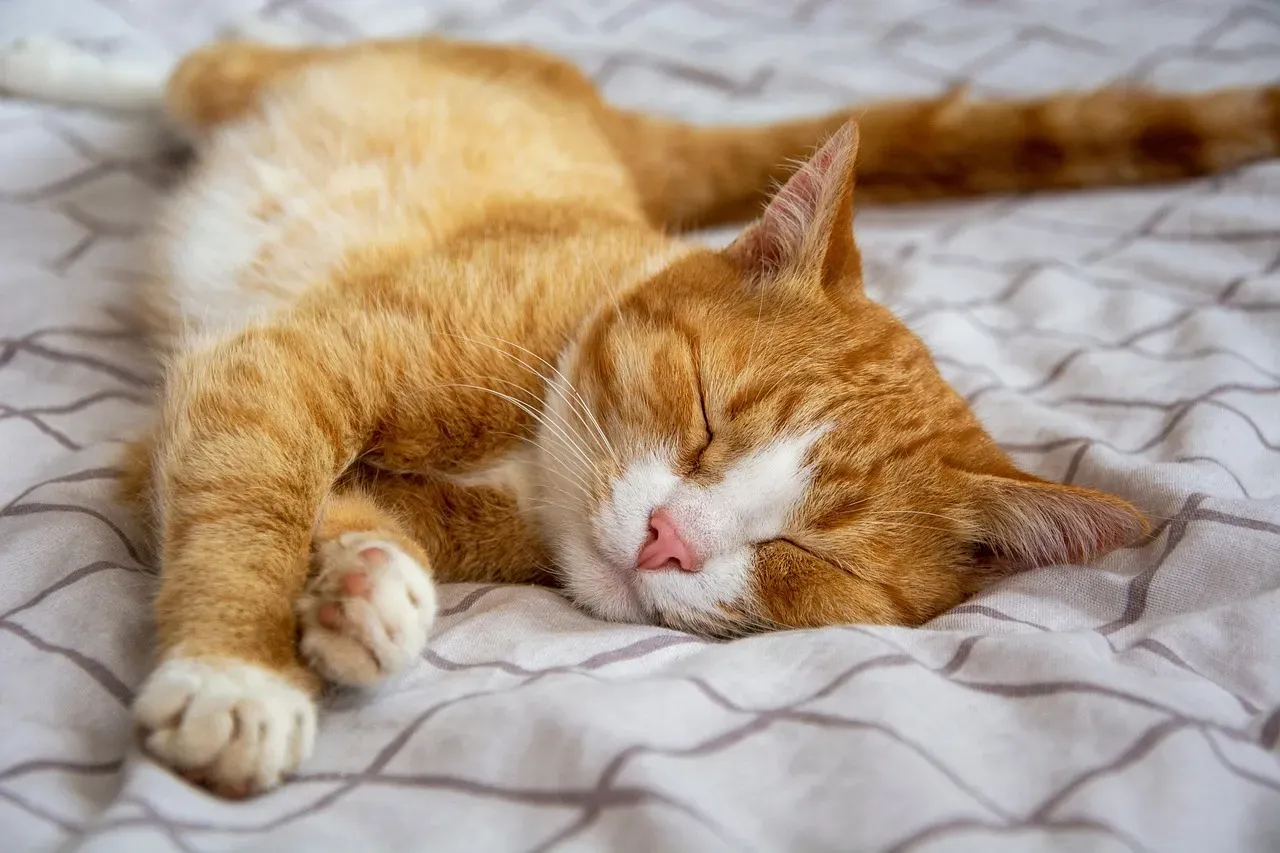
Cats have a higher natural body temperature than humans, around 38 to 39 degrees Celsius, so they’re constantly seeking warmth. A running laptop generates heat from underneath. A patch of sunlight on the tiles hits exactly the right temperature. When your cat sleeps on your dirty laundry pile, your laptop, your side of the bed, or that tote bag you carry everywhere, they’re choosing those spots specifically because they smell like you. Your scent signals safety to them.
In a bedroom, the headboard is often the highest and most “fortified” part of the bed. By sleeping here, the cat has a clear view of the room’s entrance while having their back protected by the wall. It is the feline version of a high-ground watchtower. So when your cat wedges into the spot behind your head at night, you’re not just a warm surface. You’re part of their defensive perimeter.
Conclusion
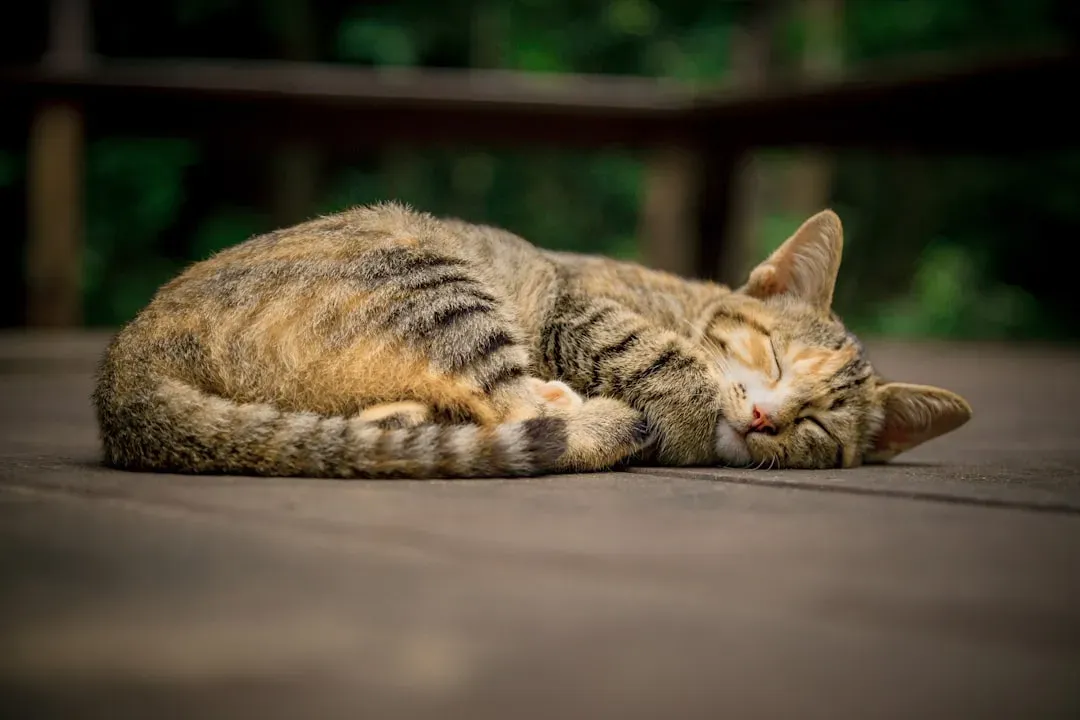
It’s easy to look at a cat curled on your couch and see nothing more than a supremely comfortable animal doing absolutely nothing of consequence. The reality is considerably more interesting. Every hour of sleep is underwritten by hundreds of thousands of years of refinement, balancing recovery with vigilance, rest with readiness.
Proper sleep helps cats maintain their sharp predatory instincts and supports emotional well-being. The way a cat sleeps may reveal more than a simple preference. It can reflect instincts shaped by thousands of years of evolution and survival in the wild. The next time you catch your cat mid-nap, in whatever improbable spot they’ve chosen, it might be worth pausing. You’re not watching laziness. You’re watching a very old system doing exactly what it was built to do.
Kristina is a young writer from India. An arts graduate and an avid content creator, Kristina is passionate about animals and wildlife. She enjoys exploring topics related to pet care, animal behavior, conservation, and nature, combining thorough research with engaging storytelling.