There’s something oddly comforting about a cat that pads over to you on your worst days and settles itself quietly into your lap. You didn’t call it. You didn’t ask. It just showed up. For millions of cat owners, moments like that feel like proof of something real, a kind of unspoken understanding that crosses the species barrier. The question is whether that feeling holds up to scrutiny, or whether we’re simply reading our own emotions into a creature that couldn’t care less.
Cats have long been cast as the indifferent loners of the pet world, perpetually outshone by dogs when it comes to emotional attunement. That reputation, it turns out, may be more myth than fact. A growing body of research is quietly rewriting what we know about feline cognition, and the picture that’s emerging is far more nuanced, and genuinely fascinating, than internet memes would have you believe.
The Science Behind Cats Reading Human Emotions
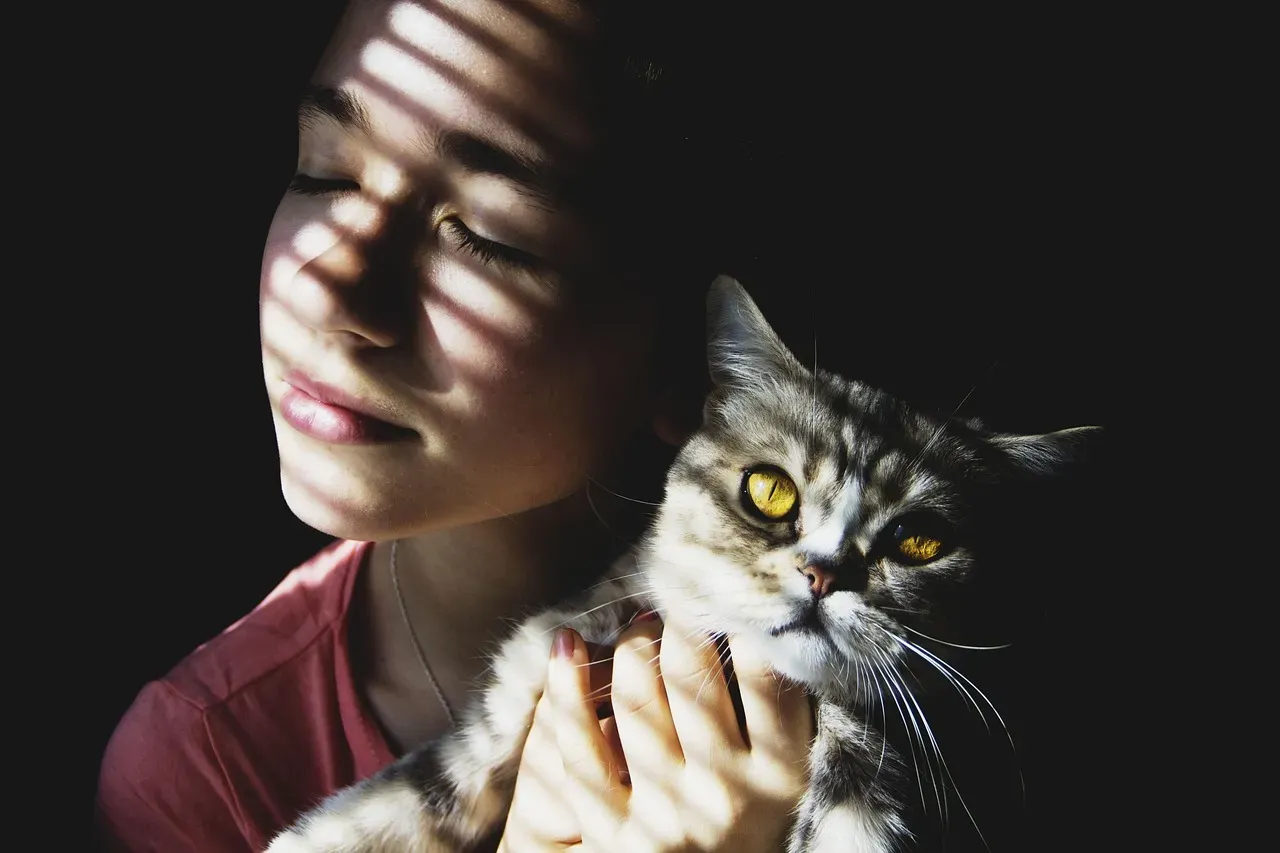
Studies show that cats react to their owners’ visual and vocal signals and adjust their behavior based on human emotions. This isn’t anecdotal. Controlled research has examined how cats respond to specific emotional cues, and the results are consistent enough to take seriously. Based on a study regarding emotion recognition in cats, it was demonstrated that cats are able to recognize both feline and human emotions through auditory and visual observations.
Studies on cats show that they are sensitive to conspecific and human emotional signals, though to a lesser extent than dogs. They discriminate between human emotional cues, which, however, produce only slight and subtle changes of cat behavior in accordance with the owner’s emotional expressions. So yes, your cat is picking up on something. Whether it fully understands what that something means is a different, and harder, question.
How Your Voice and Tone Signal Your Mood
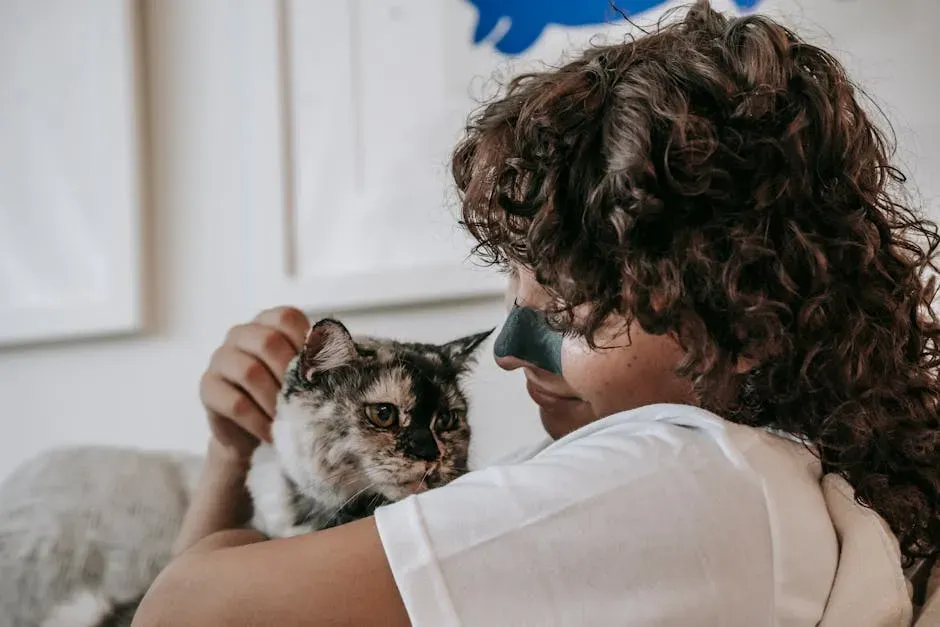
Tonal changes in your voice are an indication of how you’re feeling. Soft tones are comforting to cats, whereas louder, sharper tones will often cause them to run and hide. Crying noises will be interpreted as distress, which they may respond to by comforting you or instead choosing to hide away. Your cat isn’t parsing the words you say. It’s listening to how you say them.
If your feline friend has ever surprised you with their concern when you were feeling sad, this is because cats will often act on visual or auditory cues such as crying and will behave in reaction to this. The response isn’t necessarily empathy in the human sense. It’s a form of acoustic sensitivity that your cat has been quietly calibrating, likely for years.
Can You Really Smell Like Fear to Your Cat?
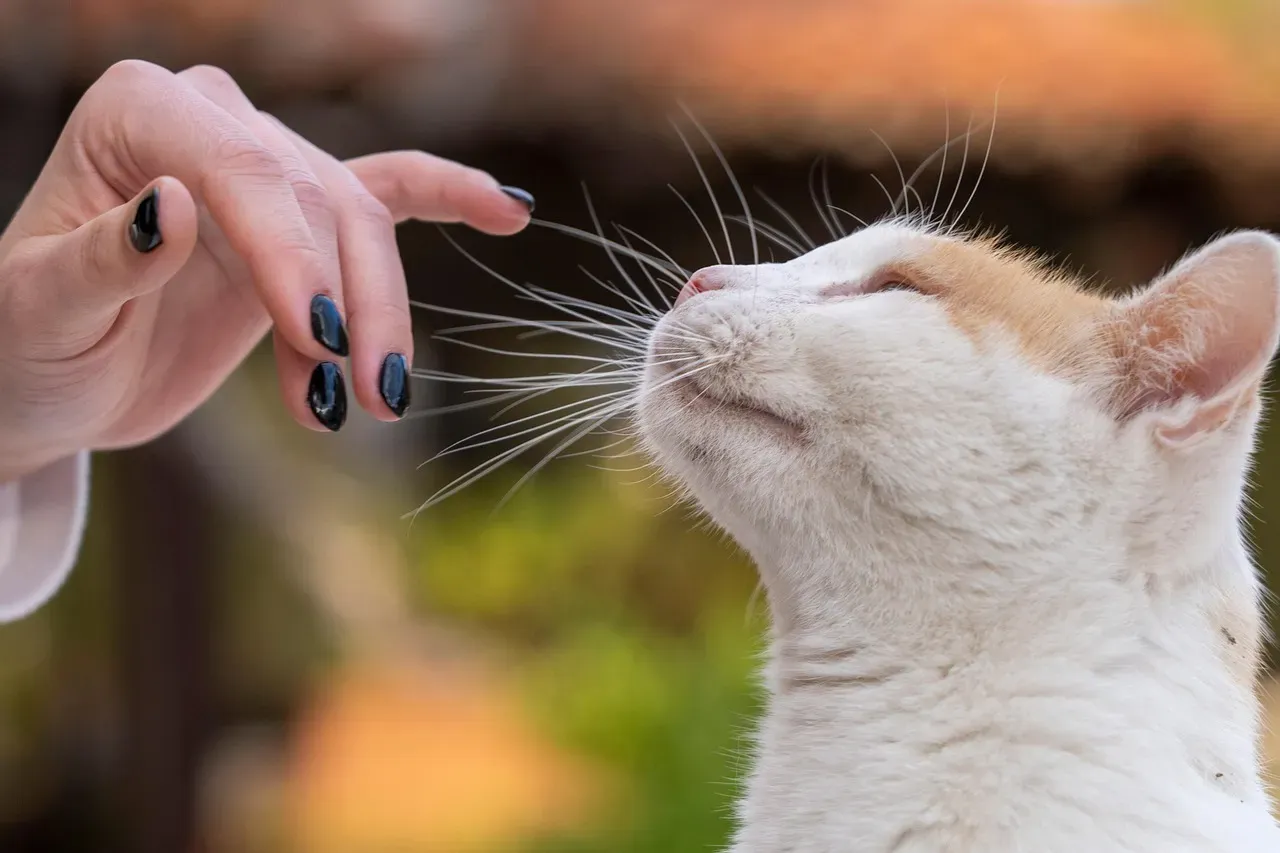
Cats possess an extraordinary sense of smell that’s approximately 14 times more powerful than humans. Their advanced olfactory system enables them to detect subtle chemical changes in their environment, including the hormones and pheromones released when humans experience fear. When we’re afraid, our bodies release specific chemicals through sweat and other secretions. These chemical signatures are readily detectable by cats, who process these signals through specialized scent organs, including the vomeronasal organ located in their nasal cavity.
A study revealed that cats’ behaviors changed significantly based on the emotional odors presented, particularly fear-related scents. When exposed to a “fear” odor, cats exhibited more severe stress-related behaviors compared to when they were exposed to “physical stress” and “neutral” odors. The neurological dimension is equally striking: cats used both nostrils equally often but relied on their right nostril more when displaying severe stress behaviors while smelling “fear” and “physical stress” odors. Since the right nostril connects to the right hemisphere of the brain, responsible for processing arousal and intense emotions, this suggests that these odors trigger a higher emotional response in cats.
Social Referencing: Your Cat Is Watching Your Reactions

The study by Animal Cognition showed that cats are looking at their owners for signals, or what is known as “social referencing.” This is behavior more commonly associated with dogs and even human infants, making its presence in cats genuinely significant. Cats’ communicative behaviour towards humans was explored using a social referencing paradigm in the presence of a potentially frightening object. One group of cats observed their owner delivering a positive emotional message, whereas another group received a negative emotional message. The aim was to evaluate whether cats use the emotional information provided by their owners about a novel or unfamiliar object to guide their own behaviour towards it.
Most cats, about 79%, exhibited referential looking between the owner and the object, and also to some extent changed their behaviour in line with the emotional message given by the owner. That’s a substantial majority. Cats spend more time with owners when shown positive cues but look for an exit when owners respond in a fearful way to a new object. In short, your emotional reactions are shaping theirs in real time.
Facial Expressions: More Complexity Than You’d Expect
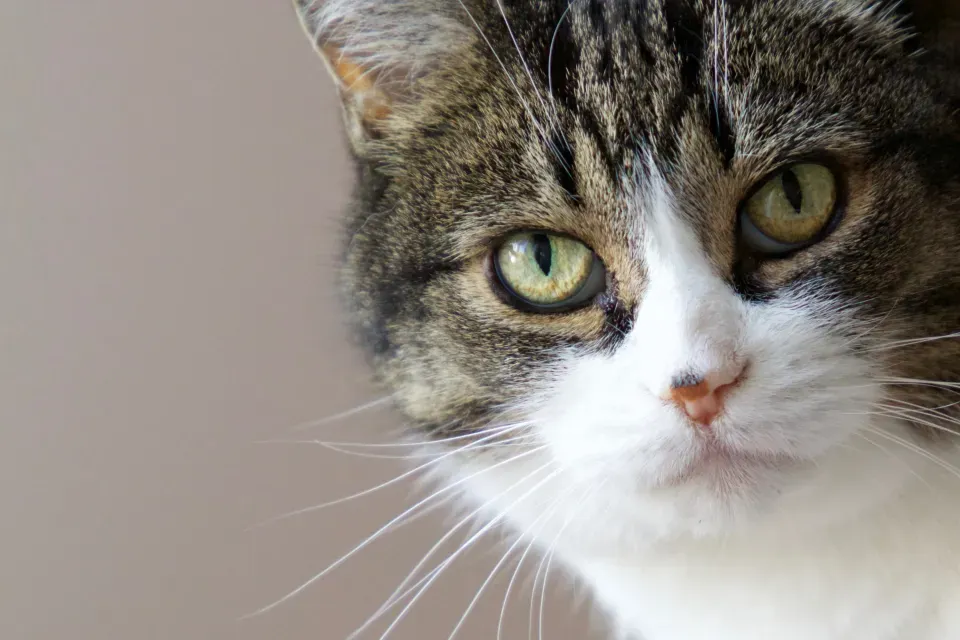
Cats have 276 distinct facial expressions, a discovery that turns on its head the popular belief that our pet felines are aloof and just not that into us. In fact, cats likely evolved these various expressions because of us, a product of communication between felines and humans over 10,000 years of domestication. That number is surprisingly high, and it points to a communicative sophistication that’s easy to underestimate.
A study shows that cats do in fact have facial expressions, but humans just aren’t that good at interpreting them. Researchers created a quiz with 20 videos of cats engaged in various activities, and asked more than 6,000 people to judge whether each expression was positive or negative. Respondents correctly interpreted about 59% of the cats’ emotional states. A few people, often veterinarians or others who worked with animals, scored extremely well, leading researchers to dub them “cat whisperers.” The relationship, it seems, is a two-way interpretive challenge.
Your Bond Directly Affects How Much Your Cat Reads You
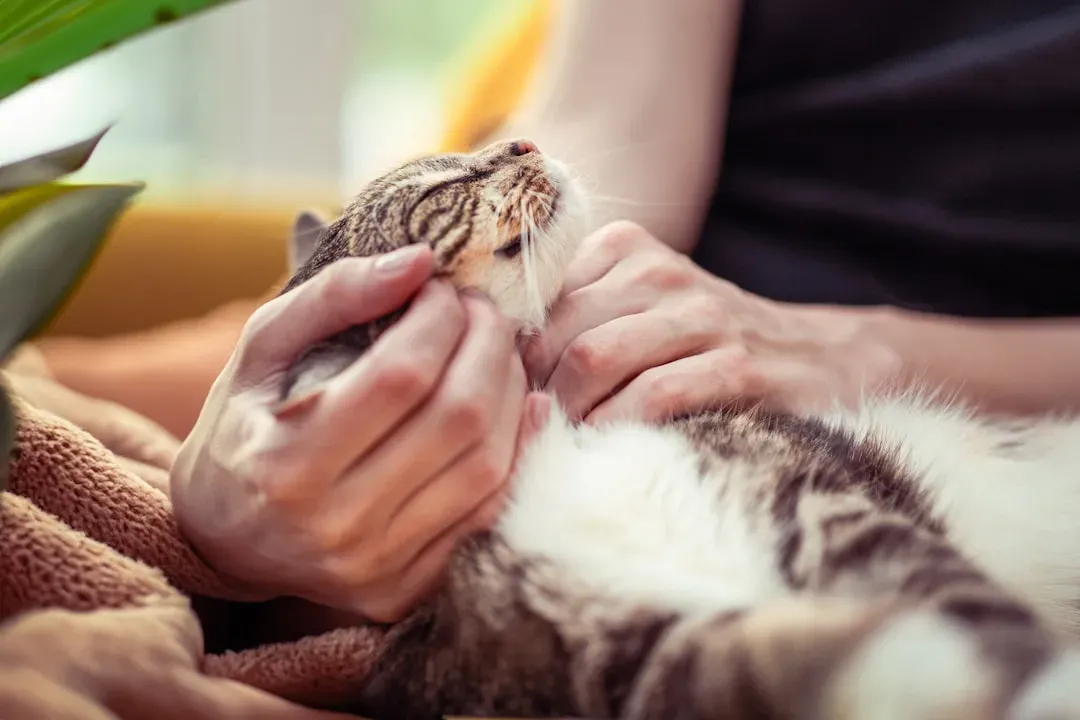
The closer your bond is with your cat, the more likely they are to be in sync with you and understand your different moods. This isn’t just a warm sentiment. It reflects what research consistently finds: that cats don’t apply their emotional sensitivity uniformly to all humans. Cats were found to be only modestly sensitive to emotions as indicated by human postural and vocal cues, but particularly when displayed by their owner.
Cats are learning all the time, so they may come to learn what you do when you’re feeling different emotions. For example, if you are sad and give them extra attention, they make the association between your behavior and actions with being in an emotional state. By creating a bond and spending more time with your cat, it allows them to become more in tune with your behaviors and feelings. Over time, your cat will understand your routine and be able to tell how you’re feeling.
When Your Mood Actually Affects Your Cat’s Wellbeing

Often, cats will mirror their owner’s mood, so if you’re stressed, it’s likely your cat will feel stressed too. This mirroring effect has real welfare implications. Some cats will pick up on your stress and become anxious themselves, especially if their routine changes or the person interacts with them differently. Cats are sensitive to changes in physiological parameters, such as heart rate, breathing cues, and blood pressure, which can all be symptoms of depression, stress, and anxiety.
Research by Rieger and Turner discovered that not only the mere presence of a cat in the household, but also interactions with the cat reduce measurable negative moods in the person, including anxiety, depression, and introversion. The cat-human emotional exchange, it turns out, runs in both directions. The depressive owner initiates fewer interactions with the cat, but when the cat approaches that person, they accept the intent of the cat to interact, which affects the human’s mood. The cat also changes its behavior in response to depressiveness of the human when close to the person, vocalizing more frequently and head- and flank-rubbing more often on that person.
Where the “Projecting” Accusation Has Some Merit
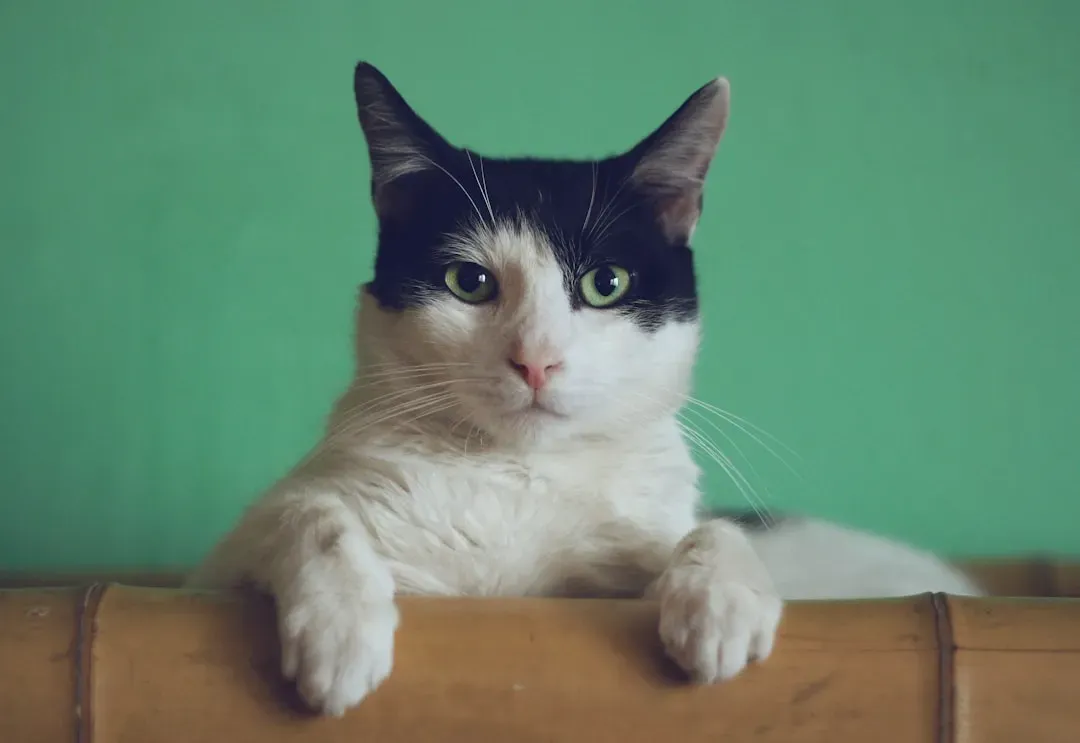
A study published in Anthrozoös provides compelling evidence that human perception of cat emotion can be directly influenced by context. In other words, when you decide your cat looks guilty or sad, your interpretation may reveal more about your own emotional state than your cat’s. Findings suggest that owners tend to overlook certain signs and that owners’ perception of stress partially depends on their false preconceptions about cat normal ethology, including playfulness, social relationships, and aggression.
Although cats may not specifically understand what we are feeling, they can recognize the body language and movement changes that happen when humans become sad. They may not be able to pick up certain nuances between human negative moods such as loneliness or grief, but they know when we are in a low mood compared to when we’re feeling happy. The distinction matters. Your cat isn’t reading your grief; it’s reading the behaviors that grief produces. That’s a more mechanical process than the empathy we tend to project onto it, though it’s genuinely impressive in its own right.
What Domestication Has to Do With All of This
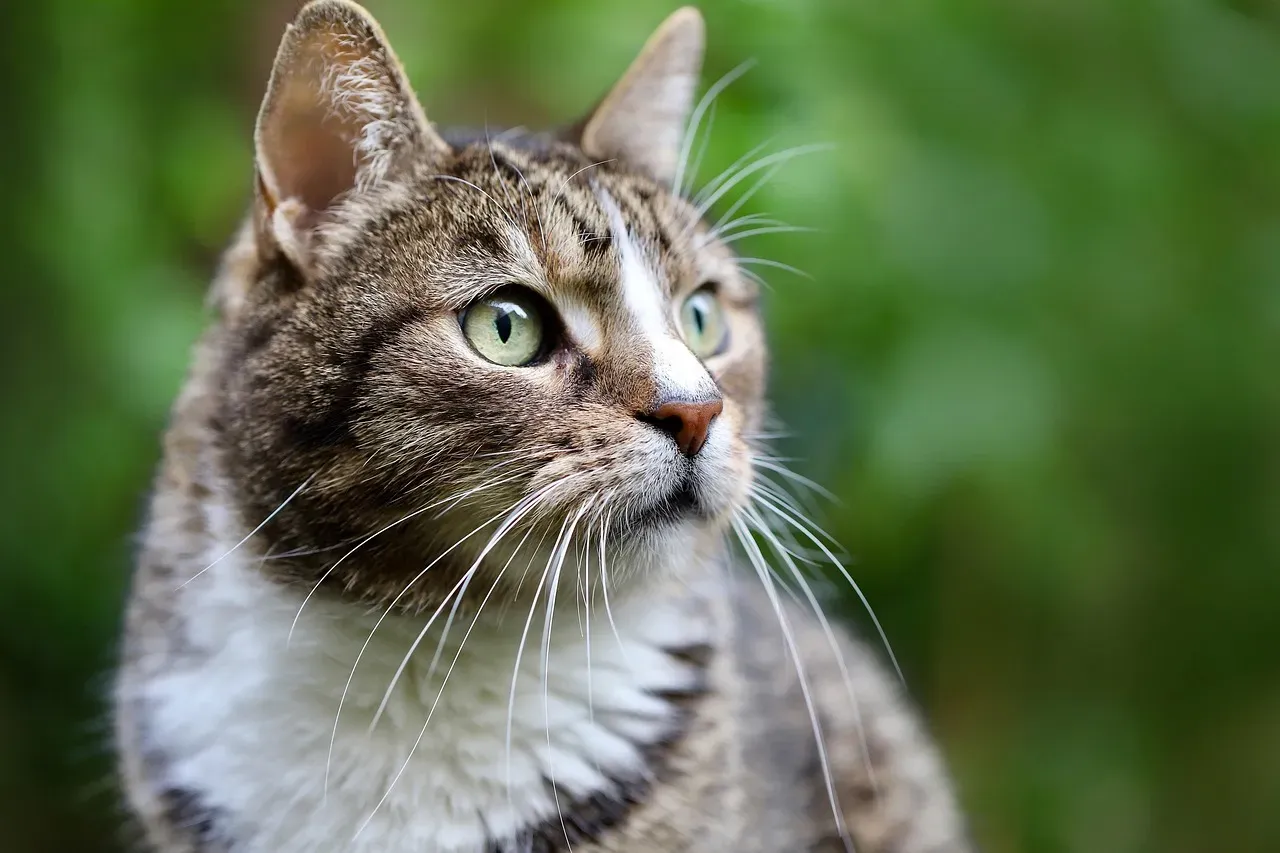
Domestic cats have been living alongside humans for thousands of years, and research has shown that cats bond closely with people. These social bonds can affect behavior and mood, with both parties benefiting from unconditional love and companionship. The 10,000-year history between cats and humans hasn’t just made cats comfortable around people. It appears to have shaped their cognitive toolkit. The findings demonstrate that as cats became domesticated, they developed cognitive and social skills in understanding humans’ emotions to be able to behave accordingly in response to their human’s cues in communication and expressing emotions.
This hypothesis is supported by previous studies showing that social experiences during life with humans, particularly in the early developmental periods, could impact cat sensitivity to human emotional signals. Essentially, your cat’s ability to read you isn’t hardwired in a fixed way. It’s also shaped by how much social exposure to humans it received early in life. Researchers tallied 276 different feline facial expressions, used to communicate hostile and friendly intent and everything in between. The team found that humans might be to thank: feline friends may have evolved this range of expressions over the course of their 10,000-year history with us.
Conclusion
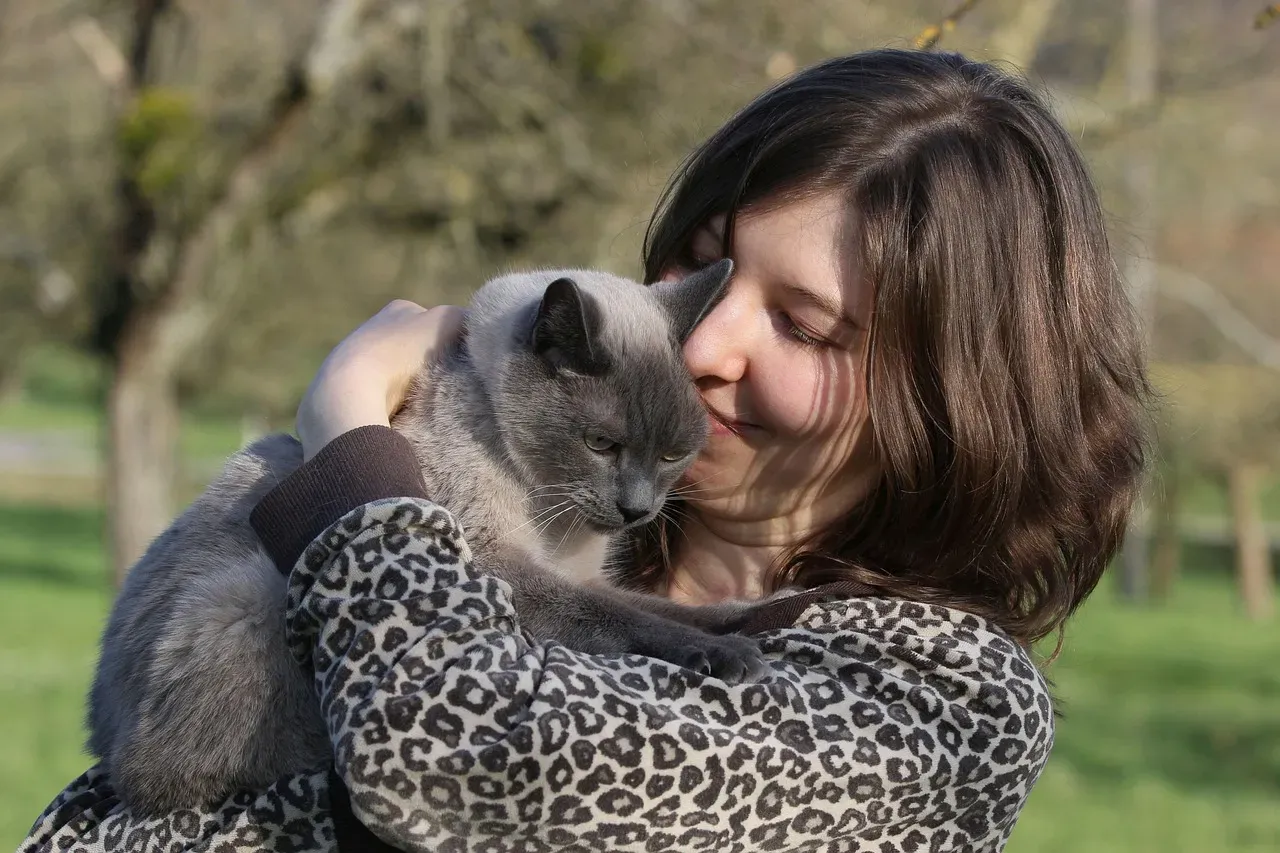
The honest answer to whether cats truly understand our moods sits somewhere in the middle ground between “yes, completely” and “you’re imagining it.” It seems that cats can recognize certain emotions in people and respond to these changes in mood. It’s difficult to tell just how specifically cats can understand a range of human emotions, but they certainly might be able to tell when something is wrong. They’re not reading the narrative of your feelings, but they’re tracking signals, scent, tone, body posture, and routine, with far greater sensitivity than most people realize.
These findings challenge the stereotype of cats as indifferent to human emotions. While they may not express their attachment in the same overt ways as dogs, cats are clearly tuned into the emotional states of their humans. Perhaps the more interesting question isn’t whether cats understand us the way another human would, but whether we’ve been asking the right question at all. They’re not small, furry humans. They’re something else entirely, and that’s exactly what makes paying attention to them so worthwhile.
Kristina is a young writer from India. An arts graduate and an avid content creator, Kristina is passionate about animals and wildlife. She enjoys exploring topics related to pet care, animal behavior, conservation, and nature, combining thorough research with engaging storytelling.