There’s a long-running assumption that cats are beautiful but essentially indifferent creatures, sharing your home on their own terms and registering your presence mostly when a food bowl is empty. It’s a compelling myth, and it flatters our sense of cats as mysterious. The reality, though, is considerably richer.
Research surrounding feline cognition has been increasing in recent years and has led to novel discoveries about cats’ cognitive abilities. Little is known about the social behavior of cats, particularly in the context of human interaction and the home environment, and the lack of research in this area is possibly due to a widely held misconception that domestic cats are not a social species. That misconception is being steadily dismantled.
Scientists are studying the relationships we form with our cats and are gaining new insight into cats’ social and cognitive abilities. They’re finding that cats may be far more socially smart than they usually get credit for. The picture emerging from labs, home studies, and behavioral research is of an animal whose inner life is far more textured than a cool, blank stare might suggest.
Your Cat Knows Your Voice From Everyone Else’s
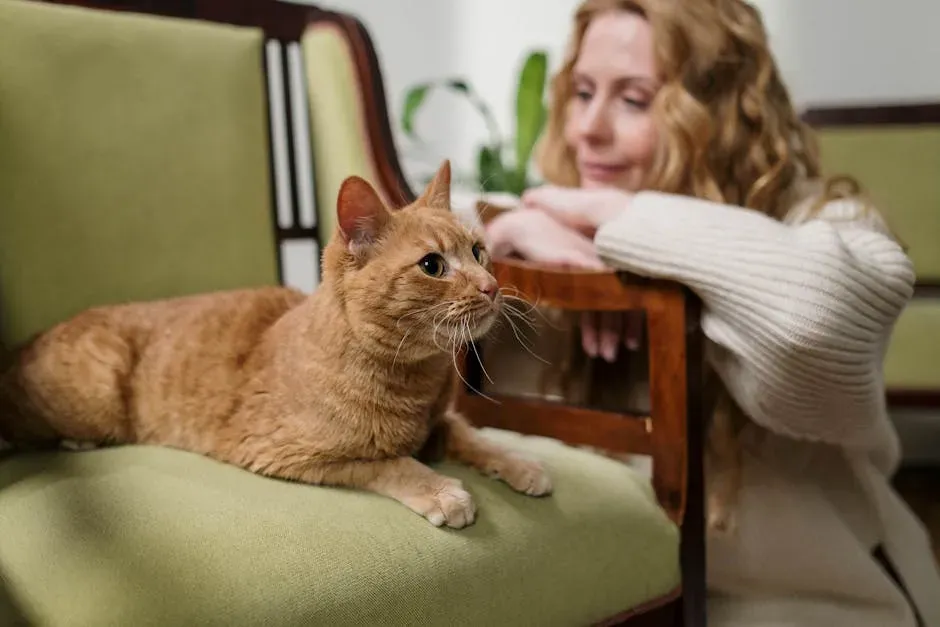
It starts with something you’ve probably suspected but never had confirmed: your cat knows it’s you talking before you’ve even walked into the room. Domestic cats have had a 10,000-year history of cohabitation with humans. In one study, researchers investigated whether 20 domestic cats could recognize their owners by voice. While the owner was out of the cat’s sight, three different strangers’ voices were played serially, followed by the owner’s voice, and the cat’s reactions were recorded and categorized.
Results showed cats responded to a greater extent when it was the owner’s voice calling them. Importantly, the study demonstrated that cats can understand humans, at least to an extent, and that they can discriminate between different human voices even in the absence of any visual cues. Your cat isn’t just reacting to sound in general. It’s tuned specifically to you.
They Recognize Their Own Name Too
In a series of four different experiments, researchers discovered cats showed a meaningful response to their own names, even after hearing four similar-sounding nouns or the names of other cats living in the home or the cat café. This wasn’t simply a reaction to familiar sounds. The cats responded differently to their name versus when their owner said four general nouns that were the same length and accent as their name. This response occurred whether their owner or a stranger spoke, and it also didn’t matter whether they were from an only-cat or multi-cat household.
The authors concluded that for cats to show a response to their name being spoken, their name must mean something to them. It’s likely that they associate their name with good things, such as food, cuddles, or playtime, and possibly bad things like a trip to the vet or bath time. The selective ignoring you experience? That’s a choice, not ignorance.
Cats Learn the Names of Everyone in the Household
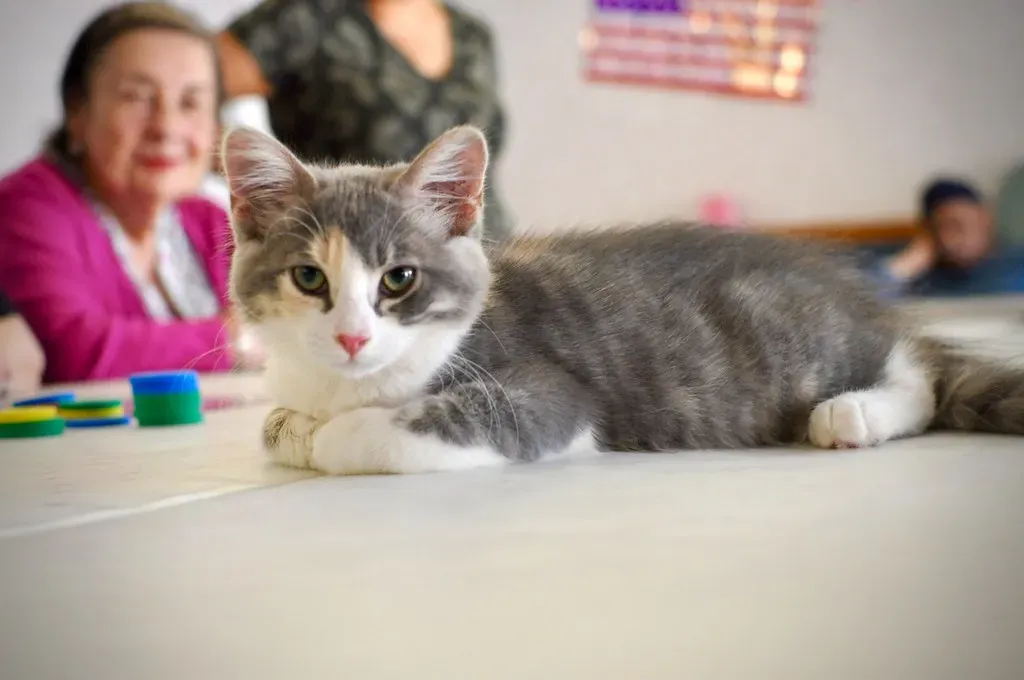
Here’s where it gets genuinely surprising. In a further study, an even greater ability of cats to recognize names was demonstrated. Using photographs displayed on a laptop screen, cats were shown images of other familiar cats or their human family members. At the same time, either the cat’s owner or a stranger would call out different names, some of which matched the images and some that did not.
Results showed that when the names called out did not match the picture, cats spent longer looking at the picture on the screen than when the name and image did match. This does indeed suggest that cats show advanced social awareness, presumably learning through observing social interactions around them. They’re not just absorbing the sounds your household makes. They’re quietly mapping who belongs to which name.
They Hold a Mental Map of Where You Are
Many animals probably hold mental representations about the whereabouts of others; this is a form of socio-spatial cognition. Researchers tested whether cats mentally map the spatial position of their owner or a familiar cat to the source of a vocalization. What they found shifted the needle on how we think about feline spatial intelligence.
The finding that cats mentally map their owner’s location from their voice corresponds at least to visible displacement in object permanence. Mentally representing the outside world and manipulating those representations flexibly is an important feature in complex thinking and a fundamental aspect of cognition. In plain terms: your cat knows roughly where you are in the house, even when it can’t see you, and it notices when something doesn’t add up.
Object Permanence: They Know Things Still Exist When Hidden
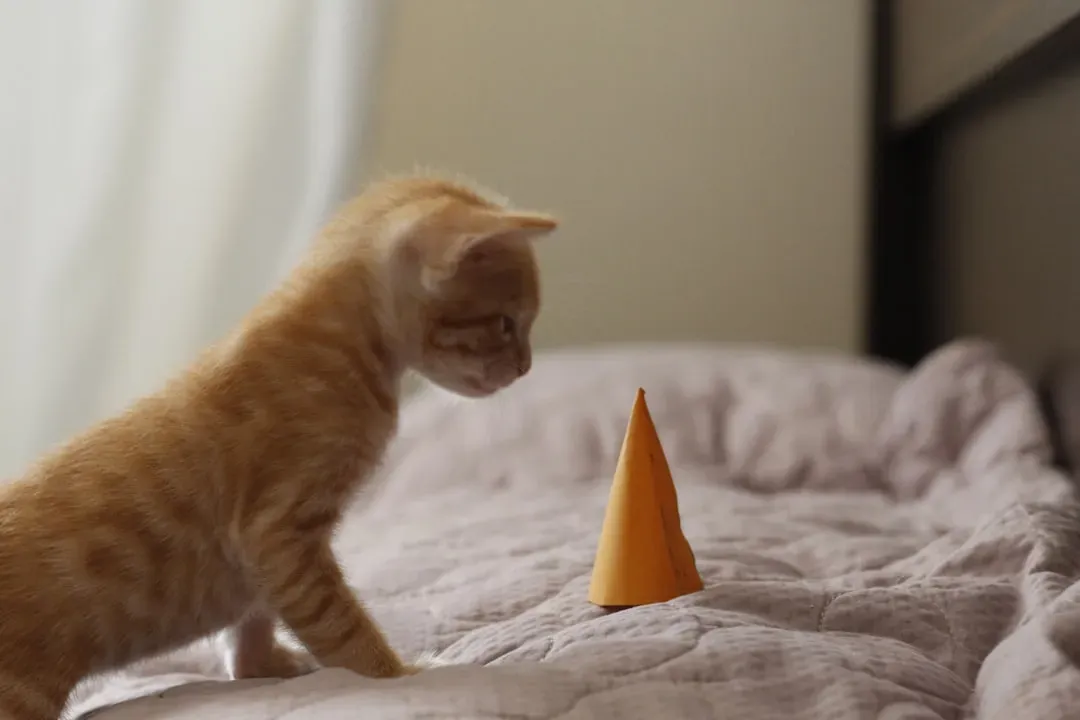
Object permanence, the understanding that objects continue to exist while out of sight, is a key part of the sensorimotor stage of cognitive development. Cats have been shown to reach Stage 5 object permanence by passing successive visible displacement tests. In controlled experiments, cats demonstrated fully developed concepts of object permanence, indicating that their sensorimotor intelligence is complete.
Research indicates that cats are readily able to solve visible displacement tests, rapidly acquiring this ability as they mature. This matters more than it might seem. Unlike dogs, who often perform enthusiastically in cognitive testing scenarios, cats present unique challenges for researchers. Their independent nature and selective motivation make standardized testing difficult. The fact that they perform well at all, on their own terms, says something about what’s happening inside their heads.
Your Cat Forms a Genuine Emotional Attachment to You
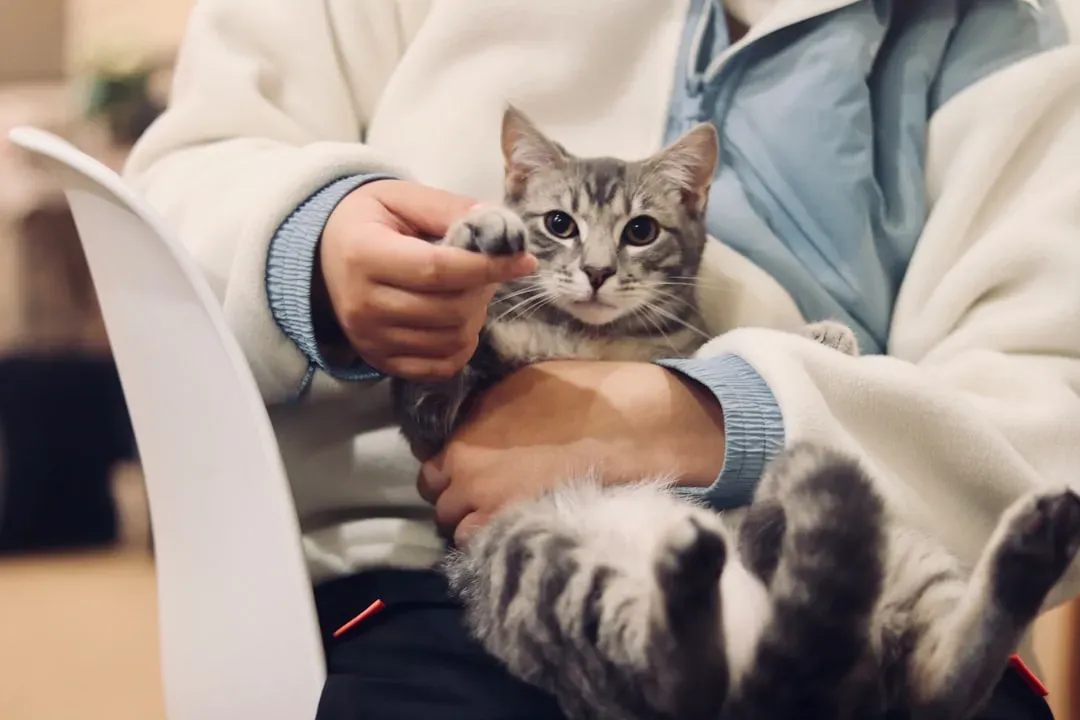
Much like children and dogs, pet cats form secure and insecure bonds with their human caretakers. The findings suggest that this bonding ability across species must be explained by traits that aren’t specific to canines. Researchers classified about 65 percent of both cats and kittens as securely bonded to their people. The findings show that cats’ human attachments are stable and present in adulthood.
Despite fewer studies, research suggests we may be underestimating cats’ socio-cognitive abilities. Evidence, using behavioral criteria established in the human infant literature, shows that cats display distinct attachment styles toward human caregivers. The bond that cats and dogs displayed toward their owner reveals basically the same styles of attachment in both species. They’re the same styles of attachment that we actually see in human infants as well. That’s not a small finding.
Cats Can Detect Your Emotional State, Even by Scent
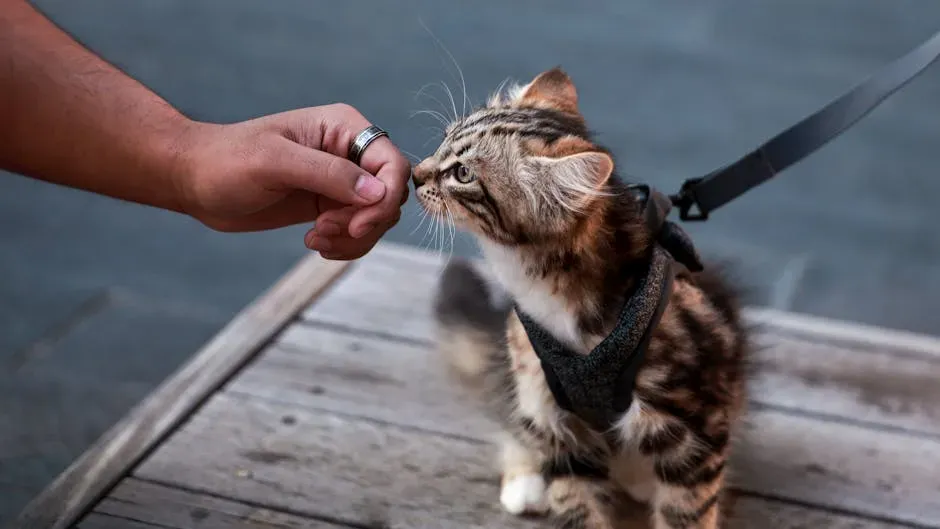
A recent study shows cats can detect human emotions through scent, especially fear, suggesting our cat friends might understand us more than we realize. Studies show that cats react to their owners’ visual and vocal signals and adjust their behavior based on human emotions. This goes well beyond the obvious. It isn’t just your body language or tone of voice they’re reading.
Cats are remarkably emotionally intelligent and are able to pick up on how their trusted humans are feeling, particularly when it comes to sadness. Although they may not fully understand it, your cat may come and comfort you, give you a quizzical look, or purr and want your attention. Others may work out your unhappy emotional cues and want to give you some space. The response differs by individual, but the awareness itself appears to be consistent across cats.
They’re Capable of Abstract Learning and Problem Solving

One area of particular interest in feline research is abstract concept learning, the ability to understand relationships between objects rather than simply memorizing specific associations. In human children, the development of abstract reasoning marks a crucial cognitive milestone. In animals, it represents a level of intelligence that goes beyond simple stimulus-response learning.
According to several feline behaviorists and child psychologists, an adult cat’s intelligence is comparable to that of a two to three year old child, since both species learn through imitating, observing, and experimenting. Simply by watching their owners, and mirroring their actions, cats are capable of learning human-like behaviors like opening doors and turning off lights. Cats possess impressive long-term memory capabilities, retaining recollections of events and locations for a decade or longer. These memories are often intertwined with emotions, allowing cats to recall both positive and negative experiences associated with specific places.
The Research Gap Has Skewed Our Perception
Despite their popularity, relatively little is known about feline cognition, the evolution of cat behavior, and the role that domestication has played in shaping the mental health and capabilities of cats, especially compared to what is known about the cognitive abilities of dogs. Perhaps because of the challenges cats present to researchers, research into feline cognition has lagged behind canine studies, leaving significant gaps in our understanding. The knowledge gap doesn’t reflect a lack of intelligence in cats. It reflects a lack of research investment.
While most cat species are solitary, domesticated cats can live in social groups, engage in complex social encounters, and form strong attachments to humans. With more and more cats spending their lives inside, in closer contact with humans, a cat’s ability to read and respond to human cues may become even stronger. In other words, the evolution of the domestic cat’s social intelligence is still very much in progress.
Conclusion
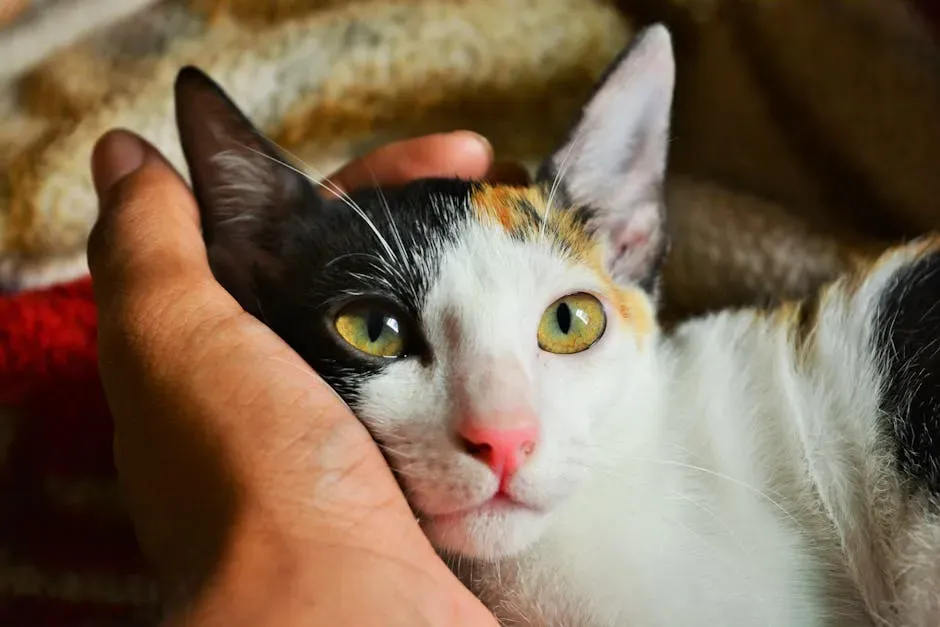
The case for dismissing cats as emotionally shallow or cognitively simple gets harder to make every year. They recognize your voice, know their name, map your location in the house, form secure emotional bonds, read your mood, and can learn the names of the other beings they share a home with. That’s a quietly impressive list.
What’s worth sitting with is how much of this went unnoticed simply because cats don’t perform on command. As we explore these aspects of cognition in cats, we find that cats are much more sophisticated and complex in their relationships with humans than is often assumed. They just choose to reveal it on their own schedule, which, come to think of it, is rather consistent with everything else we know about them.
Kristina is a young writer from India. An arts graduate and an avid content creator, Kristina is passionate about animals and wildlife. She enjoys exploring topics related to pet care, animal behavior, conservation, and nature, combining thorough research with engaging storytelling.