You’ve probably had this experience: you’re sitting quietly, your cat walks into the room, and something shifts. The way they hold their tail, the sound they make, the slow blink they offer from across the sofa. You respond instinctively, almost without thinking. To a visitor in your home, that exchange would look unremarkable. To you, it carries real meaning.
That’s the nature of the bond between a cat and its owner. It isn’t built on grand gestures. It’s built on thousands of small signals, accumulated over months and years of quiet observation. Cats use a range of communication methods, including vocal, visual, tactile, and olfactory communication. What makes it feel personal, almost secret, is that so much of this language is calibrated specifically for you.
The Meow Was Always Meant for You
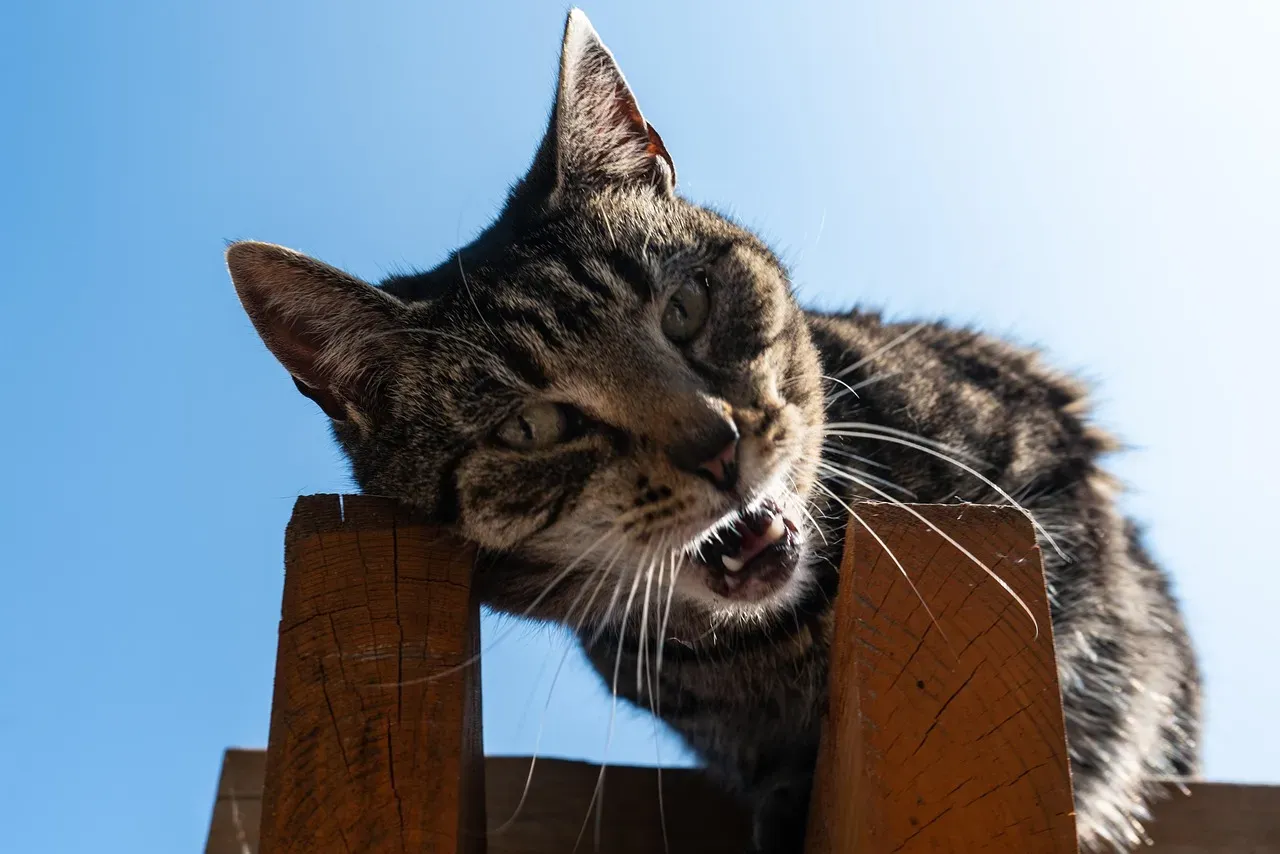
Most people assume that meowing is simply how cats talk, the way barking is how dogs talk. The reality is more specific and, honestly, more touching. For the most part, cats meow only to communicate with humans, not with other animals, according to anthrozoologist John Bradshaw. That single fact changes how you hear every sound your cat makes.
Cats meow primarily to communicate with humans, not with each other. Kittens meow to tell their mothers they’re cold or hungry, but as they mature, cats almost entirely stop meowing at other cats. Adult domestic cats have essentially retained and repurposed this kitten behavior as a tool for getting your attention, asking for food, and expressing needs to the people they live with.
Researchers have discovered that the vocalizations of the domestic cat have changed to become more pleasant to the human ear. This is likely why felines have evolved to meow almost exclusively to humans, and rarely use it as part of cat-to-cat communication. Their meows are less threatening, as well as more high-pitched and kitten-like. People are more sensitive to this type of sound and also more likely to respond positively, such as by providing care.
Your Cat Developed a Personal Vocabulary Just for You
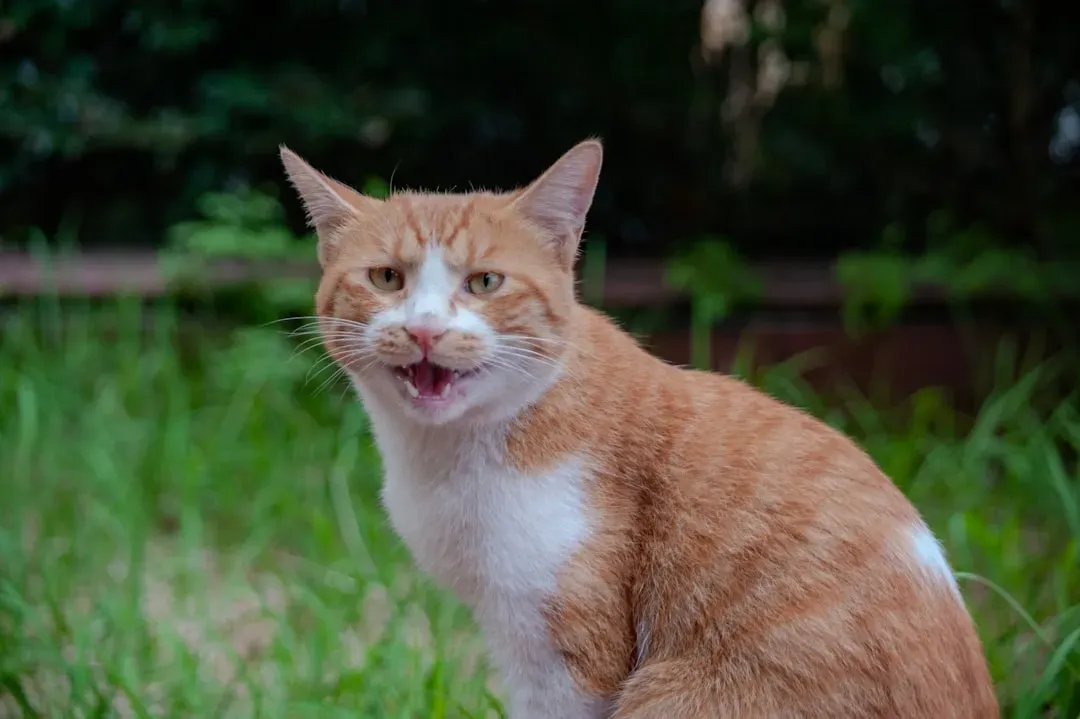
Some cats will develop different-sounding meows for different situations. If you listen closely, you might hear one kind of meow for food and a different meow to ask to go outside. This isn’t random variation. It’s a system your cat built over time by watching how you respond.
Many cats develop a repertoire of meows to express different needs and feelings or elicit different responses. For example, your cat might trill at you in greeting, squeak a friendly request to go outside, or demand food with a loud meow. The vocabulary your cat uses with you is genuinely unique to your relationship. A stranger in your home won’t recognize those distinctions the way you do.
Most cat owners feel confident they understand their cat’s meows, but research suggests we’re not as fluent as we think. In a study published in the journal Animals, less than half of participants could correctly match a cat’s meow to the situation it was recorded in. The best-recognized meow was the one cats made while waiting for food, and even that was only correctly identified about 40% of the time. Still, owners who know their specific cat tend to outperform strangers, which is telling.
The Tail Is a Running Broadcast of Their Mood
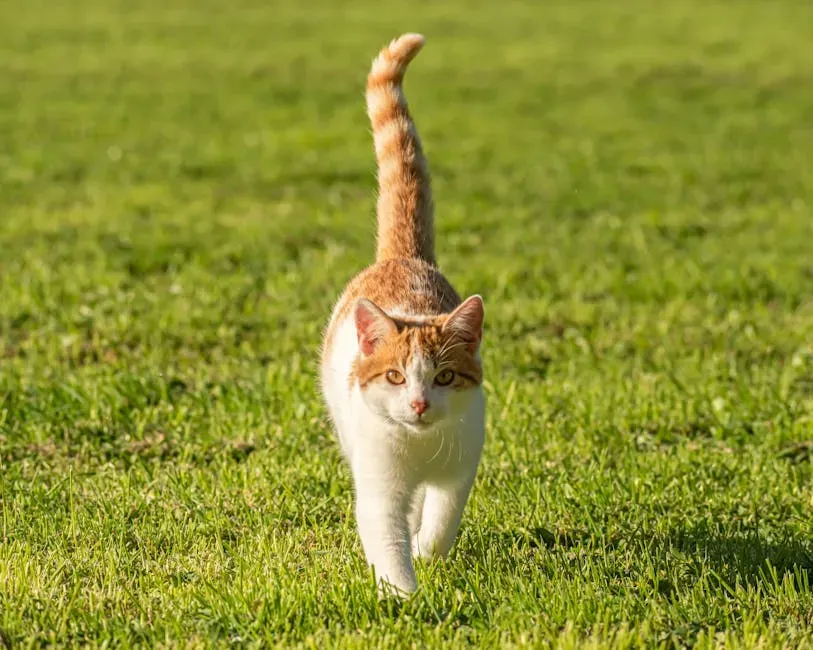
When greeting their owners, cats often hold their tails straight up with a quivering motion that indicates extreme happiness. If you’ve come home after a long day to this particular tail, you already know exactly what it means. It’s one of the clearest, most reliable signals in the feline emotional toolkit.
A tail tucked between the back legs is often a sign that a cat is anxious or fearful, whereas a tail held out, moving slowly side-to-side across the body may signal frustration. These distinctions matter. A slow side-to-side sweep is not the same as a rapid lash, and learning the difference can save you from an unwanted scratch as much as it can help you comfort a nervous cat.
The same tail position can signal completely different emotions depending on the situation. A high, vertical tail usually means happiness and confidence. But if another cat approaches while your cat displays this posture, the high tail might indicate territorial assertion or potential aggression. Context, as always, is everything.
Their Eyes Say More Than You Might Realize
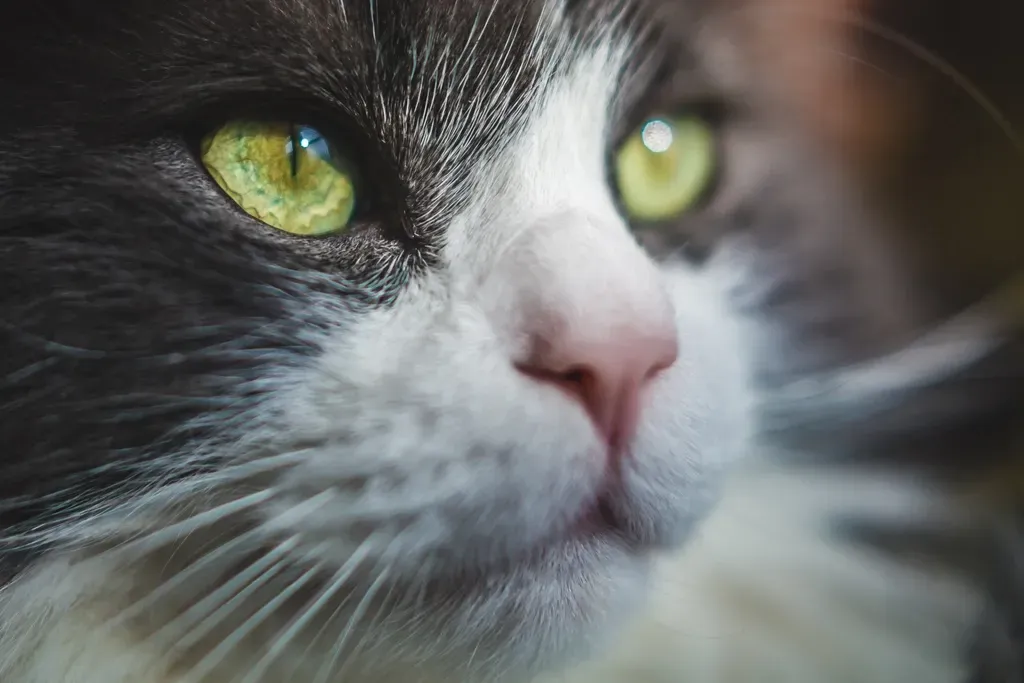
When cats feel relaxed and content, they naturally narrow their eyes and blink slowly. This facial expression closely resembles the soft squint humans make when smiling. In other words, it’s a cat’s way of expressing friendliness and trust – a kind of silent hello. You can respond in kind, and it genuinely registers with them.
Your cat may blink slowly to show trust and affection. In fact, studies suggest that this behaviour releases oxytocin, a hormone associated with bonding. Responding to your cat with a slow blink can strengthen the bond between you. Research published in Scientific Reports confirmed this works not only with familiar cats, but with cats meeting strangers for the first time.
Dilated pupils indicate high stimulation, but context determines whether that stimulation is positive or negative. Cats with wide pupils might be excited about play, frightened by sudden noises, or intensely focused on prey. Being able to distinguish whether your cat is feeling friendly or not should be fairly easy: aggressive stares are intense, wide eyes indicate anxiety or hyperarousal, and friendly eye contact is soft.
Ears and Whiskers Complete the Picture
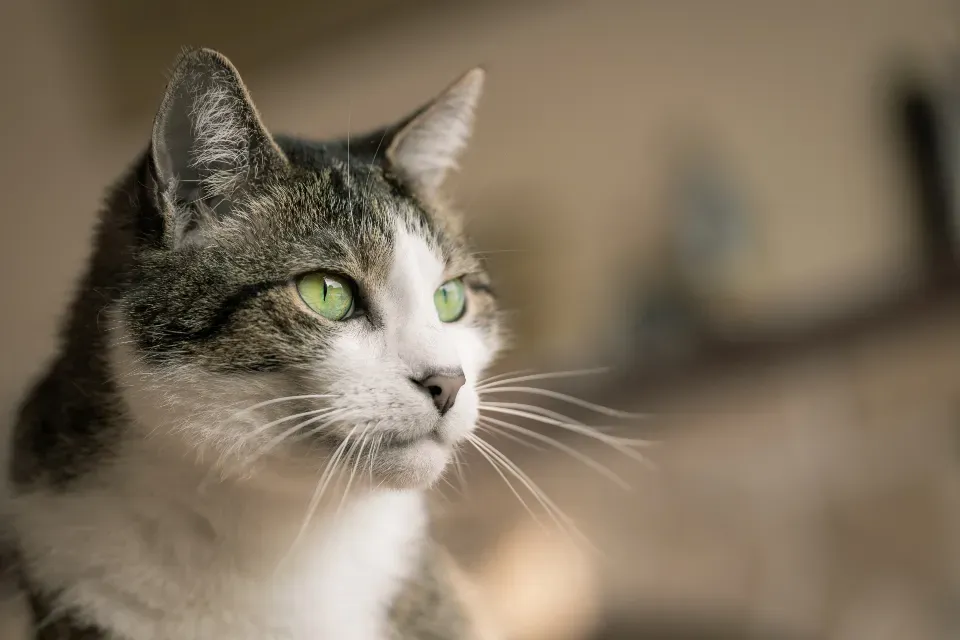
Cats can change the position of their ears very quickly and continuously. They are erect when the cat is alert and focused, slightly relaxed when the cat is calm, and flattened against the head when extremely defensive or aggressive. Once you start watching your cat’s ears consistently, you’ll catch emotional shifts much earlier than you used to.
Whiskers are highly sensitive tactile hairs, or vibrissae, that provide spatial awareness. When a cat’s whiskers are pulled back, it often indicates stress or defensive behaviour, while whiskers pointing forward signify curiosity and readiness to explore. These tiny movements are easy to miss at first but become second nature with time.
Cat body language is a multi-channel communication system where every signal must be read together for accurate interpretation. Reading just one signal is like judging someone’s mood by only seeing their hands – cats use ears, eyes, tail, body posture, and whiskers simultaneously. The same signal can mean different things depending on context, which is why the “whole cat” approach is essential for understanding what your cat is actually saying.
Kneading Is an Act of Trust, Not Just Comfort
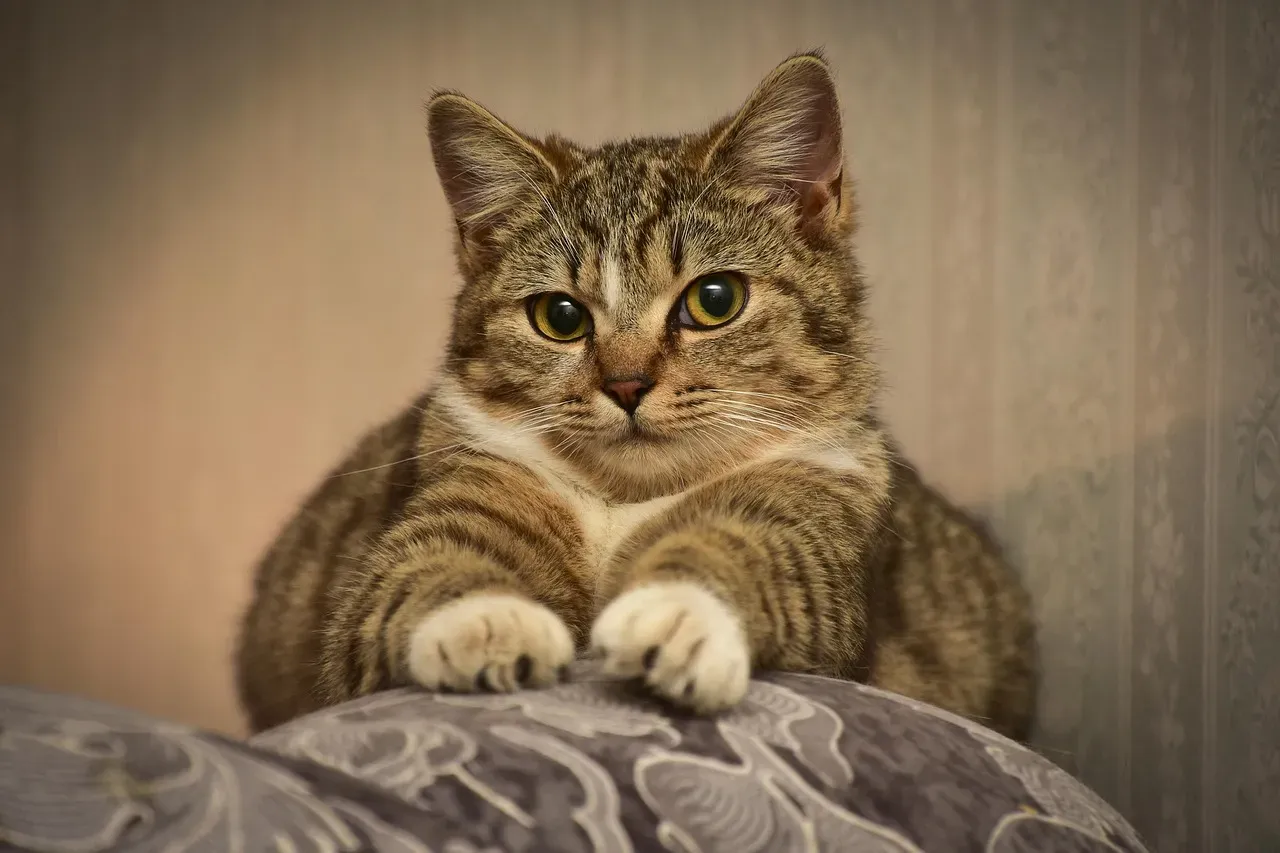
Cats knead because domestication preserved a neonatal nursing behavior into adulthood through neoteny, the retention of juvenile traits in adult animals. Kneading activates a neurochemical reward loop involving oxytocin and endorphins that originally reinforced the mother-kitten nursing bond. Adult cats re-create this comfort state on soft surfaces and human companions, making kneading one of the strongest behavioral signatures of cat domestication.
Cats have scent glands in their paw pads that release pheromones when they knead. By kneading you, your cat is marking you with its unique scent, signaling that you are part of its territory in a friendly and affectionate way. Being kneaded isn’t just endearing. It’s your cat quietly, physically claiming you as theirs.
Slow, soft kneading with claws tucked in usually means your cat is completely calm and at peace. They feel safe, loved, and totally relaxed. Faster, more energetic kneading – sometimes with claws slightly out – often happens when your cat is extra excited to see you or just really in the mood to show affection. The intensity of the gesture carries information, too.
Purring Isn’t Always Happiness
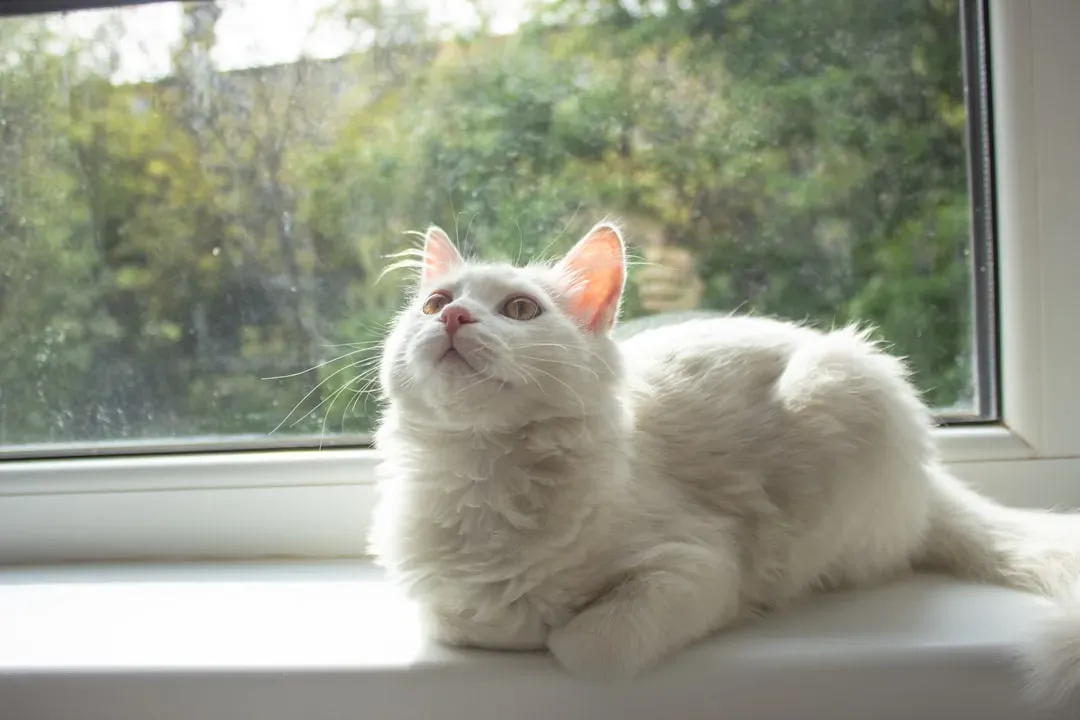
Cats may purr for a variety of reasons, including when they are hungry, happy, or anxious. In some cases, purring is thought to be a sign of contentment and encouragement for further interaction. Purring is believed to indicate a positive emotional state, but cats sometimes purr when they are ill, tense, or experiencing traumatic or painful moments such as giving birth.
We often think that our cats are happy when they purr. This is only true if their body language is relaxed. They can also purr to get your attention and fuss. Sometimes cats can purr in stressful situations, such as going to the vet. Recognizing the difference requires looking at your cat’s entire body, not just listening.
Purring can continue during overstimulation because cats also purr when stressed or in pain. Low-frequency purring vibrations are believed to help reduce stress and may support healing processes. This is why purring should not be used alone as an indicator of good health. When in doubt, trust what their posture, eyes, and ears are telling you alongside the sound.
Scent Is the Language You’ll Never Quite Hear
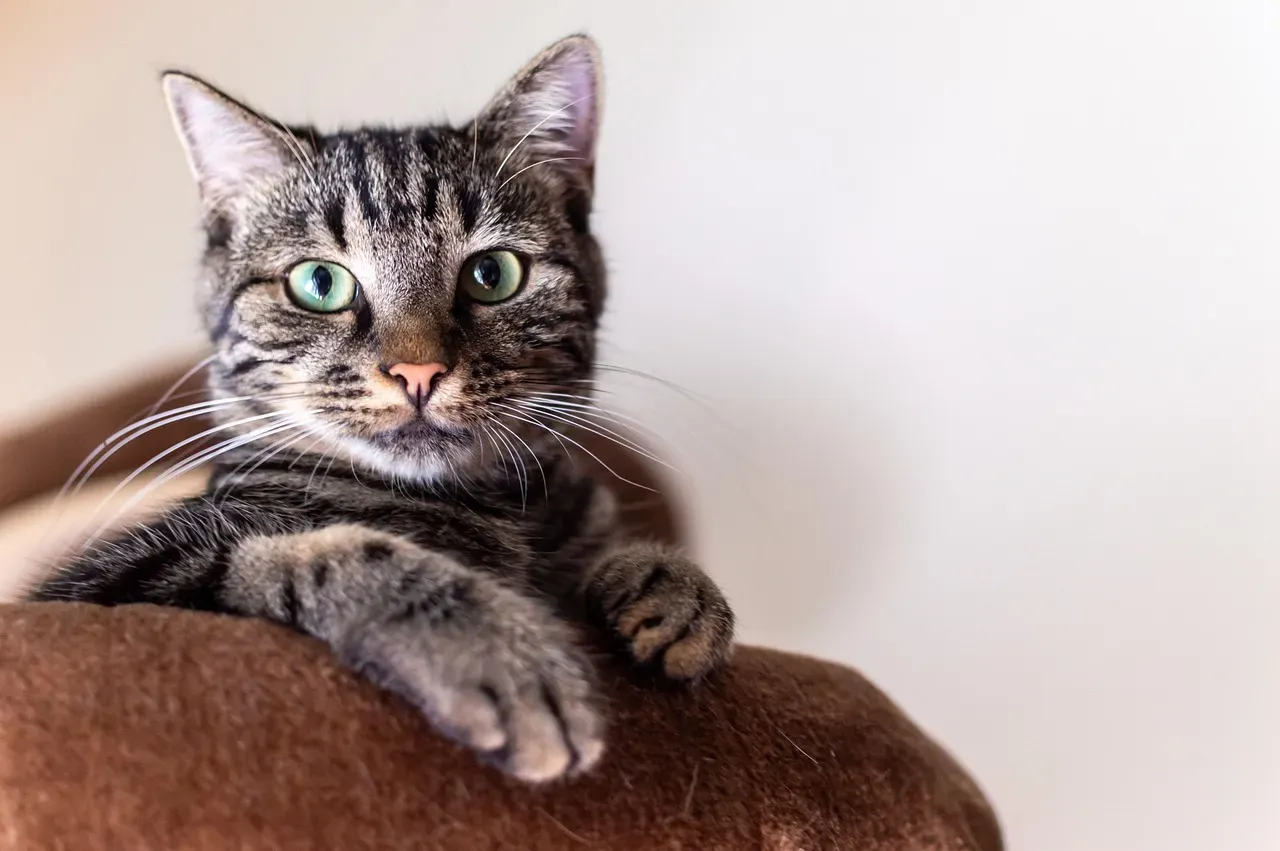
Pheromones are chemicals secreted in different areas of the body by all cats and are used for cat-to-cat communication. Cats have an extremely well-developed sense of smell, and this is used extensively for communication. Chemical signalling involving odours and pheromones can be very specific, last for a long time, and can spread over long distances. Signalling through scent and pheromones is vital to allow cats to identify their territory and to identify other friendly individuals.
Cats rubbing against each other helps to exchange scent. When your cat rubs around your legs to greet you, they are doing the same as they would in greeting another cat by mutual rubbing of the face and body. That figure-eight weave around your ankles when you come home isn’t just about food. It’s a full greeting ritual carried over from feline social behavior.
Scientists believe this is either a way to greet humans and say they are happy to see them, or as a way of spreading their scent and marking their territory. Cats have scent glands on their cheeks, jaw, and near their tail. When they rub those parts of their body on an object or another animal, they transfer a scent that only other cats can smell. You may not detect it, but other cats absolutely do.
Your Cat Has Studied You Just as Much as You’ve Studied Them
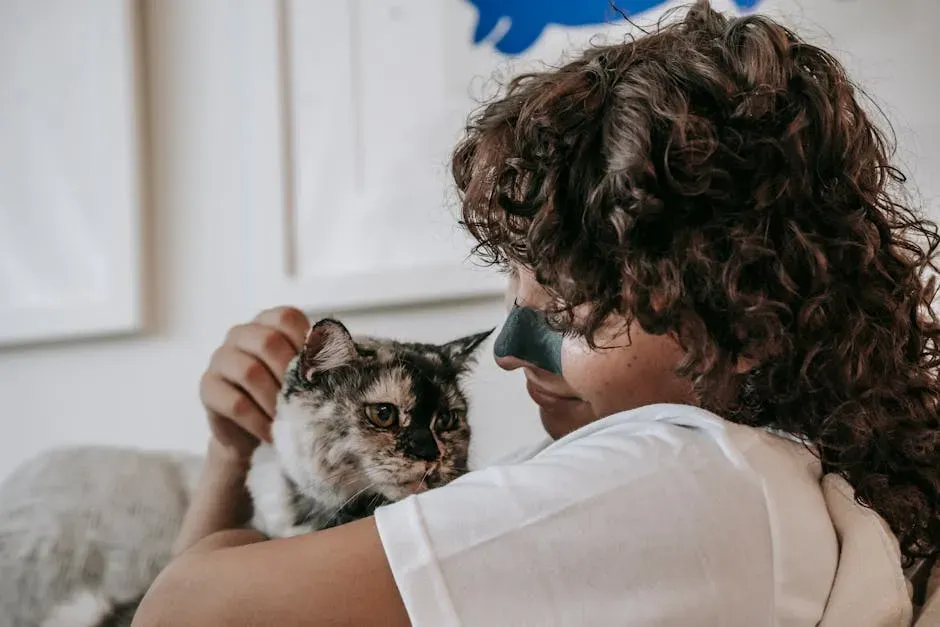
Research shows cats adjust their body language and vocalizations when interacting with humans, using more eye contact and meows than they do with other cats. This isn’t accidental. Your cat has spent considerable time figuring out what gets through to you and what doesn’t.
A 2022 study by animal behaviour researcher Charlotte de Mouzon and colleagues found that cats could distinguish between speech addressed to them and speech addressed to adult humans. Your cat knows when you’re talking to them versus talking past them. Recent studies have also shown that cats are far more attuned to their human companions than previously believed. They often mirror their owners’ personalities and can even pick up on emotions like sadness.
Some cats are naturally more expressive than others. Certain breeds, like Siamese cats, tend to be more vocal and dramatic in body language. Others, particularly cats with traumatic backgrounds, might display subtle signals that are easy to miss. Getting to know your specific cat’s communication style takes time. The language deepens the longer you live together.
Conclusion: The Longer You Listen, the More You’ll Hear
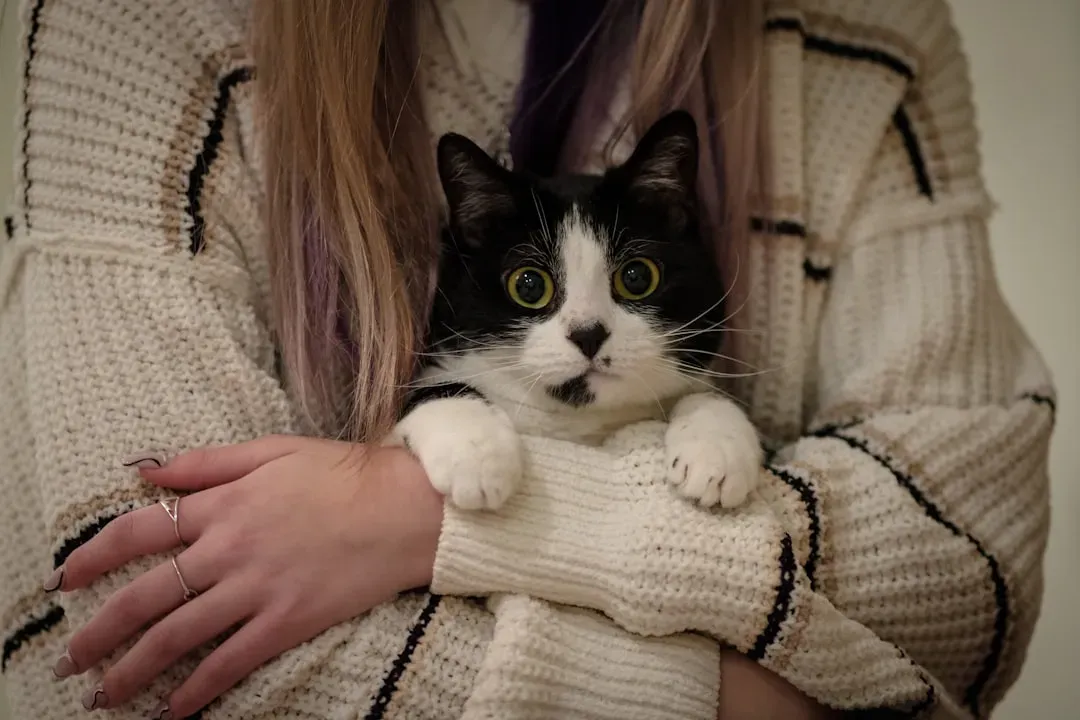
What makes feline communication so compelling is precisely what makes it private. Your cat hasn’t built a shared vocabulary with the world. They’ve built one with you. The specific pitch of a meow that means dinner is overdue, the tail flick that means enough petting, the slow blink offered from the foot of the bed at night – these are signals shaped by your particular relationship, not a textbook.
Cat body language is the primary way that felines communicate. Behavior is always contextual, so pay attention to the cat’s entire body and to what’s going on in the environment. By paying close attention to our cats’ body language, we can do a better job of attending to their needs and have even stronger, happier relationships with them.
The hidden language your cat speaks isn’t really hidden. It’s just quiet, layered, and patient. It rewards the kind of attention that doesn’t come from a single article or a quick scan, but from years of simply being present. The more you slow down and notice, the more you realize your cat has been talking to you all along.
Kristina is a young writer from India. An arts graduate and an avid content creator, Kristina is passionate about animals and wildlife. She enjoys exploring topics related to pet care, animal behavior, conservation, and nature, combining thorough research with engaging storytelling.