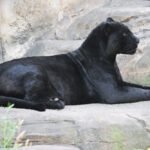
Most people who have seen a leopard in the wild will tell you the same thing: they nearly missed it entirely. You scan a riverbank, a dry acacia woodland, the dappled shadows beneath a rocky outcrop, and then suddenly the animal is just there, having been there all along. That unsettling ability to be invisible in plain sight is not an accident. It is the product of millions of years of precise evolutionary tuning.
What makes the leopard so remarkable among big cats is not raw power, though it has plenty of that. It is the remarkable package of physical and behavioral tools the animal carries, each one refined to a specific purpose. From its coat to its claws, its eyes to its jaw, every feature serves the hunt in some way. Here are nine of the most impressive adaptations that make the leopard one of nature’s most complete predators.
1. A Coat Designed to Disappear
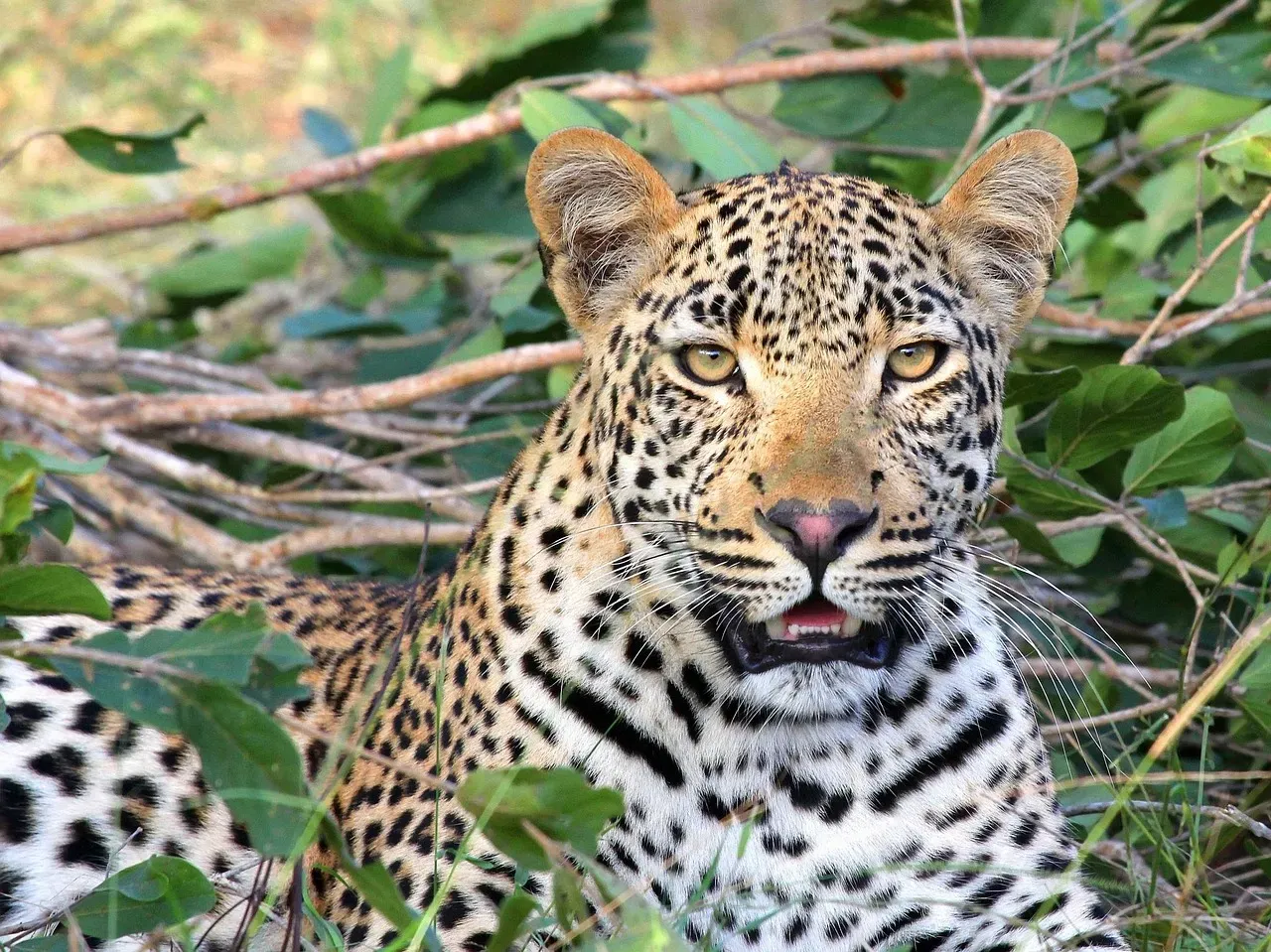
Each leopard’s rosette pattern is unique to that individual, and this pattern is thought to be an adaptation to dense vegetation with patchy shadows, where it serves as camouflage. The genius of the design is in its irregular geometry. These spots, scientifically known as rosettes, play an essential role in the leopard’s ability to blend into different environments, and this ability to hide in plain sight is especially beneficial for stalking prey and avoiding detection by both prey and competitors.
Leopards living in arid regions are pale cream, yellowish to ochraceous and rufous in colour, while those living in forests and mountains are much darker and deep golden. This color shift across subspecies is not coincidental. The effectiveness of a leopard’s camouflage is influenced by the density and patterning of the coat, which varies among individual leopards and across different subspecies, and variations in their camouflage patterning have been linked to the specific ecosystems they inhabit, from the dense vegetation of the jungle to the arid landscapes of the savanna.
2. Extraordinary Night Vision
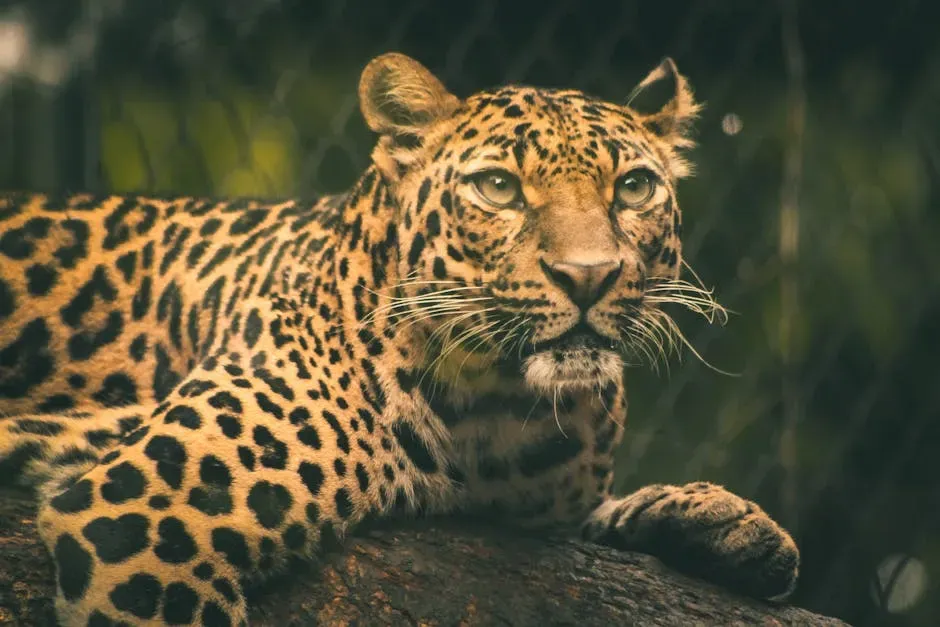
The leopard depends mainly on its acute senses of hearing and vision for hunting, and it primarily hunts at night in most areas. This isn’t simply a behavioral preference. Large eyes and a reflective layer behind the retina enhance night vision for hunting, giving the leopard a significant advantage in conditions where most of its prey cannot see nearly as well.
Their eyes contain a structure called the tapetum lucidum in the back of the retina, and this reflective layer bounces light back through the retina, increasing the amount of light detected by the eye. Under the cover of darkness, a leopard’s keen vision and hearing give it a significant edge, and its eyes are specially adapted for low light while its ears can pinpoint the faint rustle of a rodent in the grass. The result is a hunter that sees the world in detail while the world cannot see it.
3. Silent Movement and Cushioned Paws
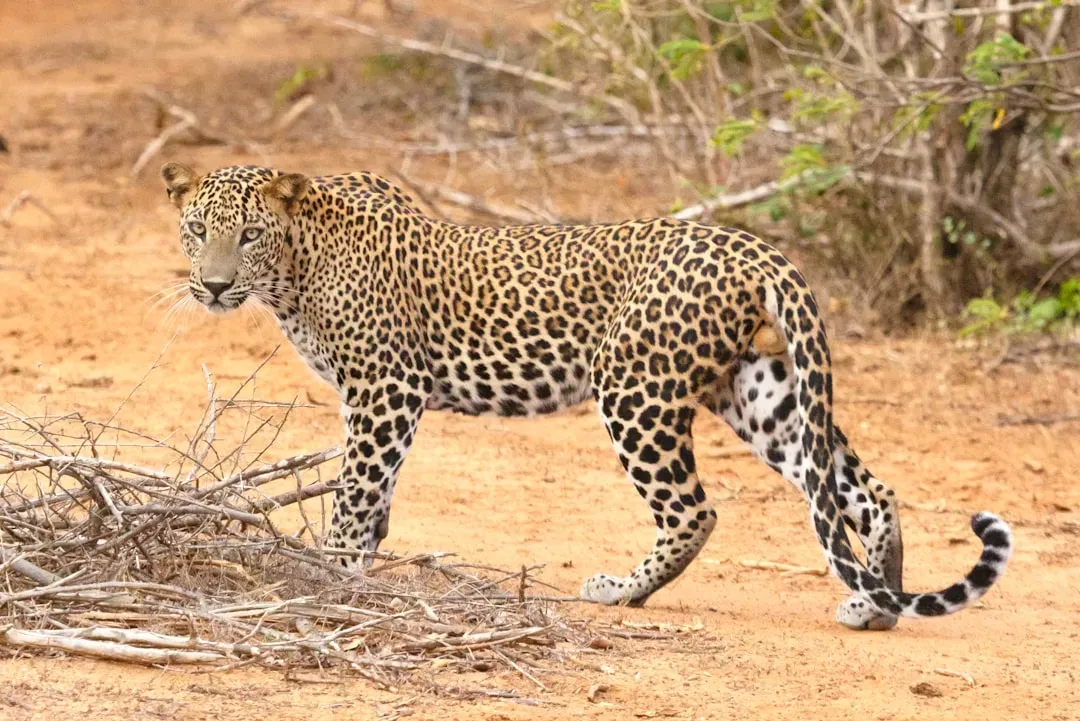
Moving on cushioned, soft paw pads, a hunting leopard can creep within pouncing distance of prey without a sound. The leopard’s approach has earned it a reputation that very few predators share. There are reports of leopards sneaking into villages under the cover of night to snatch dogs without anyone noticing, and a leopard uses every advantage, from staying downwind to melting into the foliage, to catch its prey off guard.
Unlike a cheetah, which relies on sprinting speed to run prey down, a leopard relies on stealth and cover, often stalking within a few meters before exploding into a brief ambush, and this ghostly approach has earned leopards a reputation as the most silent stalkers among big cats. The leopard’s feet are broad with pads that facilitate silent movement, a critical aspect for a solitary predator. Every physical detail works in service of that single, quiet approach.
4. Jaw Strength and a Lethal Kill Bite
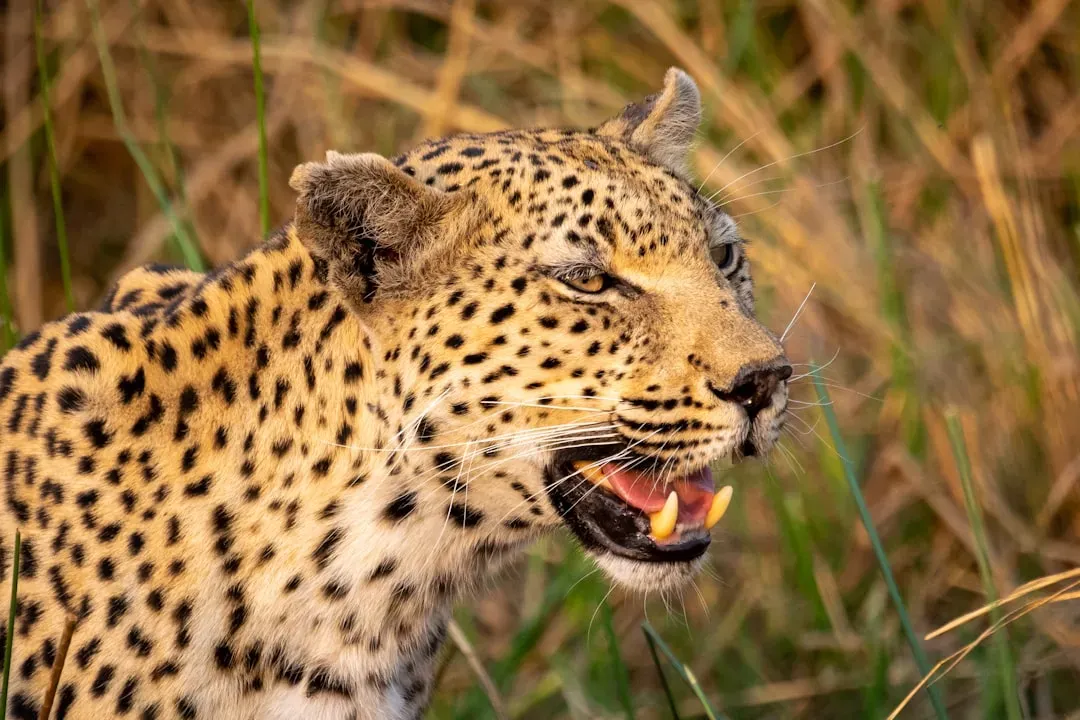
The leopard stalks its prey and tries to approach as closely as possible, typically within 5 meters of the target, and finally pounces on it and kills it by suffocation, dispatching small prey with a bite to the back of the neck but holding larger animals by the throat and strangling them. The efficiency of this kill is one of the leopard’s most defining features. When the moment is right, the leopard springs with a burst of controlled power, usually aiming a bite to the throat of its prey to swiftly suffocate it, and the drama is over within seconds, often without other nearby animals even realizing what happened.
The leopard is able to take large prey due to its powerful jaw muscles, and is therefore strong enough to drag carcasses heavier than itself up into trees; an individual was seen to haul a young giraffe weighing nearly 125 kg up 5.7 meters into a tree. Flexible skull and jaw mechanics combined with strong neck musculature enable rapid killing bites and carcass transport. That jaw is arguably the most versatile tool in the leopard’s entire kit.
5. Superior Climbing Ability
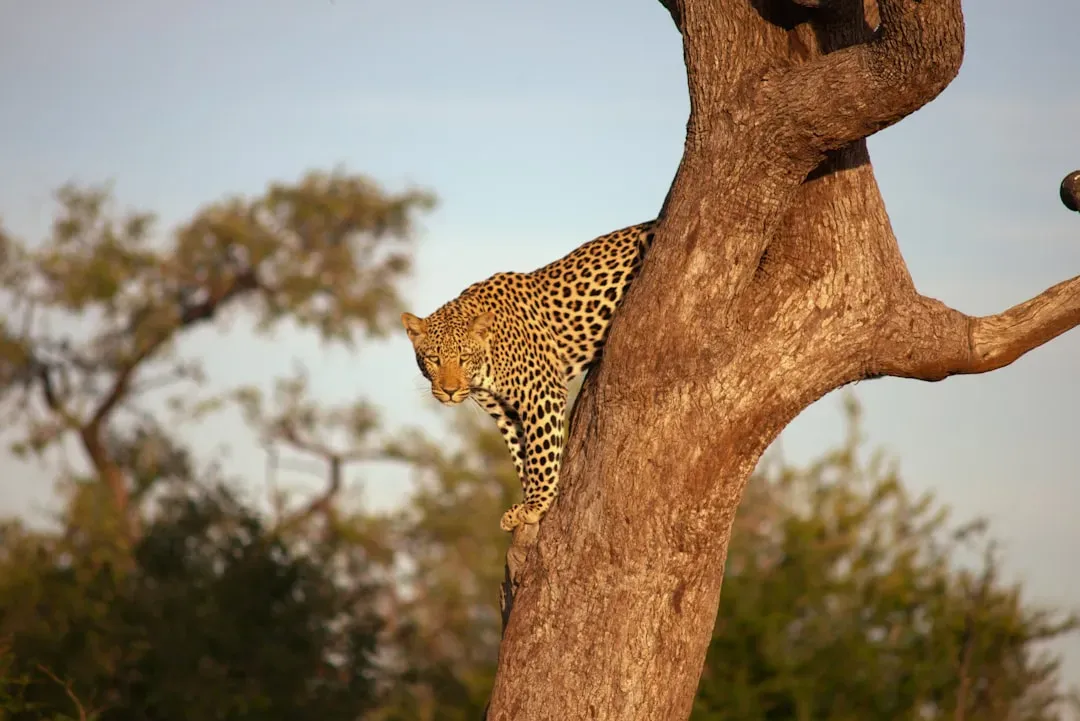
Physically, leopards have several adaptations that make them expert climbers: they are more slender and agile than their big cat cousins, with a relatively low center of gravity and a long tail that helps them balance on narrow branches, and their shoulder and chest muscles are mighty for pulling weight upward while their forelegs can rotate in a way that aids in gripping tree trunks tightly. Leopards can climb trees quite skillfully, often resting on tree branches and descending headfirst.
Leopards sometimes descend head-first down a tree trunk by twisting their flexible bodies and rotating their hind legs to grip the rear claws, and all these traits make the leopard arguably the most accomplished climber among large cats in Africa and East Asia. These animals are very agile climbers and pound for pound, the strongest climber of the large cats. Trees are more than a resting place for leopards. They are a strategic resource.
6. Food Caching: Protecting the Kill
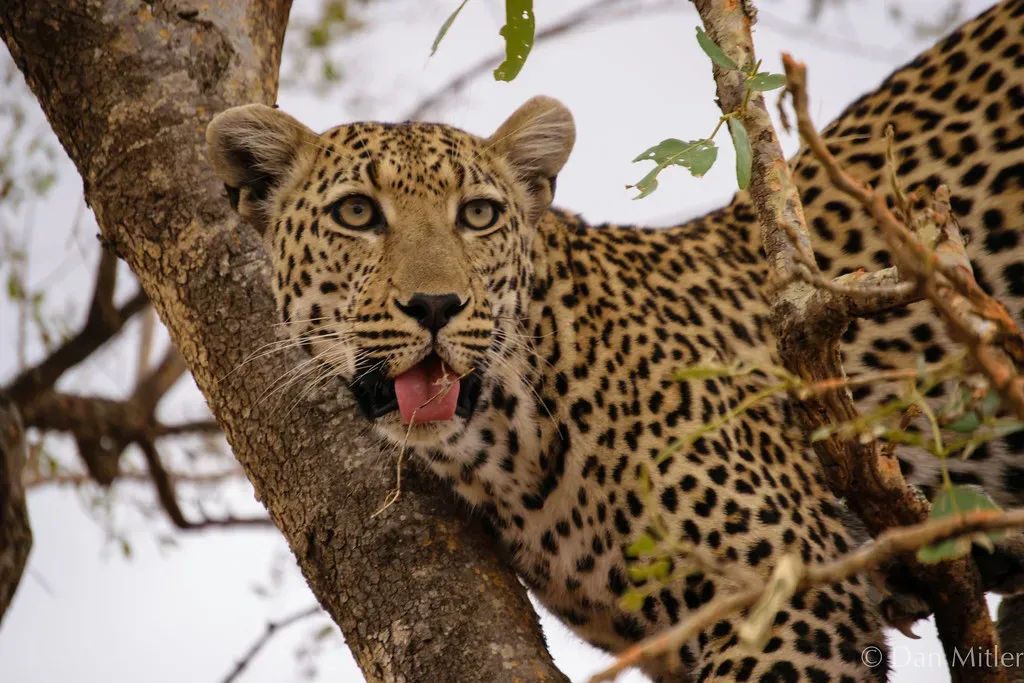
Following a successful kill, the leopard will often drag their prey up tree trunks, an adaptation that allows them to protect their meal from scavengers like hyenas and vultures. Their powerful jaws and neck allow them to drag carcasses that few other predators could handle, which means a single kill can provide multiple meals. This behavior effectively multiplies the value of every successful hunt.
Leopards also cache food for later by covering carcasses with leaves or dragging them up into trees, and this caching behavior is a clever way to hide the kill from scavengers and return to feed over several days. A remarkable feature of leopards is their strength and ability to carry prey twice their weight into trees, where they can eat without disturbance from other predators such as lions or hyenas, and this arboreal habit also protects their kills from scavengers. For a solitary hunter that cannot rely on numbers, preserving a hard-won meal is essential.
7. Speed, Leaping Power, and Athletic Build
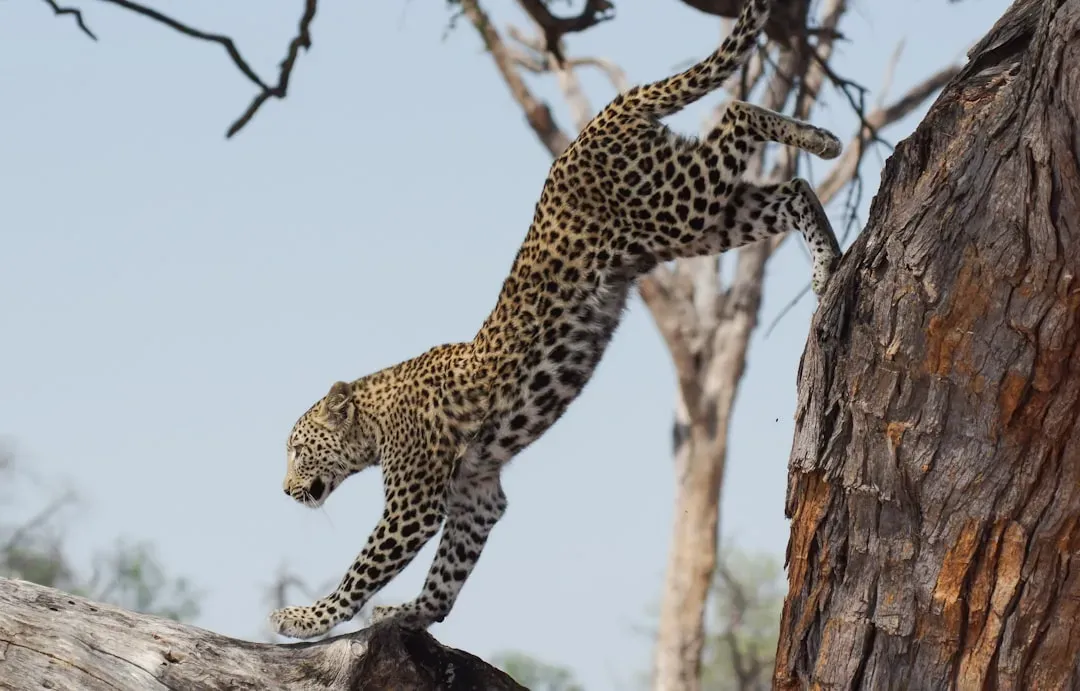
Leopards can run at over 58 km/h, leap over 6 meters horizontally, and jump up to 3 meters vertically. These are numbers that demand respect, especially considering the animal achieves them from a near-stationary crouch. Powerful forequarters and an enlarged scapula assist in gaining lift during these explosive movements, giving the animal a physical architecture specifically suited to short, decisive bursts of acceleration.
Leopards are muscular, sleek, fast, and strong, with enormous heads and jaws, sharp and strong canine teeth, and sharp claws for attacking their prey. This middle-sized wild cat has a slim and long body with short, sturdy legs and a long tail helping the animal keep balance when in the trees, and the head is broad and the skull is large, having strong and powerful jaw muscles. You wouldn’t know from looking at a resting leopard just how explosive that body can be. The stillness is part of the design.
8. Sensitive Whiskers as a Hunting Tool
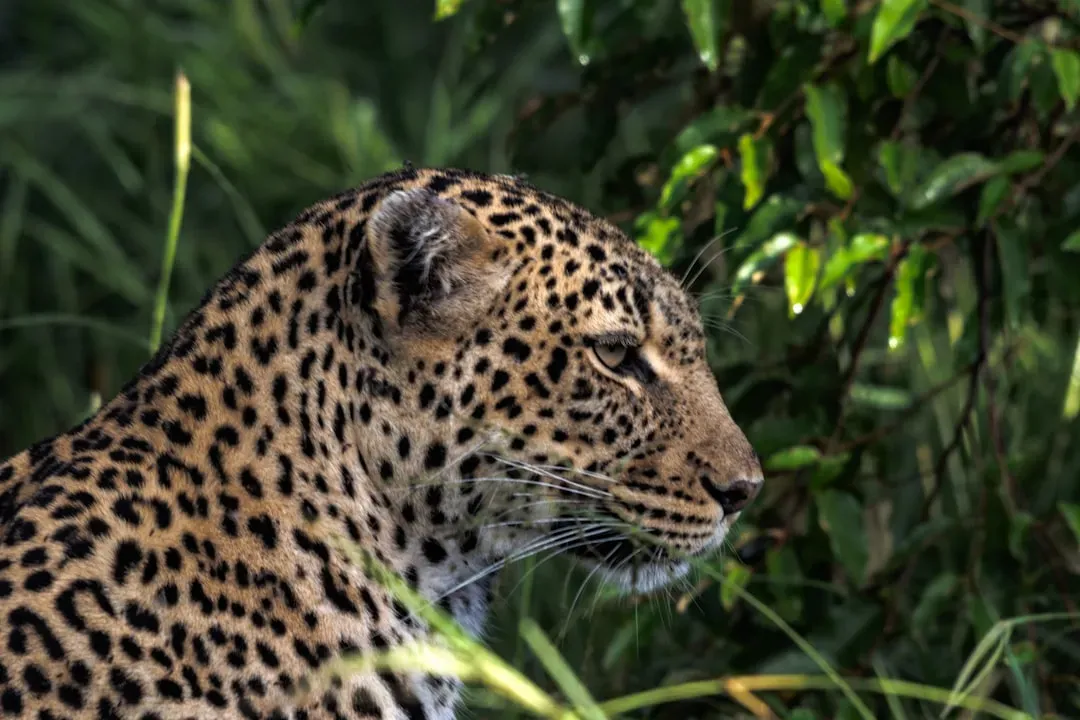
A leopard’s long whiskers act as silent antennas, providing valuable information about their prey’s location, movement, and distance, and this keen sensory perception gives them a distinct advantage when stalking and ambushing unsuspecting prey. The cat uses its vision, keen hearing, and whiskers, rather than its sense of smell, while hunting. Whiskers are, in a sense, the leopard’s close-range data feed.
Leopards are primarily nocturnal hunters but will also hunt during the day, and their excellent night vision is complemented by their sensitive whiskers, allowing them to compensate for low-light conditions; during the darkest hours when visibility is reduced, their whiskers become even more essential in helping them navigate their surroundings and maintain their predatory edge. Their whiskers, or vibrissae, and large eyes provide them with binocular vision, a crucial adaptation for a predator that relies on stealth and surprise. It is a multi-layered sensory system where each element reinforces the others.
9. An Opportunistic and Highly Adaptable Diet
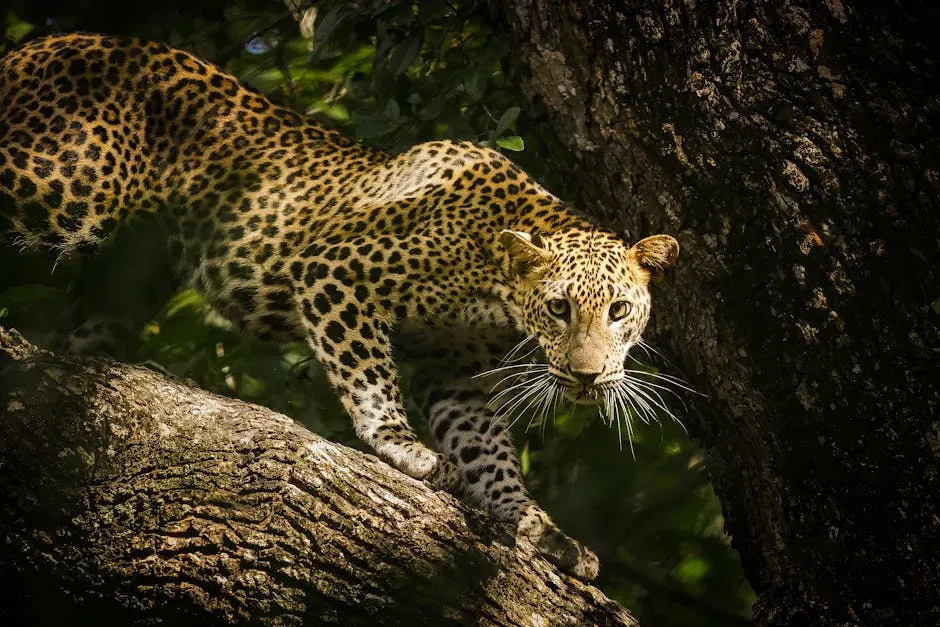
Leopards are not picky eaters, they are opportunistic carnivores that will prey on almost any animal they can catch, and this adaptable diet is another secret to their success in varied habitats, with their menu ranging from tiny prey like rodents, birds, and reptiles up to large antelope or deer many times their weight. In Africa, a favorite meal might be an impala or gazelle, but leopards will just as readily catch hares, guineafowl, monkeys, or even fish and frogs if available.
Leopards easily adapt to a wide variety of habitats, altitudes, and temperatures, from high mountains to deserts to rainforests. All can live without drinking water for as long as 10 days, getting the moisture they need from their food. Perhaps the greatest testament to the leopard’s success is the sheer range of habitats it can live in, as leopards are one of the most adaptable big cats in various environments across sub-Saharan Africa and much of Asia. When your diet can flex to match your environment, almost no territory becomes uninhabitable.
The Sum of All Parts
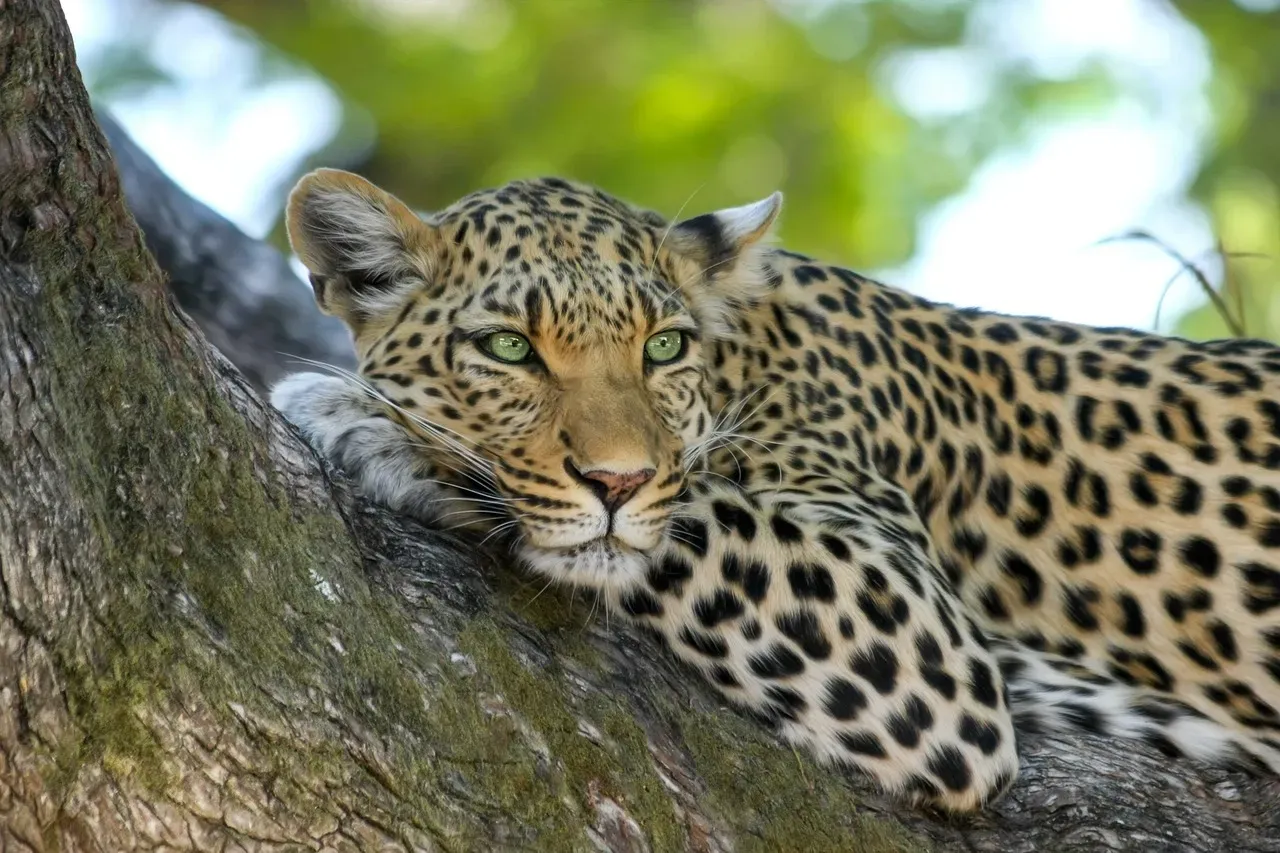
No single adaptation tells the whole story. It is the combination of camouflage, night vision, silent movement, explosive power, jaw strength, climbing skill, food preservation, sensory whiskers, and dietary flexibility that makes the leopard what it is. Take away any one element and you still have a formidable predator. Put them all together and you have an animal that has survived for hundreds of thousands of years across two continents and dozens of ecosystems.
The leopard’s combination of strength, agility, and patience sets it apart as a top predator in ways that no other big cat quite replicates. Listed as Vulnerable on the IUCN Red List, leopard populations are currently threatened by habitat loss and fragmentation and are declining in large parts of their global range. Understanding what makes this animal so extraordinary is, in the end, a compelling reason to ensure it continues to exist. Few things in the natural world have been put together quite so perfectly.
Kristina is a young writer from India. An arts graduate and an avid content creator, Kristina is passionate about animals and wildlife. She enjoys exploring topics related to pet care, animal behavior, conservation, and nature, combining thorough research with engaging storytelling.