Walk through any well-stocked pet store and you’ll find elaborate cat toys priced like small appliances. Feather-tipped wands with remote controls, interactive laser tracks, motorized mice that chirp. The marketing is convincing, and the guilt of passing them up is real. Yet most cat owners have noticed the same quiet truth: their cat ignores the pricey gadget and instead spends twenty minutes investigating the cardboard box it came in.
Cats are wired for curiosity, movement, and problem-solving. They don’t read price tags. What they respond to is texture, sound, unpredictability, and the thrill of the hunt. Fortunately, your home is full of all of it. You just need to know what to look for and how to use it.
Why Your Cat Needs Playtime in the First Place

Cats, especially indoor ones, need activities that mimic their natural behaviors: hunting, exploring, scratching, climbing, and napping in unexpected places. Without these enriching experiences, they can become lethargic, anxious, or even destructive. These aren’t personality quirks or behavioral mysteries. They’re predictable outcomes of an unmet need.
Cats, especially those kept indoors, can become bored without proper stimulation, and that boredom can lead to destructive behavior such as scratching furniture, overgrooming, urinating outside the litter box, and aggression. Regular play isn’t a luxury for a pampered pet. It’s closer to basic maintenance, like fresh water and a clean litter box.
The Cardboard Box That Outperforms Every Fancy Toy
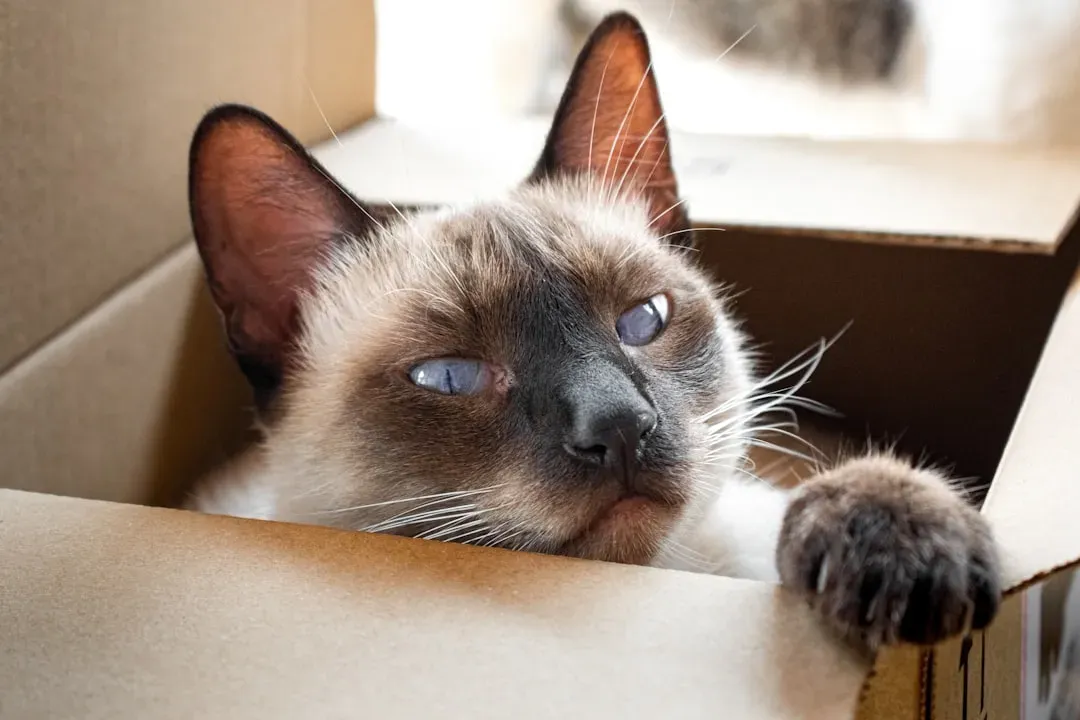
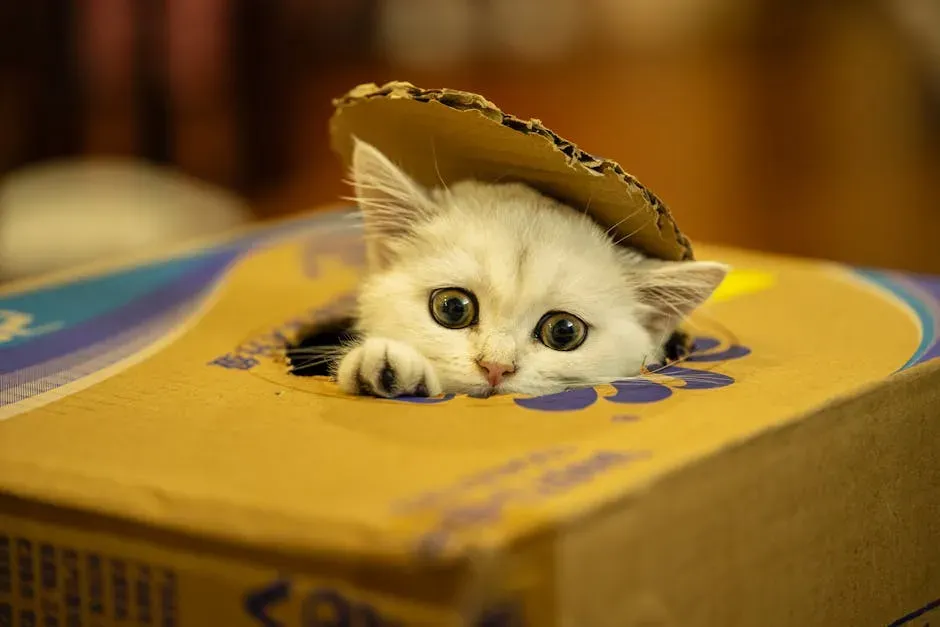
Cats love boxes as they provide places to hide, play, and even scratch and bite. This is one of those observations that every cat owner already knows from experience, yet it still surprises people that a free box from a grocery delivery can hold a cat’s attention longer than a thirty-dollar motorized toy.
Cats love to explore boxes, and you can turn an ordinary cardboard box into an entire playground. In different areas of the boxes, cut holes big enough for your cat to climb through, then stack and tape the boxes together to form a multi-level structure. Add toys, treats, or fabric pieces to encourage exploration, and a cardboard box castle will become your cat’s favorite hiding spot and climbing tower. Keep a few boxes around, and rotate their arrangement every few days to keep things fresh.
Crumpled Paper: The Underrated Champion of Cat Entertainment
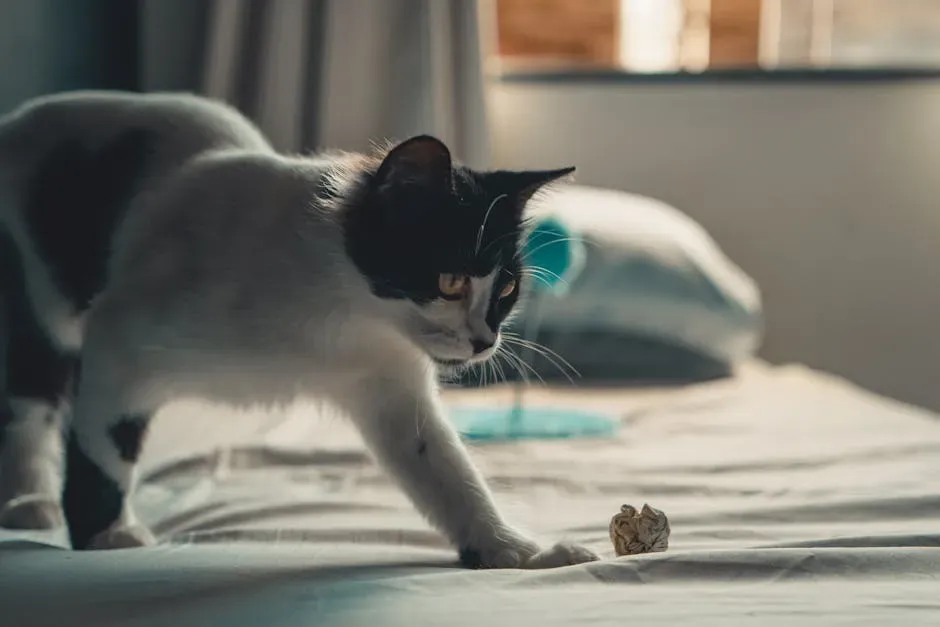
Toys that encourage chasing and pouncing are typically the most enjoyable for cats, and some simple and cheap options are cardboard boxes, large paper bags with the handles removed for safety, and crumpled-up pieces of paper. There’s no complicated assembly required. You crumple, you toss, and your cat is off at full speed.
Take foil or parchment paper, crumple it into a small ball, and roll it on the floor. Many cats love the sound and texture, and you can even attach a string for added fun. The crinkling sound is a genuine sensory trigger for most cats. It mimics the rustle of small prey moving through dry leaves, which is something deeply embedded in their instincts.
Toilet Paper Rolls and Paper Towel Tubes as Puzzle Feeders
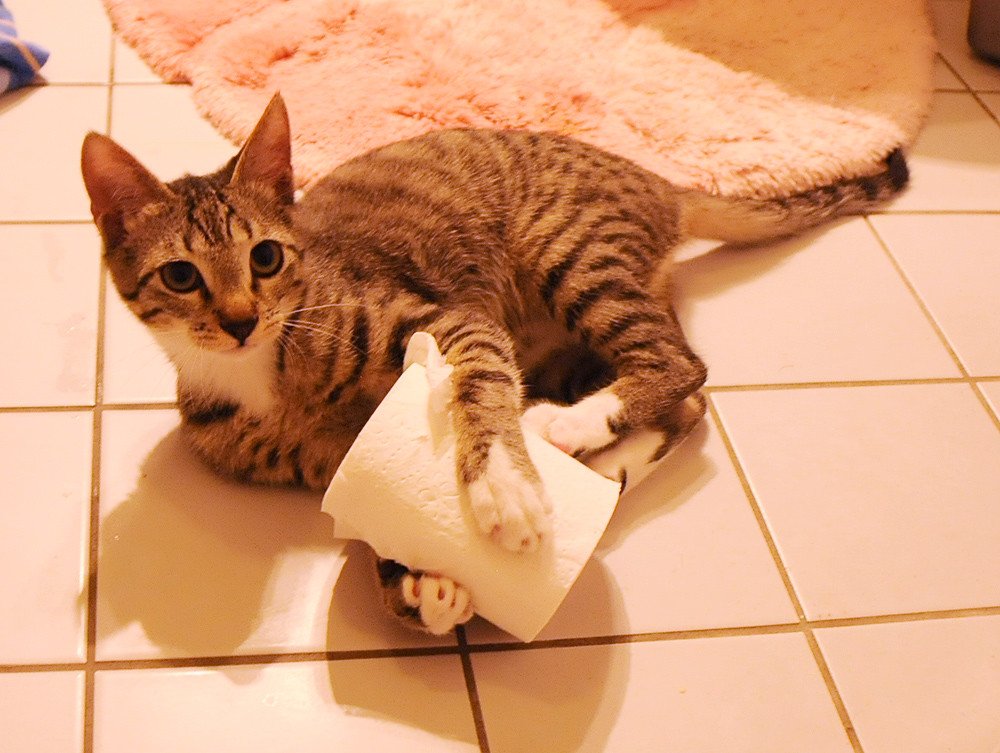
Take an empty toilet paper roll, fold in one end, add some dry treats or kibble, then fold in the other end. Cut small holes in the sides so the treats occasionally fall out as your cat bats it around. It takes about ninety seconds to make, costs nothing, and taps directly into your cat’s instinct to work for food.
Like their ancestor the African wildcat, pet cats have a natural instinct to hunt. Each part of the hunting activity releases feel-good hormones called endorphins, including the stalk, pounce, play, and kill. Cats need to have frequent successful “kills” to avoid frustration. A treat-stuffed toilet paper roll gives your cat a small but satisfying version of exactly that experience, several times a day if you let it.
Old Socks: A Surprisingly Satisfying Kicking Toy
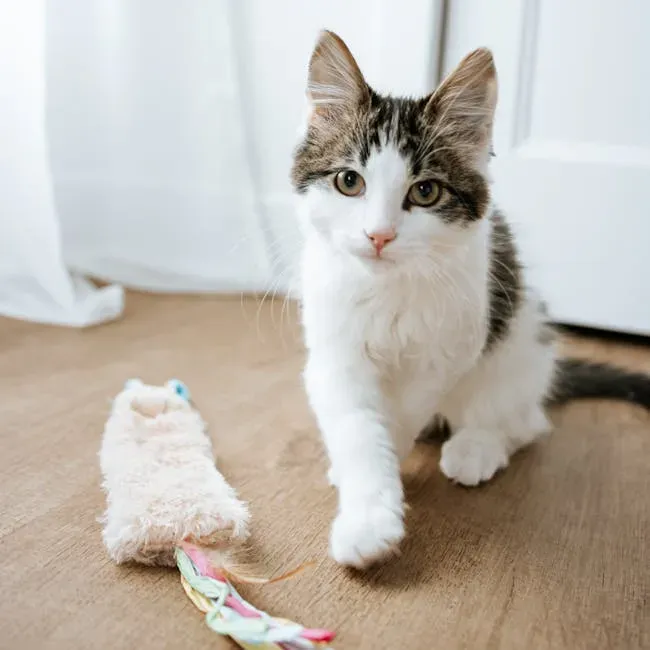
An old sock becomes one of the best cat toys for wrestling and kicking with minimal effort. Stuff it with fabric scraps and a pinch of catnip, then pin, tie, or sew the opening securely. The soft texture mimics prey, encouraging your cat to grab, kick, wrestle, and chew. Cats use a “bunny kick” motion when they’re excited about prey-like objects, and a stuffed sock is just the right size and weight to bring that out.
Attach a string or ribbon to the sock and drag it along the floor for your cat to chase. This toy mimics prey, and the sock’s texture combined with the movement stimulates your cat’s predatory instincts. You can alternate between dragging it slowly and moving it in quick bursts to keep your cat genuinely guessing, which is when the play gets most intense.
The Muffin Tin and Egg Carton: DIY Puzzle Feeders That Actually Work
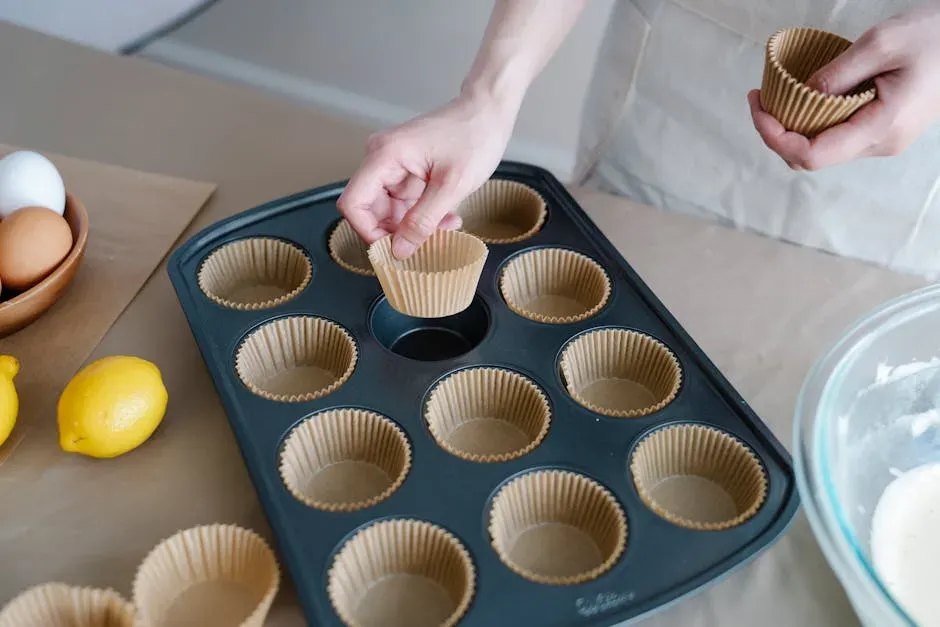
Fill each cup of a muffin tin with dry kibble or treats, then cover them with lightweight objects like tennis balls, crumpled paper, or silicone cupcake liners. Your cat has to bat and sniff to remove the covers and get to the food. Most cats figure this out within a few minutes, and the challenge can be adjusted by varying which cups have treats and which are empty.
A cardboard egg carton makes an excellent beginner puzzle that encourages natural foraging. Place treats in each cup and close the lid, letting your cat figure out how to access the food. This simple setup keeps them busy for extended periods while satisfying their instinct to hunt for their meals. Both the muffin tin and the egg carton cost nothing extra, and your cat will approach them with the same serious intensity as any commercial puzzle toy.
Hiding Treats Around the House: The Scavenger Hunt Method
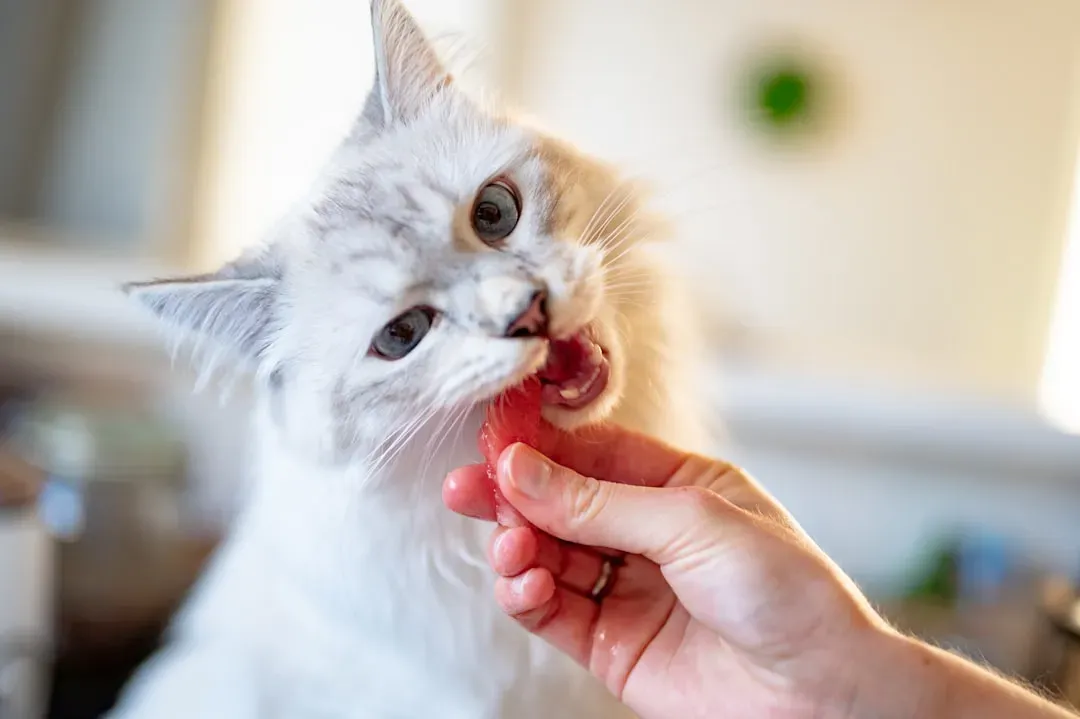
Having your cat hunt for food taps into their natural predatory instincts. Try hiding small amounts of dry cat food in various spots around the house. Your cat can “hunt” for food throughout the day, which will keep them active and provide some mental stimulation. It’s one of the lowest-effort enrichment strategies you can try, and it works with any cat that eats dry food or treats.
Hide pieces of hard food and treats around your home for the cats to find. They spend time with their nose up in the air trying to locate the food and eventually, no matter how hard you hide it, they find it. Start with easy-to-spot locations, then make it progressively harder. Over time, your cat will begin actively patrolling the house in anticipation, which is a healthy and natural way to spend a portion of the day.
Paper Bags and the Simple Joy of Crinkle Sounds
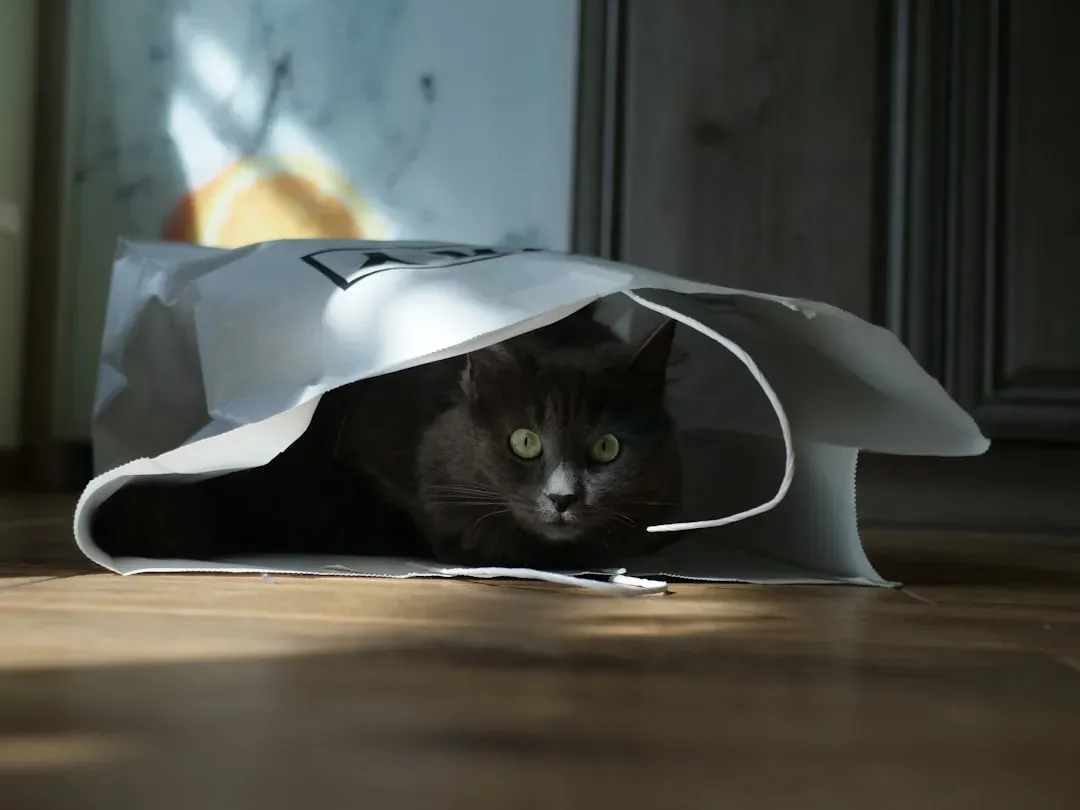
Give your cat a paper bag to explore. Many cats enjoy the crinkling sound and the opportunity to hide and pounce from within the bag. The sound alone is enough to hold most cats’ attention. Always remove the handles first to prevent your cat from getting their head stuck, which is an easy precaution worth remembering.
Tape several paper bags together, cutting holes in the sides and bottoms to create tunnels and surprise exits. Drop in a toy or sprinkle some catnip inside to make it irresistible. A connected paper bag tunnel takes only a minute to assemble, costs nothing, and gives your cat something that genuinely resembles a hunting corridor. The combination of the rustling sound and the hiding-and-pouncing layout is almost irresistible for most cats.
Scent-Based Play: Engaging the Senses You Often Forget
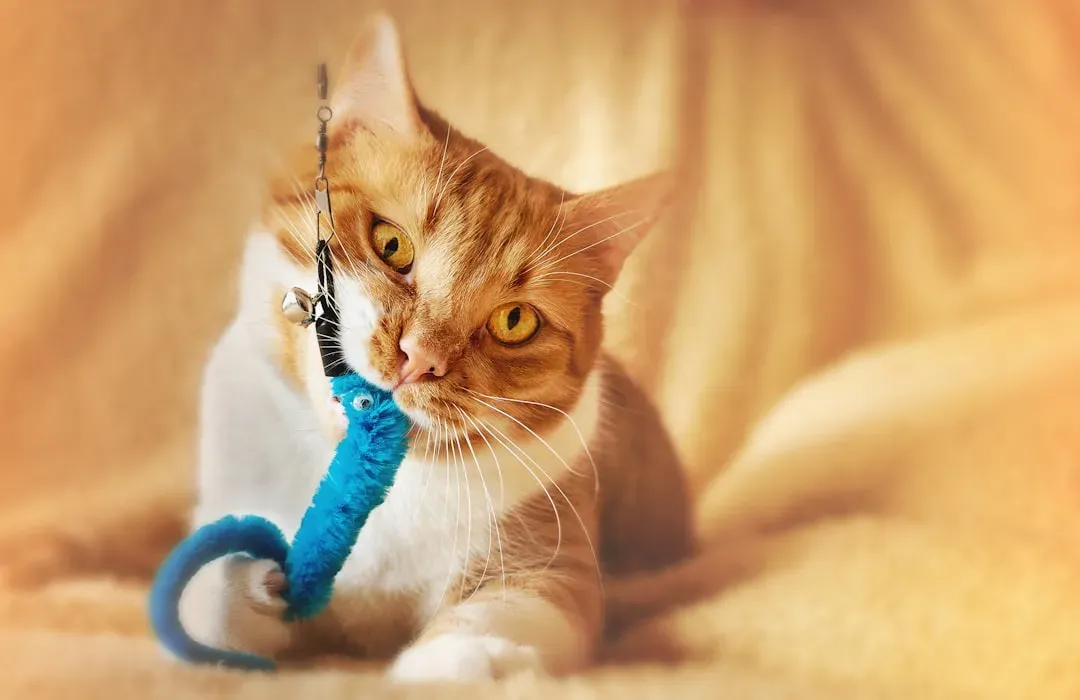
Rub different scents like catnip, mint, or rosemary on small pieces of fabric and place them around the room for your cat to investigate. Scent-based exploration is a form of enrichment that often gets overlooked, partly because it’s invisible. Your cat, though, experiences it as something entirely new and worth investigating with the same seriousness as a physical toy.
Cats have powerful senses of smell, and you can use that sense of smell in a variety of DIY enrichment activities. You can start using scent with catnip, silver vine, or valerian root powder to get your cat engaged with a toy you already have on hand. Try sprinkling some of these in different places to attract your cat into a box for play or onto a cat tower they may not have used much. Scent enrichment works especially well for cats that seem uninterested in physical play, since it activates a different but equally important part of their natural behavioral repertoire.
The Window as Your Cat’s Best Free Entertainment System
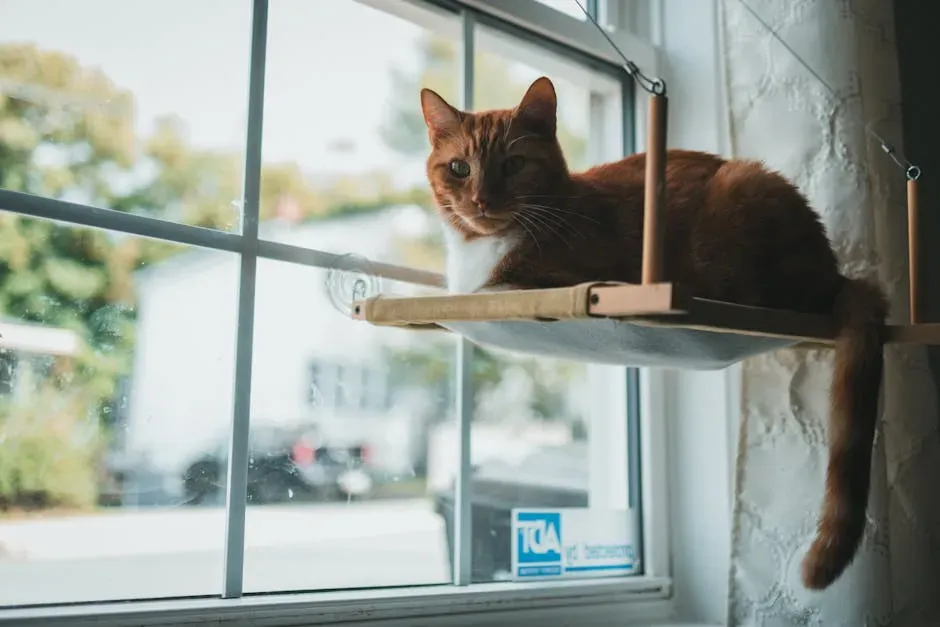
Cats enjoy observing the outside world, and providing access to windows with a view, or setting up a window perch, allows your cat to watch birds and other wildlife. A sunny windowsill with outdoor activity is, for many cats, as engaging as any interactive toy session. The movement, the sounds coming through the glass, and the shifting light all register as genuinely interesting stimulation.
Use strong suction cups and a fabric sling or a repurposed sturdy shelf with a blanket to create a window perch for bird-watching. If hanging a bird feeder outside the window is possible, it takes the experience to another level entirely. A lack of enrichment can lead to overgrooming, which often stems from boredom or stress, and a reliably engaging window view can quietly prevent exactly that kind of problem without any daily effort from you.
Conclusion
The real lesson buried inside all of this is that cats don’t need novelty in the commercial sense. They need variety, unpredictability, and the chance to act on instincts that don’t disappear just because they live indoors. Your home, without any shopping trips, already contains textures, sounds, smells, and spaces that can satisfy all of that.
DIY enrichment toys are a fantastic way to bond with your cat, engage their natural instincts, and keep them mentally and physically stimulated, and they are a fun and inexpensive project for you as well. Rotate what you offer, pay attention to which things your particular cat responds to most enthusiastically, and adjust from there.
The cardboard box your last delivery came in might already be sitting in a corner of your home. Your cat has probably already noticed it. That’s really all the invitation either of you needs.
Kristina is a young writer from India. An arts graduate and an avid content creator, Kristina is passionate about animals and wildlife. She enjoys exploring topics related to pet care, animal behavior, conservation, and nature, combining thorough research with engaging storytelling.