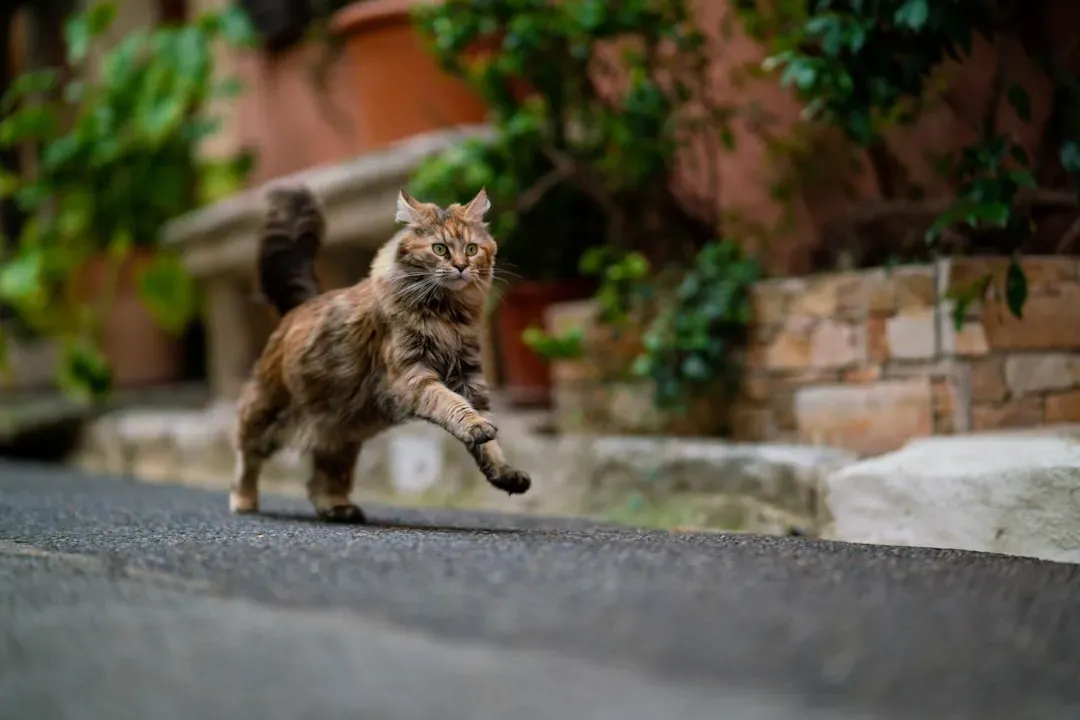
One minute your cat is perfectly still, draped across the couch like a small furry statue. The next, they’re a blur of paws and tail, ricocheting off the furniture and skidding across the floor like they’ve just received an urgent memo from another dimension. If you’ve lived with a cat for any length of time, you know exactly what this looks like.
What’s actually going on is more layered than a simple energy surplus. Your cat’s sudden sprinting is connected to instinct, biology, sleep cycles, emotional states, and sometimes even physical health. Understanding what drives the zoomies can genuinely change how you see your cat and help you respond more effectively as a pet owner.
What the Zoomies Actually Are (And Why They Have a Scientific Name)
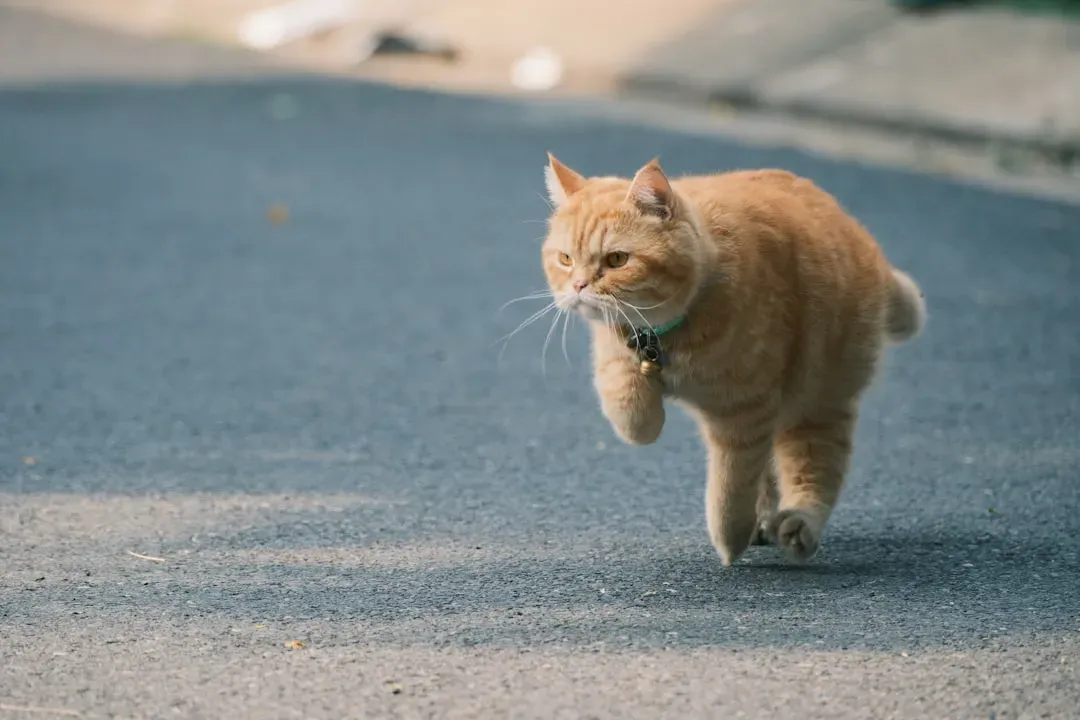
Cat zoomies are formally called frenetic random activity periods, or FRAPs. They’re a normal way for cats to release energy and express instinctive behaviors. The term itself sounds clinical, but it fits: the behavior really is frenetic, it can seem random, and it comes and goes in short, intense bursts.
FRAPs are defined as random bursts of energy in which cats run frenetically, commonly in circles. They usually last a few minutes or less. The contrast between the stillness before and the explosion of movement during is part of what makes zoomies so startling and memorable. You don’t quite see them coming, and then suddenly your cat is everywhere at once.
The Deep Roots of the Behavior: Predator Instincts at Work
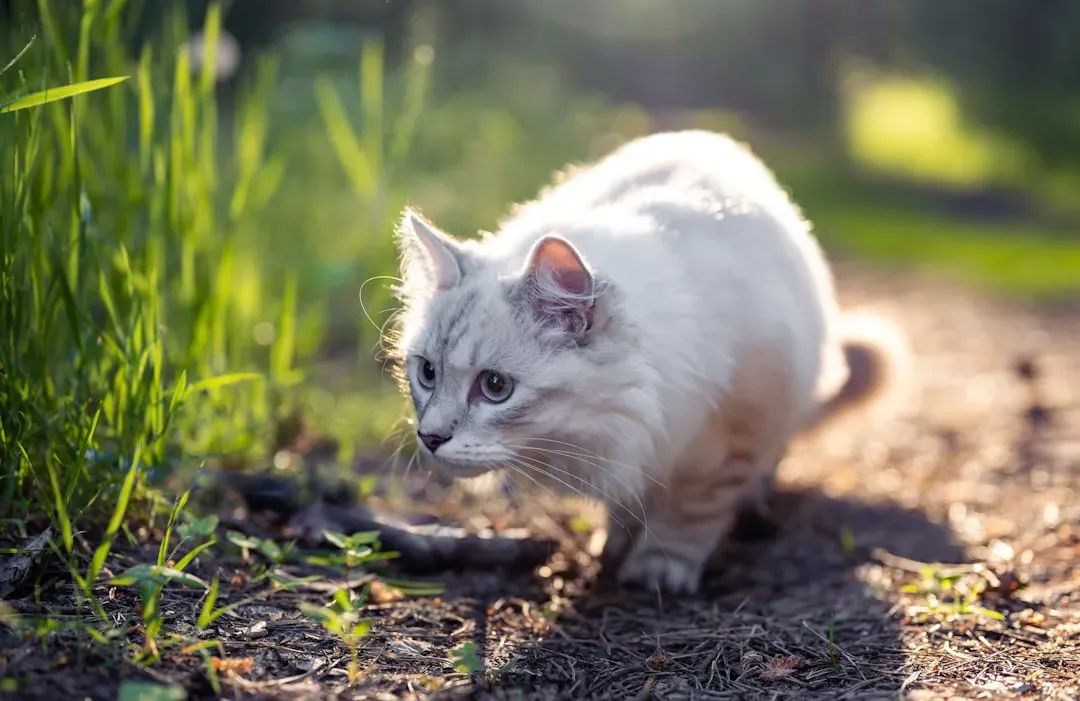
Cats are predators by nature, and even if they live indoors, they still have bursts of energy hardwired into their behavior. In the wild, a cat would stalk prey, chase it, and then rest. That cycle of tension, pursuit, and release is baked into feline biology, whether your cat has ever seen a mouse or not.
Indoor cats still feel these natural urges, and without hunting opportunities, they sometimes release pent-up energy in a sudden, high-speed dash around the house. Zoomies are not random chaos; they serve an important biological function. In behavioral science, they are seen as a way for animals to discharge accumulated energy or release emotional tension. It’s essentially your cat completing an abbreviated, imaginary hunt.
The Sleep Cycle Connection: Why a Nap Almost Always Comes First
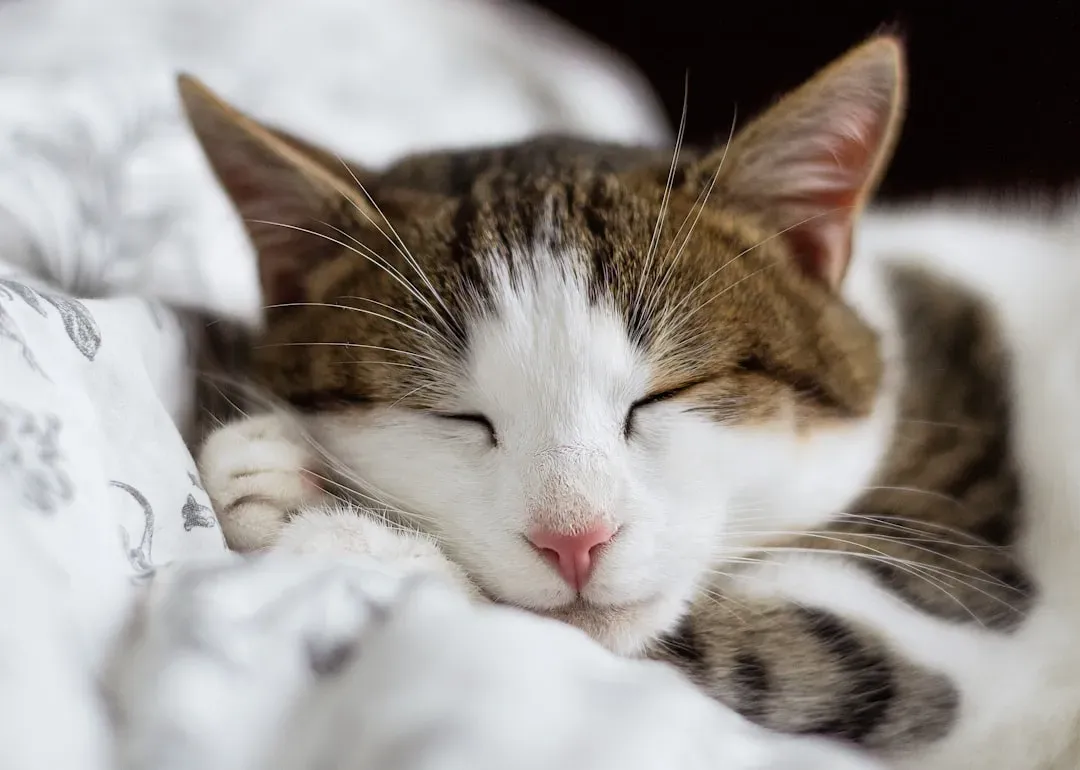
Cats need to release excess energy. For creatures who sleep much of the day – anywhere between twelve and sixteen hours a day – mad dashes around the house are the ideal way to awaken their mind and body after a long snooze. The math isn’t complicated: more sleep means more stored energy, and that energy needs somewhere to go.
It’s no secret that cats sleep a lot. In between the long periods of rest and sleep, cats often experience a surge in energy. In the wild, this is when they would be hunting. That burst of feel-good vibes can sometimes trigger the zoomies in cats. So when your cat launches off the couch mid-afternoon for no obvious reason, the nap they just finished is very likely the culprit.
The Crepuscular Factor: Why 5 AM Is Peak Zooming Hour
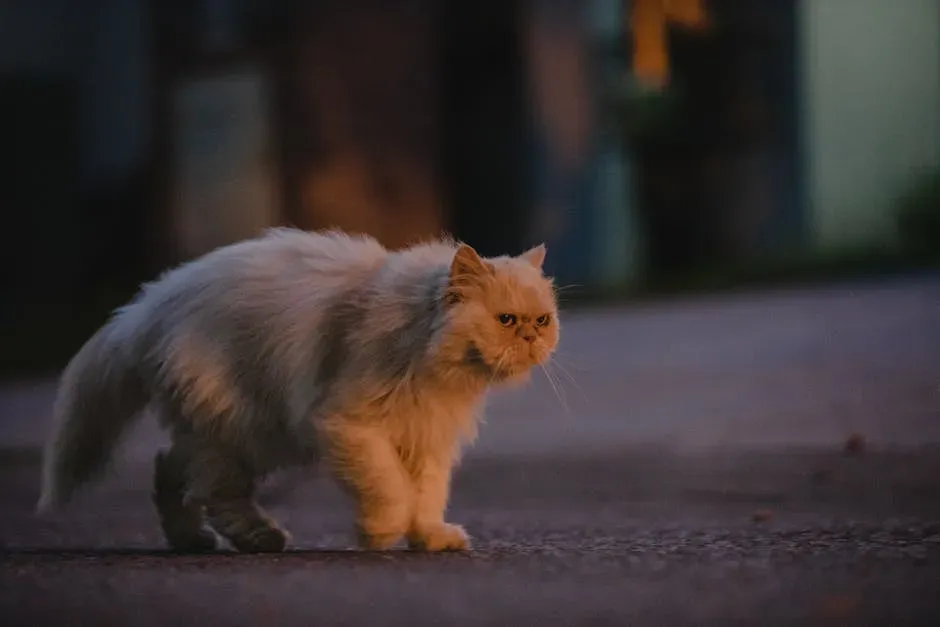
Contrary to popular belief, cats are not nocturnal but are crepuscular instead. This means they are naturally most active at dawn and dusk due to their biological need to take advantage of cooler times of day to more effectively hunt. This is why cats so often exhibit FRAPs late at night, even when their owners are tucked away in bed.
A study published in Applied Animal Behaviour Science in 2019 showed that indoor cats display higher activity levels at dawn and dusk, aligning with their crepuscular nature. This helps explain the timing of many feline zoomies. If your cat turns your hallway into a racetrack at sunrise, they’re not being difficult. They’re just operating on schedule.
The Post-Litter Box Sprint: Science Behind ‘Poophoria’
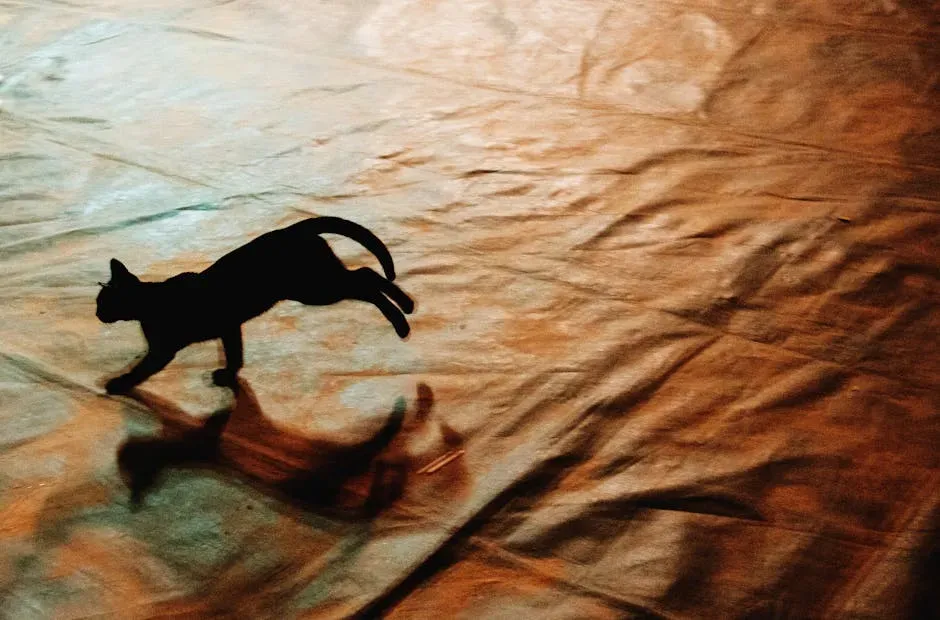
One scientific explanation for post-litter box zoomies involves the vagus nerve, a long nerve that runs from the brain to the colon. When stimulated – like during or after a bowel movement – it can trigger a mild wave of relief, excitement, or even euphoria. Humans experience this too. Some people feel a little energized or light after going to the bathroom. Cats, being naturally high-energy creatures, may translate that feeling into a literal victory lap.
Another theory is that the behavior harks back to the animal’s wild past. Feces smells and can attract predators, so scarpering quickly after the deed is done can help to avoid unwelcome attention. Vagal activity is classically thought to make animals more relaxed rather than active, so for the time being, the jury is still out on the exact mechanism. Either way, the post-litter box sprint is one of feline behavior’s more charming mysteries.
Zoomies as an Emotional Outlet: Joy, Excitement, and Relief
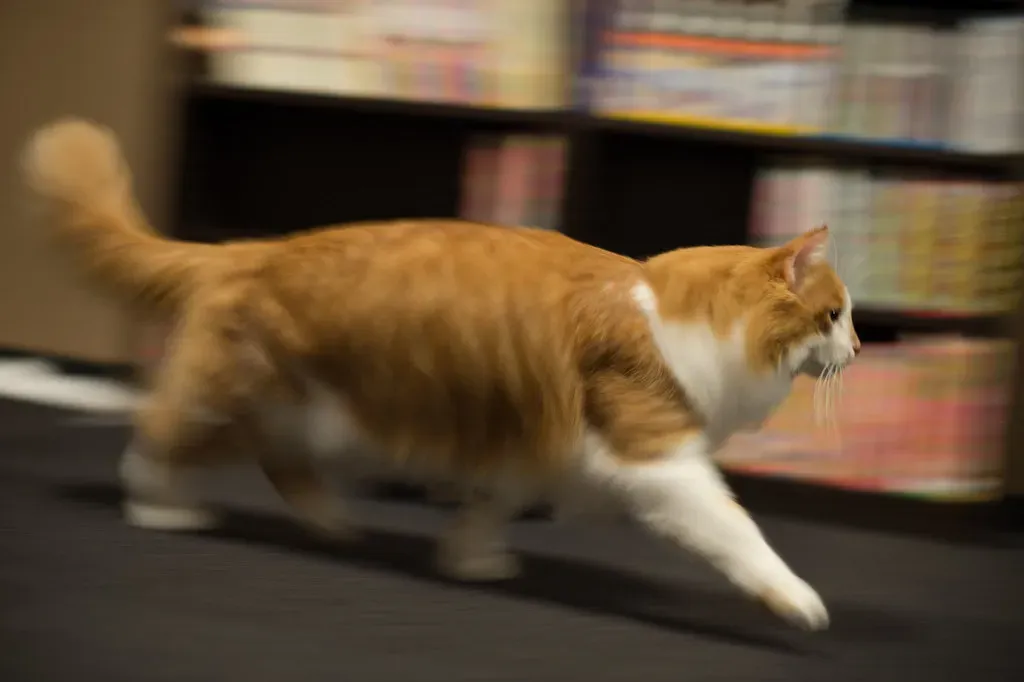
Zoomies can be characterized as play, since the two behaviors share many of the same characteristics. This would make zoomies intrinsically pleasurable – in other words, a whole load of fun. If the zoomies are occurring as part of your animal’s regular play routine, this indicates your animal is happy and enjoying themselves.
Cats can also have zoomies when they’re excited. This could be due to the anticipation of a meal, the arrival of their owner, or the introduction of a new toy. In most cases, zoomies are a sign of a happy and content cat. Think of it less as chaos and more as your cat’s version of doing a happy dance. The scale is just slightly more destructive.
When Zoomies Signal Stress or Anxiety Instead
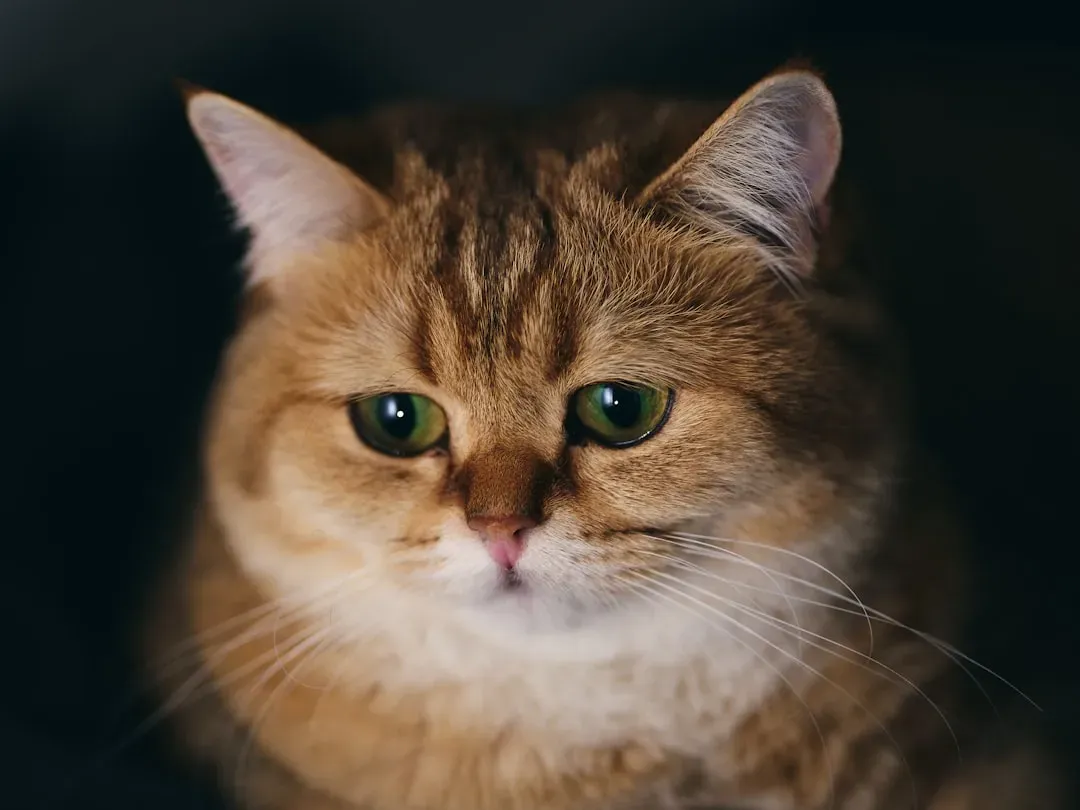
Anxiety or distress can trigger zoomie-like behavior, though these episodes typically look different from playful ones. Anxious cats often appear uncoordinated or frantic during these moments. Anything from vet visits to unfamiliar people or pets in your house can cause fear-induced zooming.
Cat anxiety symptoms can include excessive grooming, hiding, changes in appetite, and increased vocalization. If you notice these behaviors alongside frequent zoomies, it might be time to consider whether your cat is experiencing stress. Keep an eye on your cat’s body language – a lowered tail, exposed claws, and flat ears are all signs of distress. Context matters enormously here, and the difference between a happy zoom and an anxious one is usually visible in the body.
When to Call the Vet: Medical Causes You Shouldn’t Ignore
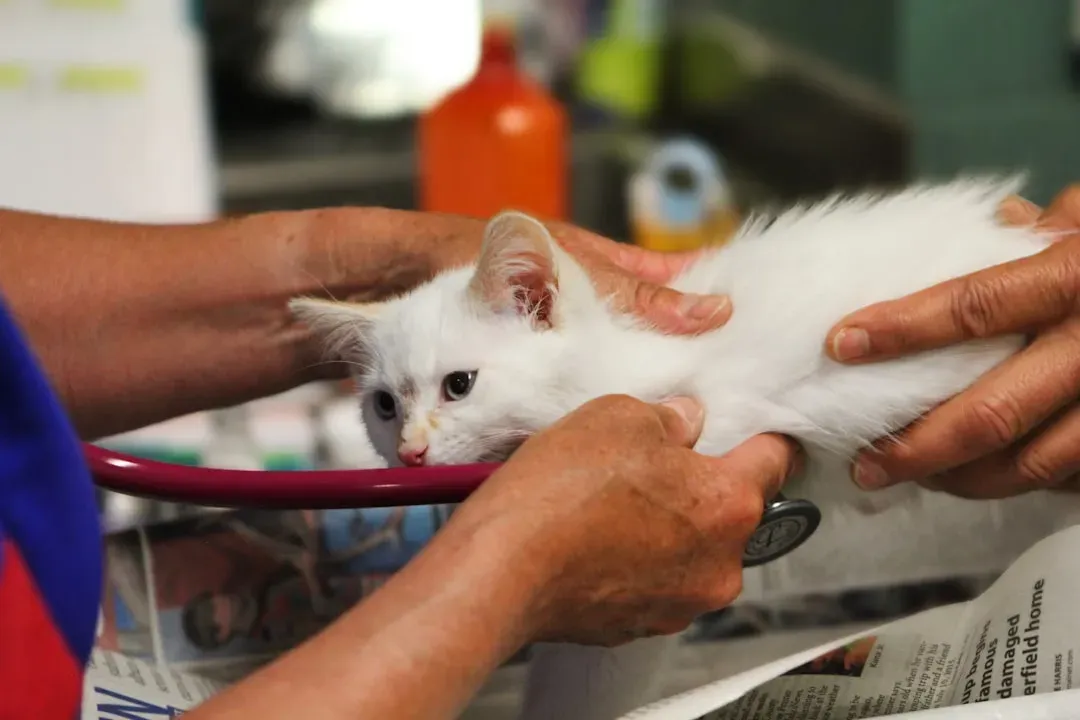
If your cat starts to exhibit above-average levels of activity, it may indicate an underlying health condition such as hyperthyroidism, which increases energy levels in older cats. For more senior cats in particular, watch out for weight loss, hunger, excessive vocalization, abnormal sleep patterns, or other strange behaviors, as these could be signs of hyperthyroidism, a common condition in older cats.
If your cat runs around like crazy after using the litter box, it could indicate an infection or inflammation in the urinary tract, colon, or rectum, constipation, or an uncomfortably large bowel movement. If you see your cat sprinting away from the litter box, take a look in the box and make sure you don’t see any diarrhea, an abnormally hard stool, or blood in the stool or urine. If your cat has fleas or itchy skin, racing around may be their way of trying to escape the feeling. An aging cat may be losing their eyesight or hearing, which could cause them to run when startled or surprised.
How to Manage the Zoomies Without Stamping Out the Fun
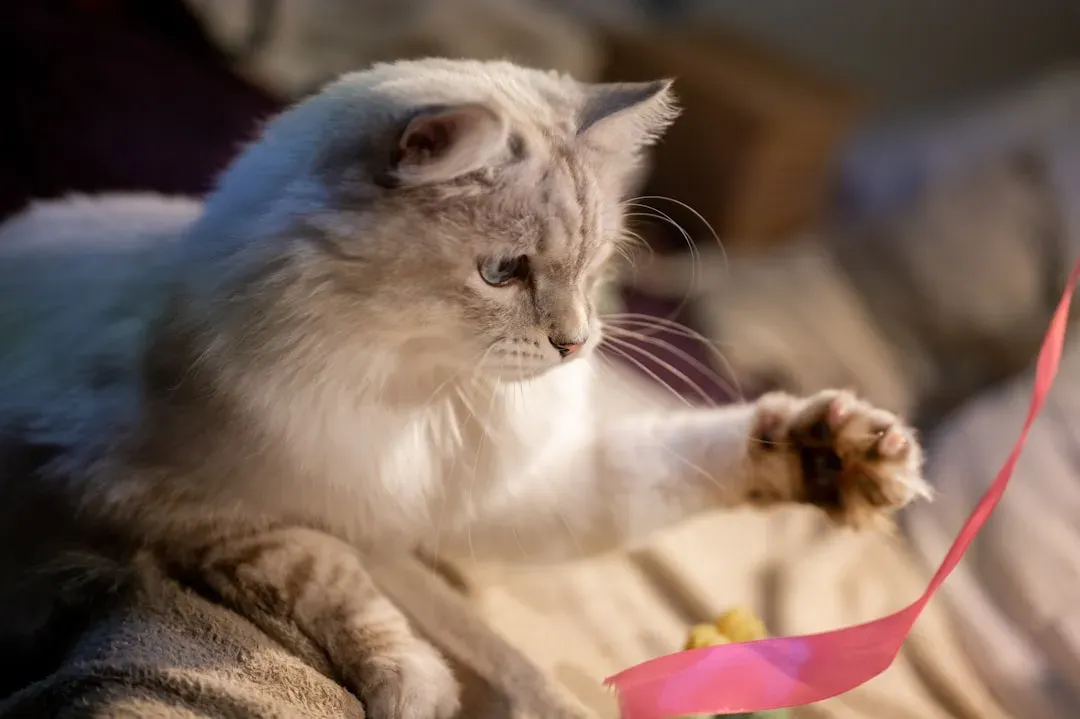
Interactive playtime is one of the best ways to prevent overly wild zoomies. Use wand toys, feather teasers, or small balls to mimic the chase-and-pounce sequence of hunting. Aim for at least two to three short play sessions each day, especially in the evening to help your cat settle down at night.
Cats love to climb and observe their territory from above. Cat trees, wall shelves, or even sturdy bookcases can give them a safe outlet for climbing and sprinting without tearing across your countertops. Puzzle feeders, treat-dispensing toys, and rotating toy selections can keep your cat’s mind active, reducing the likelihood of random bursts of energy. Cats thrive on routine. Feeding, playtime, and quiet time should happen at similar times each day. A predictable schedule can help channel energy in positive ways.
Conclusion
Your cat’s zoomies are not a glitch in their personality. They’re a window into something genuine: their evolutionary wiring, their emotional state, and often, their contentment. Just like humans need to move after sitting too long, cats need to release pent-up energy, and zoomies provide the perfect outlet. This is especially true for indoor cats who have fewer opportunities to exercise.
The behavior sits on a spectrum. Most of the time it’s harmless and even joyful. Occasionally, though, sudden changes in zoomie behavior could signal anxiety or medical concerns worth paying attention to. The more you observe your cat’s specific patterns, the better you’ll get at reading which kind of zoom you’re dealing with. Sometimes the most useful thing you can do is simply clear a path and watch them go.
Kristina is a young writer from India. An arts graduate and an avid content creator, Kristina is passionate about animals and wildlife. She enjoys exploring topics related to pet care, animal behavior, conservation, and nature, combining thorough research with engaging storytelling.