Cats have a well-earned reputation for independence, but that reputation isn’t the full picture. Beneath the cool exterior and the perfectly timed indifference, your cat is communicating with you almost constantly. The messages are just quieter than you might expect, tucked inside small gestures that are easy to overlook when life gets busy.
Cats are subtle and complicated in the way they communicate, and taking time to learn their signals can genuinely strengthen the relationship you share. Learning when they’re happy or when they simply want to be left alone can be a big help to you both. The tricky part is that most of these cues aren’t dramatic. They’re soft, patient little invitations, and once you know what to look for, your cat starts to feel a lot more readable.
The Slow Blink That Says More Than Words
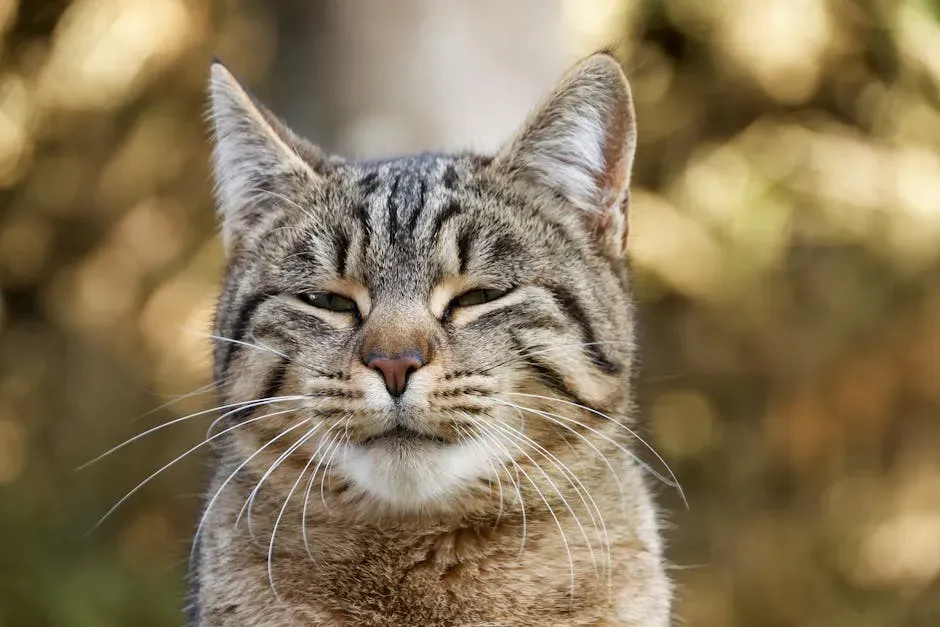
You’ve probably caught your cat staring at you from across the room with heavy, half-closed eyes. It might seem like drowsiness, but it’s something warmer than that. When cats greet someone they trust, they can perform a slow, languid, long blink to communicate affection. One way to respond is to say their name, hold their gaze softly, and slowly blink back at them. They may return the gesture.
In a study of 18 cats, the behavior of several half-blinks followed by prolonged eye narrowing or eye closure was found to be a positive emotional response. When a familiar human slow-blinks toward a cat, the cat tends to approach that human more frequently than if the human maintains a neutral expression with no eye contact. So if your cat holds your gaze and lets those eyelids fall slowly, try returning the gesture. It’s one of the quietest conversations you’ll ever have.
Head Butting and Face Rubbing Against You
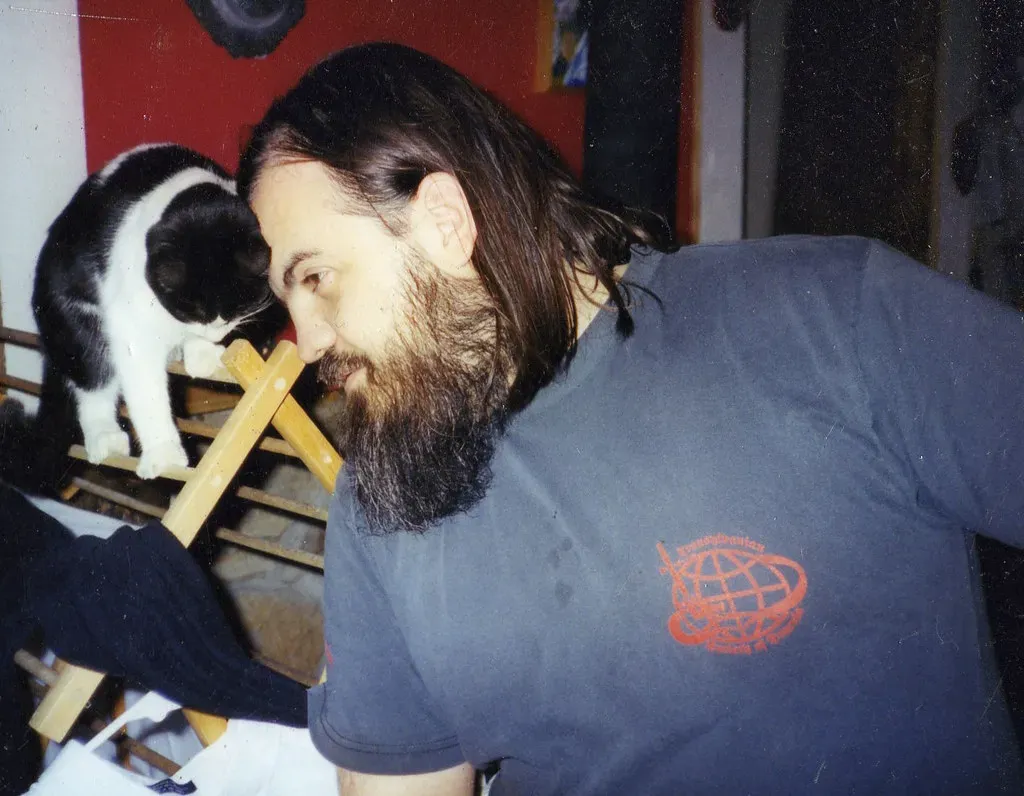
That gentle nudge from your cat’s forehead or cheek, known as “bunting,” is a subtle but meaningful sign that your cat wants your attention. Cats have scent glands on their faces, and when they rub against you, they’re marking you with their scent as a way of saying you belong to them. This behavior is never aggressive; it’s always soft and affectionate.
Head butting and rubbing can both indicate that your cat is hungry, playful, or seeking affection. The context matters. If your cat does it right after you’ve sat down, or when you’ve been ignoring them for a while, it’s almost certainly a bid for connection rather than food. Pay attention to when it happens, and you’ll start to notice a clear pattern tied to your own behavior.
Sitting on Your Laptop, Book, or Whatever You’re Looking At
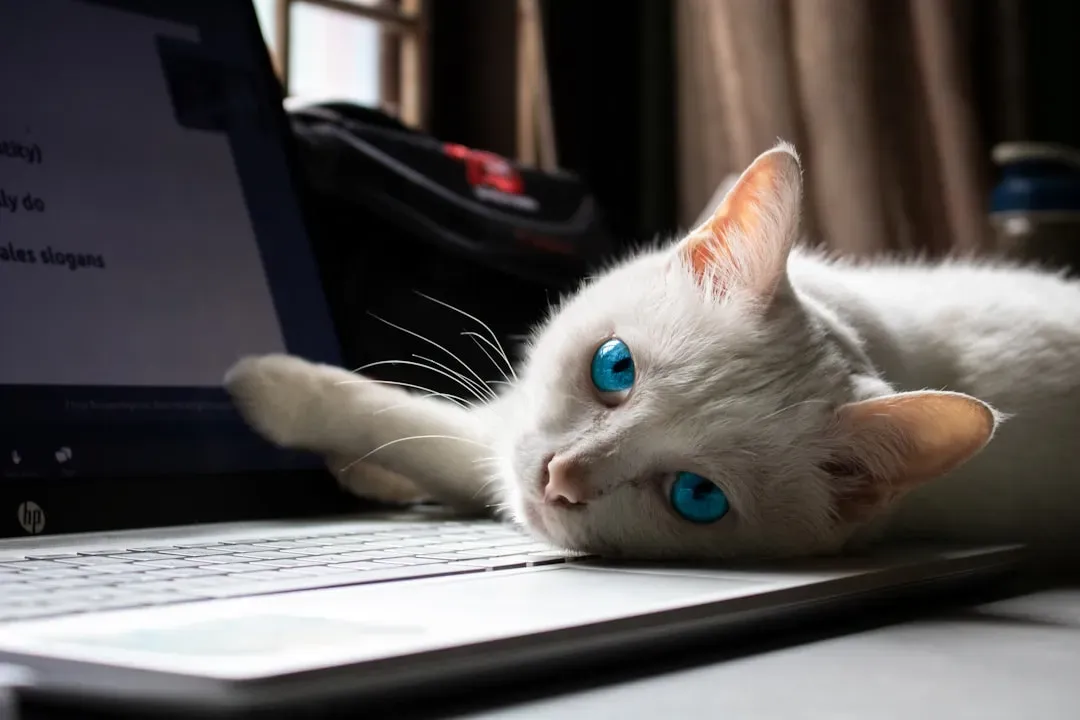
One common yet effective move cats make is sitting directly on your laptop, book, or dinner plate. It’s their way of saying they are the most important thing in your life. You might think they’re drawn to the warmth of a device, but they’re really asserting their position over whatever object has your focus.
Cats can become demanding about getting your attention to the point of trying to distract you from your current task. You could be working or reading a book and find your cat lying directly on top of it. While cats may do it partly because the surface is comfortable, it’s also their way of redirecting your attention onto them instead. It’s one of the least subtle “subtle” signs on this list, admittedly, but it works every time.
Kneading on a Soft Surface Close to You
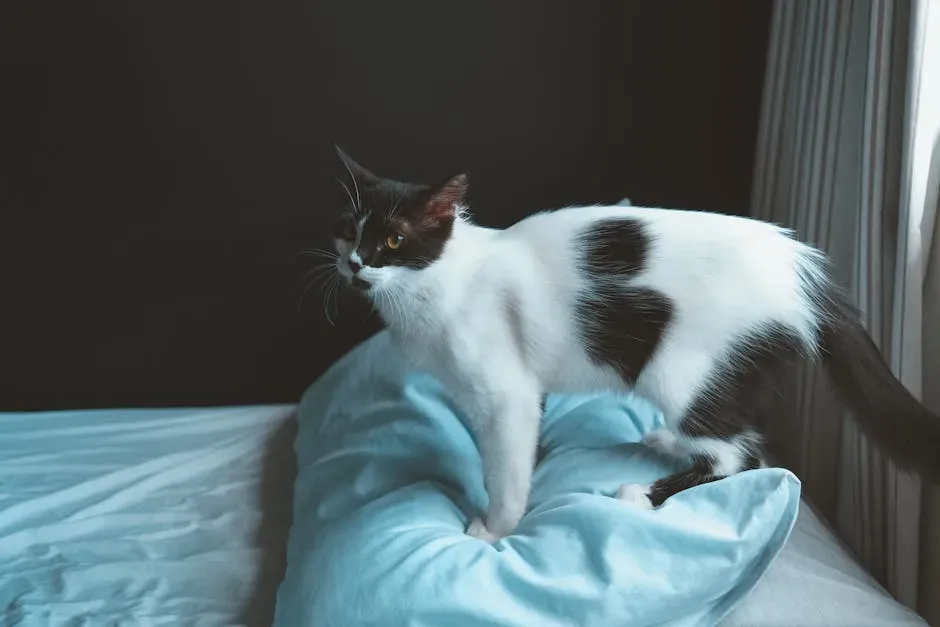
Kneading, or “making biscuits,” is a behavior that often starts in kittenhood and continues into adulthood. When your cat kneads a soft surface near you, like your lap, a blanket, or your pillow, they’re recreating the comfort of being with their mother. This action is a tender way of asking for your attention and comfort, signaling that they feel safe and happy around you.
Sometimes called “making biscuits” because the cat works their paws on a soft surface as if kneading bread dough, this is a leftover behavior from nursing, when kittens massaged their mother to encourage milk flow. Your cat does this when they’re genuinely happy. Cats may also knead to self-soothe when feeling stressed or anxious, though they equally knead when content, comfortable, and relaxed. Reading the surrounding cues tells you which one it is.
Following You From Room to Room
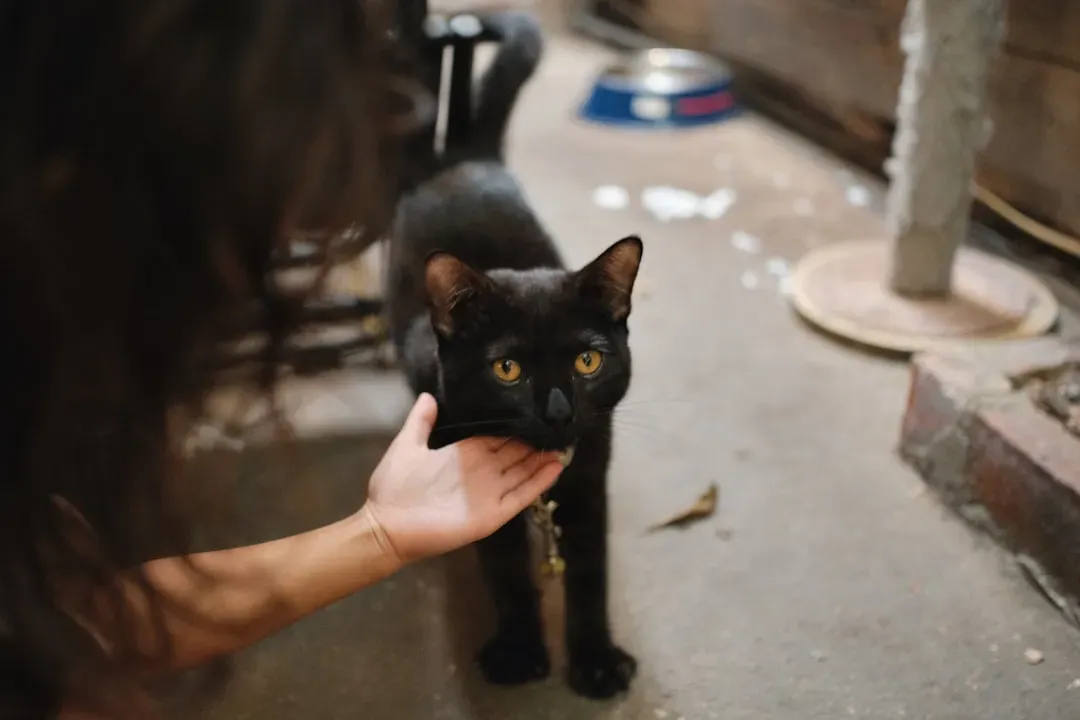
Following you around the home, deliberately strolling into your path, especially when they know you’re busy, is a recognizable form of attention-seeking. This behavior signals that your cat notably needs or wants your focus. It’s easy to dismiss as nosiness, but the timing is usually too deliberate to be accidental.
When your cat walks between your legs, paws at your ankles, or edges into the space between your neck and the sofa, the goal is straightforward: they want to get close to you. This behavior can actually help further your bond, and there’s no real need to stop it. Keep in mind, though, that a cat who constantly follows you around might sometimes be feeling anxious or stressed rather than simply wanting attention. Context and consistency are your best guides.
Gentle Pawing at Your Hand or Arm
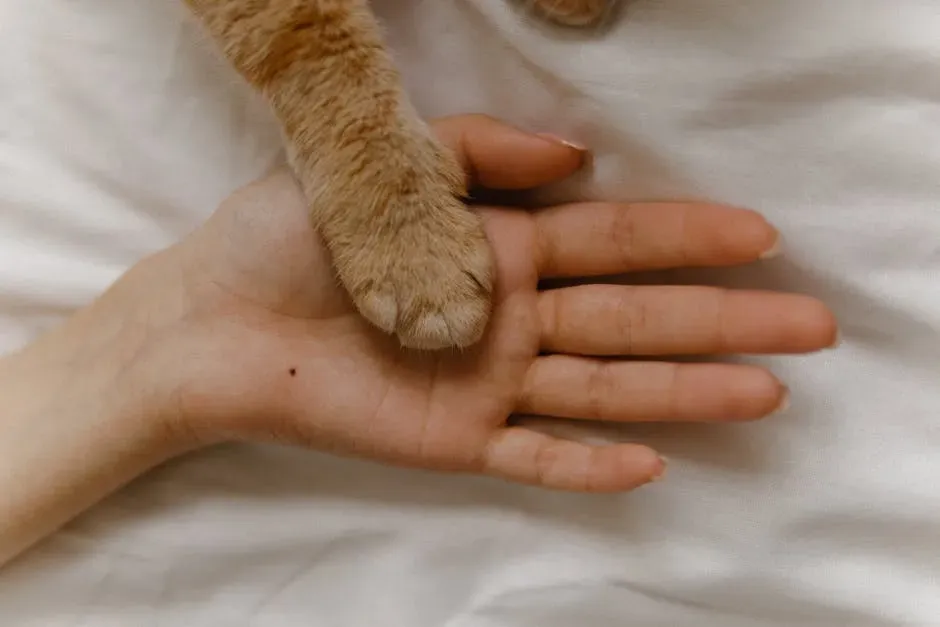
If your cat gently taps you with their paw on your face or limbs, they may be trying to signal that they want you to engage with them. It’s a soft gesture, almost polite by cat standards, and easy to miss if you’re deep in thought. Most cats start light and will escalate the tapping only if you keep not responding.
If you’re eating, your cat might think they should get a bite too. If you’re working and they keep pawing at your fingers as you type, they could be understimulated and asking for some interactive play. Another form of attention-seeking comes through physical touch more broadly. Your cat may reach out with a paw or nudge you with their head. These are invitations, not demands, and they’re worth taking seriously.
Waiting for You at the Door
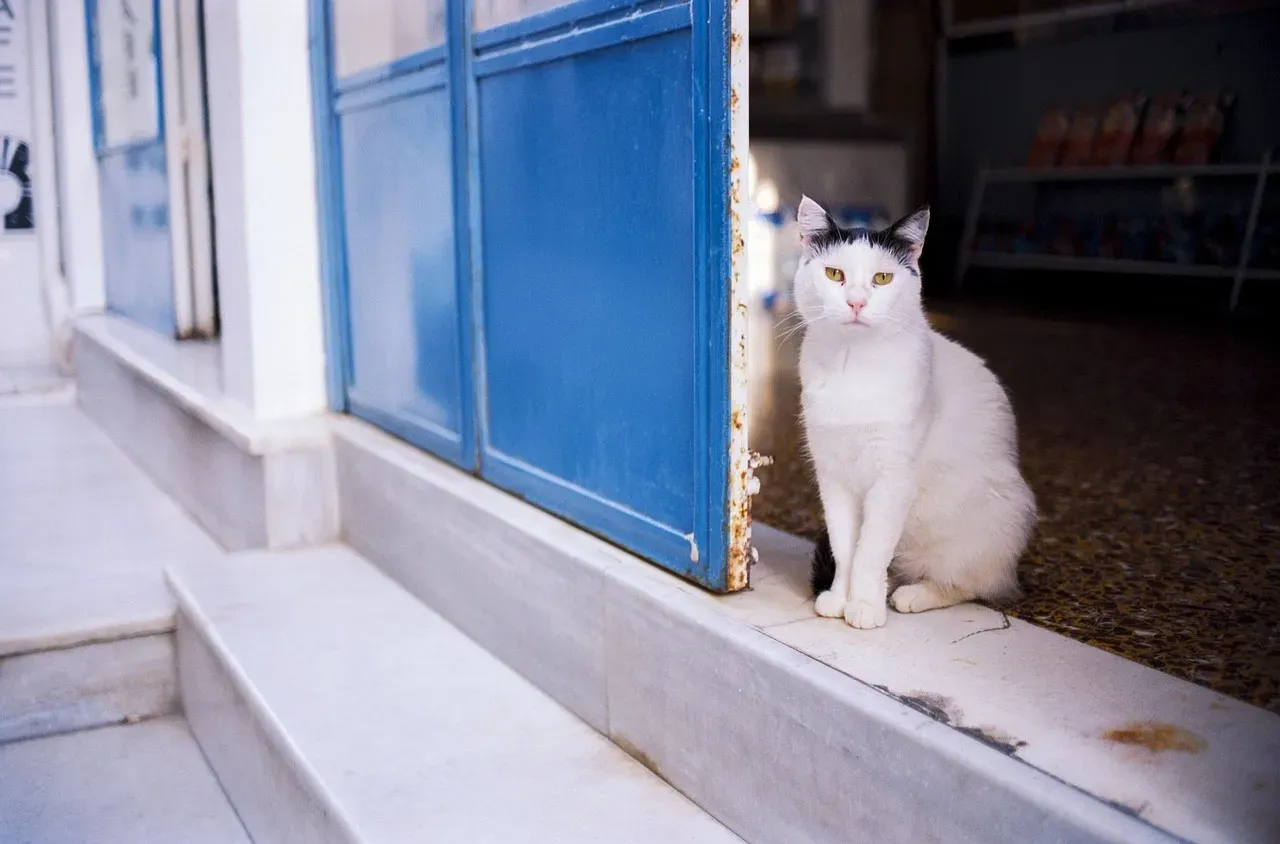
Coming home to your cat waiting for you by the door is a welcoming sight. Although cats may do it as a form of greeting, it can also be a sign that they want attention. Your cat may have associated your return home with dinner time or playtime, or they might be waiting to direct you toward something they want, such as food or their toys.
This greeting behavior often reflects attachment and social bonding. It’s worth noticing whether your cat greets you with an upright tail, which carries its own meaning. An upright tail is a sign of confidence, friendliness, and curiosity. When your cat greets you with a tail held high, it’s a reliable sign they’re happy to see you. Together, these cues tell you that your arrival matters to them more than they’d probably like you to know.
Grooming Themselves Near You
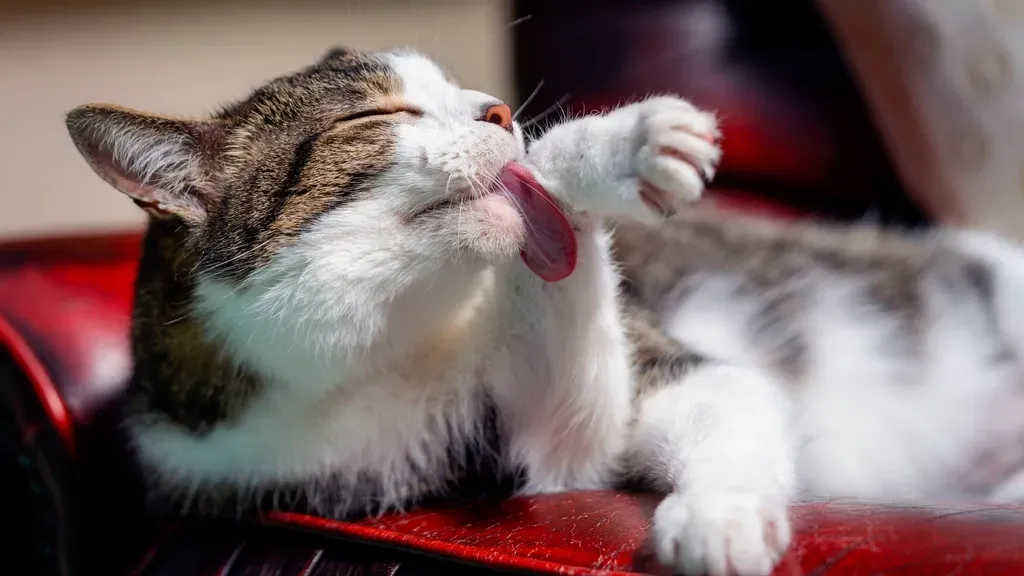
Cats often groom themselves when they feel comfortable and safe. If your cat starts to wash or groom themselves near you, they’re sending a subtle message. This behavior shows trust, but it can also be a quiet way of seeking your attention. It’s an easy one to miss because grooming looks so self-contained and private.
By performing this self-care ritual nearby, your cat is inviting you into their peaceful world. If you respond with a gentle stroke or a soothing word, you reinforce the bond of trust and affection. Think of it as your cat choosing to be vulnerable in your presence. They’re not just grooming. They’re sharing a quiet moment with you on their own terms.
Vocalizing More Than Usual
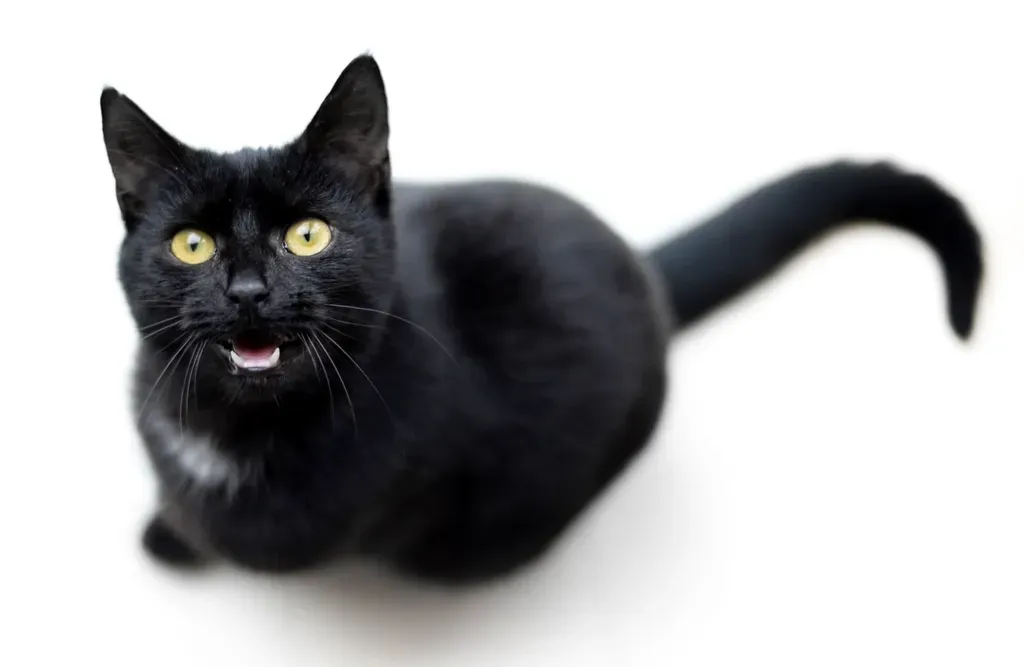
Experts consider meowing a learned response that cats developed specifically to get our attention. After kittenhood, cats don’t meow to each other. Meowing is a way they communicate with us. Your cat may literally be crying out for attention if they’re meowing to you more than normal. The shift in frequency is the key signal here, not the meowing itself.
If you’re home doing something other than focusing on your cat, they may start with a quiet but persistent meow that sounds similar to a newborn’s cry. From there, they may move on to a louder call, only to be found sitting there with an innocent look once you arrive. Consistent howling and yowling, however, may point to a more serious health concern or emotional distress. It helps to first consider whether anything in your environment could be the cause, such as a recent move, a new pet, or a new household member. When in doubt, a vet check is always worth the visit.
Conclusion
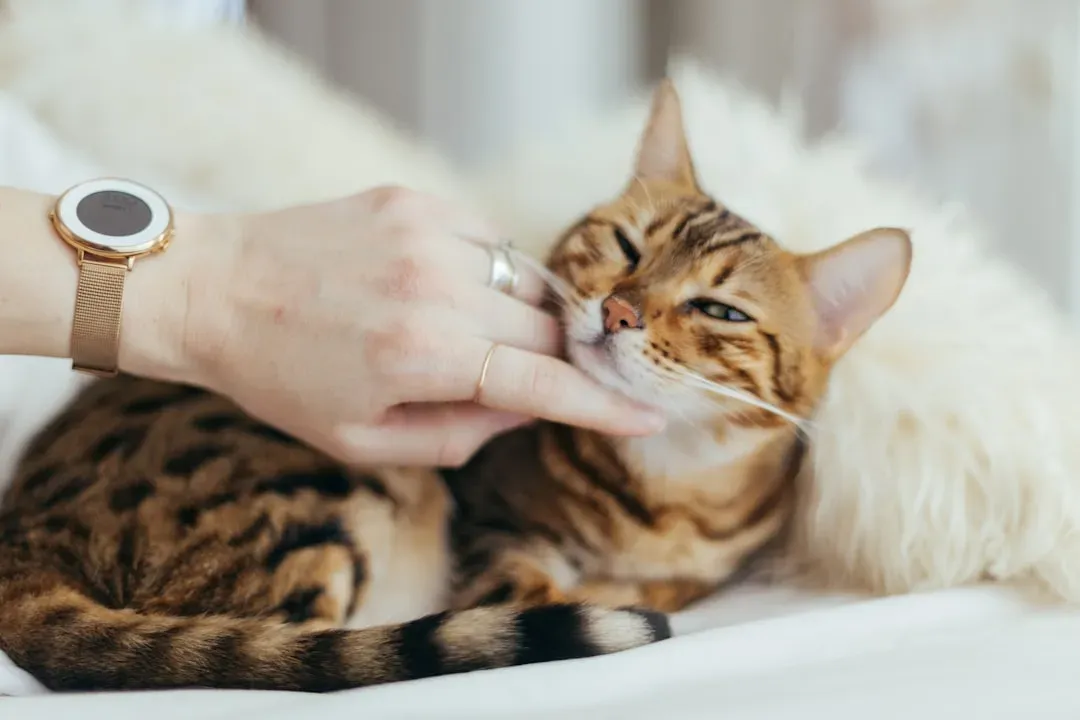
Your cat doesn’t need to knock something off a shelf to tell you they want you closer, though they’ll do that too if it comes to it. Unlike dogs, cats haven’t evolved to have many expressive facial muscles, which makes it all the more important to recognize even the smallest signs and changes in their body language. Those subtle cues, though small, say an enormous amount.
Cats try to get our attention in many ways, whether by staring at us, distracting us, or following us around. If you pay close attention to your cat’s behavior and vocalizations, you can understand them better, determine what they’re trying to convey once they have your attention, and ensure their emotional and physical needs are met.
The slow blink, the gentle paw tap, the strategic placement on your book, the quiet appearance at your door: once you see these for what they are, the relationship shifts a little. Your cat was never indifferent. They were just speaking a language that takes some time to learn. The good news is that once you do, you’ll never miss the signs again.
Kristina is a young writer from India. An arts graduate and an avid content creator, Kristina is passionate about animals and wildlife. She enjoys exploring topics related to pet care, animal behavior, conservation, and nature, combining thorough research with engaging storytelling.