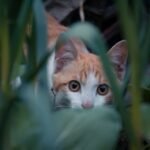
You’ve probably seen them. Sitting perfectly still under a parked car, watching you from the corner of a fence post, or quietly stationed on your porch like a small, self-appointed sentinel. That cat you assume is lost or wandering aimlessly might actually know exactly where it is – and why it’s there.
Community cats, sometimes called feral, stray, or outdoor cats, can be friendly or unsocial, but they aren’t necessarily lost. They’re free-roaming cats who live at least part of the time outside, sharing our neighborhoods and finding shelter in yards, alleys, parking lots, and porches. The story behind their presence is more interesting – and more useful – than most people realize.
The Difference Between Stray and Feral: It Matters More Than You Think
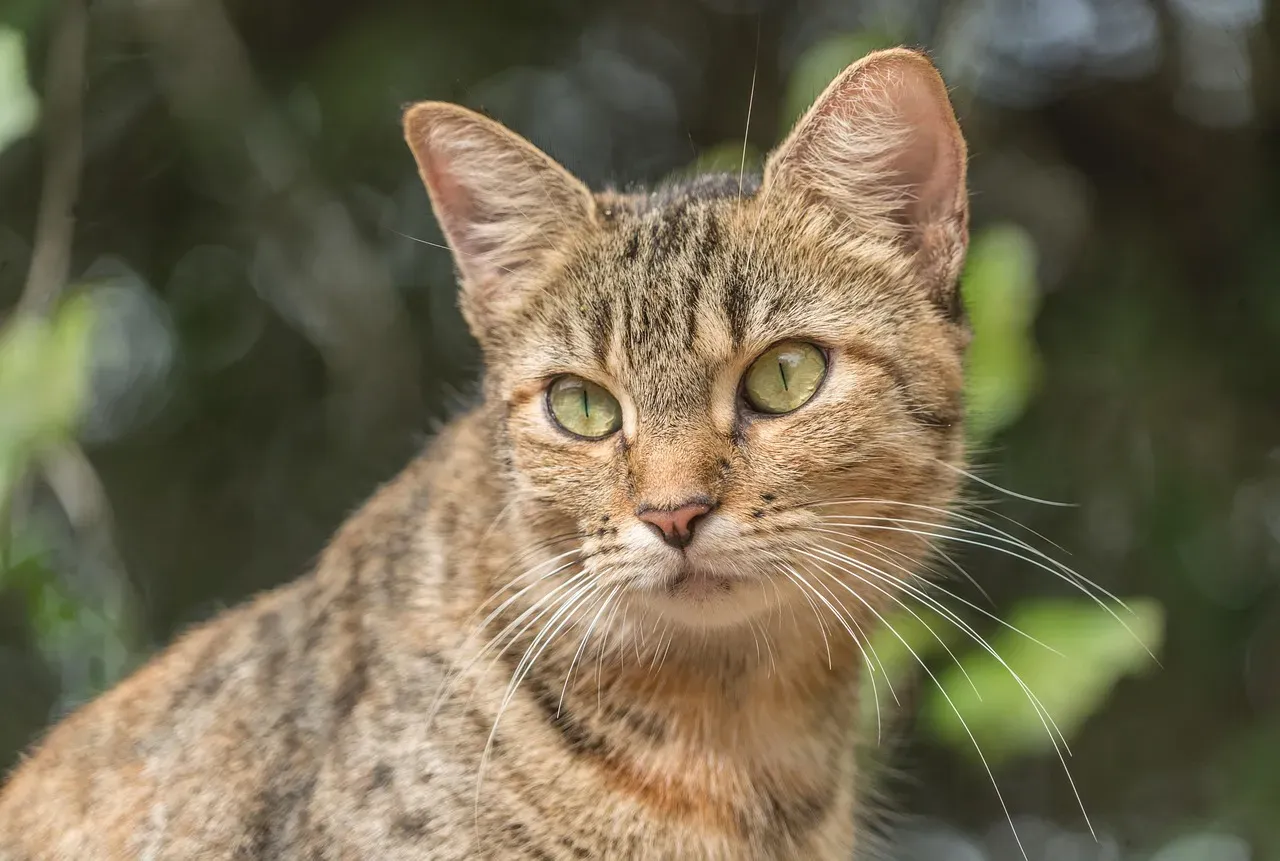
When you see a cat wandering outside, you’re likely looking at one of two very different types of animals. Understanding which one you’re dealing with can change how you respond and what kind of help, if any, is actually appropriate.
A feral cat is an unowned domestic cat that lives outdoors and avoids human contact. It does not allow itself to be handled or touched and usually remains hidden from humans. The lines between stray and feral cats are often blurry. The general idea is that owned cats that wander away from their homes may become stray cats, and stray cats that have lived in the wild for some time may become feral.
Stray cats and feral cats exhibit distinct characteristics that may not be immediately apparent. A stray cat may meow at you, make eye contact, or appear anxious and out of place. Feral cats with no previous human contact are very unlikely to become pets. Stray cats, however, can become pets if given the time to reacclimate to humans.
Your Neighborhood Has More Cats Than You Realize
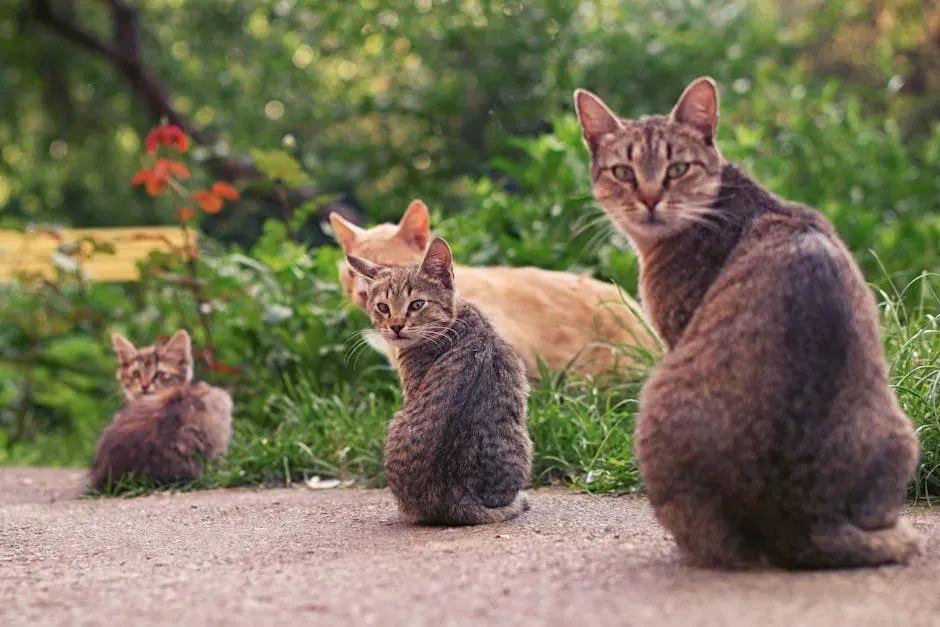
The number of free-roaming cats living alongside humans is genuinely staggering. It has been estimated that there are more than 100 million feral and outdoor cats in the USA alone. According to estimates from the Humane Society of the United States, the population of feral cats in the US ranges from 50 to 70 million.
Feral cats depend on the presence of human settlement to subsist. Colonies and stray feral cats settle in urban, suburban, and rural developments like cities and farms, wherever they can find easy access to food or prey animals. That porch cat isn’t just passing through. It has likely claimed a territory, knows the block well, and operates on a consistent daily routine you just haven’t noticed.
Natural Rodent Control Right Outside Your Door
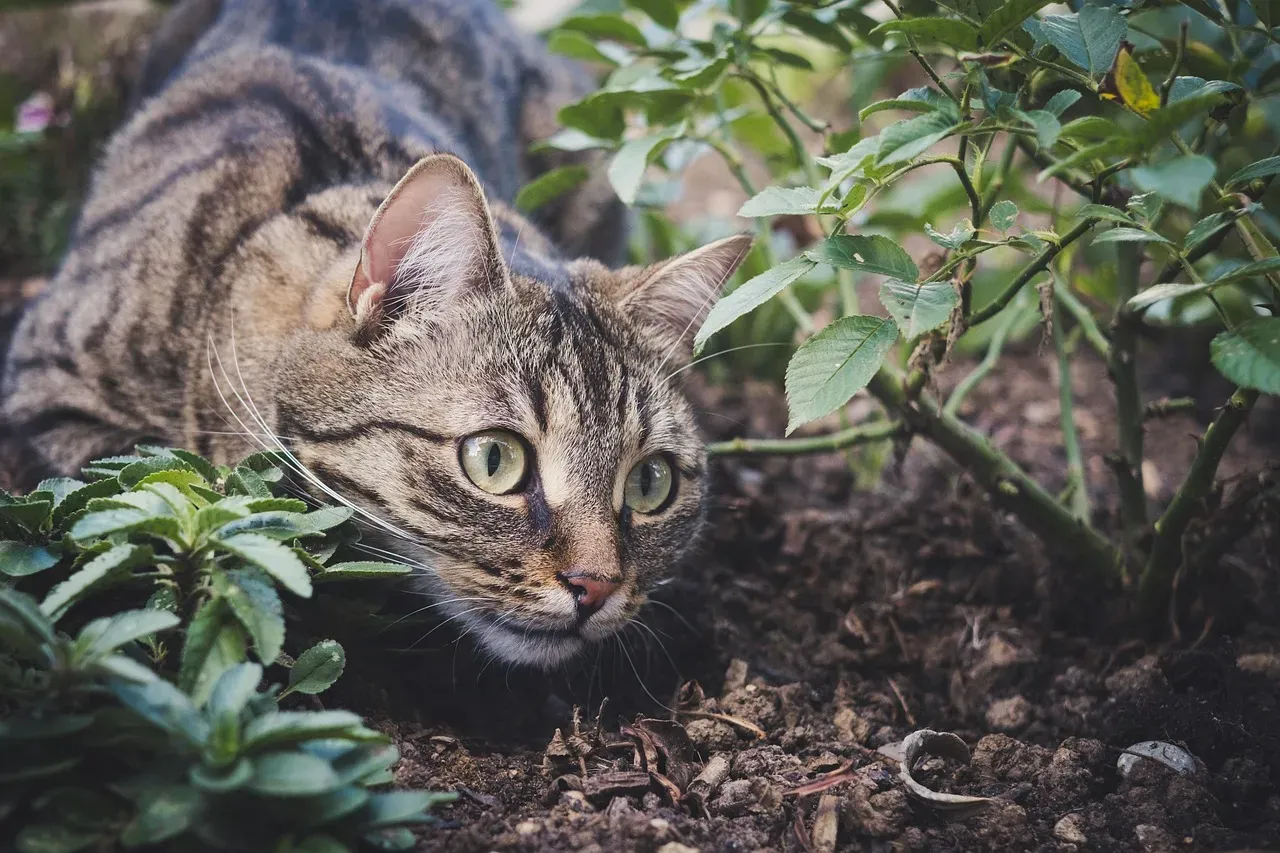
One of the most practical roles an outdoor cat plays in your neighborhood is pest suppression. One of the most important benefits of welcoming stray cats to your neighborhood and property is that they help keep the rodent population to a minimum. Mice and garter snakes are no match for the average outdoor cat.
Feral cats have a natural instinct as exterminators. They not only go after rodents but their very presence also deters pest infestation. It has been said that feral cats have a scent that is repellent to rodents. In practice, many residents report nearly immediate results. It isn’t so much that rats can even probably see the cats. It’s that they can smell them and sense them – and they realize the atmosphere is not hospitable and go somewhere else.
The Territorial Instinct That Keeps Worse Problems Out
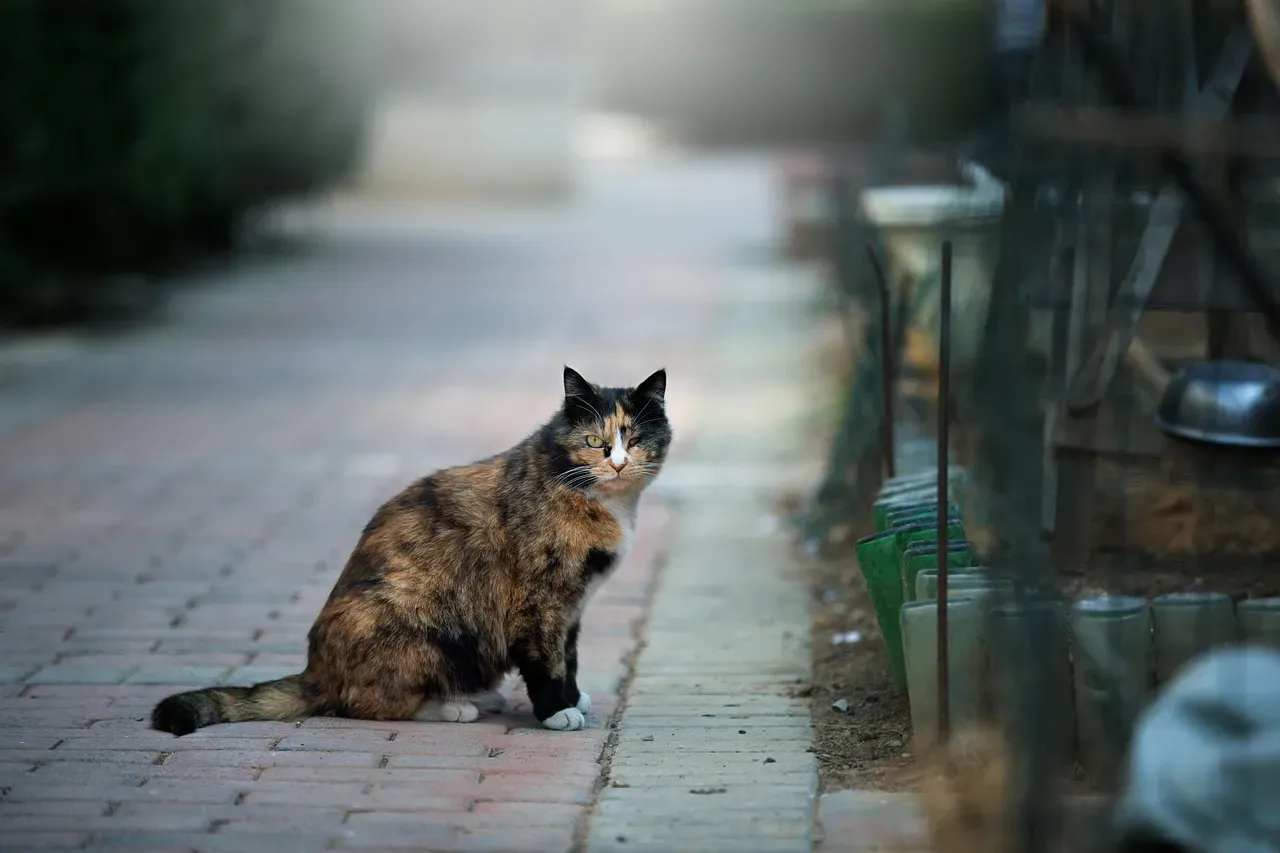
Here’s something most people don’t consider: a cat holding down a territory is actively keeping other, unknown cats out of that space. Feral cats are territorial and often keep new cats from invading their area. That stability has real value, especially in dense neighborhoods where an influx of unvaccinated, unneutered newcomers would create far bigger problems.
Outdoor cats that are free-roaming or feral are considered community cats. These cats sometimes live in groups called colonies, choose their territories because they have a food source and shelter there, and repay the favor of this beneficial set-up by keeping additional cats from moving into the neighborhood as well as controlling rodent populations for their human neighbors. Think of them less like strays and more like long-term residents with a job.
The Vacuum Effect: Why Removing Them Often Makes Things Worse
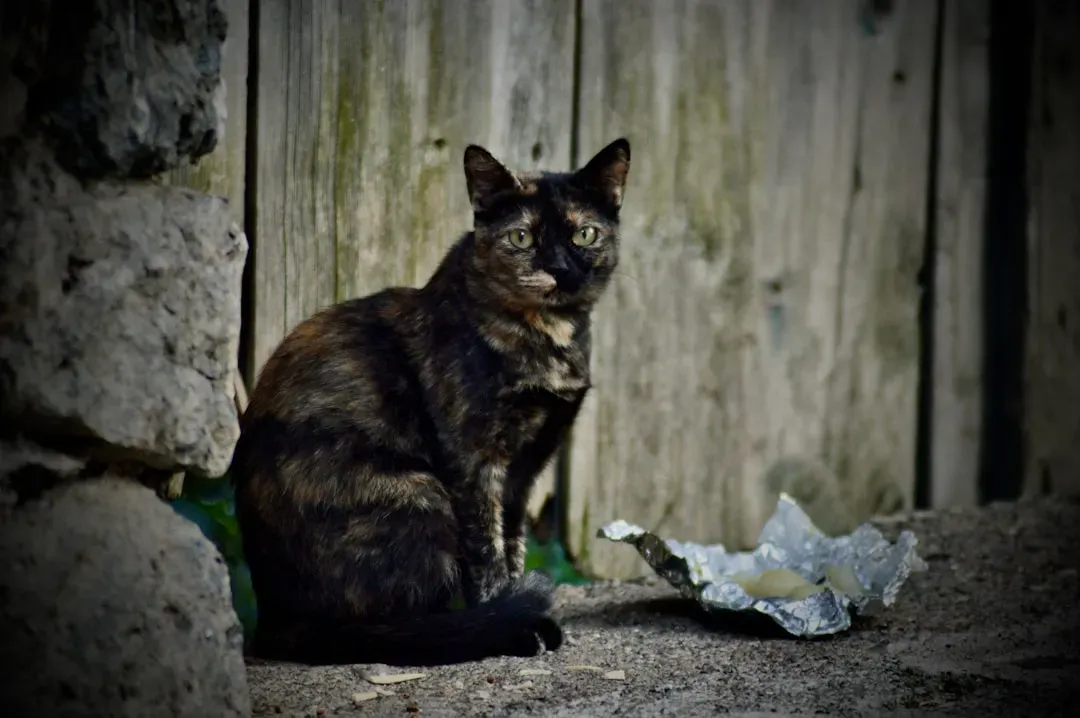
If you’ve ever thought about calling animal control to clear out the cats in your area, there’s a well-documented reason why that approach tends to backfire. If cats are removed from their outdoor home, it creates a territorial opening, or vacuum, that will not remain empty. Removing cats from an area may cause a temporary decrease in the cat population, but more cats will take their place – and it won’t take long. This phenomenon is known in conservation studies as the Vacuum Effect.
Because of the powerful vacuum effect, removing a cat from its environment without also removing the food source has been linked to an increase in cat populations by as much as 200%. Once the cats are removed from a territory, other cats move in to take advantage of the newly available resources and breed, forming a new colony. Known as the vacuum effect, this is a documented phenomenon in a variety of animals throughout the world. Catch and kill is an endless and costly cycle.
TNR: The Smarter, Humane Response
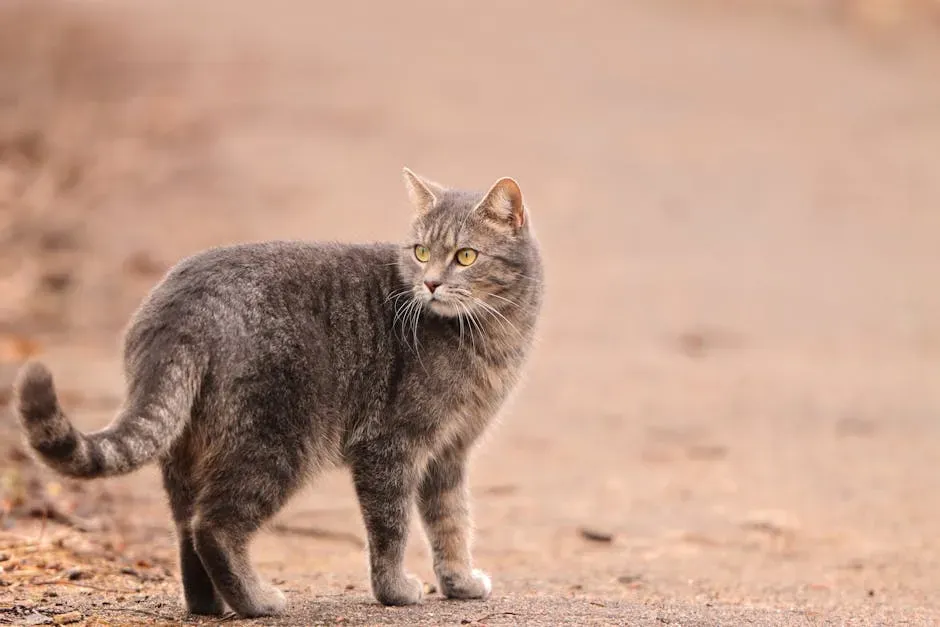
Trap-Neuter-Return, commonly called TNR, is the approach that most animal welfare experts and a growing number of municipalities now support. TNR is the only humane and effective approach to community cats, or unowned cats who live outdoors. Scientific studies show that TNR effectively addresses the community cat population by ending the breeding cycle, meaning no new kittens are born to a community cat colony. As sound public policy, TNR addresses community concerns, reduces shelter intake and killing, and reduces calls to animal services, all of which save cats’ lives and taxpayer dollars.
Studies show that TNR programs can reduce outdoor cat populations by up to 50% in just one to two years. Over time, once a cat is spayed or neutered, it no longer needs to mark its territory. The drive to yowl and fight is removed, and there will be no more kittens. All that’s left is the cat’s natural instinct to protect its community from mice, rats, snakes, and other nuisance pests.
What TNR Does for the Whole Neighborhood
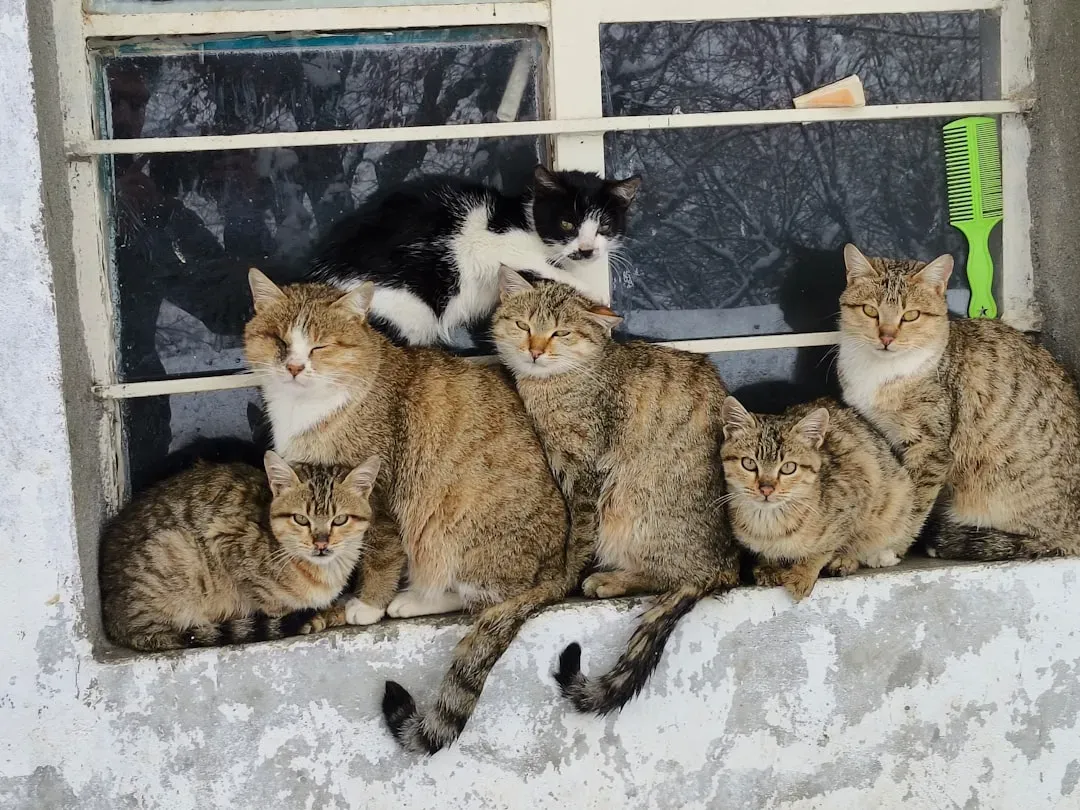
The benefits of a properly managed TNR program extend well beyond the cats themselves. The overall health of the cats improves, and there is a reduction in reproductive or territorial behaviors as well as nocturnal vocalizing. Not only is the cat population successfully stabilized, but concerns and complaints about nuisance behaviors also drastically decrease.
TNR reduces or eliminates undesired behaviors including roaming, yowling, spraying, and fighting, which all generally cease after sterilization. Once sterilized, cats no longer have new litters of kittens and their numbers decrease naturally and stably over time. Not only does TNR make cats better neighbors, it helps create harmony between neighbors of the human variety when colonies are managed appropriately and responsibly.
The Real Risks Worth Knowing About
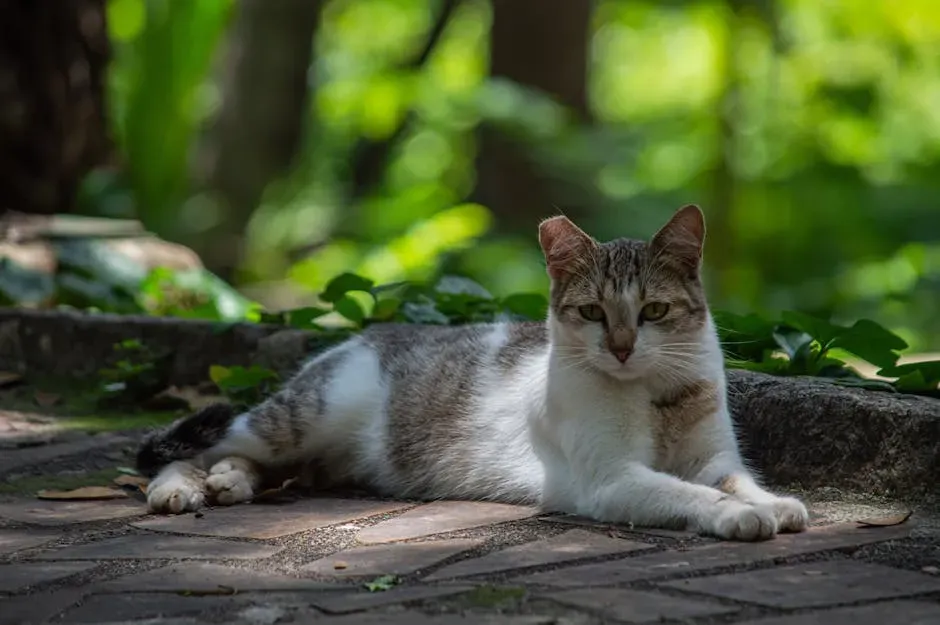
Painting an entirely rosy picture of outdoor cats wouldn’t be honest. There are genuine concerns that deserve straightforward acknowledgment. Domestic cats contribute significantly to the decline in urban wildlife. Cats kill a large number of birds, small mammals, and reptiles every year. Many bird species are already at risk due to other environmental factors, and feral cats add more pressure on these vulnerable populations.
Feral, free-roaming cats have been documented by dozens of studies to be indiscriminate killers of wildlife. While the evidence of their hunting prowess is overwhelming, there is little proof that cats are effective at controlling urban rats, which studies have shown are not their primary prey. This tension between the benefits and ecological costs of outdoor cats is real, and being informed about both sides leads to better decisions for your specific neighborhood.
How You Can Actually Help the Cat on Your Porch
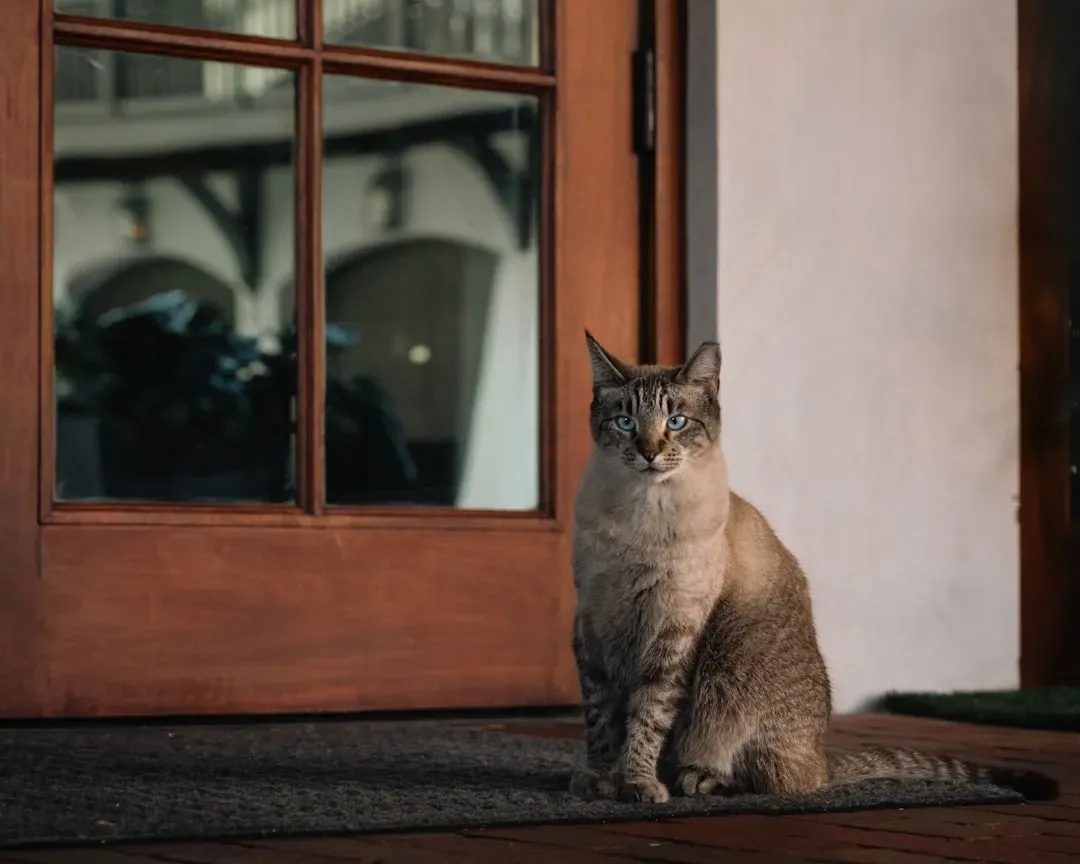
If you’ve got a regular visitor showing up at your door, there are practical, responsible steps you can take that genuinely improve outcomes for both the cat and your community. A cat who looks healthy with good body condition and coat is very rarely lost. If the cat looks healthy, please leave it where it is. Cats are significantly more likely to be reunited with their owners if they stay in the neighborhood where they are found, instead of being removed from the area and taken to an animal shelter.
If you keep stray and feral cats fit, healthy, and vaccinated, it will lower the risk of diseases spreading among animals in your neighborhood. Many towns and cities have TNR programs and are glad to have new volunteers. What’s great about joining forces with an established program is that they have everything in place, from veterinarians to capture cages to food and beyond. Often, cats will be dewormed and vaccinated during their brief stay at the spay and neuter clinic, which gives them a leg up.
Conclusion: A Quiet Protector, If You Know What to Look For
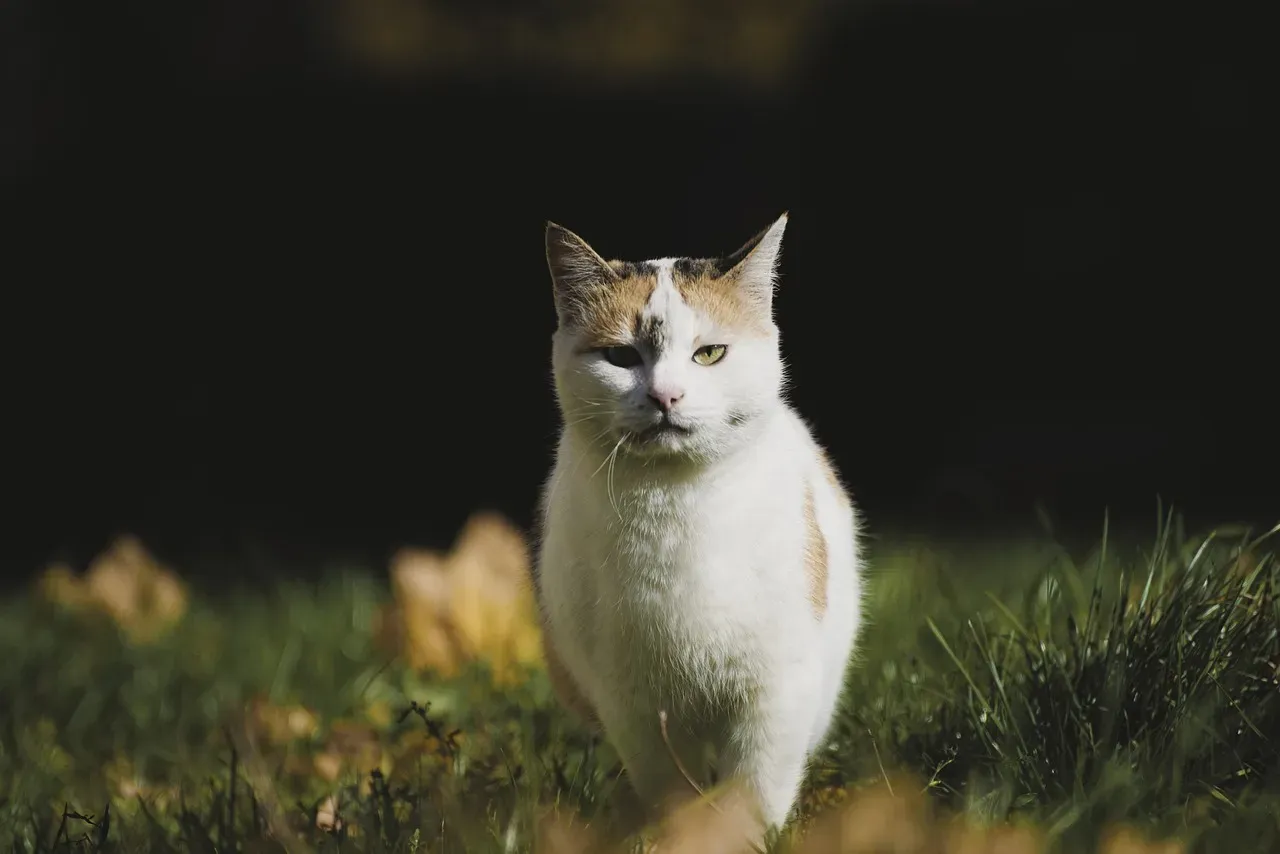
That cat on your porch isn’t lost. It isn’t suffering. More often than not, it knows exactly where it is, has claimed its patch of the neighborhood, and is doing something quiet and unglamorous but genuinely useful. It’s keeping rodents in check, holding territory that would otherwise attract unknown and unvaccinated newcomers, and living the only life it has ever known.
The best thing you can do is resist the reflex to intervene without information. Learn whether it has an ear tip indicating it’s already been through a TNR program. Work to educate yourself on the benefits and resources for spay and neuter and vaccination, responsible feeding and management practices for those choosing to care for community cats, and effective methods to humanely deter and exclude animals from homes and structures and targeted areas. A little awareness goes a long way.
The relationship between humans and cats goes back roughly ten thousand years. There’s something fitting about the fact that even today, on a quiet residential street in 2026, a small cat sitting watch on your porch is still, in its own way, holding up its end of the deal.
Kristina is a young writer from India. An arts graduate and an avid content creator, Kristina is passionate about animals and wildlife. She enjoys exploring topics related to pet care, animal behavior, conservation, and nature, combining thorough research with engaging storytelling.