You’ve probably never seen one. That’s sort of the point. The bobcat moves through forests, deserts, swamps, and even suburban edges without ever asking to be noticed, and that near-invisibility is just one thread in a remarkably intricate survival story.
Rarely seen but plentiful in population, the bobcat roams across much of North America. Because of its easy adaptation to a variety of habitats, this species is the most abundant wild cat in the United States and also has the greatest range of all native cats on the continent. For an animal that most people can’t name five facts about, that’s a genuinely impressive résumé.
The Art of the Ambush: A Hunting Technique Refined Over Millennia
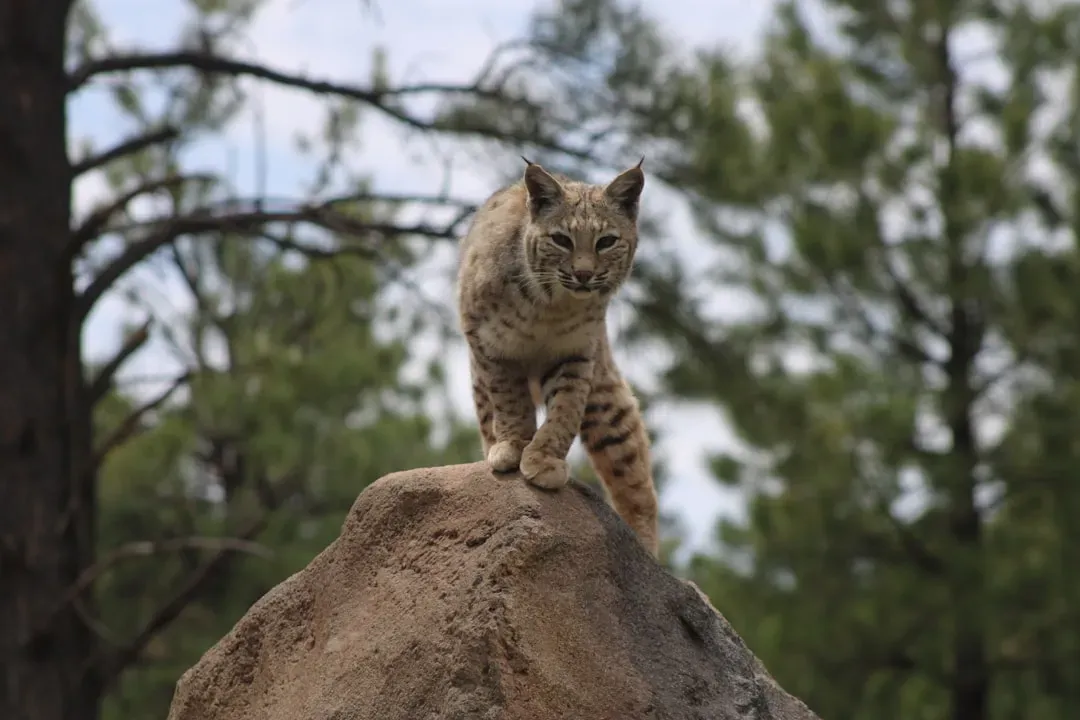
When you think of a skilled predator, you might picture raw speed or brute strength. The bobcat operates differently. It hunts by stalking its prey and then ambushing with a short chase or pounce. Patience is the real engine here, not muscle.
Bobcats hunt primarily by sight and sound, which means they spend much of their time sitting or crouching, watching, and listening. Once they’ve located prey, they stalk until they are close enough to make a quick dash, then attack. The whole sequence can happen in seconds, but the setup takes as long as it needs to.
For slightly larger animals, such as geese, ducks, rabbits and hares, it stalks from cover and waits until prey comes within about 20 to 35 feet before rushing in to attack. That restraint, the ability to hold position and commit only when the odds are right, separates an effective hunter from a merely energetic one.
Silent Footwork: The Stealth Walk That Reduces Every Sound
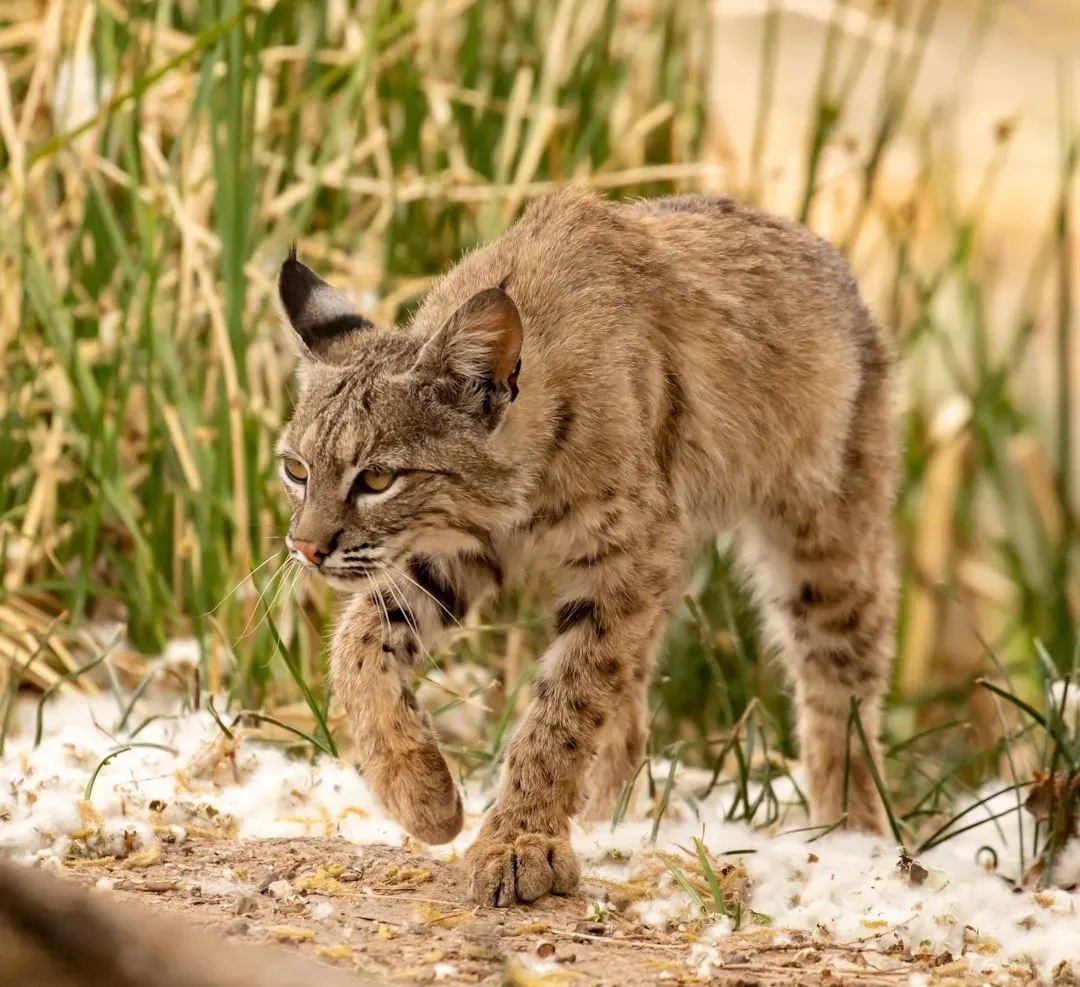
You might be surprised to learn that the bobcat’s stealth isn’t purely instinctual attitude. There’s real physical technique behind it. Bobcats place their back feet in the same spots where their front feet have stepped, specifically to reduce noise when hunting. It’s a walking pattern that minimizes every possible rustle or snap.
They are masters of the hunt, blending in perfectly with their surroundings and moving without a sound to get close to possible prey. They often carefully make their way through shrubs and other hiding spots, cleverly using the layout of the land to hide their movement. Every step is a deliberate choice, not a casual trot through the underbrush.
A Coat That Changes With the Season
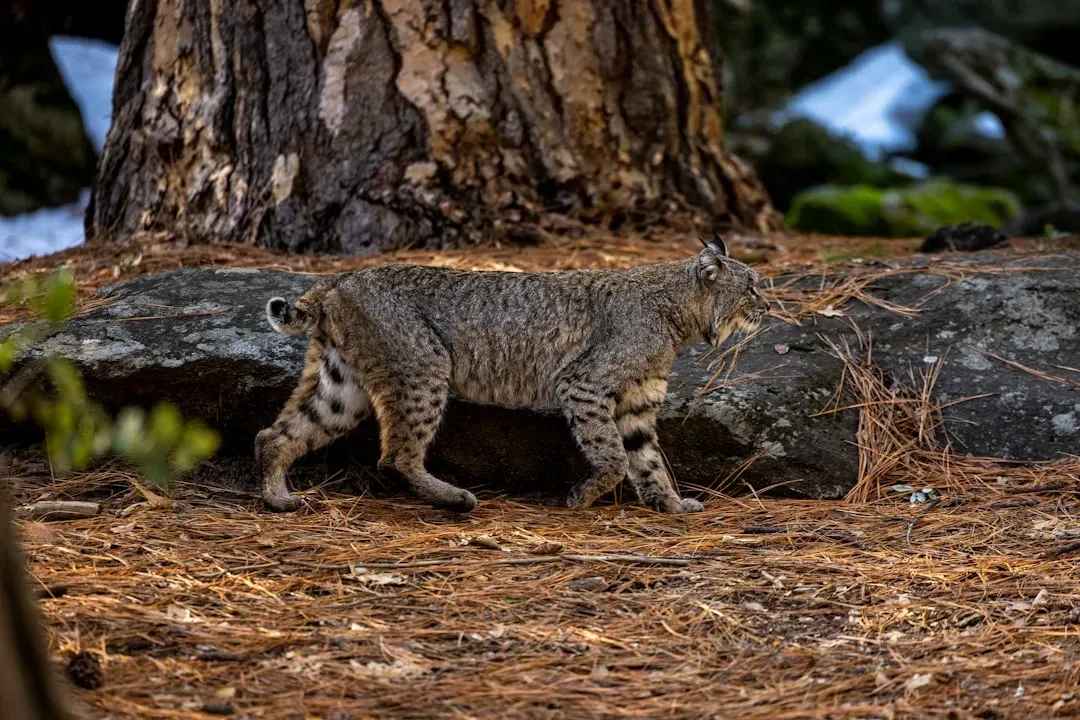
Camouflage isn’t just a fixed feature for the bobcat. It’s a dynamic one. Physical characteristics of the bobcat change slightly to allow for better camouflage in its habitat, appearing reddish-brown in summer and tawny-gray in winter months. That seasonal shift is a quiet but effective advantage.
The bobcat’s black-spotted, brown coat blends in well with the rocks, brush, and other dense vegetation where it hunts its main prey: the cottontail rabbit. Combined with its low, compact profile, this coat makes it almost structurally invisible at short distances in natural settings. Bobcats are notoriously elusive, rarely seen by humans despite their widespread presence. They blend seamlessly into their surroundings, aided by their camouflaged coats.
Senses Tuned to the Wild: Vision, Hearing, and Instinct
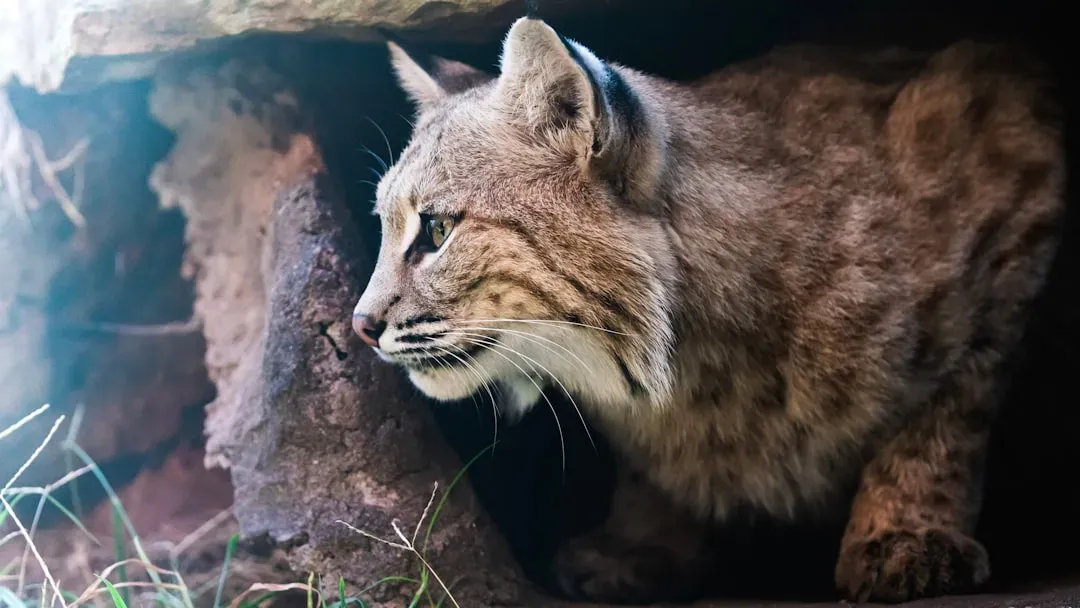
The bobcat’s sensory toolkit is genuinely impressive, and it’s worth understanding what each piece actually does. In dim light, bobcats can see up to six times better than humans. That’s not a small advantage when you’re hunting at dusk or navigating dense cover before dawn.
Bobcats are often nocturnal and are active hunters during dawn and dusk, likely because their prey may be active during these times and the bobcats have more rods and cones in their eyes, allowing for better vision in the dark. Additionally, the bobcat’s eye has an elliptical shape with a larger cornea allowing more light to enter, so prey or predators are more prominent at night.
Their acute hearing is a crucial asset, allowing them to detect even the faintest sounds of prey or approaching danger. The tufts on their ears are thought to enhance this ability, acting like antennae to pick up subtle vibrations. When vision fails in total darkness, those ears take over the job.
Food Caching: The Bobcat’s Version of Meal Planning
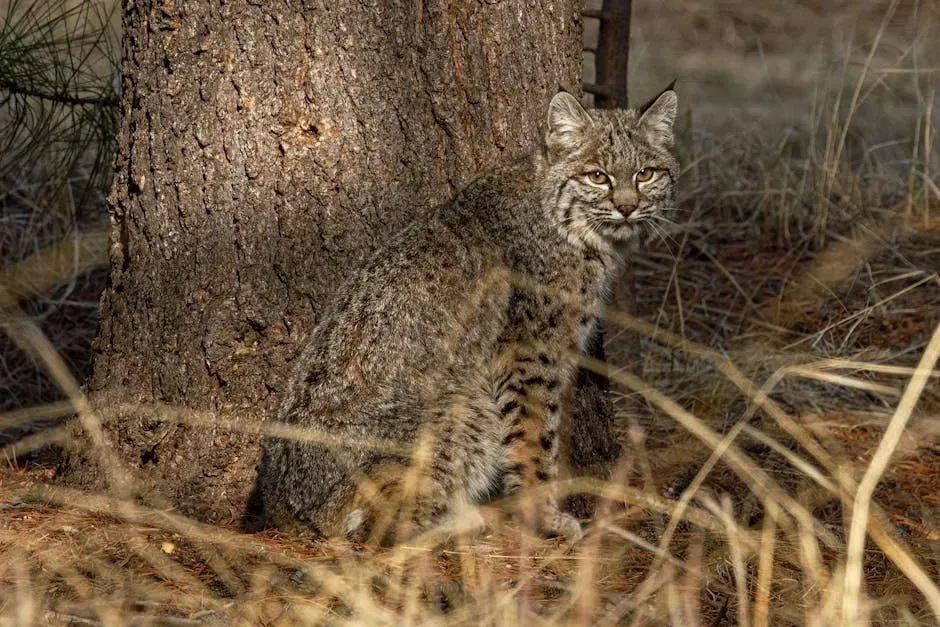
Most people don’t associate wild cats with strategic thinking about food storage, but the bobcat does something remarkably practical. A bobcat will often cover, or cache, the remains of a large kill with snow, grass, or leaves, revisiting the carcass until most of it is consumed. Nothing gets wasted.
The bobcat is able to survive for long periods without food, but eats heavily when prey is abundant. During lean periods, it often preys on larger animals, which it can kill and return to feed on later. This combination of restraint and opportunism means the bobcat stays fed across seasons when other predators struggle. It’s a system that works not because it’s flashy, but because it’s disciplined.
Territory Management: Knowing Your Land Better Than Anyone
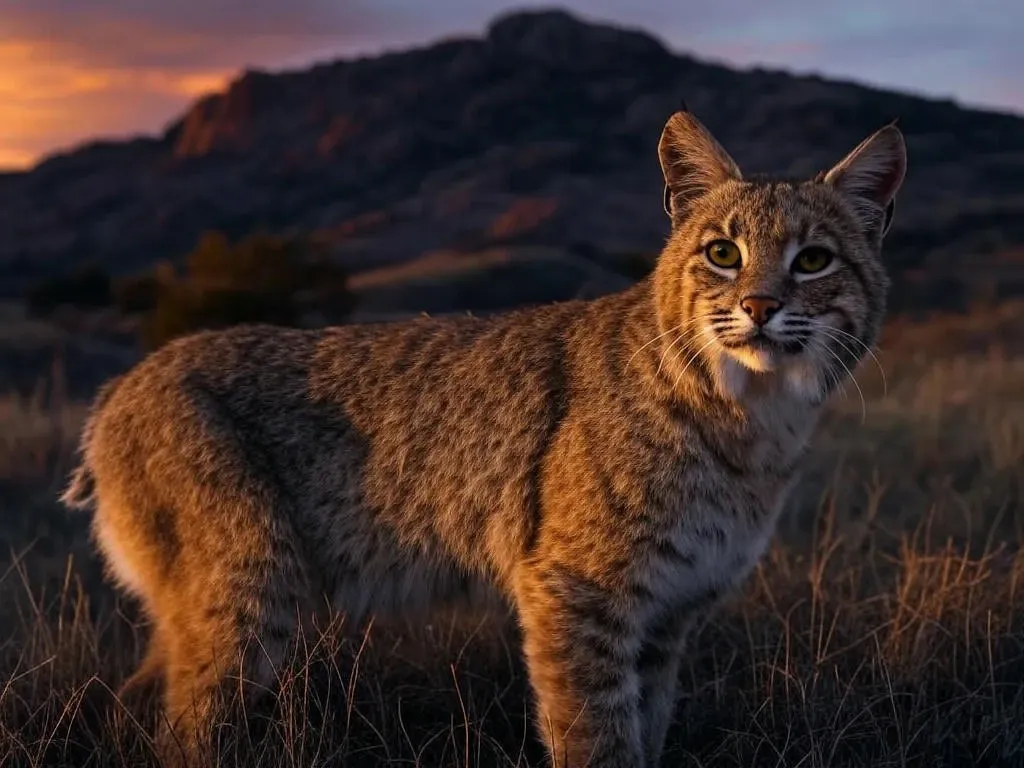
A bobcat doesn’t just wander. It operates within a carefully managed home range that it knows in extraordinary detail. It uses several methods to mark its territorial boundaries, including claw marks and deposits of urine or feces. These signals communicate a clear message to rival bobcats without requiring direct confrontation.
Regular patrolling is a common behavior where bobcats travel around the edges of their territory, marking boundaries or checking for intruders. Patrolling also helps them locate prey hotspots within their range. Home range size of bobcats in Maine, for example, varies from about 36 square miles for adult males and about 18 square miles for adult females. That’s a lot of terrain to know intimately, and the bobcat knows every inch of it.
Flexible Diet: Eating Whatever the Land Provides
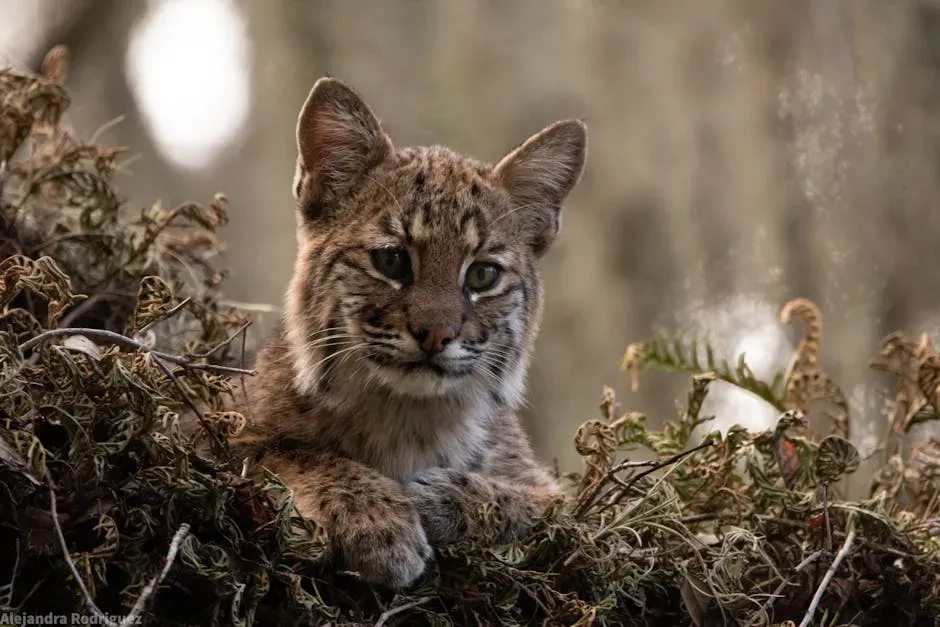
Perhaps the most underappreciated survival secret of the bobcat is its willingness to eat almost anything available. Bobcats are carnivorous and opportunistic predators. This means they will change their strategies and diets depending on environmental circumstances and prey availability. For instance, if one of the bobcat’s main prey declines in their habitat, bobcats will diversify their diet.
Rodents and rabbits comprise a large part of the bobcat diet, but bobcats also consume squirrels, birds, fish, and even insects. They will sometimes hunt larger mammals such as deer and other ungulates and return to their kills to feed on them later. That range is remarkable for a mid-sized cat.
In Florida’s Everglades, bobcats have also been observed preying on invasive Burmese pythons and young alligators. These dietary expansions highlight the predator’s ability to adapt and help manage invasive species in unique ways. If a prey item exists and conditions favor a hunt, the bobcat rarely hesitates.
Conclusion
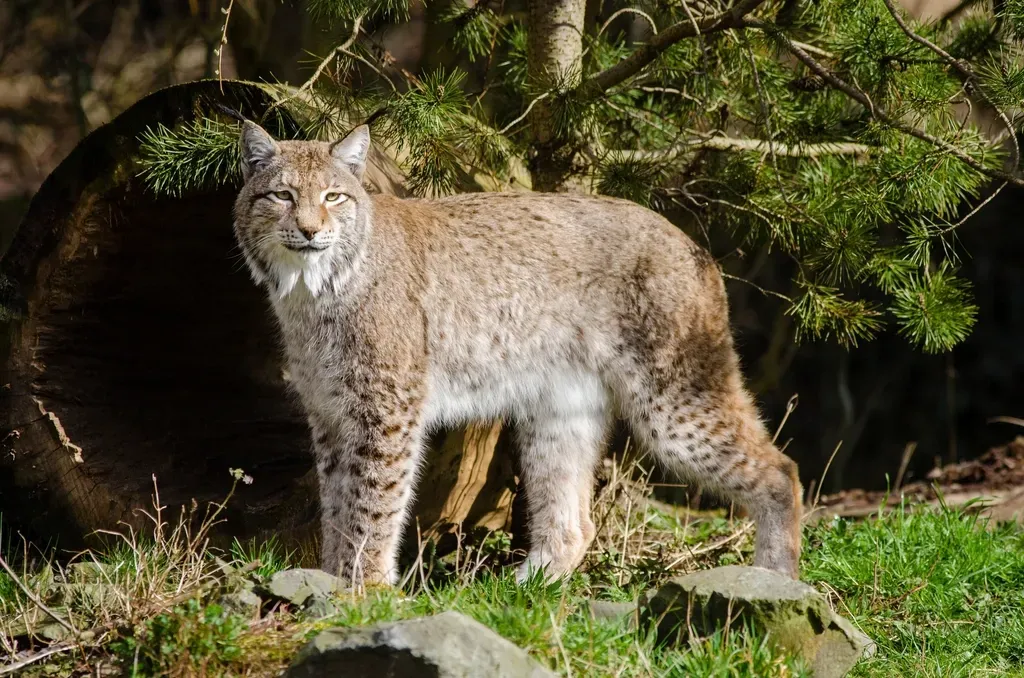
The bobcat doesn’t need size or spectacle to thrive. What it has instead is precision: a perfectly calibrated set of physical tools, behavioral strategies, and ecological flexibility that have kept it flourishing across an enormous continent for thousands of years.
With an estimated population exceeding three million individuals, bobcats are a testament to the resilience of North America’s wildlife. Despite habitat fragmentation and urban expansion, these cats continue to thrive, bridging the gap between wilderness and human development.
There’s a lesson in that, whether you’re a wildlife enthusiast or simply someone who pauses to think about what survives and why. The most enduring hunters aren’t always the biggest ones in the room. Sometimes, they’re the ones you never saw coming.
Kristina is a young writer from India. An arts graduate and an avid content creator, Kristina is passionate about animals and wildlife. She enjoys exploring topics related to pet care, animal behavior, conservation, and nature, combining thorough research with engaging storytelling.