There’s a running joke among cat owners that you don’t own a cat – your cat owns you. The funny thing is, it’s not really a joke. Whether you realize it or not, your feline companion has been quietly making very deliberate decisions about who controls the space, the schedule, and even you.
Cats aren’t noisy about it, either. They don’t express confidence in loud or obvious ways. Unlike dogs, they rarely show exaggerated excitement or outward pride. Instead, feline confidence appears through quiet behaviors, posture shifts, and small communication signals. Most of us walk right past these signals without a second thought. Here are seven surprisingly common ways your cat is letting you know, politely but firmly, that they’re in charge.
1. They Rub Their Face on Everything You Own (Including You)
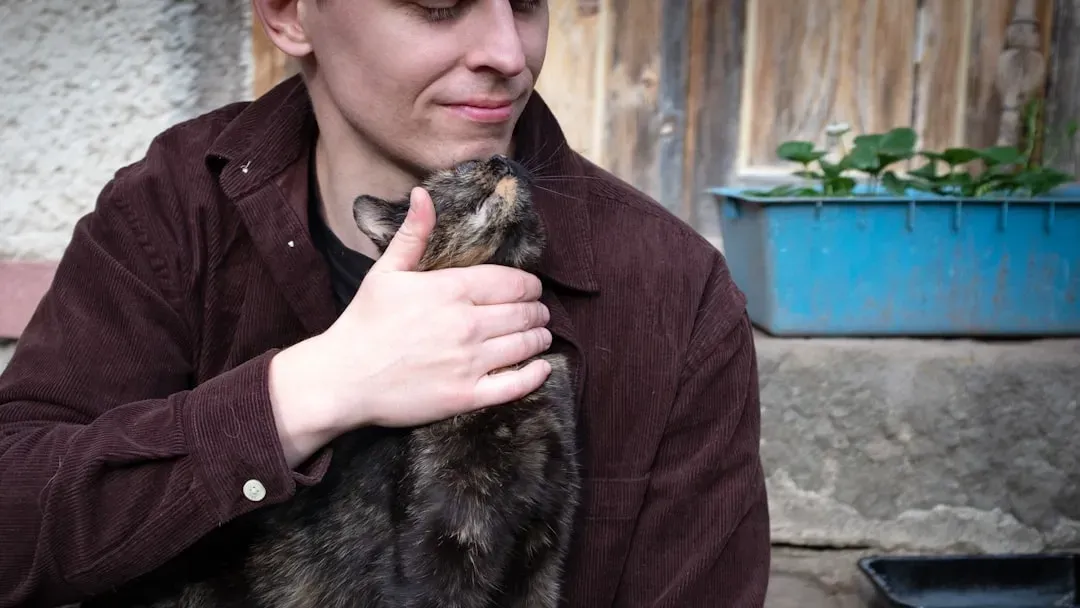
If your cat habitually presses their cheeks against your legs, the couch corners, or the doorframes, it’s not random affection. Cats are highly territorial animals, and scent marking is one of the primary ways they establish boundaries. They have scent glands located in multiple areas, including their cheeks, forehead, paws, flanks, and the base of their tail. When a cat rubs its face against furniture, doorways, or even people, it deposits pheromones that signal ownership and familiarity.
This head rubbing is often referred to as “bunting.” It’s a way for cats to claim ownership of objects or individuals by leaving their unique scent behind. Unlike dogs who mark territory by urinating, cats use these subtle scent markers to communicate with other felines without causing a mess. When your cat rubs their cheek on your arm, you might feel loved. What’s actually happening, to be fair, is both – when your cat rubs its head on you, it’s marking you as part of its territory and social group, and this is a sign of trust and acceptance in feline terms.
2. They Decide When Playtime Starts and Stops
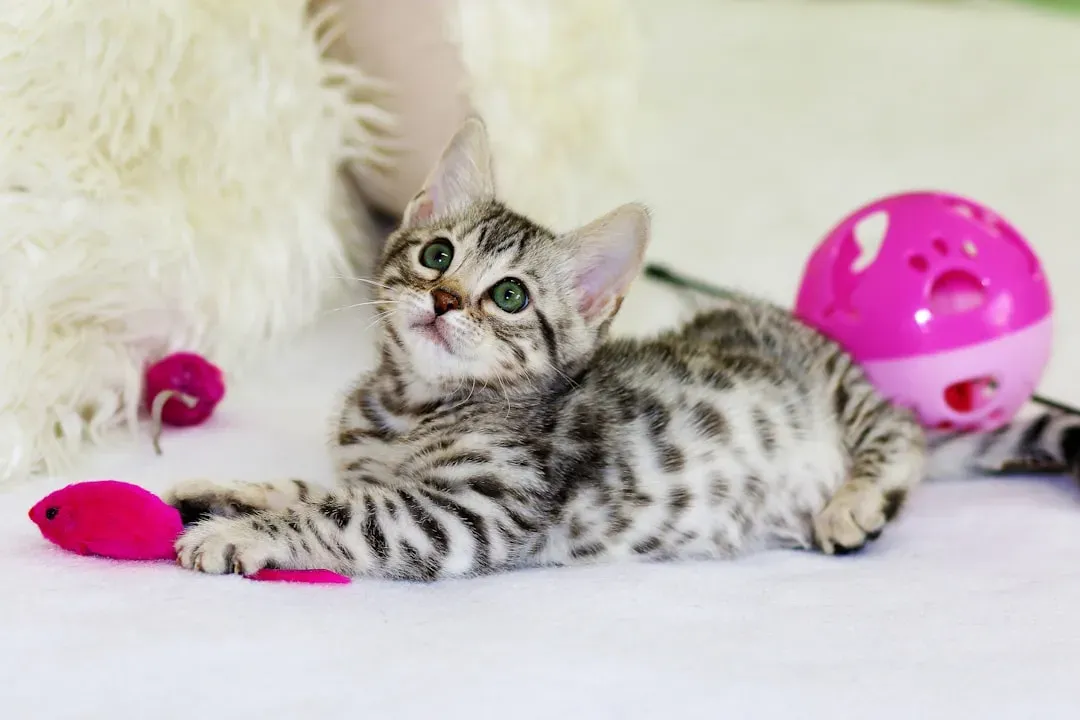
The top cat, or dominant cat, is the one that controls the resources within the group. You may see your top cat eat first, take the best and highest perches, and decide when play starts and stops. Pay attention to who actually initiates your next play session. Chances are, your cat showed up at your feet with a toy, stared at you with intent, or knocked something off a surface to get you moving.
Assertive cats don’t limit this behavior to other cats. Toward their owners, it shows up as demanding food on their own schedule through persistent meowing, pawing, or sitting on your chest at 4 AM, walking between your legs to redirect your attention, or repeatedly sitting on whatever you’re looking at. Some assertive cats will also steal food directly from your plate or knock things off counters to get a response. That knocked-over water glass wasn’t an accident. It was a meeting request.
3. They Claim the Highest Spots in Every Room
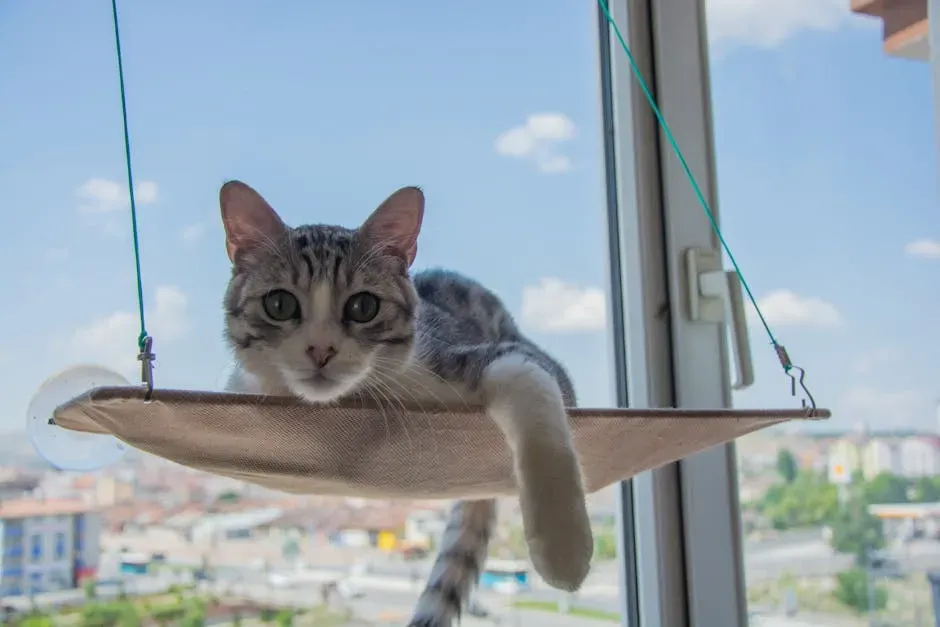
Your cat’s obsession with the top shelf, the fridge, or the tallest cat tree isn’t just about curiosity. Height is a direct status signal in the feline world. A confident cat moves gracefully, standing upright with its tail held high. Cats who secure elevated positions are, in a very deliberate sense, placing themselves above everything else in the room – including you.
One of the most reliable signs of a confident cat is a tail that’s lifted vertically, high in the air. Most of the time, this tail position indicates that the cat feels comfortable and open to interaction. However, in certain contexts – like warding off a strange cat in their own territory – a high tail can also indicate a willingness to attack. The high tail can represent a confident cat or a potentially aggressive cat depending on the scenario. Next time your cat surveys the room from the highest point available, know that they’re doing exactly what they intend to: keeping an eye on their kingdom.
4. They Block Your Path or Guard Doorways
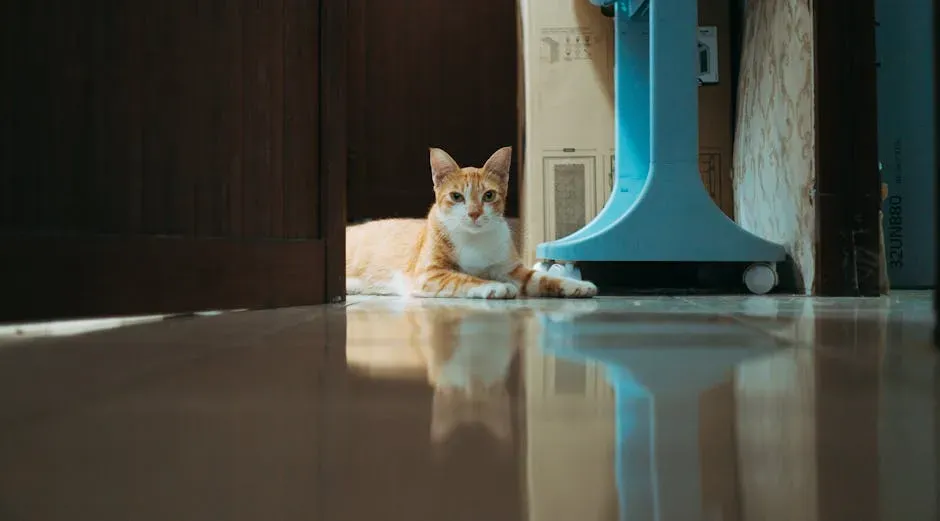
You’ve probably done it yourself: you’re walking through your own hallway and your cat simply sits there, not moving, forcing you to step around them. This isn’t laziness. Dominant cats will block the movement of subordinate cats, and sometimes they will replace or supersede the movements of the submissive cat. The fact that your cat extends this behavior to you says quite a lot about how they rank the household.
Staring, blocking entry to an area, and standing on or sitting next to another individual are all forms of passive aggression described in feline behavior literature. If your second cat consistently takes long routes around the house or hesitates in certain hallways, look for which cat is regularly stationed at those points. Even in a single-cat household, you’re not exempt from being redirected. A dominant cat uses its position to keep other animals away from specific house areas by moving in front of them and pursuing them throughout the home. A cat guards its personal territory by doing this behavior to show it rules those areas.
5. They Sleep on You to Mark You as Theirs
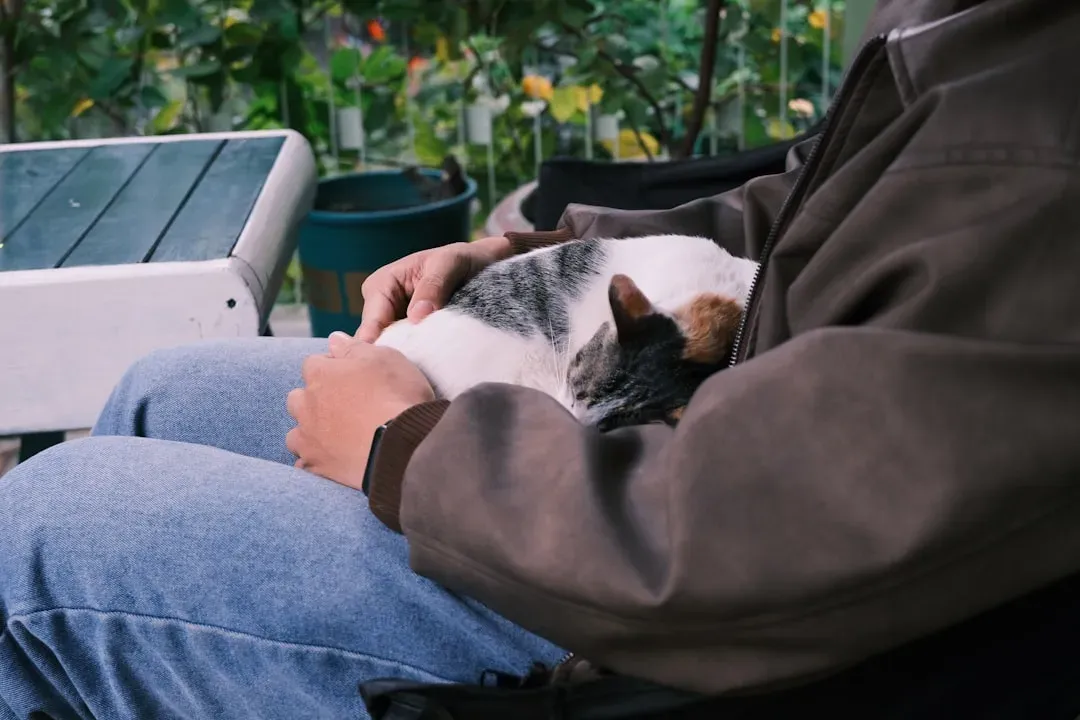
There’s something undeniably sweet about waking up with your cat draped across your chest. It does feel like love, and in many ways, it genuinely is. Cats only lie on the laps of people they trust, so know that this is the highest compliment your cat can give you. Cats are vigilant animals, often taking short catnaps in a light sleep mode with one ear always listening for signs of trouble. When they need a deeper sleep, they seek out a super secure place to fully relax. A kitty who sleeps on you is proving their trust in you, that you have a strong bond that means your cat can fully relax in your presence.
Still, there’s another layer to it. You’ve likely seen your kitty rubbing their face on objects around your home and have probably even been the recipient of a face rub now and then. This activity deposits your pet’s scent and marks the object (or person) as “theirs.” When your cat sits on you, they could be marking ownership of you. One of the reasons why cats sit on your lap could be to mark their scent on you and let other cats know that you belong to them. Flattering, in a very territorial sort of way.
6. They Stare You Down Without Blinking
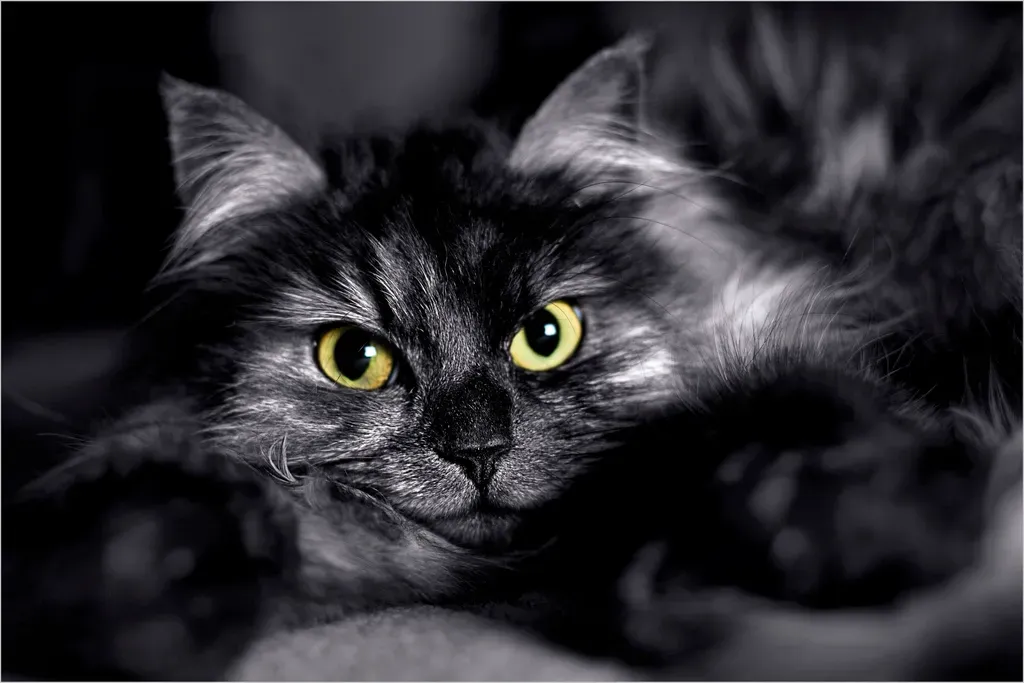
A prolonged, unblinking stare from your cat is not nothing. In feline communication, staring is a loaded signal. Staring is usually a threatening signal in the cat world, but slowly opening and closing the eyes is a calming signal. When a cat looks at you and squints or blinks slowly, the cat starts to feel calm and confident. The difference between the two matters: a slow blink is an invitation, while a hard, steady stare is something closer to a quiet assertion of authority.
A dominant cat stares at the other individual. In more extreme displays, they may slowly wag their head from side to side. Typically in cat groups, displays of dominance are subtle and only one of the above actions is present at a time. If your cat locks eyes with you and simply holds that gaze without softening it into a slow blink, you’re being sized up. The most important thing to remember is not to stare back at your cat, as it tends to escalate the tension rather than resolve it.
7. They Control Your Schedule Without You Noticing
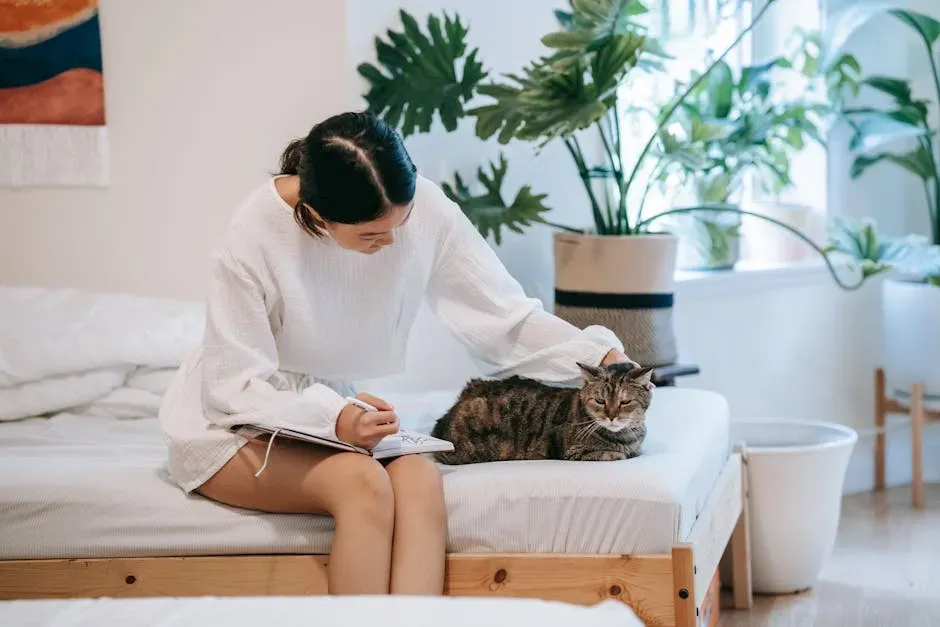
Your alarm goes off at 7 AM, but your cat decided 5:30 AM was the right time to be awake – and somehow, here you are. The lack of understanding of a cat’s ways and natural behavior can reinforce inappropriate behavior to the point that they truly believe that you are in their territory and that they can essentially tell you what to do. Over time, the feeding schedule, the bedtime routine, and even when you’re allowed to move off the couch are quietly dictated by your cat’s preferences, not yours.
Cats communicate and establish boundaries through subtle behaviors, body language, and environmental control. This extends to you. Felines are territorial creatures that will show aggression if their resources are limited, and to a cat, your attention is absolutely a resource. The cat who greets you at the door, follows you from room to room, or meows persistently until fed at the exact hour they’ve come to expect isn’t just being cute. They’re managing their household, and you happen to live in it.
What This All Means for You
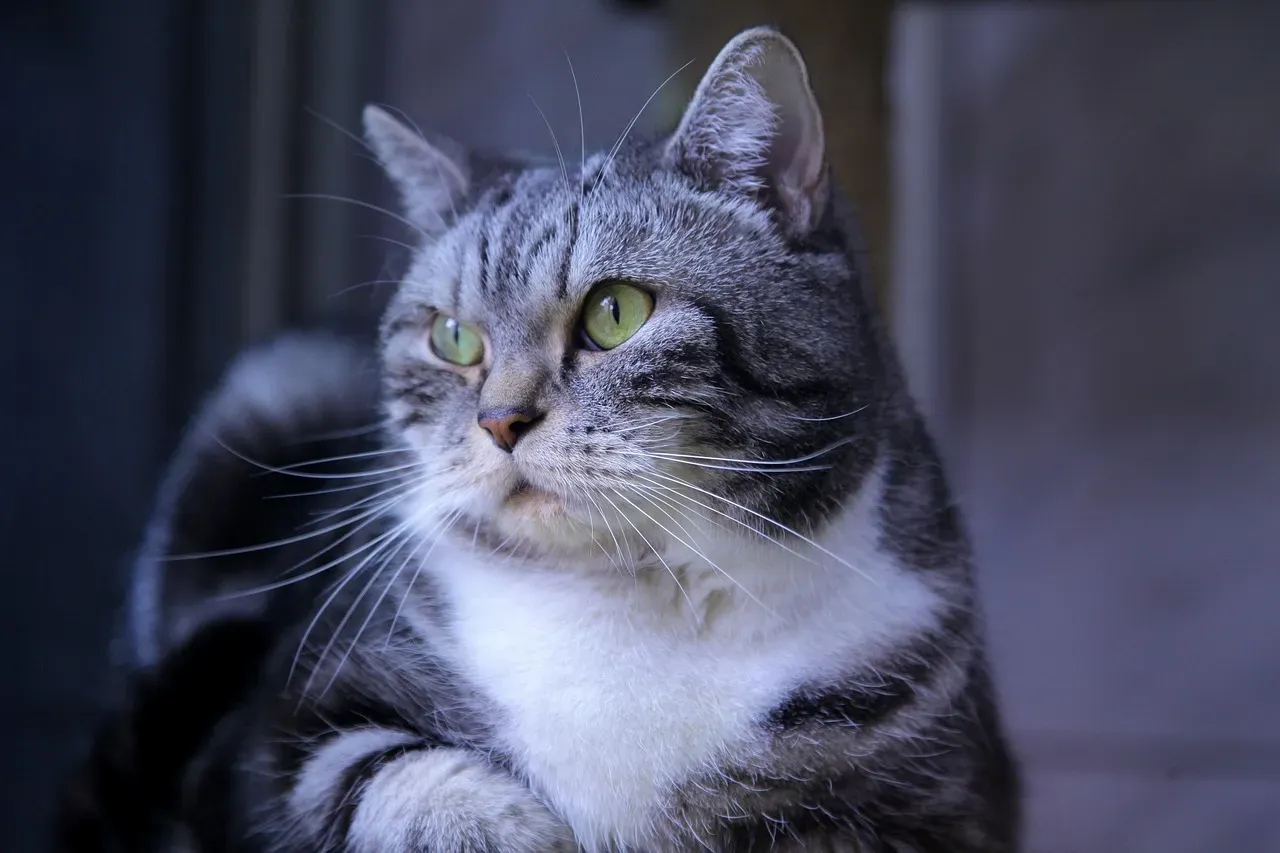
None of this is cause for alarm. Cats expressing confidence and territorial behavior in your home is, for the most part, completely natural. Modern feline behavior research is clear that cats don’t form rigid dominance hierarchies the way dogs sometimes do. What looks like dominance is almost always about resource competition – one cat claiming priority access to things it values. The cat who “owns” the food bowl at dinner may defer to another cat on the couch an hour later. Understanding this makes the signs easier to read and easier to address.
Establishing a harmonious relationship with your feline companion requires understanding that cats don’t respond to dominance the same way dogs do. While many pet owners search for ways to assert themselves, the key lies in building mutual respect through positive reinforcement and understanding feline behavior. The real takeaway here isn’t that your cat is a problem – it’s that they’re remarkably good at getting what they need. Understanding their signals means you can engage with them on their terms, and that actually makes the relationship richer for both of you.
Your cat isn’t just sharing your home. They’re presiding over it. The least you can do is appreciate how elegantly they pull it off.
Kristina is a young writer from India. An arts graduate and an avid content creator, Kristina is passionate about animals and wildlife. She enjoys exploring topics related to pet care, animal behavior, conservation, and nature, combining thorough research with engaging storytelling.