You walk through the front door after a long day, and before you’ve even set down your bag, there it is: a small, furry form padding toward you with a tail held high. Or maybe your cat is already waiting at the threshold, launching into a quiet trill the moment she hears your key in the lock. It feels simple. It might even feel unremarkable.
But those first few seconds of reunion carry a surprising amount of information about trust, emotional bonding, and your cat’s internal world. Cat greetings don’t look the way dog greetings do, and that gap in expression has led generations of people to assume their cats don’t care much whether they come or go. Science has steadily dismantled that assumption.
The Upright Tail: Your Cat’s Clearest “Hello”
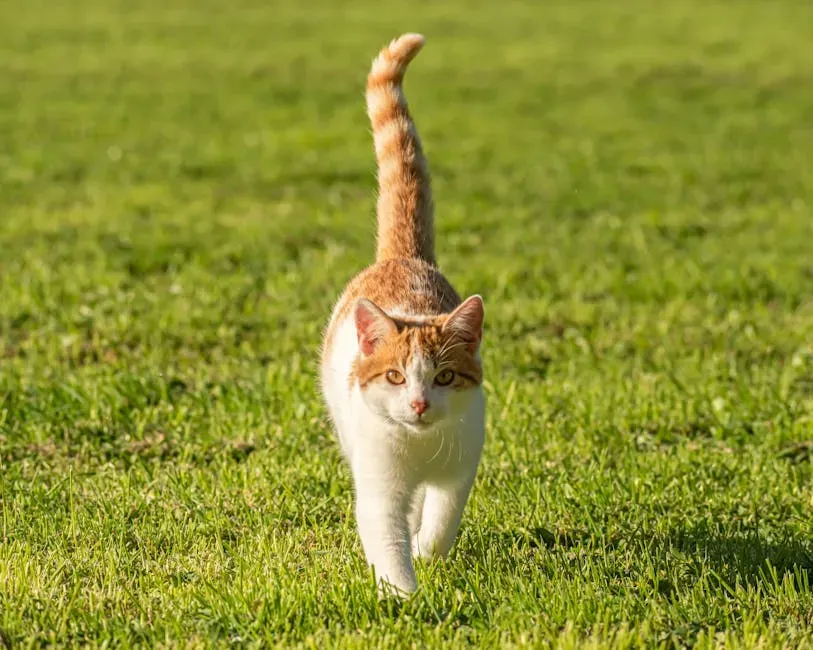
When your cat approaches you with her tail pointed straight toward the ceiling, she’s sending one of the most unambiguous signals in the entire feline communication system. When greeting their owners, cats often hold their tails straight up with a quivering motion that indicates extreme happiness. It’s the feline equivalent of a wave, legible at a distance before your cat has even reached you.
What makes this gesture interesting is its origin. The tail-up greeting signal is a domestication invention that wild cats never developed. Doctoral research by Charlotte Cameron-Beaumont at the University of Southampton demonstrated through silhouette experiments that wild cats do not use the tail-up posture, while domestic cats evolved the tail-up greeting specifically to communicate peaceful intent at a distance. In other words, your cat developed this signal as part of living alongside humans, which says something meaningful about the relationship itself.
The Quivering Tail: Excitement Turned Visible
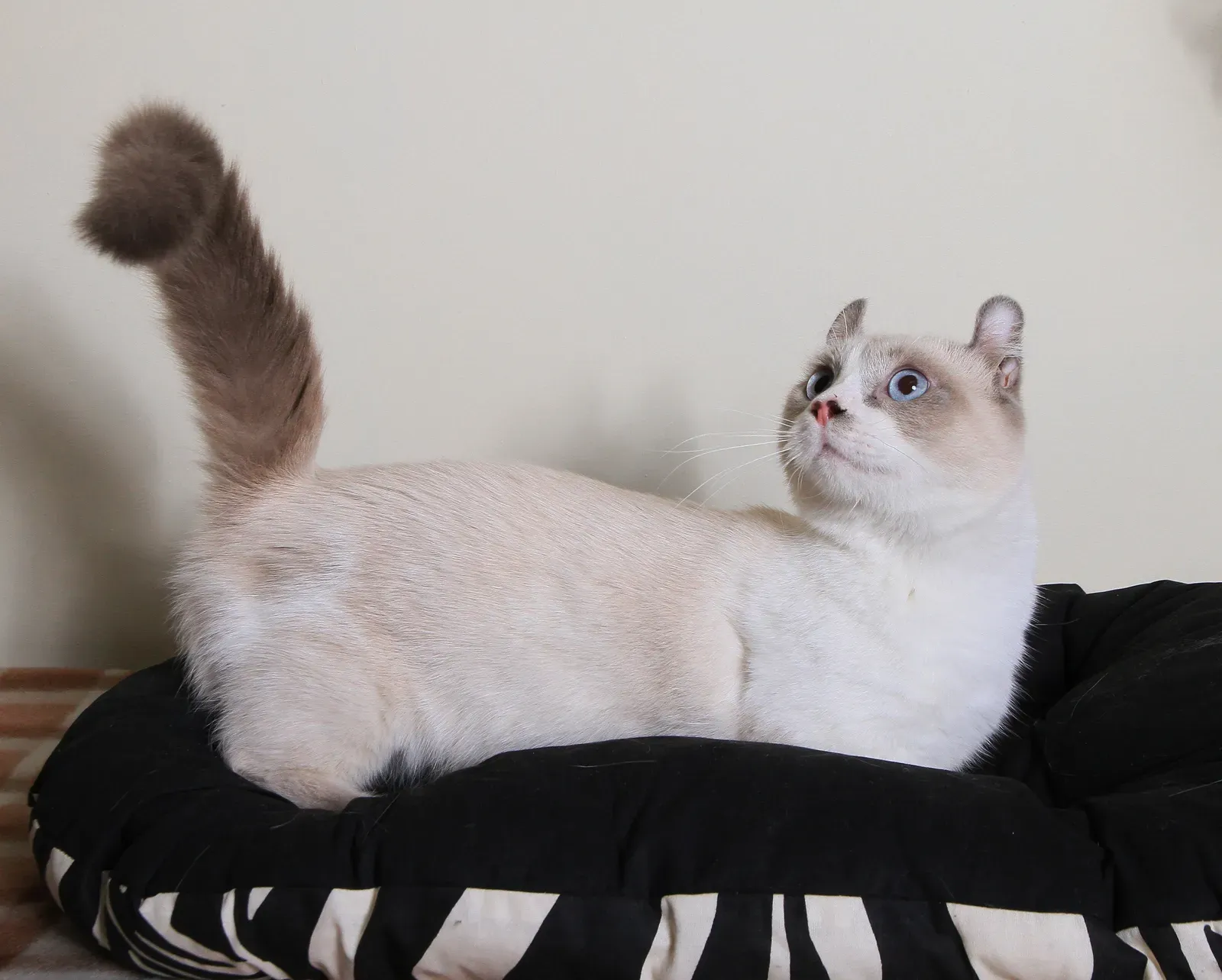
You’ve probably noticed that sometimes the upright tail isn’t perfectly still. It vibrates. Your cat may quiver their tail when they are especially excited to see you or another cat. That tiny tremor isn’t a nervous tic. It’s enthusiasm expressed through the body, a kind of involuntary flag of delight.
A tail quiver usually indicates intense happiness mixed with affection, and is often seen when greeting owners after separation. A gentle quiver of the upright tail when greeting an owner signals excitement, not the broad lateral wagging people associate with canine joy. So while it might look like a small thing, that little shimmer is your cat telling you, in the most honest language she knows, that your return mattered to her.
Leg Rubbing and Allorubbing: You’ve Been Claimed (In a Good Way)
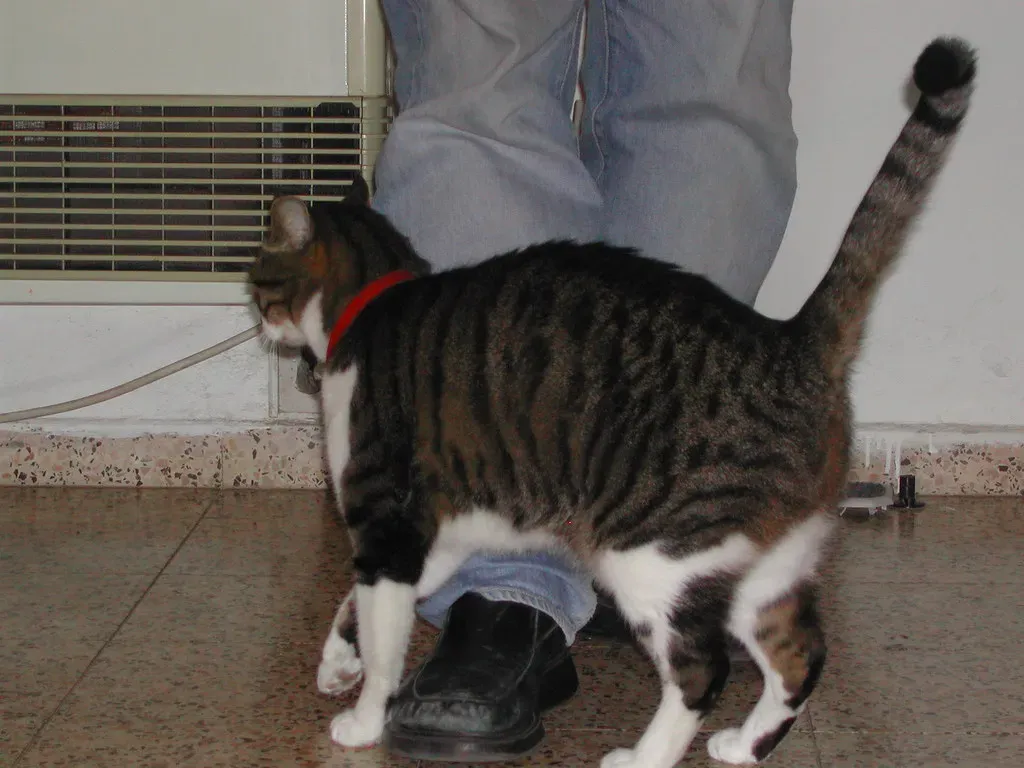
When your cat presses her body against your legs and moves along them, she’s not just asking for attention. She’s actively marking you. Cats have scent glands on their head and around their ears, and they often rub their heads against people and inanimate objects that they value. This is known as allorubbing, and it serves a deeply social function.
Cats exhibit greeting behaviors with humans that are appropriate for their species, such as nose-touching, allogrooming, and head rubbing. Therefore a cat that saunters up to you when you come home and rubs her head against your leg is expressing a friendly greeting that is reserved for familiar members of their social group. When your cat marks you this way, she’s confirming that you belong to her world, not just passing through it.
Head Bunting: The Inner Circle Signal
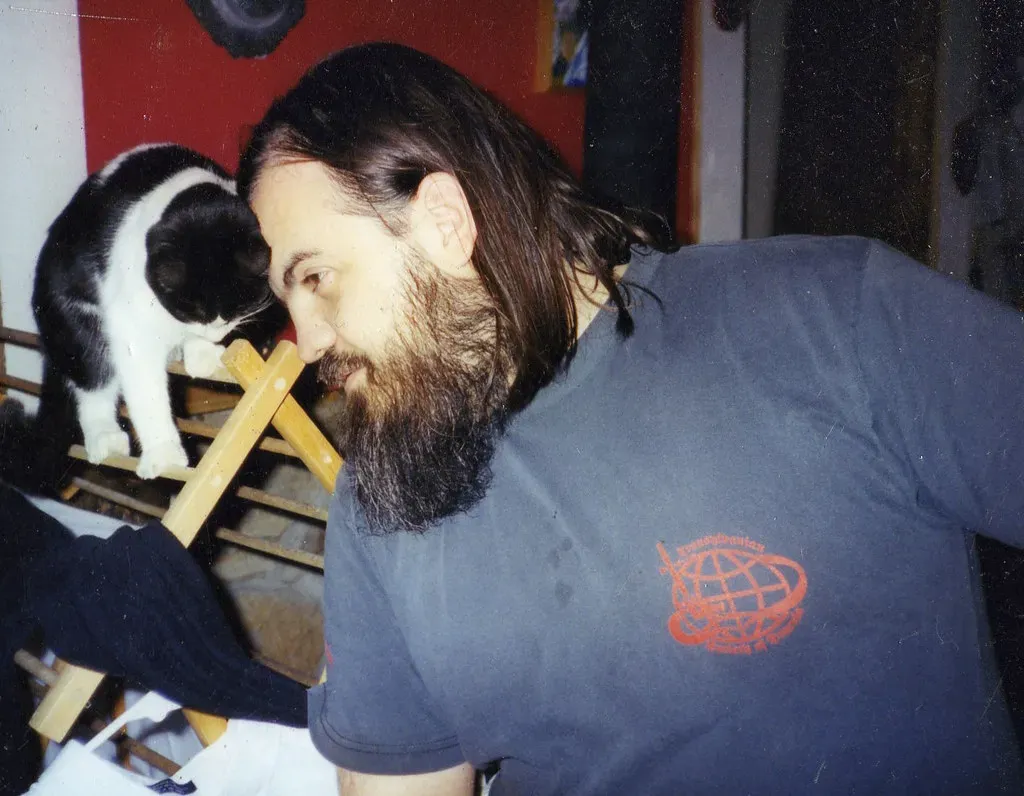
Head bunting, sometimes called bunting, is when your cat presses her forehead or the side of her face firmly against you. It looks affectionate because it is. Cat headbutting, also called bunting, is usually a friendly behavior where cats mark you with their scent to show bonding, comfort, and familiarity. The scent glands concentrated around the cat’s face leave invisible chemical markers that communicate trust and social inclusion.
In the feline world, bunting is also a polite form of greeting. You might notice your cat bunting your leg when you come home from work or bunting your face to wake you up in the morning. This is their way of reaffirming your bond after a period of separation, no matter how short. Cats don’t bunt just anyone. If your cat rubs its forehead on you, you’re in the inner circle.
The Slow Blink: A Greeting That Doesn’t Require Movement
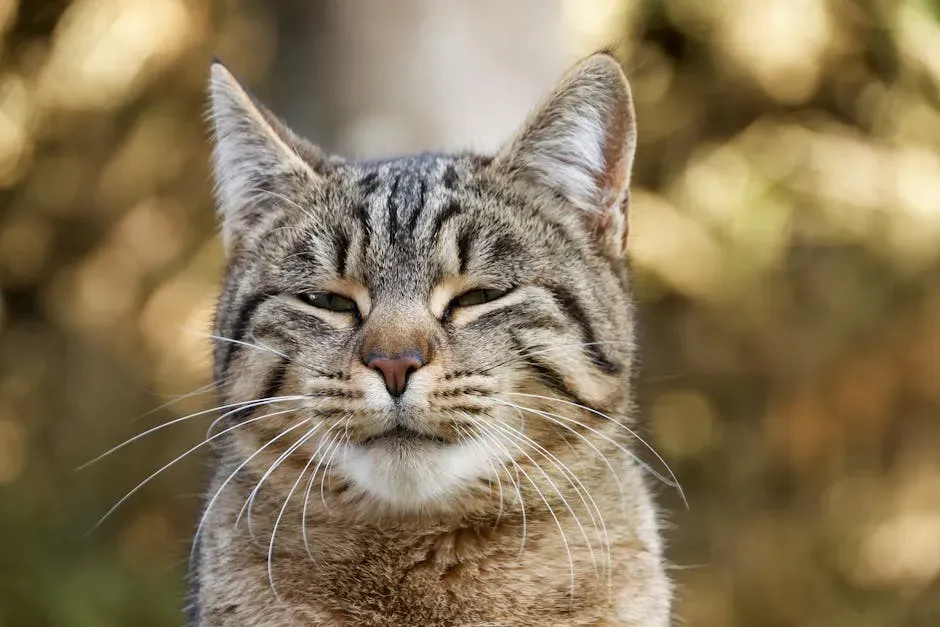
Not every greeting involves motion. Sometimes your cat will simply look at you from across the room and blink slowly, her eyes closing partway and reopening in an unhurried, deliberate way. When cats greet another cat or a person in their vicinity, they can do a slow, languid, long blink to communicate affection if they trust the person or animal they are in contact with. One way to communicate love and trust to a cat is to say its name, get its attention, look it in the eyes and then slowly blink at it to emulate trust and love. They may return the gesture.
Slow blinking serves as a form of positive emotional communication between cats and humans, helping to build trust and strengthen the bond between the two species. You can actually mirror this back. If you slow blink at your cat, particularly if they already slow blinked at you, it’s a great way to solidify your bond. Think of it as a kind of communication between the two of you. It’s an exchange that requires nothing more than a moment of shared attention.
Vocalizations at the Door: Your Cat Is Talking to You Specifically
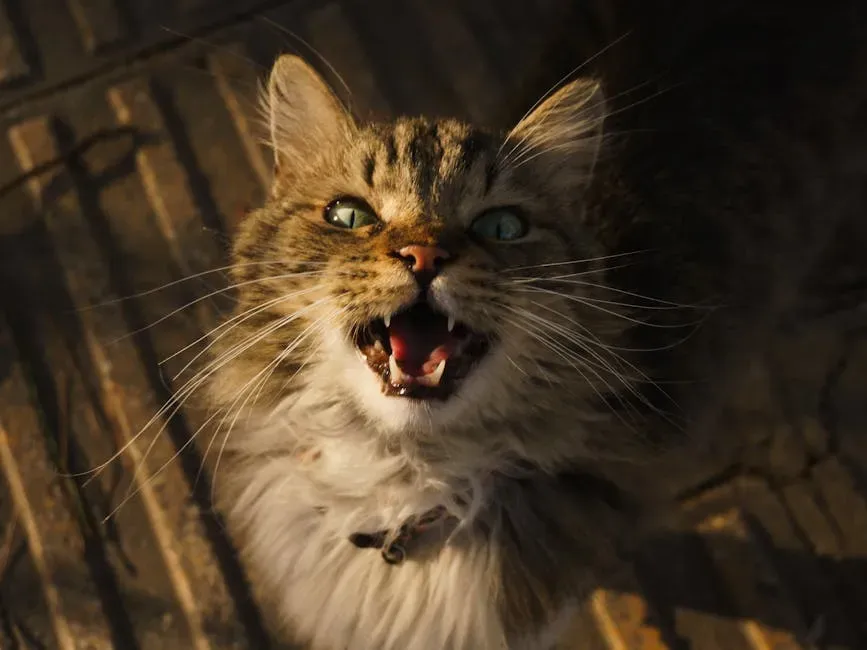
Meowing, trilling, chirping as you walk in: these sounds aren’t random. They’re directed communication, and they evolved specifically for your benefit. In the wild, cats prefer communicating through body language and scent marking instead of meowing. Domesticated cats, however, have adapted their vocal behavior to communicate with humans. They’ve learned that meowing gets them what they want, whether it’s food, attention, or access to a room. So while cats typically reserve meowing for humans, they may sometimes meow at each other.
Recent research has added another layer to this. After analyzing hundreds of clips in a 2025 study, one thing stood out clearly: cats vocalized more frequently, including meows, purrs, and chirps, when greeting male caregivers than when greeting female caregivers. Domestic cats meow more frequently when greeting male caregivers than female caregivers, regardless of the cat’s age, breed, or household size. This behavior may be an adaptive response to less verbal engagement from men. Your cat isn’t just greeting you. She’s calibrating her approach based on who you are.
The Belly Roll: A Trust Display, Not an Invitation
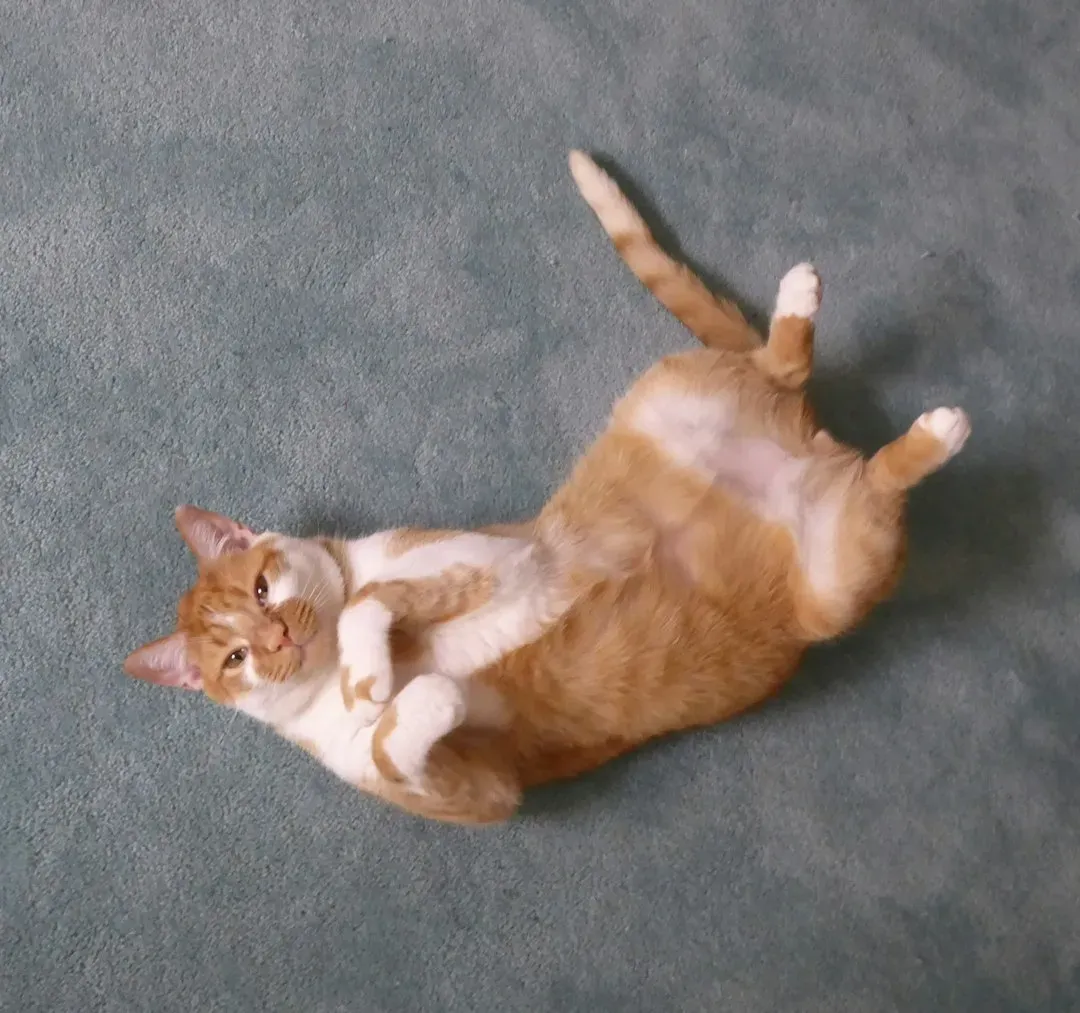
Some cats greet you not by coming to you but by rolling over and exposing their stomachs as you walk in. It looks like an invitation, but it reads differently in cat language. Some cats like to lie around and, rather than exert energy to come see you, they will instead roll over and expose their belly. This doesn’t mean they want you to come over and rub their belly. Instead, they’re showing that they feel safe, and the exposed belly shows they’re willing to leave themselves vulnerable.
Rolling over to expose the belly is a vulnerability display. It means your cat feels safe enough to drop their defenses around you. One important note: this isn’t always an invitation to touch. Many cats are happy to show their belly but don’t want it rubbed. Read it as a trust signal, not a petting request. Respecting that distinction actually goes a long way toward strengthening the bond between you.
The Silent Greeter: When No Greeting Is Still a Greeting
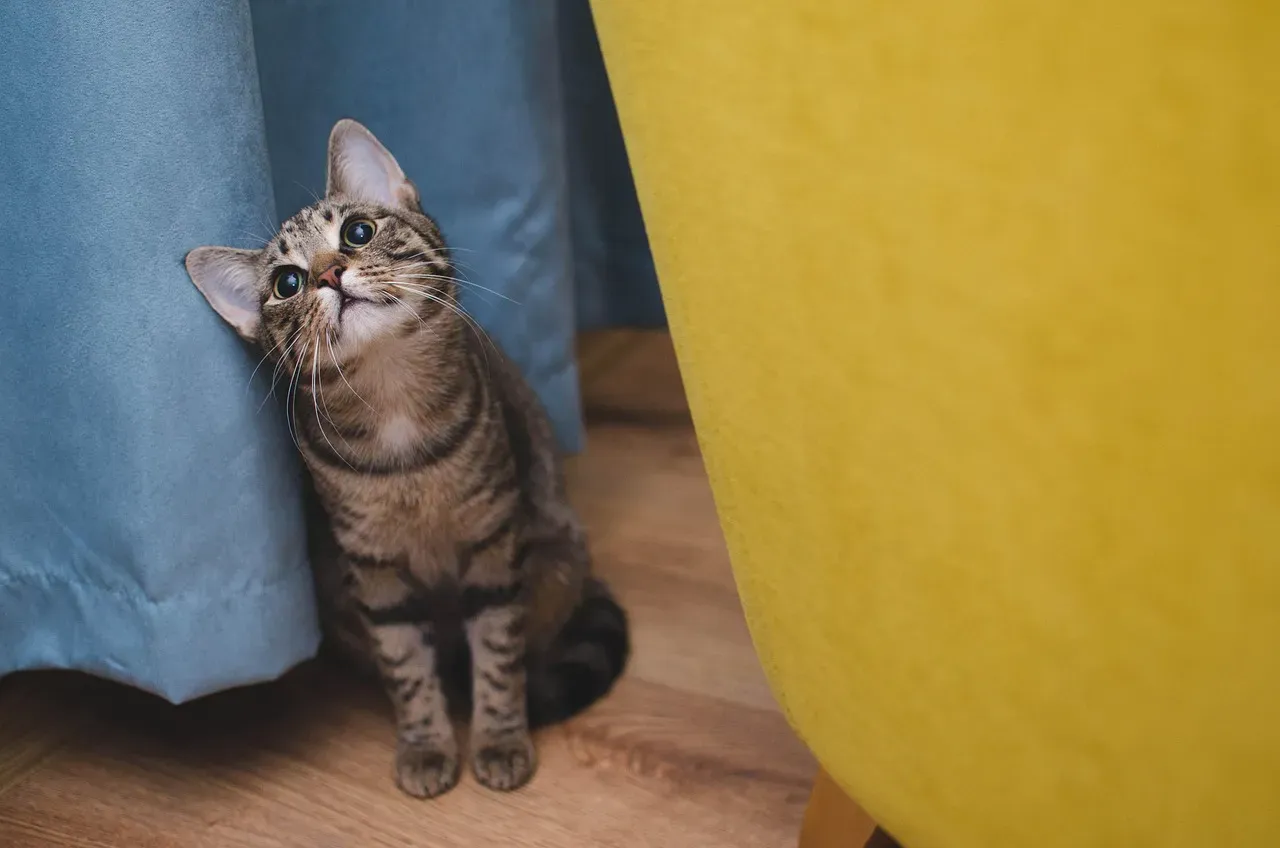
Not every cat rushes to the door. Some will lift their head from a comfortable perch, blink once, and return to their nap. Others may glance at you and flick their tail in acknowledgment. This restraint gets misread constantly. This lack of an overtly obvious emotional display leaves many people with the impression that cats are indifferent to us and not as loving and affectionate. Research into cat behavior demonstrates that this belief is incorrect and we simply are misinterpreting cat behavior through the lens of what’s expected behavior from the dogs in our lives.
Cats are very independent animals and when they do make the effort to greet someone, it is because they trust that person and consider them part of their world. A cat that stays put but tracks your movements with quiet, relaxed eyes is still registering your arrival. A cat that meets you at the door, trots over when they hear your voice, or meows when you walk in is showing that your return matters to them. Some cats are theatrical about it; others give a quiet tail raise and a blink. Either way, they noticed you came back.
What Science Says About the Bond Behind the Greeting
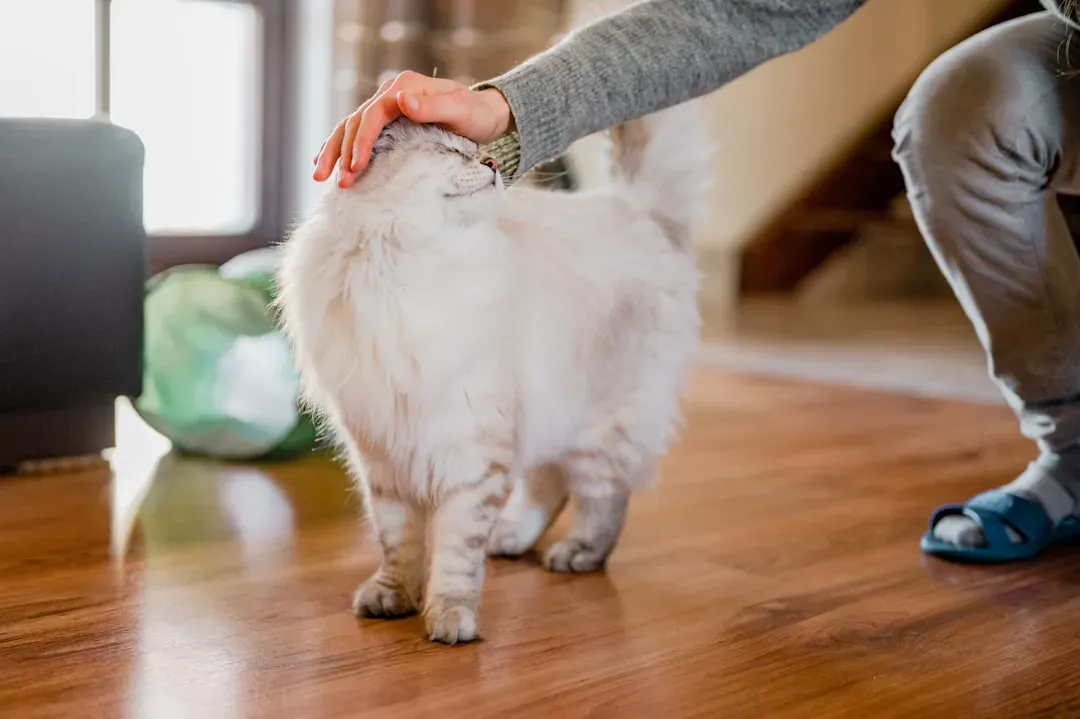
Every greeting behavior described above connects to something deeper: a genuine attachment between you and your cat. A study from Oregon State University finds that pet cats form attachments with their human owners that are similar to the bonds formed by children and dogs with their caretakers. It’s the first time that researchers have empirically demonstrated that cats display the same main attachment styles as babies and dogs. That’s not a metaphor. It’s a measurable behavioral pattern.
The current data support the hypothesis that cats show a similar capacity for the formation of secure and insecure attachments towards human caregivers previously demonstrated in children and dogs, with the majority of individuals securely attached to their caregiver. The amount of time a cat spent near its owner was positively linked to the rise in oxytocin levels during the interaction. In other words, the more a cat chose to stay close to its owner, the more likely it was to experience a boost in the hormone that supports relaxation and bonding. The greeting at the door is, in a very real sense, chemistry in action.
Conclusion
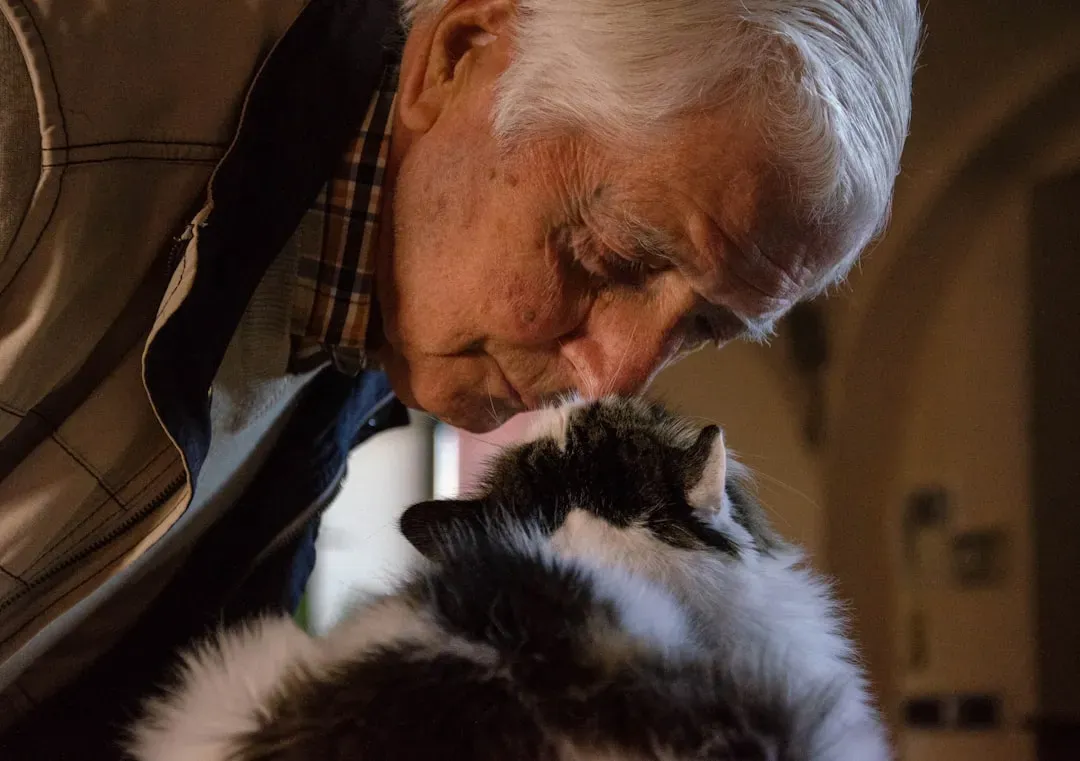
The next time your cat meets you at the door, or doesn’t, take a moment to read what’s actually being communicated. A raised, quivering tail is a form of joy. A slow blink from across the room is a form of trust. A head pressed against your shin is an invitation into your cat’s inner circle.
None of it looks like what we expect affection to look like, because cats didn’t evolve to perform for us the way dogs did. Their greetings are quieter, more deliberate, and in some ways more earned. When a cat chooses to approach you with her tail high and her gaze soft, she’s not doing it out of habit or obligation. She’s doing it because you’ve become part of her world, and to a cat, that means something.
Kristina is a young writer from India. An arts graduate and an avid content creator, Kristina is passionate about animals and wildlife. She enjoys exploring topics related to pet care, animal behavior, conservation, and nature, combining thorough research with engaging storytelling.