You’ve probably noticed it before. You’re having a rough day, maybe sitting quietly on the couch, and suddenly your cat appears out of nowhere and settles beside you. No invitation, no noise, just presence. It seems too convenient to be chance, and increasingly, science agrees with you.
Cats have long been dismissed as indifferent creatures, more interested in napping than in your emotional world. Yet a growing body of research now paints a very different picture. Their awareness of your inner state is real, layered, and surprisingly sophisticated.
More Than a Coincidence: What the Research Actually Says
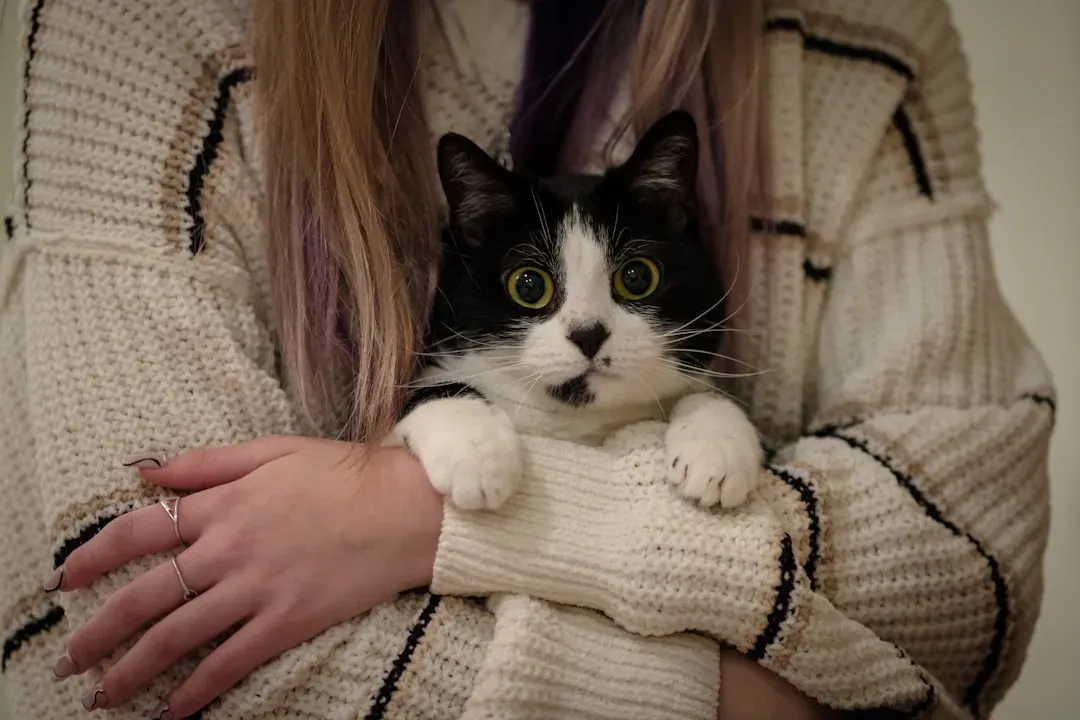
Research has demonstrated that cats integrate visual and auditory signals to recognize human emotions, and they appear to modulate their behavior according to the valence of the emotion they perceive. This means your cat isn’t just reacting to your behavior at random. There is a cognitive process happening behind those calm, watchful eyes.
Contrary to earlier findings suggesting that cat sensitivity to human emotional cues is restricted to their owner’s familiar expressions, research now shows that cats can recognize and interpret unfamiliar human emotional signals. In other words, your cat doesn’t only read you. They hold a broader mental model of human emotion that extends beyond the people they know best.
Reading Your Face: How Cats Decode Your Expressions
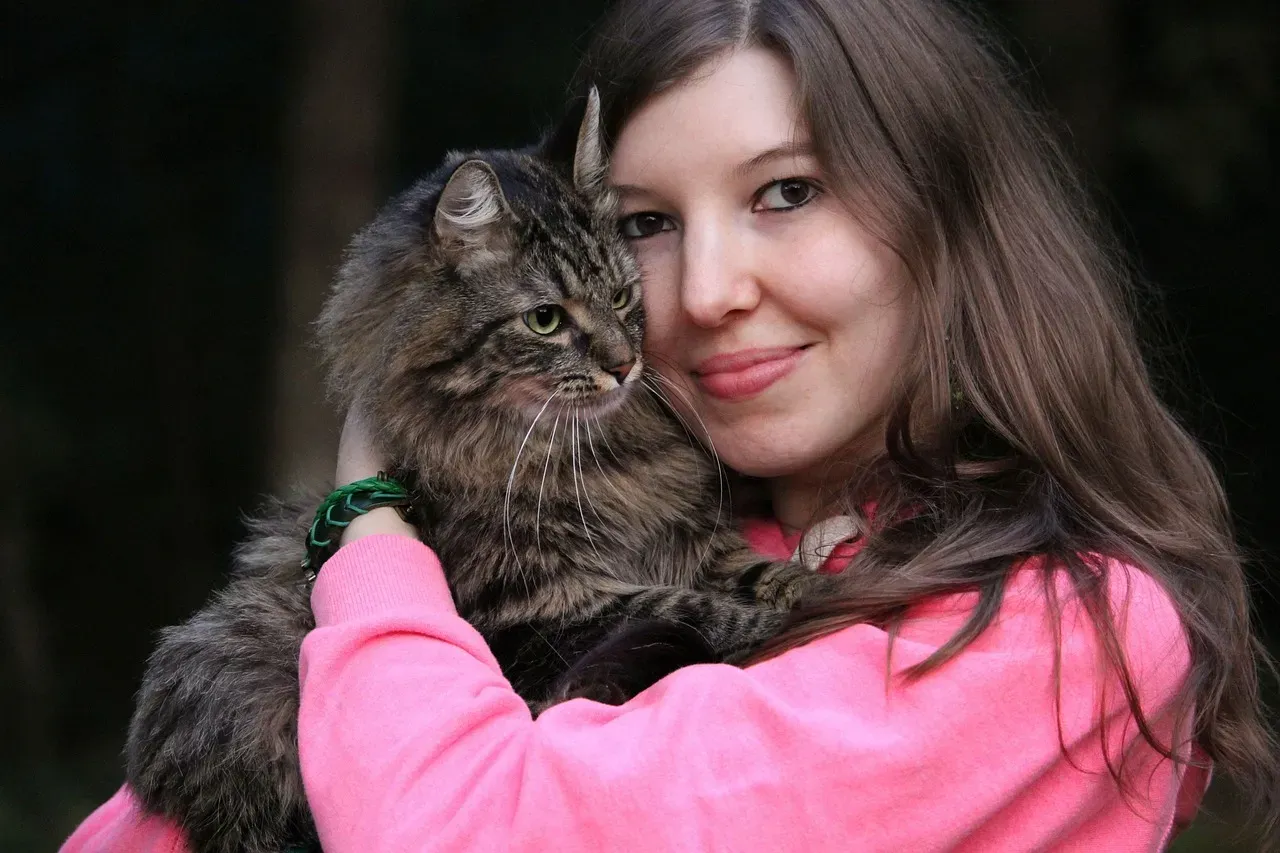
Research by Oakland University scientists Jennifer Vonk and Moriah Galvan suggests that cats are more receptive to human emotions than previously understood, with a study involving 12 cats and their owners showing that felines behave differently based on whether their owners are smiling or frowning. That’s not a trivial finding. It places cats in a surprisingly small group of animals capable of tracking human facial cues.
Researchers observed that cats exhibited more frequent positive behaviors, including purring, rubbing, or sitting on their owner’s lap, and spent more time with them when their owner was smiling. Your expression, then, quietly shapes how your cat chooses to engage with you throughout the day, whether you realize you’re broadcasting it or not.
Your Voice Tells Them Everything
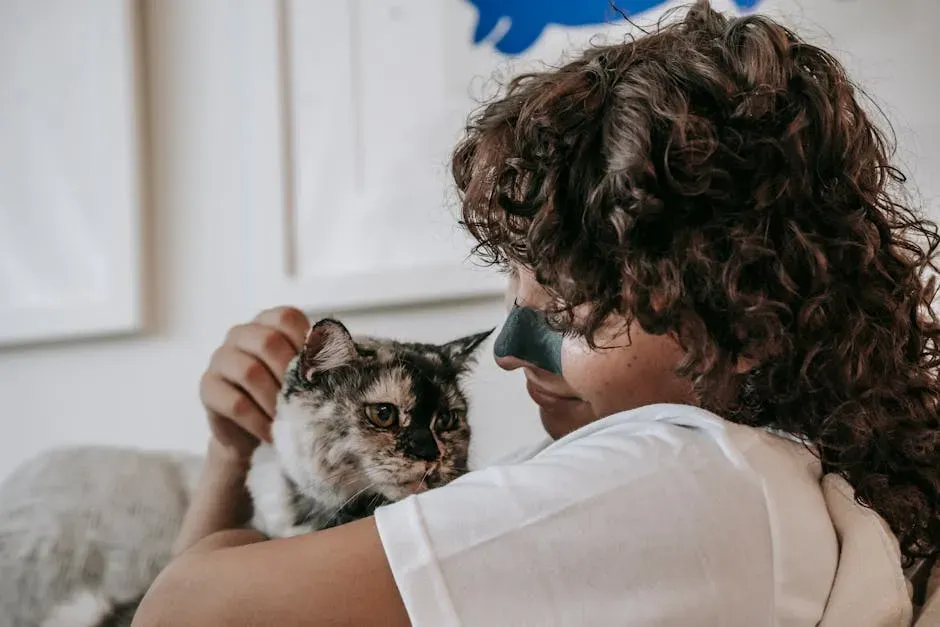
Your cat can sense shifts in your tone of voice, and specifically, cats may pick up on something being off when the pitch or pace of your speech changes. Think about how different your voice sounds when you’re anxious compared to when you’re relaxed. Your cat notices that gap, even when you’ve said nothing particularly revealing.
A popular study titled “Emotion Recognition in Cats” found that cats were more likely to approach their human when they used a calm and gentle voice versus an angry or neutral one, suggesting that cats can not only sense emotions but also respond to whether or not you want to interact with them. Their response to tone isn’t purely reflexive. It seems to carry a layer of social interpretation.
The Nose Knows: Cats Can Smell Your Fear
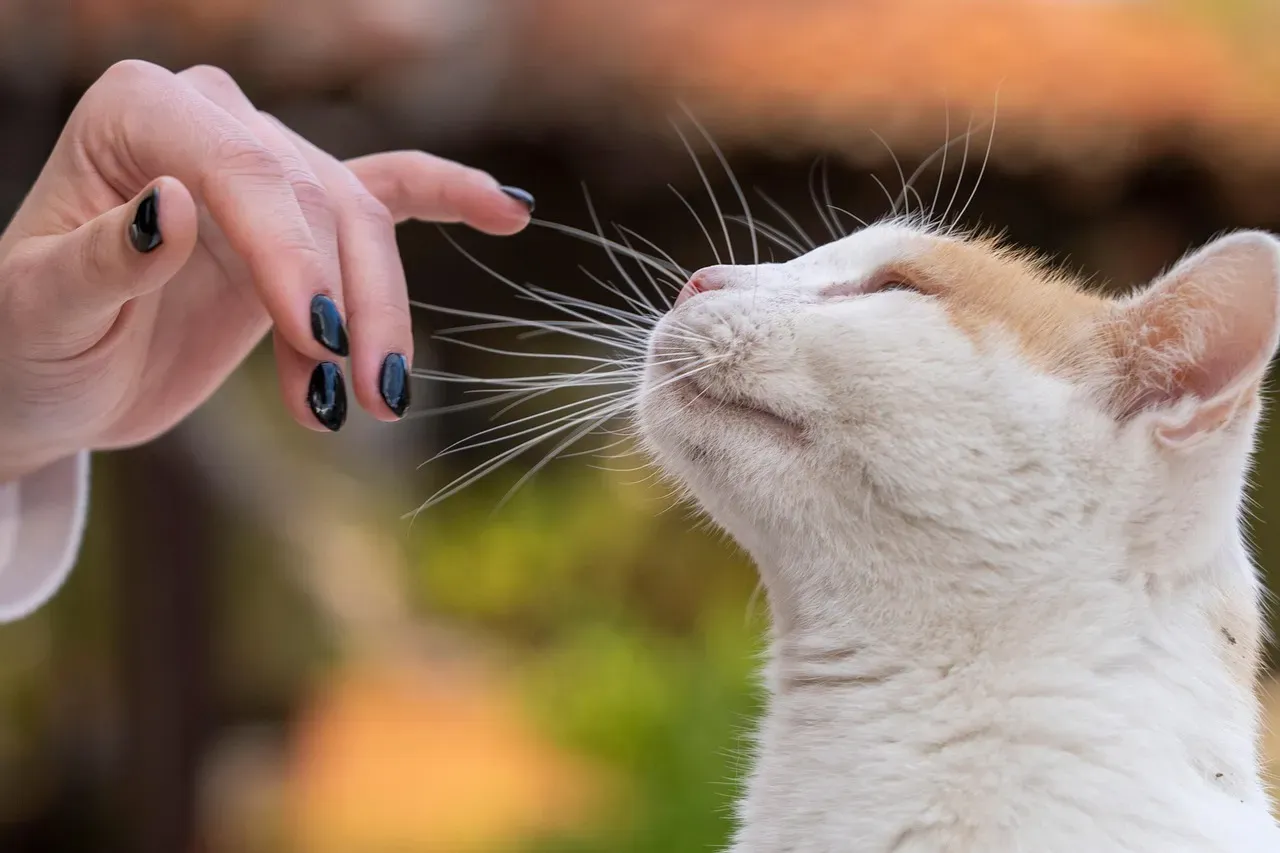
In a study where cats were presented with human odors collected in different emotional contexts, including fear, happiness, physical stress, and neutral, researchers found that fear odors elicited higher stress levels than physical stress and neutral odors, suggesting that cats perceived the valence of the information conveyed by fear olfactory signals and regulated their behavior accordingly. That’s a remarkable result. Your emotional chemistry literally changes the air around you, and your cat picks it up.
With their sensitive nose, your cat might be able to tell when your body starts releasing higher levels of hormones like cortisol and adrenaline during periods of stress or anxiety, and may also pick up on physiological cues like changes in heart rate or breathing. Their olfactory world is rich and detailed in ways ours simply isn’t. What feels invisible to you can be entirely legible to them.
Social Referencing: Your Cat Looks to You for Guidance
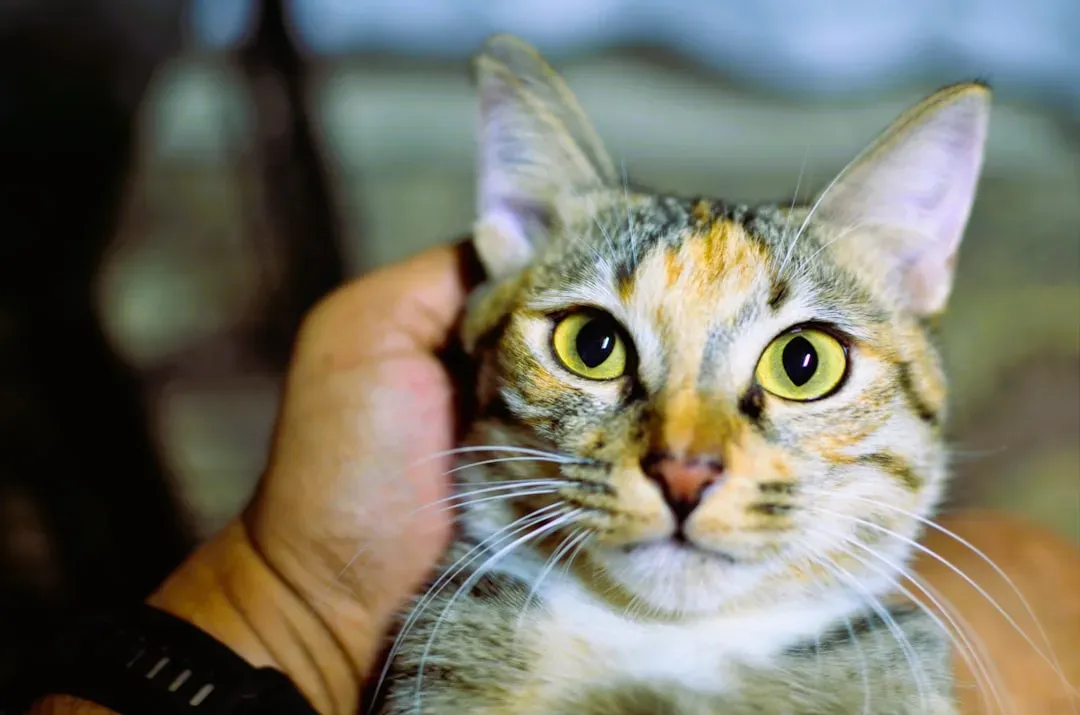
In one study, cats were split into two groups, with one watching their owners display a positive emotion toward an unfamiliar object while the other saw a negative reaction. Remarkably, nearly four in five cats looked to their owners for guidance and adjusted their behavior based on the emotional cues they received. This behavior, known as social referencing, shows that your emotional signals don’t just affect your cat’s mood. They shape your cat’s decisions in real time.
It has been found that cats base certain behaviors and reactions on their owners’ cues through a form of social referencing. For example, cats spend more time with owners when shown positive cues but look for an exit when owners respond in a fearful way to a new object. Your cat is essentially using your emotional state as a compass. Whether something is safe or worrying, your reaction is part of how they calculate the answer.
When You’re Sad, They Often Show Up
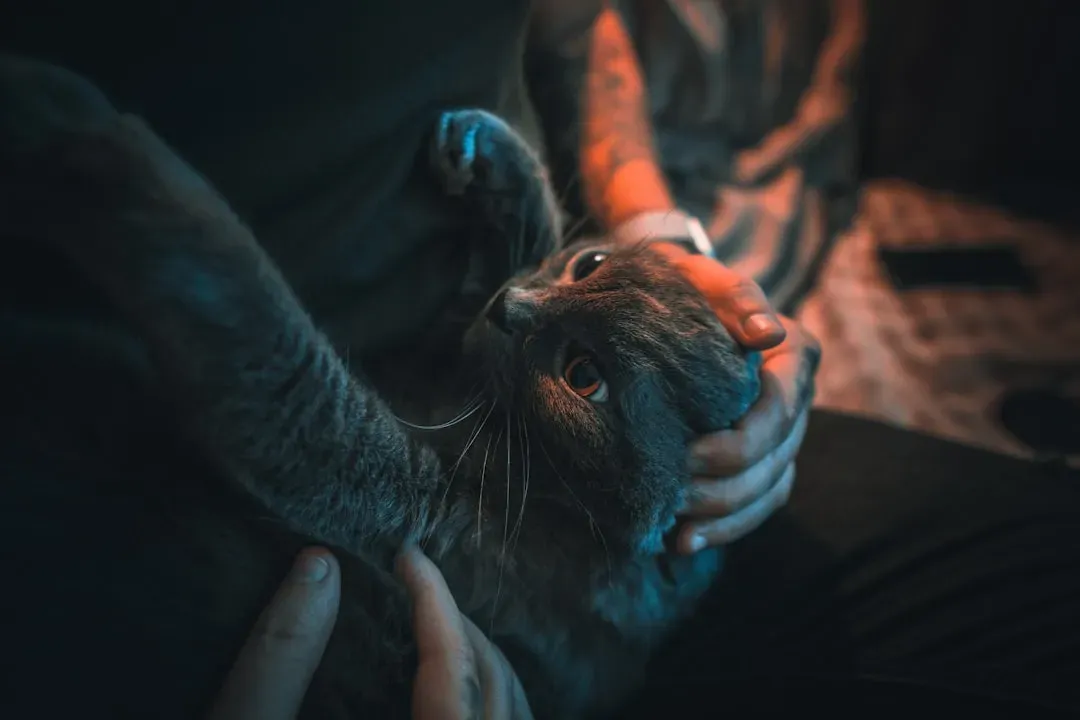
When a cat senses its owner is sad, it can become clingy, displaying attachment behaviors like lying in their lap or staying close by. This clinginess is not simply a need for attention but reflects the cat’s attempt to provide emotional support. It’s one of those quietly touching things about living with cats that can easily go unacknowledged.
Research has found that cats are sensitive to human moods and in particular engage more frequently in social interactions with depressed humans. So if your cat seems to double down on affection during your harder weeks, that pattern likely isn’t imagined. It fits with what researchers have observed in controlled settings as well.
Anger and Stress Set Off a Different Response
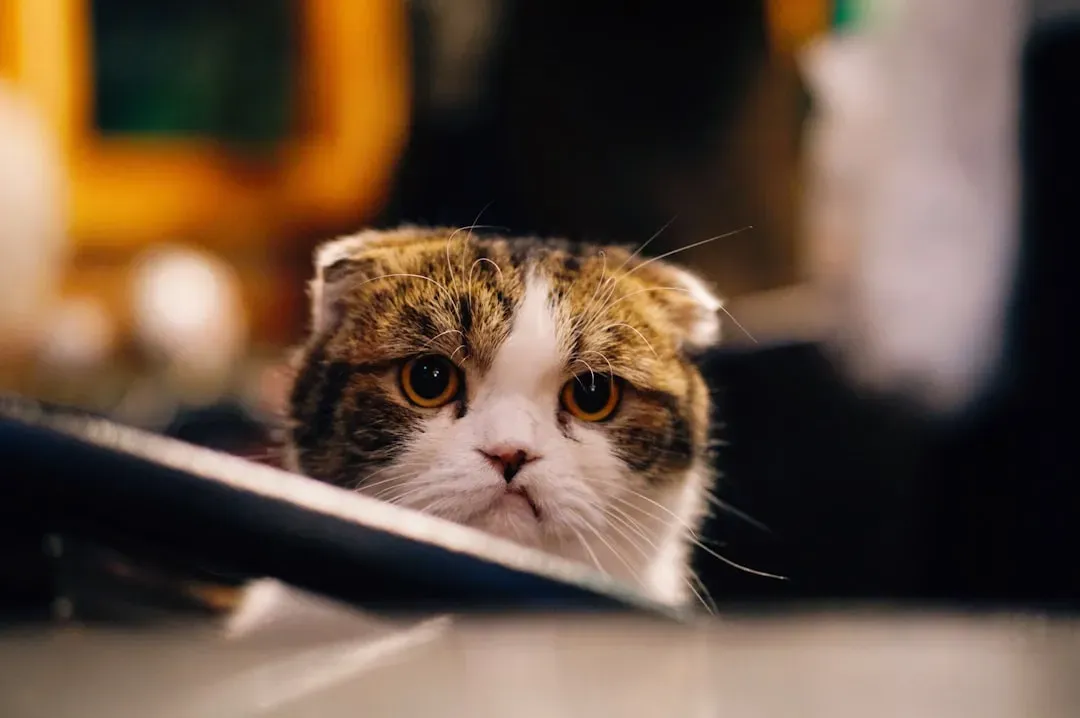
Cats are surprisingly sensitive to negative emotions like anger or stress, and if your cat suddenly starts hiding or avoiding you, it might be because your frustration is literally contagious. Studies show that cats can pick up on raised voices or tense body language, triggering a stress response in their own brains. The connection runs both ways. Your emotional state doesn’t just affect how your cat behaves toward you. It can affect how your cat feels internally.
Studies show that cats respond functionally to their owner’s emotional stimuli, with stress levels measurably higher when their owner showed anger or anxiety compared to when they showed happiness. This is worth sitting with. The emotional atmosphere of your home is something your cat actively experiences, not something they’re insulated from.
The Science Behind Emotional Memory and Learning

Cats are creatures of habit and memory. Over time, they learn to connect certain human behaviors and emotions with specific outcomes. If you tend to feed or play with your cat when you’re happy, they quickly learn that your good mood means good things for them. On the other hand, a grumpy mood might signal “stay away.” This emotional memory isn’t just reactive. It’s how cats build their understanding of you as an individual.
This cognitive representation is pre-existing and is not necessarily affected by individual lifetime experiences with humans, as further suggested by the higher ability of younger cats aged two to three years to cross-modally recognize human emotions. Younger cats, it turns out, may actually be sharper at this than older ones. The capacity appears to be wired in early, then refined through daily observation.
Purring, Touch, and the Mutual Calm They Create
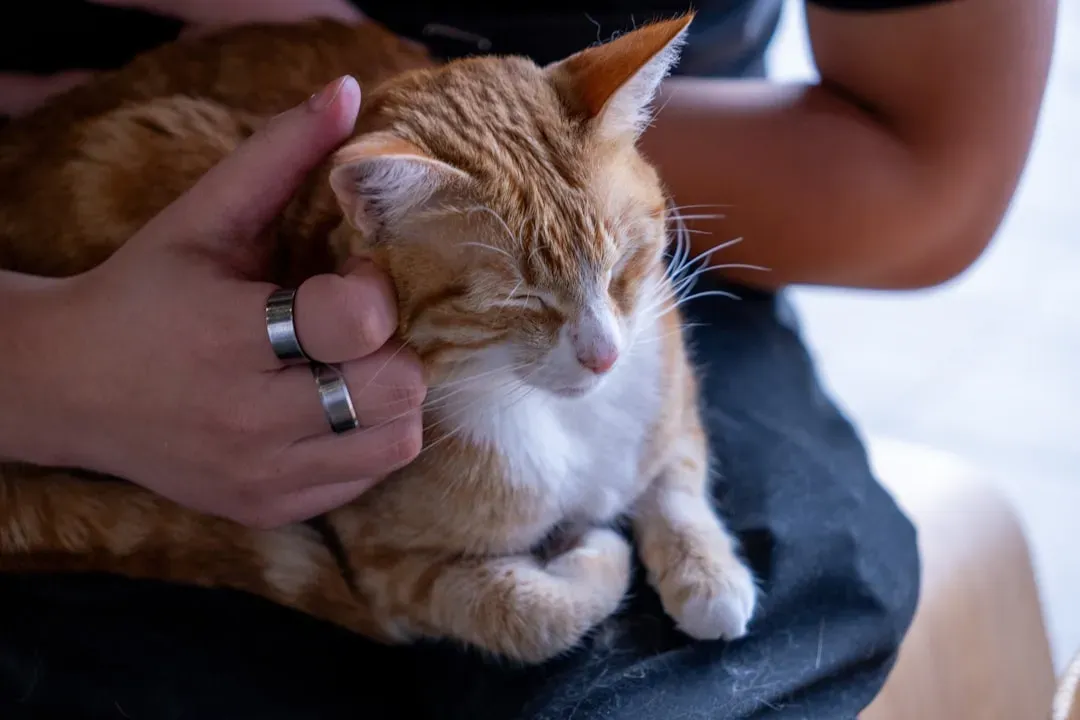
In a 2023 Japanese study, just ten minutes of feline interaction was associated with reduced cortisol and increased oxytocin levels. Oxytocin, also known as the love hormone, is shown to have a positive effect on stress, depression, and anxiety. The physical exchange between you and your cat is genuinely biochemical. It changes your body’s internal state in measurable ways.
Interacting with cats can shift both the human’s and the cat’s cortisol levels. This means that when you’re stressed, your cat can help reduce those levels, and vice versa, suggesting the potential that cats can sense your emotional state and respond in a way to help both of you feel more relaxed and connected. That quiet moment on the sofa when your cat starts purring against your leg might be doing more for your nervous system than you realize.
What This All Means for Your Relationship With Your Cat
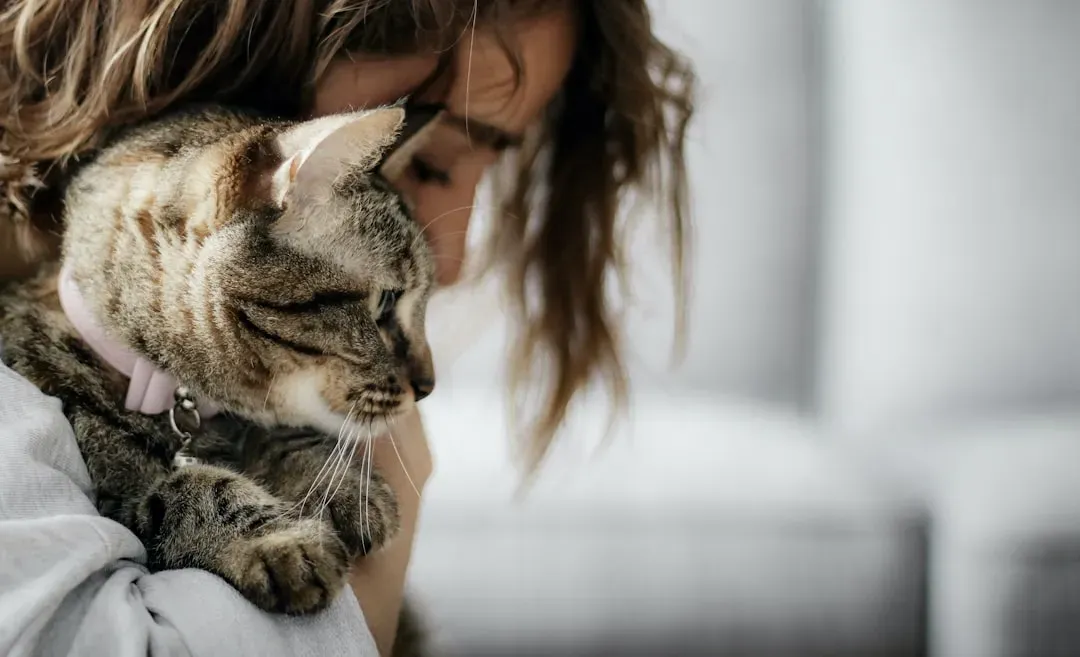
It is possible that during domestication, cats developed socio-cognitive abilities for understanding human emotions in order to respond appropriately to human communicative signals. This isn’t a trait that appeared overnight. It evolved slowly over thousands of years of shared living, shaped by the practical need to navigate a human world.
Through thousands of years of domestication, cats have developed the ability to interpret cues from their owners, including vocal tone, facial expressions, and body language. The relationship you have with your cat is, in a very real sense, the product of an ancient and ongoing negotiation between two species learning to read each other.
Conclusion
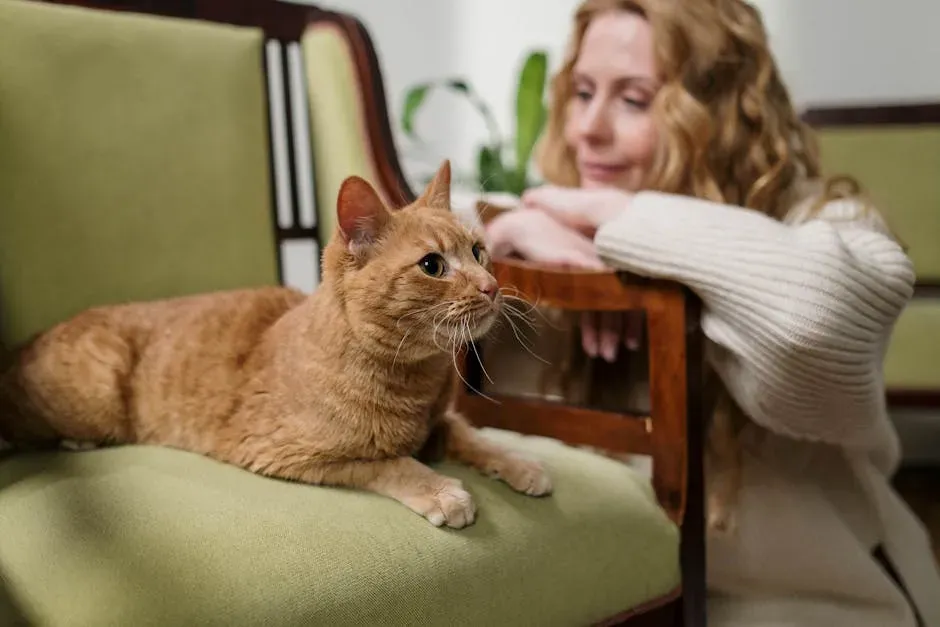
The idea of cats as emotionally detached companions doesn’t hold up well against the evidence. While cats may not have the same emotional acuity as humans or dogs, there is clear evidence that they respond to our feelings in deliberate and meaningful ways, whether through soft purrs, quiet companionship, or a gentle nuzzle when you need it most.
Your cat won’t sit down with you to discuss your feelings. Their support comes in a different language, one made of closeness, watchfulness, and well-timed presence. Knowing that your cat is truly paying attention to your emotions can change the way you see your relationship. It’s not just about food and toys. Your mood matters, and by being mindful of how you express your feelings around your cat, you can help them feel safer and more connected.
What’s quietly remarkable is that your cat has been paying attention all along. You’re just now catching up to what they already knew.
Kristina is a young writer from India. An arts graduate and an avid content creator, Kristina is passionate about animals and wildlife. She enjoys exploring topics related to pet care, animal behavior, conservation, and nature, combining thorough research with engaging storytelling.