You bring home an expensive new cat bed, plush and perfectly sized. Your cat ignores it completely, choosing instead to squeeze into an empty shoebox beside it. If you’ve lived with a cat for any length of time, this scene will feel familiar. The small-space obsession isn’t quirky behavior or a personality glitch. It’s something much deeper, rooted in millions of years of evolutionary pressure that your cat carries right into your living room.
Understanding why your cat gravitates toward tight corners, cardboard boxes, and the back of your closet can genuinely change how you set up your home. It shifts the framing from “my cat is weird” to “my cat has real needs.” Once you see it that way, meeting those needs becomes a lot more intuitive.
It’s All About Ancient Survival Instincts
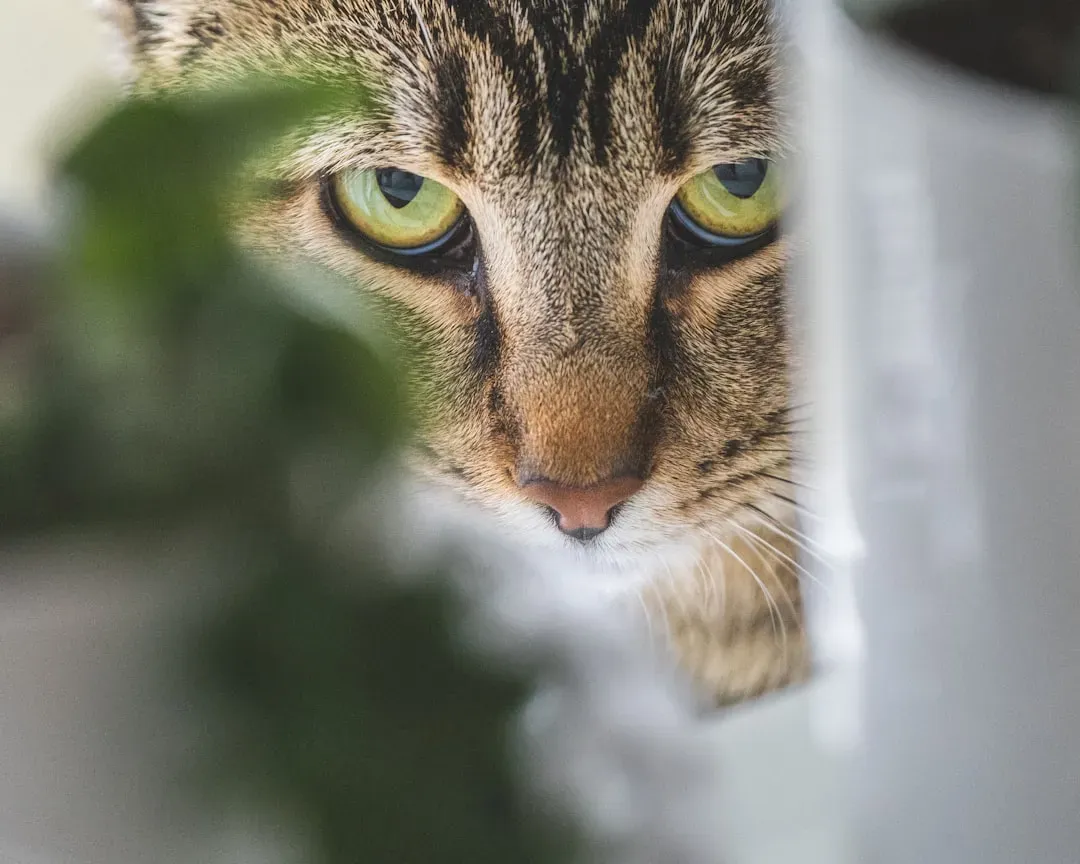
Despite thousands of years of domestication, cats retain much of their wild ancestry. The average domestic cat may no longer hunt for food or evade predators, but their behavioral blueprint remains intact. That means the plump tabby napping in your laundry basket is operating, at a fundamental level, on the same mental software as a wildcat watching the savanna from a rocky crevice.
This behavior stems from instincts shaped in the wild, where staying out of sight helps cats avoid predators or pounce on unsuspecting prey. A box offers a perfect hideaway, allowing a cat to observe its surroundings without being easily seen. Your cat doesn’t know it’s safe inside your apartment. Its nervous system is still running older, precautionary code.
The Predator Who Also Needs to Hide
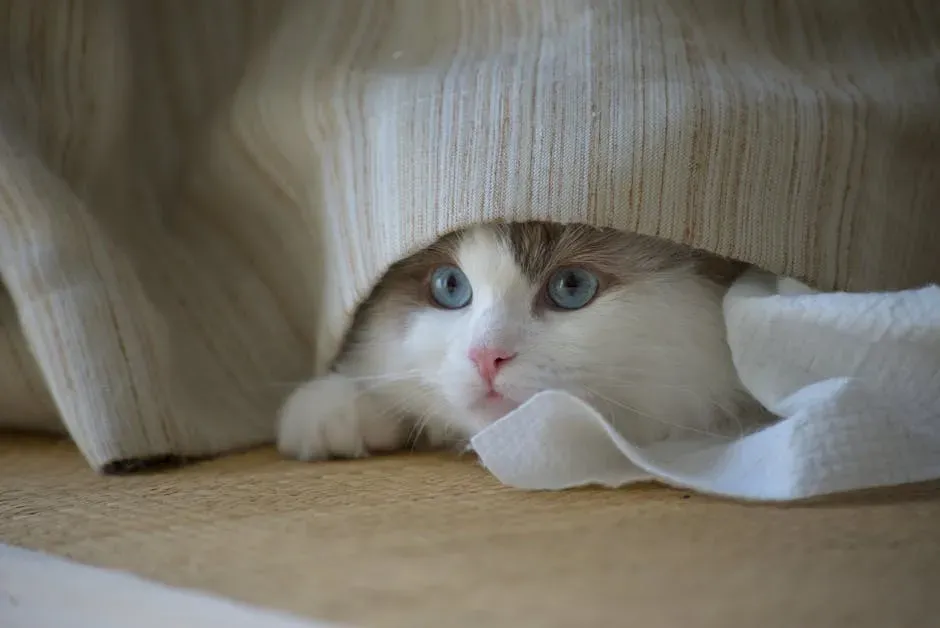
Although cats are predators that hunt small animals, they feel comfortable when they’re out of sight and hide as a way to protect themselves. This dual role, as both hunter and hunted, is what makes the small-space instinct so persistent. Your cat isn’t being timid. It’s being strategically positioned.
A study on the hunting tactics employed by feral cats revealed that they use stealth and ambush rather than speed to catch their prey, typically stalking their target for an extended period before making a quick pounce. Even your indoor cat practices this. You’ve probably felt it on your ankles when you walk past a doorway.
Small Spaces Give Cats a Sense of Control
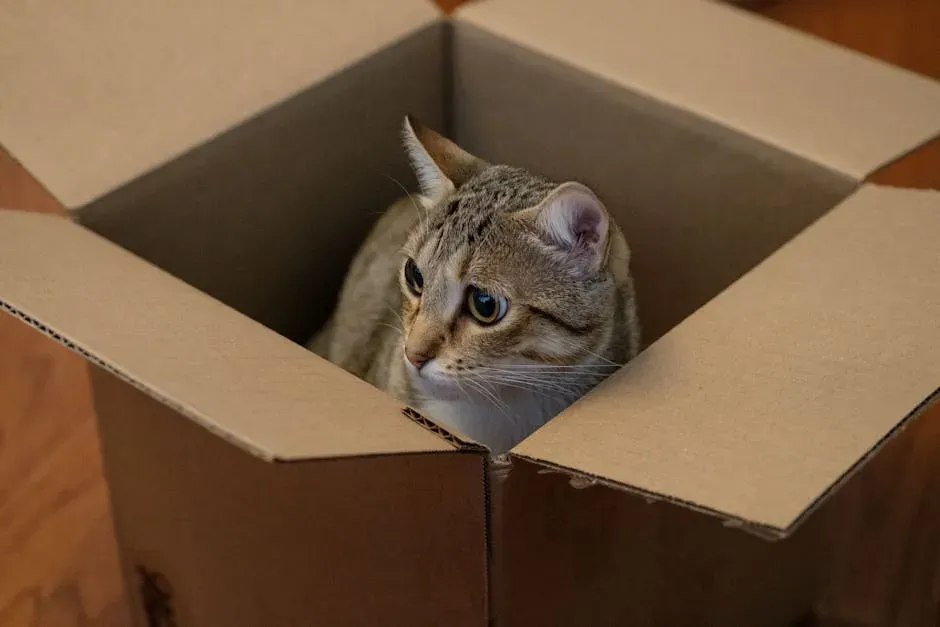
Cats love to be in control of their surroundings. When they find a small space to hide in, they create a personal territory where they can relax without interference. In a home full of unpredictable sounds, strangers, and movement, having one corner that belongs entirely to them provides real psychological relief.
Cats like to squeeze into small spaces where they feel much safer and more secure. Instead of being exposed to the clamour and possible danger of wide-open spaces, cats prefer to huddle in smaller, more clearly delineated areas. Think of it as their version of closing the door after a long day. It’s not avoidance. It’s self-regulation.
The Science Behind Hiding and Stress Reduction
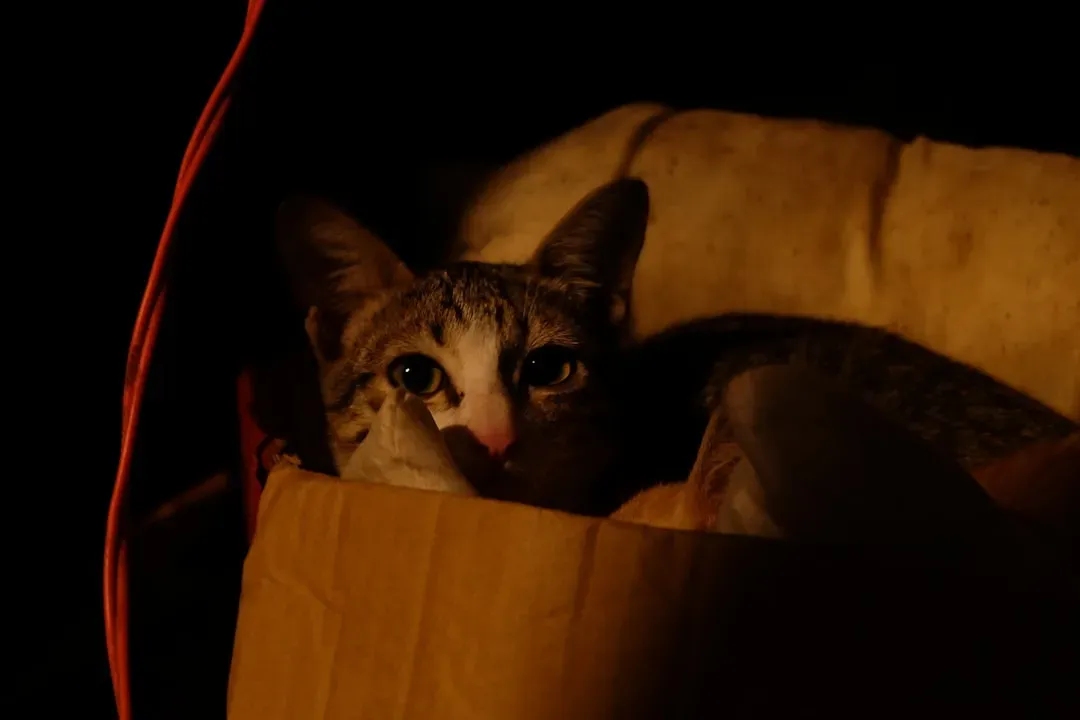
A study published in Applied Animal Behaviour Science found that shelter cats with access to hiding boxes adapted faster and showed lower stress levels compared to cats without them. This demonstrates that hiding is not a negative behaviour in itself – it is often a coping mechanism for stress and change. The research is fairly clear on this point.
Cats with a hiding box showed a significantly faster decrease in stress scores, reaching a lower steady state seven days earlier than the control group. Four of five studies showed moderate evidence that hiding boxes reduce fear and stress in cats, with reduced stress scores in cats given a hiding box compared to control groups. The evidence consistently points in one direction: access to a retreat matters.
Warmth Is a Big Part of the Equation
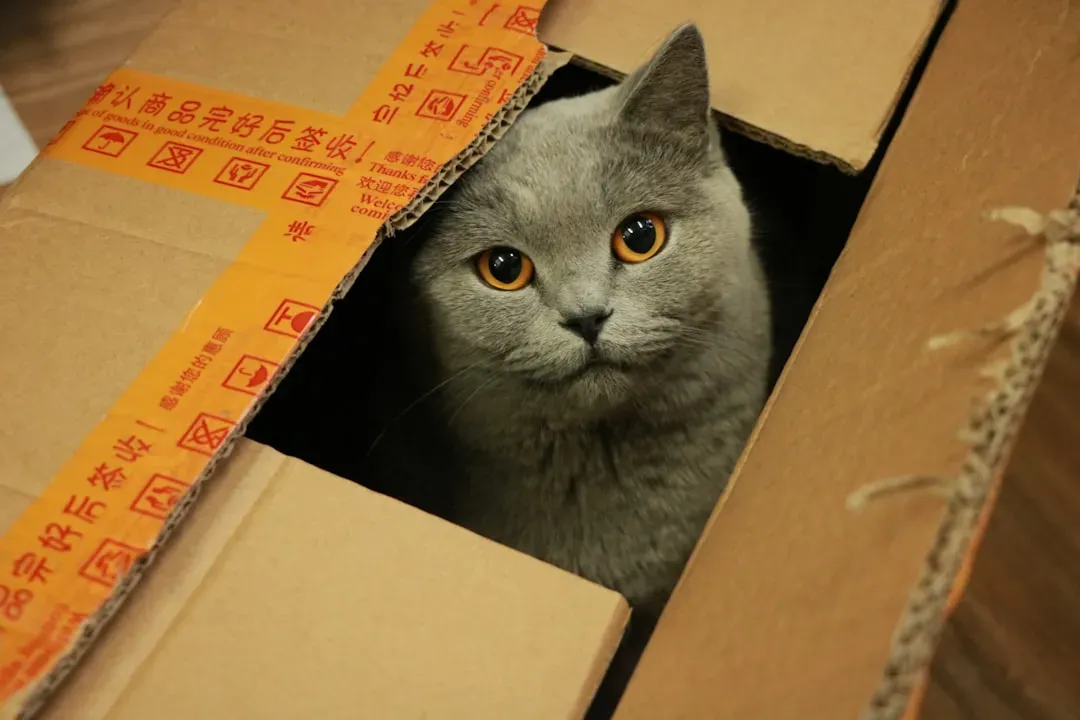
Curling up in a small space allows cats to conserve body heat, which is especially important for them as they are naturally inclined to seek warmth. It also provides them with a sense of protection, as it mimics the feeling of being in a den or a hidden spot away from potential threats. These two motivators, warmth and safety, reinforce each other inside any enclosed space.
Curling up in small spaces like boxes, under beds, or even in sinks helps keep a cat’s body temperature steady while the external temperature fluctuates. In addition to the warmth that cardboard insulation generates, a box’s four walls give cats the security and comfort they crave. A cardboard box, it turns out, is doing double duty as both a fortress and a furnace.
Your Cat Uses Hiding Spots Differently Throughout the Day
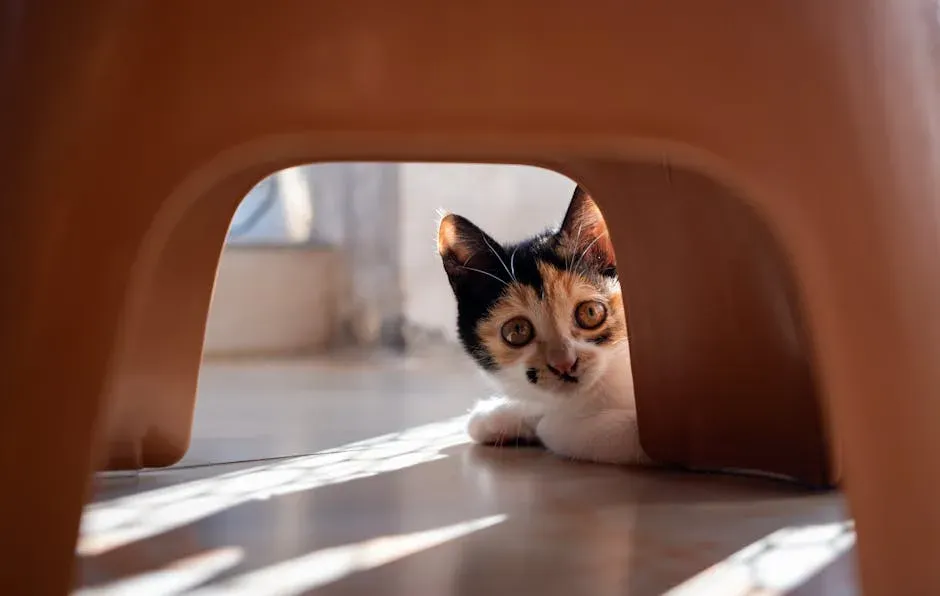
You may notice your cat changes hiding spots based on the time of day. In the morning, they may choose a sunny windowsill, but in the evening, they might retreat to a cozy nook. This behavior is linked to their natural instinct to find the best sleeping spot based on temperature and safety.
Cats sleep an average of twelve to sixteen hours a day, and they prefer to do so in places where they feel completely safe. A small, enclosed space provides a sense of protection, allowing them to sleep undisturbed. This is why many cats love napping in their cat houses or under a bed rather than out in the open. Watching where your cat naps at different hours can actually tell you a lot about what your home feels like from their perspective.
When Hiding Signals Something Else
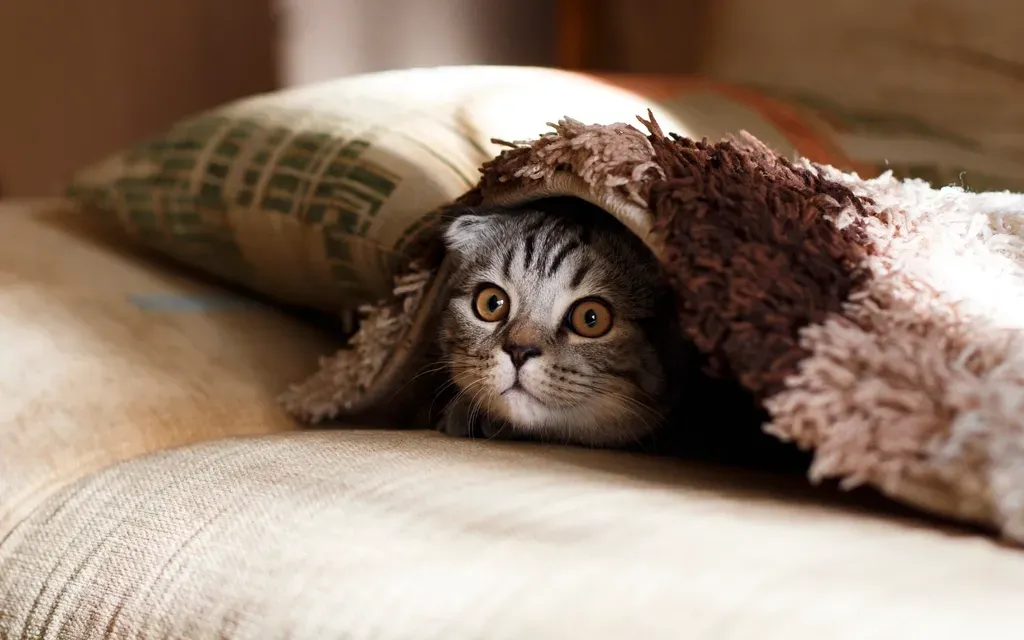
Even the most pampered indoor cat still shows an instinct to retreat when startled by a doorbell, vacuum cleaner, or unfamiliar visitor. That kind of hiding is completely normal. The concern arises when the pattern changes without explanation. If you’ve recently moved, introduced a new pet, or changed your routine, you may find your cat hiding more than usual. This behavior isn’t just about avoiding interaction – it’s a way for them to cope with stress.
Training and environmental enrichment can help cats feel more confident, encouraging them to relax in open areas while still giving them safe places to retreat. Pet owners should monitor hiding behavior carefully, as excessive or sudden changes may indicate illness that requires veterinary attention. If your cat’s hiding habits shift noticeably without any obvious change in your household, a conversation with your vet is the right first step.
How to Create Safe, Enriching Spaces for Your Cat

It is important to always provide your cat with an easily accessible place to hide, which will help to make them feel safe and secure. A hiding place can be something as simple as a cardboard box on its side, or upside down with large holes for access. Alternatively, you could purchase an igloo style cat bed, or offer space under the bed or in a wardrobe with the door left ajar.
In addition to providing safe spaces, it’s also beneficial to create an enriching environment for your cat. This can include providing scratching posts, interactive toys, and vertical spaces such as cat trees or shelves. These elements not only cater to their natural instincts but also provide mental stimulation and opportunities for exercise. Variety matters here. A single hiding spot is better than none, but multiple options across the home give your cat genuine agency over their comfort.
Practical Tips for Multi-Cat and High-Traffic Homes
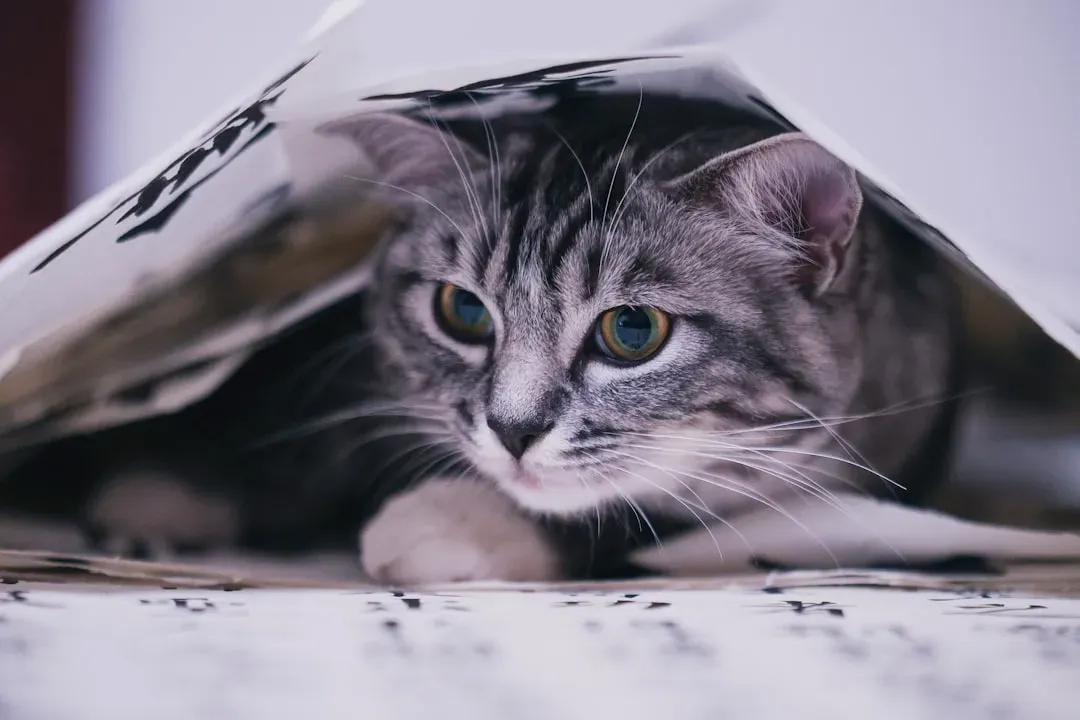
Hiding places are one of your cat’s basic needs. Providing a selection of possible options, such as some open cupboard doors, areas under beds, cardboard boxes, and gaps behind sofas will give your cat a choice of places to go when they feel scared. In homes with more than one cat, this becomes especially important, since competition for a single refuge can itself become a stressor.
Every house cat needs to have access to its own resting or hiding place when it wants to. The more cats in a household, the more need there is for quiet, warm places to nap. Building trust through positive reinforcement, safe spaces, and predictable routines allows cats to gradually come out of hiding and feel secure in their home environment. Consistency in your daily routine costs you nothing and means a great deal to your cat.
Conclusion
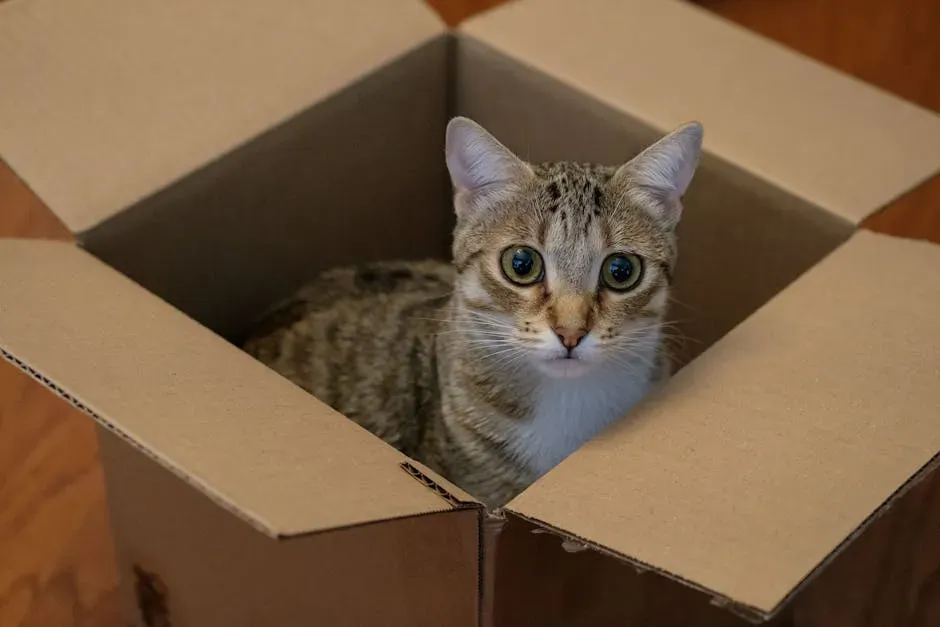
Your cat’s love of small spaces isn’t stubbornness or a preference for inconvenient locations. It’s a direct expression of instincts that have kept the feline family alive for an extraordinarily long time. The cardboard box, the bathroom sink, the gap behind the sofa – all of it is your cat reading their environment and doing what comes naturally to them.
The most practical thing you can take from all of this is simple: provide choice, not just a single option. A home with several well-placed, comfortable hiding spots is a home where your cat genuinely feels at ease. You don’t need to renovate anything or spend a great deal of money. You just need to think, occasionally, about what the world looks and feels like from a few inches off the floor.
Kristina is a young writer from India. An arts graduate and an avid content creator, Kristina is passionate about animals and wildlife. She enjoys exploring topics related to pet care, animal behavior, conservation, and nature, combining thorough research with engaging storytelling.