If you’ve ever tried to convince a cat to do something it didn’t want to do, you already know how this story ends. Cats are not dogs. They didn’t evolve to follow human cues or earn approval. Cats are naturally more independent and prefer to do things on their own terms, and they’re simply not driven by a strong desire to please their owners the way dogs are. That fundamental difference in wiring is what makes training some breeds feel less like a lesson and more like a negotiation you’re losing.
The most stubborn cat breeds all share one thing in common: an unflinching dedication to their own activity of choice. They choose a lane and refuse to merge, no matter how hard you might try to persuade them otherwise. Whether your cat ignores you out of deep independence or sheer stubbornness, knowing which breeds rank highest on that scale can save you a lot of frustration. Here are nine of the most notoriously difficult cats to train, ranked from mildly headstrong down to genuinely immovable.
#9. Russian Blue
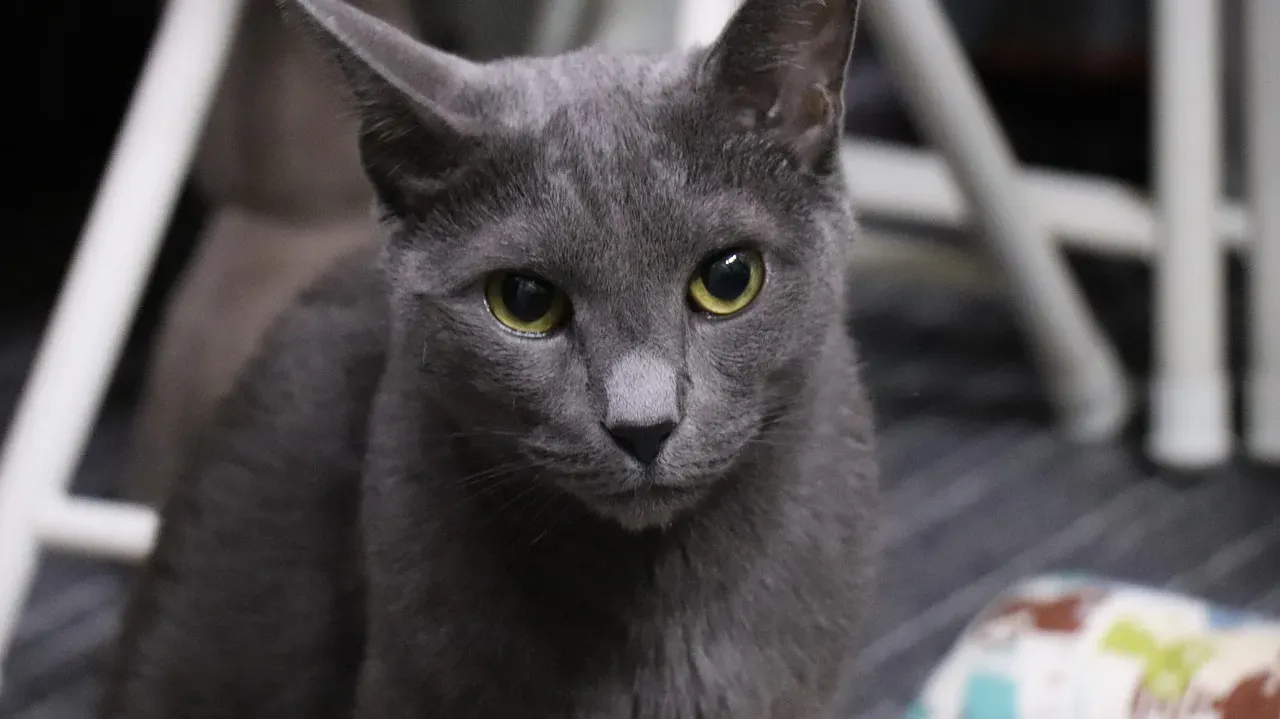
You might assume that a quiet, reserved cat would be easy to train. With the Russian Blue, that assumption gets flipped quickly. Unlike many vocal or demanding breeds, the Russian Blue doesn’t demand being the center of attention, and they may actually refuse to come out from under the bed on a whim. These cats become stubborn the moment you try to change up their routine or invite new people over.
Russian Blues are described as intelligent, playful, and reserved, but their reserved nature makes them particularly challenging to train because they simply don’t see the value in performing for humans. They’d rather observe from a distance than participate in what they might view as unnecessary human activities. You can set out the treats. You can call their name. They’ll watch you from across the room and decide entirely on their own whether you’re worth their time.
#8. British Shorthair
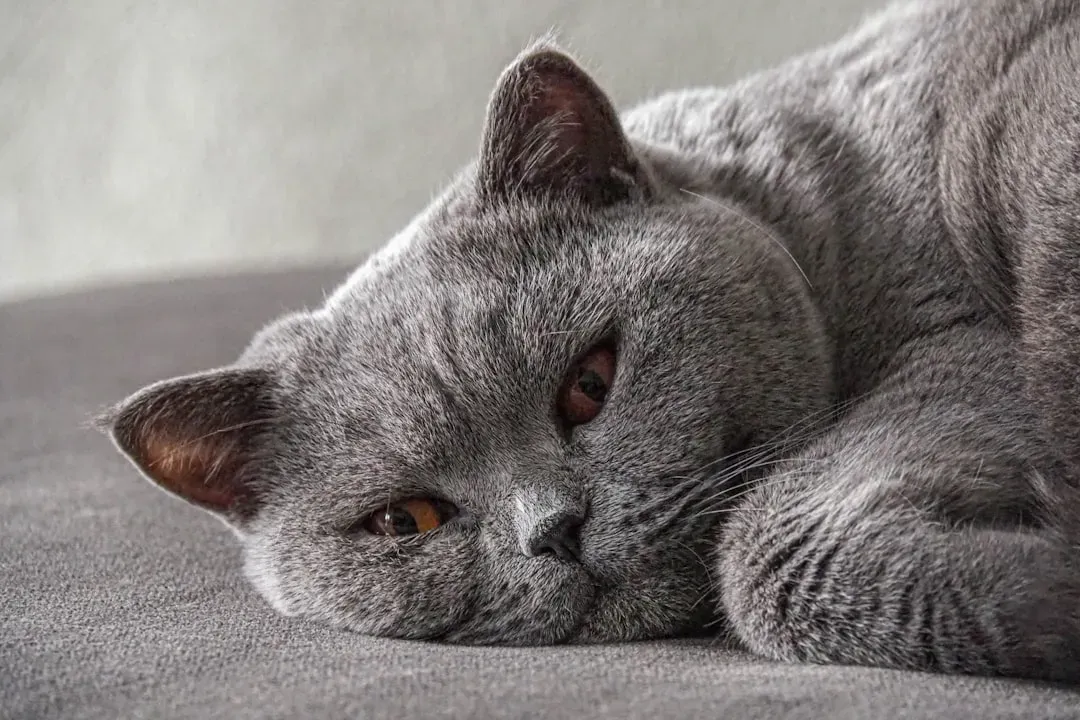
The British Shorthair is an independent cat breed with a laid-back, easygoing personality. While that sounds appealing on paper, their extreme independence can work directly against training efforts. These cats prefer to do things on their own terms and in their own time. They’re not unpleasant or aggressive, but they’re deeply indifferent to your agenda.
You could have the most methodical positive reinforcement routine in the world, and a British Shorthair will simply sit there, blinking at you. Independent cats like these are typically low-maintenance and don’t become anxious when left alone. That emotional self-sufficiency extends to training, too. They don’t need your approval, so giving them treats doesn’t carry the same weight as it might with a more approval-seeking breed.
#7. Scottish Fold
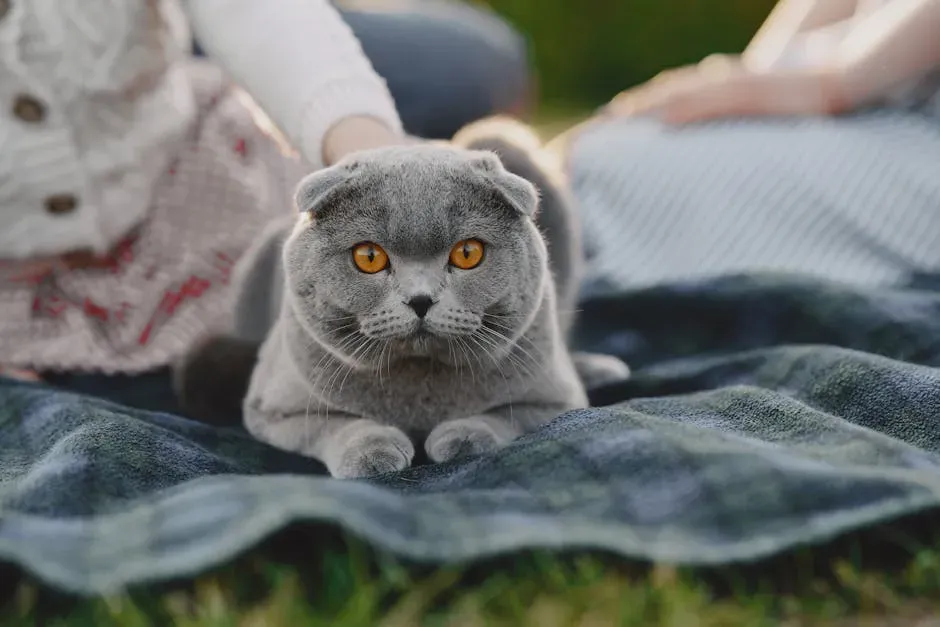
Scottish Fold owners often debate whether the breed has trouble hearing or simply prefers to ignore their owners. Veterinarians indicate Scottish Folds have good hearing to assess their surroundings, which makes it far more likely the breed is just plain stubborn. That owl-like, innocent expression doesn’t tell the full story.
Scottish Fold cats face significant challenges due to the genetic condition responsible for their signature ear fold, which causes severe joint problems throughout their lives and can affect their ability to focus during training. Their chronic pain issues can make them particularly resistant to training sessions, because when a cat is dealing with ongoing discomfort, the last thing on their mind is learning to sit on command. This breed’s stubbornness appears to be both genetic and circumstantial, creating a near-perfect storm of training resistance.
#6. Persian

Persian cats top many veterinarian lists of breeds that resist training due to their extreme flat-faced structure and the health complications it creates. The breed can be affectionate and good companions, but they are incredibly difficult to motivate, and they constantly ignore their owners while spending their time grooming their thick coats. Asking a Persian to perform a trick is a bit like asking royalty to carry their own luggage.
Persians simply take a more relaxed view of life, and their laid-back nature often translates to complete disinterest in pleasing their humans through tricks or commands. Getting a Persian cat to listen to their owner will be incredibly difficult unless training starts when they are kittens, and it’s highly unlikely you’re going to find a Persian jumping through rings of fire. Some owners quietly suspect that makes them the canniest breed of all.
#5. Himalayan
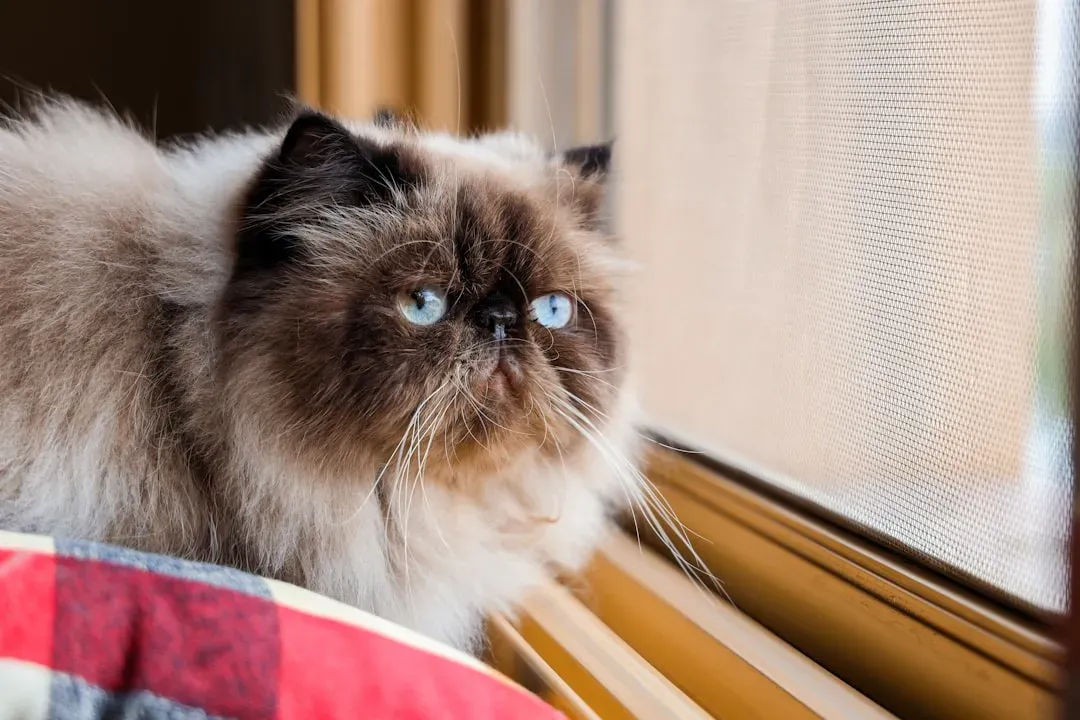
Himalayan cats are a combination of Persian and Siamese, and they are incredibly stubborn animals with genuinely loving hearts. The breed is highly intelligent in most categories but frequently dismisses their owners’ commands, and despite proving capable of problem solving, they prefer to wait for their owners to solve their problems for them. Think of it as deliberate delegation.
This breed combines the worst training traits from both parent breeds. They inherit the Persian’s disinterest in pleasing humans and the Siamese’s strong-willed nature. So you get a cat that’s smart enough to know exactly what you want from it, and stubborn enough to refuse anyway. That combination is as impressive as it is maddening.
#4. Balinese
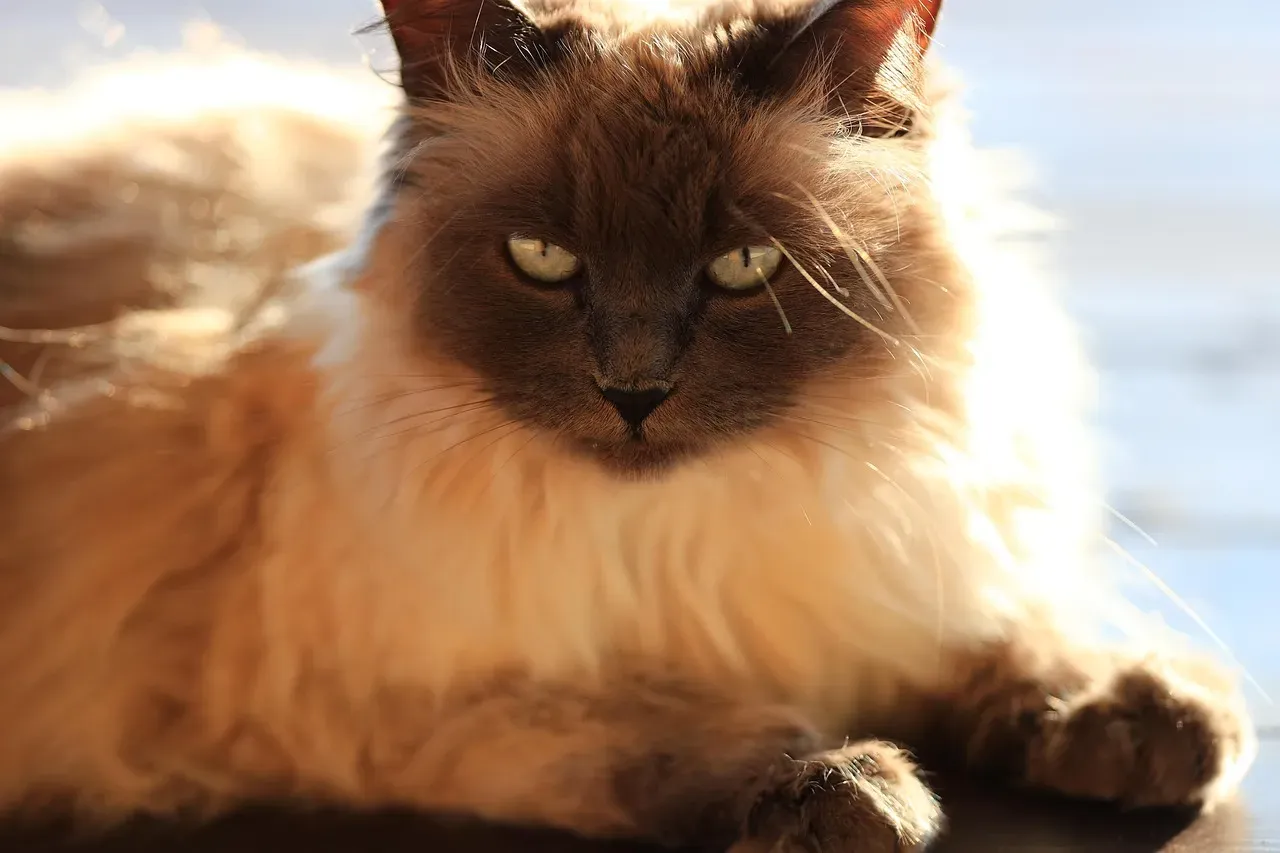
If you spend many hours outside your home, having a Balinese cat may not be a good idea. This breed demands a lot of attention and will follow you everywhere, and they will make sure you know where they are at all times, as they are very vocal and love to engage with their human companions. Training a Balinese isn’t the problem. Getting them to cooperate with your training agenda rather than their own is the challenge.
The Balinese is extremely fine-tuned to their owner’s emotional state, and they won’t just follow you everywhere, they’ll make sure you know where they are at all times. Leaving a Balinese alone too long isn’t wise, and your Balinese may insist on venturing outdoors, so leash training is worth considering. The stubbornness here isn’t laziness. It’s willpower with excellent vocal projection.
#3. Oriental Shorthair
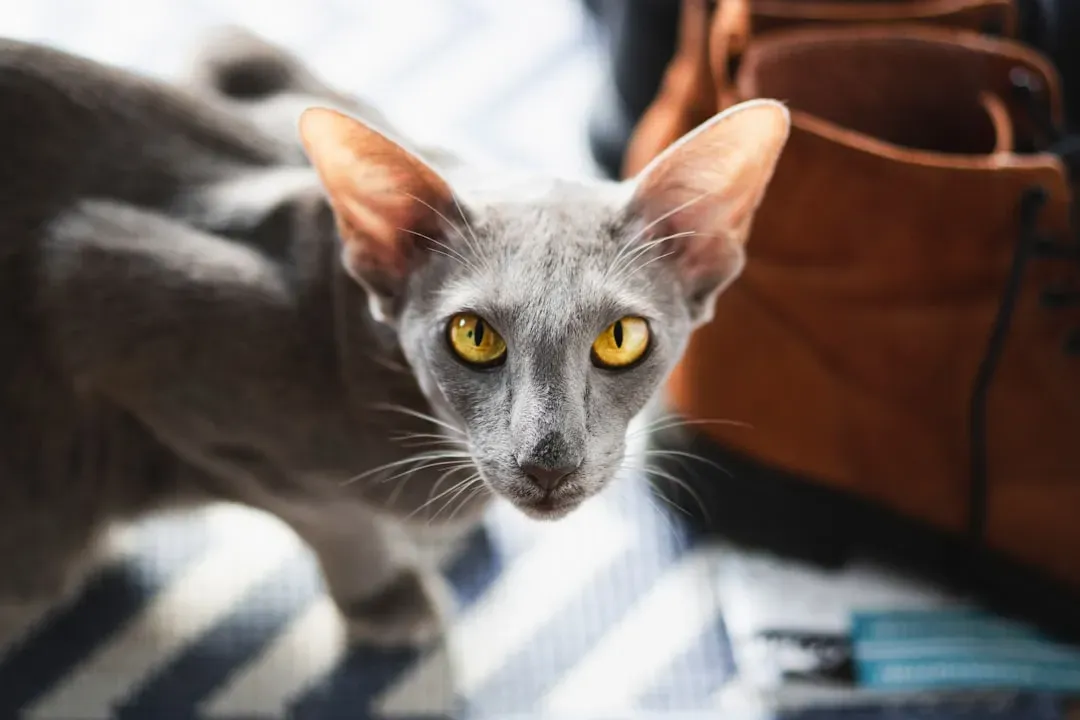
Oriental Shorthairs thrive when surrounded by their family members, and if you’re not around enough, these cats happily become destructive until you get home and play with them. Like their Siamese ancestors, they meow, chirp, and trill often. Structured training sessions go out the window the moment an Oriental Shorthair decides the session should be about them, not the command you’re practicing.
They won’t only interrupt your activities, they’ll open drawers if it means getting your attention. Their attention-seeking behavior means they’re more interested in disrupting your activities than participating in structured training, and they view training sessions as just another opportunity to redirect focus back to themselves. You can try to train an Oriental Shorthair, but chances are you’ll end up being trained by them instead.
#2. Sphynx
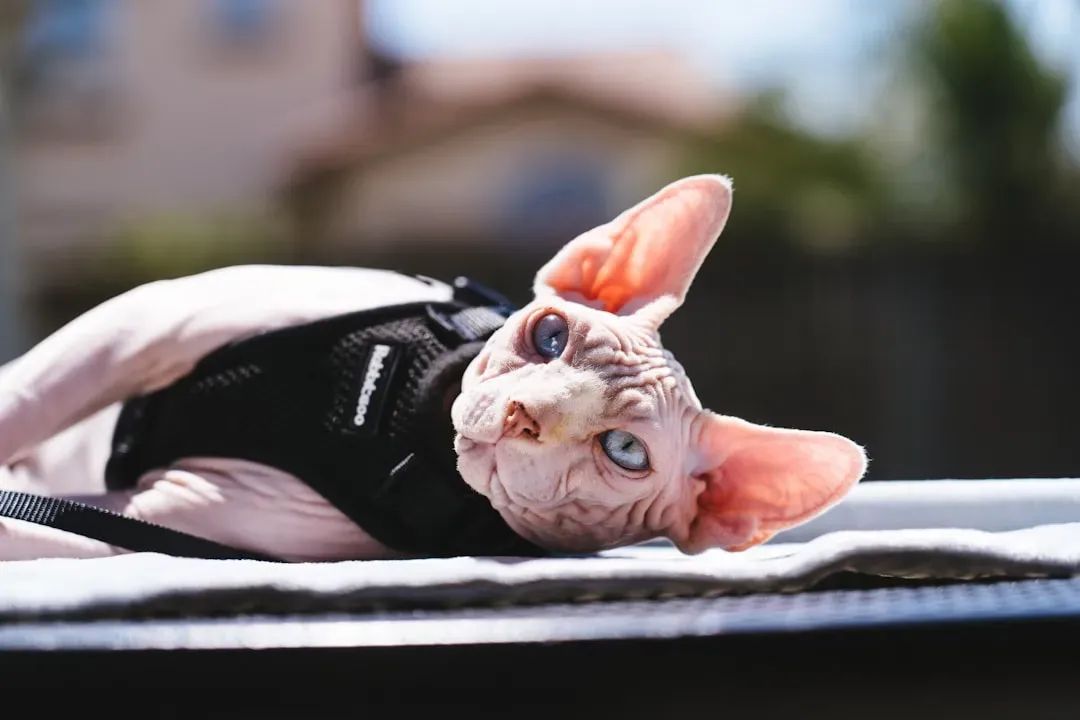
Due to their lack of fur, Sphynx cats have a really bad reputation for being aggressive, but this couldn’t be further from the truth. They’re not easy to deal with, but they love interacting with humans and love games. They also have large appetites and will demand more food than other cat breeds. The stubbornness of a Sphynx is not rooted in aloofness. It’s rooted in sheer force of personality.
You know nothing about strong-willed cats until you meet a Devon Rex, and the Sphynx shares the same relentless determination. These cats don’t stop bothering you until they get what they want, they can beg forever for food and attention, and if you think ignoring them will teach them obedience, you are very wrong. Patience is noble, but with a Sphynx, patience alone isn’t going to get you far.
#1. Devon Rex
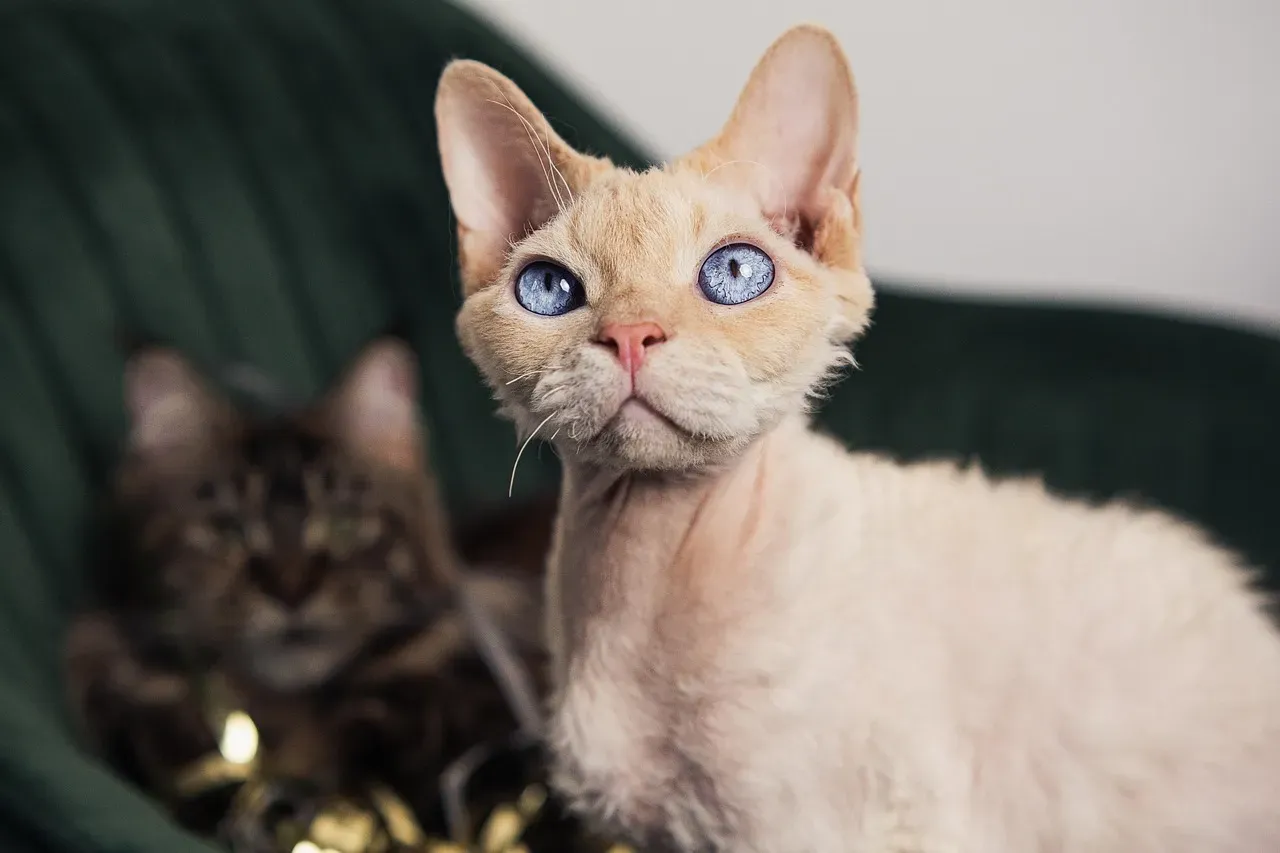
The Devon Rex is one of the strongest-willed cats you can encounter. These cats are known for begging for food off your dinner plate and meowing at you as though you’ve neglected their appetites completely. Devons will try to wear you down with their big, pleading eyes and intensely devoted dispositions. It’s a masterclass in manipulation, and they’ve had centuries of evolution on their side.
Stubborn behavior in the form of insistent vocalizations or scratching at your legs may very well stem from the frustration of relying on their humans for things like food, water, and entertainment. With the Devon Rex, that frustration is loud, persistent, and completely unapologetic. The key is understanding their persistence so you can accommodate. Because trying to out-stubborn a Devon Rex is, by most accounts, a losing bet.
Final Thoughts
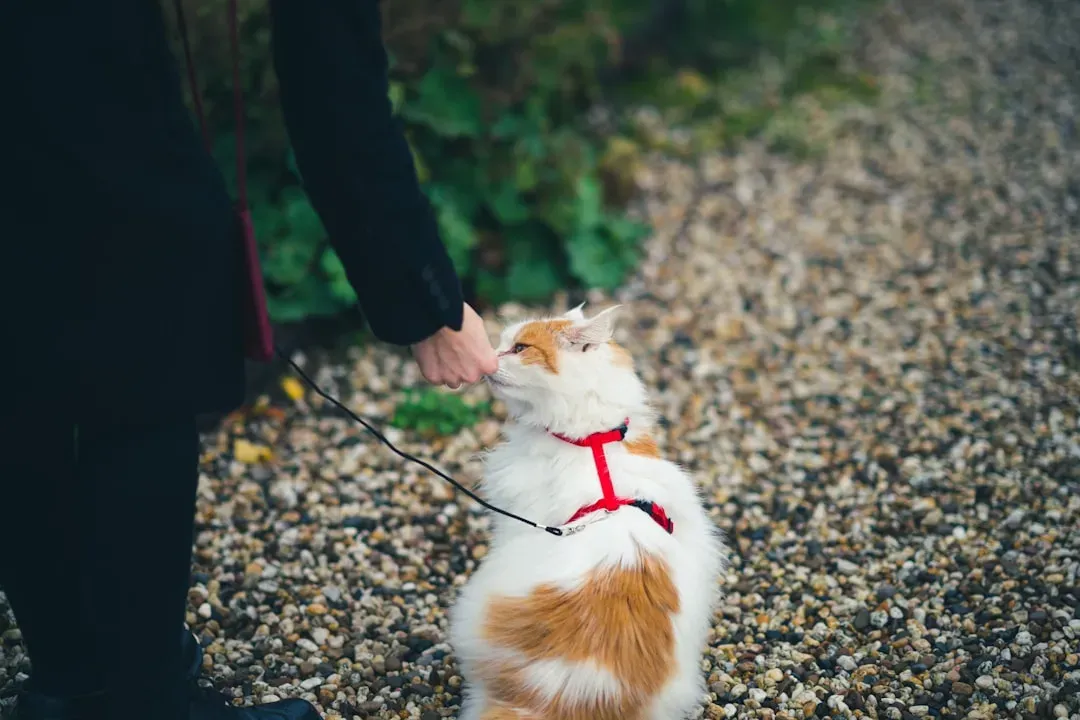
Understanding these challenging breeds doesn’t mean they’re bad pets or impossible to live with. Rather, it helps set realistic expectations about what training can actually accomplish, because what seems like stubbornness is often just a lack of motivation or unclear communication. That’s a genuinely useful reframe.
With patience, consistency, and positive reinforcement, even independent cats can learn basic commands and tricks. It’s also important to consider that individual cats within a breed can vary considerably in their trainability, because just like people, cats have their own unique personalities. The rankings above reflect general breed tendencies, not certainties.
At the end of the day, a cat that’s difficult to train isn’t a broken cat. It’s often a confident one. The key lies in working with your cat’s natural personality rather than against it. Shift your expectations from obedience to cooperation, and you might be surprised by what’s possible, even with the most spectacularly headstrong cat on this list.
Kristina is a young writer from India. An arts graduate and an avid content creator, Kristina is passionate about animals and wildlife. She enjoys exploring topics related to pet care, animal behavior, conservation, and nature, combining thorough research with engaging storytelling.