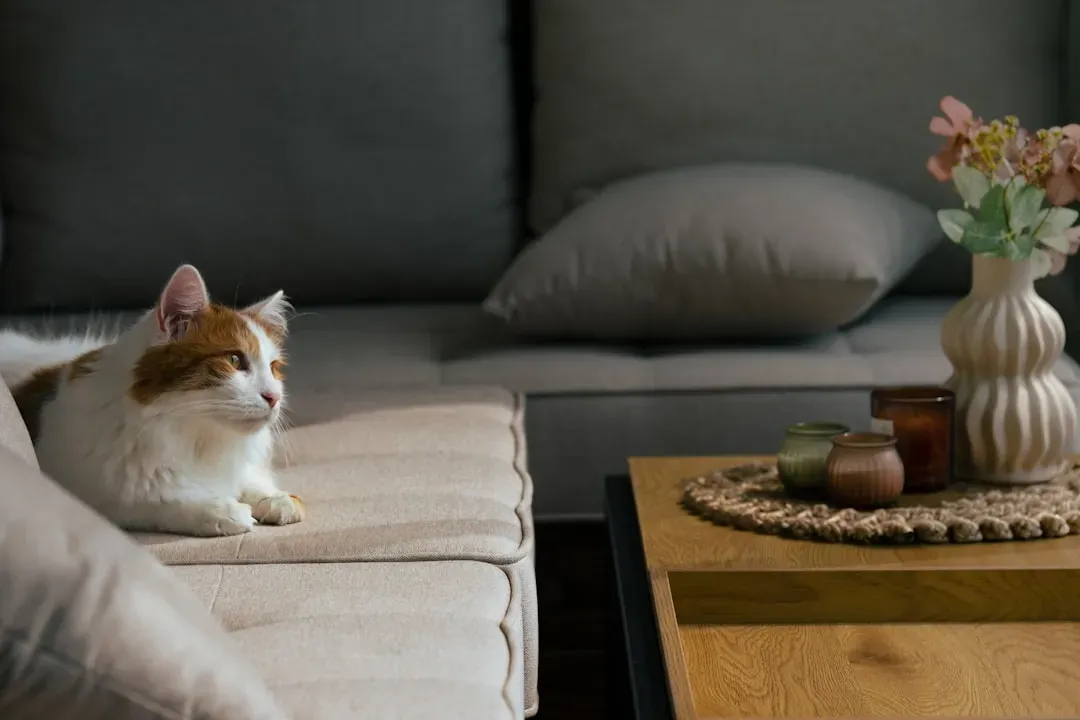
You pick out a sofa for the color, the cushion depth, or the way it fits the corner of your living room. Your cat picks it for entirely different reasons – and those reasons are far older and more calculated than anything on a furniture store tag. From the moment a new couch lands in your home, your cat begins a quiet, thorough assessment that most owners never even notice.
The truth is, cats don’t just share your furniture. They evaluate it. They decide what’s warm enough, what smells right, what grants the best view of the room, and what fabric feels satisfying under a claw. Understanding that process doesn’t just explain some quirky feline behavior – it genuinely changes how you think about living with a cat.
Your Sofa Is a Territory Statement, Not Just a Seat
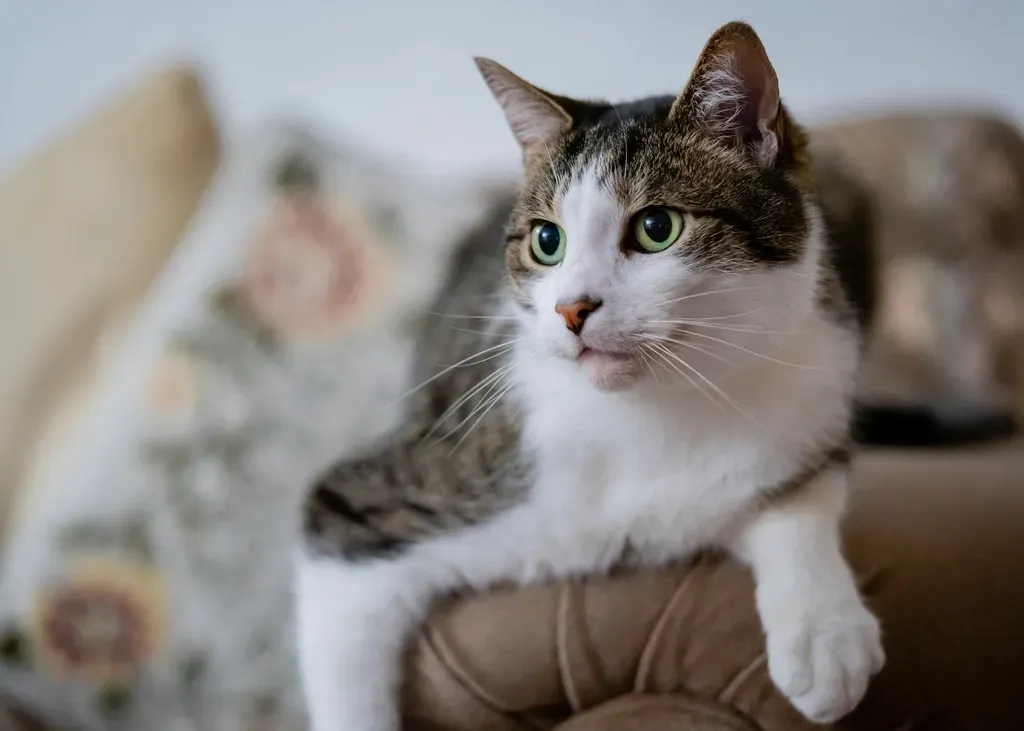
Cats don’t just live in your house – they interpret it. Every surface, scent, and sound carries meaning. When your cat picks a particular piece of furniture, it’s making an emotional choice, one that reflects comfort, safety, and belonging. Your sofa sits at the center of all household activity, which makes it one of the most loaded spots in the entire home from a feline perspective.
Cats are territorial animals, and they mark their territory in many ways, including through visual cues, scent, and behavior. A cat may prefer a specific piece of furniture that they claim as their own and where they feel most secure. So when your cat hops up, kneads the cushion, and settles in with that familiar look of detached satisfaction, they’re not just getting comfortable. They’re claiming the space as theirs.
The Texture of Your Upholstery Sends a Clear Signal
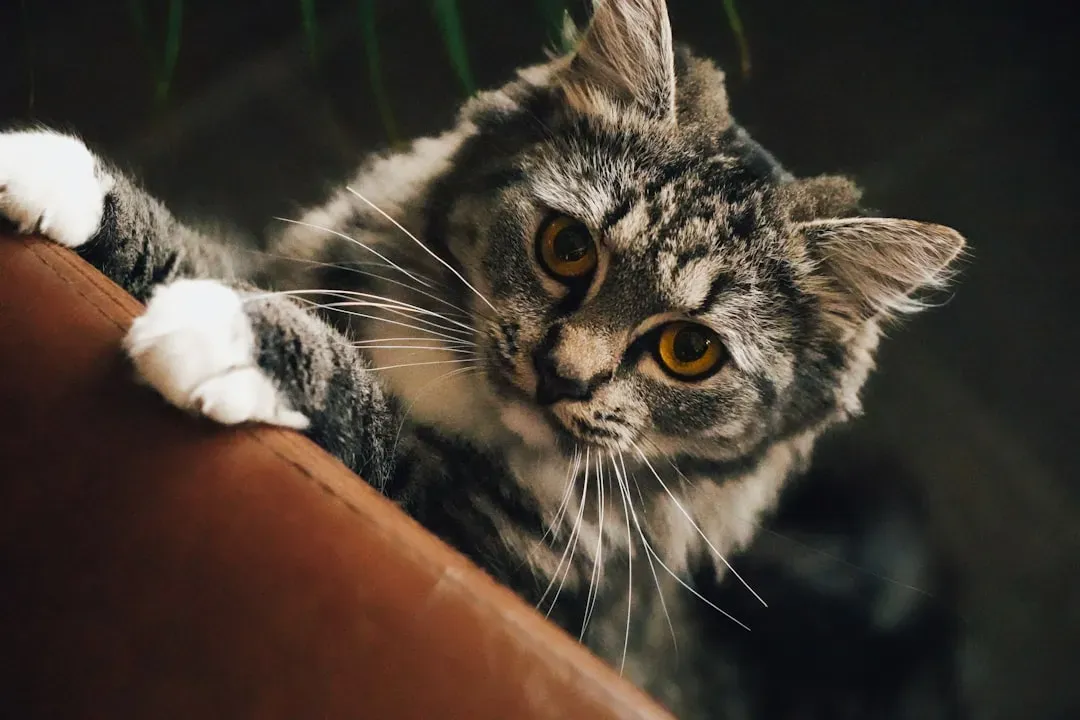
The texture of a fabric can influence how much your cat is drawn to it. Cats often prefer fabrics with a loose weave or looped texture, as these feel more satisfying to scratch. Fabrics like chenille or loosely woven textiles may be more tempting for your cat to sink their claws into. This isn’t about mischief – it’s a tactile preference rooted in instinct.
Textural preferences vary dramatically between individual cats, with some preferring soft fabrics while others gravitate toward natural materials like sisal or wood. Observing which household surfaces your cat currently chooses for scratching and resting provides valuable insight into their material preferences. Watch where your cat gravitates without prompting. That tells you more about their preferences than any product review could.
It’s All About the Temperature – Seriously

Cats are heat seekers. Their ideal resting temperature is around 86°F (30°C) – much higher than ours. That explains why your cat migrates from one corner of the sofa to another depending on the time of day, the season, or how much sun is coming through the window. They’re not restless – they’re thermoregulating with impressive precision.
This adaptability explains why your cat suddenly abandons one favorite spot for another every few months. They’re not being fickle – they’re thermoregulating. Soft fabrics absorb body heat and smell, reinforcing a cat’s sense of belonging. Smooth or cold surfaces appeal when they need cooling. In summer, don’t be surprised if your cat ditches the plush sofa for a stretch on the hardwood floor nearby.
Scent Memory Makes Your Couch a Comfort Zone
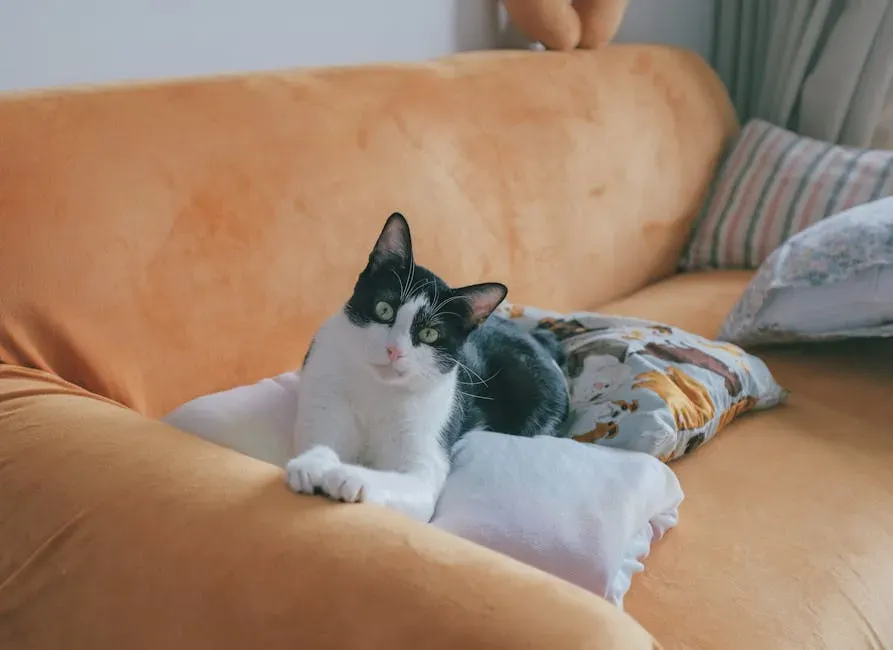
Scent plays a major role in your cat’s world, as they rely on it for comfort and familiarity. A favorite spot might smell like you, their favorite blanket, or even themselves, thanks to scent-marking. These familiar scents help create a sense of belonging and make the spot feel uniquely theirs. This is why a cat who seems indifferent to you during the day still finds your side of the sofa irresistible.
Cats often associate soft objects with safety and familiarity, especially if those items carry their owner’s scent. Soft surfaces like blankets and clothes absorb scents very well. Cats rely heavily on smell for comfort. Once your sofa holds that layered scent profile – a little of you, a little of them, possibly a little of last night’s dinner – it becomes something closer to a sanctuary than a seat.
Scratching Is Not Destruction – It’s a Declaration
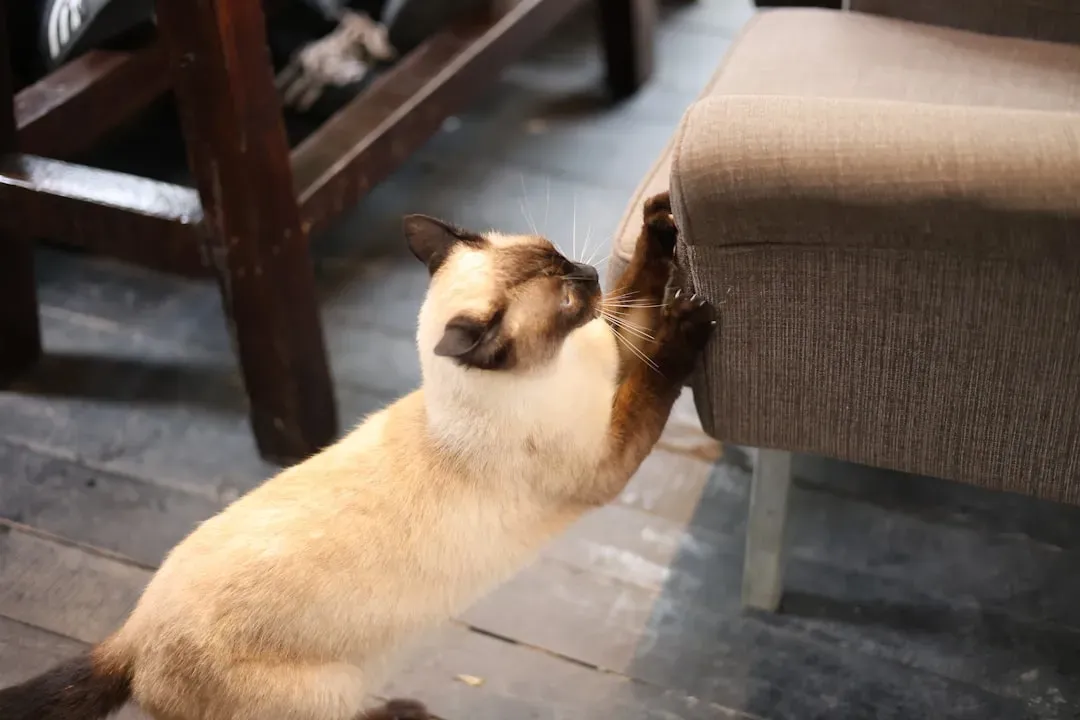
Cats that scratch your favorite sofa or expensive drapes are not on a mission to destroy your home, but rather wish to satisfy certain needs. Scratching is largely a marking behavior that deposits scent from special glands on the cat’s paws into their territory and removes the translucent covering from the claws. The scratch marks and claw sheaths left behind may also be displays of confidence.
Scratching keeps their claws healthy, lets them stretch, and helps them mark their territory – both with scent and those oh-so-obvious scratch marks. Couches are prime scratching spots because they feel just right under kitty claws and are usually in the middle of all the action – right where your cat wants to be. Your sofa’s position in the social center of the home makes it, from your cat’s perspective, the most logical place to leave a mark.
Fabric Choices That Actually Survive a Cat’s Verdict
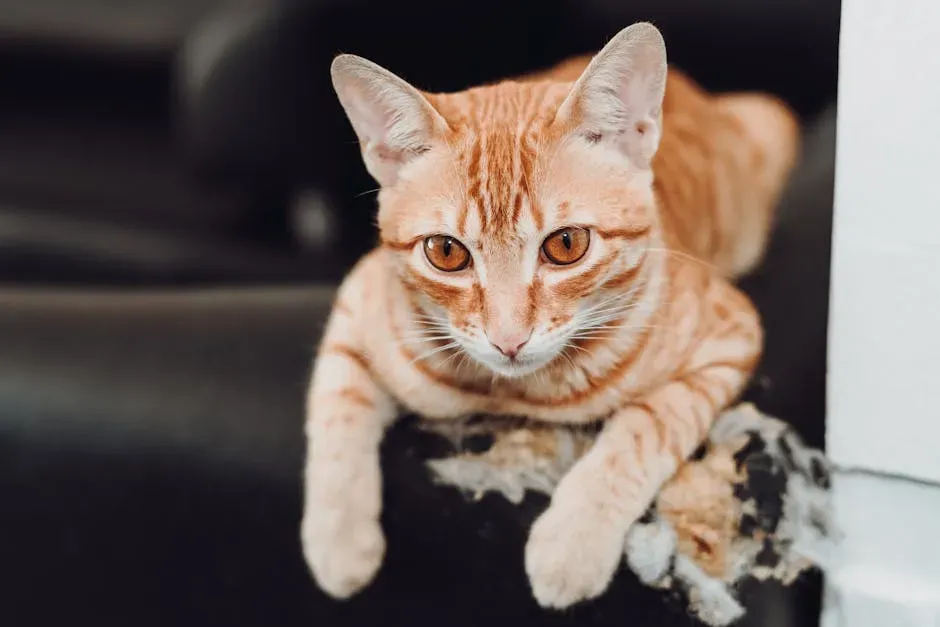
Some fabric types are like a special invitation for your cat to scratch, or they simply make damage look much worse. It is best to avoid fabrics that have a loose weave. Materials like linen, chenille, tweed, corduroy, herringbone, and basket weaves can easily snag on claws and may unravel over time. Knowing this before you shop could save you years of frustration.
For a stylish home that can withstand life with cats, look for tightly woven, scratch-resistant, and easy-to-clean fabrics. Materials such as canvas, top-grain leather, and microfiber offer a balance between form and function. Microfiber is a synthetic fabric highly recommended for cat owners. It is made of synthetic strands woven extremely tightly, meaning it is less likely to snag when faced with sharp claws, and it is also scratch-resistant and very durable.
Height and Vantage Points Matter More Than You Think
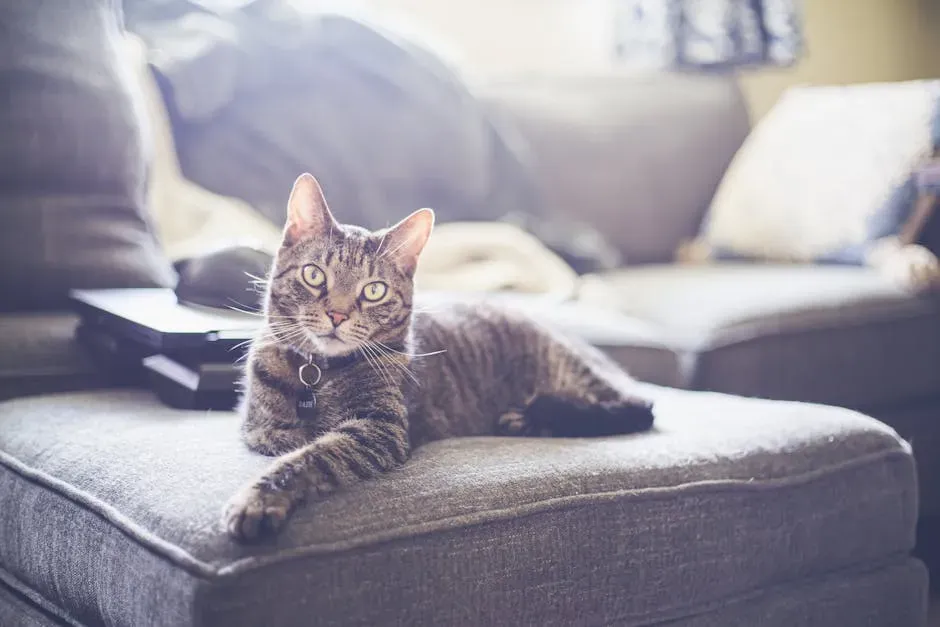
Cats are both predators and prey by nature. Elevated or strategic positions give them a vantage point to monitor their environment. This drives their preference not just for where on the sofa they sit, but for the height and position of the furniture itself within the room. A sofa that faces the door or window scores much higher in the feline ranking system.
Height gives cats confidence. It moves them from a state of reaction to a state of observation. By providing safe, high-altitude sanctuary, you are satisfying their wildest instincts in the most domestic way. Even if you don’t have a cat tree, placing your sofa near a window or with a clear sightline across the room gives your cat that same sense of environmental control they instinctively crave.
Spatial Memory Means Your Cat Never Forgets a Good Spot
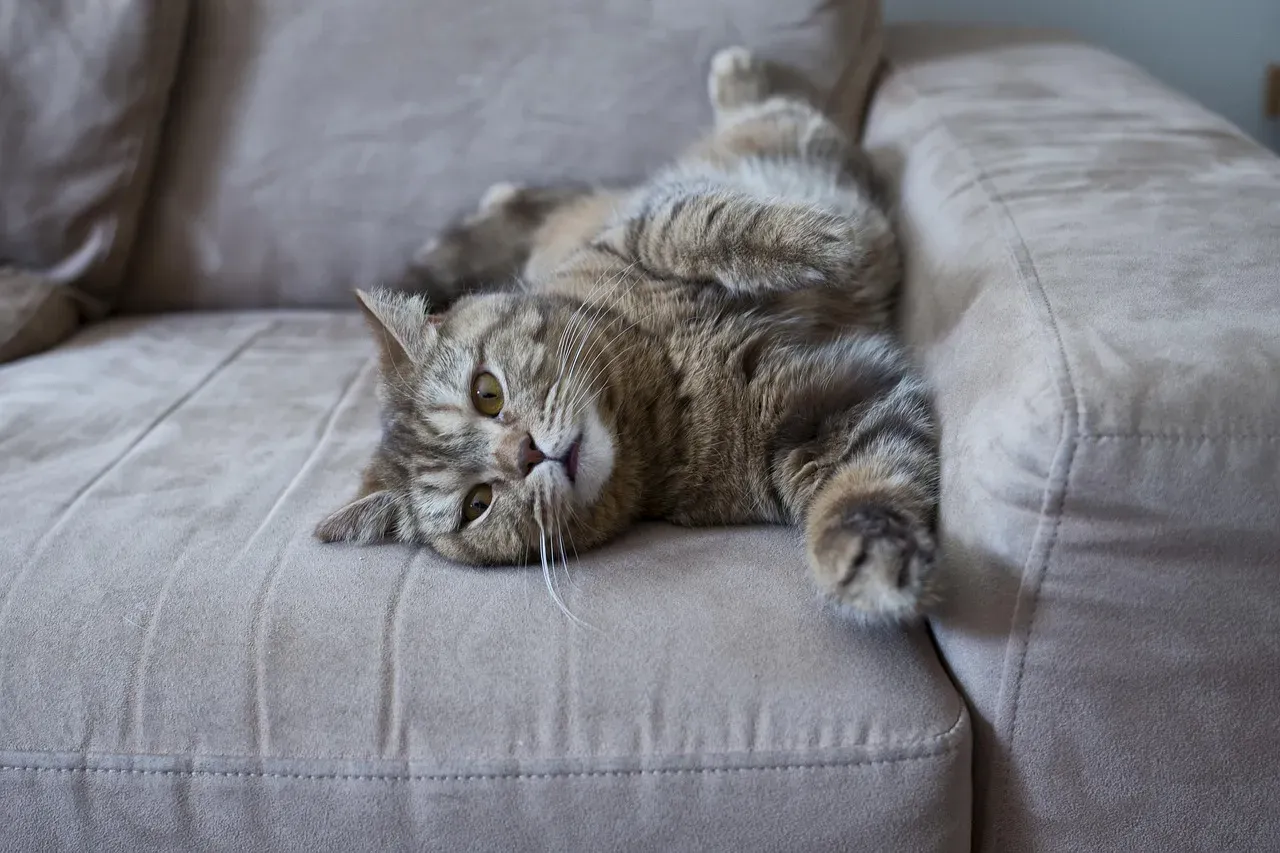
Cats have excellent spatial memory. Once a spot proves safe or enjoyable, they remember it and may return for years. Old favorite spots remain preferred over new furniture. This habitual return is a mix of learning, instinct, and long-term memory. This is exactly why your cat ignores the brand-new pet bed you bought and heads straight back to the exact same corner of the sofa it has always used.
Returning to a familiar spot helps reduce stress. In times of anxiety or environmental changes, cats often seek these known locations for reassurance. A safe spot offers emotional stability and helps cats self-soothe. That worn-in cushion isn’t just comfortable to them – it’s familiar in the deepest sense. Familiarity, for a cat, is one of the highest forms of security.
How to Work With Your Cat’s Preferences, Not Against Them
When a cat’s needs are overlooked in the home environment, it can lead to issues like hiding, aggression, or destructive scratching, many of which are mistakenly labeled as bad behavior. The fix rarely requires expensive intervention. Most of the time, it’s simply a matter of understanding what your cat is already telling you through their choices.
Analyzing traffic flow ensures furniture placement doesn’t impede household movement while still providing cats with their preferred observation and resting spots. Strategic placement near windows, in quiet corners, or along walls maximizes functionality without disrupting daily routines. Placing scratching posts throughout your home in places where your cat already likes to relax, or near items they already scratch, works well. Near sleeping spots is also a good idea, as most cats enjoy a good stretch and a scratch once they wake up.
Conclusion
Your cat’s relationship with your sofa is not random, not rude, and not particularly mysterious once you understand the instincts behind it. Every perch, scratch, and nap spot reflects something genuine: a need for warmth, security, territory, and familiarity that hasn’t changed much since cats first decided humans made decent housemates.
The most practical takeaway here isn’t just about protecting your upholstery – though tightly woven microfiber certainly helps. It’s about recognizing that when you understand what your cat is looking for, you can design a shared space that genuinely works for both of you. A cat that feels seen in its environment tends to be calmer, more confident, and – surprisingly – less destructive. Sometimes the easiest path to a better sofa situation is simply paying closer attention to the creature already sitting on it.
Kristina is a young writer from India. An arts graduate and an avid content creator, Kristina is passionate about animals and wildlife. She enjoys exploring topics related to pet care, animal behavior, conservation, and nature, combining thorough research with engaging storytelling.