Most people think a cat “chooses” you the day you sign the adoption papers, or the first time they finally curl up on your lap like they mean it. That’s the story we tell ourselves. It’s also almost never true.
Cat behaviorists will tell you something quieter and honestly a little more moving: by the time you notice the big, obvious gestures, your cat has usually been quietly committed to you for months, sometimes years. Felines don’t do grand declarations. They do tiny, almost invisible votes of loyalty scattered through your everyday routine, and most of us walk right past them without realizing what we’re looking at. If you’ve ever wondered whether your cat actually picked you, or just tolerates you for the food, these 15 signs will settle it.
#1 – They Track You With Their Eyes (Even When Pretending Not To)
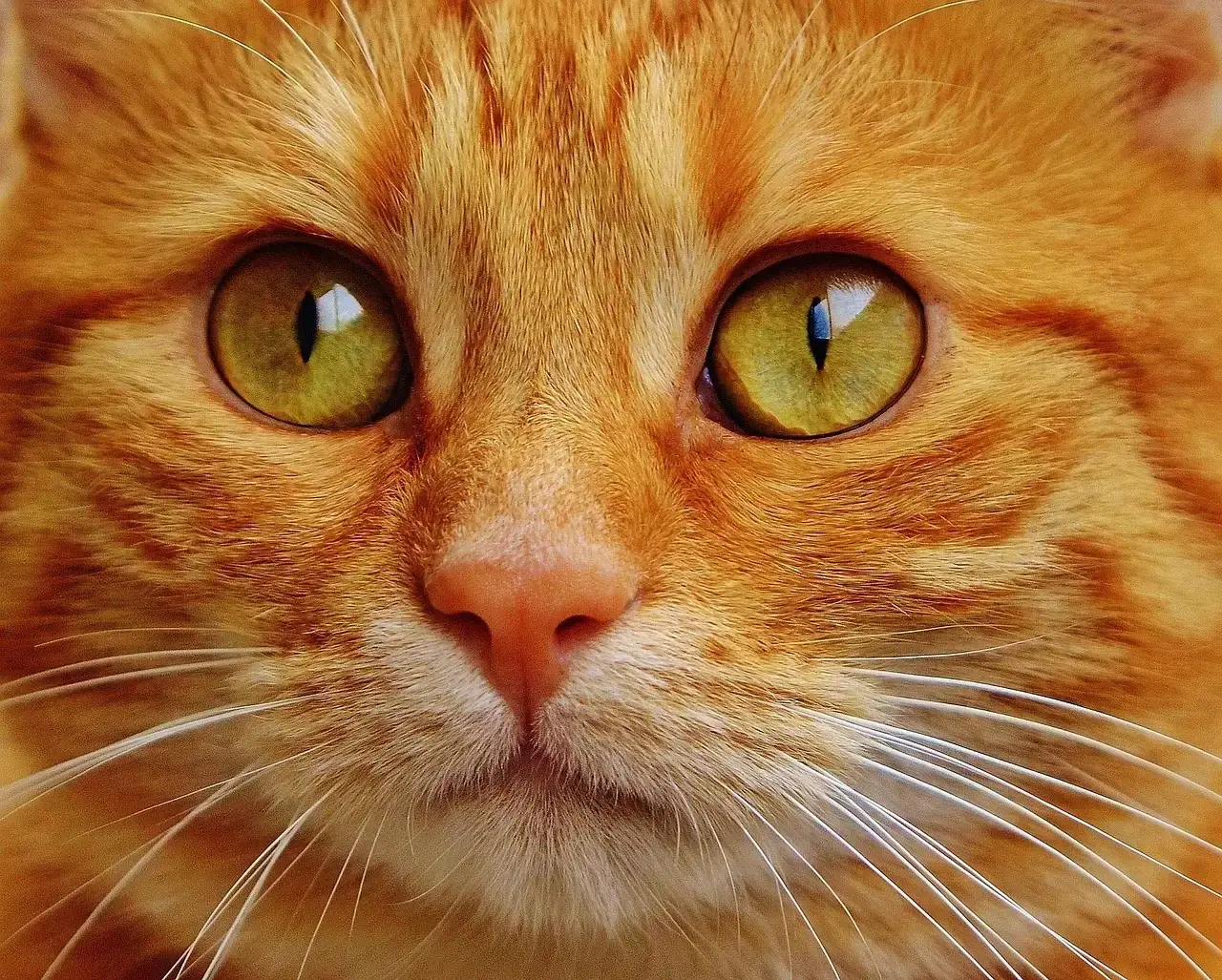
If your cat acts “too cool” to care but somehow always knows exactly where you are in the house, that’s not indifference. That’s attachment wearing a disguise. Watch closely the next time you walk from room to room: does your cat subtly shift position just enough to keep you in their line of sight, even if they never actually get up to follow you?
That quiet tracking is a prey-animal instinct that’s been rewired for emotional security. You’ve become their moving safe base, whether you asked for the job or not. People who think cats are aloof completely misread this behavior. The side-eye from the couch, the tiny head turns as you cross the room, the sudden “random” appearance after you’ve been gone too long – none of it is random. It’s a check-in, and it’s been happening longer than you think.
#2 – They Choose To Be Near You, Not On You
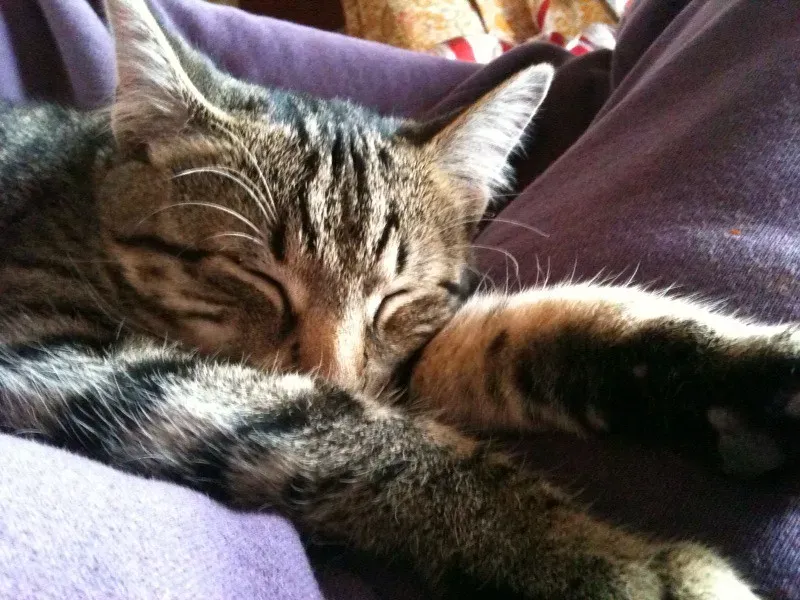
Everyone romanticizes the lap cat, but plenty of deeply bonded cats show love through proximity, not contact. Watch for what behaviorists sometimes call the three-foot rule: your cat regularly parks themselves within a few feet of you, close enough to matter, but not necessarily touching. It looks less clingy than a dog curled on your feet, but it’s just as loyal.
That choice is enormous for an animal hardwired to protect its personal space. They’re essentially saying, “I trust you enough to relax near you, and I’m building my whole day around your orbit.” You’ll see it when they nap at the far end of the couch you’re sitting on, or wander into whatever room you just walked into for no obvious reason. Most people miss this one because it isn’t dramatic. But it’s often one of the earliest “I chose you” clues a cat ever gives.
#3 – They Sleep in Your Pathways, Not Just Your Bed
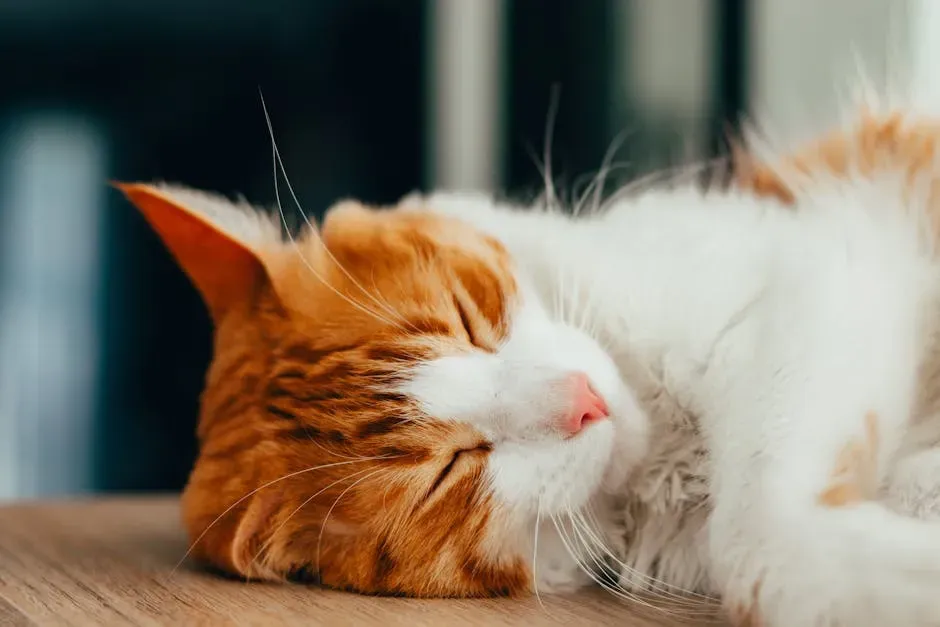
Everyone notices when a cat claims their pillow. Fewer people notice the cat who strategically naps exactly where they’re guaranteed to get walked past. The hallway rug you cross twenty times a day, the kitchen mat while you cook, the floor right inside the bathroom door – that’s not poor location planning. That’s access.
By choosing your daily traffic lanes, your cat guarantees they’ll see you, smell you, and feel you pass by throughout the day. They’re quietly saying, “I want your presence as my background noise.” In feline social groups, chosen companions often rest where they can monitor each other without needing constant contact, and you’ve become that companion whether you clocked it or not. Cats that don’t feel bonded tend to hide in low-traffic, hard-to-reach spots instead. Where your cat sleeps tells the truth.
#4 – They Blink Slowly Like You’re in Their Inner Circle
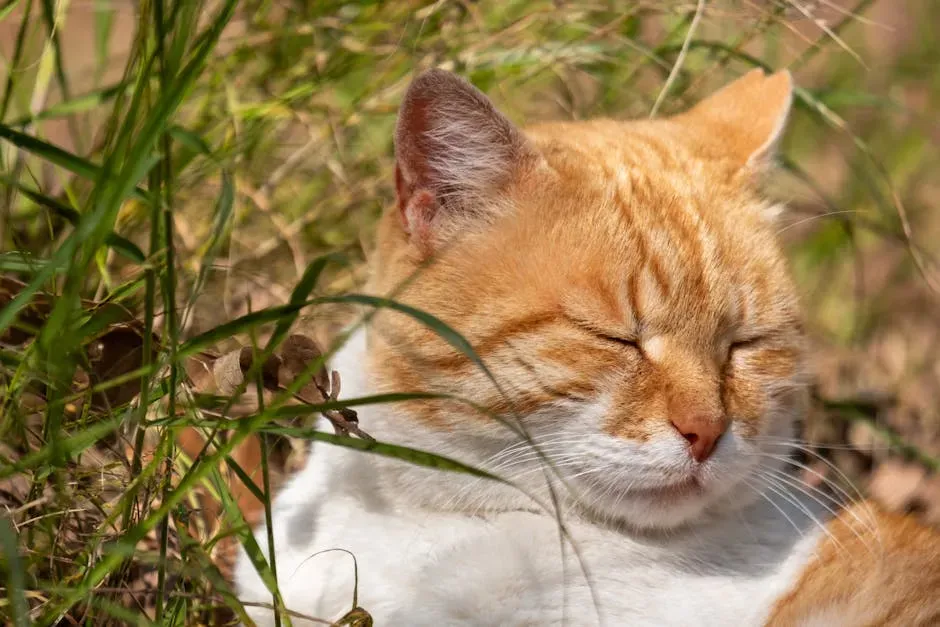
Most people treat the slow blink as a cute internet trick. In reality, it’s one of the most intimate signals a cat is capable of giving. When your cat makes eye contact, softens their gaze, and offers you a slow, relaxed blink, they’re doing something feral cats almost never risk in the wild: closing their eyes in front of another living thing.
That’s prey-animal-level vulnerability, and it’s not an accident. Research has shown that slow blinking actually increases a cat’s willingness to approach a person, which suggests it functions almost like a spoken sentence: “I trust you. You’re safe.” If your cat started blinking at you long before they were comfortable being picked up or handled, that quiet blink was likely the moment they silently chose you. Some experts argue it’s an even more meaningful trust cue than lap-sitting, precisely because it’s completely voluntary.
Fast Facts
- A 2020 University of Sussex study found cats were more likely to approach an unfamiliar person after a slow-blink exchange.
- Researchers tested the gesture with owners first, then with total strangers, and the effect held up both times.
- Shelter cats that returned a slow blink to humans tended to get adopted faster than cats that didn’t.
- Vets often nickname it the “cat kiss,” since it mirrors the soft eye-narrowing humans make when smiling.
#5 – They Bring You “Gifts” You Never Asked For
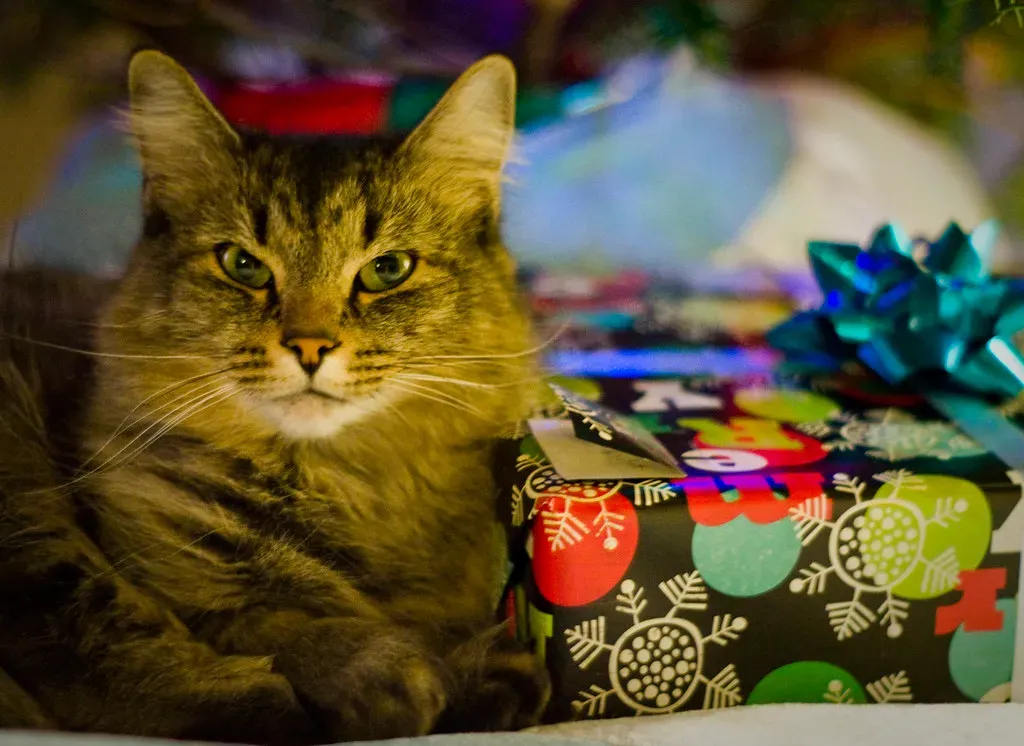
Everyone complains about the dead lizard or the soggy toy mouse abandoned on the bed, but that reaction misses what’s actually happening. When a cat consistently drops toys, socks, or unfortunate bugs at your feet, they’re doing a version of what feline mothers do for their kittens: sharing resources and, in their own way, teaching you something.
Sometimes it isn’t even prey. It’s their favorite ball, the crinkly toy they normally guard, the one piece of string they never let anyone else touch. Cats rarely give up prized possessions without meaning behind it. Watch for the tell: they often linger afterward, looking at you expectantly, waiting for some kind of reaction, and they tend to pick the same person as their delivery target every single time. It’s messy, sure. But in cat language, “here, I found this for us” is loyalty dressed up as a nuisance.
#6 – They Follow You to the Bathroom Like It’s a Mission
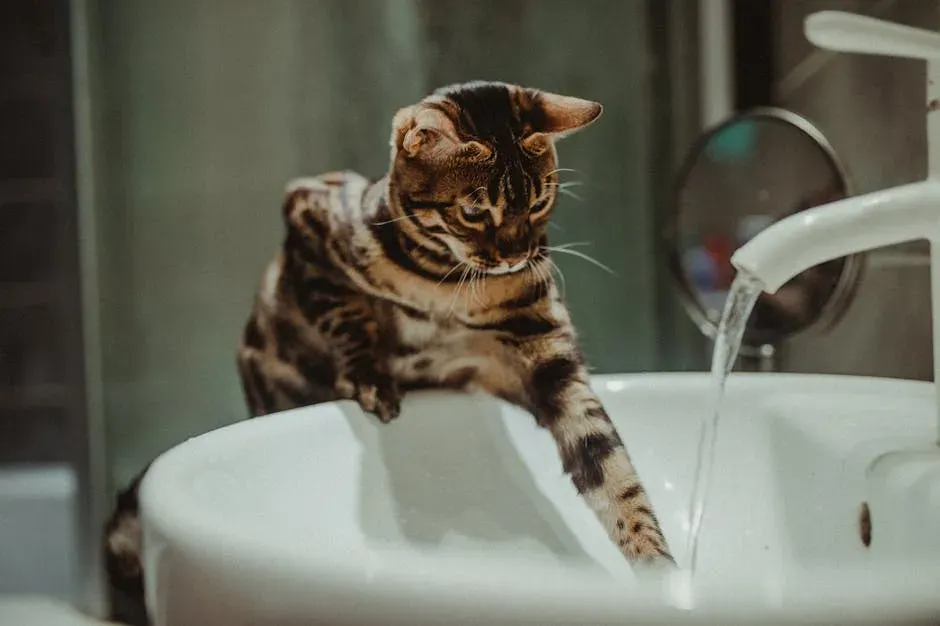
Non-cat people joke about “bathroom bodyguards.” Cat people know it’s weirder, and more telling, than that. If your cat shadows you specifically to sit just inside the door, perch in the sink or tub while you’re in there, or cry and paw at the door if you shut them out, you’re watching a strong attachment behavior play out in real time.
Bathrooms smell strongly like you and offer a small, echoey space where a cat can monitor you without any competing stimuli. Many anxious cats will only do this for one specific person in the household, not everyone who lives there. The bathroom effectively becomes your den, and they insist on being let inside it. Some people dismiss this as neediness, but plenty of behaviorists read it as a cat protecting its most important social bond during an oddly vulnerable moment. If they’ve been doing this since the early days, they chose you quietly and never bothered asking your opinion on it.
#7 – They Adjust Their Schedule to Match Yours
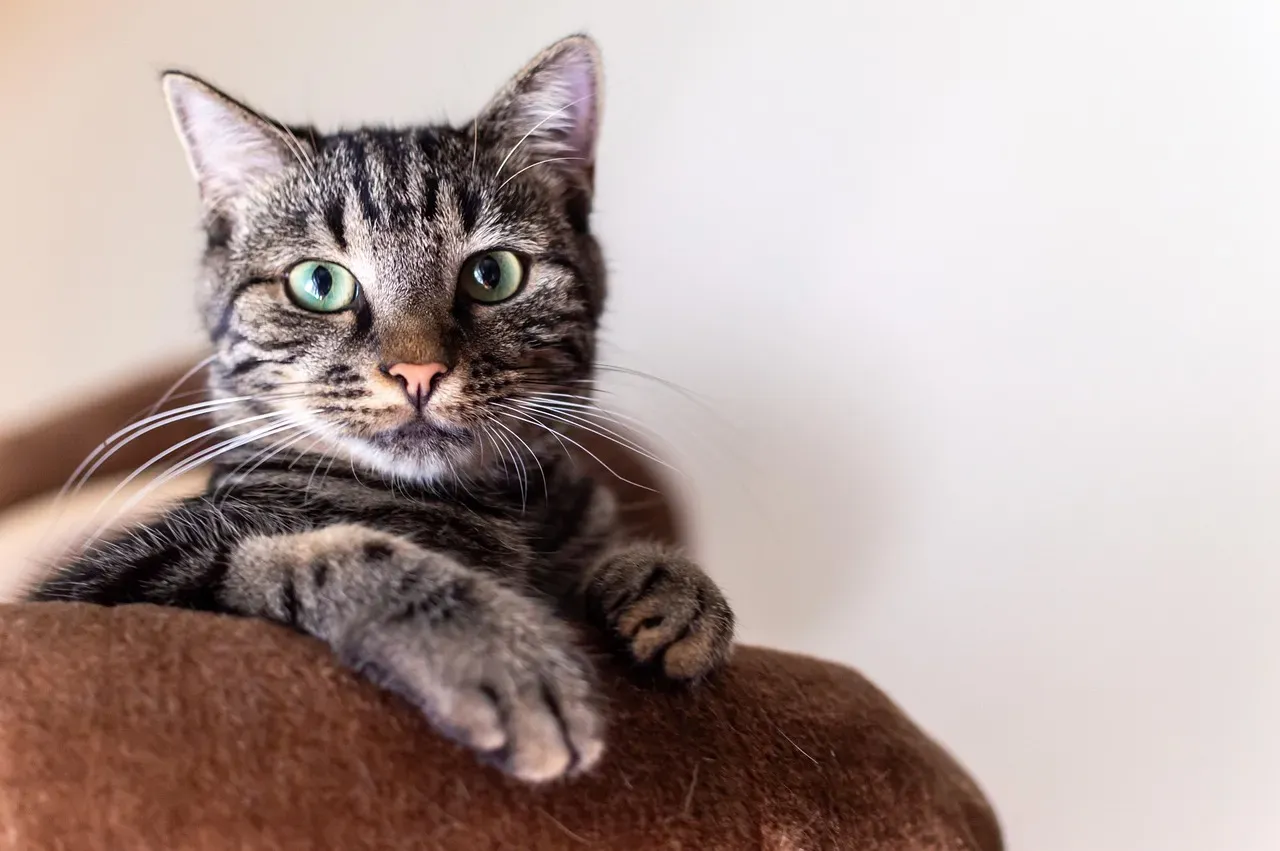
Most people miss this one completely because it looks so normal it barely registers. If your cat starts waking up when you do, even though cats are naturally wired for dawn and dusk activity, or waits by the door around the time you usually get home, they’re not just tracking the food bowl.
Research on social synchronization in pets shows that bonded animals will actually shift their internal rhythms to align with their primary person. A cat that chose you long ago quietly rewires its entire day around your presence, even if that means sacrificing prime hunting hours just to be near you on the couch. You’ll notice it most on days when your routine changes; they seem a little thrown off, almost disoriented. That’s not manipulation. That’s the quiet cost of emotionally investing in a species that runs on a schedule.
#8 – Their Tail Tells the Truth When You Walk In
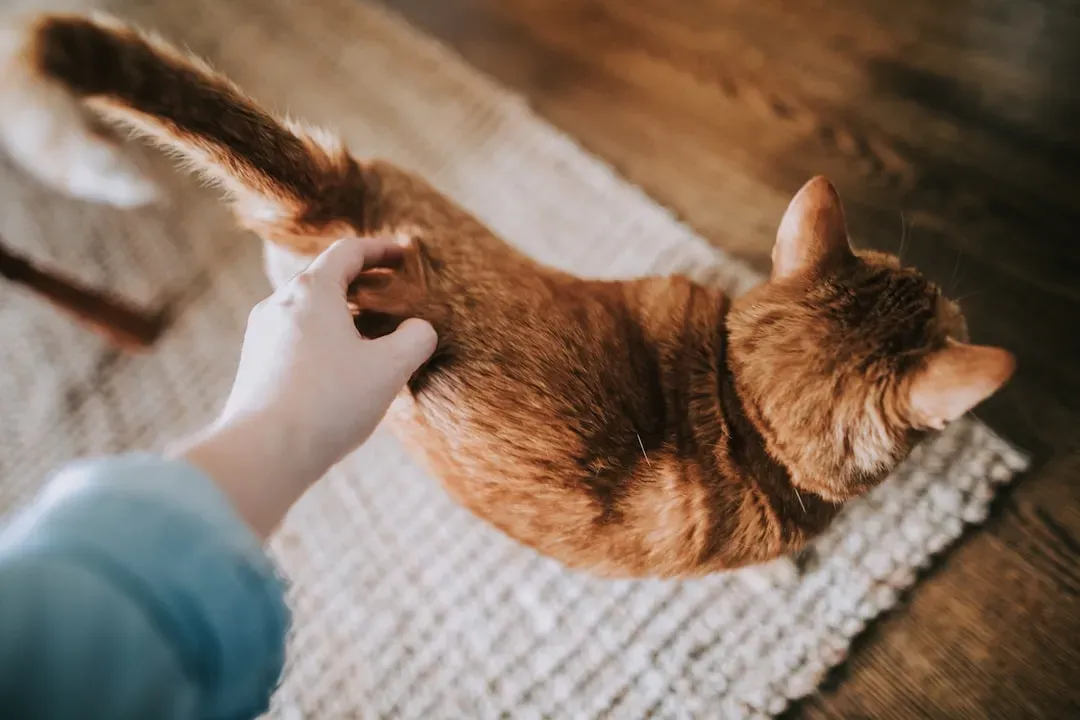
Forget the purring for a second. Watch the tail instead. If your cat greets you with a tail held high and slightly hooked at the tip, a little vibrating quiver the moment they spot you, or a soft swish that relaxes the closer you get, that’s about as close as a cat gets to shouting, “You’re my favorite person.”
A vertical tail is a classic sign of a friendly, secure approach. Kittens use it toward their mothers, and adult cats reserve it almost exclusively for social partners they deeply trust. That little quiver some cats do is basically emotional overflow, a physical tell they can’t suppress even if they wanted to. Here’s the part that stings a little: many cats will only do this for one person in a multi-person household, even if others feed or pet them more often. The tail always gives away who they actually picked.
Quick Compare
- Tail straight up, tip curled: a confident, happy greeting reserved for trusted people.
- Tail puffed like a bottle brush: fear or a perceived threat, not affection.
- Tail wrapped around your leg or arm: the feline version of a hug.
- Tail low and tucked: anxiety, uncertainty, or feeling unsafe.
#9 – They “Groom” You Like You’re One of Them
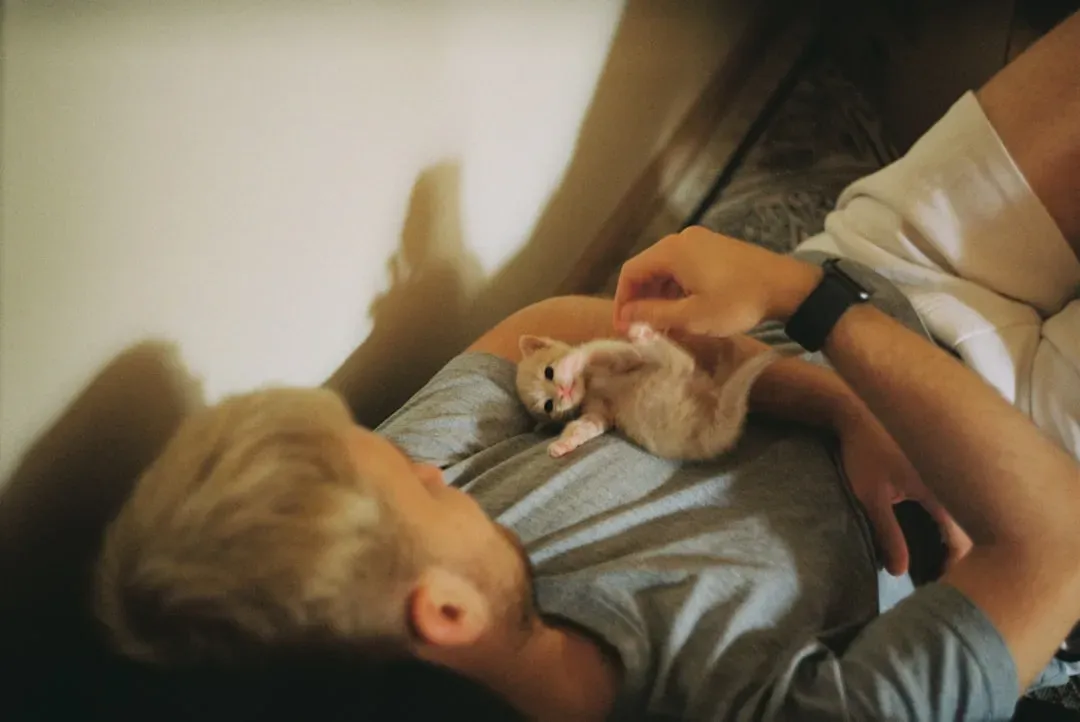
If your cat licks your hand, your hair, your eyebrows, or even your clothes, that is not random affection. It’s tribal. Among cats living in social groups, mutual grooming, known as allogrooming, is reserved strictly for allies, not just whoever happens to be sitting closest.
When your cat slowly and deliberately grooms you, they’re pulling you into that inner circle on purpose. Some get intense about it, licking, then gently nibbling, then going right back to licking, while others seem determined to “wash” your hair like you’re a giant, hopelessly incompetent kitten. It can be annoying, sure, but notice the pattern: they don’t do it to everyone, and they tend to do it most when you’re relaxed and still. This isn’t casual. They decided a long time ago that you’re family, not a guest.
#10 – They Show You Their Belly – and Don’t Always Want a Rub
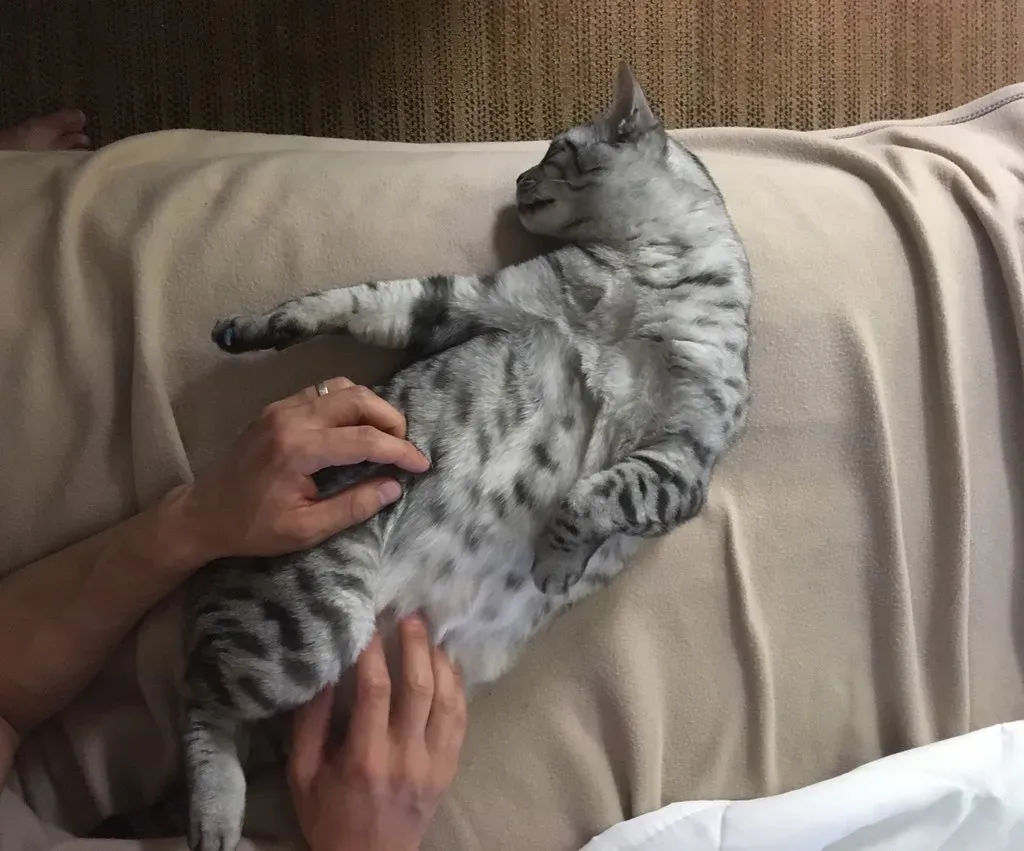
Here’s where most people get it wrong: the belly doesn’t always mean “pet me.” It does, however, always mean deep trust. When a cat rolls over and exposes their completely unprotected stomach in front of you, especially if they stretch out fully with paws in the air, they’re willingly giving up every ounce of leverage they have.
In the wild, that move would be unthinkable. With you, they’re essentially betting that you won’t hurt them. Even if they swat your hand away the second you go in for the rub, the underlying message hasn’t changed: “I feel safe enough here to be vulnerable and a little ridiculous.” If they’ve been doing this since before they even liked being picked up, that’s your real timeline. They trusted you physically long before you ever realized you’d been emotionally chosen.
#11 – Their Meows Change Just for You
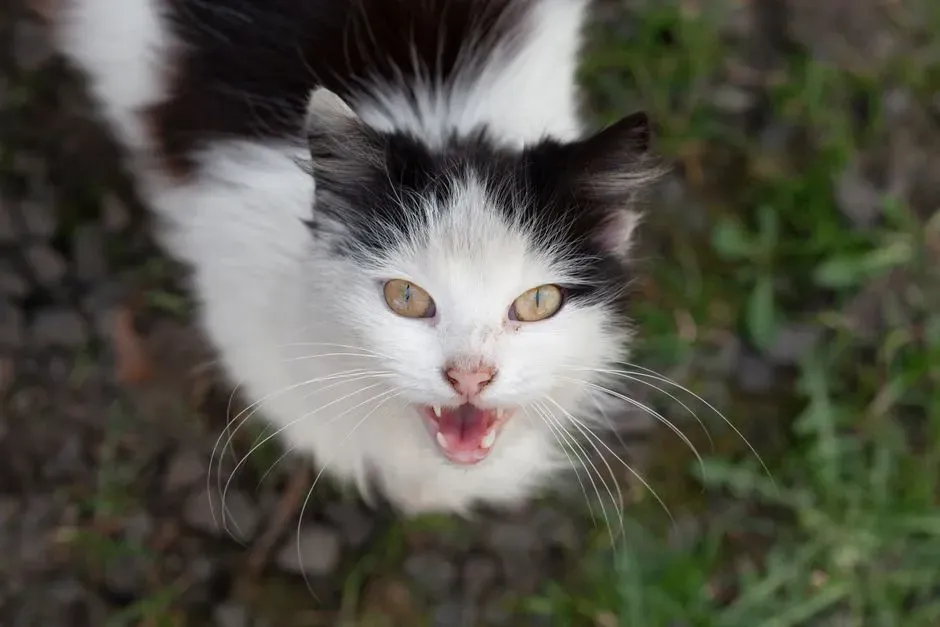
Here’s the strange one: your cat probably has a language reserved just for you, and you’re not imagining it. Cats rarely vocalize much with each other at all. Most of their meowing is aimed directly at humans, and over time, many cats develop distinct meow types for specific people or specific responses.
Pay attention the next time your cat greets you. Is the sound softer, chirpier, or oddly baby-like compared to what they use with other people in the house? That’s not a coincidence. That’s customization. They’ve fine-tuned their communication to whatever gets your attention and fits your particular dynamic together. Some skeptics shrug this off as simple conditioning, but the pattern holds up: cats only bother fine-tuning their voice for relationships that actually matter to them. If they built a custom sound just for you, they didn’t start caring yesterday.
#12 – They Rub Their Face on You Like You’re Property
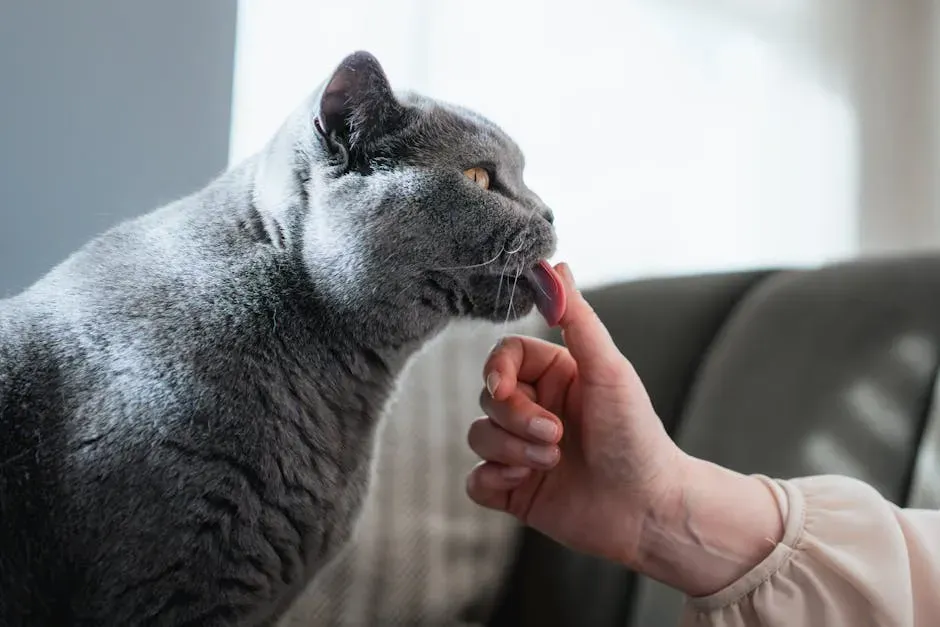
Most people think head boops and cheek rubs are just cute. They’re not. They’re paperwork. Cats have scent glands along their cheeks, forehead, and mouth, and when your cat presses their face into your hand, your leg, or even your laptop mid-typing, they’re literally marking you as theirs.
That scent transfer does double duty: it claims you, and it calms them, since familiar scent equals safety in a cat’s brain. Watch for it after a shower or a trip outside, when they often re-mark you almost immediately, or after a stressful event like a vet visit, when the face-rubbing tends to get noticeably more intense. In a multi-cat household, the cat doing the most face-rubbing on you is usually the one who feels the strongest claim. They decided a long time ago that you were worth defending, with scent, at the very least.
Worth Knowing
- Cats carry scent glands concentrated on their cheeks, chin, forehead, and the base of their tail.
- The behavior is called “bunting,” and cats reserve it almost exclusively for people, animals, and objects they consider part of their territory.
- Unlike urine marking, cheek marking is a friendly, low-stakes way of claiming ownership.
- Many cats bunt harder after time apart from their favorite person, treating it like a small reunion ritual.
#13 – They Break Their Own “Rules” Just for You
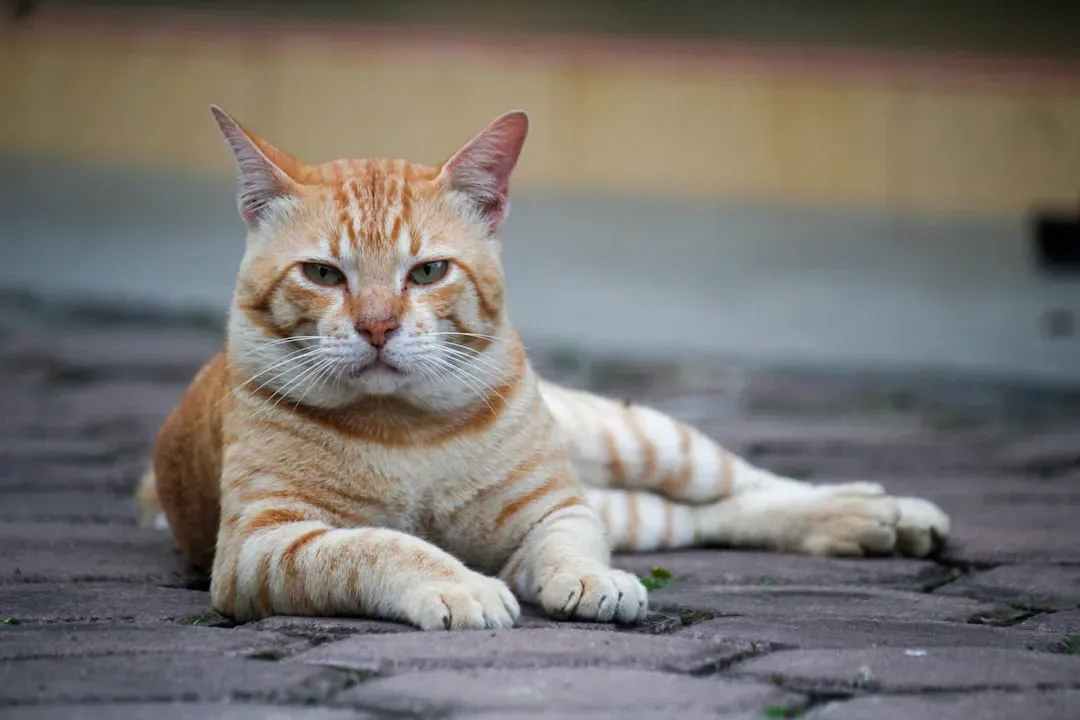
Every cat has personal boundaries, right up until it comes to the one person they’ve chosen. Watch for the exceptions: the “don’t-pick-me-up” cat who mysteriously tolerates you scooping them off the counter, the “no-laps” cat who occasionally settles on your legs and never anyone else’s, the shy cat who vanishes from guests but strolls right out the second they hear your voice.
Those inconsistencies are the whole point. When a cat bends its own rules for exactly one human, that’s not random. That’s prioritization, built from hundreds of small, positive interactions stacked up over a long stretch of time. People love to insist that cats don’t change for anyone. But if your cat has quietly built a you-only exception list, the argument’s over. They chose you, then rearranged their entire personality around that choice.
#14 – They Come to You When They’re Sick or Scared
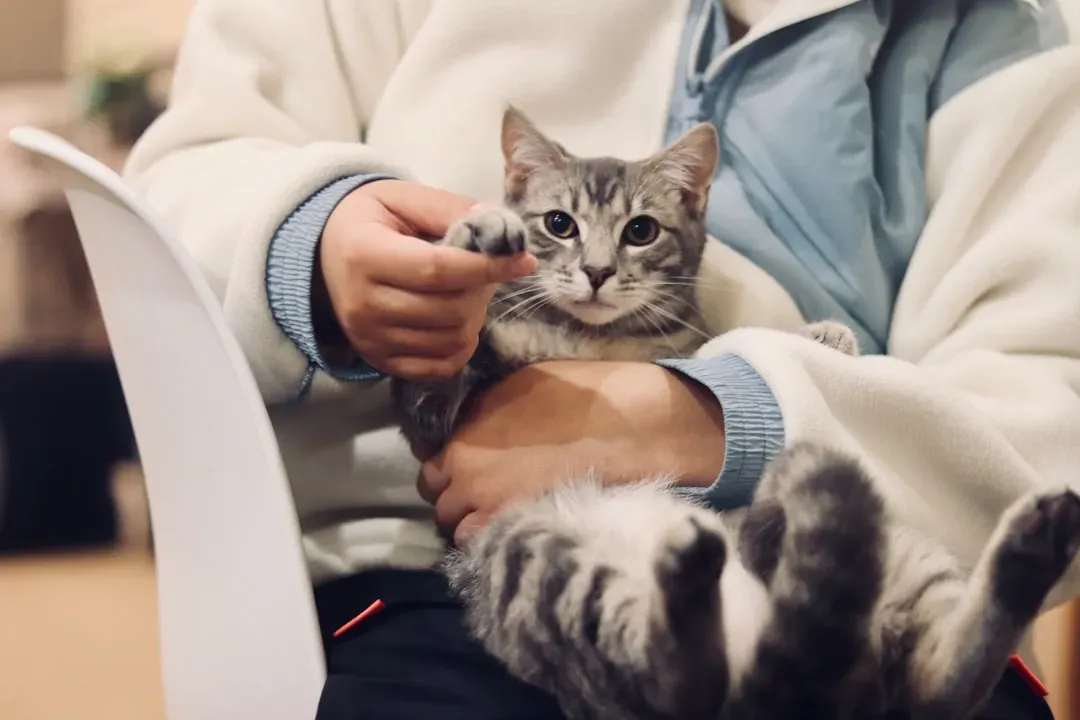
This is the sign nobody really wants to think about, but it might be the loudest one on this entire list. Cats are instinctively wired to hide discomfort and weakness. Pain and illness typically make them secretive, not clingy, because in the wild, showing weakness gets you killed.
So when a cat actively seeks you out during fireworks, a thunderstorm, an unfamiliar dog, or while they’re not feeling well, that’s a massive statement of trust. They’re overriding a survival instinct to tell you, in the clearest way a cat can, “I feel safer near you than I do alone.” Watch for the cat who only crawls into your bed when they’re under the weather, or the senior cat who chooses your lap more and more as they age. That’s not drama. That’s vulnerability, and if your cat heads straight for you when life gets hard, they made their choice a long time ago.
Why It Stands Out
- Cats evolved as both predator and prey, which wires them to mask pain and weakness by instinct.
- Seeking you out during illness or fear means they’re overriding millions of years of self-preservation instinct.
- Veterinarians often rely on owners to notice subtle changes, since cats rarely show obvious distress on their own.
- A cat that only clings when unwell is telling you exactly who they consider safe.
#15 – They Relax Faster With You Than Anyone Else
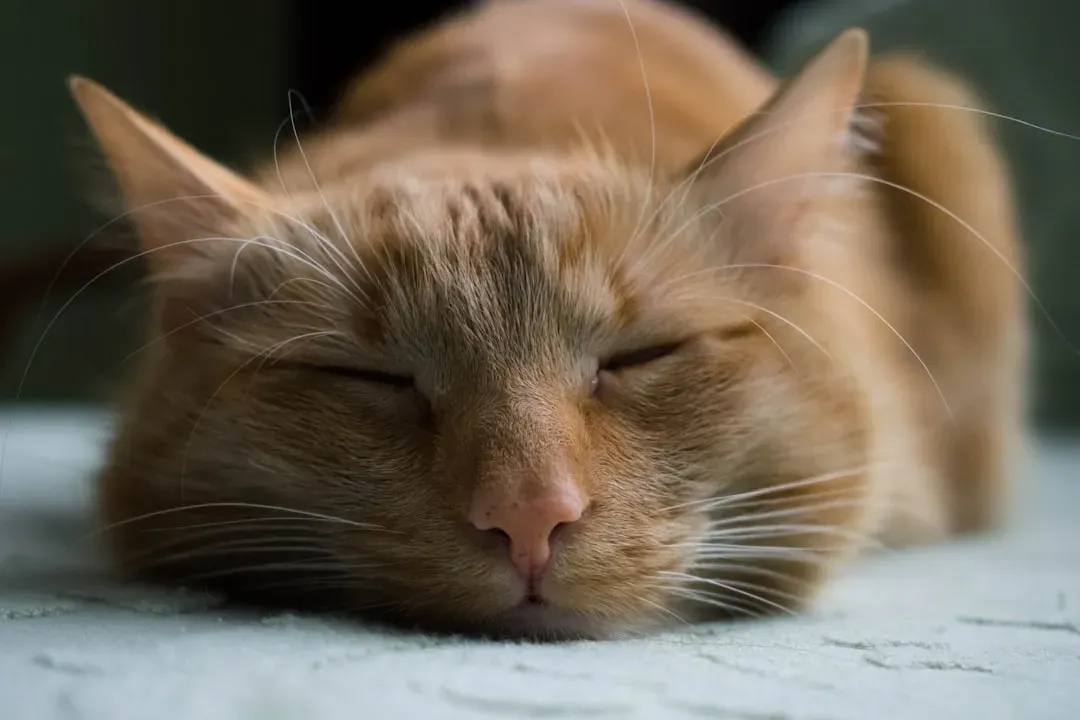
Here’s the real test, the one that actually matters more than any of the others: not whether your cat comes to you, but how quickly they truly relax once they get there. Watch their body carefully. Do their shoulders drop and their breathing slow within a few seconds of you touching them? Do they fall into their deepest sleep only when they’re on or near you? Do their ears, whiskers, and tail loosen into that soft, unguarded posture almost the moment you’re close?
That rapid shift from alert to soft is the feline equivalent of finally exhaling. Cats may tolerate plenty of people, but they usually have exactly one person who functions as their emotional off switch. That’s who they chose quietly, long before anyone ever snapped a cuddly photo of it. If, over and over, you’re the one who makes their whole nervous system stand down the fastest, you already have your answer. They didn’t just pick you. They built their entire sense of safety around you.
The Bottom Line
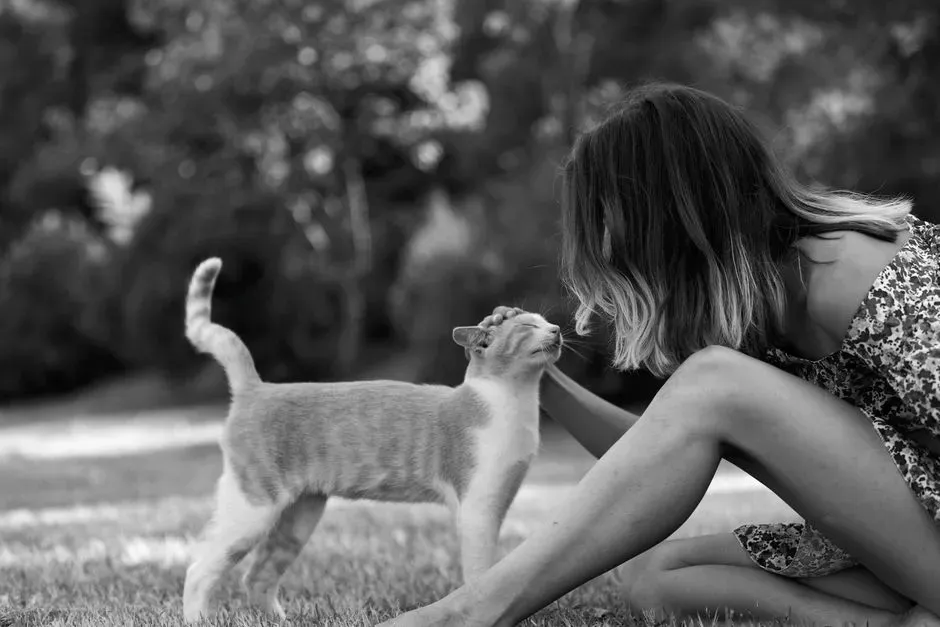
Most people wait for a Hollywood moment, the first purr, the first lap-sit, the first cuddly photo, before they believe their cat actually loves them. That’s backwards. By the time those moments happen, your cat has usually already been voting for you in a hundred quieter ways: with their eyes, their schedule, their scent, and the rules they were only ever willing to break for you.
Here’s the uncomfortable part I’ll say plainly: some of the behaviors people write off as clingy or annoying are actually the clearest proof of loyalty a cat is capable of showing. Not every cat displays every sign, and personality plays a role in how loud or quiet these signals get. But if you recognized your own cat in even a handful of these, don’t wait around for a bigger sign. They already decided, a long time ago, and they never once looked back.
Kristina is a young writer from India. An arts graduate and an avid content creator, Kristina is passionate about animals and wildlife. She enjoys exploring topics related to pet care, animal behavior, conservation, and nature, combining thorough research with engaging storytelling.