Most pet owners think buying pet insurance is as simple as picking the cheapest monthly premium and moving on. They’re wrong, and that mistake can cost thousands the moment it matters most.
Every six seconds, a pet owner faces a vet bill over $1,000. Yet by the end of 2024, only 5.46% of dogs and 2.04% of cats in the U.S. were actually insured, according to NAPHIA’s 2025 State of the Industry Report.
The real money in these policies is won or lost in the fine print nobody reads. Here are the 15 questions that separate a genuine safety net from an expensive illusion.
#15 – What Type of Coverage Do I Actually Need?
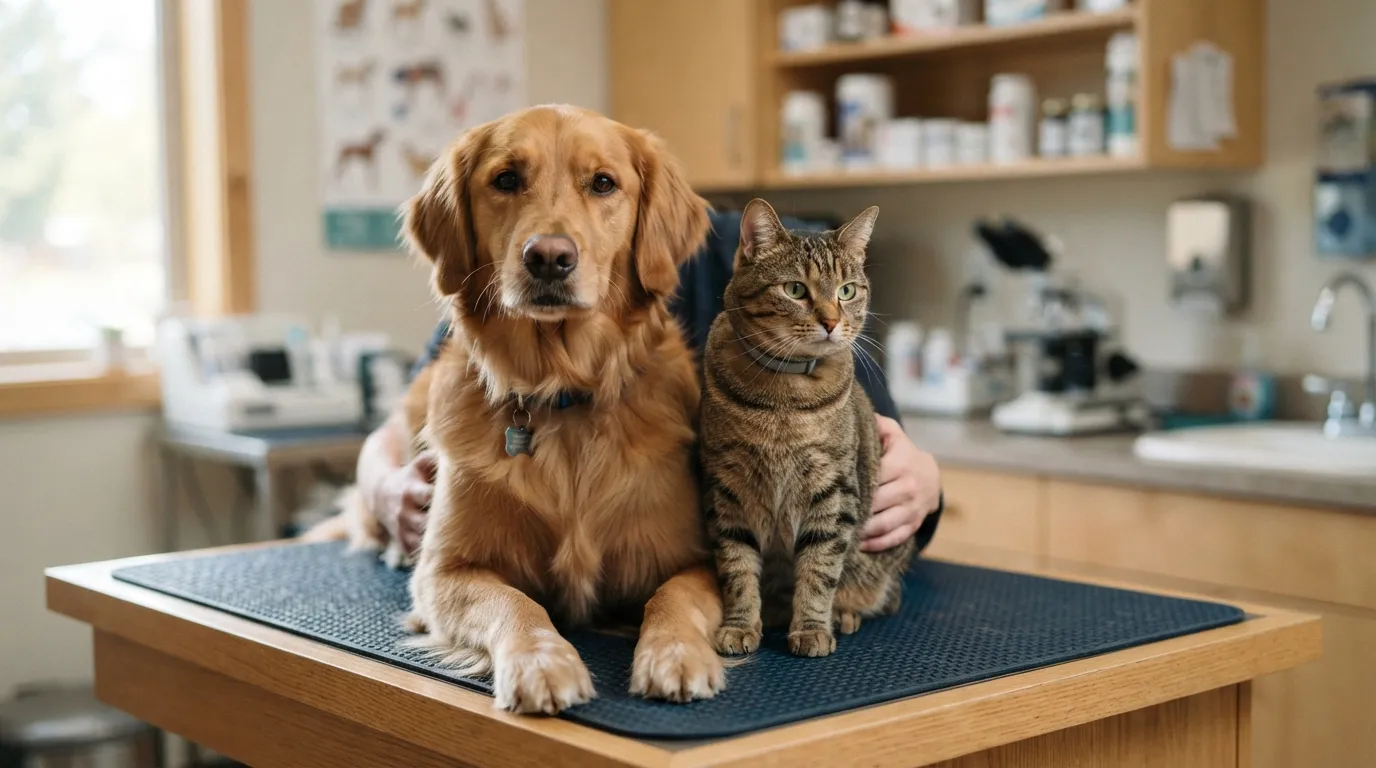
Most people grab the first plan they see and hope for the best. That’s the first mistake.
Pet insurance comes in two basic flavors: accident-only and comprehensive. Accident-only covers injuries like bites or poisoning, while comprehensive (accident & illness) also covers cancer, infections, and chronic conditions.
The gap between these two plans is enormous – in both coverage and cost. Accident and illness coverage averages about $590 a year for dogs and $350 for cats, while accident-only runs closer to $194 for dogs and $126 for cats.
Quick Compare
- Accident-only: ~$194/year for dogs, ~$126/year for cats – injuries only
- Accident & illness: ~$590/year for dogs, ~$350/year for cats – adds cancer, chronic illness, infections
- The gap: roughly $400 a year for dogs buys coverage for the claims that actually cause financial damage
Plenty of owners pick accident-only to save money, then find out their pet’s chronic illness – the most expensive kind of claim there is – was never covered at all.
That’s a rough start. Question #14 is where breed becomes the enemy.
#14 – Does This Policy Cover My Pet’s Breed-Specific Risks?

Your dog’s breed can quietly work against you inside the fine print. Certain breeds are simply predisposed to certain problems.
Research published in the Journal of the American Veterinary Medical Association points to hip dysplasia and cruciate ligament issues as some of the most common orthopedic problems in dogs, alongside allergies and hip/elbow dysplasia as top hereditary conditions.
Some insurers exclude coverage for breed-specific conditions outright. Others simply charge more for breeds known to be at risk – ask which one applies to you.
Brachycephalic breeds like pugs and bulldogs are especially vulnerable. Insurers may limit or deny coverage for these breeds because they’re genetically prone to respiratory disease.
Breed isn’t the only silent dealbreaker. Question #13 hides in the fine print itself.
#13 – What Exactly Is Excluded From This Policy?

Every policy has a list of things it refuses to pay for. Most people never read that list until it’s too late.
Exclusions go far beyond pre-existing conditions. Elective procedures, certain dental work, prescription food, and behavioral therapy are common no-go zones.
Coverage scope, exclusions, and costs vary wildly between insurers. What one company covers, another flatly refuses – and that gap should stop every shopper cold.
Two policies priced almost identically can hide radically different coverage holes. Read the exclusions list, not the glossy brochure, before you sign anything.
Exclusions are bad enough. Pre-existing conditions are worse – and broader than you think.
#12 – How Do Pre-Existing Conditions Work Here?

This is the question that trips up more pet owners than any other. The definition is wider than most people assume.
A pre-existing condition is any injury, illness, or symptom your pet showed before coverage began – including during the waiting period. That timeline matters more than the paperwork suggests.
Once something is classified as pre-existing, no reimbursement applies, no matter how expensive treatment becomes. That covers diagnostics, medication, surgery, and every follow-up visit after it.
Even a passing notation in an old vet record can count as documentation. Insurers review your pet’s entire medical history, not just recent records, so something flagged years ago can still sink a claim today.
Pre-existing conditions aren’t the only clock ticking against you. Waiting periods are next.
#11 – What Are the Waiting Periods Before Coverage Kicks In?
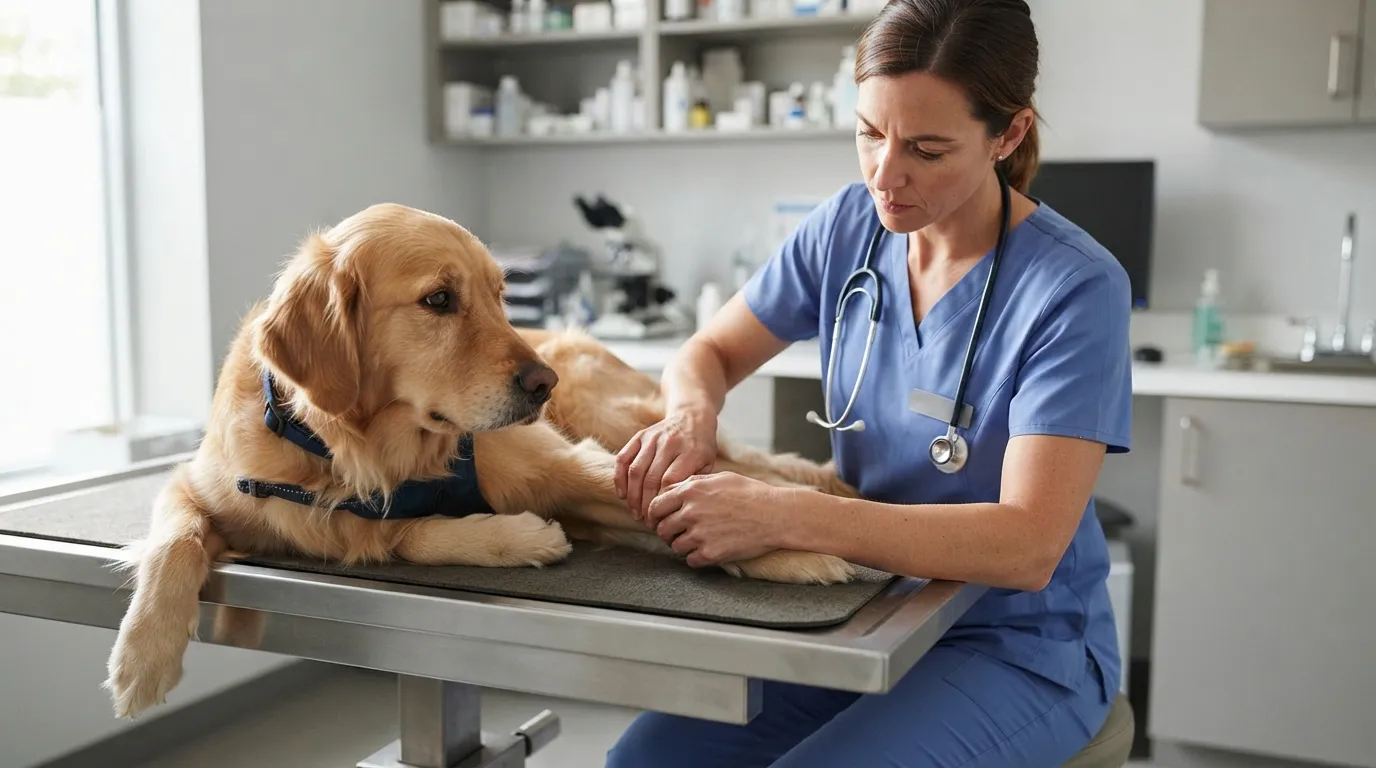
You sign up today. Something happens tomorrow. You assume you’re covered – you might not be.
Most policies impose waiting periods: a short one for accidents, a longer one for illnesses and orthopedic conditions. Anything that appears during that window is usually treated as pre-existing.
Orthopedic conditions can carry waiting periods of up to a year – 12 months of exposure on one of the most expensive claim categories there is. Joint and ligament surgery isn’t cheap.
Some insurers will waive the wait if you get a vet exam or prove prior coverage from a previous provider. It costs nothing to ask directly.
Surviving the waiting period doesn’t mean you understand how you’ll actually get paid.
#10 – How Does the Reimbursement Model Actually Work?
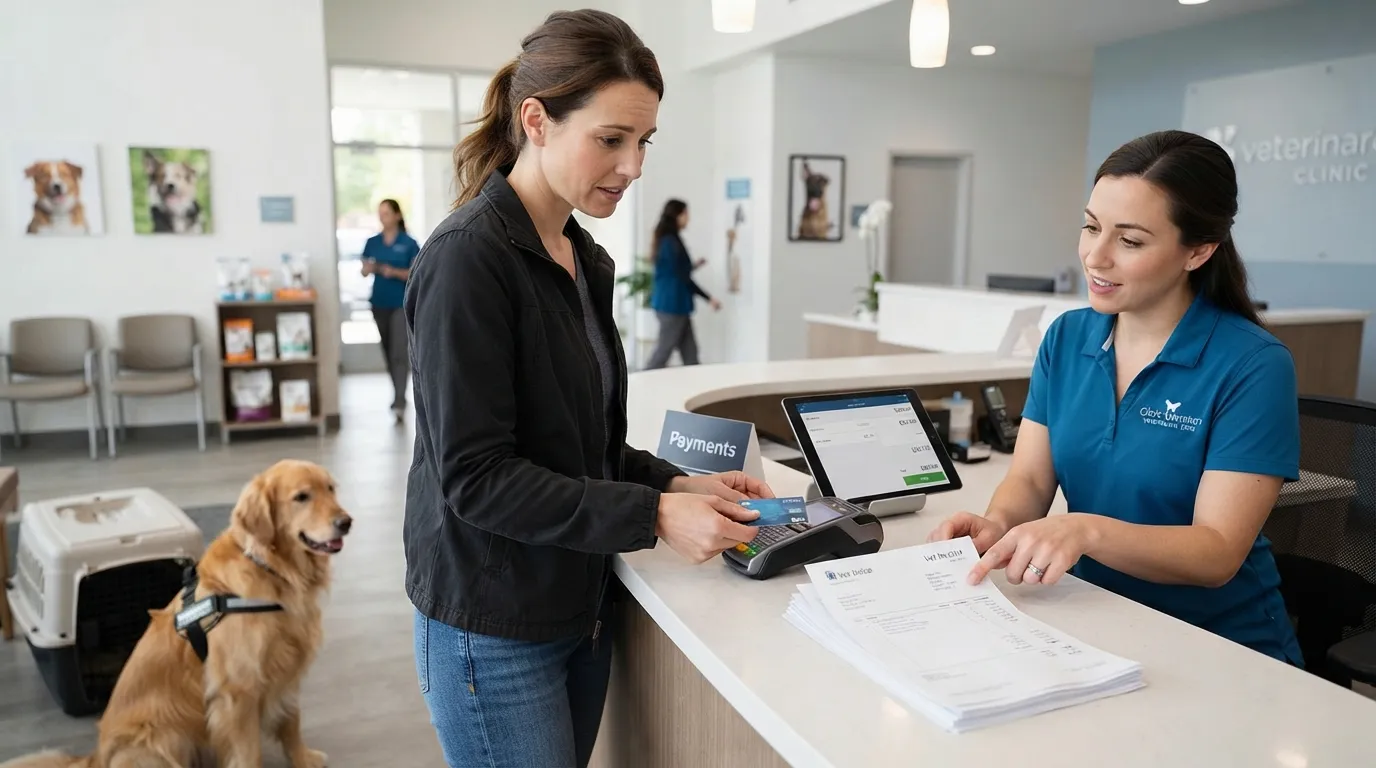
Most people assume their insurer pays the vet directly. In almost every case, that’s not what happens.
You pay the vet bill upfront, then submit a claim once you’ve met your deductible. Your plan reimburses a percentage of eligible costs, up to your annual limit.
Your chosen reimbursement rate – usually 70% to 90% – leaves that remaining 10% to 30% permanently on your tab, forever, on every claim. At high vet bills, that gap adds up fast.
Around 80% of pet owners who’ve filed a claim say they were satisfied with the process. That still leaves one in five who weren’t – learn the claims process before you actually need it.
Fast Facts
- Reimbursement typically ranges from 60% to 100%, though most popular plans land at 80% to 90%
- The most common deductible amounts across the industry are $100, $200, and $500
- About 80% of pet owners who filed a claim reported being satisfied with the reimbursement process
Reimbursement rates matter – but so does the ceiling on how much you can ever collect.
#9 – What Is My Annual Limit – and Is It Enough?

Picking a plan without checking the annual limit is like buying a safety net with a hole punched in the middle. It looks fine until you actually need it.
The annual limit is the maximum your insurer will reimburse in a 12-month period once your deductible is met. It resets every policy year and applies to every claim combined.
The gap between a $5,000 limit and an unlimited plan can be the difference between financial relief and financial ruin if your pet develops cancer or needs major surgery. A lower limit brings your premium down, but it also caps you fast.
Cancer treatment alone can blow past $10,000 in a single year. Make sure your ceiling can survive a worst-case scenario, not just an average one.
A high limit means nothing if the deductible structure works against you.
#8 – What Deductible Structure Does This Policy Use?
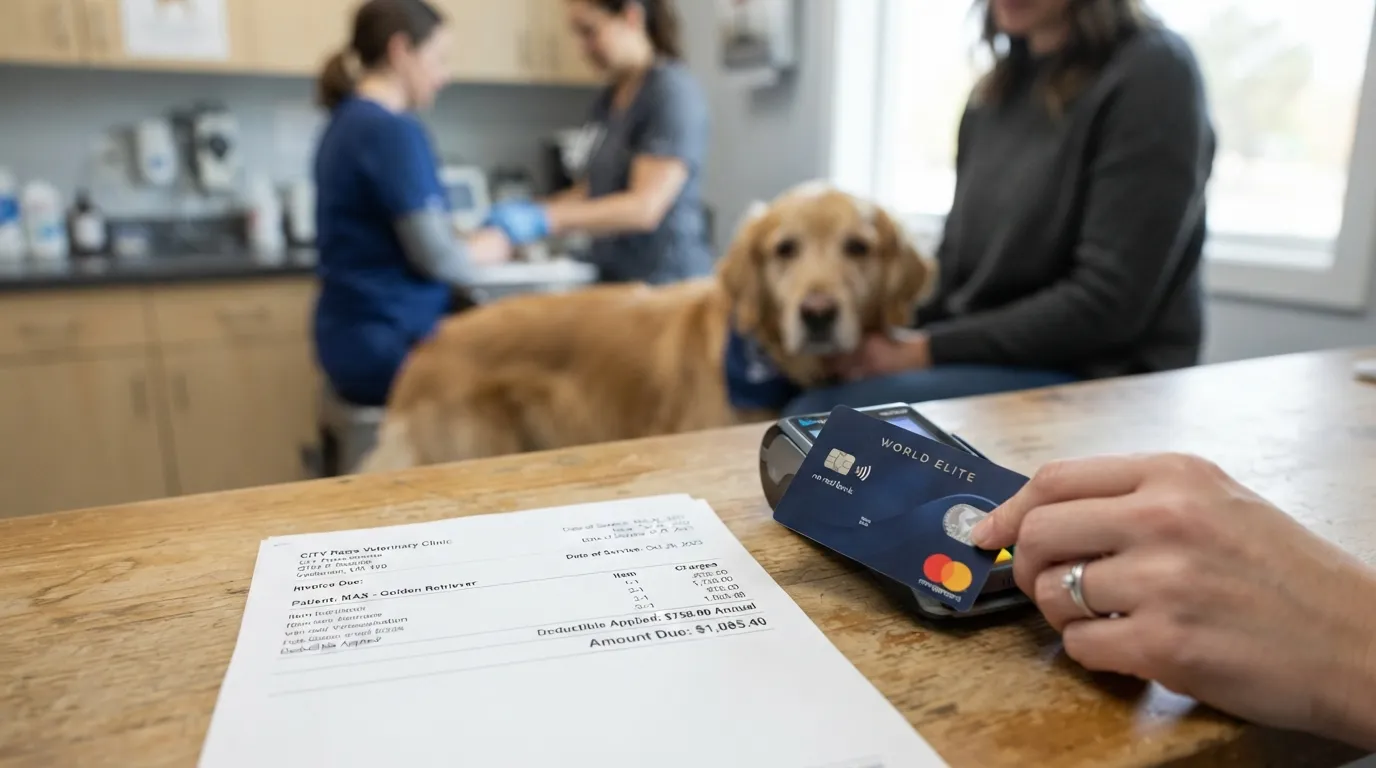
Not all deductibles work the same way. The wrong structure can quietly cost you far more over time.
A deductible is the amount you pay out of pocket before reimbursement kicks in – and it can be annual or per-incident. That difference matters more than most people realize.
Annual deductibles are almost always the better deal for pets with recurring issues. Hit it once, and you’re covered on every claim until renewal.
A higher deductible lowers your premium, but only works if you can actually cover $750 or $1,000 on short notice. A lower deductible costs more monthly but protects you when cash is tight.
Deductibles shape your bill. So does the number most people never question closely enough: the premium itself.
#7 – How Much Will My Premium Cost – and What Drives It?

The sticker price of a policy tells you almost nothing on its own. What’s behind that number matters far more.
NAPHIA puts the average accident and illness premium in 2024 at $62.44 a month for dogs and $32.21 for cats. But that average hides a massive range – dog owners can pay anywhere from $24 to $286 a month depending on age, coverage, and provider.
Some pricing factors are out of your hands, like breed, age, and location. Others – deductible, reimbursement rate, payout limit – you can adjust to fit your budget.
Location alone can swing your premium dramatically. A $5,000 annual plan averages $28 a month in California but only $21 in Texas.
Premiums rise for a reason. Sometimes that reason is baked into your pet’s DNA.
#6 – Does the Policy Cover Hereditary and Congenital Conditions?
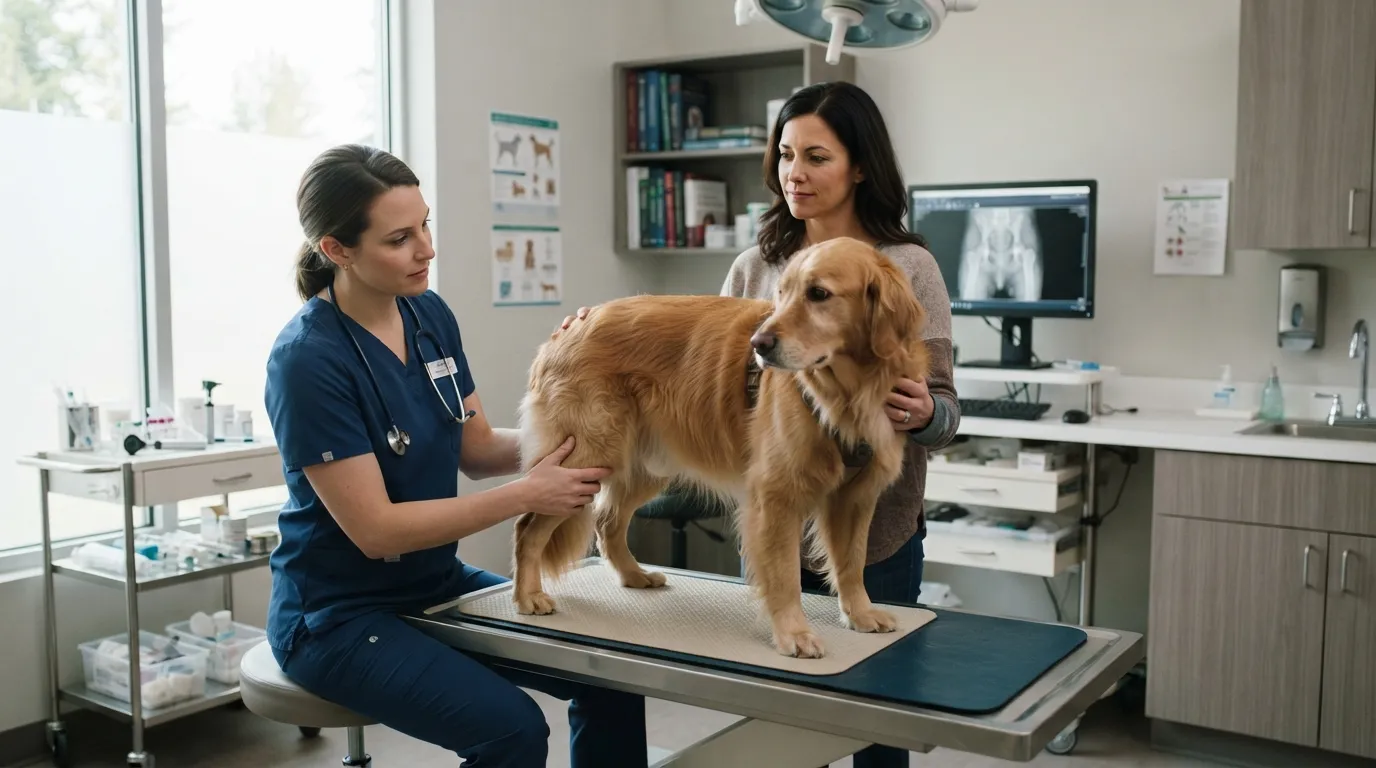
This is where breed owners get blindsided most often – and where the priciest claims live.
Hip dysplasia, heart disease, and IVDD are among the costliest hereditary conditions to treat. Some policies name these conditions directly and exclude them from coverage entirely.
The critical move: ask whether hereditary conditions are covered before any symptoms appear. Once something shows up in the records – even without a formal diagnosis – it may be excluded for good.
Some insurers reopen coverage for curable conditions after roughly 180 symptom-free days, but incurable conditions usually stay excluded permanently. If your breed carries known genetic risk and the policy won’t cover it, that plan is worth far less than its price tag suggests.
Worth Knowing
- Commonly flagged hereditary conditions include hip and elbow dysplasia, IVDD, heart disease, and patellar luxation
- Some insurers reopen coverage for curable conditions after about 180 symptom-free days
- Incurable hereditary conditions typically stay excluded for the life of the policy
Hereditary risk is one blind spot. Routine care is a completely different one.
#5 – Does the Plan Cover Wellness and Routine Care?
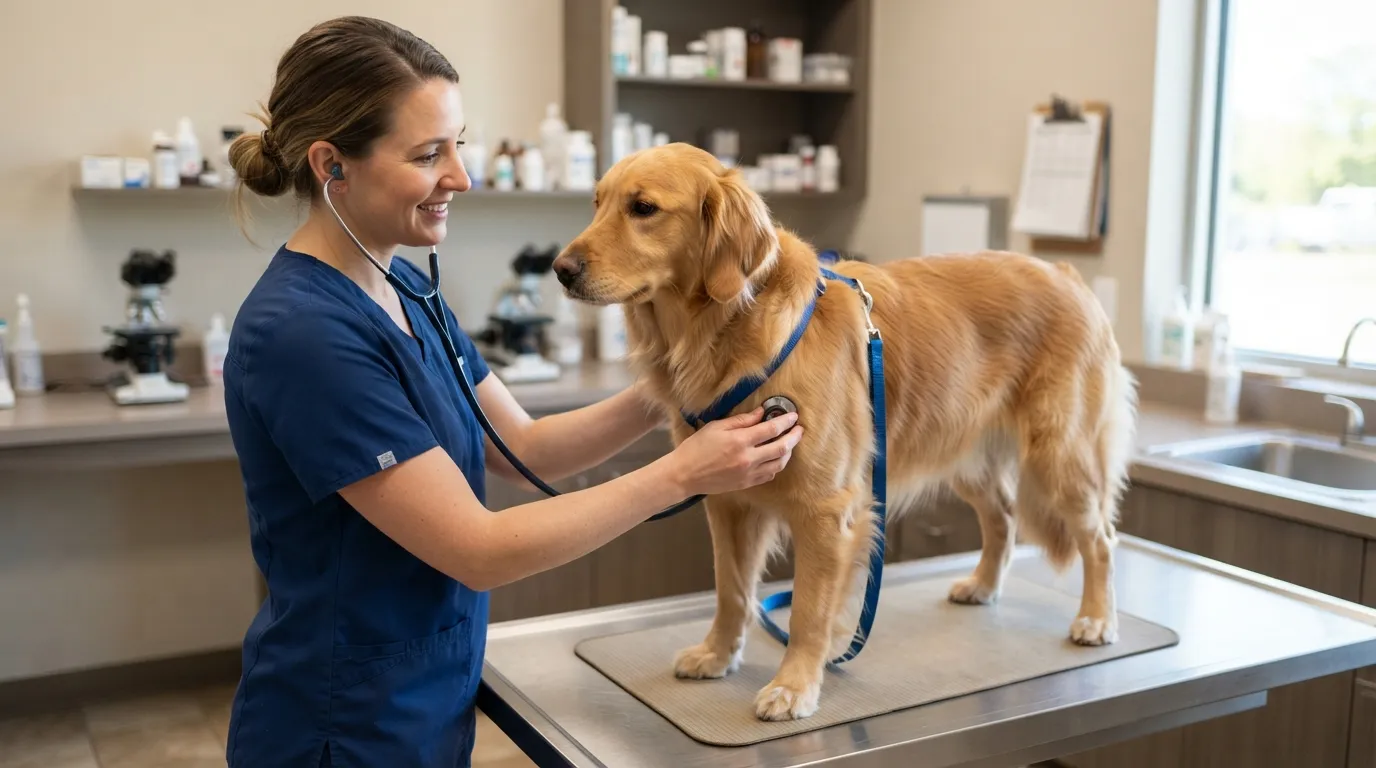
Routine care is exactly where many owners assume they’re covered – and where many discover they aren’t. It’s rarely automatic.
Wellness coverage for check-ups and vaccinations is usually a separate add-on rider, not a standard inclusion. Comprehensive plans cost the most, accident-only plans cost less, and wellness-only plans are the cheapest of all.
Here’s what most people miss: wellness add-ons aren’t always a good deal. If your routine costs are predictable and modest, paying extra for the rider can cost more than just paying the vet directly.
CareCredit puts routine vet visits at $70-$174 for dogs and $53-$124 for cats. Run those numbers against the add-on price before assuming it’s worth it.
Today’s premium isn’t tomorrow’s premium. Nobody warns you about this part.
#4 – What Happens to My Premium as My Pet Gets Older?
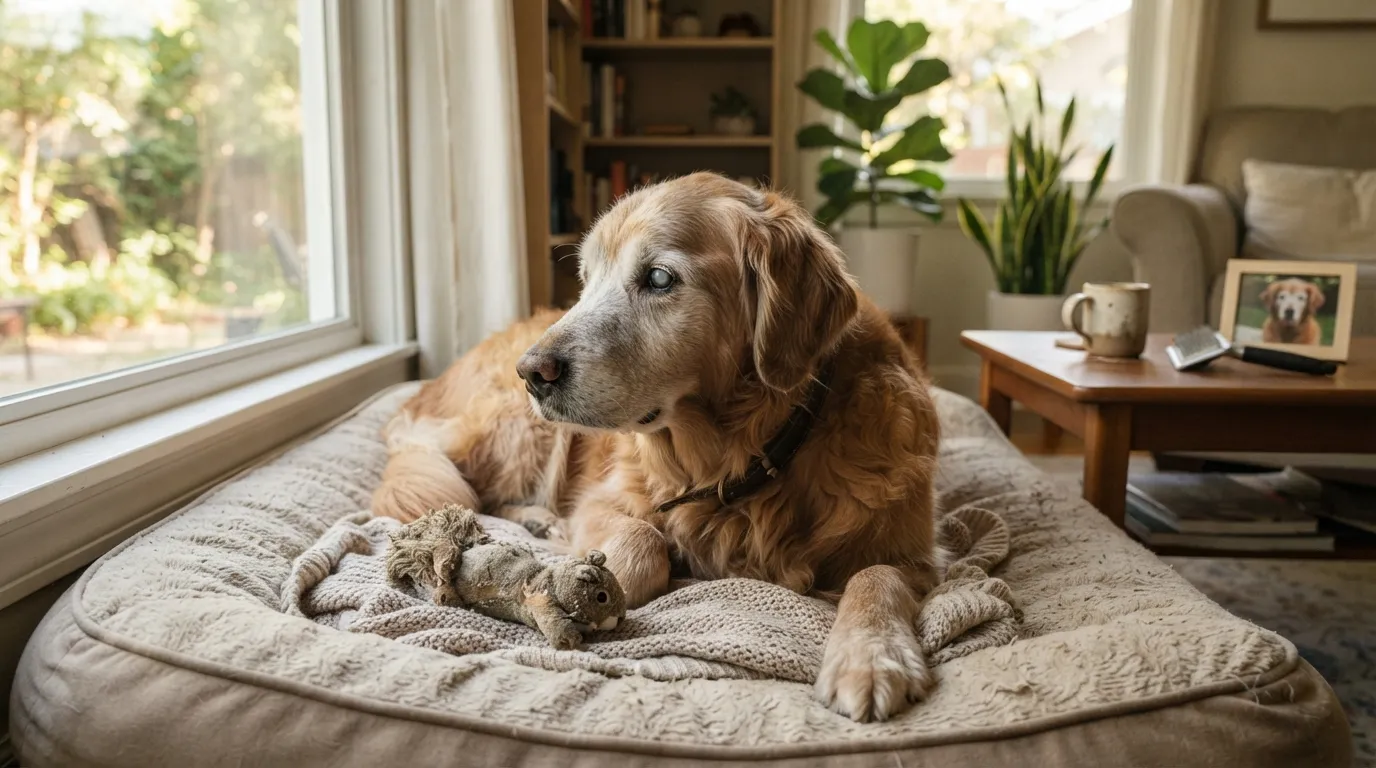
The price you pay today is not the price you’ll pay in five years. Most insurers don’t make this obvious upfront.
Older pets cost noticeably more to insure. The best prices typically run from a pet’s first birthday until around age six.
By your pet’s ninth birthday, its age rating factor can more than double. That’s a premium spike hitting right as vet costs climb the highest.
On average, dog insurance premiums rise about $26.50 a year – a compounding cost over a decade of coverage. Ask your insurer for a projected premium schedule before you commit to anything.
Rising costs are one thing. Losing the policy altogether is another.
#3 – Will the Policy Remain Stable – or Can It Change on Renewal?
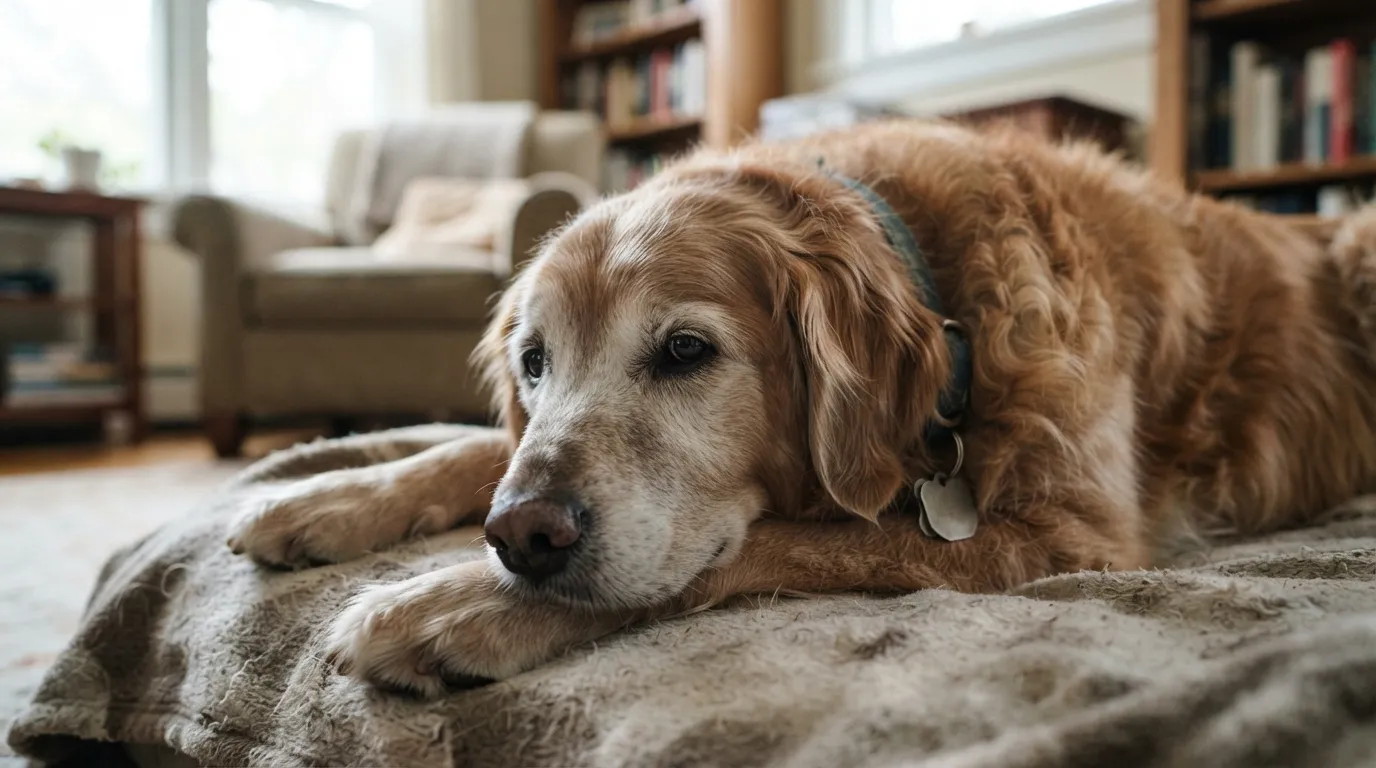
Many pet owners assume their policy terms are locked in. They’re not.
Traditional pet insurance renews annually, and coverage can change – or disappear – each year. Some providers will even cancel a plan for reasons outside your control.
This is the scenario no one thinks about at signup: a policy pulled right when your aging pet needs it most. Insurers can reclassify conditions, adjust reimbursement terms, or raise premiums sharply based on your claims history.
Before you sign anything, check what customers are actually saying. Reviews reveal how a company really handles reimbursement and support, not just what the brochure promises.
There’s one move almost nobody makes before enrolling – and it could save you everything.
#2 – Have I Requested a Pre-Enrollment Medical Record Review?
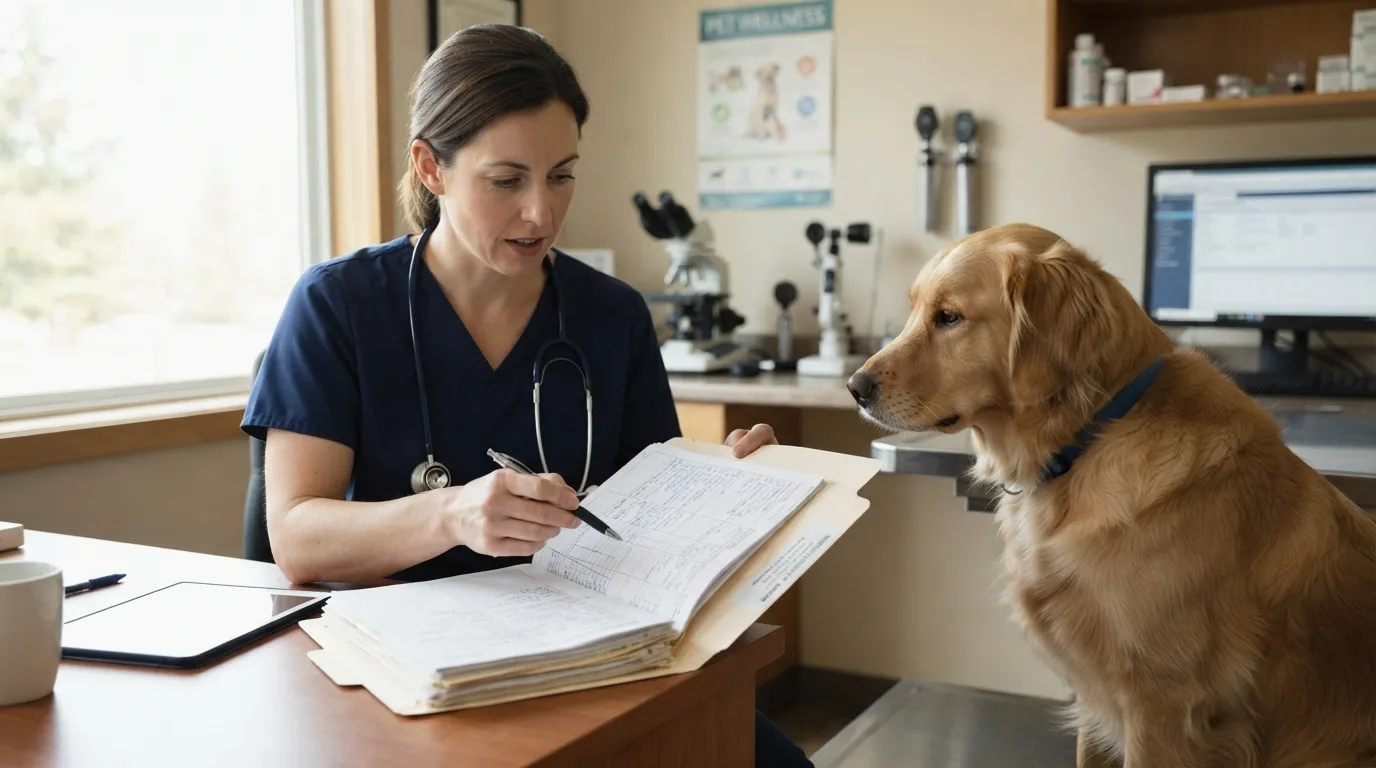
This one step could reveal exclusions before you hand over a single premium dollar. Almost no one does it.
Experts suggest asking the insurer to review your pet’s medical records before you buy, to identify anything they’d consider pre-existing. That gives you a clear picture of what’s actually covered from day one.
Insurers typically pull six months to a year of history at enrollment or first claim – longer for older pets. Declining to provide those records can get a claim denied outright.
One of the biggest sources of policyholder complaints is a claim denied over a pre-existing condition the owner never knew existed. A pre-enrollment review removes that shock completely.
At a Glance
- Insurers typically pull 6 months to a year of vet records at enrollment or first claim – longer for older pets
- Declining to share those records can trigger an automatic claim denial
- Pre-existing condition denials rank among the most common policyholder complaints
Everything on this list comes down to one final, deciding factor.
#1 – Is Right Now Actually the Right Time to Enroll?

This is the question that decides whether everything else on this list even matters. Timing beats almost every other factor combined.
The best time to buy is while your pet is young and healthy, before anything shows up in the records. Every month you wait is a month a new condition can develop – and become permanently excluded from any future policy.
The real cost of waiting isn’t the premium you skipped. It’s every condition your pet develops in the meantime that you’ll now pay for entirely out of pocket, forever.
The U.S. pet insurance market is growing fast – premium revenue rose 21.4% and insured pets rose 12.7% in 2024 alone. More competition means more options, if you shop now instead of later.
The question was never really if you’ll need coverage. It’s whether you’ll have it when the moment actually arrives.
The Bottom Line

Pet insurance can be genuinely valuable – but only if you go in with your eyes open. Only 5.46% of dogs and 2.04% of cats in the U.S. are insured, which means most owners are one emergency away from a brutal financial decision.
“While headline-making emergencies occur, our data shows it’s the common issues like ear infections and skin conditions that make coverage so essential.”
Sammi-Jo Nevin, President, NAPHIA
The biggest mistakes happen before the policy is ever signed: ignoring the pre-existing condition definition, skipping the exclusions list, misunderstanding the deductible, and enrolling too late. Ask all 15 of these questions before you commit to a single plan.
The right policy is a genuine safety net. The wrong one is an expensive illusion wearing a safety net’s clothes.
Did we miss a question that changed how you chose your pet’s insurance? Drop it in the comments.
Growing up traveling and experiencing new cultures and wonders, I have had a passion for nature, adventuring, photography, and videography. I am currently working towards a BSc in Biodiversity and Ecology at Stellenbosch University, and I hope to specialise in Marine Sciences one day.
Please send any feedback to Feedback@animalsaroundtheglobe.com