Most people treat their cat like a fluffy roommate who tolerates them at best. But researchers have quietly been tracking something else entirely – measurable changes in blood pressure, cortisol, and even heart attack survival rates in people who share a home with a cat.
The effects aren’t dramatic, and they won’t show up on a scale or in a mirror. They build silently, sign by sign, and by the time you reach the end of this list, you’ll understand why your cat’s daily nap on your chest might be doing more for your heart than you think.
#12 – Your Resting Blood Pressure Is Quietly Dropping
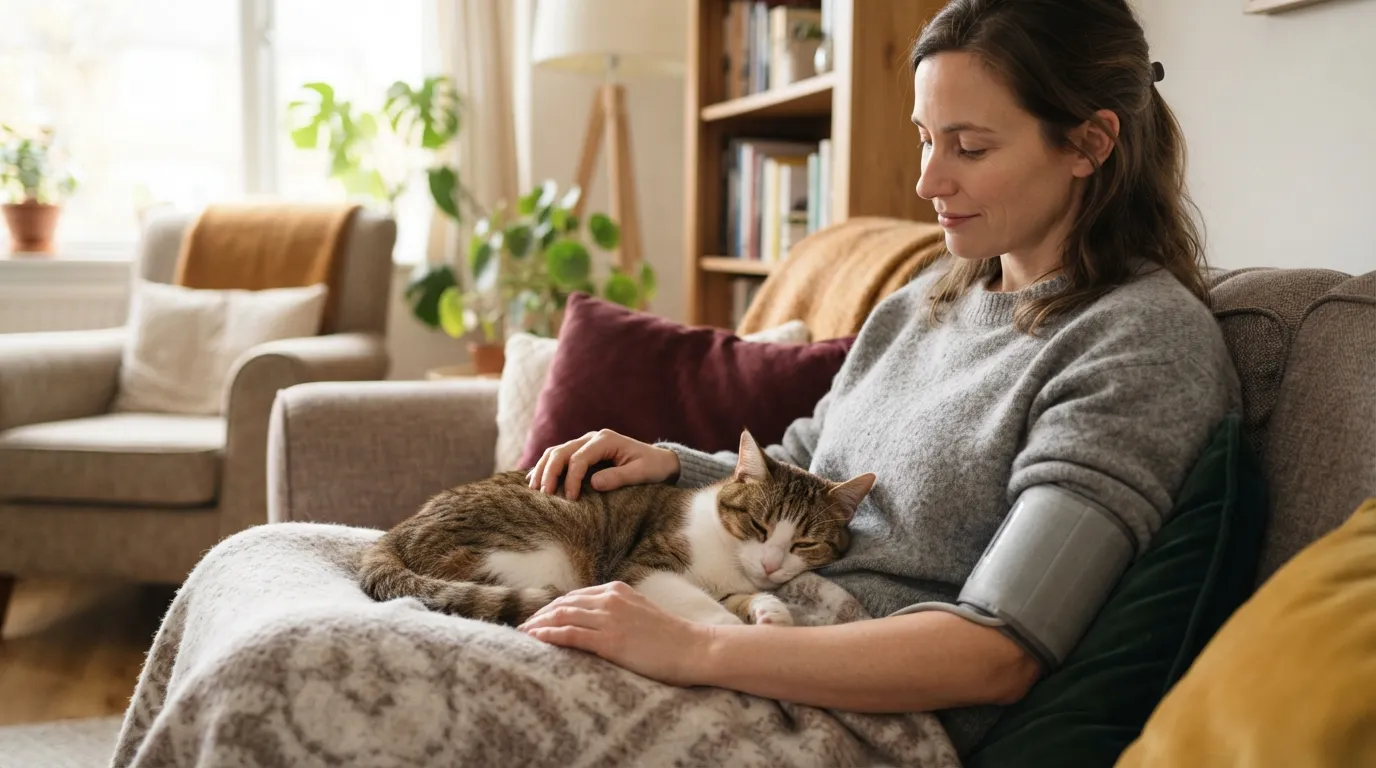
Petting your cat can lower your blood pressure without you doing anything that looks like exercise. No gym session, no pill, just a warm body on your lap.
A 1992 Australian study of 5,741 people found pet owners had significantly lower systolic blood pressure than non-owners, even after matching for BMI and socioeconomic background. That’s not a fluke – that’s a pattern across thousands of people.
The mechanism matters: interacting with a cat activates your parasympathetic nervous system, the branch of your body responsible for relaxation and recovery.
Blood pressure is just the opening move, though. What your cat does to your stress hormones next is where this gets interesting.
#11 – Your Cortisol Levels Are Being Managed Without You Noticing
Chronic stress quietly wrecks your cardiovascular system, and your cat works against it every single day. The rhythmic sound of a purring cat lowers cortisol, the hormone most responsible for that damage.
Here’s the surprising part: just 10 minutes of petting a cat measurably lowers cortisol while raising oxytocin. That’s less time than most people spend scrolling their phone before bed.
Once cortisol drops, something else floods in – and that’s where sign #10 comes in.
#10 – Your Brain Releases a Heart-Protective Hormone
Petting a cat triggers oxytocin, often called the “feel-good” hormone. But it’s doing more than making you smile – it actively counters the stress response that slowly damages arteries.
Petting increases both serotonin and oxytocin, and hearing your cat purr triggers the same chemicals all over again.
That’s a double hit: touch and sound, two separate signals, both releasing protective hormones at once.
Most people think of oxytocin as a purely human-bond hormone. Turns out your cat counts – and what that purring sound does to your body physically is even stranger.
#9 – That Purring Sound Hits a Therapeutic Frequency
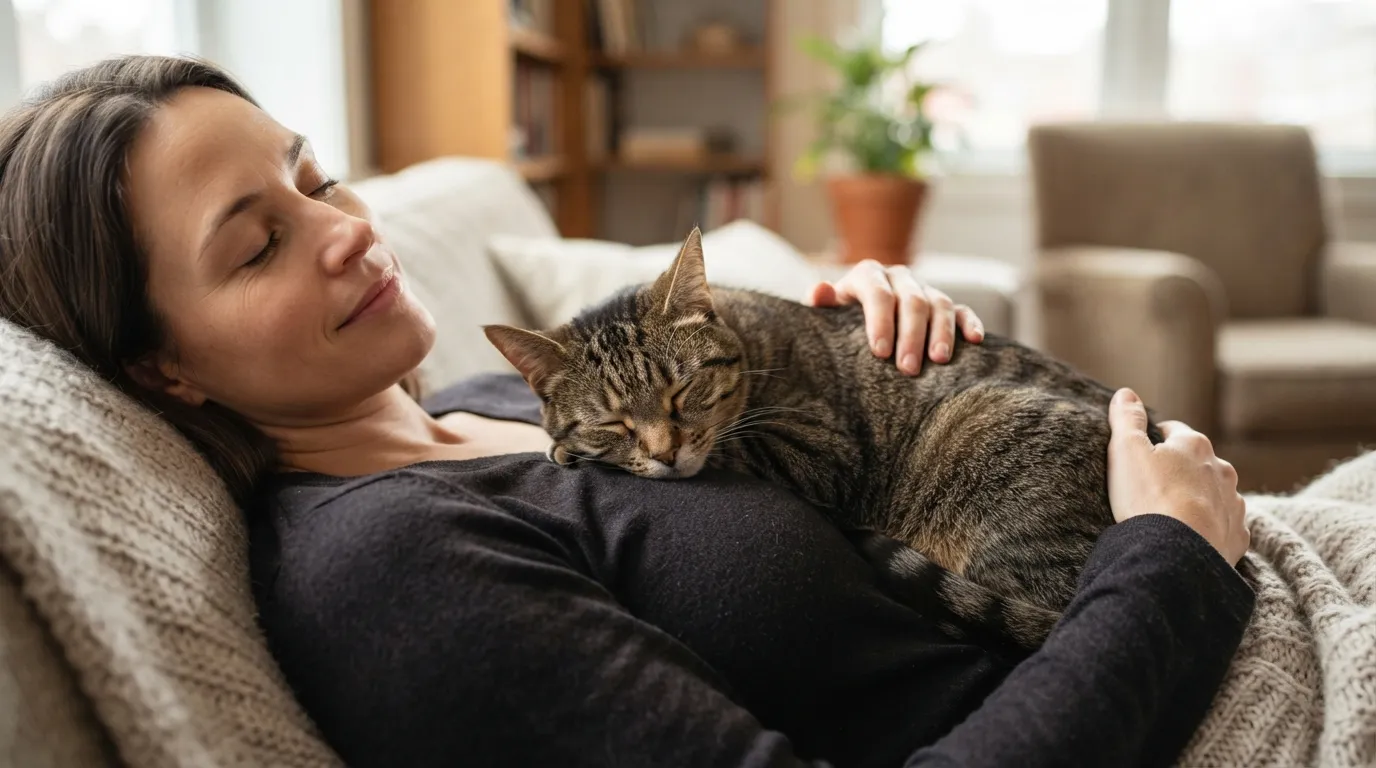
This is the one that makes cardiologists pause.
A cat’s purr typically vibrates between 25 and 150 hertz, a range researchers say may carry real therapeutic effects. Those vibrations can reduce stress, lower blood pressure, and trigger a calming response in the body.
Here’s the detail most people miss: that frequency range overlaps with known human healing frequencies – bones respond near 25-50 Hz, while skin and soft tissue respond near 100 Hz.
Fast Facts
- Acoustic studies confirm felids generate strong frequencies between 25 and 150 Hz.
- The lowest band overlaps with “the two low frequencies that best promote bone growth/fracture healing.”
- Around 100 Hz matches frequencies “used therapeutically for pain, edema, wounds, and dyspnea.”
- Clinical vibration therapy machines use this same range, which is “used in pain relief and treatment of dyspnea, wounds, and more.”
You’re not just hearing the purr. You’re absorbing it – and what it does to your heart rate specifically is next.
#8 – Your Heart Rate Drops Every Time You Sit With Your Cat
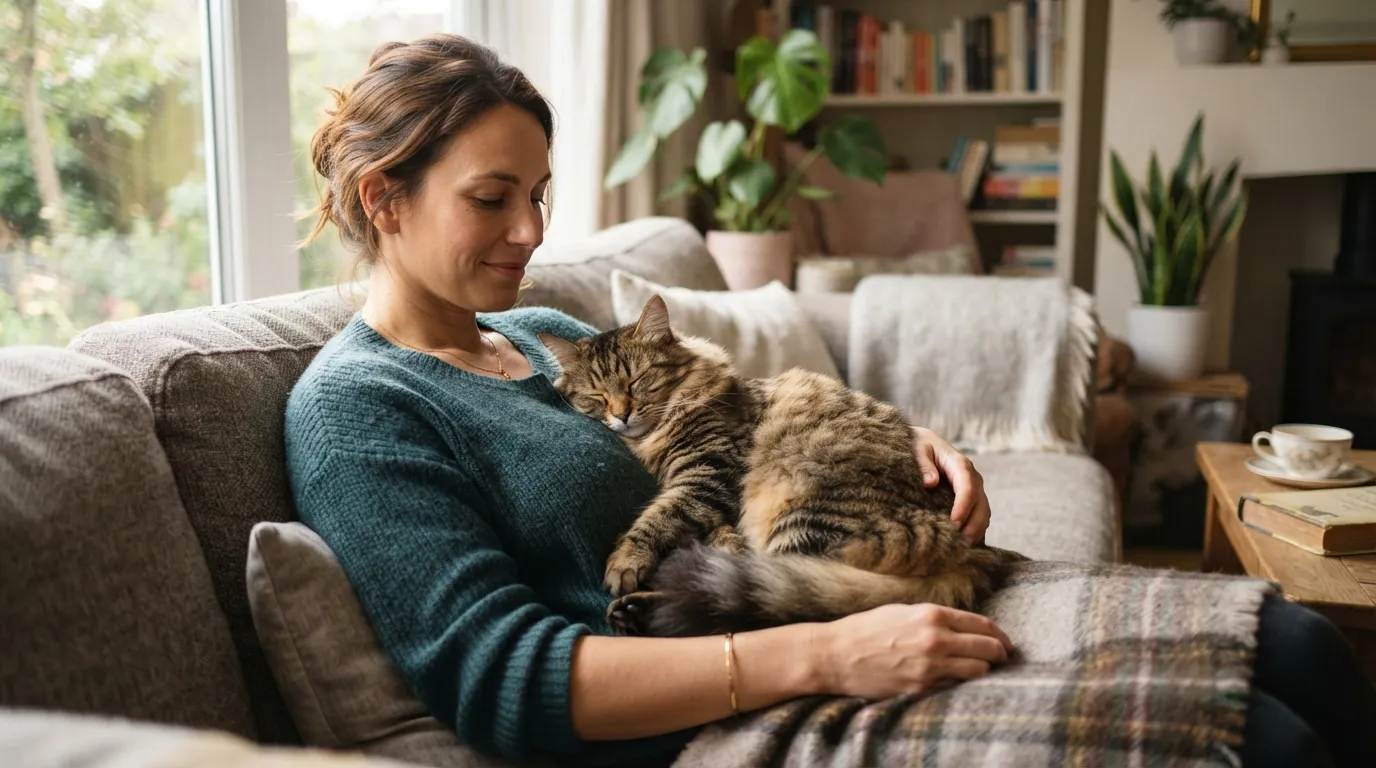
Being near a purring cat has been linked to lower blood pressure, slower heart rate, and reduced stress. These aren’t just feelings – they’re measurable physiological changes.
A meta-analysis found pet owners consistently had lower heart rate and lower mean arterial pressure than non-owners.
What makes this remarkable is that it takes zero effort. Simply focusing on the rhythm of a cat’s purr works like a passive form of meditation.
Your cat is running a quiet cardio-protection session every time it falls asleep on you. And that protection doesn’t stop when you’re just sitting still.
#7 – Your Heart Handles Stress Differently Than Non-Cat Owners
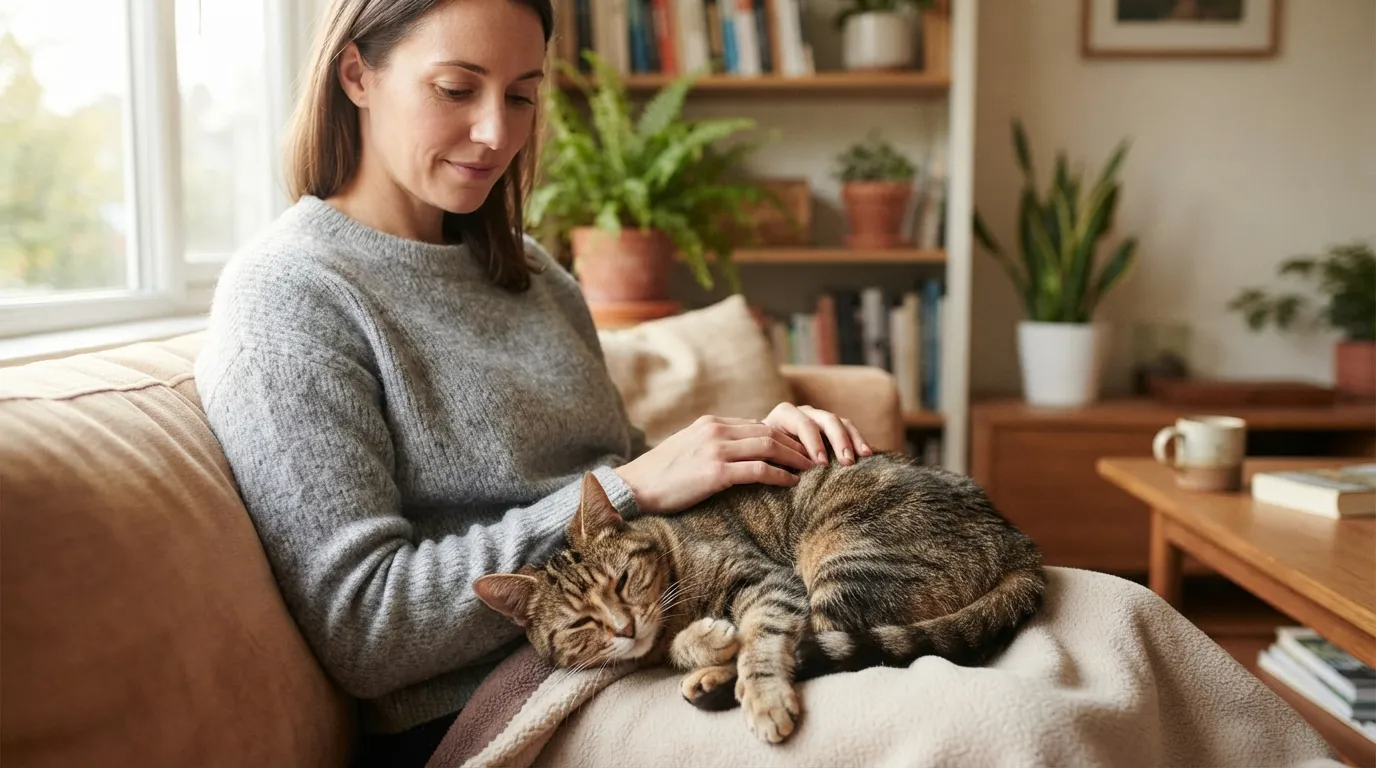
One study tracked blood pressure and heart rate before and after deliberate “mental stressors.” A drug lowered resting blood pressure, but pet ownership lowered the blood pressure spike caused by mental stress – something the medication alone couldn’t touch.
Medication couldn’t do what cat ownership did.
Worth Knowing
- Mental-stress testing showed medication lowered resting blood pressure, but not the stress-triggered spike.
- Cat ownership blunted that same spike, something the drug alone couldn’t manage.
- Researchers describe cats as buffering the heart’s real-time reaction to sudden stress.
Researchers believe cats buffer the heart’s response to acute stress and blunt how threatening events feel in the moment.
Over time, your cardiovascular system learns to react less violently to pressure, because it has a built-in daily de-escalation routine. Where that recovery shows up next is even more telling.
#6 – Your Autonomic Nervous System Is Being Retrained
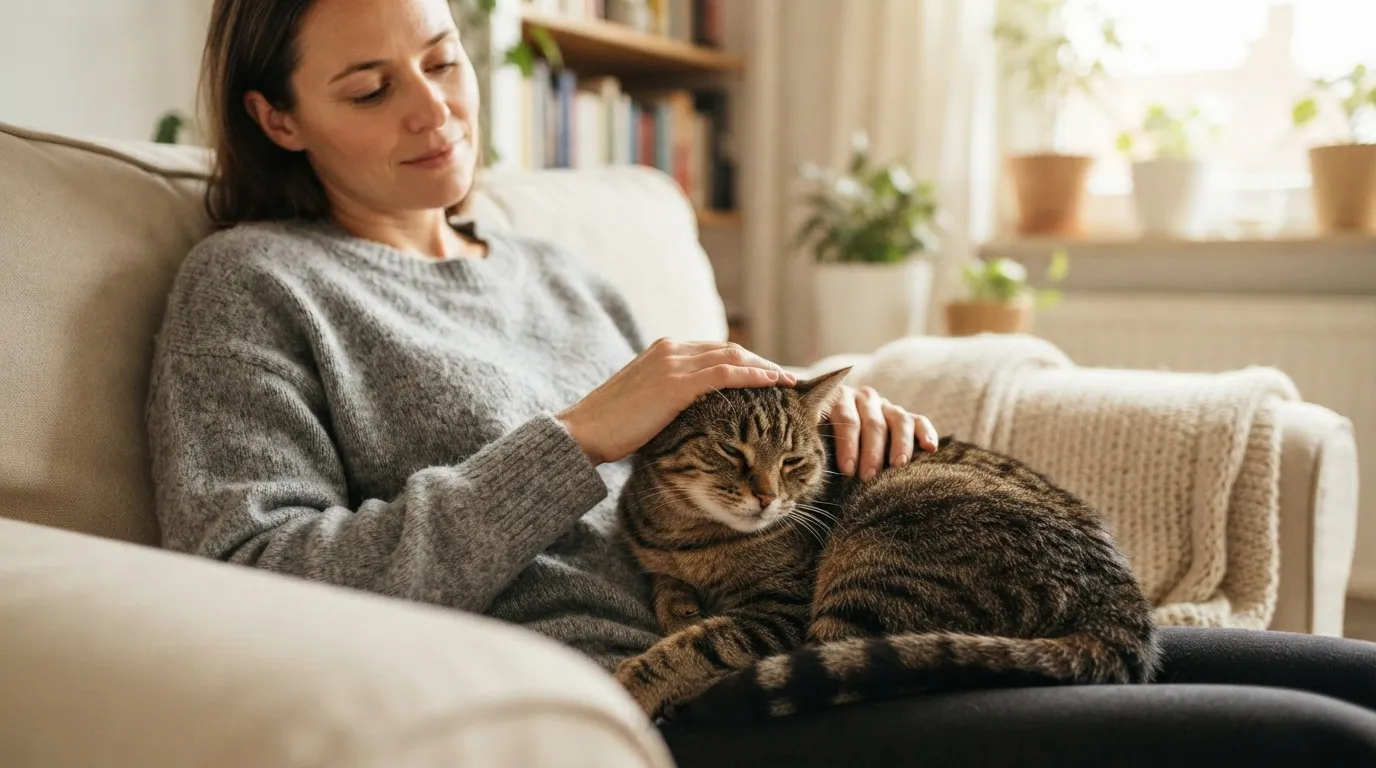
Pet ownership is linked to improved “autonomic tone” – the balance between your fight-or-flight system and your rest-and-repair system. Most people’s balance is chronically tilted toward fight-or-flight, which is a real problem for the heart.
Interacting with a cat activates the parasympathetic nervous system, pulling your body out of that state.
In plain terms: your cat repeatedly yanks you out of low-grade stress mode, every single day.
Over months and years, that reshapes your cardiovascular baseline. It shows up most powerfully in one specific moment – survival after a heart attack.
#5 – Cat Owners Are More Likely to Survive a Heart Attack
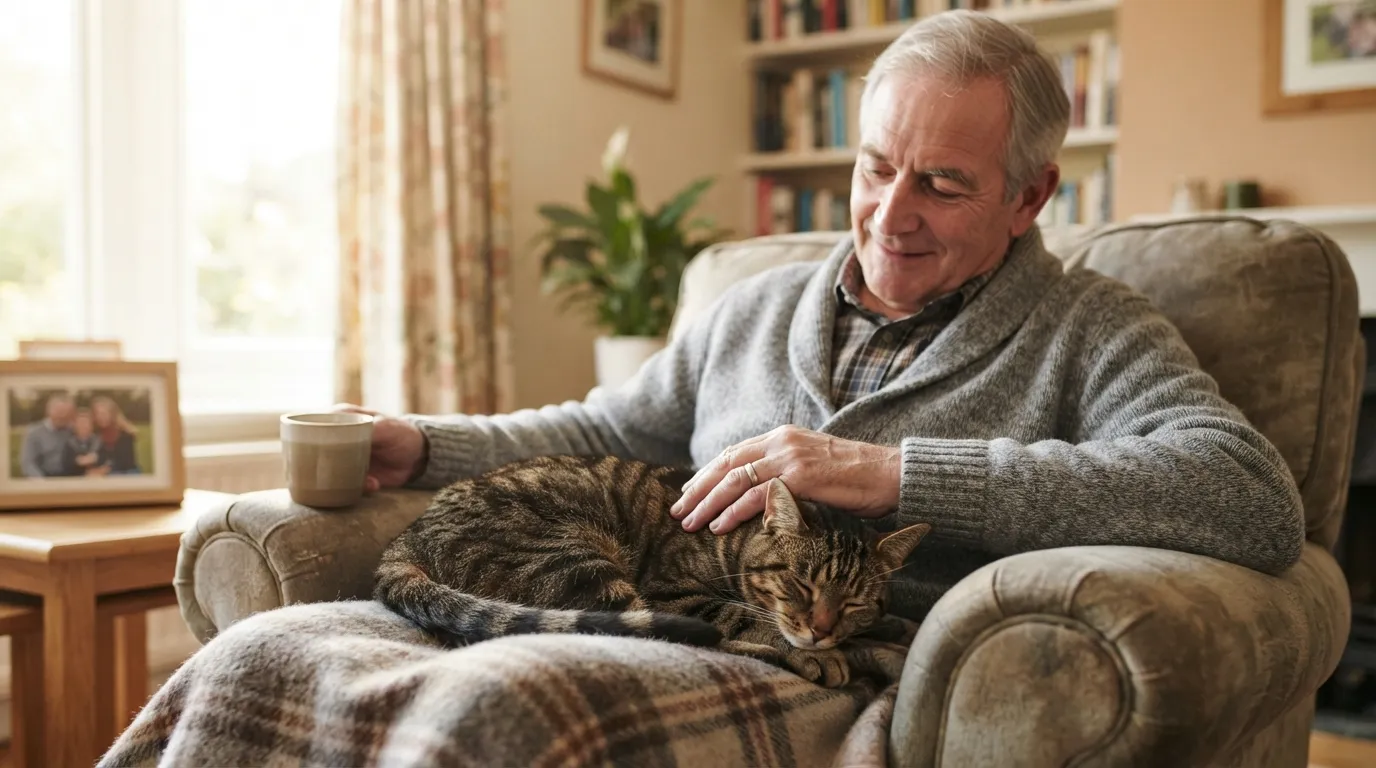
This is where the data gets genuinely startling.
Studies show cat owners are more likely to be alive one year after a heart attack, with a lower overall risk of death from cardiovascular disease. A nationwide study of more than 300,000 Swedish patients who suffered a stroke or heart attack found the same reduced risk of death among cat owners.
The recovery effect matters as much as the prevention. Researchers suspect the dependable presence and affection of a pet helps buffer stress during recovery itself.
If prevention is the shield, recovery is the backup plan – and your cat is quietly running both. Next: a number that stops people mid-scroll.
#4 – Cat Ownership Is Linked to a 30% Lower Risk of Dying From a Heart Attack
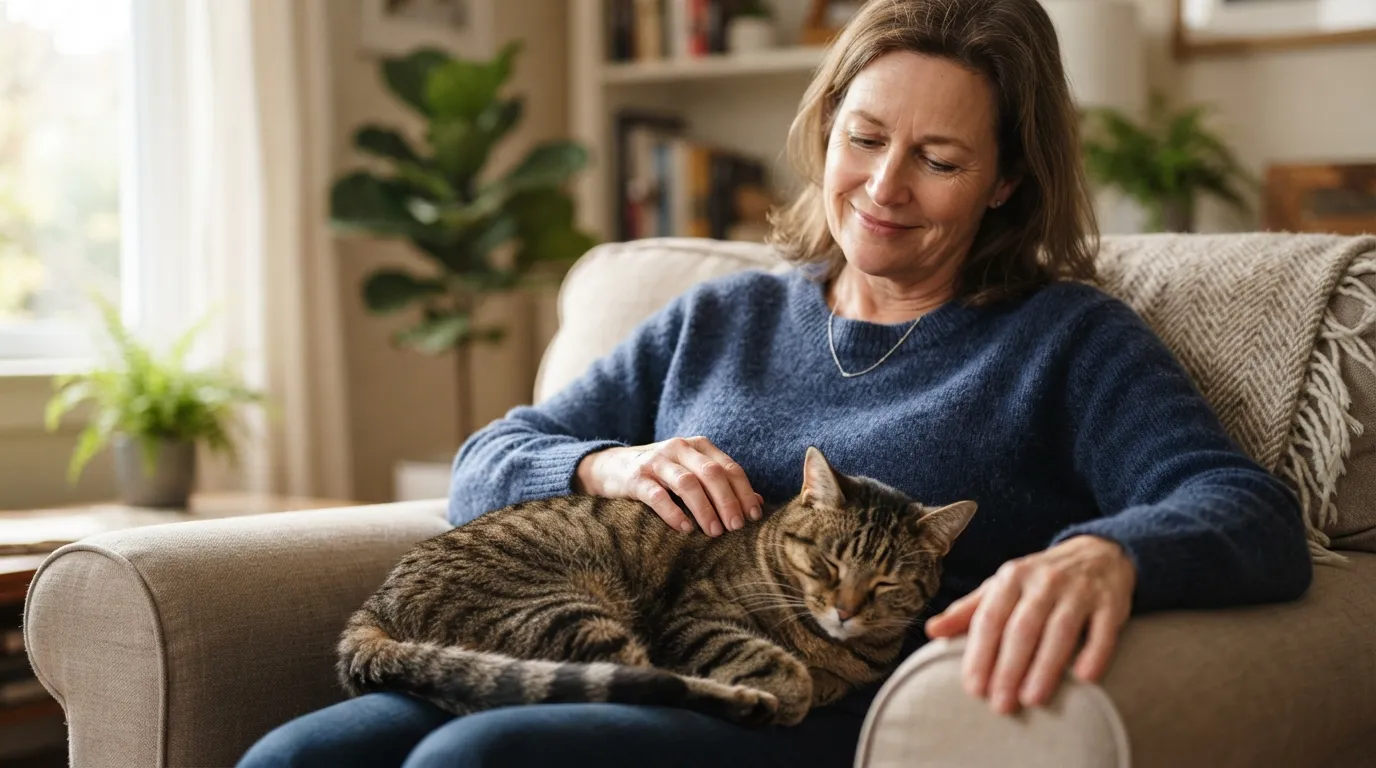
Researchers followed 4,435 Americans aged 30 to 75, including 2,435 current or former cat owners, over a 10-year period. Cat owners showed a 30% lower risk of death from heart attack compared to non-owners.
“For years we have known that psychological stress and anxiety are related to cardiovascular events, particularly heart attacks.”
Dr. Adnan Qureshi, University of Minnesota Stroke Institute
That number was adjusted for age, blood pressure, smoking, diabetes, and cholesterol – and the cat effect survived every adjustment.
Past cat ownership specifically was tied to a 37% lower risk of fatal heart attack once all those factors were controlled for.
That’s not a marginal lifestyle tweak – that’s a clinically meaningful number. And for one age group, the effect gets even stronger.
#3 – The Protection Peaks in Middle Age, Right When Risk Climbs
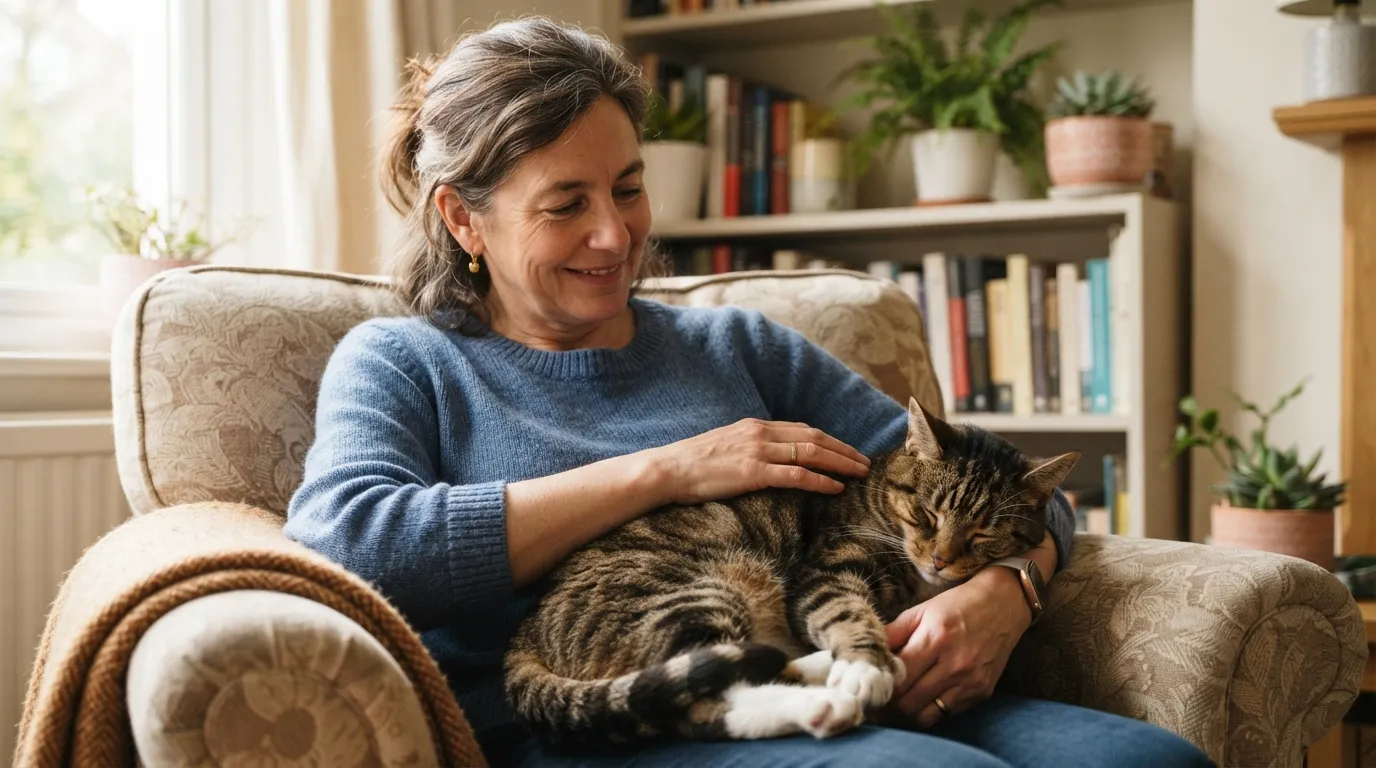
Most cardiovascular interventions target older adults. The cat effect shows up earlier, and hits harder, than most people expect.
Cat ownership was linked to an odds ratio of 0.56 for cardiovascular disease – roughly half the risk compared to non-owners. Among adults aged 40 to 64, those who owned only a cat had the lowest cardiovascular disease risk of any group studied.
Quick Compare: Cats vs. Dogs in Heart Studies
- Cat owners in the Minnesota study showed a roughly 30% lower risk of dying from a heart attack.
- Researchers found no such protective effects for dog owners in the same research.
- Scientists noted dogs probably had a similar effect, but there weren’t enough dog owners in the study to show this conclusively.
This is the exact window when risk quietly accelerates – stress climbs, exercise drops, blood pressure creeps up.
Owning a cat rather than a dog was tied to a reduced hazard of dying from cardiovascular events, especially stroke, in this age group. The mechanism connecting all of this is one most cardiologists barely mention.
#2 – Your Cat Is Protecting You From a Documented Heart Risk: Loneliness
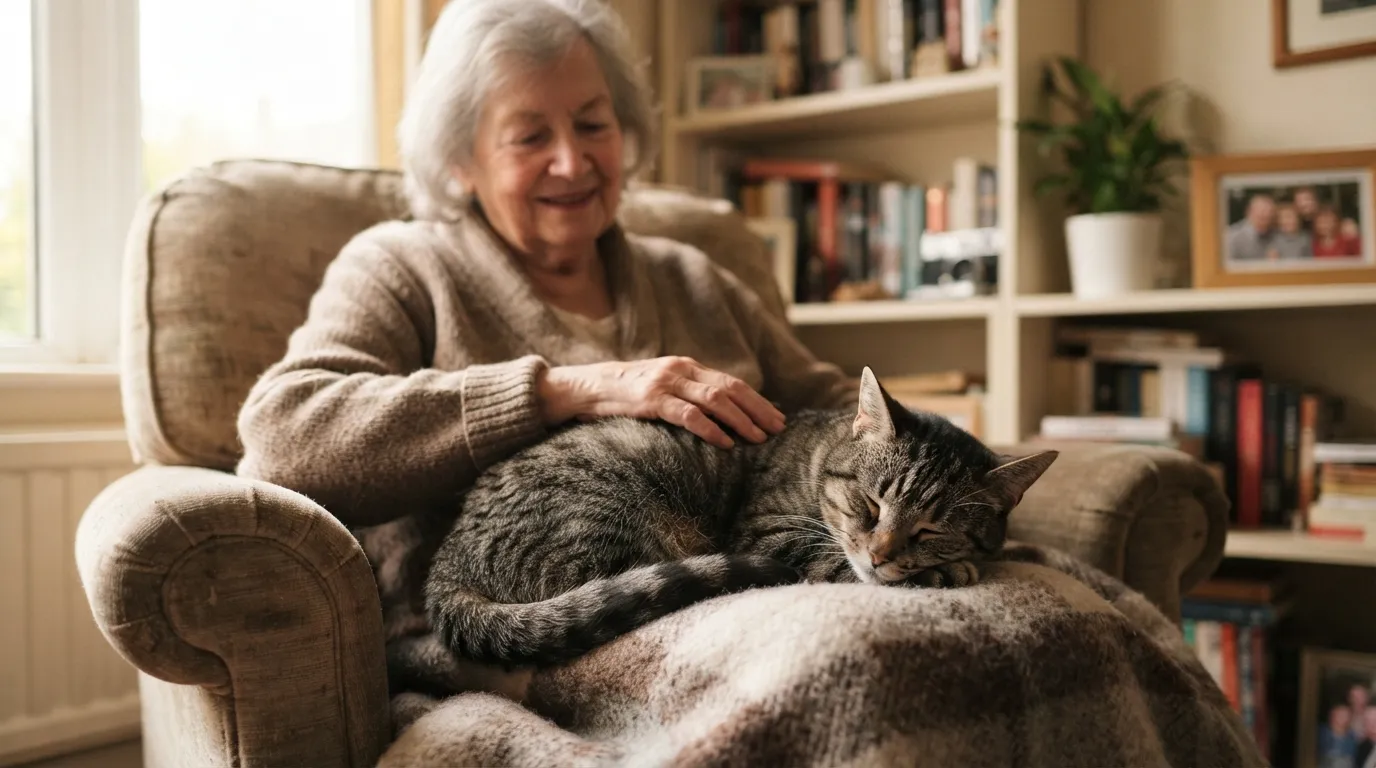
Loneliness isn’t just an emotional problem. It’s a measurable cardiovascular risk factor, and your cat quietly counters it.
Poor social relationships are linked to a 29% higher risk of coronary heart disease and a 32% higher risk of stroke. In a study of adults over 60, pet owners were 36% less likely to report feeling lonely than non-pet owners.
A cat doesn’t replace human connection – but it keeps the biology of loneliness at bay on the days when human connection is absent.
The most powerful sign on this list has been sitting in the data the whole time, and it ties every other effect together.
#1 – Your Cat Is Resetting Your Cardiovascular Baseline, Every Single Day
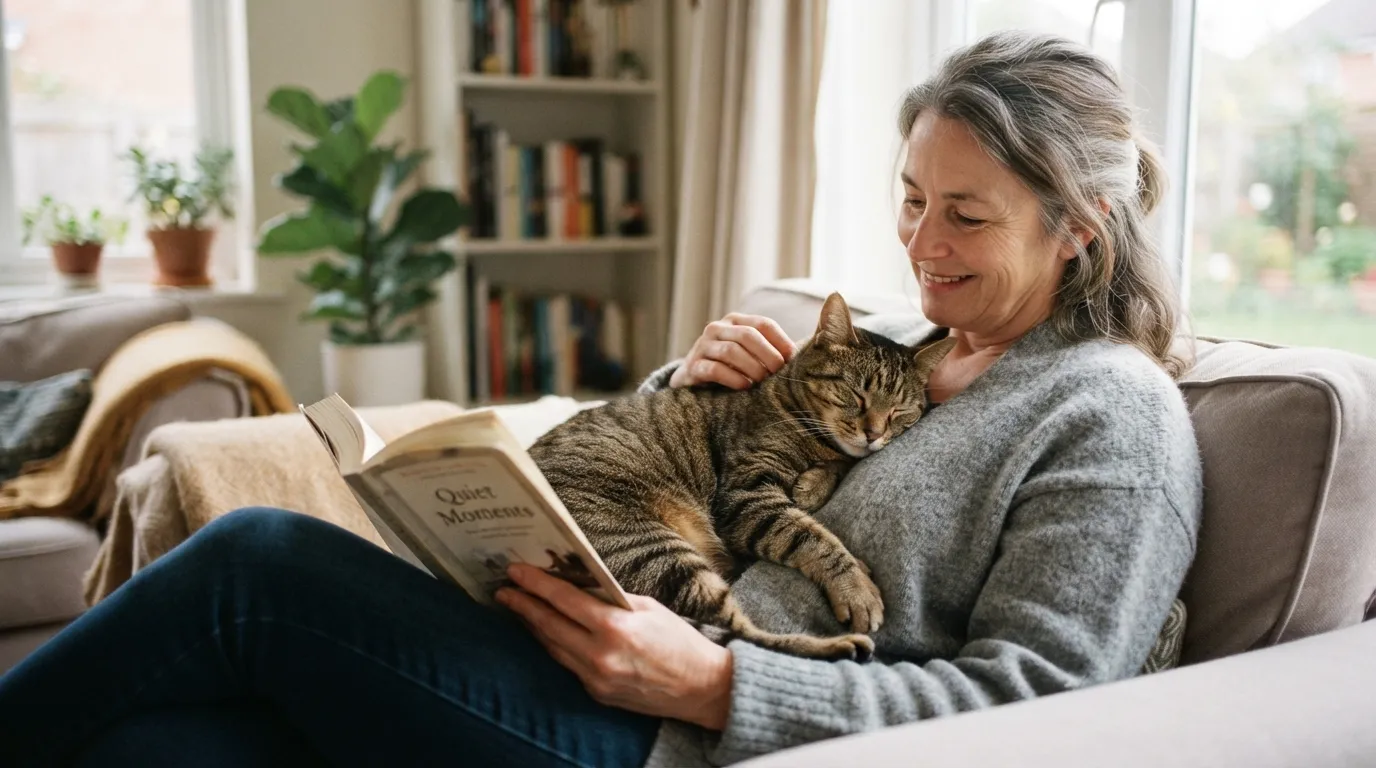
This is what all the individual studies point to when you stack them together.
Cat ownership is linked to increased physical activity, better lipid profiles, lower blood pressure, improved autonomic tone, and better survival after a cardiac event. That’s not a list of separate perks – it’s a description of a cardiovascular system operating better across every measurable dimension.
The key word is “facilitating.” Your cat isn’t curing anything, but it’s nudging your biology, daily and cumulatively, toward something measurably more resilient.
Cat owners show a decreased risk of death from heart attacks, strokes, and other cardiovascular disease. Not because cats are magic, but because the relationship changes your physiology over time.
The Bottom Line
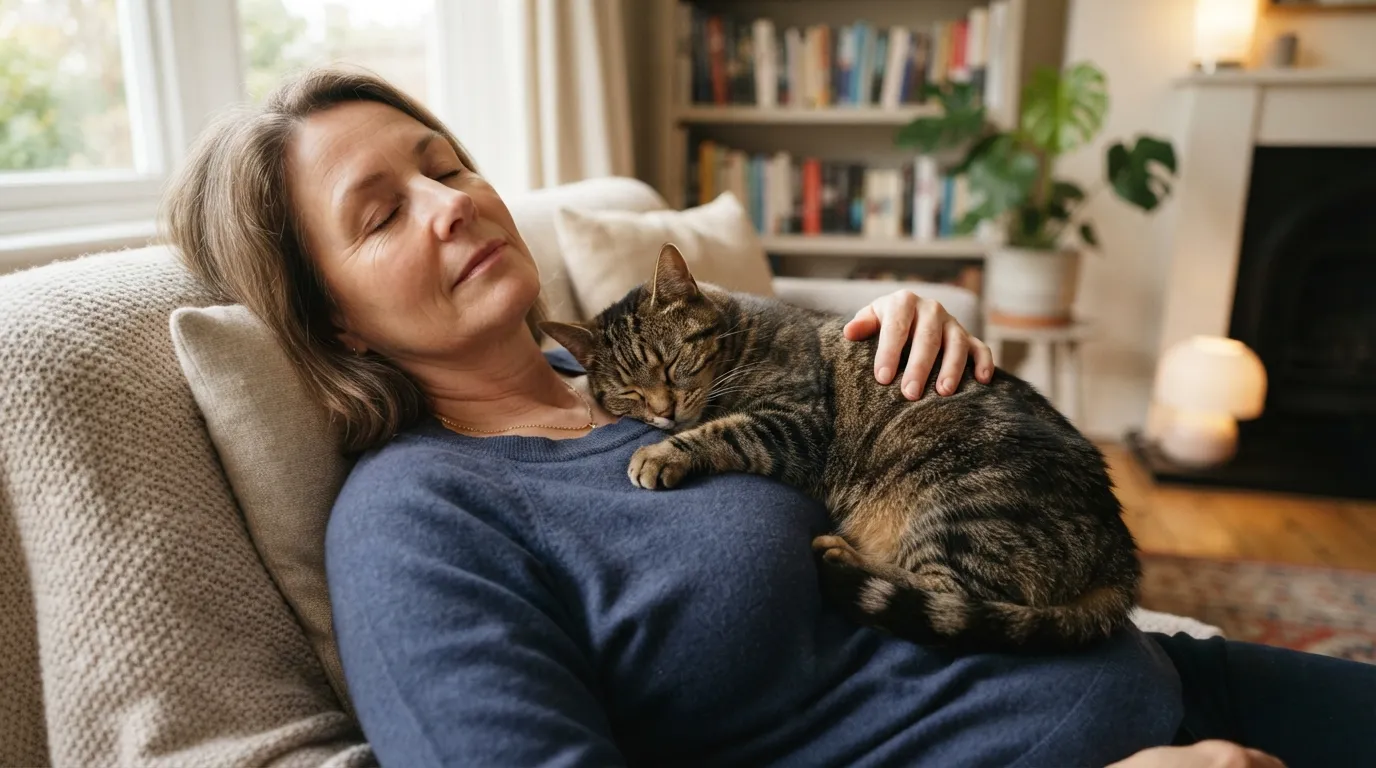
A decades-long study published in the Journal of Vascular and Interventional Neurology found cat owners were less likely to die from heart attacks, cardiovascular disease, and stroke than people who never owned one.
From lower cortisol to purring frequencies that match therapeutic ranges, your cat is quietly working on your cardiovascular system in ways most people never notice.
None of these signs are loud. A slower resting heart rate, a calmer stress response, better odds after a cardiac event – it all adds up, quietly, every single day you share a home with that animal.
Did we miss a sign you’ve noticed with your own cat? Drop it in the comments – we read every one.
Growing up traveling and experiencing new cultures and wonders, I have had a passion for nature, adventuring, photography, and videography. I am currently working towards a BSc in Biodiversity and Ecology at Stellenbosch University, and I hope to specialise in Marine Sciences one day.
Please send any feedback to Feedback@animalsaroundtheglobe.com