Animal Science Says a Cheetah's Long Tail Does Far More During a High-Speed Chase Than Simply Follow Behind Its Body
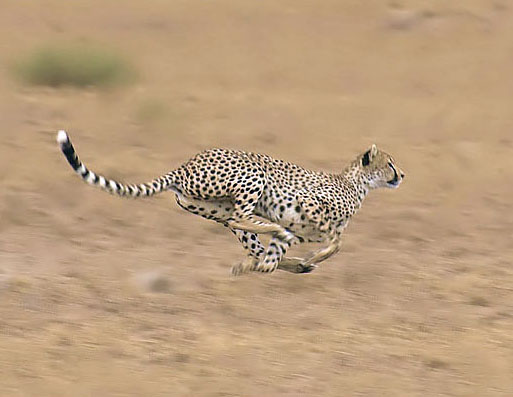
#1 It works like a rudder during sharp turns
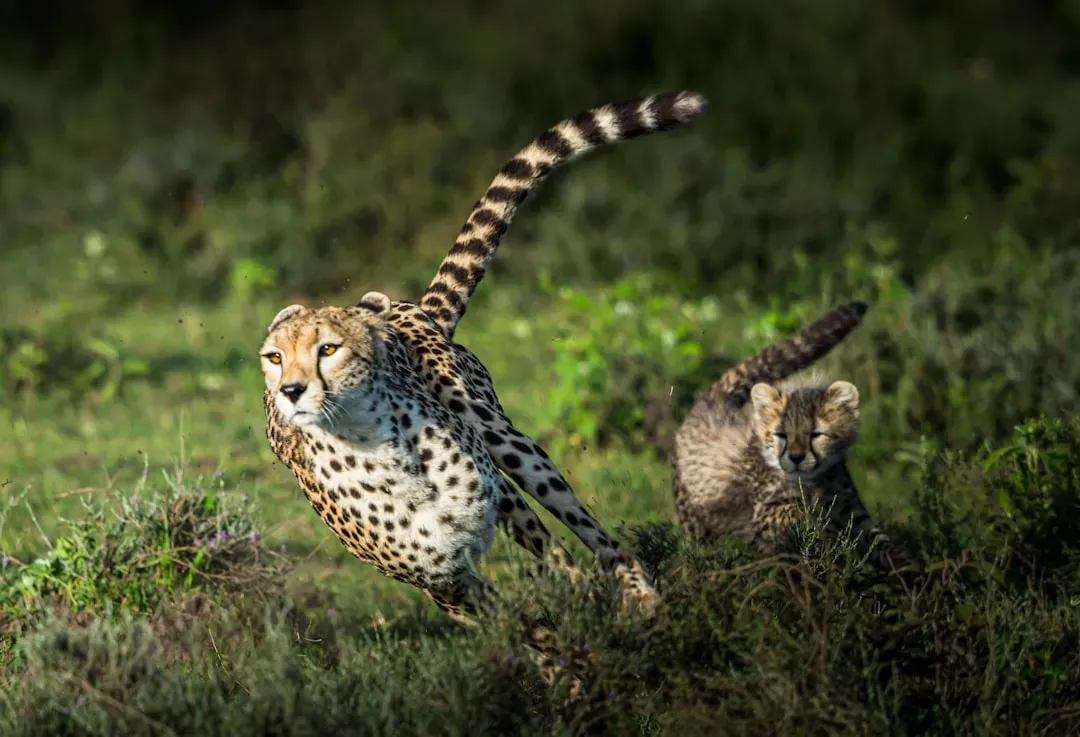
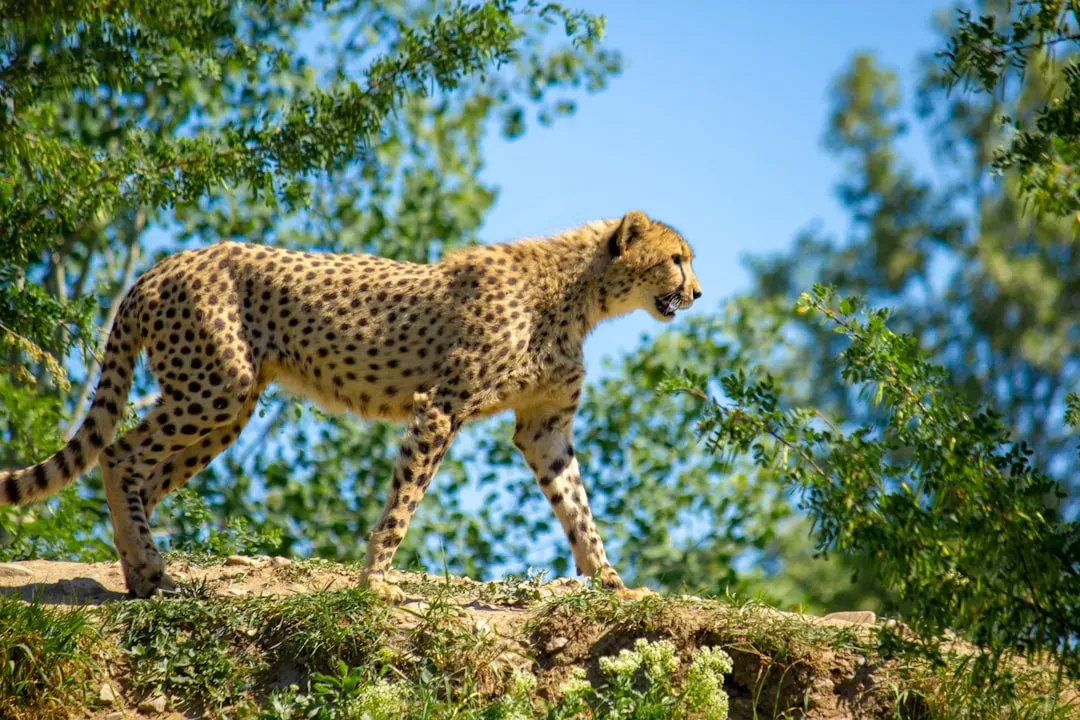
The most repeated explanation among biologists is that the cheetah's tail behaves like a rudder on a boat. When the cheetah changes direction mid-sprint, the tail shifts position to counteract the forces pulling on the body, much like the rudder of a boat helping it navigate through water. That comparison isn't just a tidy metaphor. It reflects how the tail's movement is timed precisely to the moment a cheetah plants a foot and pivots.
This rudder-like action becomes especially important because gazelles, impalas, and other prey rarely run in a straight line. The tail of a cheetah acts as a rudder, providing balance and aiding in sharp turns during a chase, and its rudder-like functionality enhances the cheetah's agility, enabling it to execute precise and swift maneuvers. Without that steering assist, a cheetah barreling along at full tilt would have a much harder time matching an evasive animal's zigzagging escape route.
#2 It counterbalances the body during abrupt direction changes
Turning at speed creates a real physical problem. A body moving forward at high velocity wants to keep moving in that same direction, and any sudden pivot generates rotational forces that could send an animal tumbling. High-speed video analysis shows that cheetahs swing their tail in the opposite direction of a turn, creating a counterbalance that prevents dangerous rolling or spinning that could occur at such high velocities.
This counterbalancing effect is essentially the same principle a tightrope walker relies on when extending a long pole to either side. During a chase, when the cheetah changes direction, it swings its tail opposite to the turn, creating angular momentum that stabilizes its body, similar to how a tightrope walker uses a balancing pole or how a race car's spoiler helps it stay on track. The tail essentially buys the cheetah a margin of stability it wouldn't otherwise have at those speeds.
#3 It may generate aerodynamic force, not just physical momentum
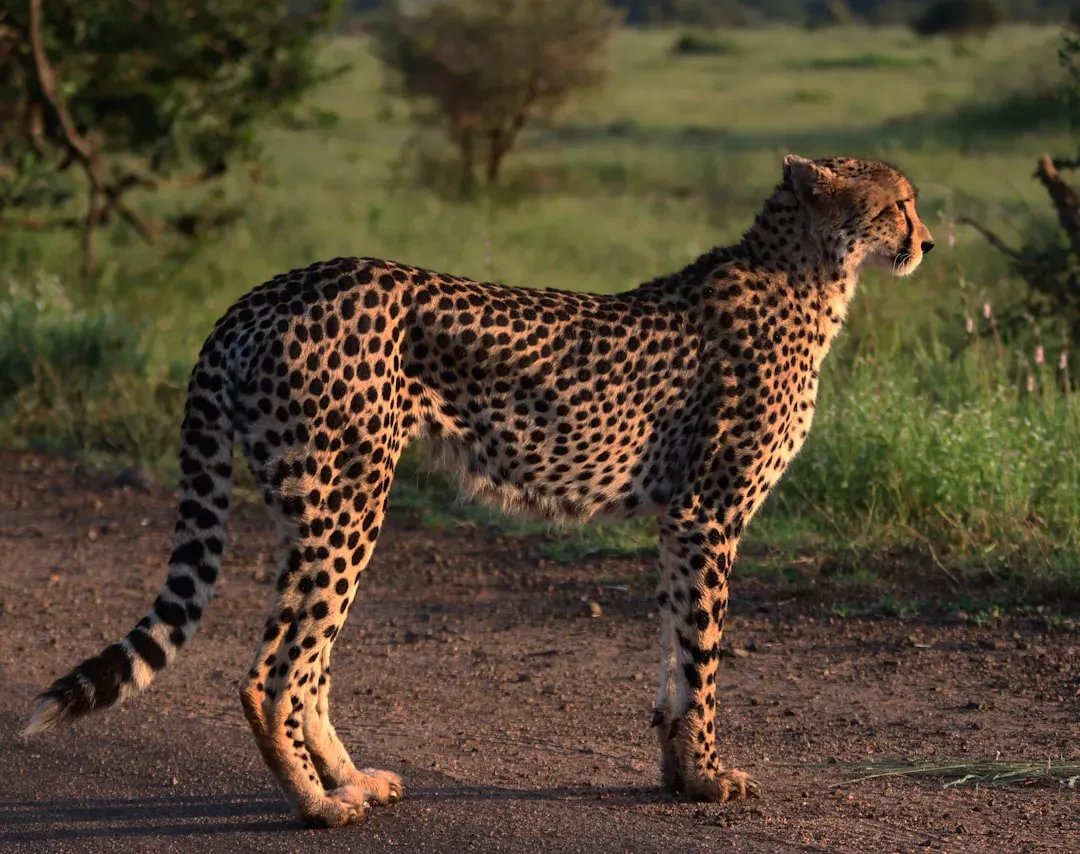
For decades, the working assumption was that the tail's usefulness came from its mass and how that mass shifted around like a weight on a string. Recent research has upended that idea. A previous assumption was that the tail is heavy and acts as a counter balance or rudder, yet this was never tested, and contrary to this assumption, necropsy results determined that the tail was in fact light with a relatively low inertia value.
If the tail is too light to swing much weight around, something else has to explain its stabilizing effect. Researchers now suspect the tail's dense, furry coating plays a bigger role than its skeletal mass. The hypothesis is that the long, furry tail generates aerodynamic forces that contribute to the angular impulse, especially at high speeds, thereby assisting manoeuvrability. In other words, the fur itself may be catching air the way a sail catches wind, adding drag exactly where and when the cheetah needs it.
#4 Its fur increases drag in a way that engineers have tried to copy
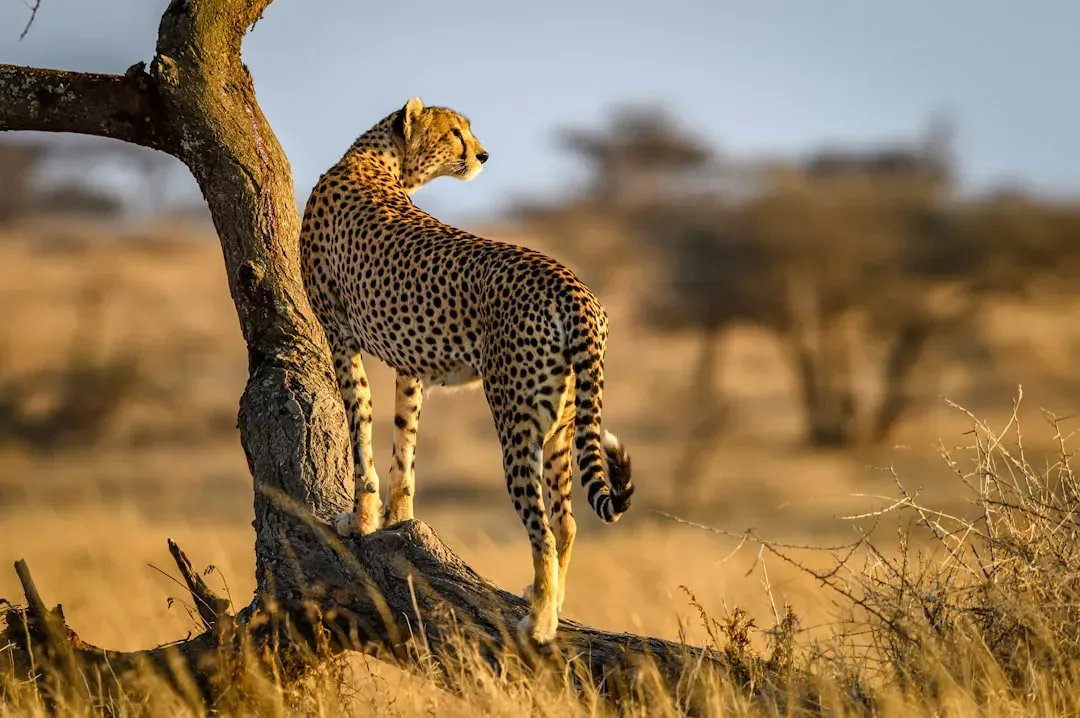
This aerodynamic angle has attracted attention well beyond zoology departments. Robotics researchers building agile legged machines have looked directly at the cheetah's tail as inspiration for stabilizing fast-moving platforms. Nobody had actually bothered to check until researchers took the tails from a collection of cheetahs and showed that cheetah tails are almost entirely fluff.
That discovery pushed engineers to experiment with different tail shapes to see which produced the most useful drag. Researchers testing an array of furry tails to mimic cheetah fur found that the half cylinder shape had by far the most drag. It is a strange kind of compliment to an animal that its tail design has become a genuine reference point for robotic locomotion research.
#5 It stabilizes the body during the airborne phase of the gallop
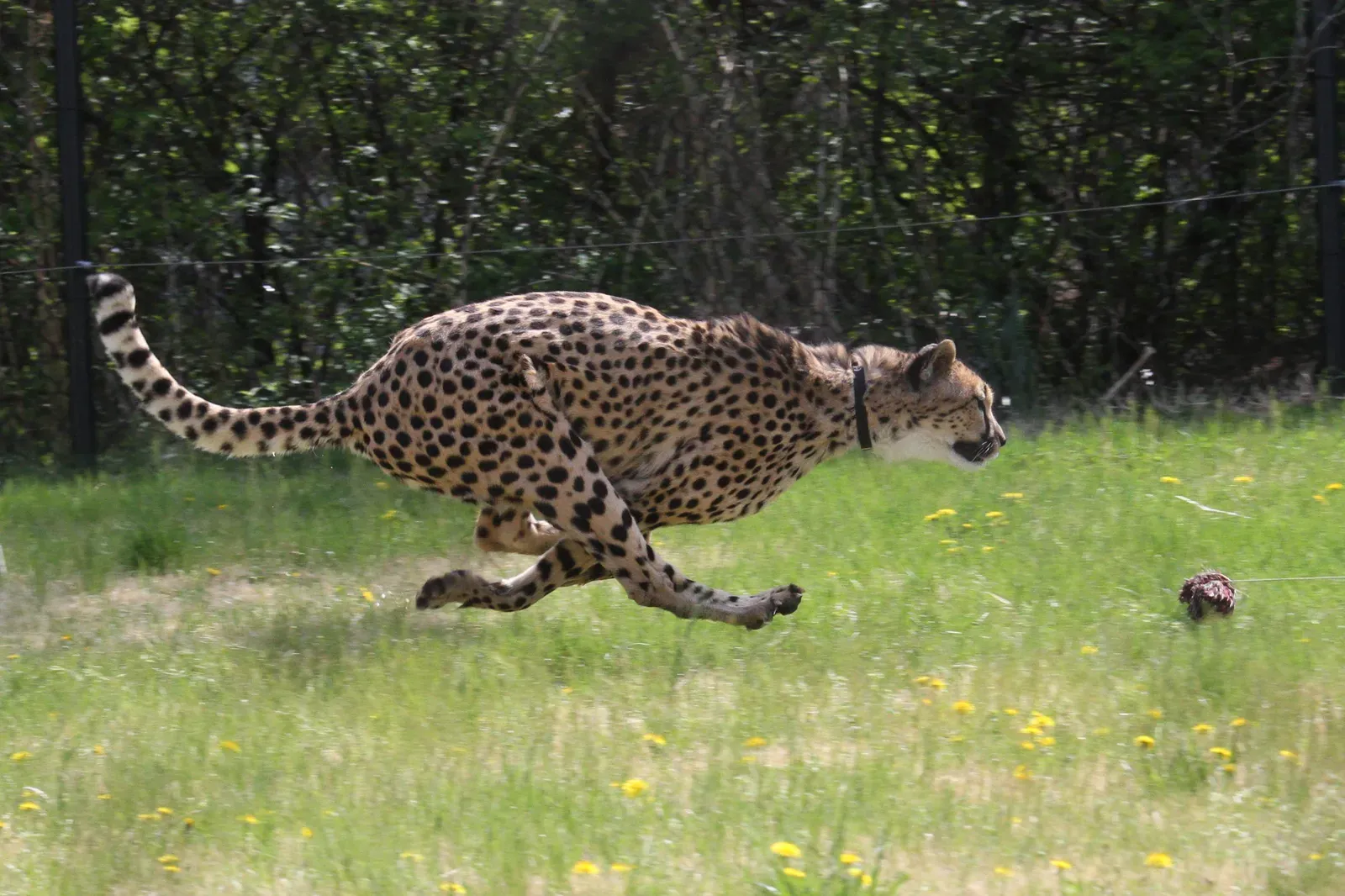
A cheetah's gallop is not a continuous string of ground contacts. At full speed, there are moments when all four paws leave the ground entirely, a suspended phase that leaves the animal briefly without any contact to correct its posture. The tail provides crucial stabilization during the flight phase when all four feet are off the ground.
This matters because a poorly controlled landing at those speeds could easily throw off the whole stride pattern, costing precious fractions of a second in a chase that is often decided by inches. The tail's position during flight helps set up a cleaner touchdown, keeping the rhythm of the gallop intact rather than letting a wobble cascade into a stumble.
#6 Injuries to the tail measurably hurt hunting performance
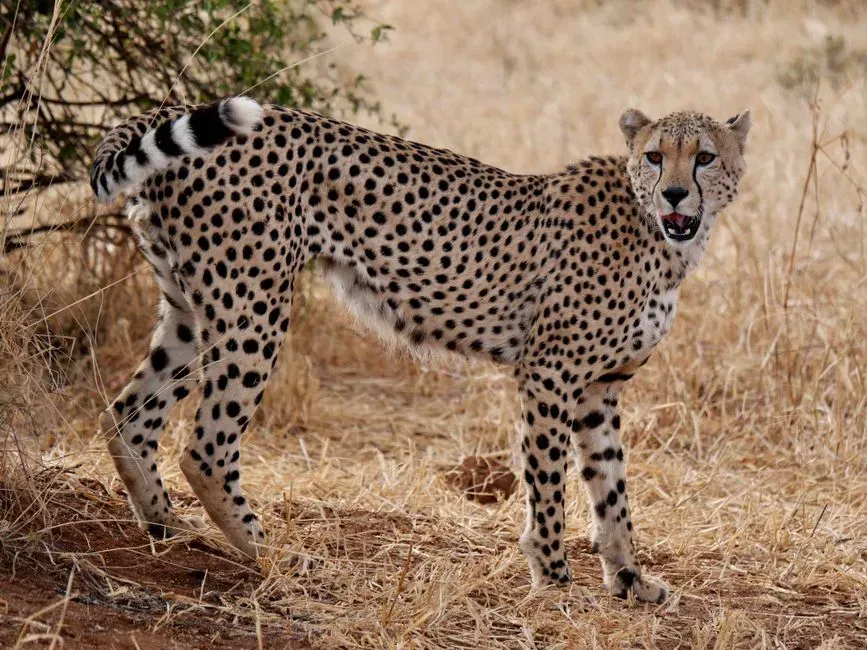
If the tail were purely cosmetic, damage to it shouldn't change much about how a cheetah hunts. That is not what field observations show. Researchers studying cheetah biomechanics have noted that injuries to a cheetah's tail can significantly impair their hunting success by reducing their turning ability and overall stability.
This kind of real-world evidence carries weight precisely because it comes from animals under natural hunting pressure rather than a lab setting. A cheetah missing part of its tail, or one dealing with an injury to it, isn't just cosmetically altered. It is working with a compromised steering and stabilizing system at the exact moments when precision matters most.
#7 Its length and flexibility are built for exactly this job
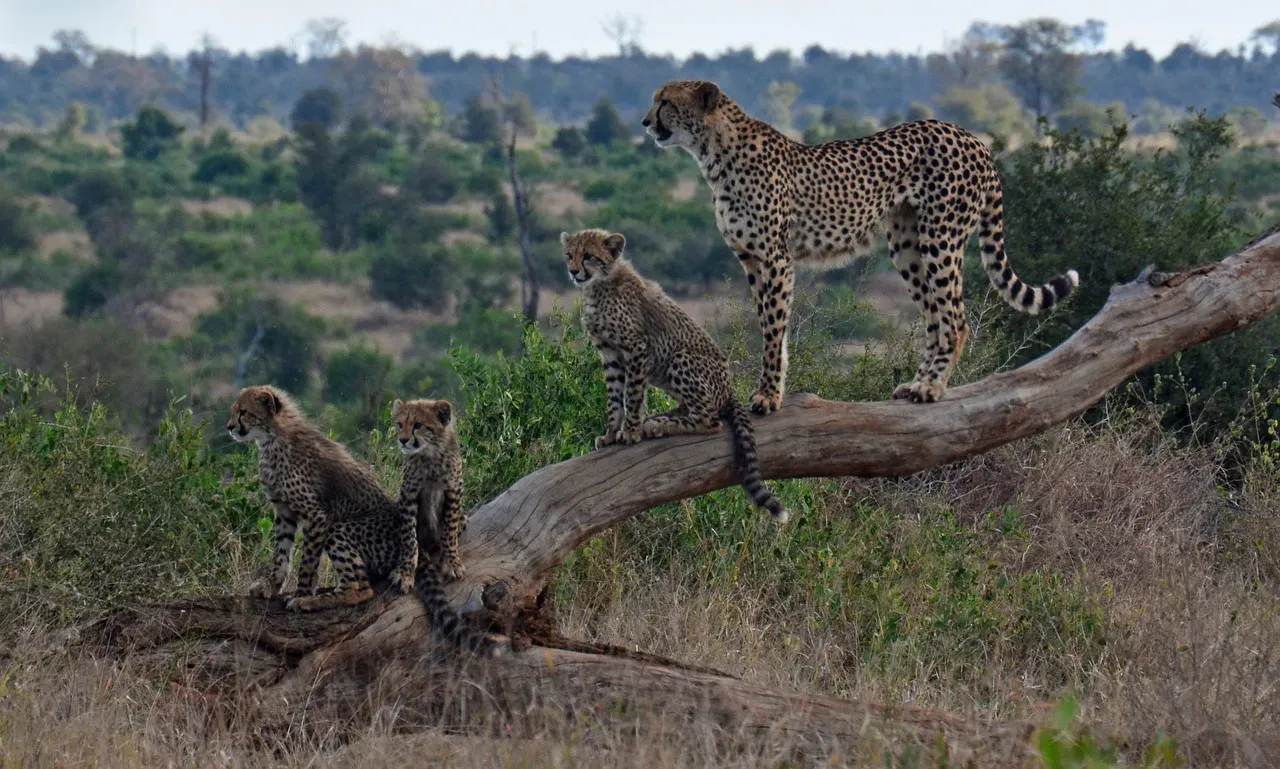
The tail's dimensions are not incidental. It can reach lengths of up to 2.5 to 3 feet, and its flexibility allows the cheetah to make lightning-fast turns without losing balance. That length is roughly comparable to the animal's own torso, which gives it substantial leverage even without much mass behind it.
The vertebral structure backs this up anatomically. The long tail, composed of around 18 to 20 caudal vertebrae, is crucial for balance and steering during high-speed chases. That many individual segments gives the tail a whip-like range of motion, letting it flick, curve, and extend in ways a stiffer structure simply couldn't manage.
Final thoughts