13 Things Vets Quietly Tell Owners About a Cat That Suddenly Stops Eating
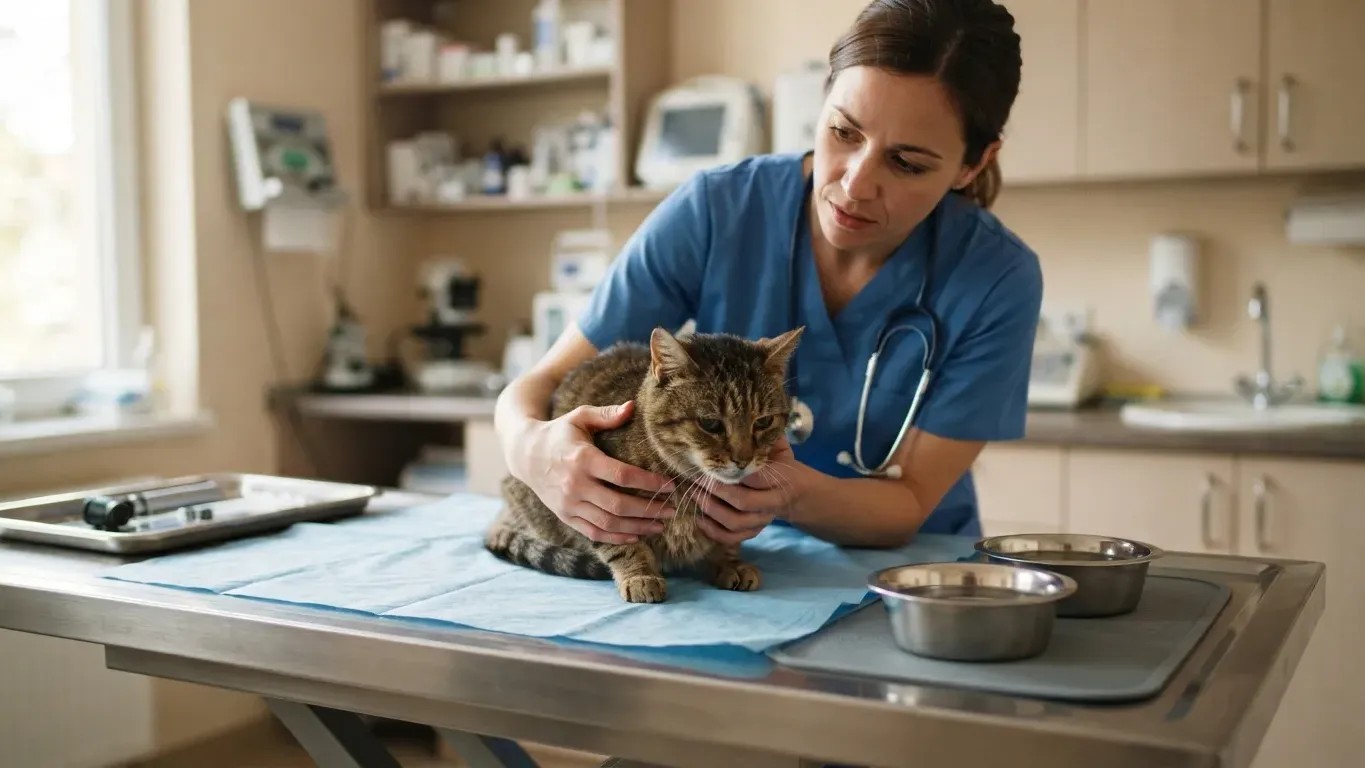
Most cat owners assume a skipped meal just means their cat is being picky. Vets know something most people don't: appetite loss is often the first, quiet warning sign that something is seriously wrong.
Cats are masters at hiding illness, so by the time an owner notices something is off, the body has usually been struggling for a while. That's why vets keep a mental countdown running the moment a bowl goes untouched - and why the 13 things they quietly tell owners in the exam room can be the difference between a scare and a tragedy.
#13 - A Skipped Meal Is Never "Just Picky"
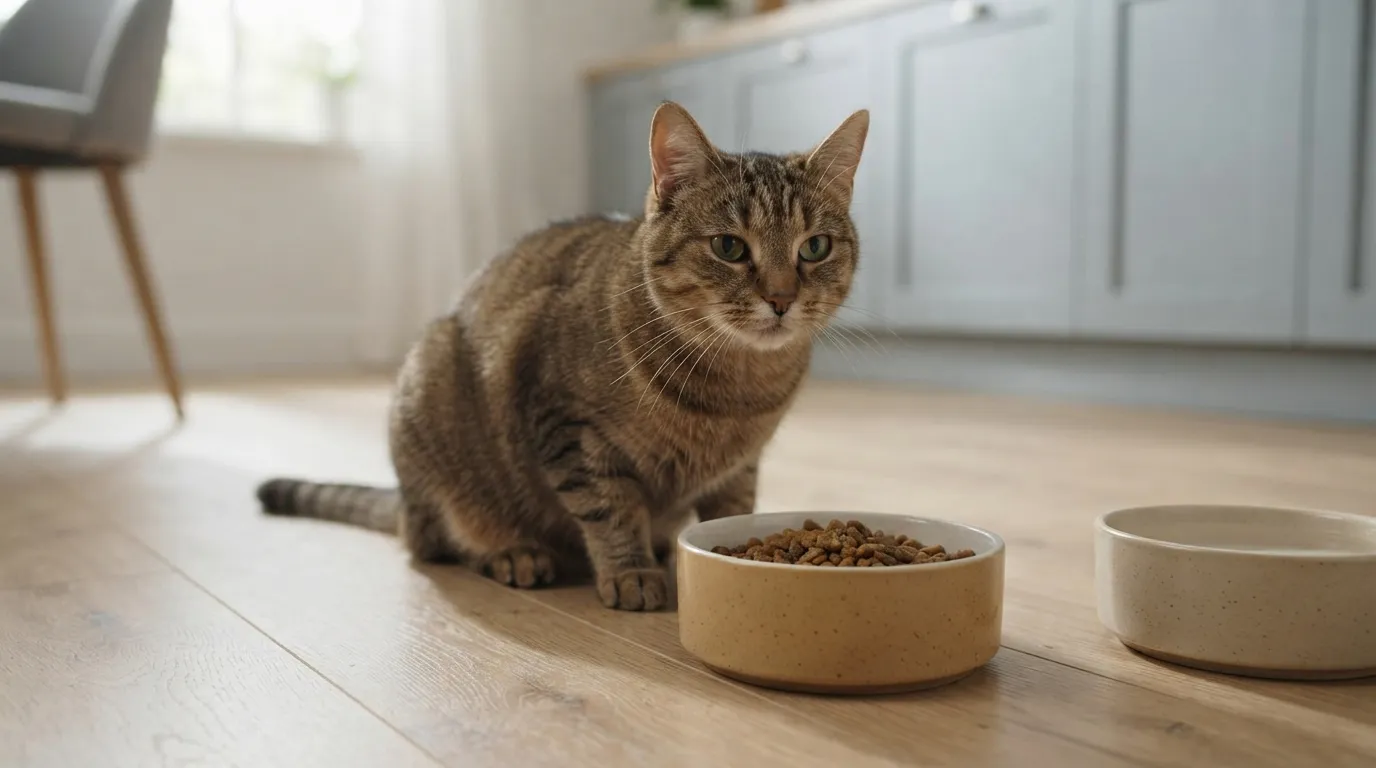
Cats naturally hide illness, so appetite changes are often the earliest visible clue that something is wrong.
Cats are creatures of habit - a sudden change in eating is rarely random. Owners who write it off as stubbornness are often the same ones who end up in the emergency room days later.
One skipped meal with otherwise normal behavior might just be minor stress or a passing stomach upset. But that's the outer edge of your window, not a reason to relax.
The real deadline is stricter than most owners realize.
#12 - The 24-Hour Rule Is Real - And Non-Negotiable
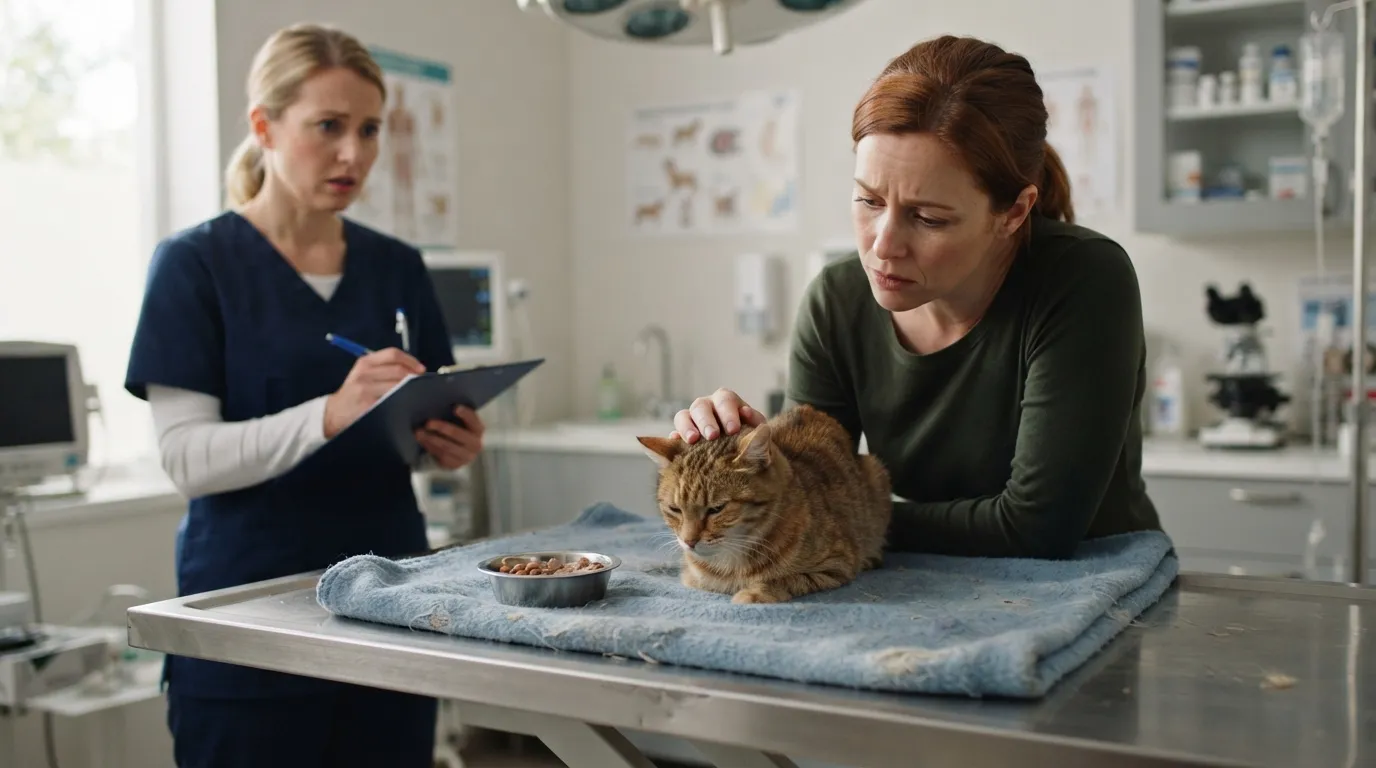
Vets don't mention the 24-hour rule casually. It's a hard clinical line, not a suggestion.
If your cat refuses food for more than 24 hours, eats only tiny amounts, or shows vomiting, hiding, weight loss, or breathing trouble, call your vet right away.
For underweight cats, kittens, diabetics, or cats with kidney disease, that window shrinks to 24 hours flat - not 48. Vulnerable cats simply don't get extra time.
Getting help before the 72-hour mark usually prevents lasting liver damage. That's the real reason vets push so hard on this timeline.
Fast Facts
- Healthy adult cats: 24-48 hours without food is the outer limit before urgent care is needed.
- Kittens, diabetic cats, and cats with kidney disease: the window shrinks to 24 hours flat.
- Vomiting, hiding, or breathing trouble at any point: skip the countdown and call now.
- Past the 72-hour mark, the risk of lasting liver damage rises sharply.
There's an even sneakier trigger - and it has nothing to do with the food itself.
#11 - Smell Is Everything - And a Stuffy Nose Can Shut It All Down
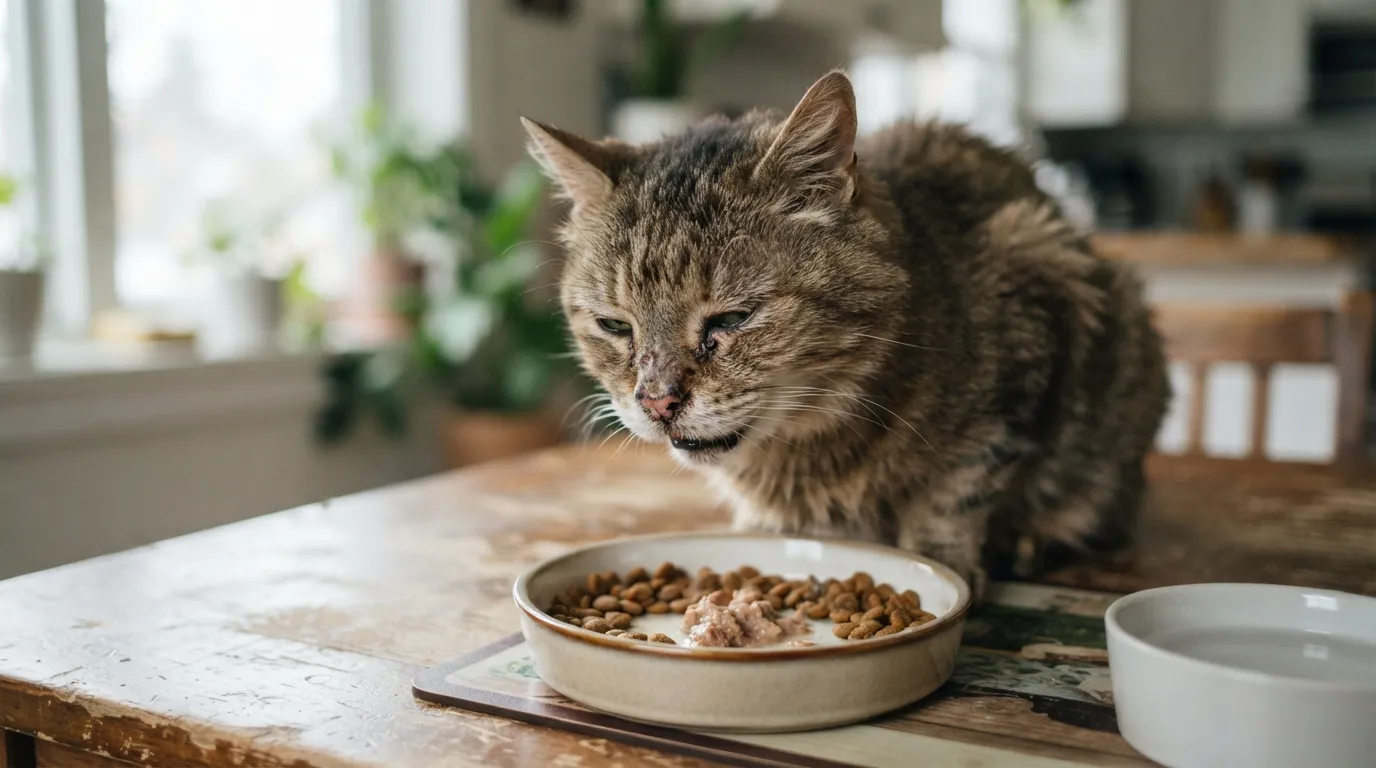
Here's one most owners never connect: a congested cat won't eat, and it has nothing to do with taste.
Cats rely so heavily on smell that even an ordinary upper respiratory infection can kill their interest in food, simply because they can't smell it anymore.
If you notice eye discharge, sneezing, or a runny nose, get your cat to the vet. Treating the congestion often fixes the appetite fast.
Sometimes the problem isn't the nose. It's the mouth.
#10 - Dental Pain Is the Most Underdiagnosed Cause in the Room
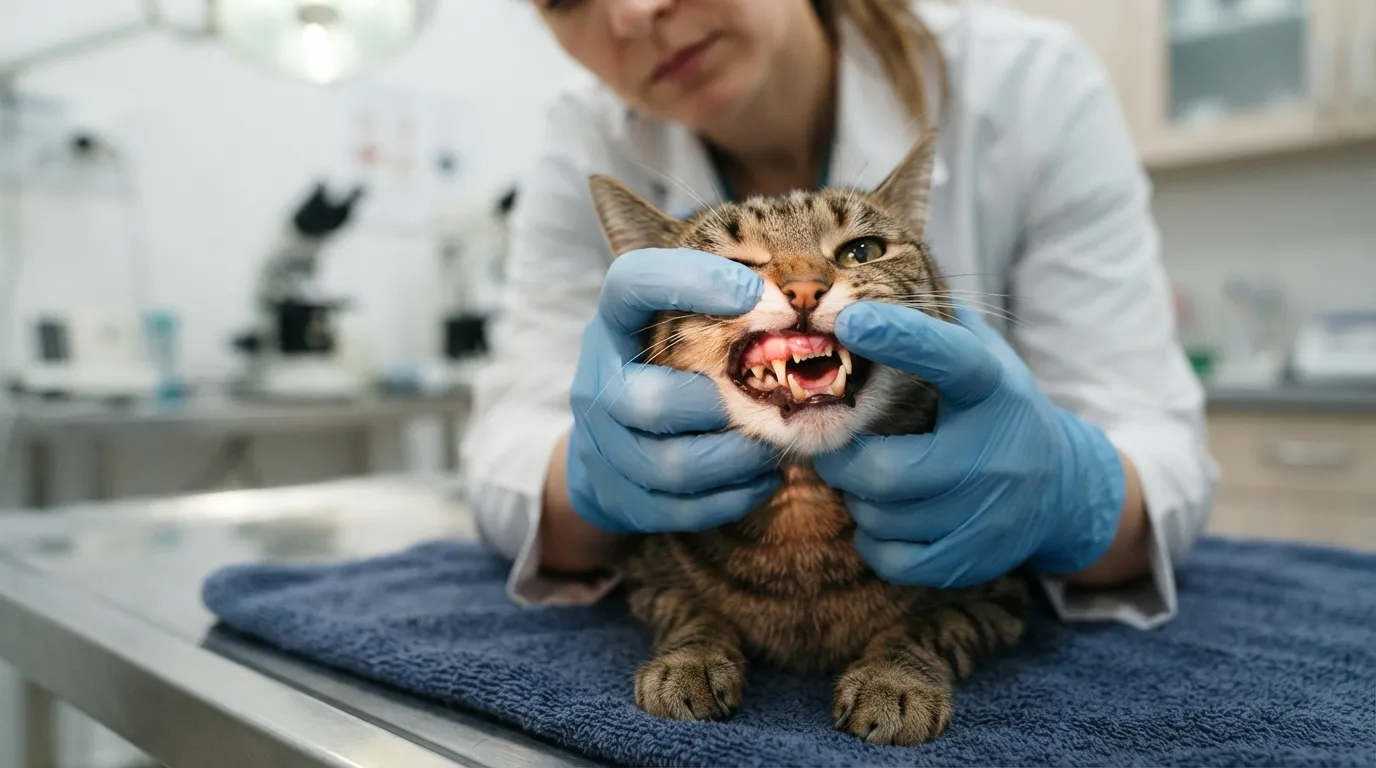
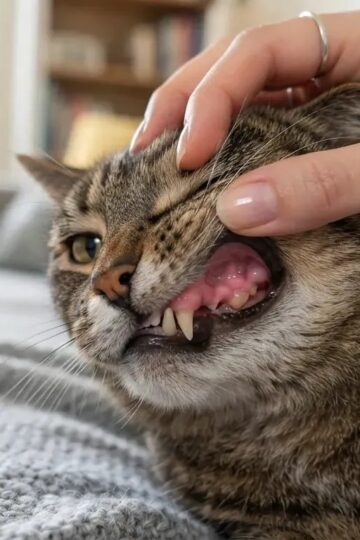
Most owners look in their cat's mouth and see nothing wrong. Vets look at the same mouth and find the problem immediately.
Inflamed gums, decaying teeth, or oral ulcers can make chewing painful enough that a hungry cat still won't eat.
A cat can be ravenously hungry and still refuse the bowl - because every bite hurts. This is the scenario owners mistake for pickiness most often.
And dental pain isn't even the most common physical reason cats turn away from food.
#9 - Nausea Is Doing Most of the Heavy Lifting
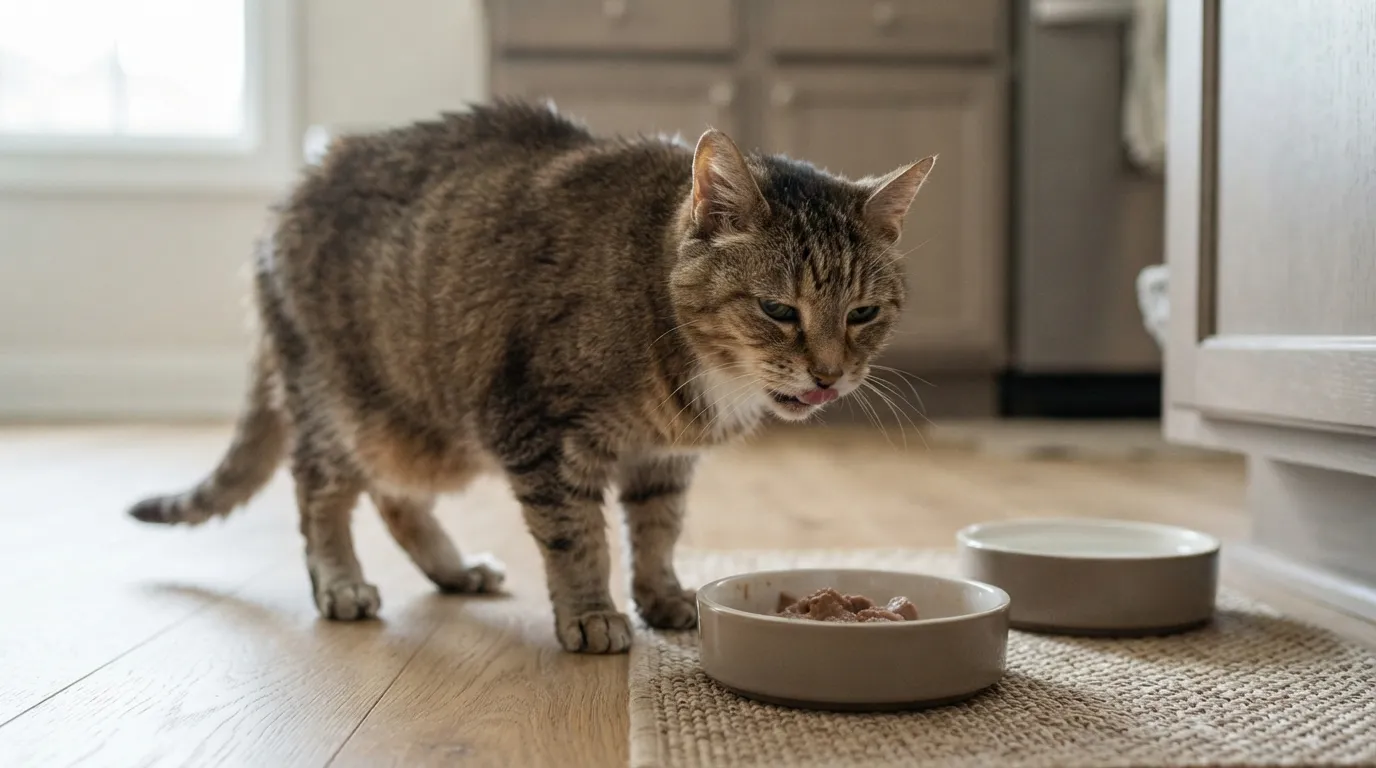
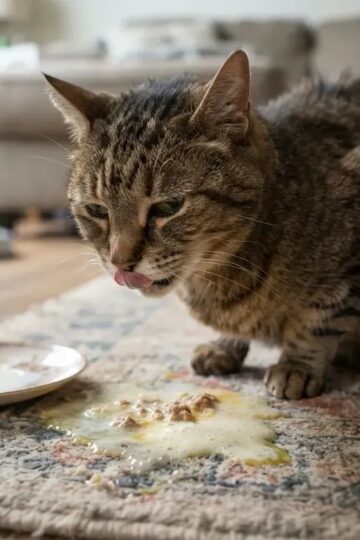
If your cat walks up to the bowl, sniffs it, then walks away - that's not attitude. That's nausea.
Watch for lip-licking, repeated swallowing, or a hunched posture near the bowl. These are classic nausea signals, not stubbornness.
Nausea can come from an upset stomach, a diet change, kidney disease, pancreatitis, or medication side effects. Hovering near the bowl is actually a good sign - the cat still wants to eat, but the body is overriding it.
Nausea is bad enough on its own. But in older cats, it's often a symptom of something bigger.
#8 - Kidney Disease Often Announces Itself Through the Food Bowl
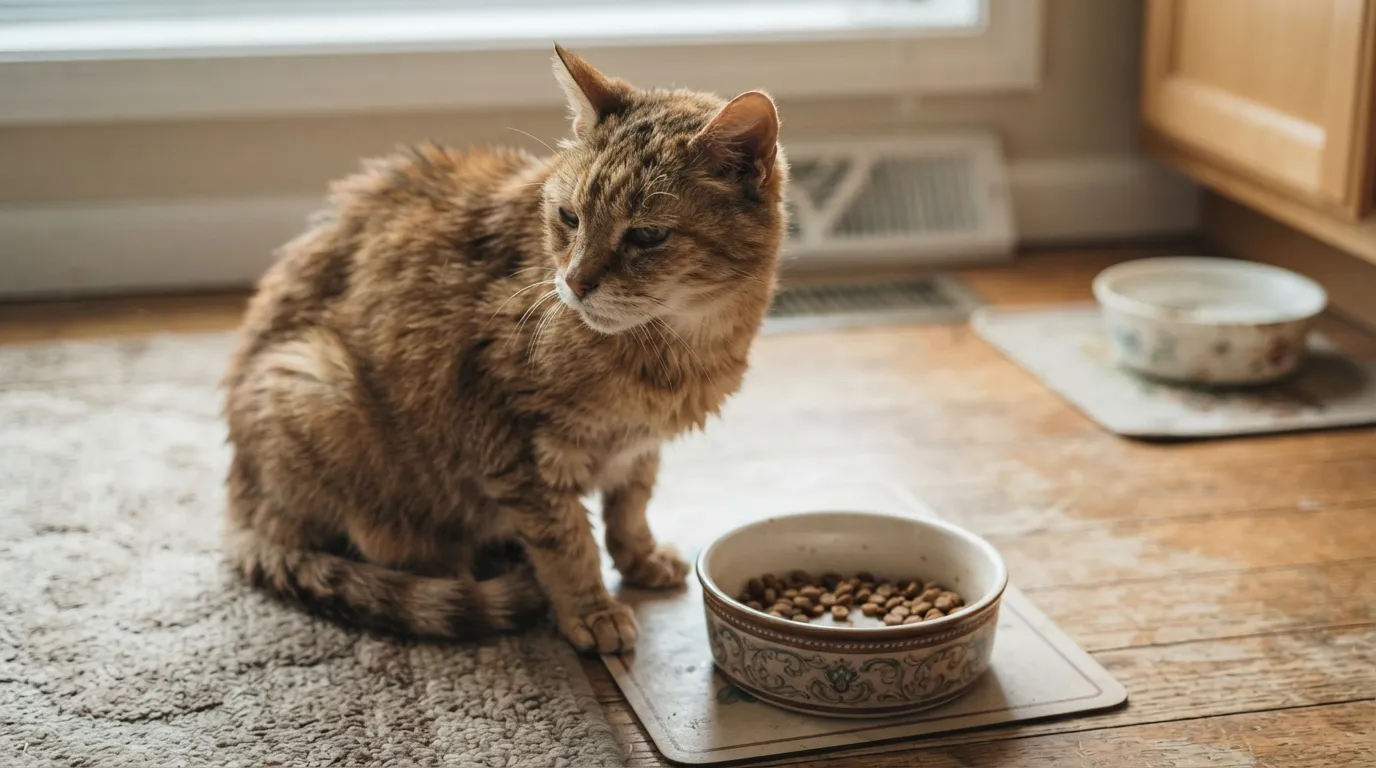
This is one of the most common things vets see in senior cats - and the food bowl is usually where it shows up first.
Kidney disease often brings nausea along with increased thirst, frequent urination, and gradual weight loss.
If your cat is over 7 and has stopped eating alongside any of these signs, don't wait. Senior cats refusing food deserve urgent attention, not a "wait and see."
At a Glance
- Chronic kidney disease affects 30-40% of cats over age 10, and up to 81% of cats over 15.
- Only about 10% of cases occur in cats younger than three.
- At least two-thirds of kidney function is often already lost before any signs appear.
- Increased thirst, frequent urination, and gradual weight loss are the telltale trio.
Kidney disease isn't the only silent condition that shows up first at the bowl.
#7 - Pain Anywhere in the Body Can Kill the Appetite
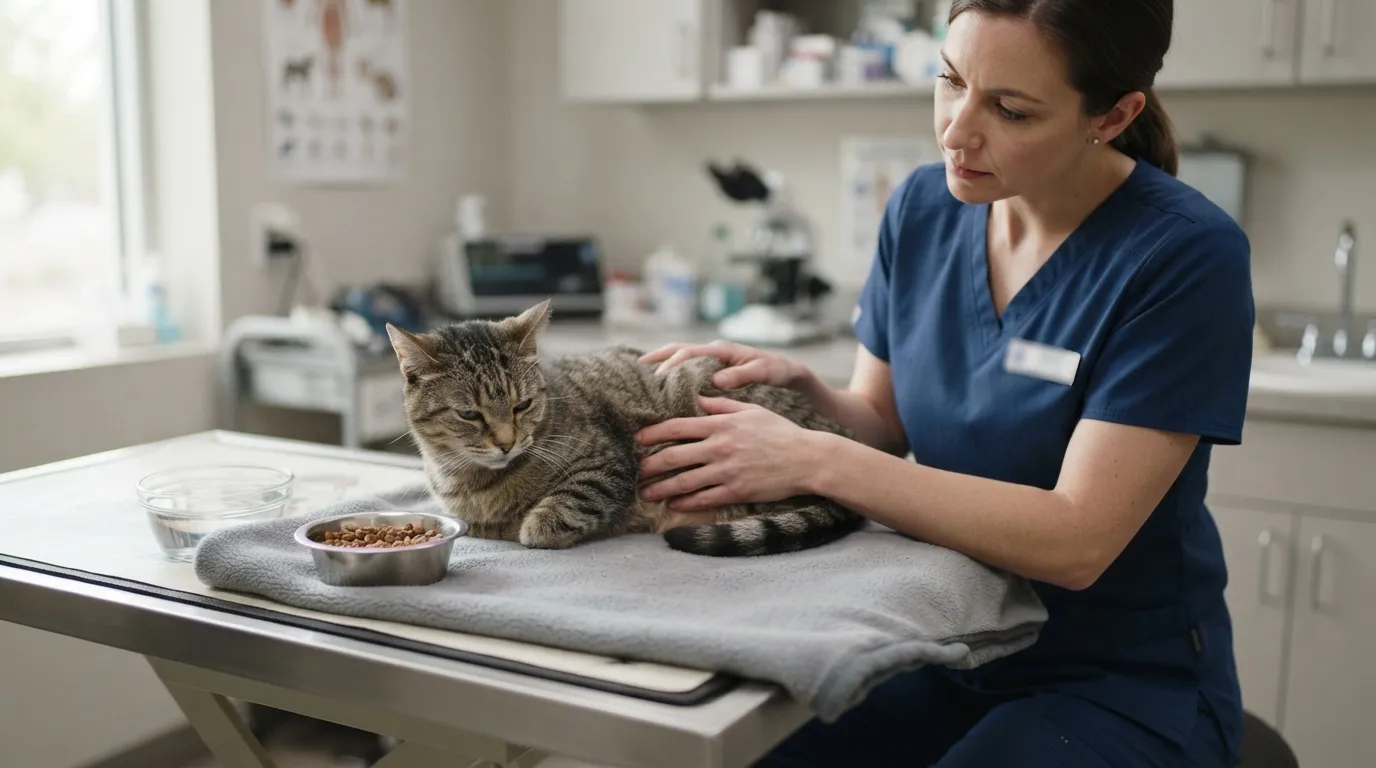
Owners think pain looks like limping, crying, or flinching. Vets know it usually just looks like a cat that won't eat.
Arthritis, hidden injuries, urinary trouble, or abdominal pain can all make a cat too uncomfortable to eat normally.
A cat in pain redirects all of its energy - eating becomes the last priority. Gently press your cat's belly and watch for flinching or growling; it tells you more than you'd expect before you even reach the clinic.
Sometimes the trigger isn't physical pain at all. It's something far harder to see.
#6 - Stress Is a Real Medical Trigger - Not an Excuse
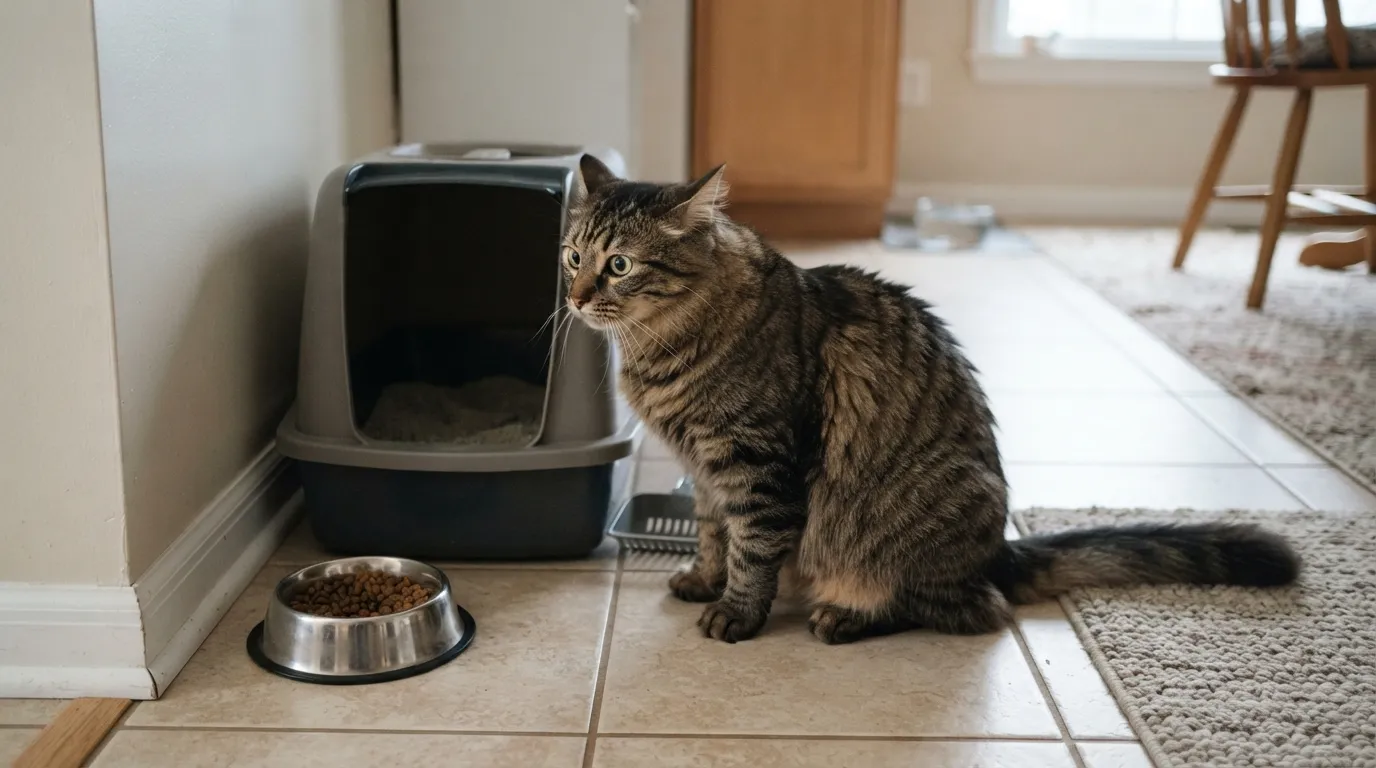
People roll their eyes when vets mention stress. They shouldn't - it's a documented, physiological appetite suppressor in cats.
A house move, a new pet, a rearranged feeding area, or even a change in routine can be enough to put a sensitive cat off its food.
Excessive noise, dirty dishes, or a food bowl placed too close to the litter box can also do it. That last one surprises almost every owner in the exam room.
Stress can be temporary. The next cause can become permanent.
#5 - Food Aversions Can Develop After a Single Bad Experience
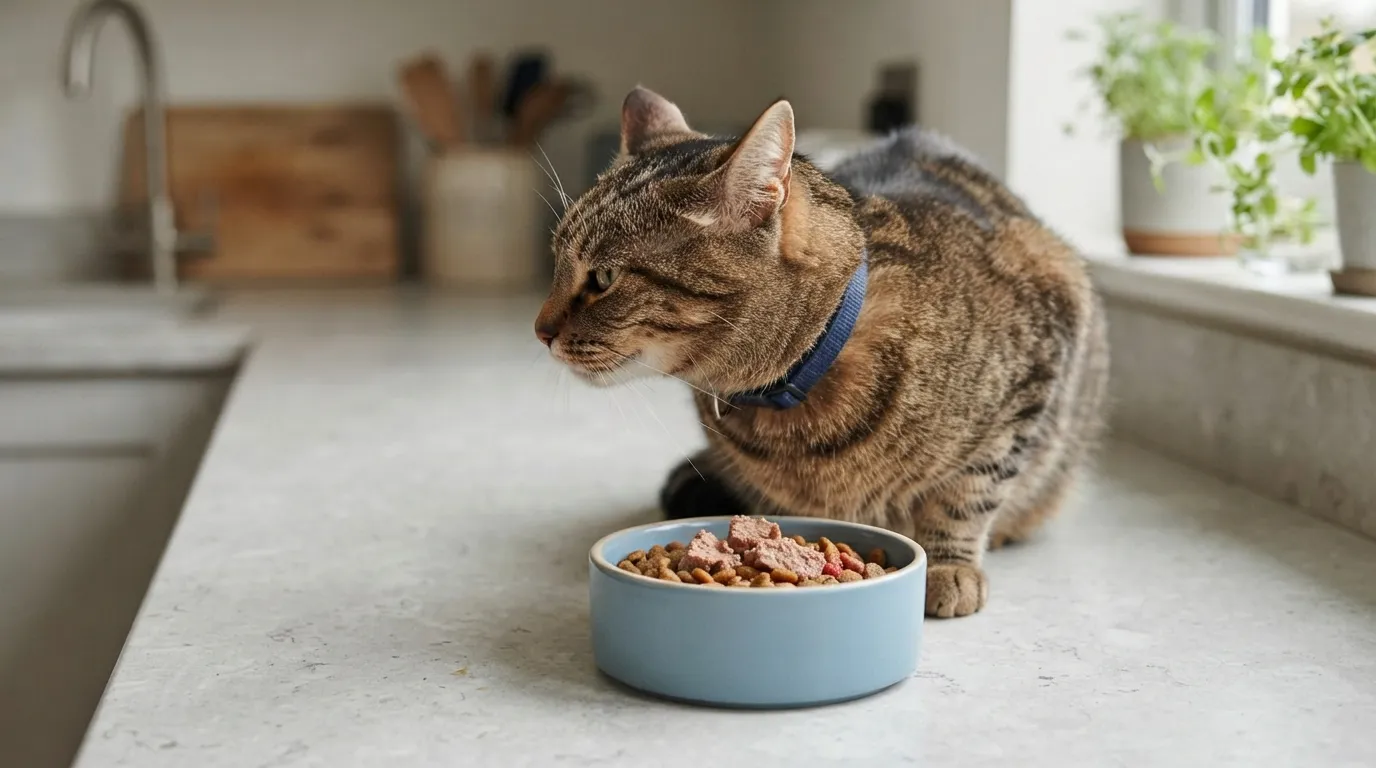
This one catches owners completely off guard. A cat can love a food for years, then permanently refuse it after one unpleasant association.
If a cat felt nauseous the last time it ate a particular food, it may never touch that food again. Some cats are also shockingly sensitive to texture, temperature, or even the color of the bowl.
Vets quietly call this "conditioned food aversion." The fix isn't coaxing - it's a new food entirely, introduced carefully.
All of these causes are unsettling. But some are outright dangerous.
#4 - The Serious Diseases All Start Here
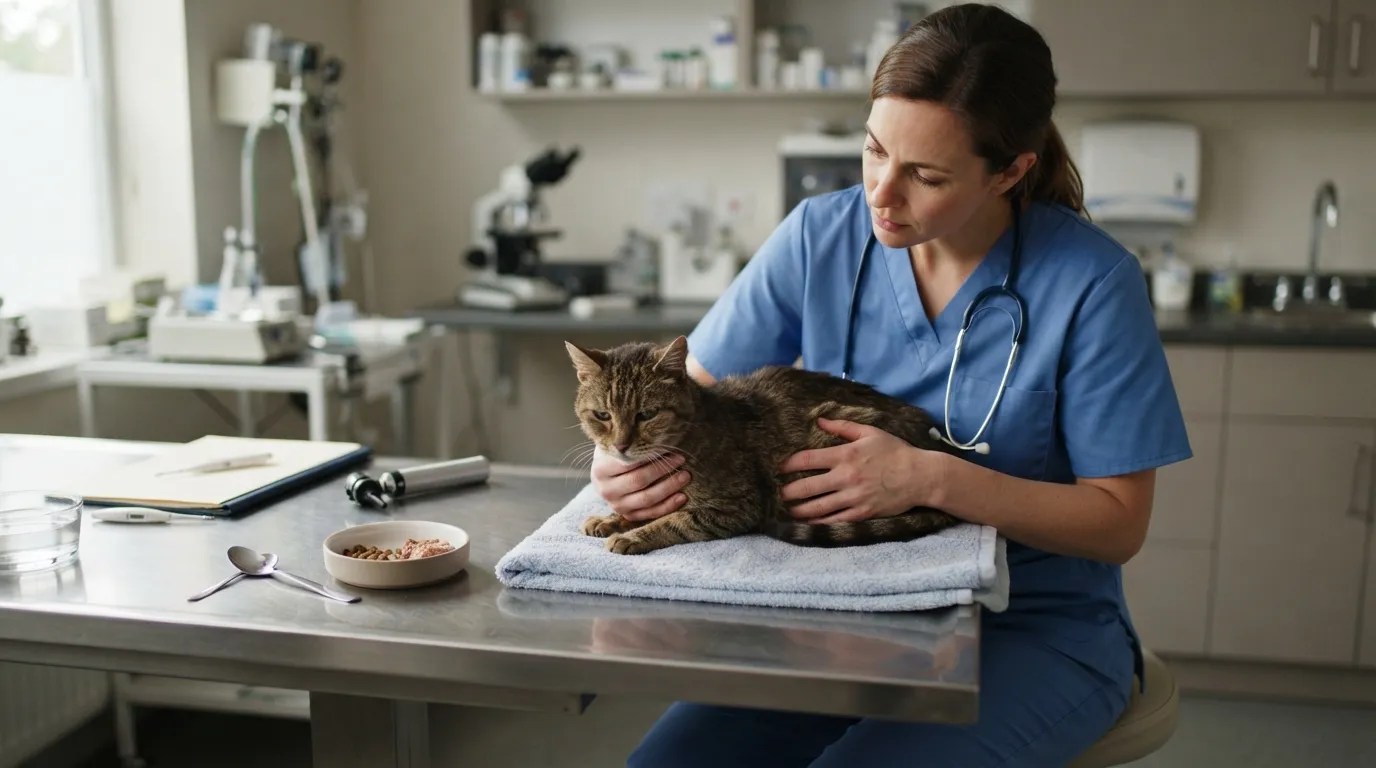
The conditions owners fear most - cancer, pancreatitis, organ failure - often announce themselves quietly, with a cat that simply stops eating.
Fatty liver disease can develop rapidly, especially in overweight cats. Pancreatitis, kidney disease, and stomach blockages can also cause appetite loss alongside pain and illness.
If lethargy, unusual bathroom habits, extra sleeping, weight loss, or hiding show up alongside the missed meals, get to the vet sooner rather than later. Something serious could already be underway.
And here's the twist almost nobody expects.
#3 - Overweight Cats Face a Far Shorter Clock Than Lean Cats
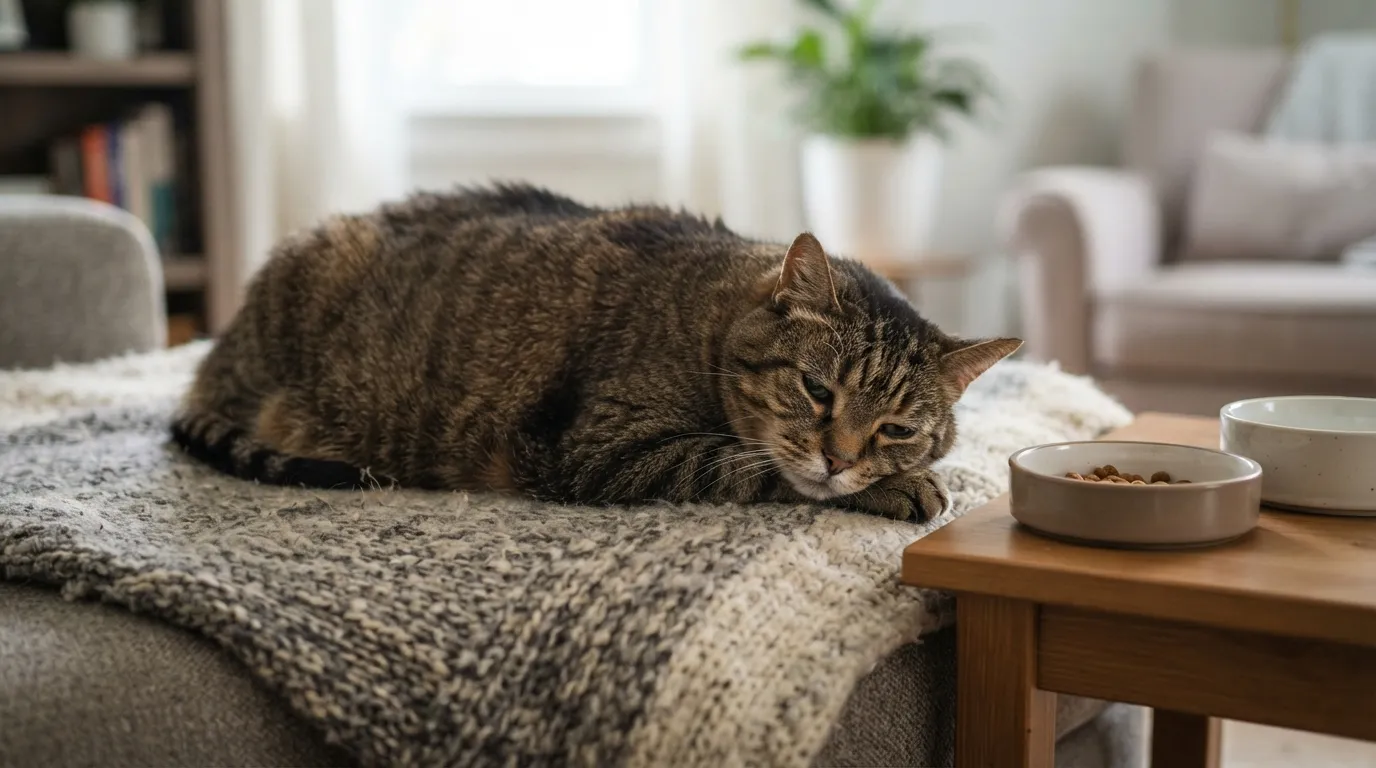
Most people assume a heavier cat has more reserves to burn. The opposite is true - and vets call this one of the most misunderstood facts in feline medicine.
Hepatic lipidosis can develop in as little as 2 to 3 days of complete anorexia, and overweight cats are at the highest risk of all.
More body fat means more fuel for the crisis, not less. When a heavy cat stops eating, the fat overwhelms the liver's ability to process it - and it gets stored there instead.
Quick Compare
- Lean cat: smaller fat reserves mean the liver can usually keep pace during a missed-meal stretch.
- Overweight cat: larger fat reserves flood the liver faster than it can process them.
- US average: roughly 60% of cats are overweight or obese, putting most pets in the higher-risk group.
- Bottom line: more body fat means more danger, not more of a cushion.
If your cat is overweight and not eating, this is a same-day vet call, not a next-week one. This next condition is the one vets are actually racing against.
#2 - Hepatic Lipidosis: The Condition That Turns Missed Meals Fatal
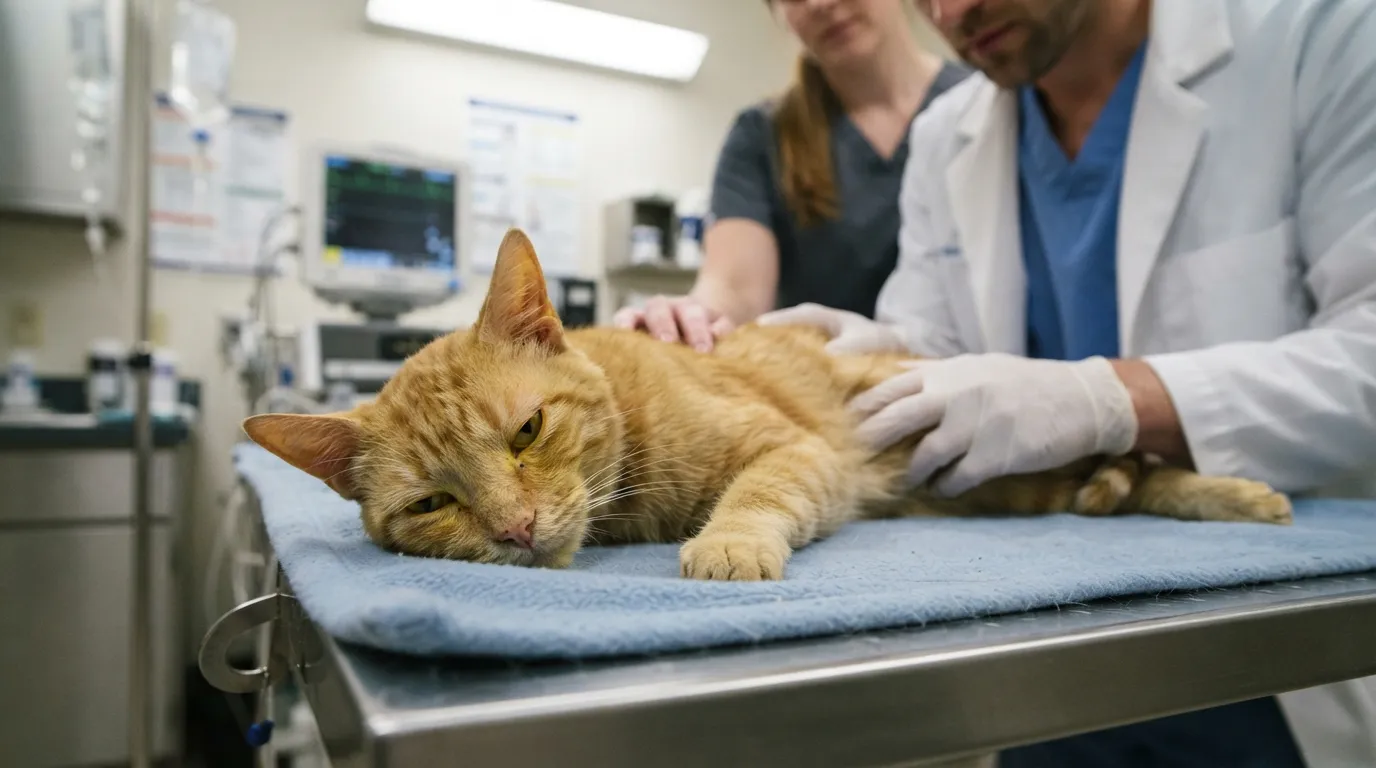
This is what vets are truly worried about when they push you to act fast. It has a name, a mechanism, and a terrifying timeline.
Also called feline fatty liver disease, hepatic lipidosis is why vets treat feline anorexia with far more urgency than they would in a dog. When a cat stops eating, the body starts breaking down stored fat and sending it to the liver.
The Cornell Feline Health Center explains that excessive amounts of fat move to the liver from storage areas throughout the body, clogging it until function falters. Fat floods in faster than the liver can process it, jaundice sets in, and untreated cats can die.
Worth Knowing
- About 90% of hepatic lipidosis cases trace back to an underlying illness that triggered the appetite loss.
- Just 2 to 7 days of reduced eating - or 3 to 4 days of eating nothing - can be enough to set it off.
- Feeding-tube support pushes survival odds to 80-90%, but only if treatment starts in time.
- Jaundice, a yellowing of the skin or gums, is usually the first visible red flag.
With aggressive feeding-tube nutrition, survival climbs to 80 to 90 percent - but every hour of continued anorexia matters. Watch for jaundice, lethargy, vomiting, drooling, weight loss, and hiding; jaundice is the hallmark sign.
Everything on this list points to one final, unavoidable truth.
#1 - Early Intervention Is Almost Always the Difference Between Recovery and Loss
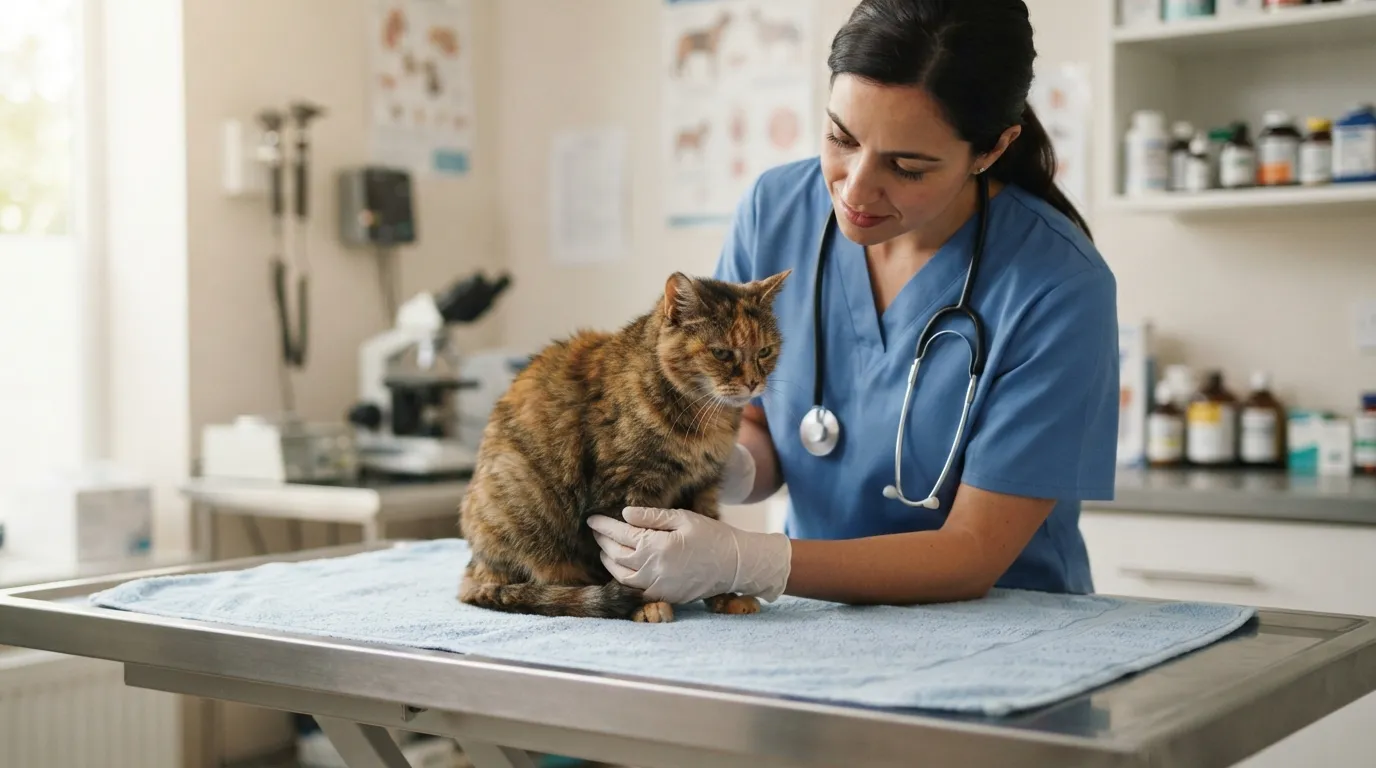
Everything in this list leads here. The single most important thing vets tell owners - quietly, urgently, repeatedly - is this: don't wait.
A cat that suddenly stops eating is rarely just being stubborn, and it's not something to ignore. Because cats can develop serious complications after only a few days without food, call your vet the moment eating habits change.
The more quickly you respond, the more able your vet is to actually help. If the underlying cause is treatable or reversible, the prognosis is genuinely good - but that outcome depends entirely on how fast you act.
A cat seen within 24 hours and a cat seen on day four are often facing two completely different situations.
The Bottom Line
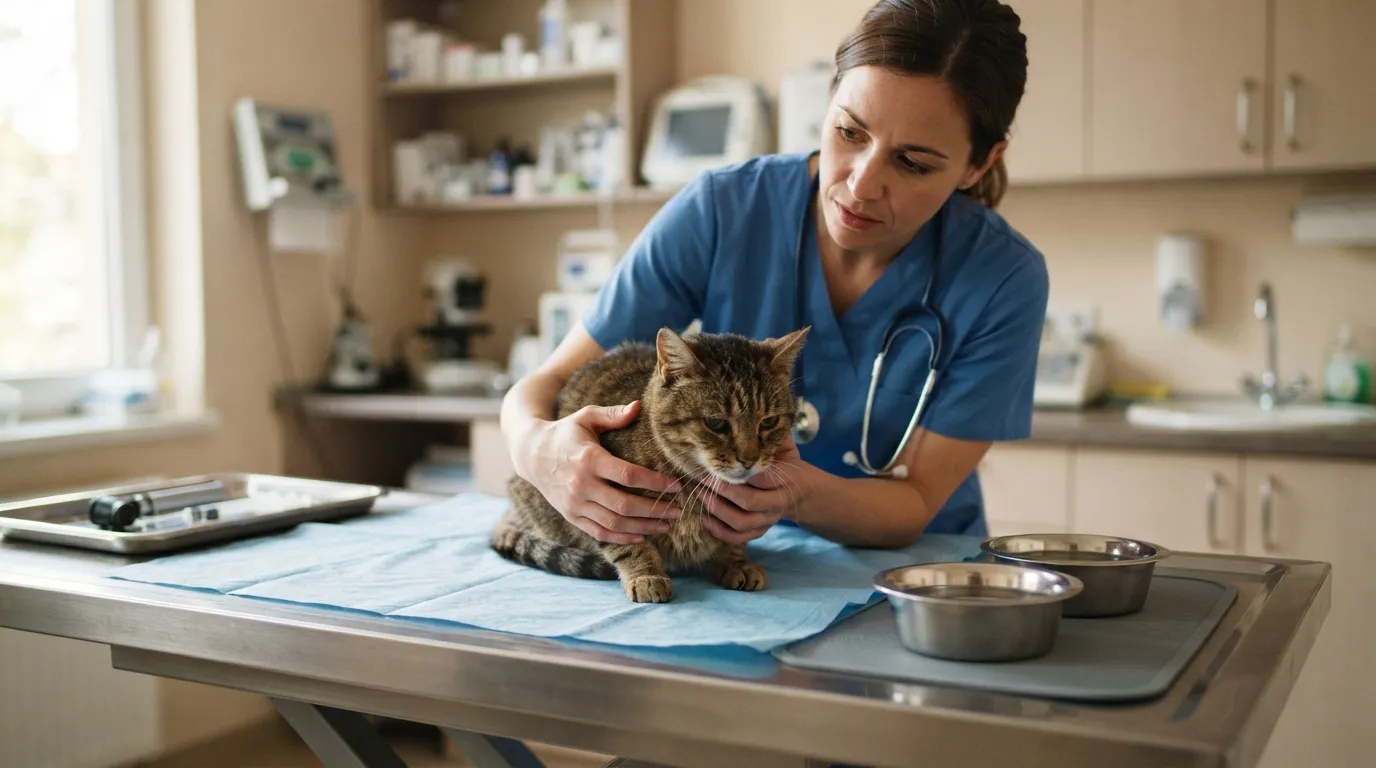
A cat that stops eating isn't being dramatic - it's sending a distress signal. Even subtle changes in eating habits can point to an underlying problem, and early veterinary care makes catching it possible.
The causes range from a stuffy nose to organ failure, but the response window stays the same: 24 hours for most cats, sooner for seniors, kittens, and overweight cats. Hepatic lipidosis alone - the liver disease triggered by missed meals - is reversible if caught early and fatal if it isn't.
Every item on this list is something your vet already knows and wishes you'd act on sooner. The question is whether you hear it in time.
Has your cat ever stopped eating and surprised you with the real cause? Drop it in the comments - your experience might help someone else catch it early.