13 Gentle Signs a Senior Cat Shows When It Still Feels Strong and Well
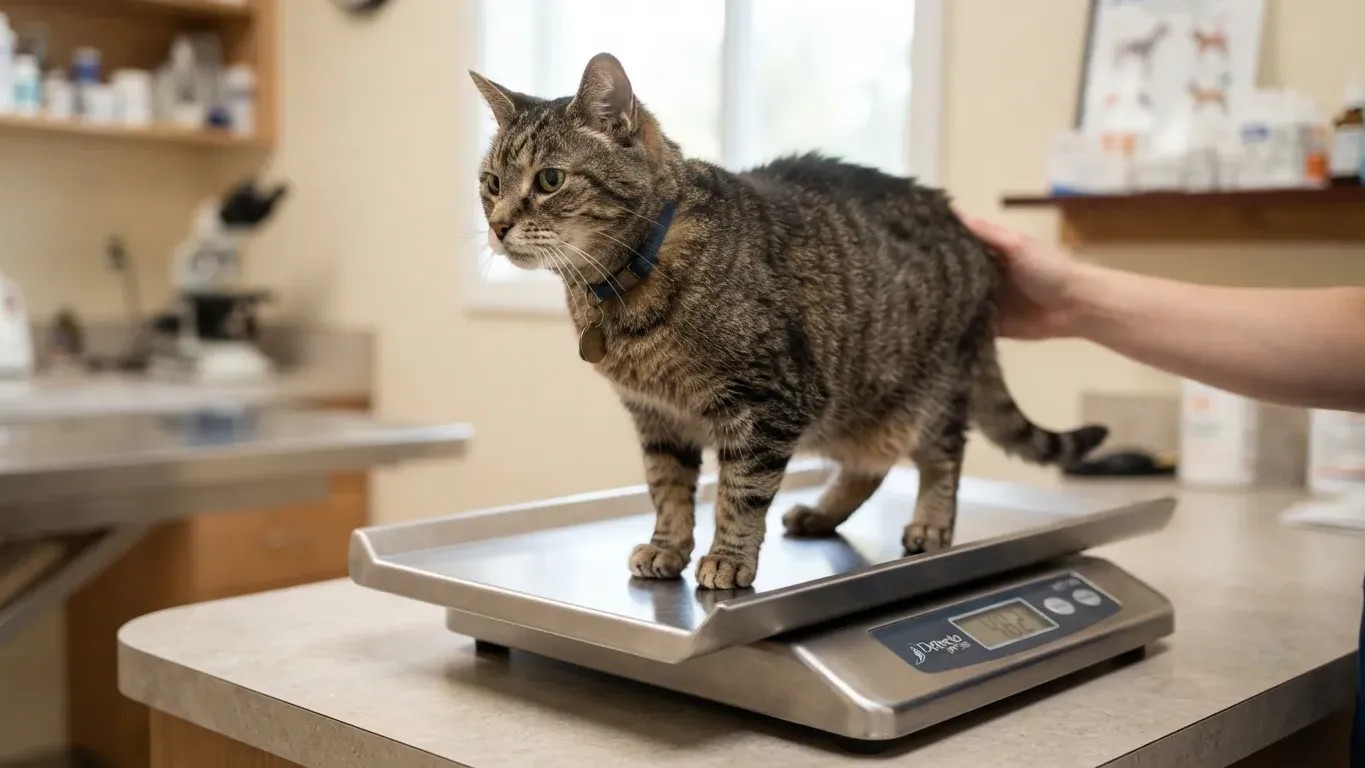
Most people assume a quiet, slow-moving senior cat is simply "winding down." Vets say that assumption might be the most dangerous thing you can believe about your aging cat.
Cats are masters at hiding illness - so good at it that owners often have no idea anything's wrong until it's serious. But a truly thriving senior cat sends out signals constantly, just quieter than a kitten's chaos, and once you learn to spot them, you'll never look at your old cat the same way again.
#13 - They Still Show Up for Mealtime Like Clockwork
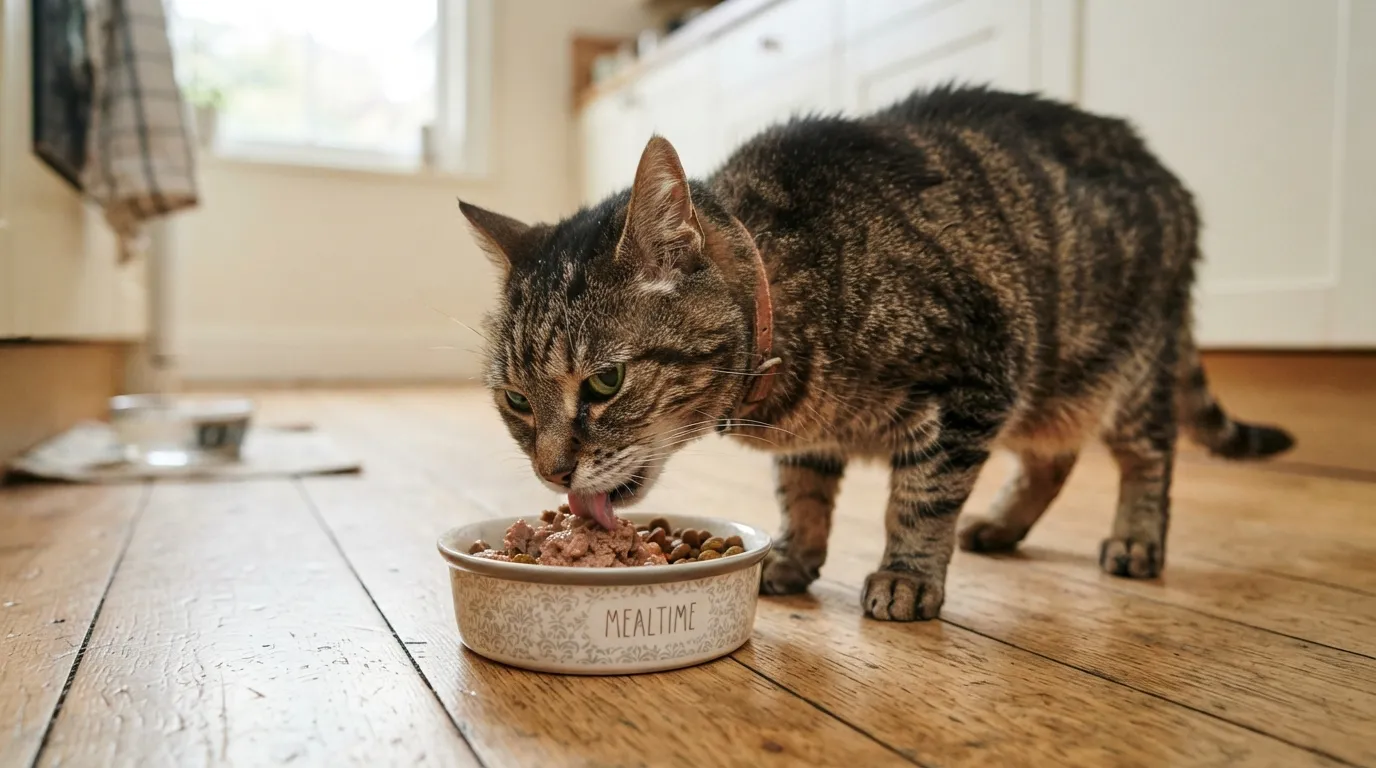
A healthy senior cat doesn't need convincing to eat. Appetite naturally dips with age as taste and smell fade, but a cat who still shows up eager and on schedule is beating that trend.
Appetite is one of the fastest things to slip when something's wrong internally. That's why vets treat sudden disinterest in food as an urgent red flag, not a quirk.
A consistent, enthusiastic appetite is one of the clearest green lights a senior cat can give you. Watch for any dip, even a subtle one.
But that's nothing compared to what we found about #12…
#12 - Their Coat Still Feels Smooth to the Touch
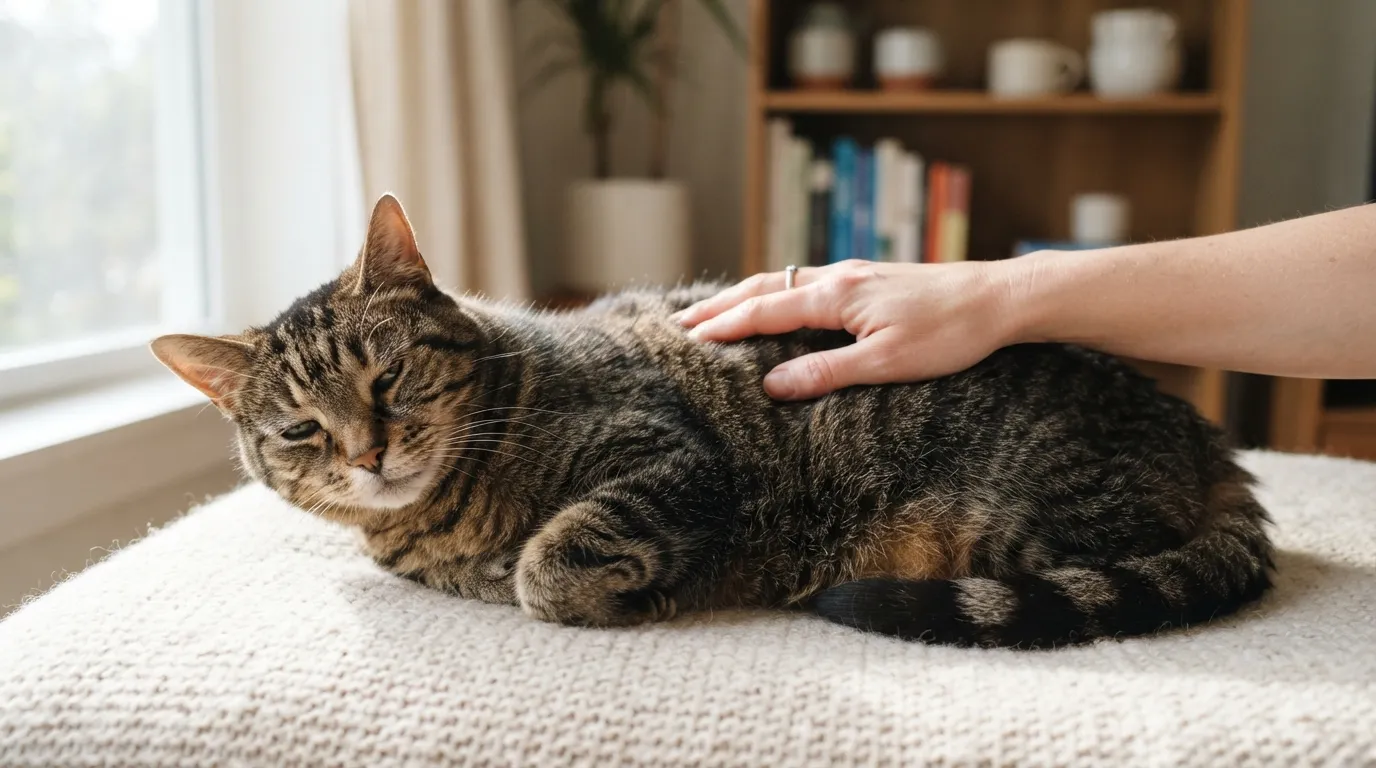
Run your hand along your senior cat's back right now. A healthy coat should still feel smooth - matting, dullness, or coarseness can mean pain or illness underneath.
Sudden matting in a cat who groomed herself fine last month is worth mentioning at the next vet visit. Gentle brushing two or three times a week can help stiff or arthritic seniors keep their coat in shape.
A sleek, well-kept coat means your cat still has the flexibility and comfort to self-groom. That's not a small thing - it's a window into how she feels inside.
But that's nothing compared to what we found about #11…
#11 - They Still Wander Through Different Rooms
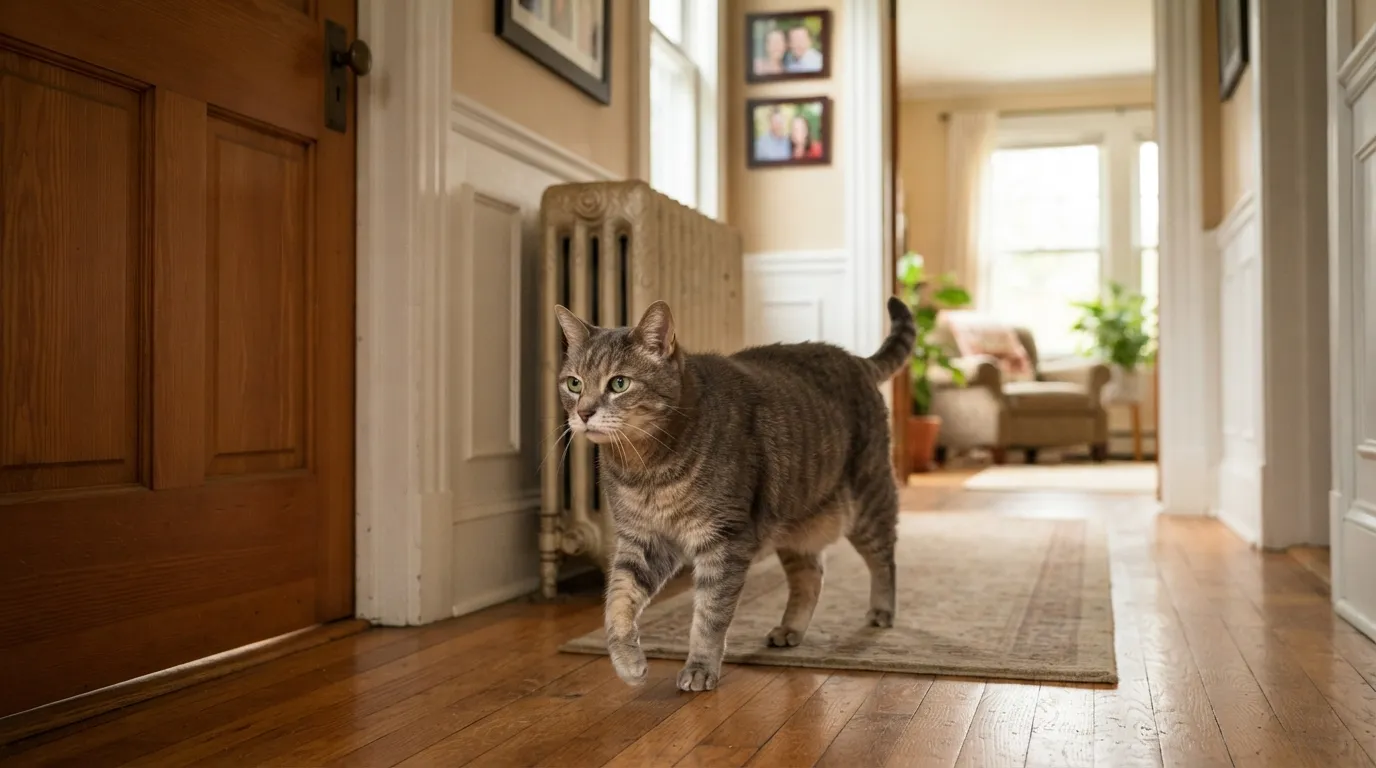
A healthy senior cat doesn't park itself in one corner forever. Cats that feel unwell move around less and often limit themselves to just a few sleeping spots.
A cat that once explored every room and now stays glued to a single spot has likely undergone a real shift in how it feels. That change is subtle - and easy to miss if you're not watching for it.
A cat that still rotates its nap spots is showing you its body feels comfortable enough to move freely. That casual stroll from bedroom to windowsill is actually a health report.
But that's nothing compared to what we found about #10…
#10 - Their Gums Are Pink and Moist
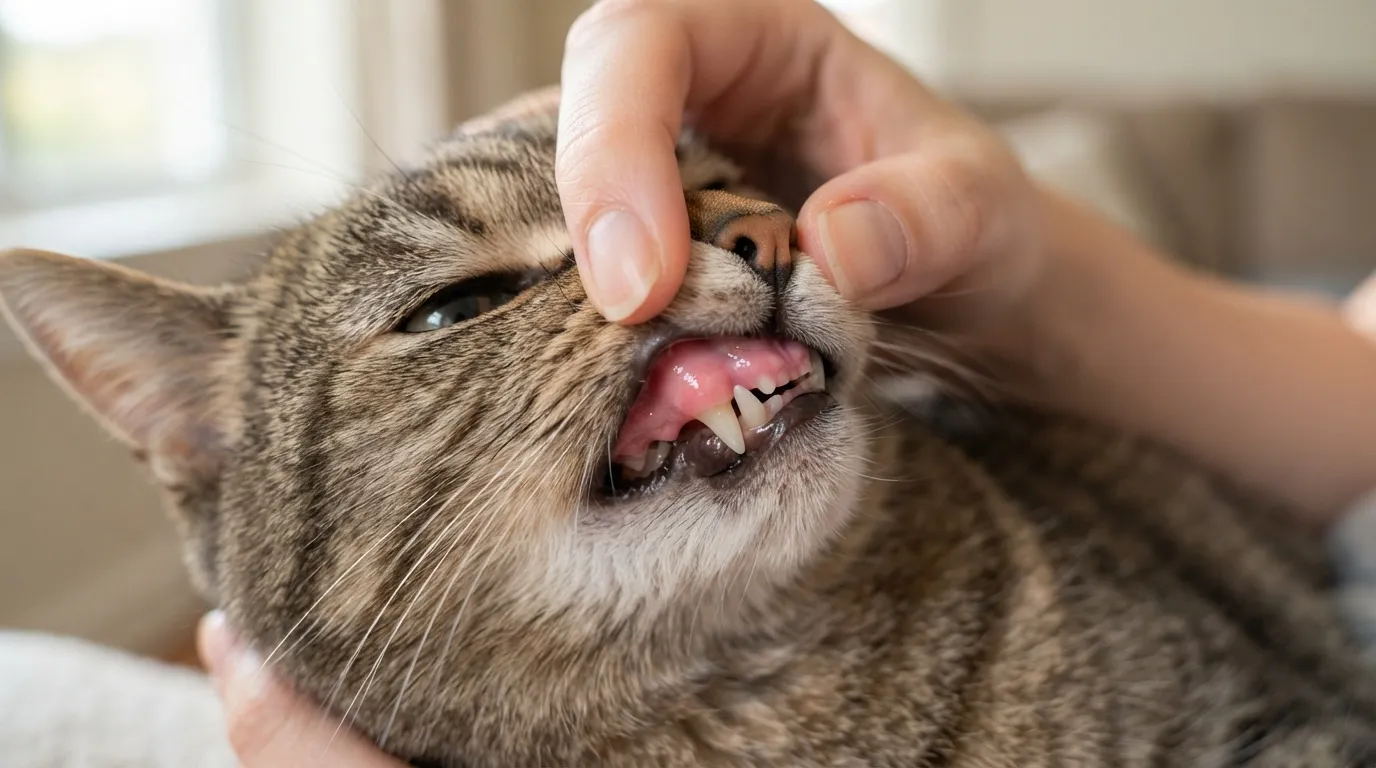
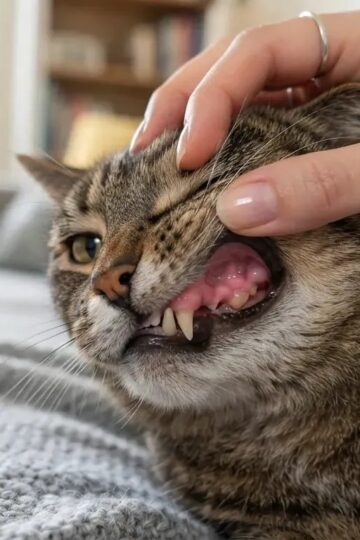
This one surprises most owners: you can learn a lot about your cat's health just by glancing at their gums. A well-hydrated cat has pink, moist gums, while a dehydrated cat's gums may feel sticky and look pale.
Gently lift your cat's lip to check. Pale or unusual coloring can point to issues like anemia or poor circulation.
Fast Facts
- Gently pinch the skin between the shoulder blades - it should snap back within a second or two if hydration is good.
- Press a fingertip on the gum and release; healthy pink color should return almost instantly.
- Pale, white, or bluish gums are always worth an urgent call, not a wait-and-see situation.
Pink, moist gums confirm good hydration and circulation - two things that quietly deteriorate in aging cats before any other symptom shows up. It takes five seconds to check and tells you more than you'd expect.
But that's nothing compared to what we found about #9…
#9 - They Still Breathe Quietly at Rest
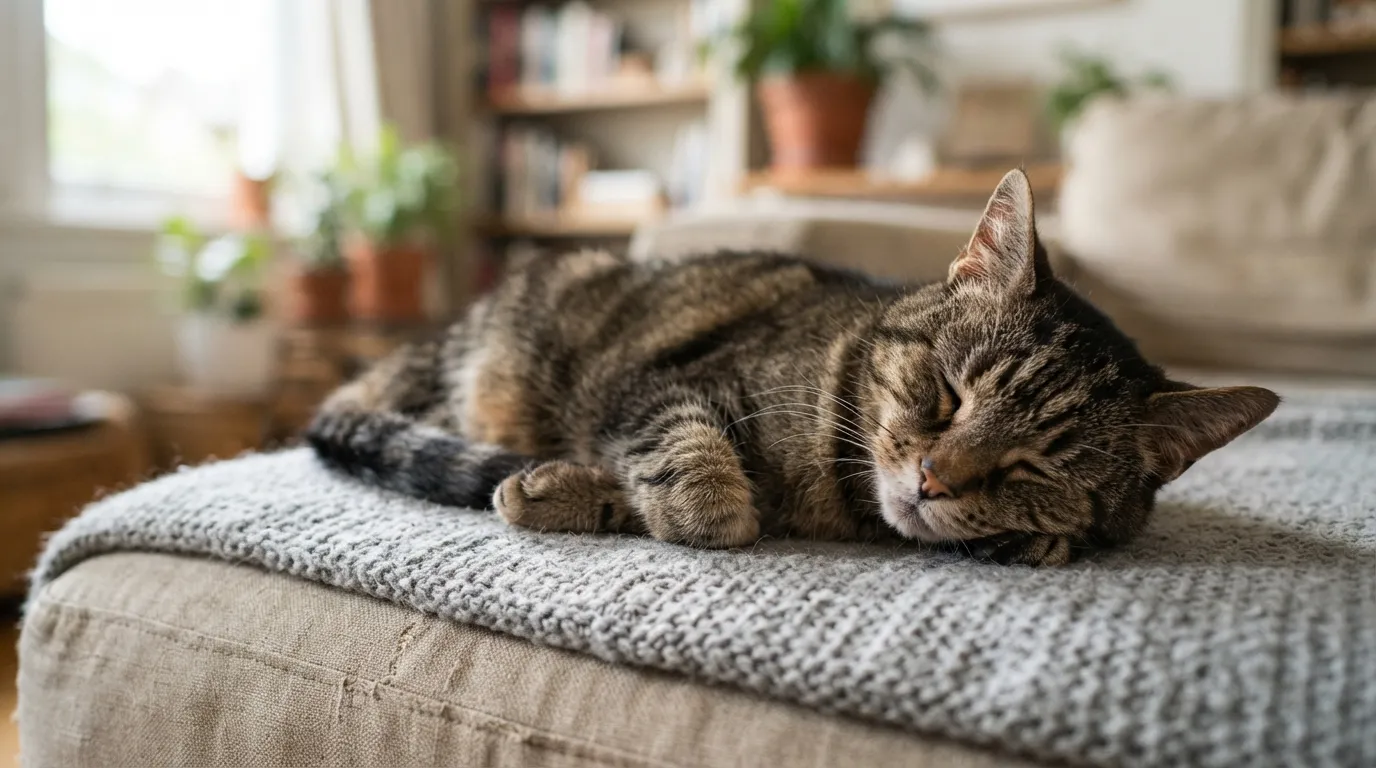
Watch your senior cat sleeping right now. Their chest should rise and fall without drama, breaths quiet and unlabored.
A cat whose breathing stays calm through a long nap is showing that her heart and lungs are handling aging well. Tracking a senior cat's resting breathing rate is one of the few "vitals checks" you can do from the couch.
Worth Knowing
Effortless, silent breathing at rest signals a strong cardiovascular and respiratory system. Any noticeable change in rate or effort deserves a same-day call to the vet.
But that's nothing compared to what we found about #8…
#8 - They Still Maintain a Stable Weight
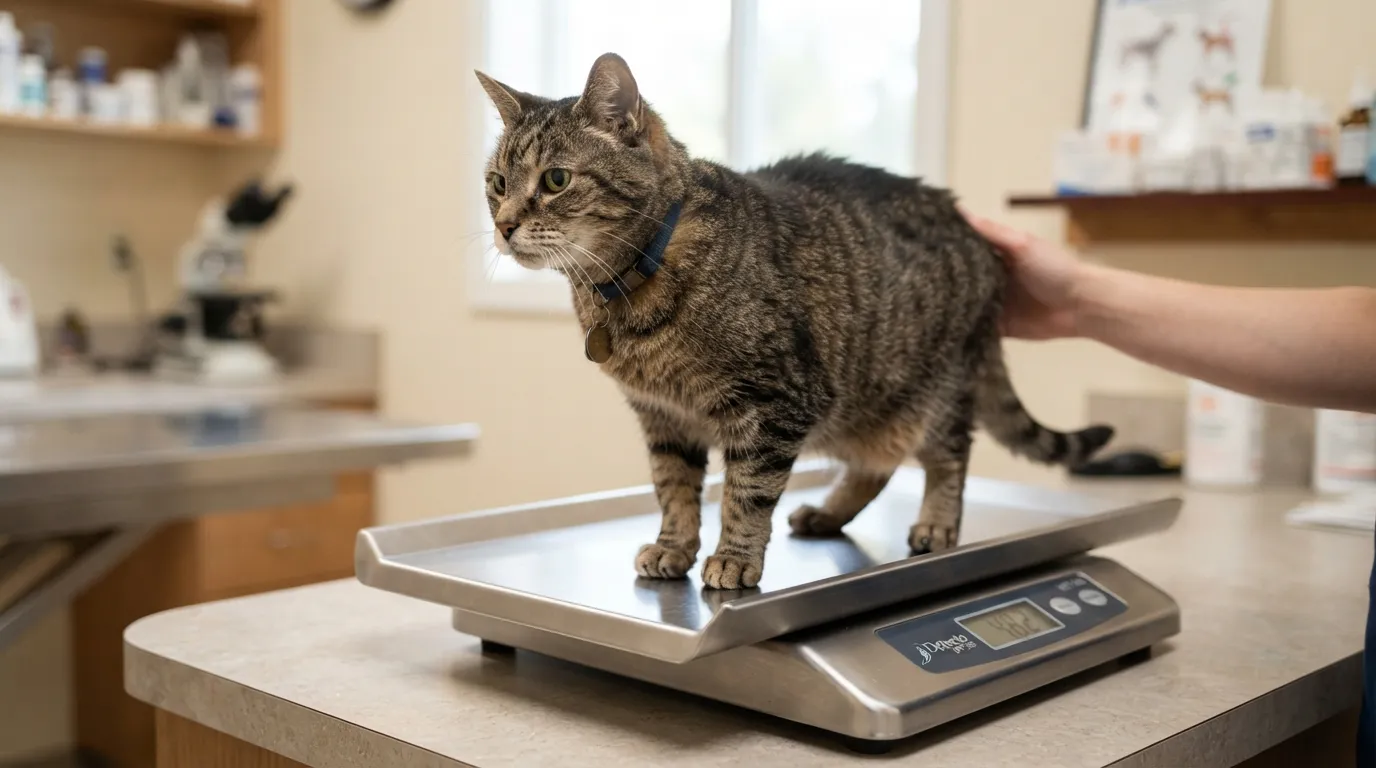
Most owners focus on how much their cat eats. Vets focus on the number on the scale.
Weigh your cat on the same scale every couple of months - progressive weight loss is one of the most reliable early indicators that something is wrong. Some gradual muscle loss is normal with age, but rapid or significant loss never is.
At a Glance
A senior cat that holds its weight steady - not ballooning, not wasting away - is passing one of the most important health benchmarks there is. Stability here is a genuine sign of strength.
But that's nothing compared to what we found about #7…
#7 - They Still Seek You Out for Company
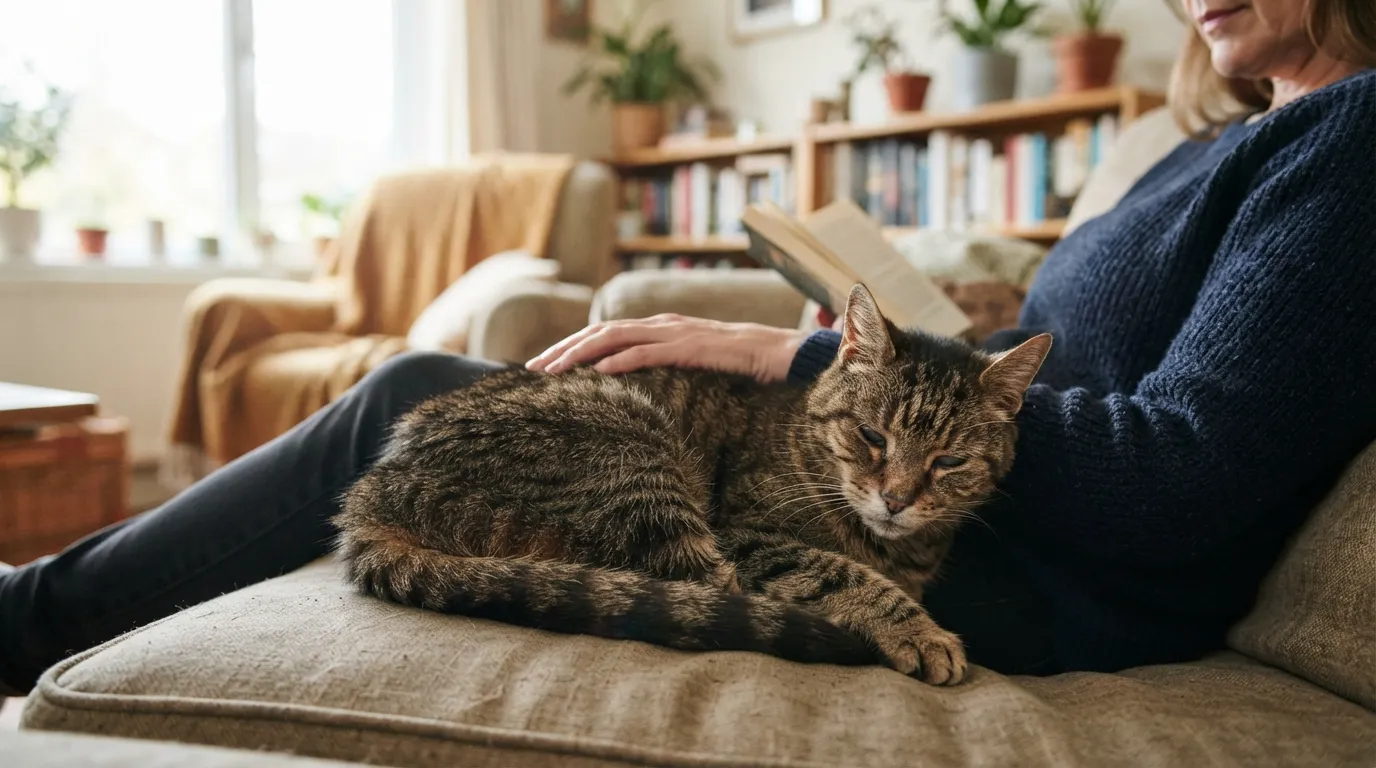
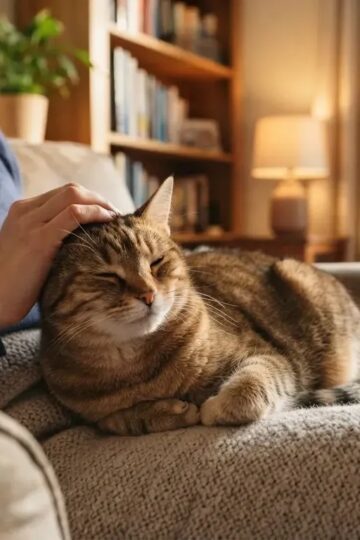
Does your older cat still follow you into the kitchen or curl up beside you on the couch? Don't take it for granted - that pull toward you means her body still feels good enough to engage with the world.
If a cat suddenly stops seeking interaction or starts hiding more, it's often an early sign that quality of life is slipping. Withdrawal is one of the quietest but most telling symptoms vets watch for.
A cat that still seeks connection is a cat that still feels engaged with life. Steady companionship deserves a quiet celebration.
But that's nothing compared to what we found about #6…
#6 - They Still Attempt (and Land) Jumps
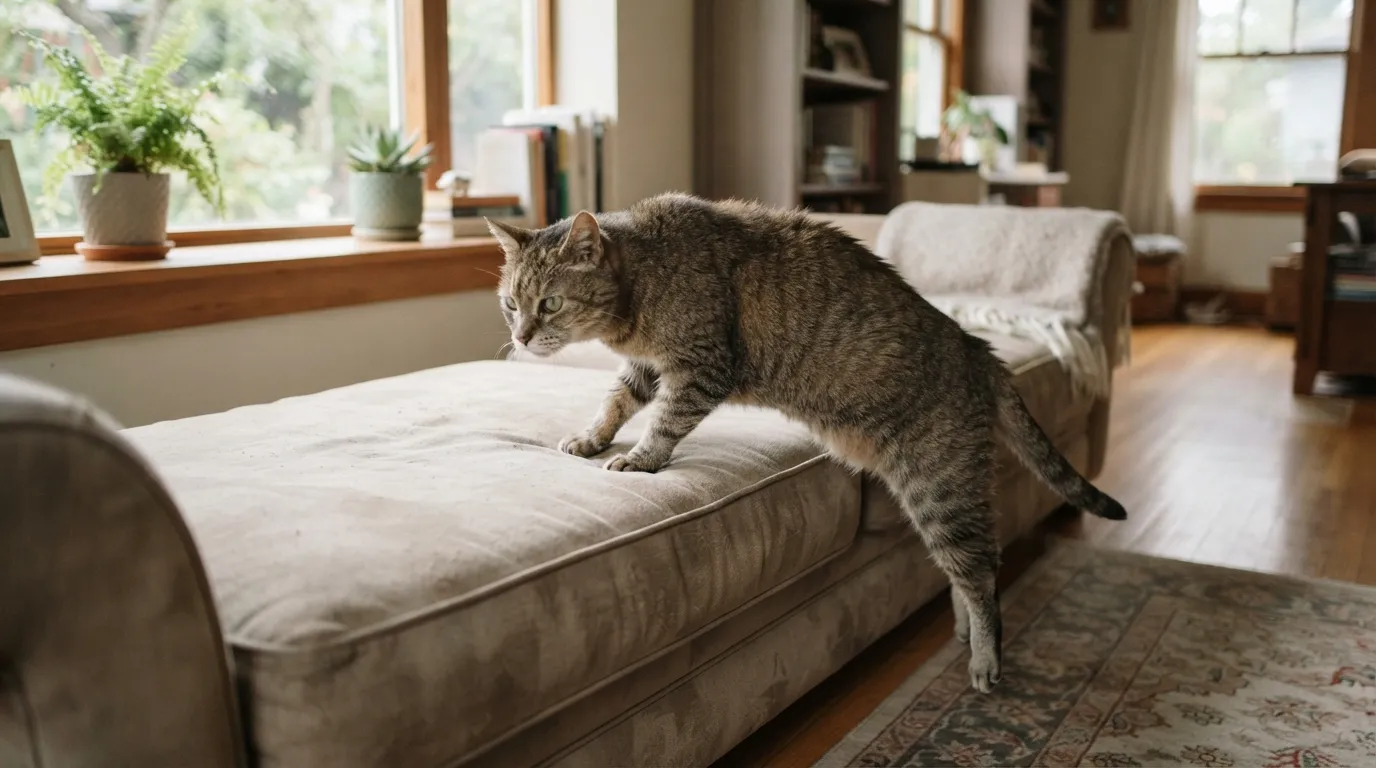
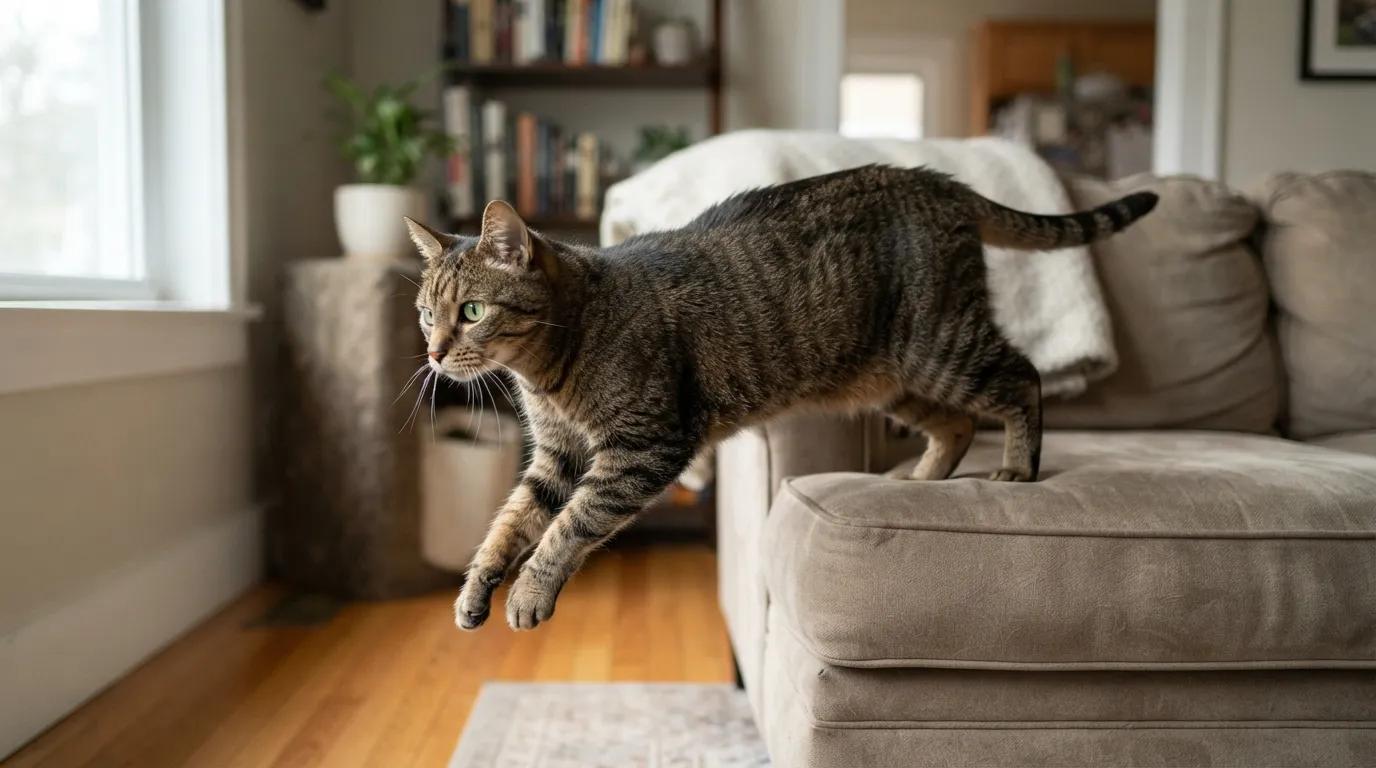
A senior cat who still attempts - and lands - jumps onto the couch or windowsill is holding onto something a lot of aging cats lose first: confidence in her own body.
Reduced exercise leads to reduced muscle tone, which further limits jumping and climbing. A cat that still jumps, even cautiously, is telling you its muscles, joints, and nerves are still cooperating.
Even a slow, deliberate jump is a win. The moment a senior cat stops trying jumps it once made easily, that's the signal to call the vet.
But that's nothing compared to what we found about #5…
#5 - They Still React to Sounds and Movement
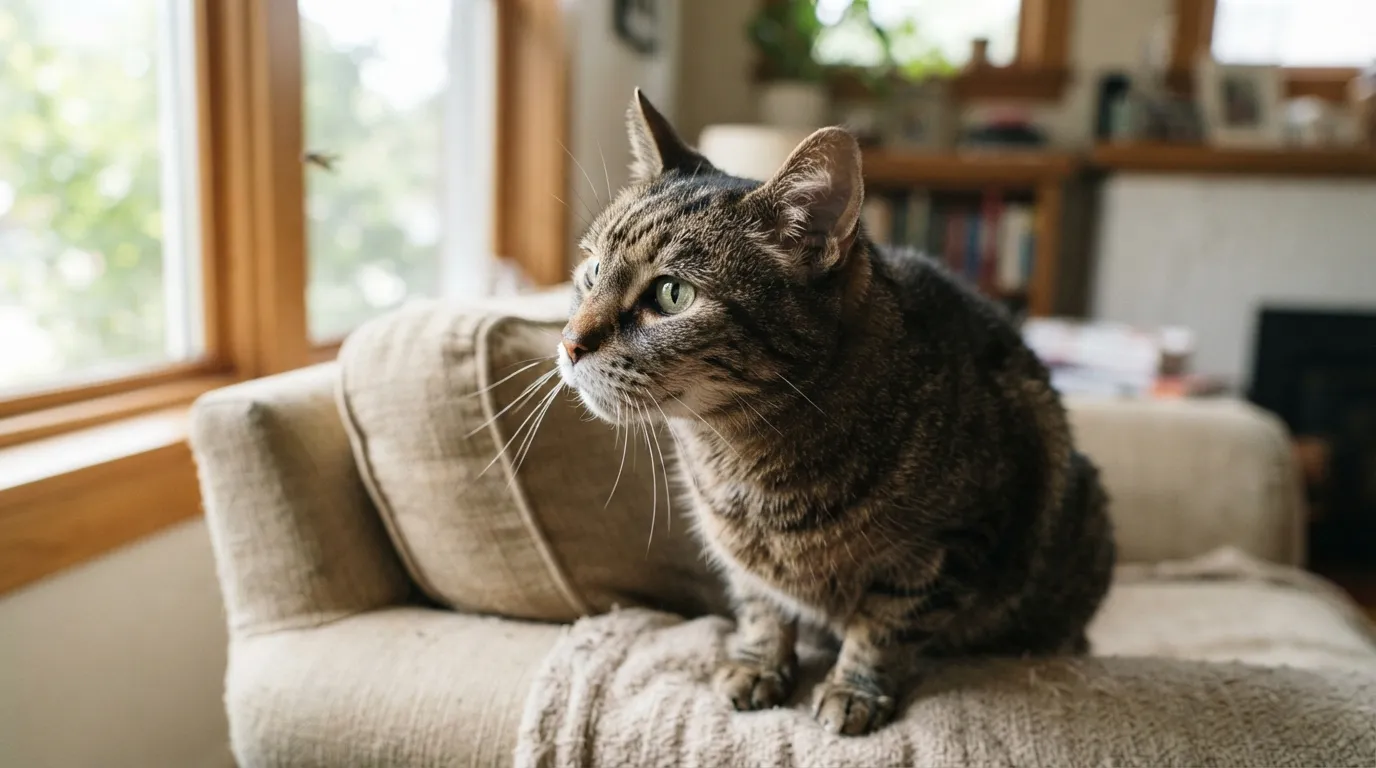
Your cat's ears swivel toward a strange noise. Their eyes track a fly across the room - and these tiny reflexes matter more than most owners realize.
Low energy and dulled senses often show up before appetite loss ever does. Watching how alert your cat stays can help catch infections, organ disease, or mobility issues early.
A senior cat that still snaps its head toward a sound or watches a bird through the window has intact senses and a brain that's still switched on. Beating sensory dullness is a genuinely healthy sign at this age.
But that's nothing compared to what we found about #4…
#4 - They Still Show Bursts of Curiosity or Play
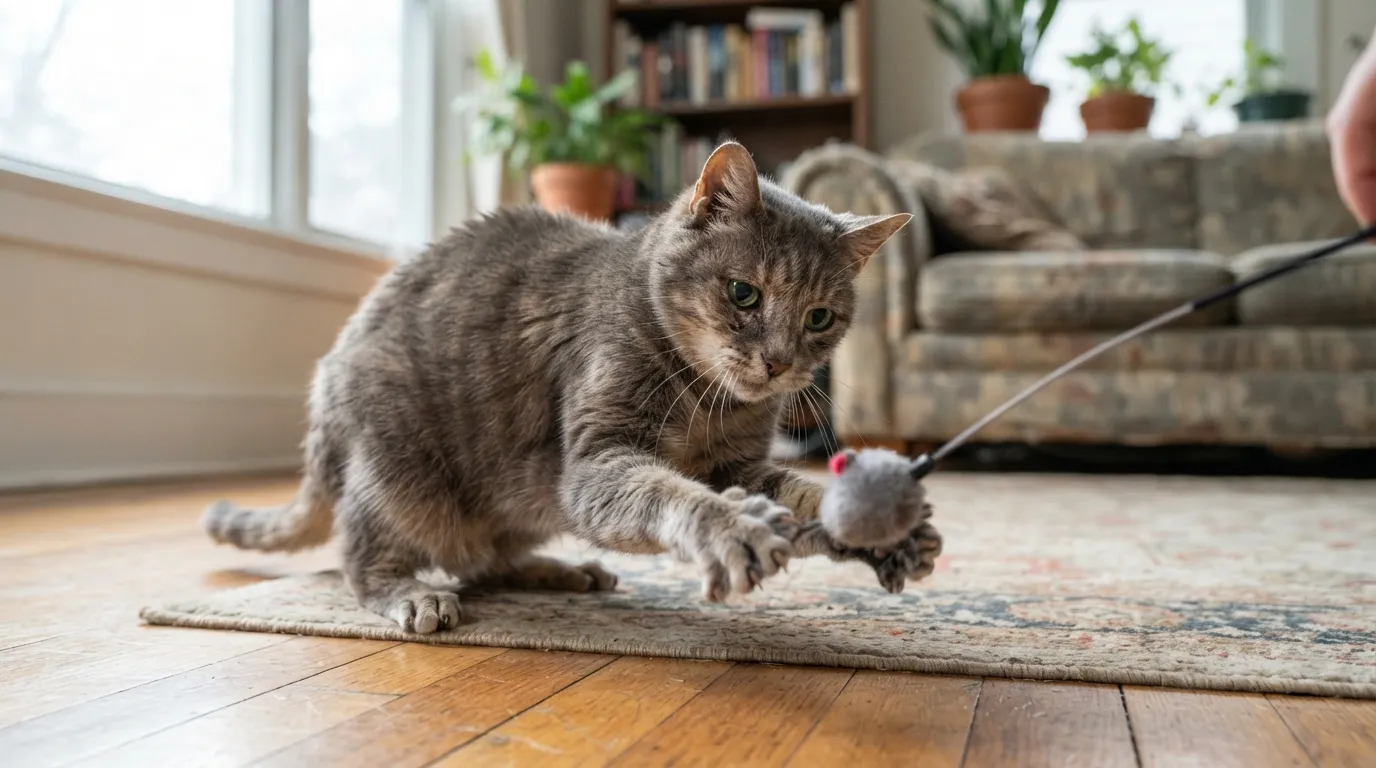
Cats naturally lose a bit of vitality as they age, and that's completely normal. But as long as curiosity and playfulness stick around, everything underneath is working the way it should.
Play stays important well into old age - it keeps a senior cat mentally and physically engaged. Skipping it does the opposite.
Even a two-minute chase of a toy mouse or a sudden swat at a dangling string is a powerful signal. It confirms the brain, muscles, and senses are all still talking to each other.
But that's nothing compared to what we found about #3…
#3 - They Keep a Predictable Daily Routine
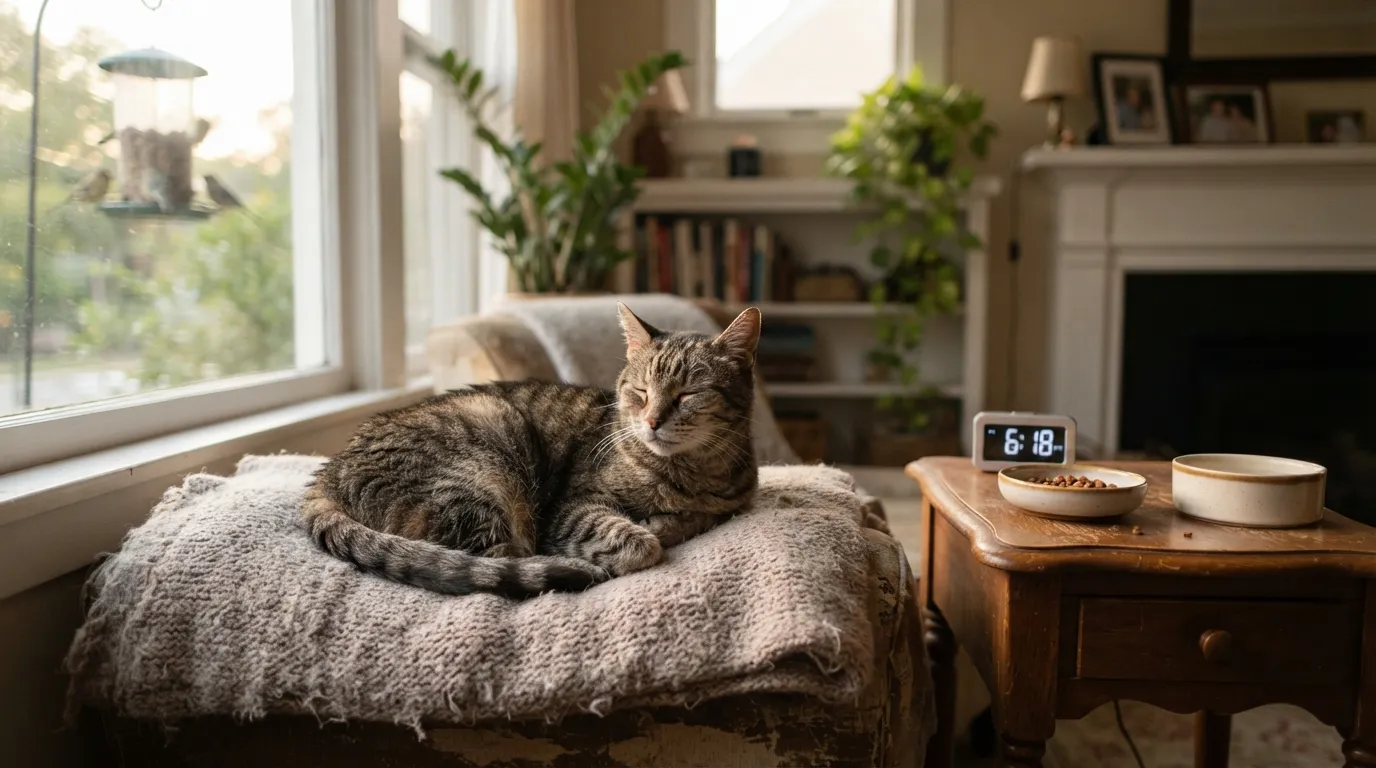
Older cats cherish predictable days even more than younger cats do.
Just as we become set in our ways as we get older, cats do too.
Dr. Richard Goldstein, Cornell University College of Veterinary Medicine
A senior cat that wakes at the same time, eats at the same time, and settles into its favorite spot at dusk is displaying something genuinely reassuring. A sudden break in that pattern - especially in a usually social cat that starts isolating - is often the first thing a vet will ask about.
Routine-keeping in older cats is a sign of cognitive stability and physical comfort. When it breaks down without explanation, take note.
But that's nothing compared to what we found about #2…
#2 - They Still Groom Themselves Daily
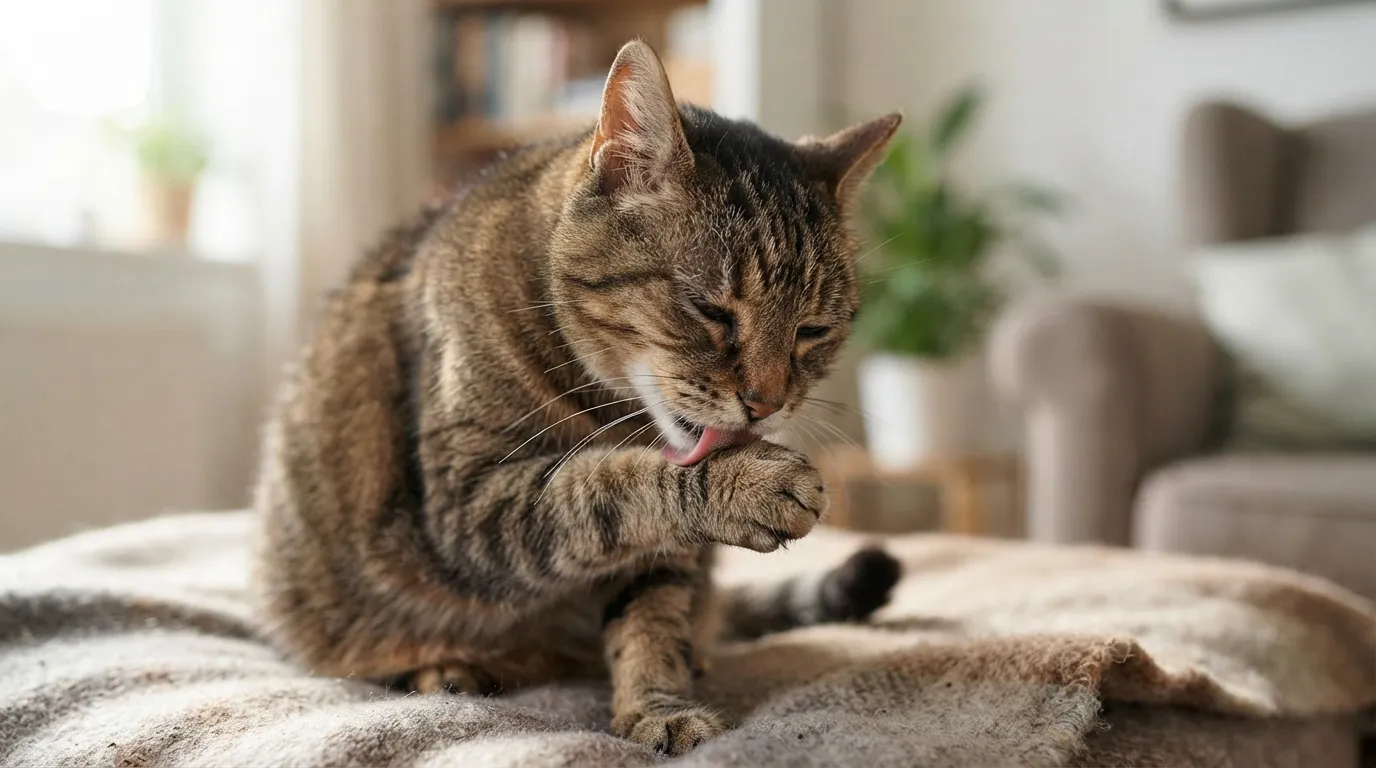
Self-grooming in a senior cat is more meaningful than most owners realize. Grooming gets physically harder with age, so a dull, matted, or dirty coat can be an early sign of discomfort or arthritis.
Cats in pain, especially dental pain, often stop grooming altogether. A senior cat that still washes its face after every meal is flexing joints, maintaining body awareness, and quietly signaling comfort.
Daily, consistent self-grooming is one of the most underrated markers of senior cat wellness. It takes physical flexibility, pain-free movement, and enough mental clarity to bother - all at once.
Now for the #1 sign that tells you everything…
#1 - They Still Have Muscle Along Their Spine and Hips
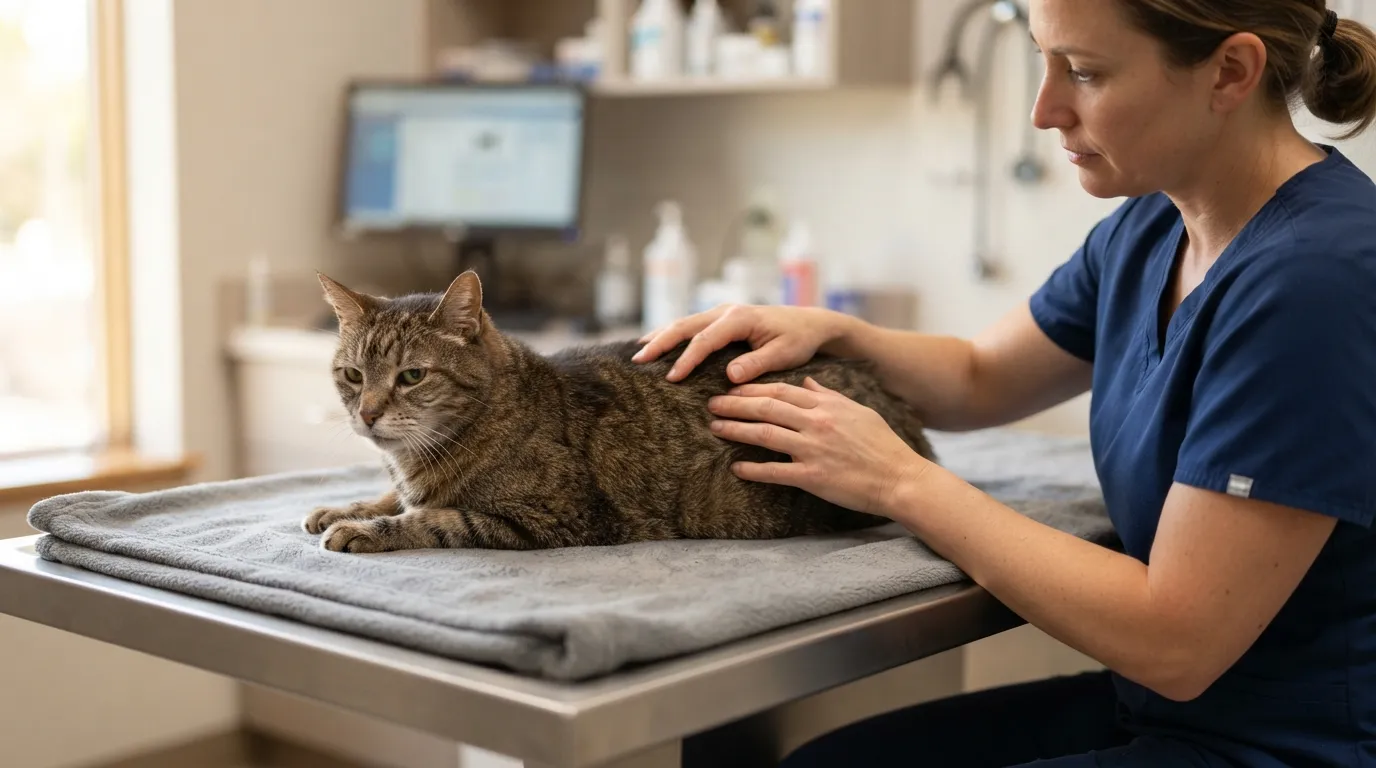
This is the one most owners never think to check - and vets consider it among the most telling signs of all. As you pet your cat, feel along the spine and hips.
You shouldn't easily feel those bones on a healthy cat. A prominent spine, visible hip bones, or lost fullness around the head and shoulders means the body is under real metabolic stress and needs a vet visit soon.
Quick Compare
- Healthy: ribs and spine take gentle pressure to feel, and muscle padding feels even along the back.
- Concerning: ribs, backbone, or pelvic bones stick out and are easy to see or feel without pressing.
- Healthy: shoulders and head keep their natural fullness.
- Concerning: sudden hollowing around the head, spine, or hips that wasn't there a few months ago.
A senior cat with good muscle coverage over its spine and hindquarters is winning the aging game. That padding means nutrition is being absorbed, organs are functioning, and the body is still investing in itself.
The Bottom Line
Most people watch for the dramatic signs - limping, crying, refusing to eat entirely. But the real story of a senior cat's health is written in quiet details: a smooth coat, a predictable routine, muscle you can't quite feel through the fur.
A cat that still jumps onto the couch and greets you at the kitchen door isn't just getting by - that's evidence of a body and mind genuinely holding strong. Thanks to better nutrition, indoor living, and modern veterinary care, cats are living longer than ever, and growing older is not a disease.
Keep watching your senior cat closely, celebrate these small wins, and never skip the twice-yearly vet check. Which of these signs does your cat still show? Tell us in the comments.