16 Quiet Routines Vets Recommend for a Cat That Lives Its Whole Life Indoors
Keeping your cat inside feels like the responsible choice - the safe one. But indoor life carries its own quiet dangers: diabetes, obesity, and behavioral breakdowns that develop specifically because a cat never leaves the house.
The gap between an indoor cat that thrives past 20 and one that declines by 10 rarely comes down to genetics. It comes down to sixteen small, unglamorous habits - and most owners are only doing a handful of them.
#16 – Stick to a Fixed Feeding Schedule
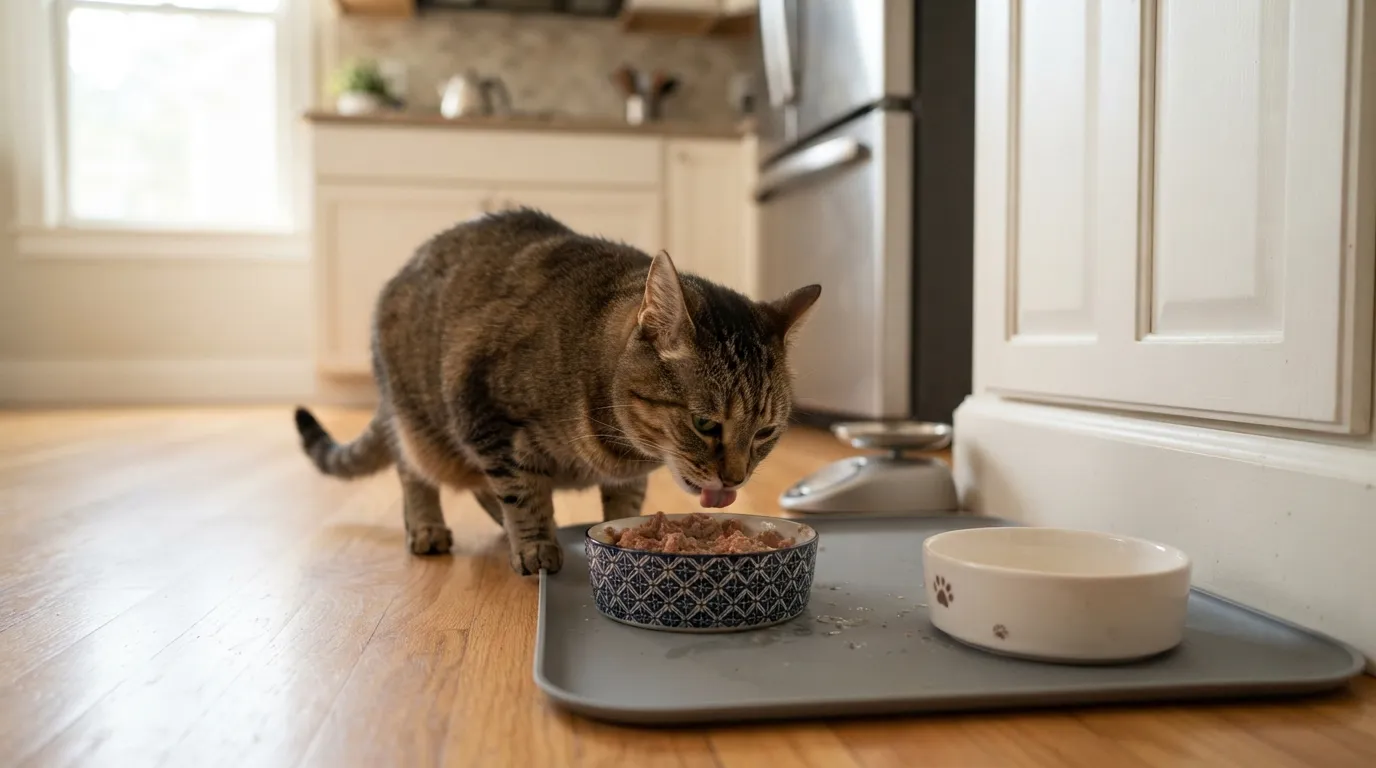
Free-feeding is one of the easiest mistakes to make - and one of the easiest to fix.
When food sits out all day, cats graze mindlessly and portion control disappears entirely. An overweight indoor cat is dramatically more likely to develop diabetes and joint disease, both of which quietly shorten its life.
Two scheduled meals a day give you more than weight control. They give you a built-in checkpoint - if your cat skips a meal, that's your first warning sign something's off.
But a good schedule can't save you if what's in the bowl is the problem. That's where #15 comes in.
#15 – Prioritize Hydration With a Fountain
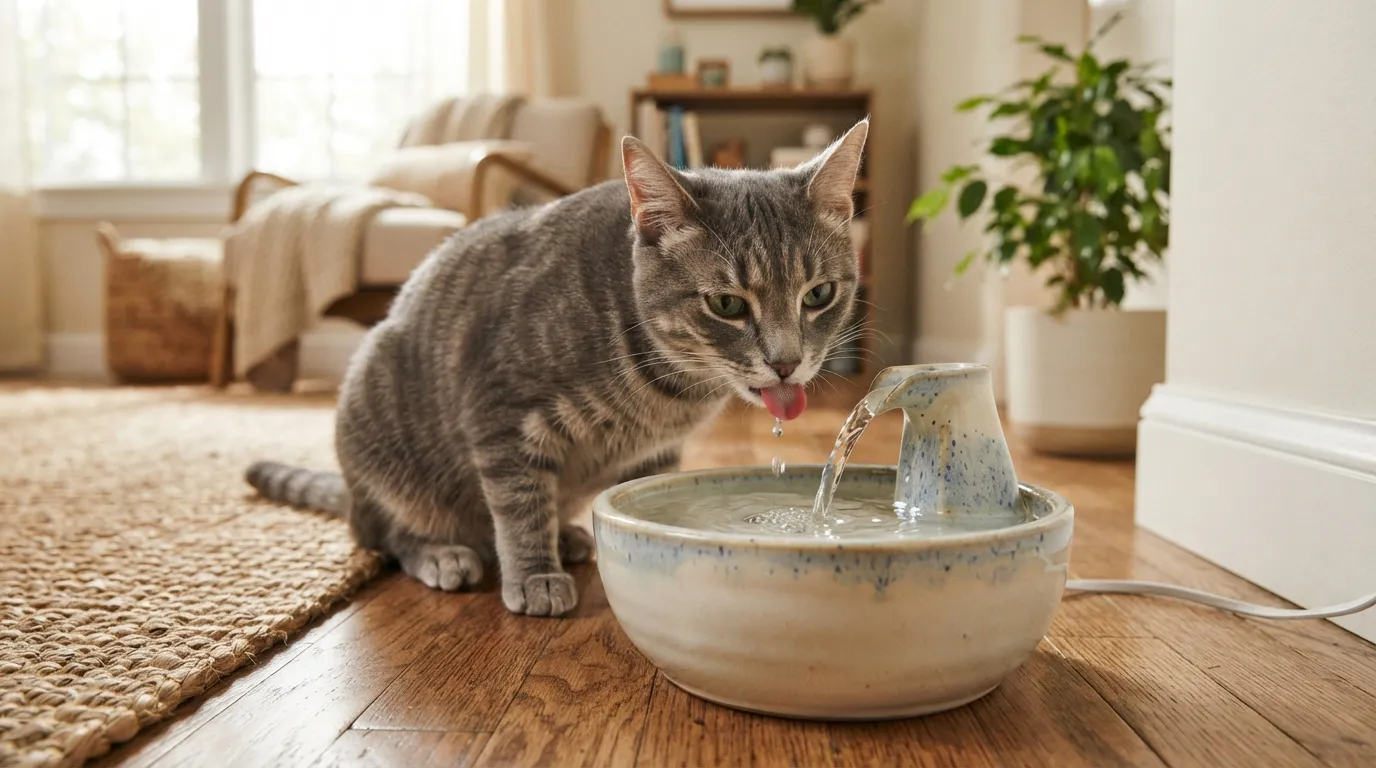
Most indoor cats are chronically under-hydrated. They evolved as desert animals with a low thirst drive, which puts their kidneys under quiet, constant strain.
Feeding canned food once a day boosts water intake without the cat ever needing to seek out a bowl. If your cat ignores still water, a moving fountain is often the fix.
Kidney disease is one of the leading causes of death in senior indoor cats, and hydration from kittenhood is one of the simplest forms of prevention available. Ditch the single bowl in the corner - scatter water sources across the home.
There's another quiet killer hiding closer than the water bowl, though. Slide #14 names it.
#14 – Audit Your Home for Toxic Plants and Substances
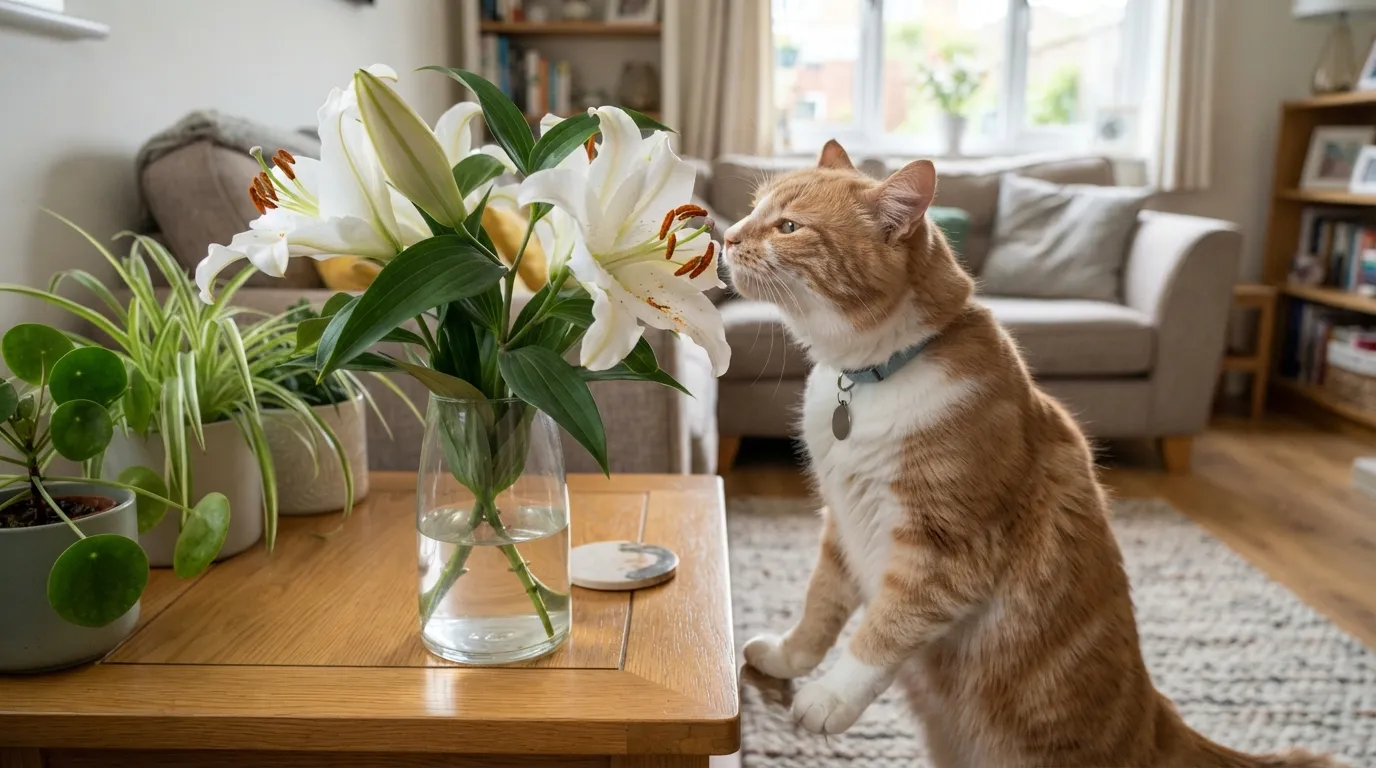
Your living room may look harmless. For a cat that spends 24 hours a day inside it, it might not be.
Some popular houseplants, including lilies, are highly toxic. A single lily leaf is enough to cause acute kidney failure in a cat.
Worth Knowing
- Lilies: Even pollen or a nibbled petal can trigger fatal kidney failure.
- Sago palm: Every part of the plant is toxic and can cause acute liver failure.
- Tulips and daffodils: The bulbs are the most dangerous part, causing vomiting and heart irregularities.
- Azaleas and oleander: Can trigger cardiac problems and severe gastrointestinal distress.
- Pothos and philodendron: Common, easygoing houseplants that still irritate the mouth and digestive tract.
Essential oils, certain cleaning products, and even some air fresheners carry risks most owners never consider. A cat-safe audit costs nothing and takes 20 minutes - but the protection lasts years.
Once the environment is clean, the next routine is one most owners put off indefinitely.
#13 – Brush Their Teeth – Yes, Really
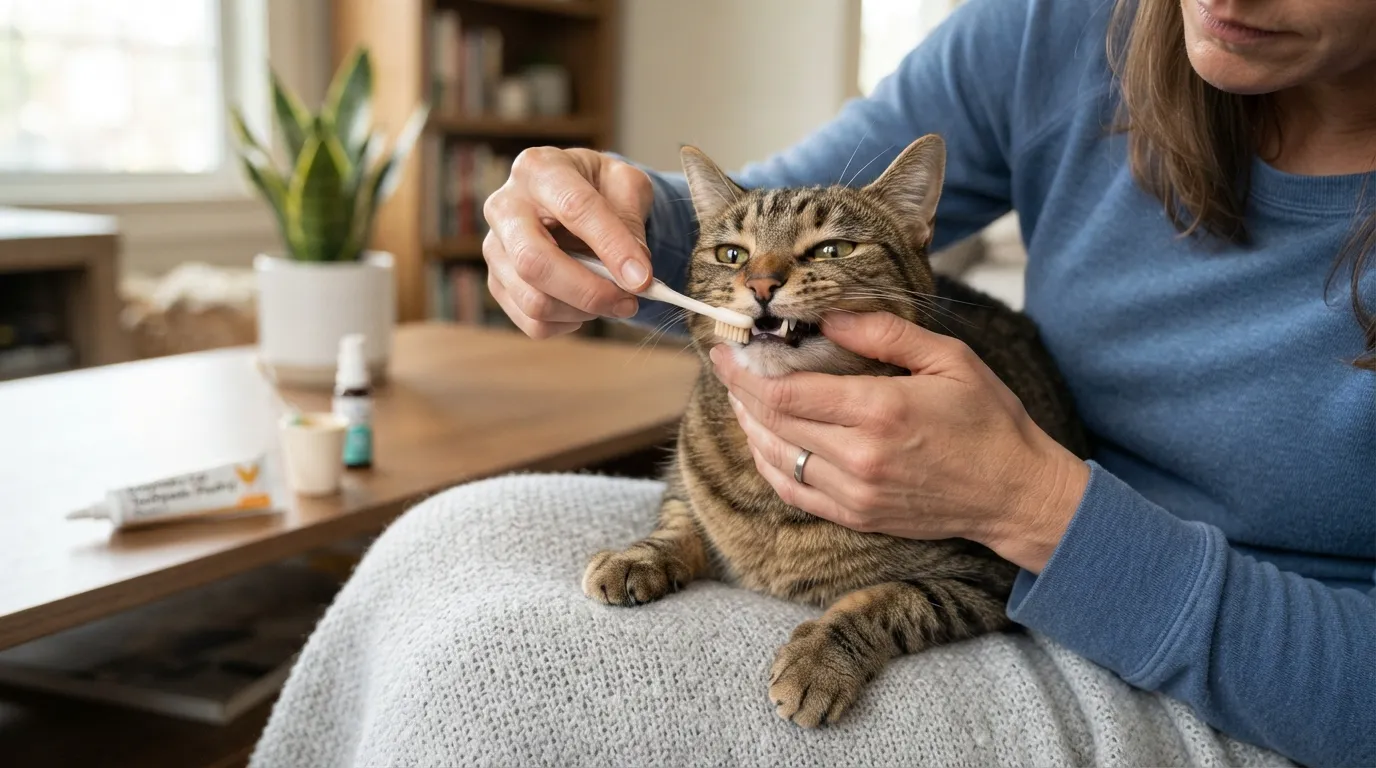
Here's the routine vets almost universally recommend and almost nobody actually does.
Periodontal disease affects the majority of cats over age three, and bacteria from infected gums can enter the bloodstream and damage the heart, kidneys, and liver. According to the American Veterinary Medical Association, periodontal disease affects 70% of cats over age three.
Most owners have no idea their cat's mouth could be the source of deeper organ damage. Start slow with enzymatic cat toothpaste, and build the habit while your cat is young.
The next routine is equally underrated - and it happens at the litter box.
#12 – Scoop the Litter Box Daily and Pay Attention
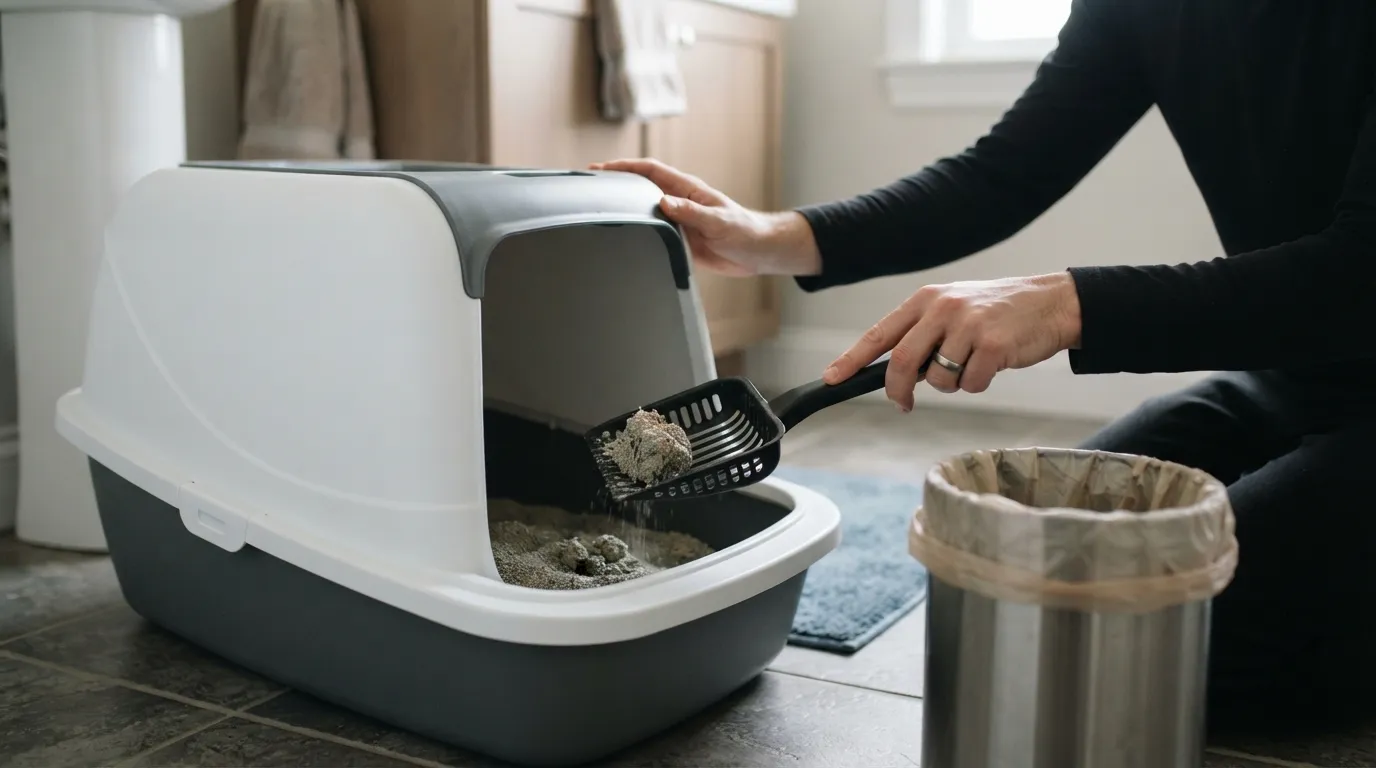
The litter box is the single best diagnostic tool in your home. Most owners treat it like a chore instead of a health monitor.
Straining, blood in urine, diarrhea, or a dramatic drop in output can all be early signs of conditions that are treatable if caught early - and dangerous if ignored. Cats are biologically wired to hide illness, which means the litter box will tell you what your cat won't.
A daily scoop takes 60 seconds. It gives you a window into your cat's internal health that no other routine can match.
Once you've mastered observation here, #11 sharpens your instincts even further.
#11 – Weigh Your Cat Monthly
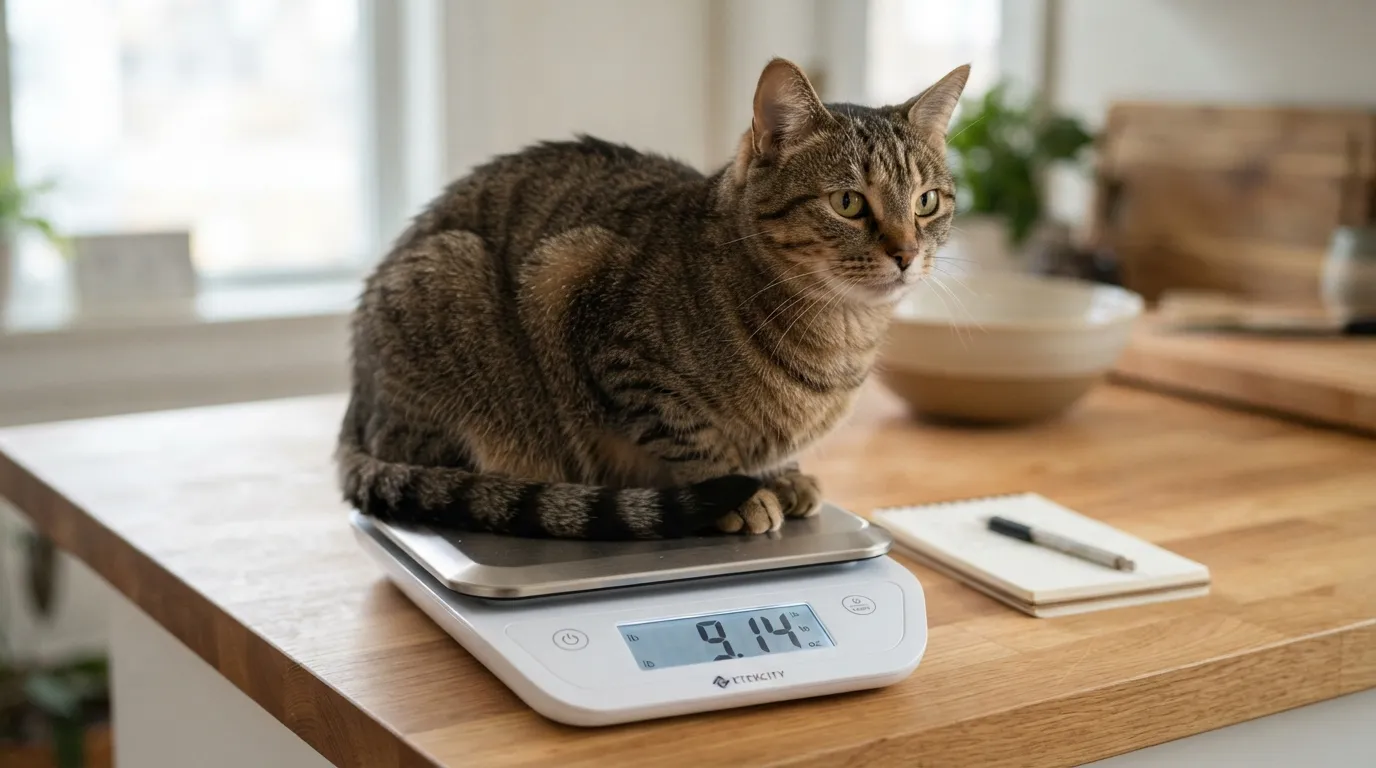
Your cat's weight is one of the most objective health metrics you have. It also changes slowly enough that you'll miss it without a number.
A half-pound gain over two months in a 10-pound cat is a 5% increase - significant enough to act on, invisible to the naked eye. Obesity in indoor cats is directly linked to diabetes, arthritis, urinary tract disease, and shortened lifespan.
A kitchen scale and a monthly log are all it takes. If your cat won't sit still, weigh yourself holding the cat, then weigh yourself alone, and subtract.
But weight is only part of the picture. #10 covers what the scale can't tell you.
#10 – Schedule Annual Vet Exams (Biannual After Age 7)
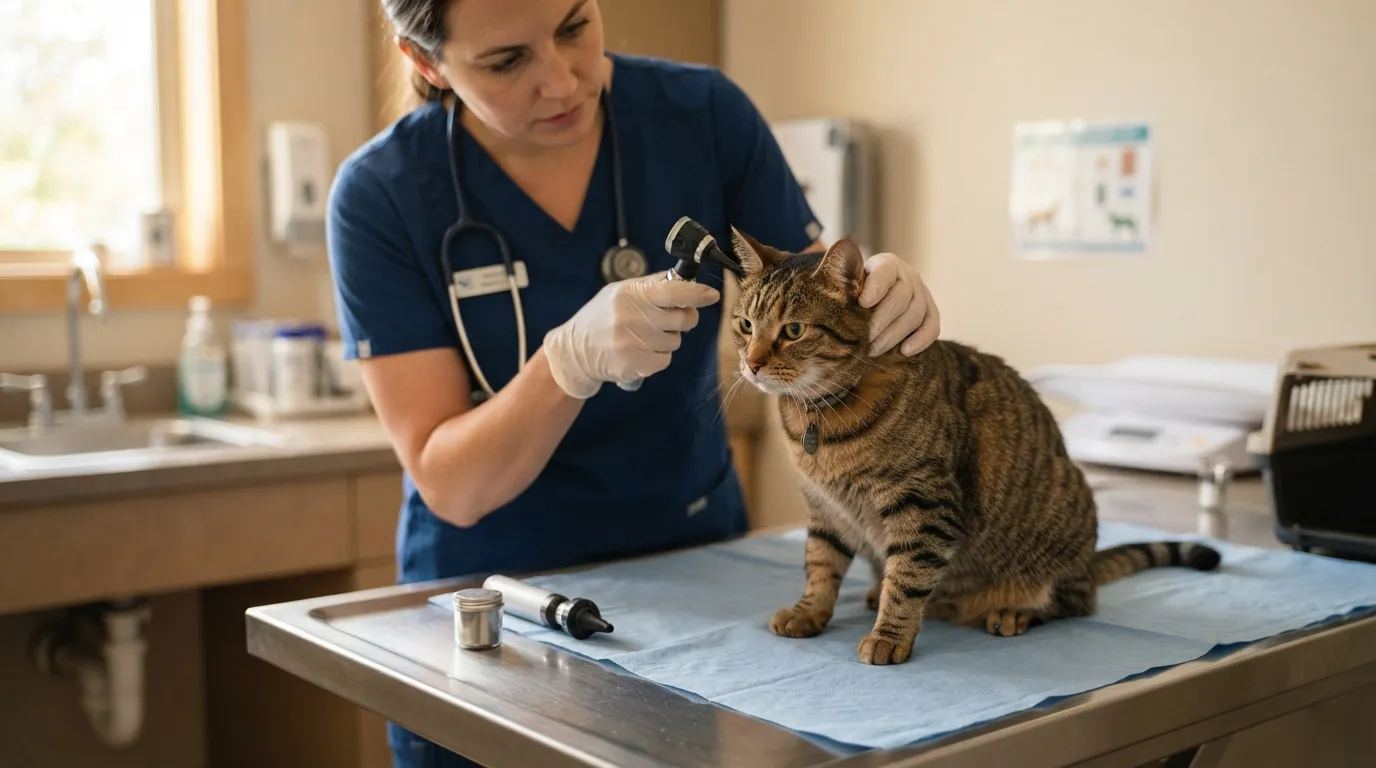
Most owners take their cat to the vet when something is visibly wrong. By then, the easiest treatment window has often already closed.
Early bloodwork can catch kidney disease, hyperthyroidism, and diabetes years before symptoms appear - when intervention is cheapest and most effective. Cats should have annual checkups when young, and biannual visits once they reach senior status around age seven.
The owner who skips exams in the early years often faces much larger bills later, when a condition invisible in year three is diagnosed at an advanced stage. Prevention is quietly cheaper than crisis.
Slide #9 reveals what happens between those vet visits that matters just as much.
#9 – Do a Weekly Head-to-Toe Check at Home
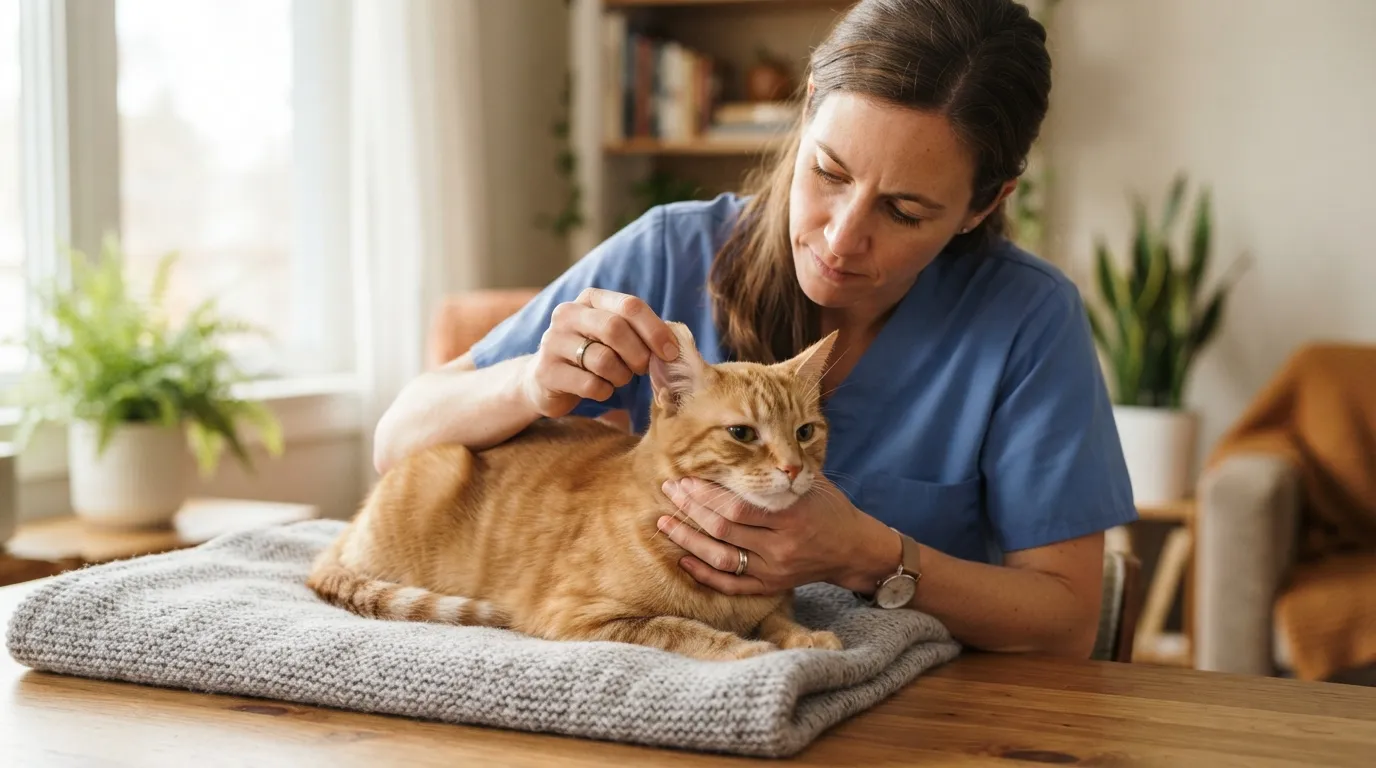
You don't need a veterinary degree to catch early warning signs. You just need a routine and two hands.
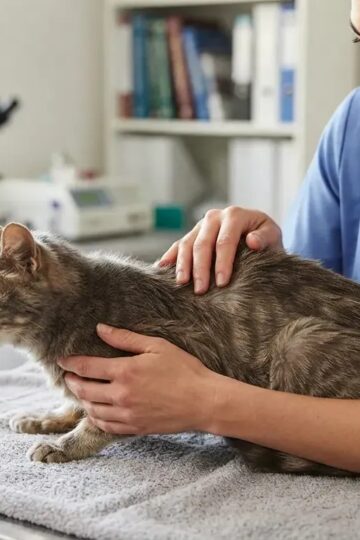
Run your hands along your cat's body weekly: feel for new lumps, check the ears for debris or odor, look at the eyes for discharge. Cats handled regularly at home are also dramatically less stressed at the vet, which leads to better exams and more accurate readings.
Ten minutes a week pays dividends that last for years. And speaking of grooming - #8 is the part most people do wrong.
#8 – Brush Their Coat on a Regular Schedule
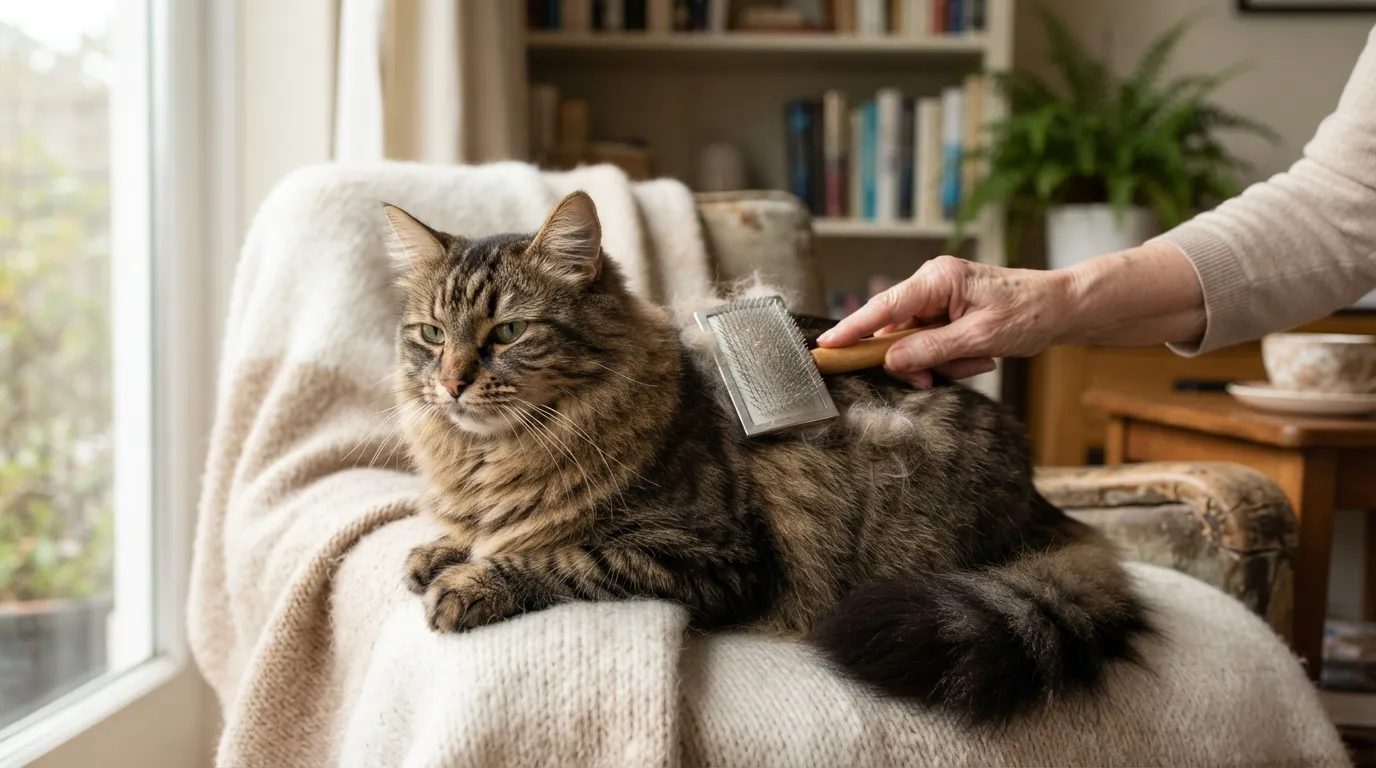
Brushing isn't just about aesthetics. For an indoor cat, it's a health checkpoint disguised as bonding time.
Quick Compare
- Short-haired cats: Brush once or twice weekly to cut down on loose fur and hairballs.
- Long-haired cats: Brush daily to prevent mats that can pull on skin and hide problems underneath.
- Senior cats: Often need more frequent brushing as self-grooming naturally declines with age.
Regular brushing reduces hairballs - which can cause intestinal blockages - and keeps the skin stimulated. A matted coat is often the first visible sign of a cat that has stopped grooming itself due to pain or illness.
Keep sessions short, five to ten minutes, and build it into the same time each day. The routine in #7 is even quieter - but it affects your cat's entire nervous system.
#7 – Keep the Home Environment Low-Stress
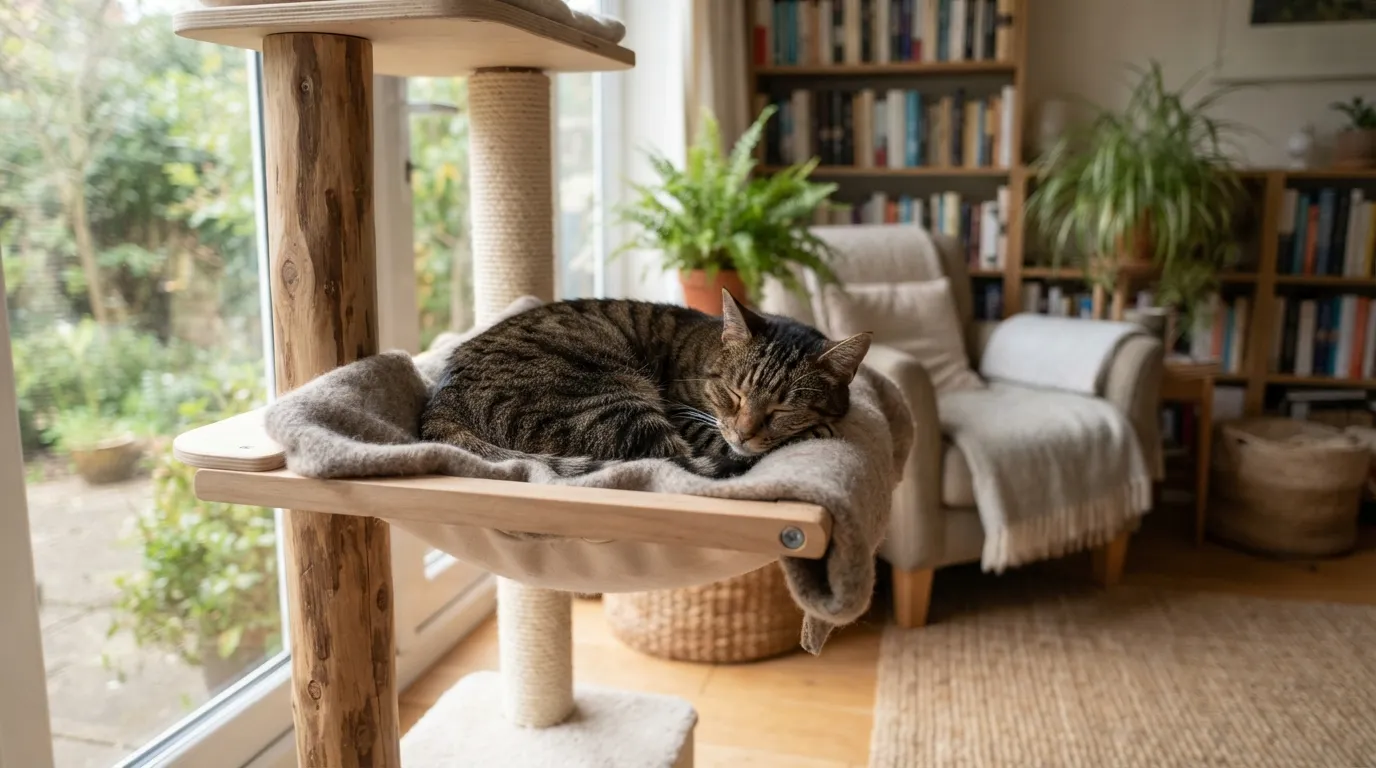
Chronic stress in cats isn't just a mood issue. It's an immune system issue - and indoor life can be a surprising source of it.
Loud arguments, unpredictable schedules, frequent visitors, even a rearranged living room can spike a cat's cortisol levels. Stress-induced overgrooming, inappropriate elimination, and appetite changes are all signs the nervous system is overloaded - and they often get dismissed as "just behavior" instead of a health signal.
Predictable routines are genuinely medicinal for indoor cats. Once the environment is calm, you can layer in the stimulation covered in #6.
#6 – Provide Vertical Space and Hiding Spots
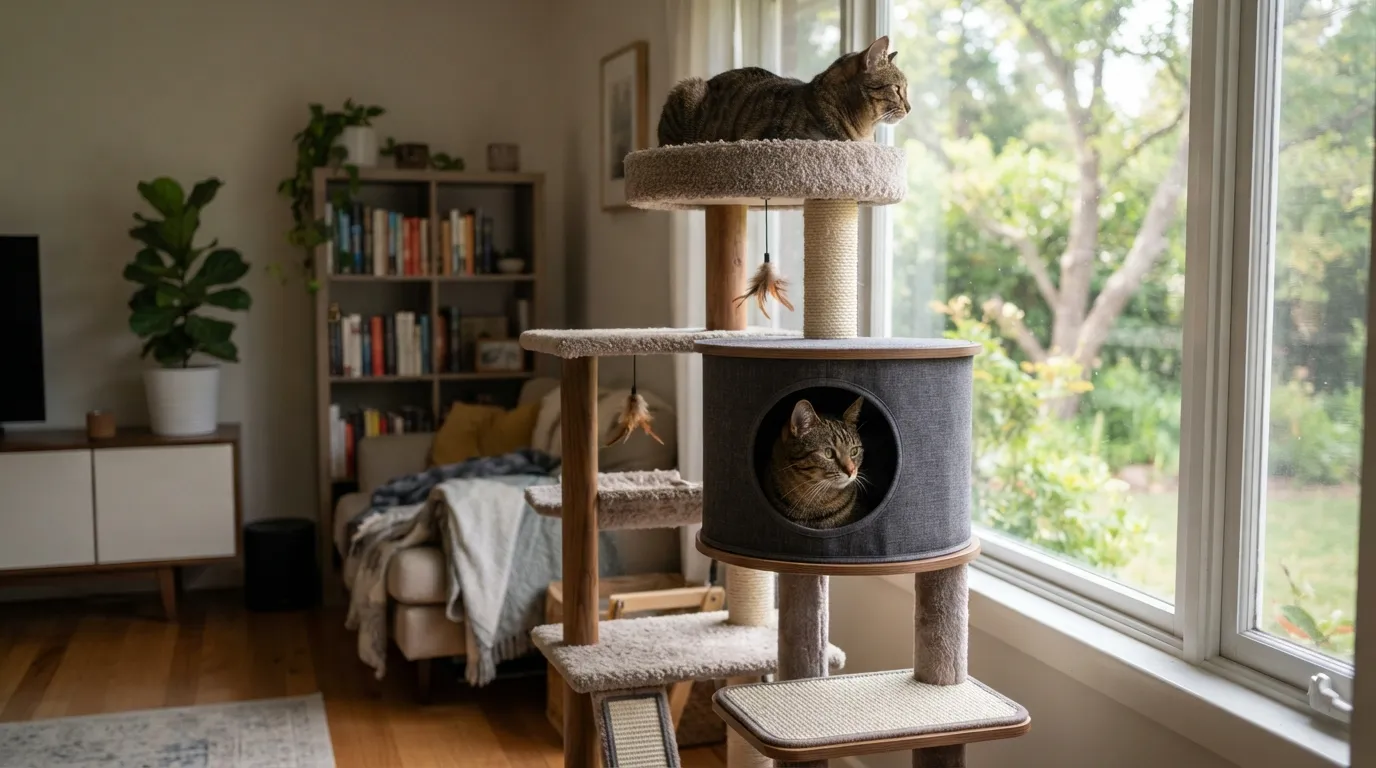
Most owners furnish their homes for themselves. Vets will tell you your cat needs the home arranged for it too - specifically upward.
Cats are both predator and prey by nature. They need high vantage points to feel safe and enclosed spaces to decompress.
A cat that cannot get up high or retreat to a quiet corner will compensate through stress behaviors - overgrooming, hiding, or aggression - that erode health over time. A cat tree by a window checks height, observation, and nature access all at once.
Which leads directly to #5.
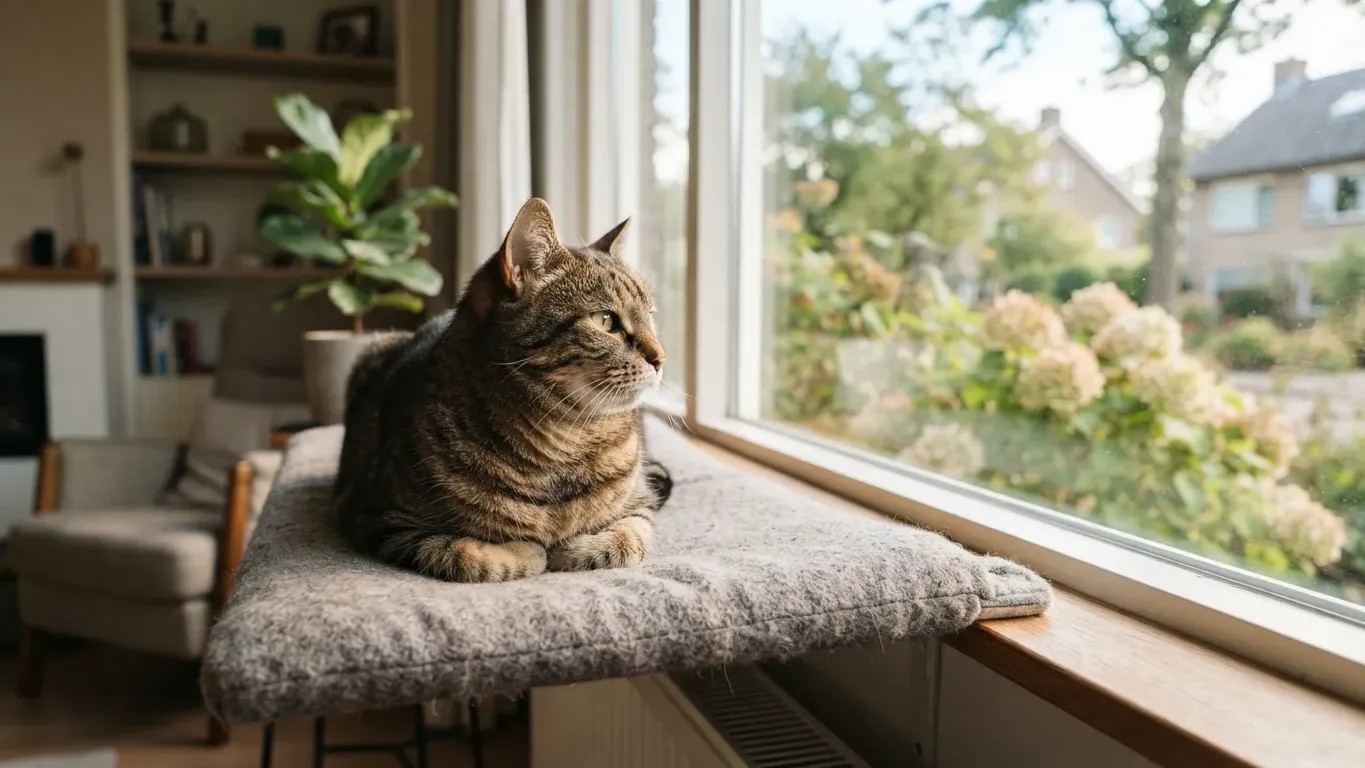
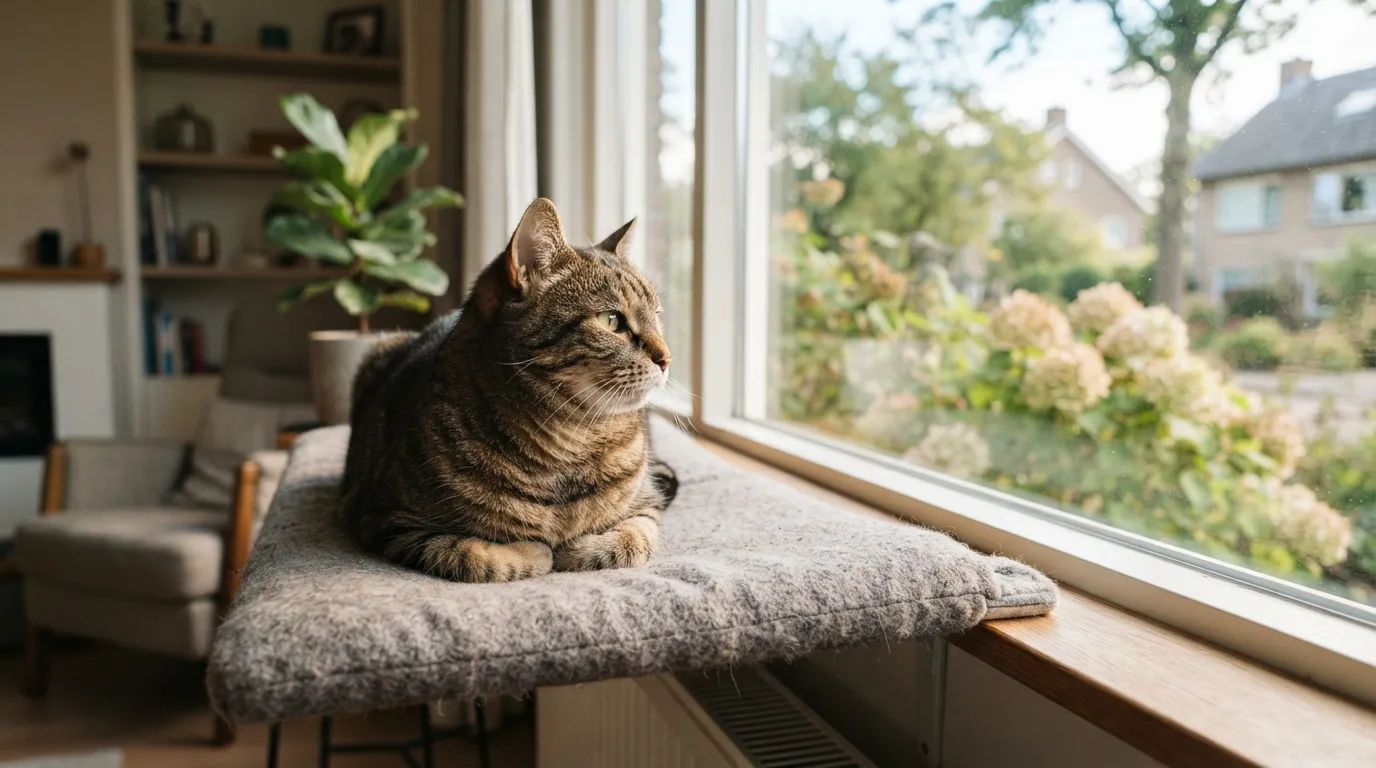
#5 – Give Them a Window Perch and Nature Access
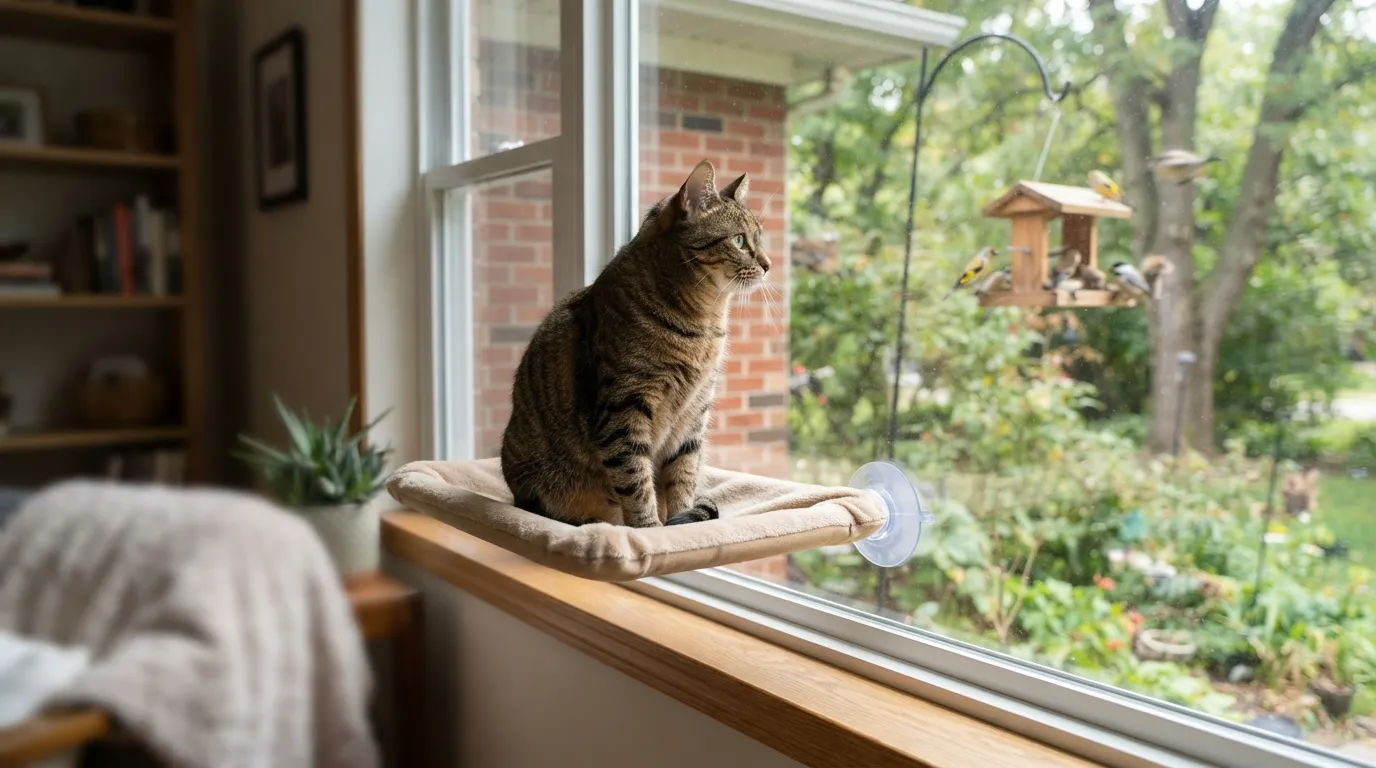
An indoor cat with no window access is essentially living in a sensory deprivation tank. That sounds dramatic - but vets mean it.
Visual stimulation from birds, squirrels, and passing movement activates a cat's prey drive in a low-stress way. A bored indoor cat will redirect that frustration inward - through overgrooming, compulsive behaviors, or destructive habits.
The fix is nearly free. A suction-cup perch and a bird feeder outside the window cost almost nothing.
The next slide targets the hunting brain directly - and it's one most owners underestimate.
#4 – Run Two to Three Dedicated Play Sessions Daily
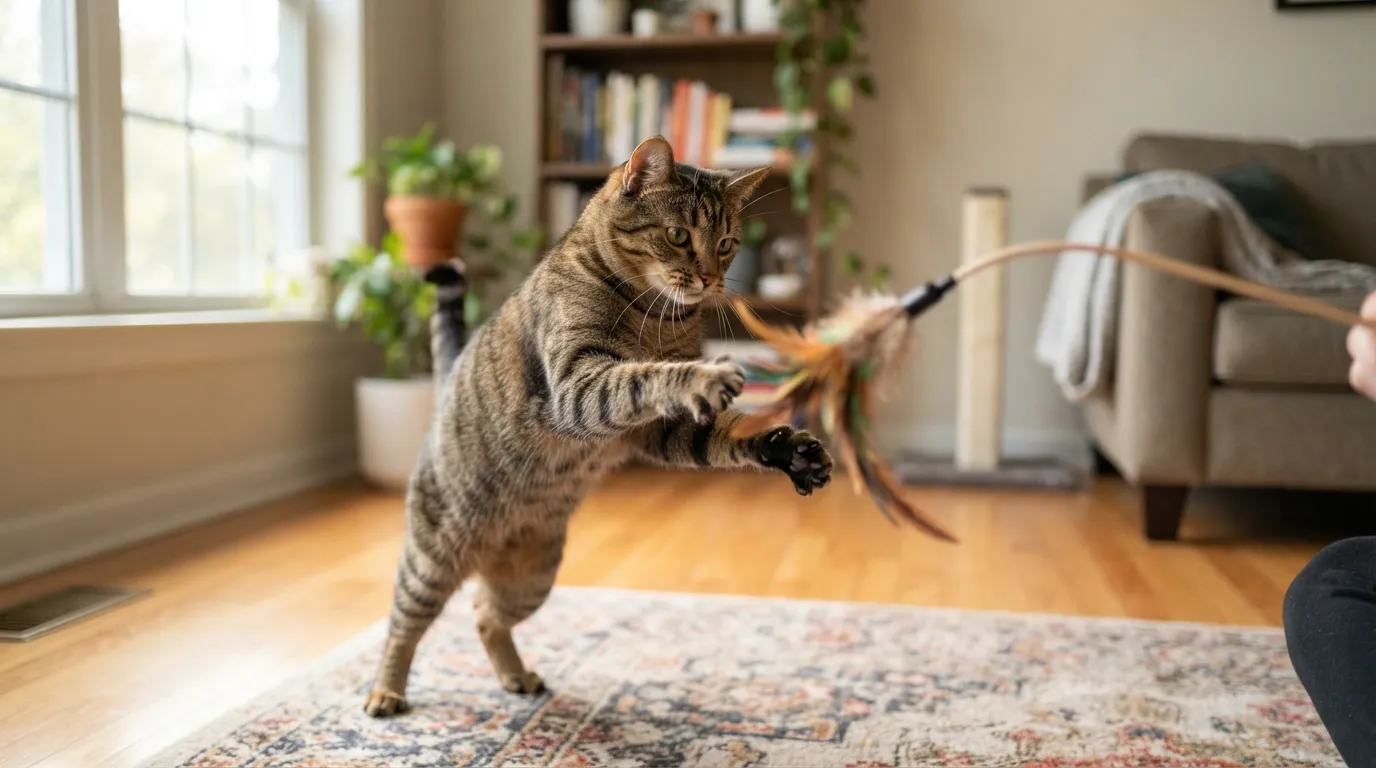
One casual dangle of a toy wand counts for almost nothing. Structured, intentional play is a different thing entirely.
Most cats thrive on two or three short sessions daily, 10 to 15 minutes each, mimicking a full hunt cycle.
At a Glance
- Stalk: The cat freezes and locks focus on the toy from a distance.
- Chase: A sudden burst of speed toward the "prey."
- Pounce: The leap and capture moment.
- Catch & rest: A brief hold, followed by a calm-down period.
Cats that don't complete this cycle regularly develop anxiety, aggression, and the restless nighttime behavior that drives owners crazy. End each session with a small treat - it mimics the "kill" reward and gives your cat psychological closure.
Slide #3 targets the brain in a different way.
#3 – Rotate Puzzle Feeders and Interactive Toys
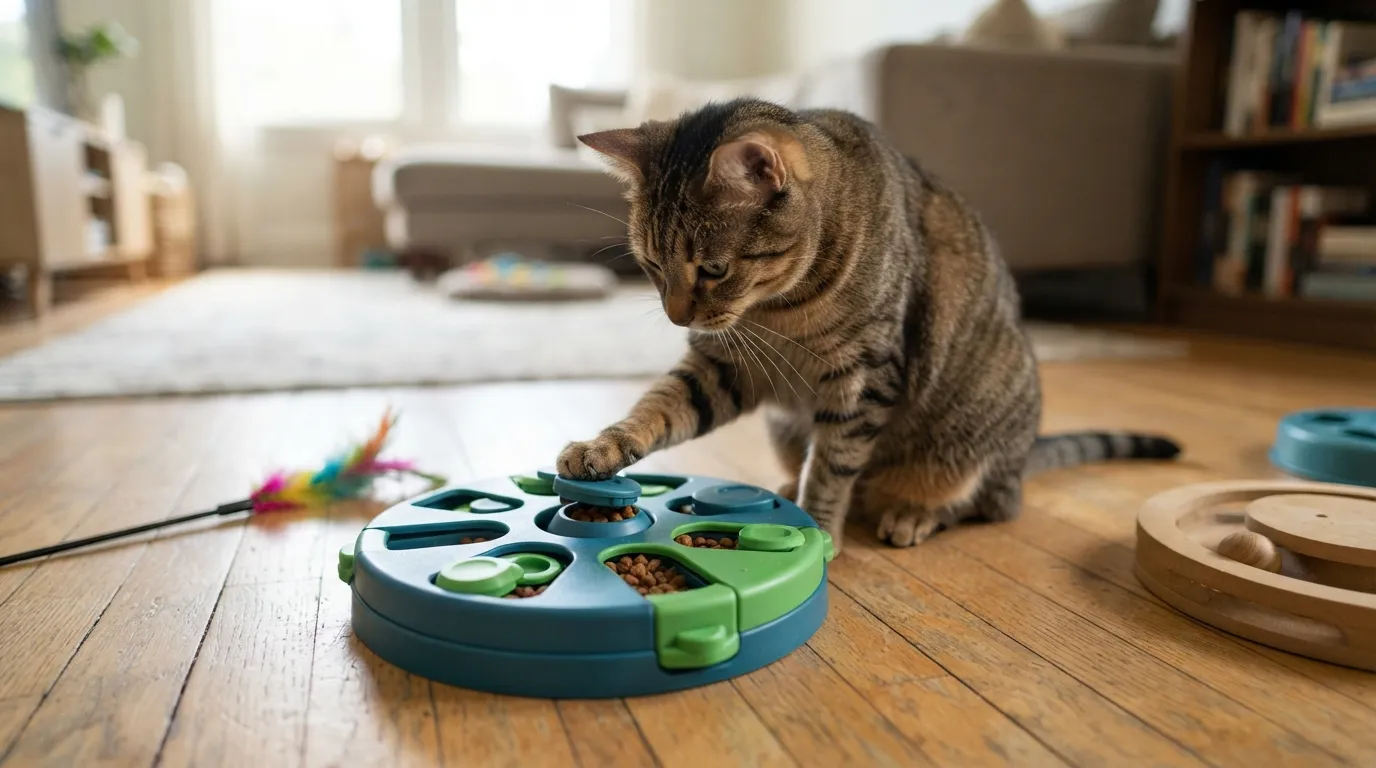
Giving your cat the same toy for six months isn't enrichment. It's furniture.
Puzzle feeders force a cat to problem-solve to access food, slowing eating and providing real cognitive engagement. Mental understimulation is a documented risk factor for indoor cats - tied to compulsive behaviors, anxiety, and even early cognitive decline in seniors.
Rotate three or four toys on a weekly cycle and introduce a new puzzle feeder every month. Watch how differently your cat engages.
Slide #2 is the routine that ties nearly everything else together.
#2 – Establish a Consistent Daily Routine
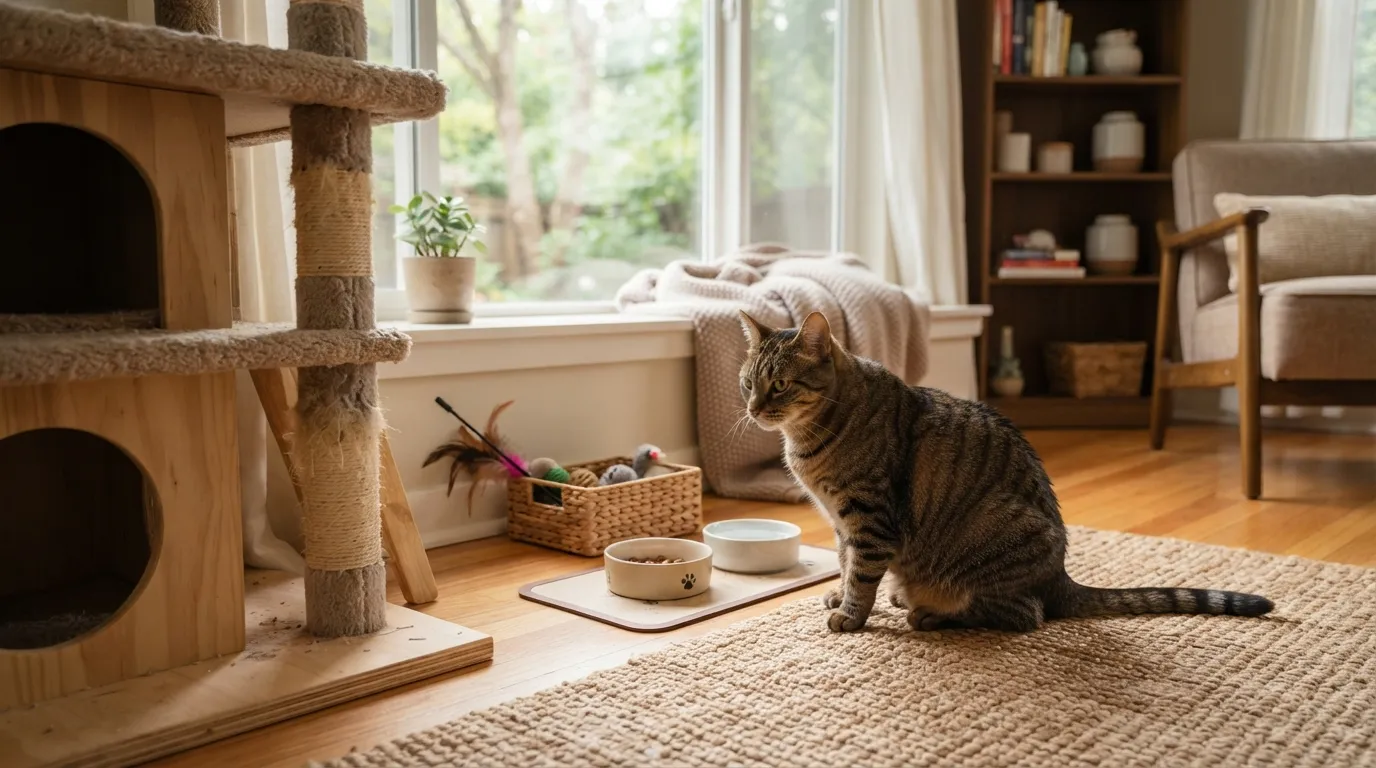
Cats don't just tolerate routine. They depend on it for physiological stability, whether you realize it or not.
Consistent wake times, feeding windows, play sessions, and quiet periods give your cat's nervous system a predictable rhythm to calibrate to. Cats with stable daily routines show lower baseline stress hormones - meaning a stronger immune response, better digestion, and calmer behavior overall.
Preventive care and a low-stress living environment are strongly linked to feline longevity.
Cornell Feline Health Center
Two cats raised in the same household with different stimulation levels will age differently. The range of 13 to 20 years exists because of choices, not just chance.
And the single most impactful routine of all? That's what #1 is about.
#1 – Spay or Neuter Early, Then Commit to Lifelong Preventive Care
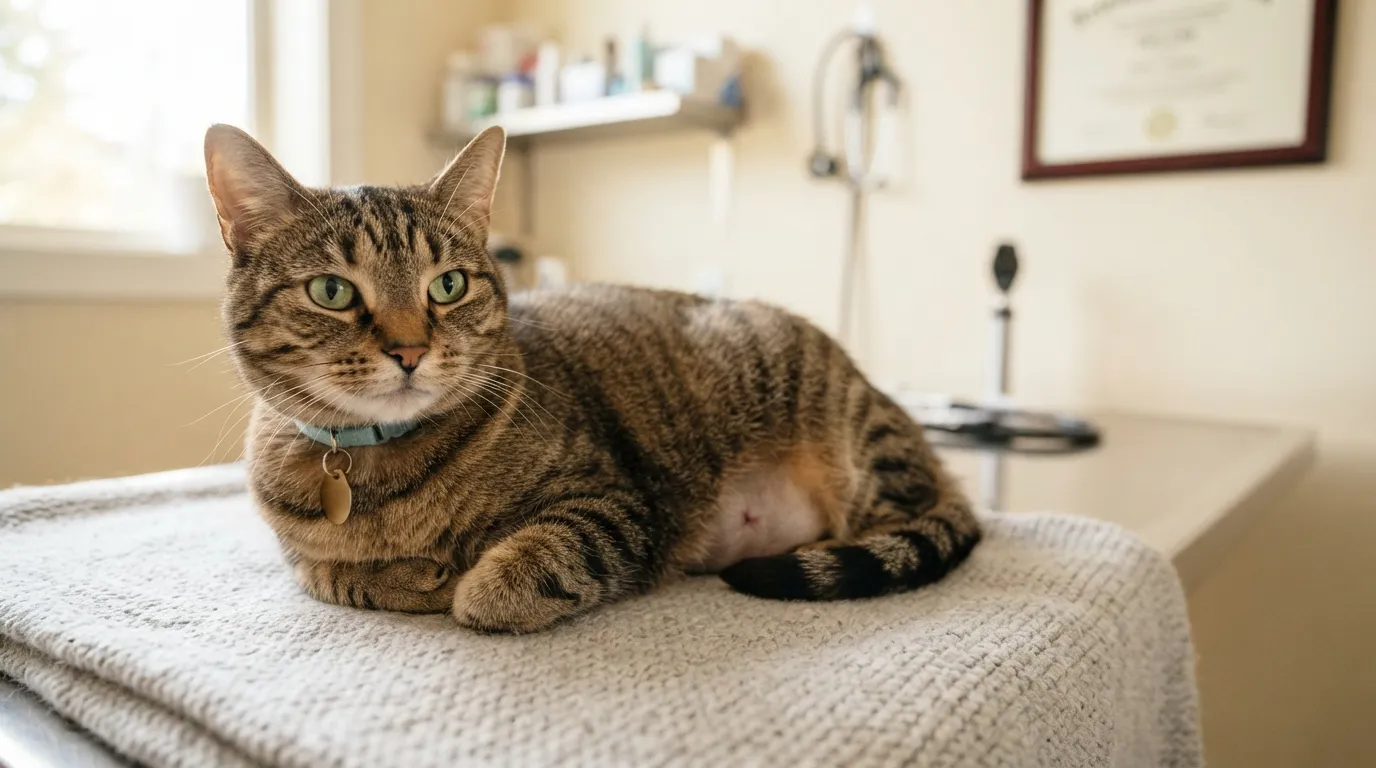
This is the one intervention with the widest, most evidence-backed impact on indoor cat lifespan - and it's not close.
Spayed and neutered cats avoid reproductive cancers and hormonal-behavior risks, and most data suggests they live longer than intact cats on average. That's a baseline gain before any other routine even enters the picture.
Fast Facts
- Neutered male cats live an average of 62% longer than intact males, per Banfield Pet Hospital data.
- Spayed female cats live an average of 39% longer than intact females.
- A 2025 UK study found spayed females averaged 13.2 years versus 10.9 years for intact females.
- Neutered males in the same study averaged 11.8 years versus 9.4 years for intact males.
Cats with consistent vet care, quality nutrition, and an enriched home regularly hit 15 to 17 years. Some, with good genetics and consistent preventive care, reach 20.
Every quiet, undramatic routine on this list feeds into this one outcome: a cat that lives its whole life well, not just its early years.
The Bottom Line
Outdoor cats average just 2 to 7 years. The gap between them and a well-cared-for indoor cat is almost entirely within your control.
But indoor life is not automatically a long life. Without enrichment, indoor cats quietly develop diabetes, obesity, and behavioral issues - problems that are slow, quiet, and entirely preventable.
The 16 routines here aren't heroic acts. They're small, consistent choices: a daily scoop, a measured meal, a ten-minute play session, a window with a view.
Most cats that reach 15 or older didn't get there by accident. Their owners made consistent choices, year after year - which of these are you already doing, and which one are you starting this week?