Why Your Cat Sleeps on Your Clothes When You Leave
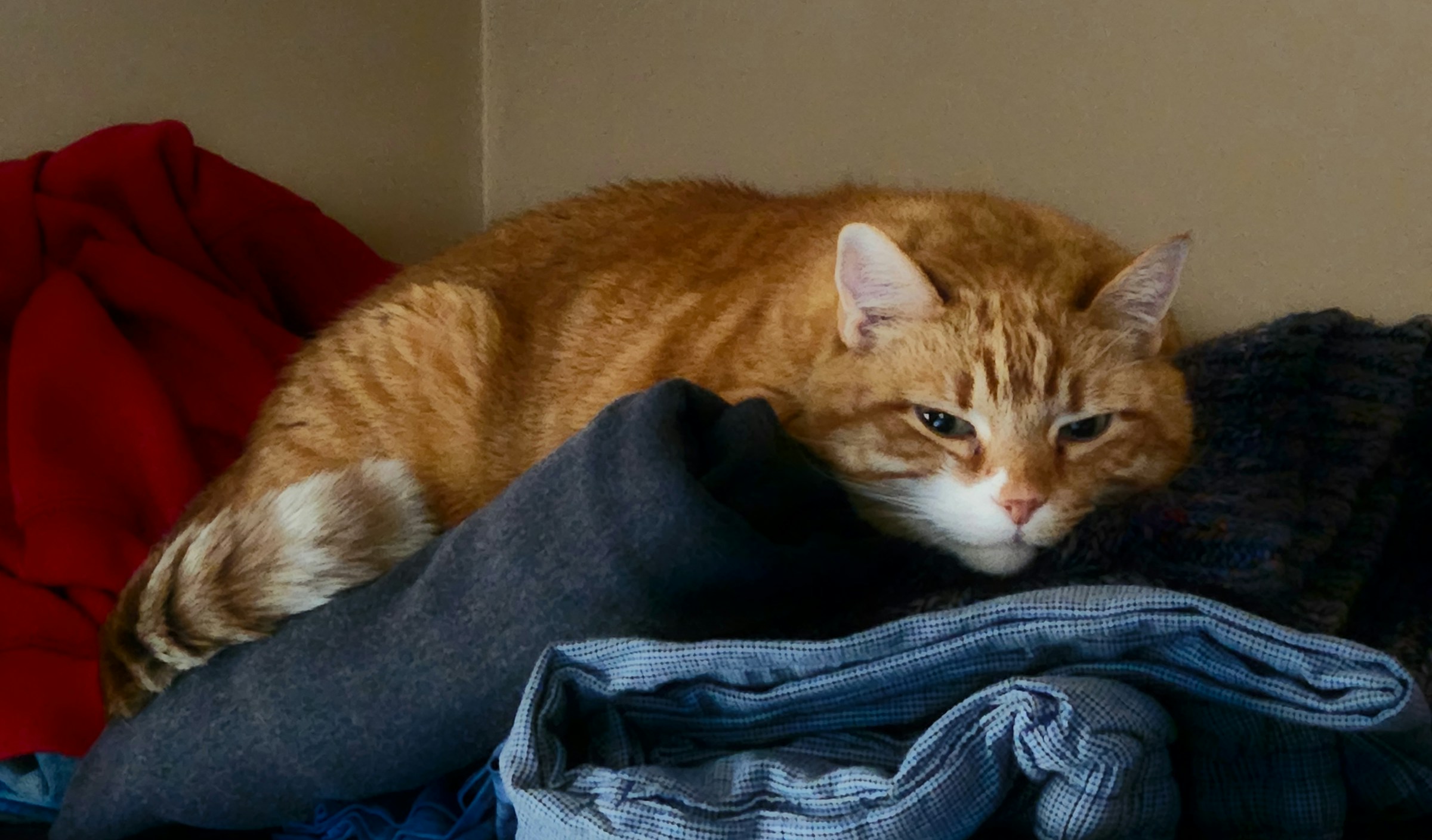
You walk out the door for six hours, and by the time you're back, your favorite hoodie has a cat-shaped dent in it. Most owners shrug it off as laziness - warm laundry, soft pile, nothing deeper. But newer behavioral research is quietly wrecking that comfortable assumption.
Some scientists now argue the "they miss your scent" theory is oversold. Others insist it's one of the clearest bond signals a cat can give a human. The truth sits somewhere stranger than either side expects, and it starts with something happening in your cat's nose that you can't even imagine.
#1 - Your Scent Is Basically a Security Blanket
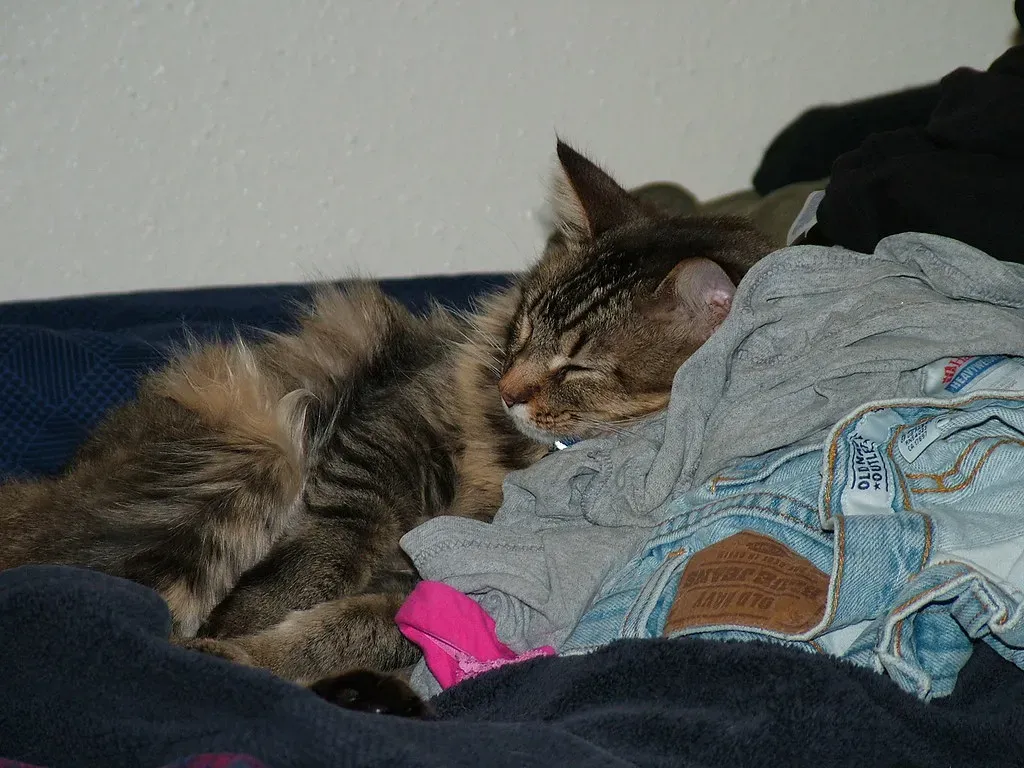
Cats don't grieve your absence the way dogs do, but they absolutely register it. Most people never realize their worn clothing works almost like a chemical stand-in for their actual presence.
To a cat, your clothes are alluring because they smell like you - and it's never a one-way transaction. Your cat isn't just soaking up your smell, they're leaving their own scent behind too, building a shared scent profile that functions like a passport stamp proving you belong to each other. That's why the pile keeps pulling them back, hours after you've already left the house.
#2 - Cats Smell the World on a Level You Can't Imagine
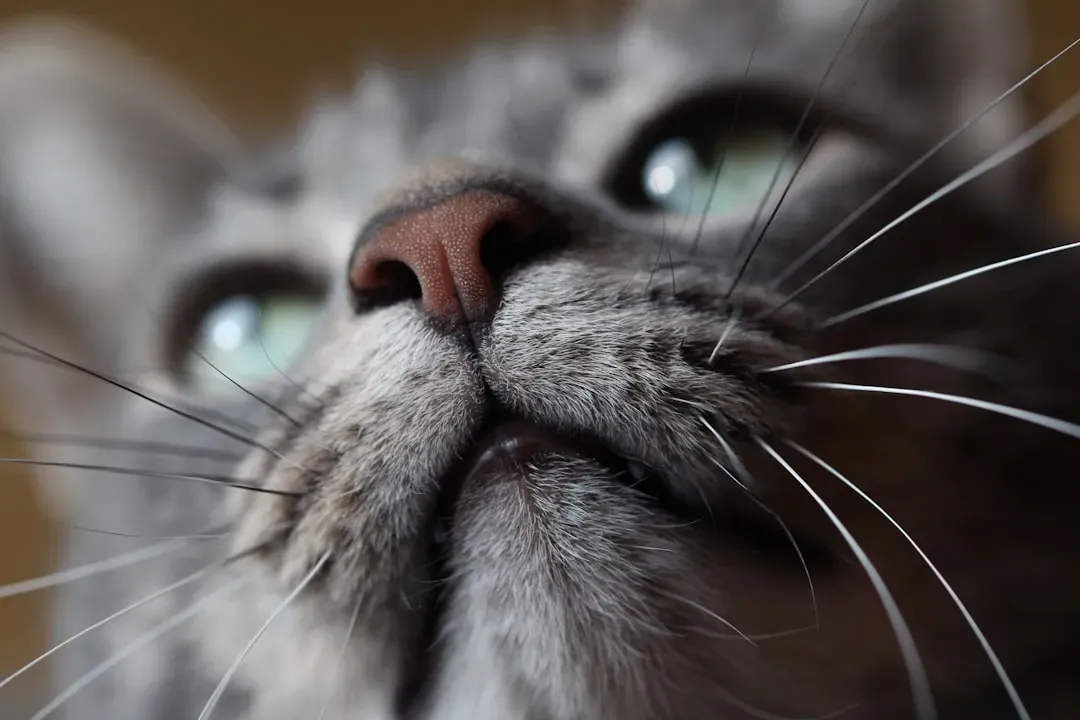
Here's a number that puts everything in perspective: your cat's nose is working roughly 40 times harder than yours, every single second.
Cats have roughly 200 million scent receptors, compared to about 5 million in humans. Other estimates put the gap lower but still staggering, citing 20 million sensors instead. Whichever number is precise, the takeaway holds: what smells like "just a t-shirt" to you is, to your cat, a dense map of information - where you've been, who you touched, whether you're stressed. That's not sentimentality. That's biology doing exactly what it evolved to do.
Quick Compare
| Species | Estimated Scent Receptors |
|---|---|
| Humans | ~5 million |
| Cats | ~200 million (some estimates: 20 million) |
#3 - It's Not Theft, It's a Two-Way Scent Exchange
Cat behaviorists are quick to correct a common misconception: your cat isn't "stealing" your smell, they're merging it with theirs.
Cats identify their owners by scent much like they recognize a voice or tone, and clothes hold onto that scent especially well. They also carry scent glands on their paws, cheeks, and body, so lying on your clothes doubles as marking territory. That dual purpose - absorbing comfort while depositing ownership - is why the behavior looks affectionate and possessive at the same time. In feline logic, "I love you" and "this is mine" are the same sentence.
#4 - Warm Laundry Is a Free Heat Source
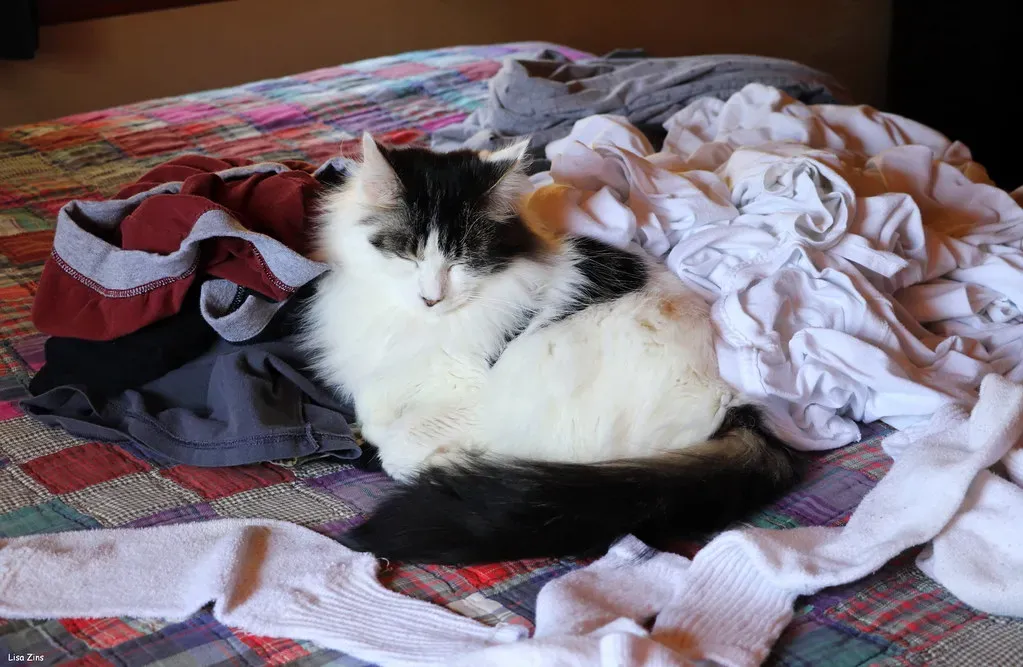
Cats are notorious heat-seekers, and freshly worn or dried clothing offers something even a sunny windowsill can't guarantee on demand.
Residual body heat trapped in fabric is something we discard without a thought, but cats find it genuinely useful. A cat's body temperature actually drops as it settles into sleep, so it hunts for warmth beforehand to compensate. Your laundry pile isn't competing with a heating pad for your cat's attention - it's functioning as one, right on schedule for whenever you're not home to notice.
#5 - The Habit Starts Before They Can Even See
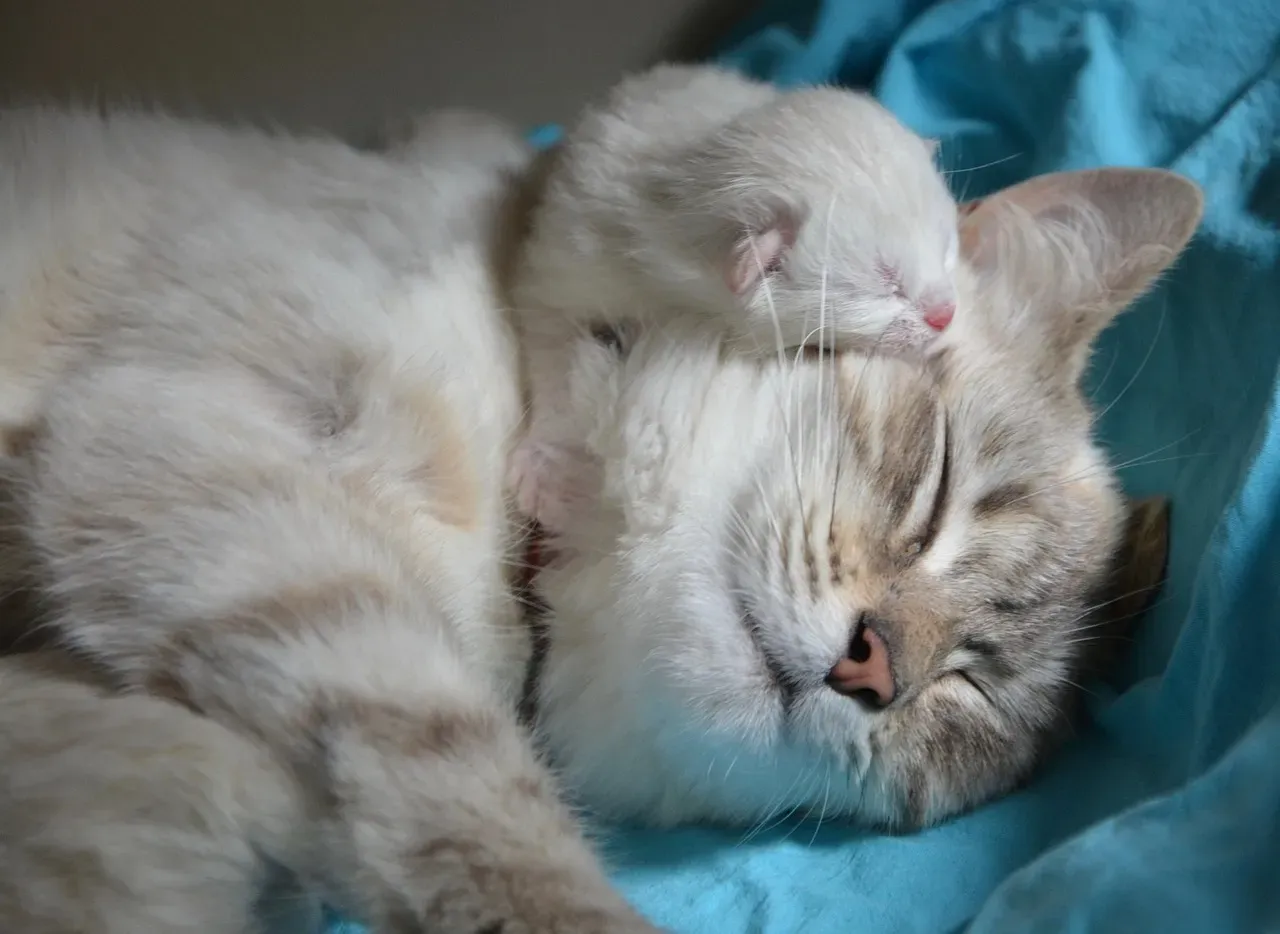
This one surprises most owners: the instinct to burrow into a scent-soaked pile didn't start with you. It started in the nest, weeks before your cat ever met a human.
Kittens rely on smell to find their mother's nipple, locate their littermates, and identify the nest itself, since scent builds up there from saliva, urine, hair, and glandular secretions. Scientists describe the result as an "olfactory secure base" that reduces stress in newborn kittens. When your adult cat burrows into your hoodie, they're not inventing new behavior - they're replaying a survival strategy imprinted from birth, with you standing in for the mother they once depended on.
#6 - Sometimes It's Really About Territory, Not You
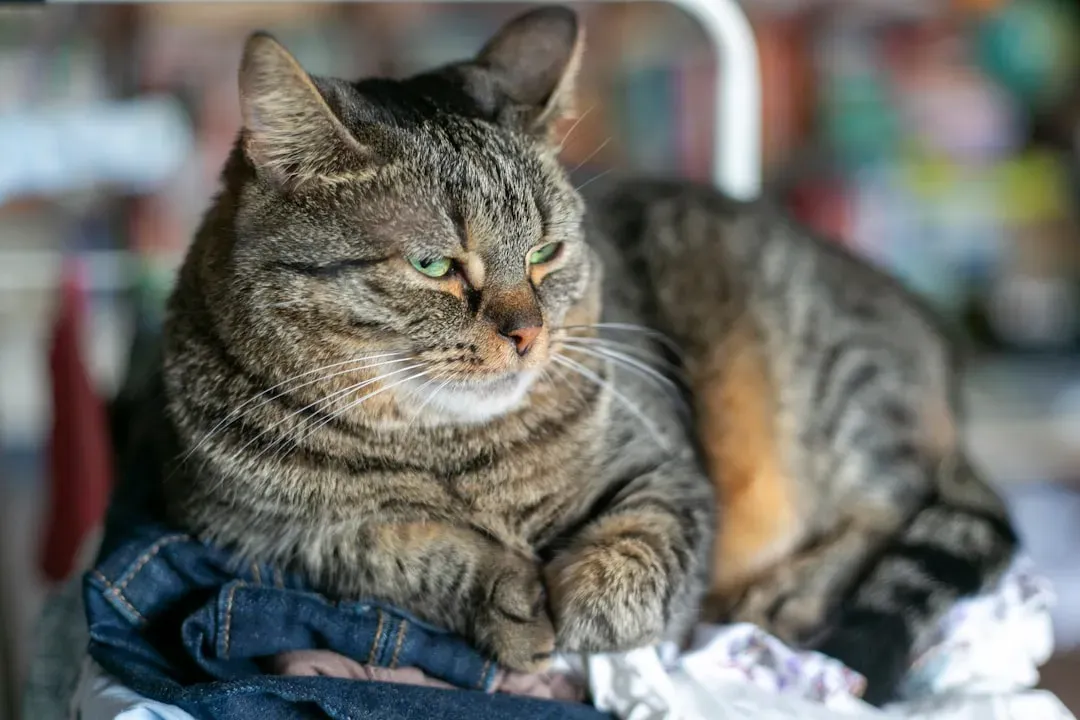
While the emotional explanation gets all the attention online, plenty of behaviorists argue territory marking deserves equal credit - and it's a slightly less flattering theory.
If a pile of clothes becomes semi-permanent, your cat may start treating it as part of their turf rather than a tribute to you. This shows up especially in cats who feel a need to assert ownership over their owners. It's a controversial take among cat parents who prefer the romantic version, but wildlife biologists point out that territorial instinct never fully disappears, even in the most affectionate housecat.
#7 - A Study Just Complicated the "Comfort" Theory
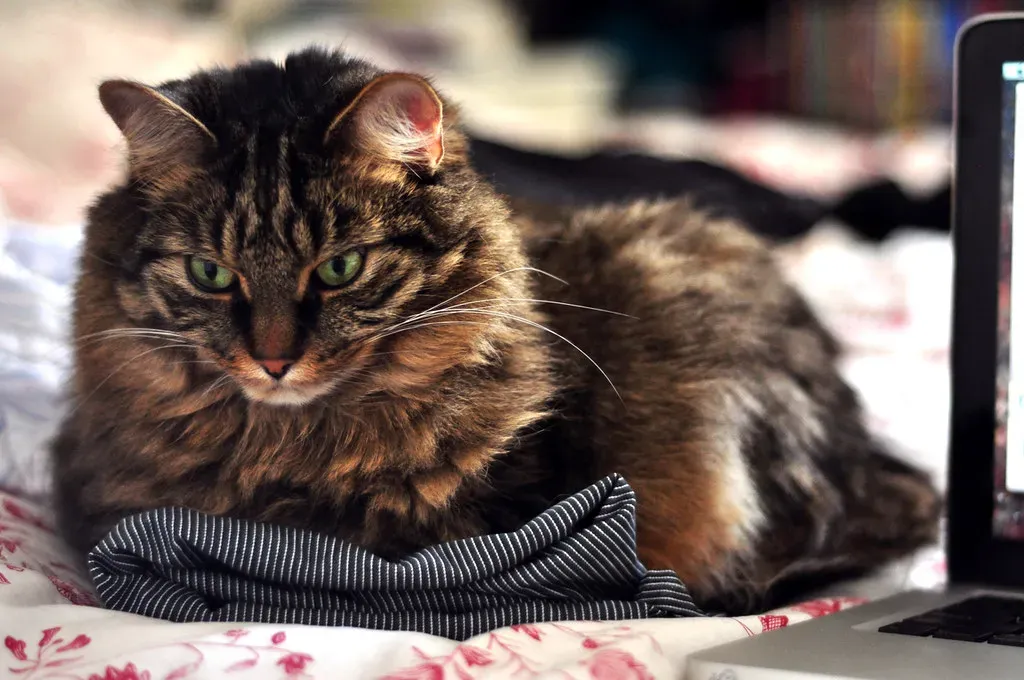
Here's where things get genuinely surprising, and where popular belief and hard data start to clash.
A 2021 study published in Applied Animal Behaviour Science found cats aren't actually comforted by objects that smell like their owner - a finding that threatens a commonly held belief about easing separation anxiety. Researchers tested 42 adult cats to see whether their caretaker's scent alone, without the person present, reduced stress in a new environment. The unsettling result: cats showed stress behavior around the scent object alone. That doesn't mean your cat hates your smell - it suggests scent by itself may not replicate the calming effect of your actual presence, no matter how many owners swear it works.
Fast Facts
- Published in Applied Animal Behaviour Science, 2021
- Sample size: 42 adult cats
- Test: owner's scent alone, without the owner present
- Result: scent alone triggered stress, not calm
#8 - Clothes Double as a Sensory "Do Not Disturb" Sign
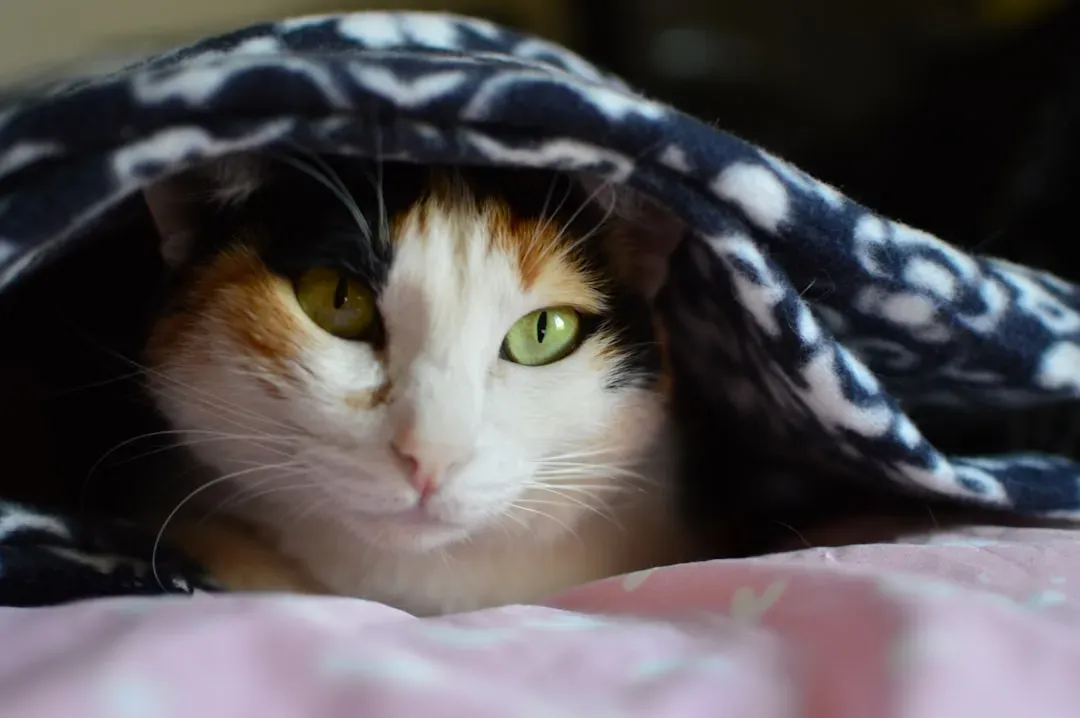
For cats already prone to anxiety, a clothing pile isn't just cozy - it's functionally a hiding spot that happens to smell right.
The more enveloped a cat feels while nuzzled into worn clothing, the safer it feels. That enclosed feeling does double duty: it muffles outside noise and blocks sightlines, and even if the cat stays awake, it still draws comfort from being wrapped in something familiar. For a species that evolved as both predator and prey, that combination is hard to beat when the house suddenly feels too quiet.
#9 - Sometimes It's Just a Bid for Your Attention
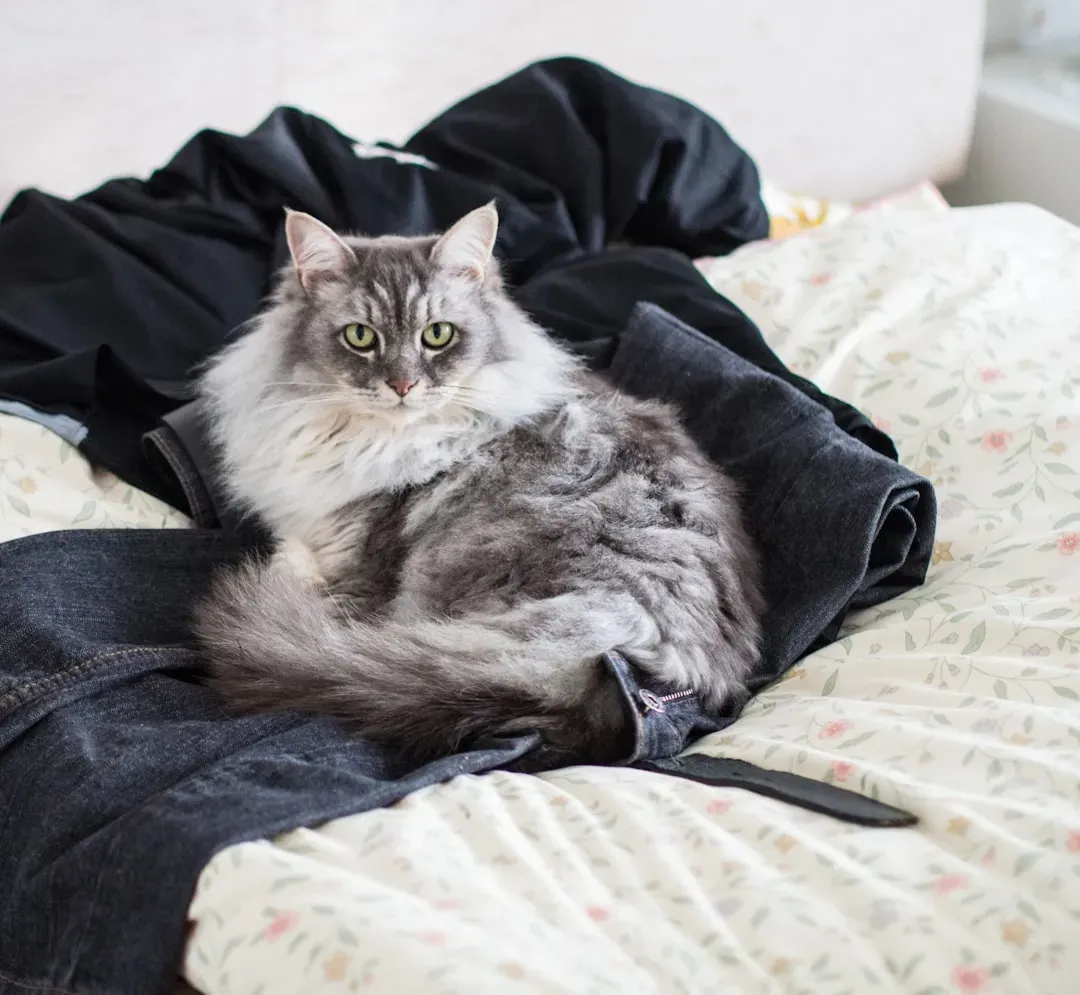
Not every clothes-nap is about anxiety or instinct. Some cats have simply learned that sitting on your stuff gets a reaction, and they're playing you like a fiddle.
Cats often sit on clothes you're about to put on because those items are laid out in an accessible spot and carry your scent - and they quickly learn that sitting on things you're actively using gets your attention. It's the feline equivalent of standing in a doorway you're trying to walk through. It's a controversial but increasingly accepted idea among behaviorists: some cats aren't seeking comfort at all. They're staging a small, deliberate interruption because it works every time.
#10 - It Can Be an Early Warning Sign, Not Just a Quirk
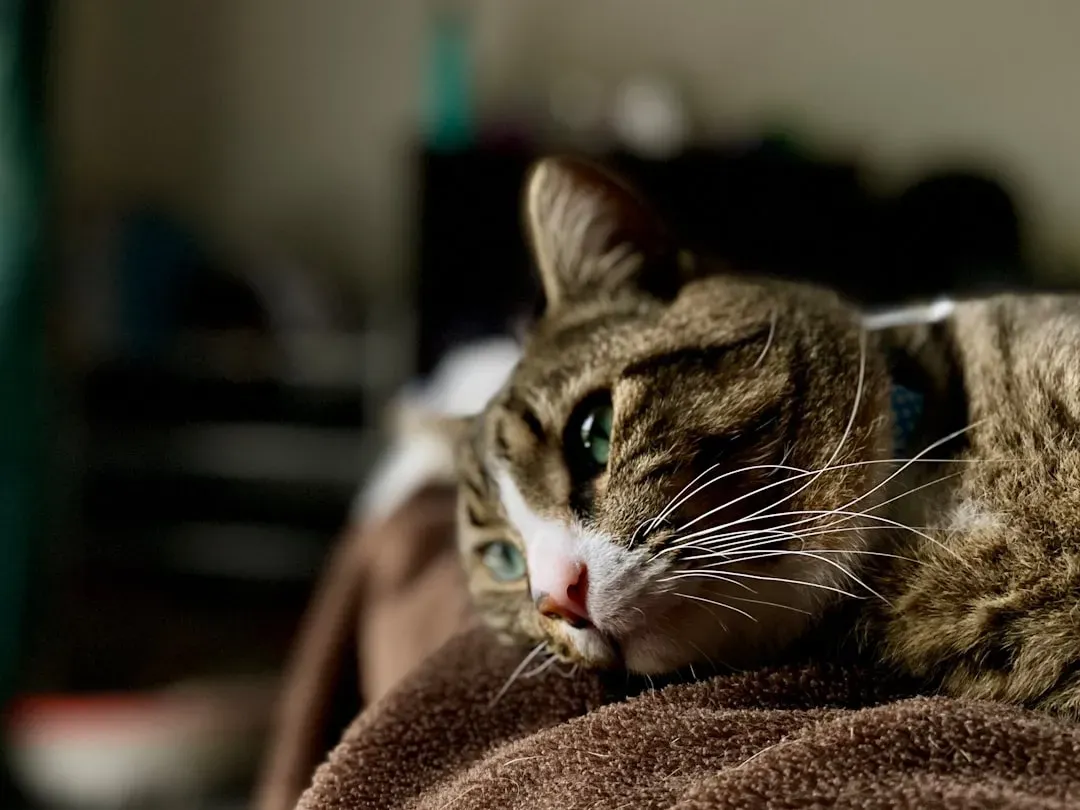
This is the point that tends to spark the most comments, because it reframes a "cute" habit as something worth actually watching.
Occasional napping on your clothes is completely normal. But if your cat only seeks out your clothes when you're gone, shows destructive behavior, or vocalizes excessively while alone, those signs together can point to separation anxiety. True separation anxiety is defined by timing - the behavior shows up exclusively when the bonded person is absent. So the real question isn't whether your cat naps on your hoodie, it's whether they only do it when you're gone, paired with other stress signals.
Worth Knowing
- Clothes-napping that happens only when you're away
- Destructive scratching or chewing during alone time
- Excessive vocalizing while you're out
- Sudden changes in appetite, grooming, or litter box habits
#11 - Kneading Your Clothes May Be a Leftover Nursing Reflex
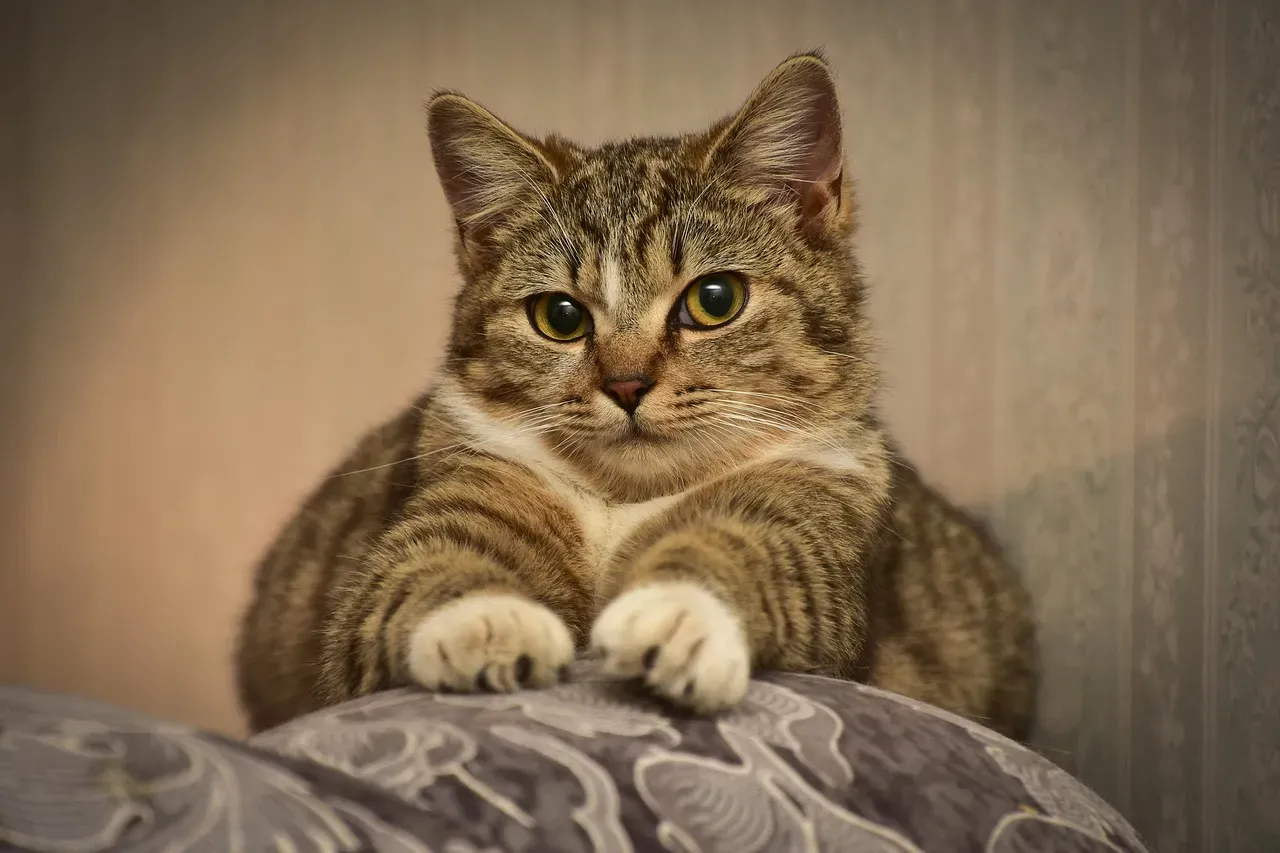
If your cat doesn't just lie on your clothes but rhythmically pushes their paws into the fabric first, you're watching a behavior with roots in infancy.
Research published in the Journal of Veterinary Behavior links kneading to the bond between kittens and their mothers, suggesting the behavior signals your cat now sees you as a maternal figure. It fits a broader pattern, since you fulfill the same role a mother cat once did - offering food, shelter, and protection. Kneading on your scent-soaked clothes signals an unusually high level of trust. It's a slightly humbling realization for owners who like to think of themselves as an equal partner in the relationship.
#12 - Your Clothes Are a Scent Diary They Can't Resist Reading
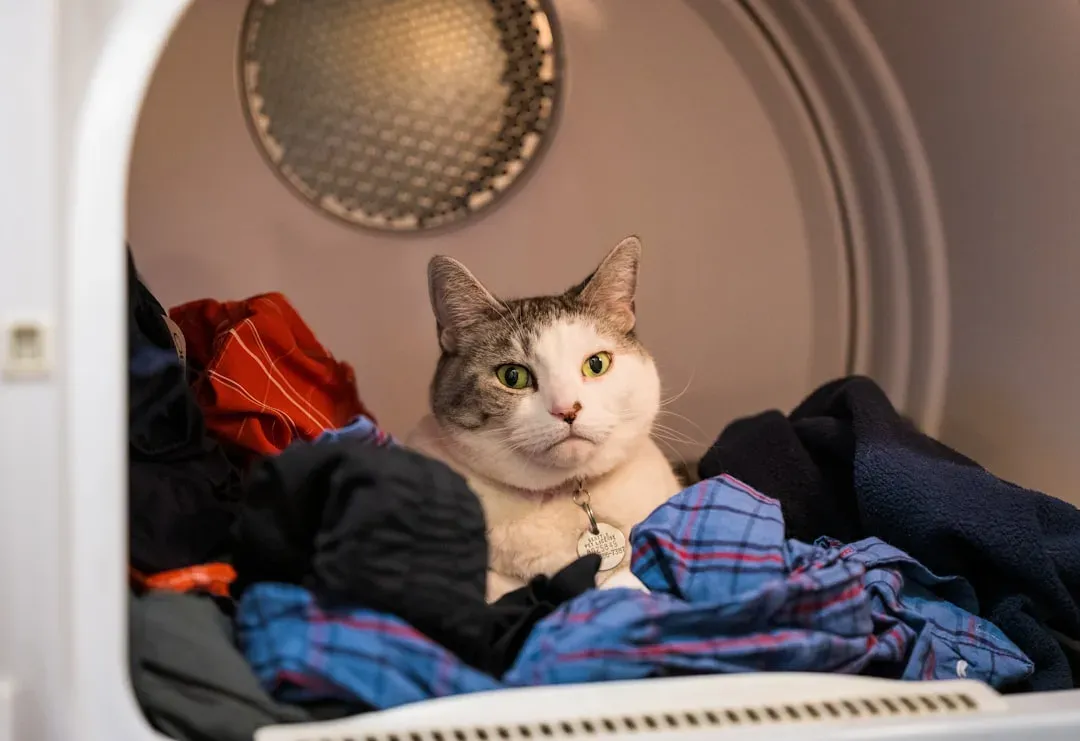
Beyond comfort, there's a curiosity angle most owners never consider: your laundry is basically a logbook of your entire day, and your cat wants to read every page.
Your cat may simply want to know where you've been. When you return, they'll inspect your clothes for every scent layered onto them - even distinguishing between several different smells on the same garment. Your cat isn't dozing off passively in that pile; in many cases, they're actively investigating, filing away information about your day the way you might scroll through someone's photos to see where they've gone.
#13 - The Bond Is Real, Even If the Science Is Still Catching Up
The final piece is the most important, because it's where the "comfort theory" and the "skeptical study" finally meet in the middle.
Veterinary sources note that when a cat naps on your clothes, it's usually a mix of scent, comfort, and instinct - and it's often sweeter than it looks. Researchers studying the Secure Base Effect acknowledge that some domestic cats genuinely do calm down and explore more confidently in the presence of their owner. So even the study that challenged the "scent alone" theory still confirms the bond itself is measurable and real. The clothes are just the closest substitute your cat can find when the real thing walks out the door.
At a Glance
- Scent bonding: a shared chemical "passport" between you and your cat
- Warmth-seeking: leftover body heat trapped in fabric
- Kitten-era imprinting: scent as an early survival cue
- Territory marking: claiming the pile as part of their turf
- Genuine attachment: a calming effect tied to your actual presence
The Bottom Line
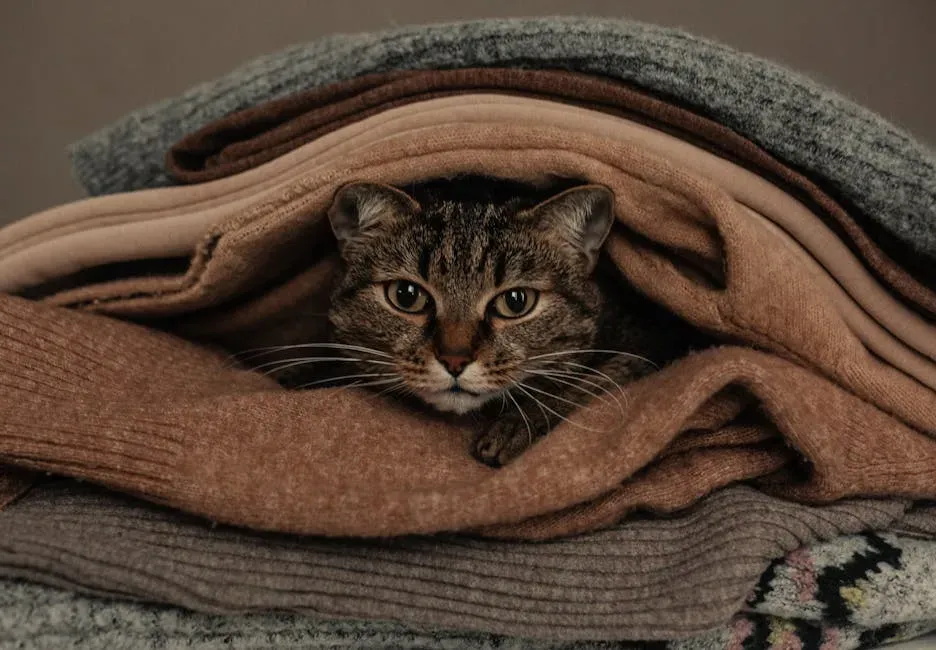
This isn't a quirky habit - it's a documented survival strategy repurposed for domestic life. Scent memory, warmth-seeking, kitten-era instinct, territory marking, and genuine attachment all overlap in that one laundry pile.
The most surprising twist is that science still hasn't fully settled whether scent alone calms a cat down, which means your actual presence might matter more than any t-shirt ever could. I'll say it plainly: the clothes are a substitute, not the source. Your cat isn't in love with your hoodie - they're in love with the version of you that hoodie temporarily stands in for.
Either way, your cat clearly isn't as indifferent to you leaving as their reputation suggests. Does your cat have a favorite item of yours they always claim? Tell us in the comments.