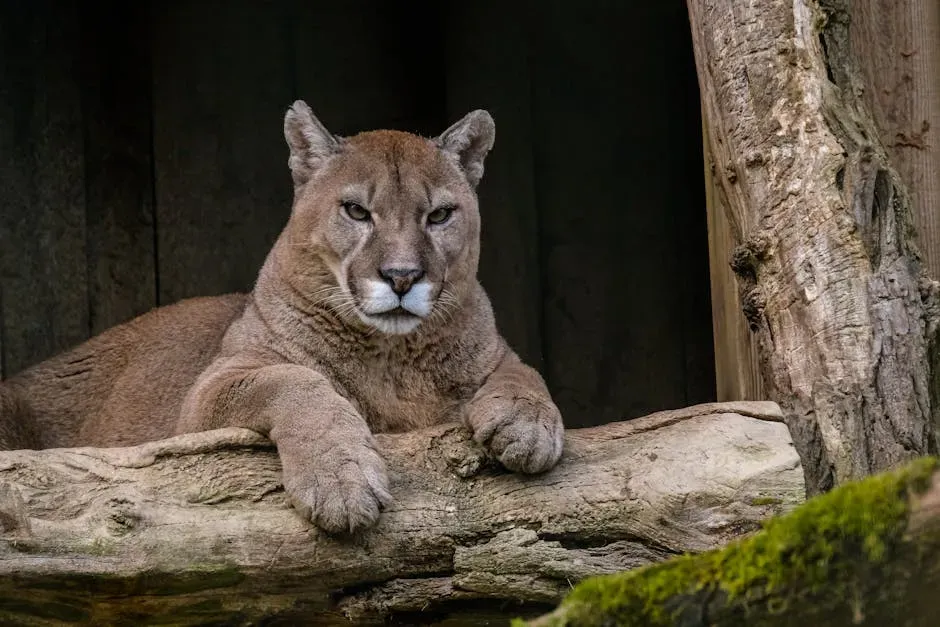
The US States With The Most Cougar
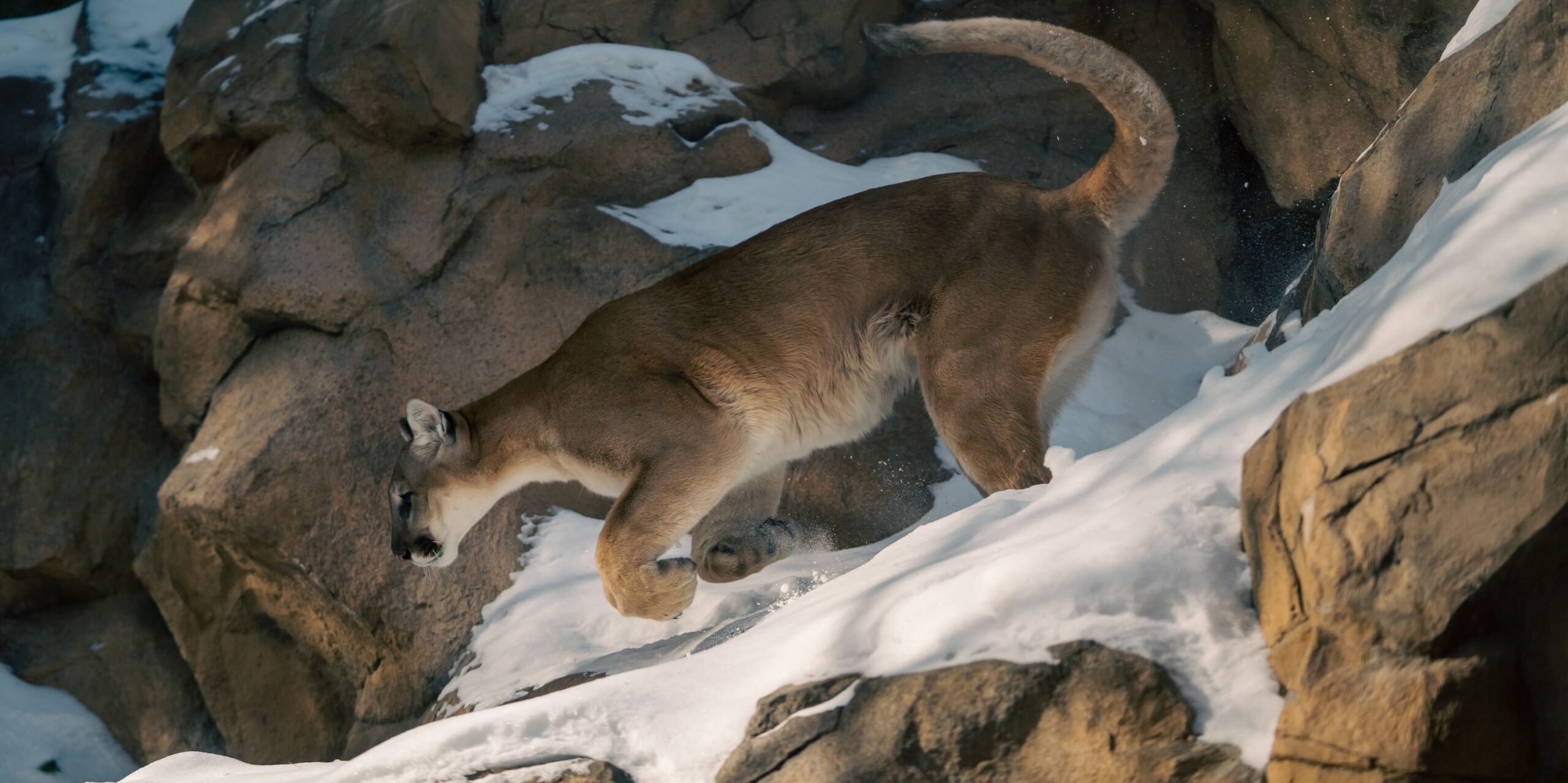
#1 Colorado
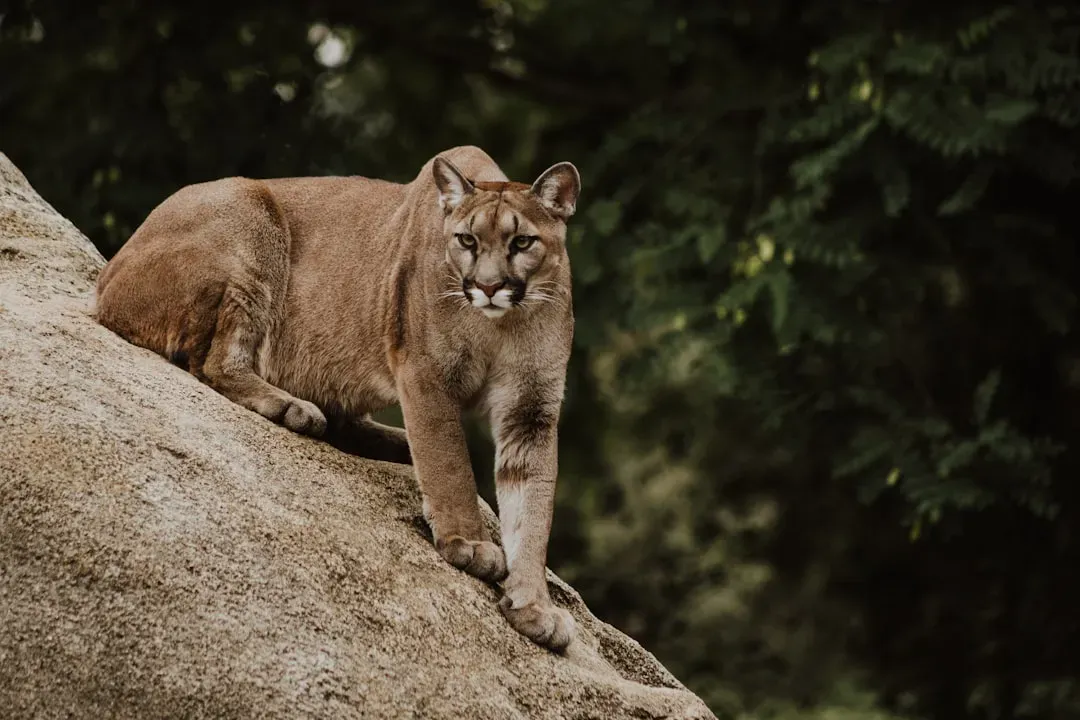
Colorado consistently comes out on top in nearly every credible assessment of cougar numbers, with estimates ranging as high as seven thousand animals. It is also the state with the highest known population of mountain lions, with about seven thousand mountain lions scattered across this state, mostly in areas with rocky and mountainous habitats. That figure alone puts it well ahead of most other states, though biologists caution that counting a solitary, wide ranging predator is never an exact science.
The reason Colorado works so well for cougars comes down to food and terrain in roughly equal measure. Mountain lions love to hunt and hide in dense forests, and the trees in Colorado are home to some of the densest populations of elk, which translates directly into a reliable and plentiful food source. Wildlife officials there also report that the population appears stable under current management, which suggests Colorado has found a workable balance between regulated hunting and long term conservation.
#2 Texas
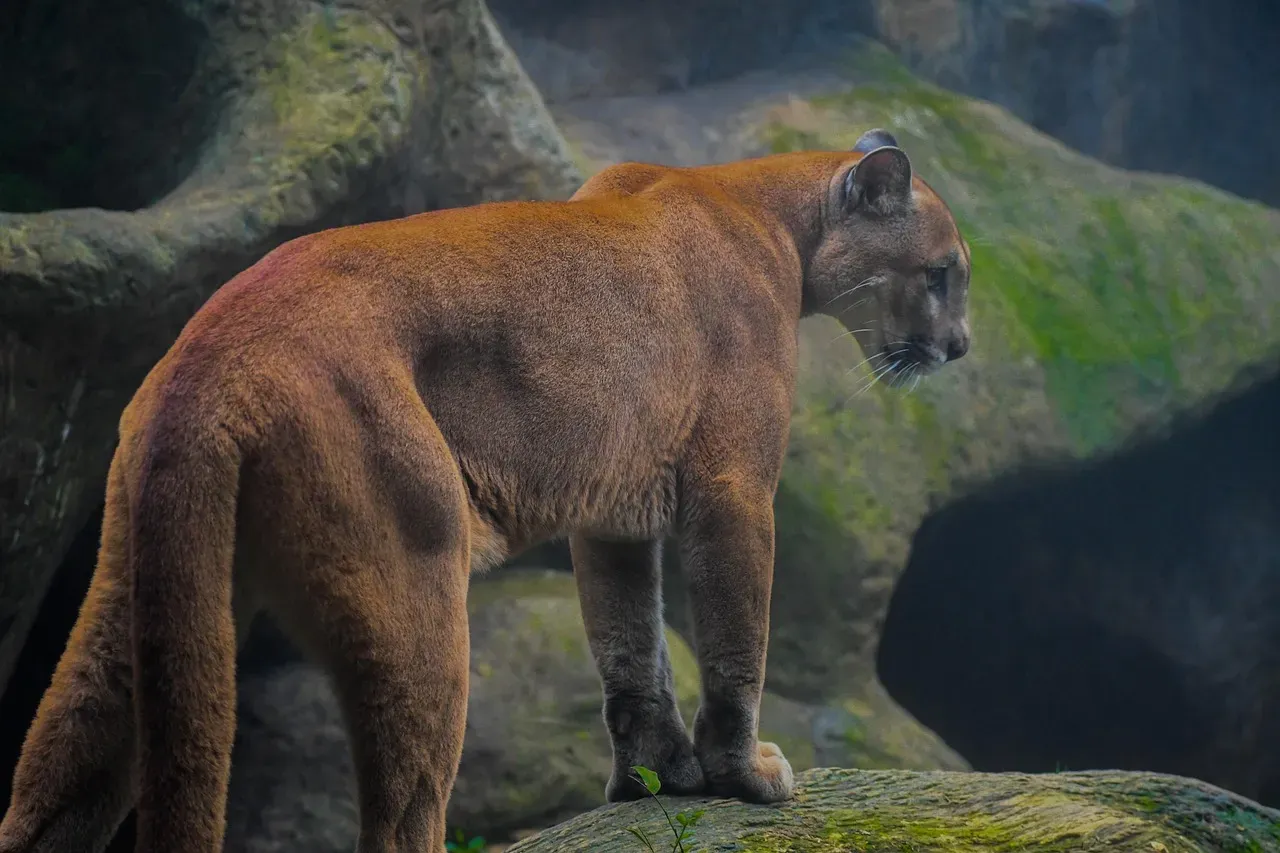
Texas rarely gets mentioned in the same breath as the Rocky Mountain states, yet it may actually harbor more cougars than almost anywhere else in the country. Texas tops the list with around 5,607 cougars, and the state's vast size and varied landscapes, from deserts to forests, support the largest cougar population in the country. Because so much of that habitat is remote and privately owned, getting a precise headcount has proven difficult for state biologists.
Most of Texas's cougars cluster in the rugged southwestern corner of the state rather than spreading evenly across its enormous footprint. Mountain lions are most abundant in the Trans-Pecos region of the state, where there are about 50,000 to 80,000 acres of suitable land for the mountain lions to call home. Unlike Colorado, Texas does not classify cougars as game animals, which makes tracking and managing the population an even more complicated task for wildlife officials.
#3 California
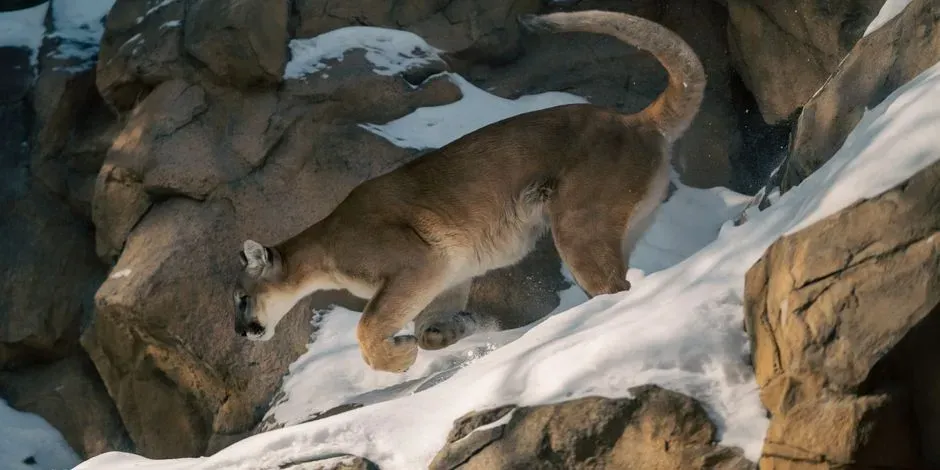
California's cougar story is really a story about a single policy decision that reshaped the species' future in the state. California's mountain lion story is largely one of deliberate protection paying off over decades, and the large, undeveloped interior filled with rocky habitats perfect for mountain lions allows them to safely live and breed, with California banning the hunting of cougars back in 1972. More than fifty years later, that ban still shapes how the population is estimated and managed today.
Current figures put the state's cougar population somewhere between four thousand and six thousand animals, though recent surveys have narrowed that toward the middle of the range. The 2020 wildfires that ravaged California also affected mountain lion populations, killing an estimated 300 to 600 of them, and while there were recently estimated numbers of 4,000 to 6,000 mountain lions in California, a recent report brought that number to 4,500. It is a sobering reminder that even a protected, well studied population can take a hit from a single bad wildfire season.
#4 Oregon
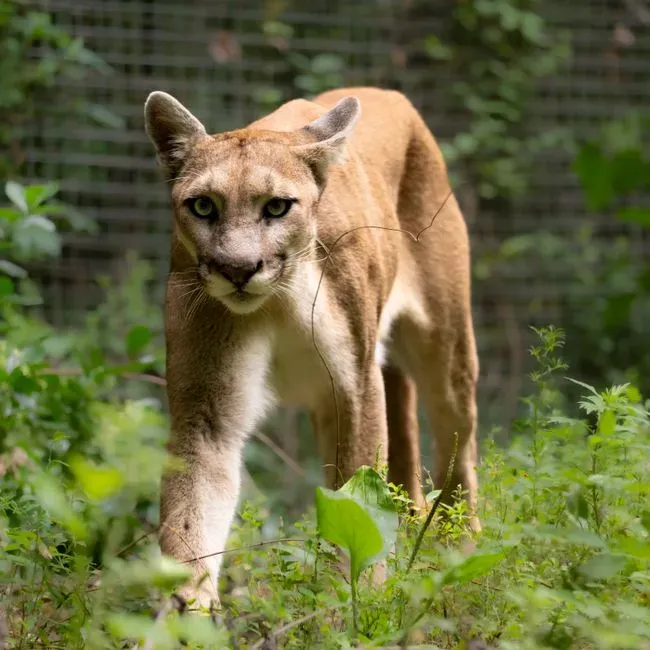
Oregon tends to fly under the radar in these conversations, yet its cougar numbers rival those of far more famous states. Between 2,500 and 6,000 mountain lions are estimated to be in this state, and there are controlled hunting laws available during appropriate seasons. That wide range reflects the difficulty of surveying a species that avoids people almost by instinct.
What makes Oregon interesting is how little overlap there tends to be between cougar range and human settlement. Isolated forests and mountains are plentiful within the state, making it a prime habitat for migration and breeding, and most of Oregon's population tends to stick closer to its cities, towns, and metropolitan areas, so mountain lions are often left to their own devices and enjoy a human-free environment. The result is a population that has grown steadily without generating the kind of conflict headlines seen elsewhere.
#5 Montana
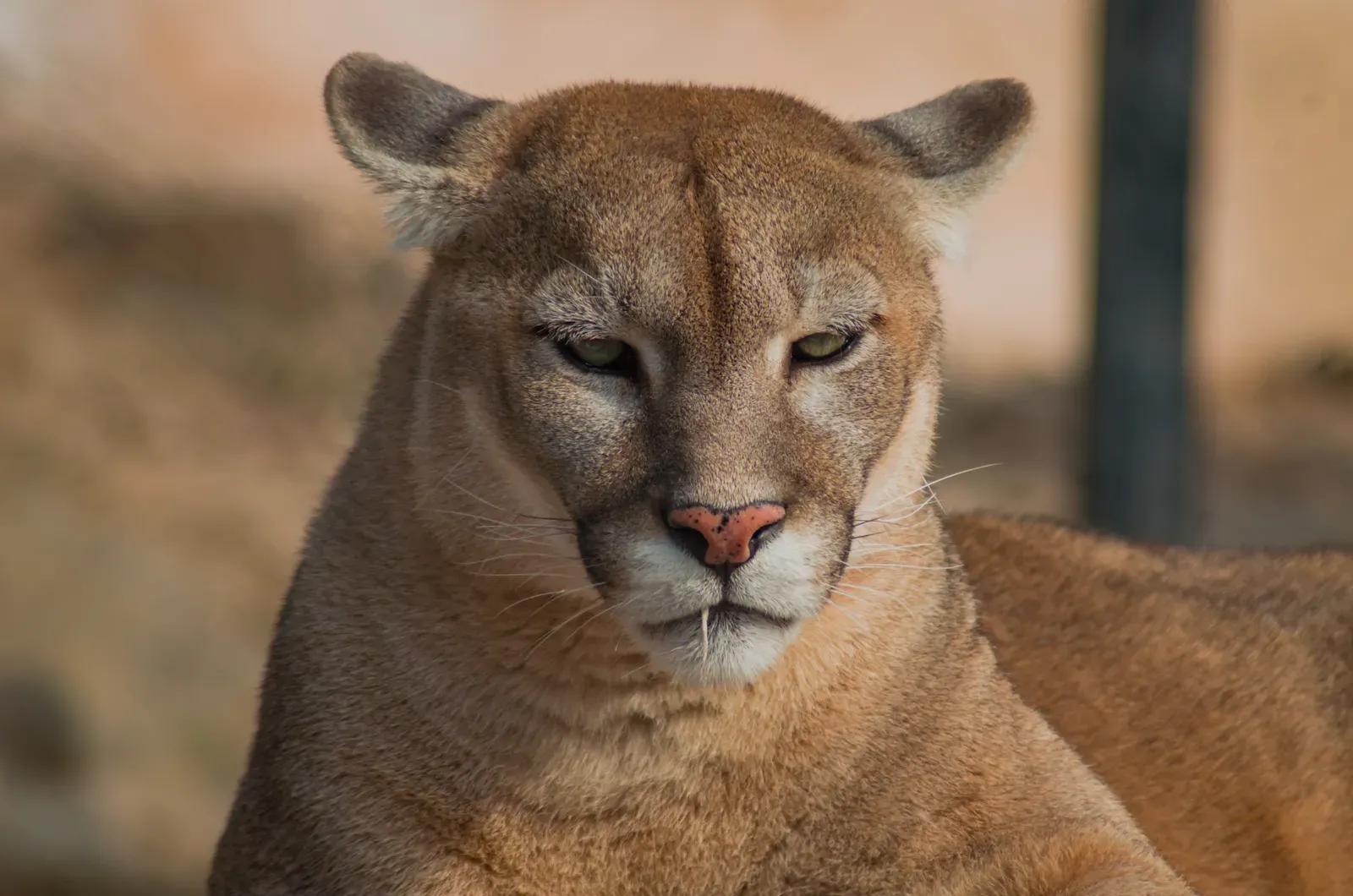
Montana's relationship with cougars has swung from persecution to something closer to respect over the past century. Bounties for killing mountain lions in Montana began in 1879 and continued for several decades, severely impacting the population, before they were classified as game animals in 1971, allowing the state to regulate hunting. That shift in policy opened the door for a slow but steady recovery.
Today the state supports one of the largest cougar populations in the country, even if wildlife officials are cautious about giving a firm number. The Montana Fish, Wildlife and Parks department has been hesitant to provide exact numbers due to the need for improved tracking methods, though their 2019 estimate was around 4,000 to 4,500 mountain lions, and increasing numbers of deer and elk have also helped the lion population recover slowly. Some more recent estimates have placed the figure even higher, closer to five thousand animals.
#6 New Mexico
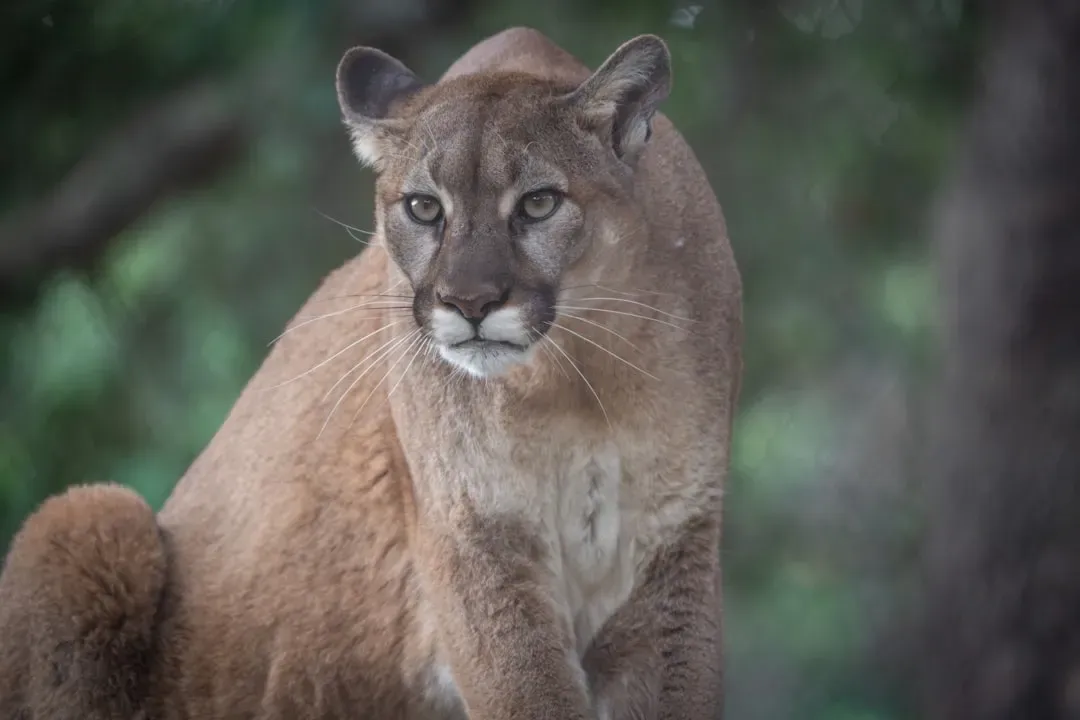
New Mexico rounds out this list with a population that, while smaller than the states above it, is unusually well documented. A state report estimated the minimum population for 2020 to 2024 to be around 3,512. That level of precision is rare in cougar research and reflects the state's investment in modern tracking technology.
Wildlife managers there have leaned heavily into data driven methods rather than relying on rough guesswork. New Mexico utilizes advanced methods such as motion-capture cameras, mathematical models, and GPS collaring to track the elusive lions, and the state also harvests specific numbers of cougars annually to control the population. The rugged terrain of the state's western half continues to provide exactly the kind of cover and prey base these cats depend on.
Final thoughts