You’ve been thinking about adding a feline friend to your life. The local shelter has plenty of adorable faces staring back at you, all vying for attention. While those tiny kittens with their playful antics are hard to resist, have you considered the quieter, wiser cats resting peacefully in the back corners? Senior cats, who are aged 7 years or older, are often overlooked by potential adopters, but they have so much love left to give to the right people.
The truth is, adopting a senior cat might be one of the most rewarding decisions you’ll ever make. These golden oldies bring something special to the table that kittens simply can’t offer yet. Let’s be real, not everyone has the energy or patience for a tiny tornado tearing through their home at three in the morning. So let’s dive into what makes senior cats such incredible companions and whether one might be the perfect match for your lifestyle.
They Come with Personality Already Built In
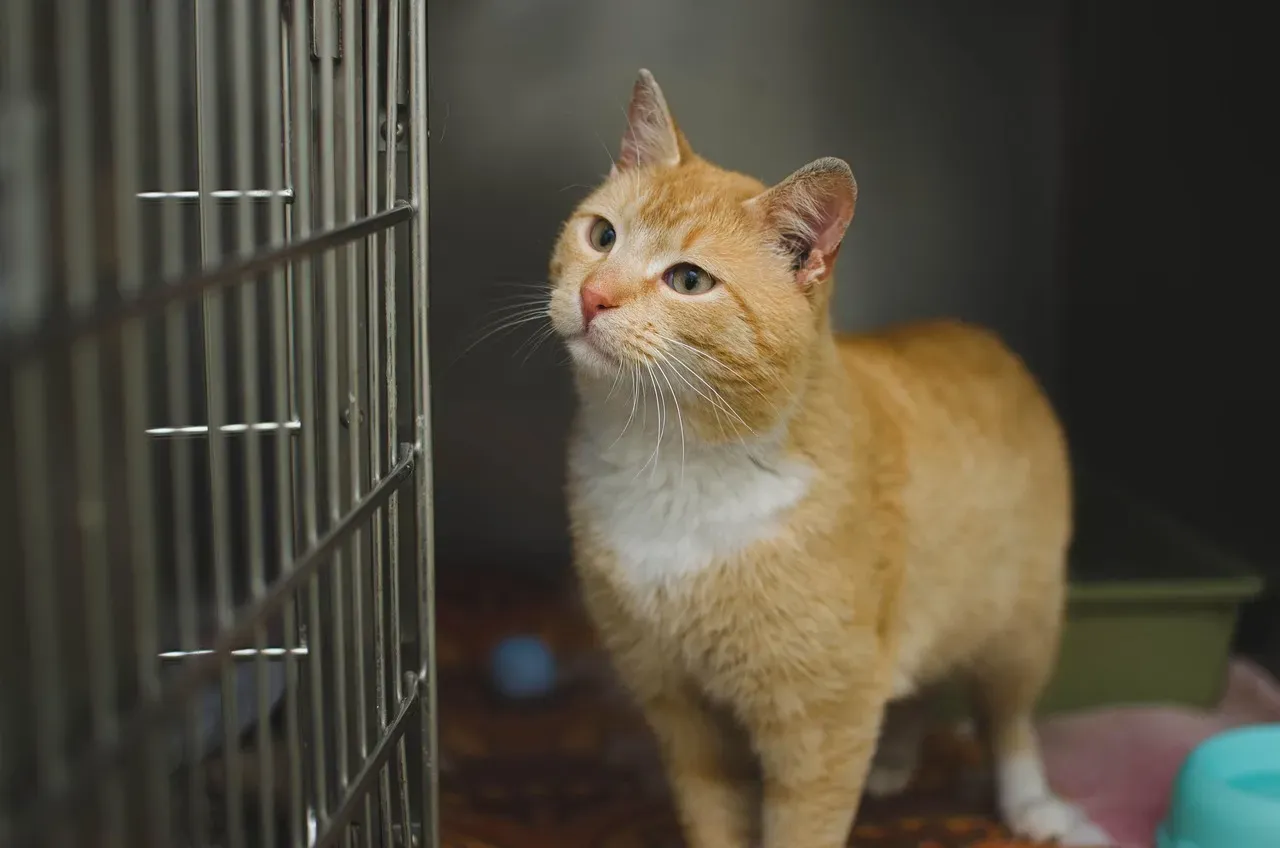
When you bring home a kitten, you’re essentially rolling the dice. Will they be cuddly or aloof? Energetic or lazy? It’s hard to say for sure. Unlike kittens, senior cats will have an established personality; a senior who is affectionate and calm at the shelter will bring that same energy home. Think of it like meeting a new friend rather than raising a child.
The shelter will be able to tell you whether a senior cat is shy or outgoing, laid-back or more energetic, vocal or quiet. Their observations tend to stick, even after the adoption papers are signed and you bring your new cat home. This transparency helps you make an informed choice that actually fits your life. You’ll know exactly what you’re getting, which honestly takes a lot of guesswork out of the equation.
The Energy Level Suits a More Relaxed Lifestyle

One of the most appealing traits of senior cats is their generally calm demeanour. As cats age, they often become less energetic and more content to lounge around. If you’re someone who enjoys peaceful evenings reading a book or watching television, a senior cat makes an ideal companion. They’re past the stage of climbing curtains and knocking everything off your counters.
They’re also usually content with a more relaxed lifestyle, making them perfect companions for remote workers, seniors, or anyone who appreciates peaceful coexistence rather than constant playtime chaos. That doesn’t mean they won’t play at all. They’ll still enjoy gentle activities and interactive toys, just at a much more manageable pace. You won’t be woken up by zoomies at dawn, which is honestly priceless.
Training Is Already Complete
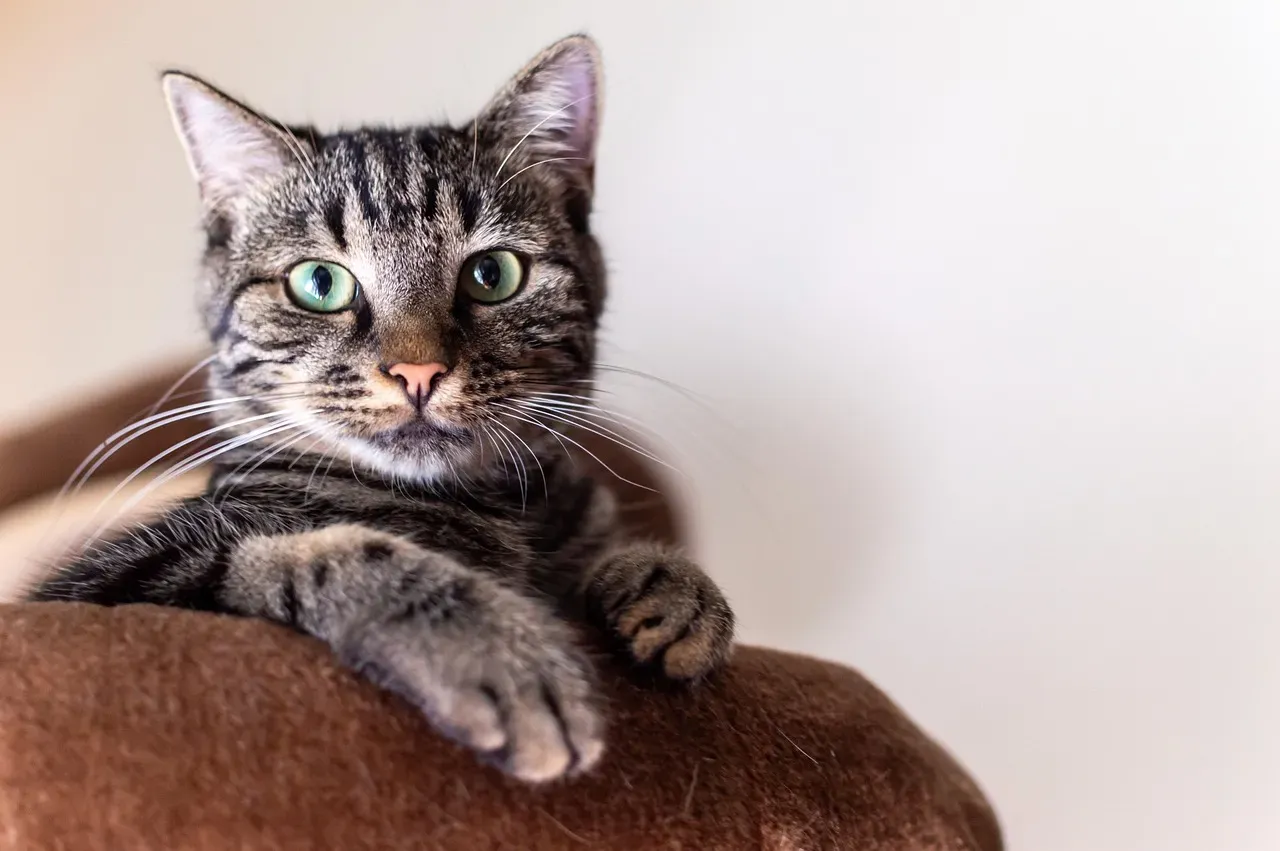
Here’s something that might surprise you: Senior cats are typically masters of litter box etiquette. No 3 AM wake-up calls for kitten potty training! They already know the drill. Most have been using litter boxes for years and understand house manners better than any kitten ever could.
They tend to be less willfully destructive. A lot less behavioral issues seen. Your furniture will thank you. While kittens are learning boundaries and testing limits, senior cats have already figured out what’s acceptable behavior. They’re not interested in shredding your favorite couch or swinging from your lamp fixtures. Been there, done that, moved on to more dignified pursuits.
Health Considerations Are Manageable

Let’s address the elephant in the room. Many people worry that adopting a senior cat means signing up for endless vet bills and heartbreak. Age alone is not a disease, but senior cats are more prone to developing (or already having) health issues. Common concerns include arthritis, dental problems, and kidney disease.
However, these conditions are often manageable with proper care. Senior cats are more prone to certain health issues, making regular veterinary check-ups essential. Common concerns include arthritis, dental problems, and kidney disease. Routine vet visits will help monitor these conditions and ensure that any issues are managed effectively. Many shelters will provide you with complete medical histories and some even offer programs that help cover ongoing care costs. It’s worth having that conversation before you adopt.
The Bond Forms Quickly and Deeply
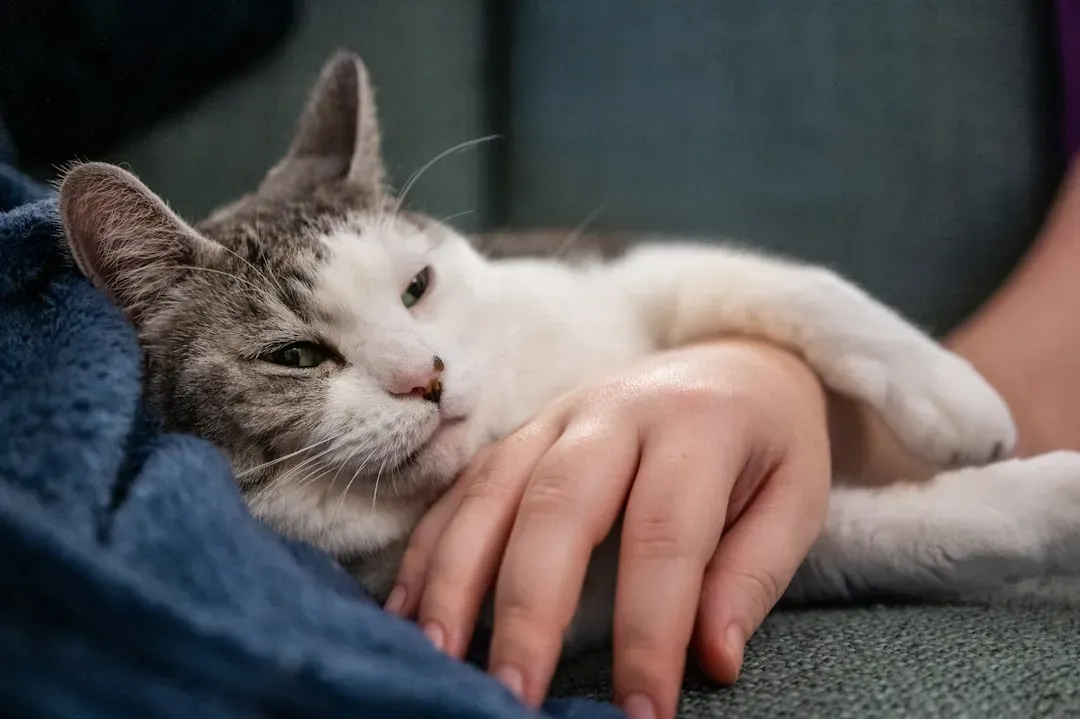
There’s something magical about the connection you form with a senior cat. Studies show that adult cats that have been adopted will express a lot more gratitude and love than kittens that might take your home and care for granted. Elderly cats are usually more responsible and will never forget your kindness. They seem to understand they’ve been given a second chance.
Usually, a bond forms instantaneously when adopting a senior cat since they are already socialized and have plenty of experiences with humans. They’ve lived through enough to appreciate stability and comfort when they find it. That appreciation translates into loyalty and affection that’s truly heartwarming. You’ll notice it in the way they look at you, the gentle purrs, and how they choose to spend their time right by your side.
They’re Perfect Companions for Mature Households
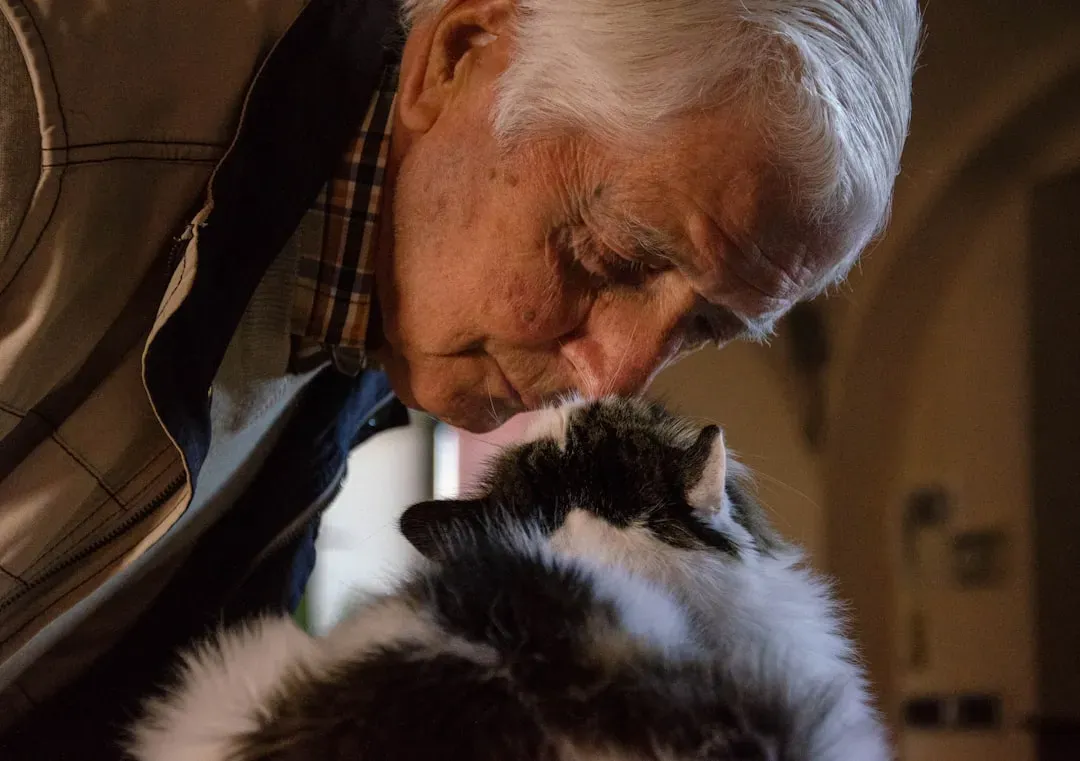
Senior cats are perfect for senior citizens. Since they are calmer and have less energy than a kitten, older cats would pair perfectly with an elderly person who has limited mobility. The pace matches beautifully. There’s no need to keep up with a hyperactive youngster when you both prefer slower, gentler days.
Older cats usually tolerate petting better, are less likely to nip or scratch and are larger – and therefore hardier and sturdier – than kittens. Kittens are also teething, meaning that they’re more likely to nip small hands. If your household includes children under the age of five, an older cat may be a better fit for your family. They’ve mastered patience over the years and generally handle household activity with grace.
Lower Costs and Simpler Adoption Process

Because senior cats can go unadopted for extended lengths of time, shelters and rescues sometimes reduce the adoption fees of older cats. They may even allow you to adopt them for free to help them find their forever homes. Financially, it makes sense. You’re getting a fully grown, trained, and often already spayed or neutered cat without the initial expenses that come with kittens.
Because older cats tend not to be adopted as quickly as kittens, many shelters sweeten the deal by waiving adoption fees for cats more than a year old. In addition, these cats have already been spayed, so you’re saving there, too. The money you save on adoption and initial medical procedures can be put toward quality food, comfortable bedding, or those inevitable vet visits down the road.
Adjustments to Your Home Are Straightforward

Creating a comfortable living environment is crucial for senior cats. Provide soft, supportive bedding to help alleviate joint discomfort. Accessibility is also key; ensure that food and water dishes are easy for the cat to reach and consider using a low-entry litter box. These modifications aren’t complicated or expensive. Simple changes make a world of difference.
A litter tray with lower sides that is easier to get in and out of is ideal. You might also consider placing litter boxes on multiple floors if you have a multi-level home. Think about adding ramps or steps to help them reach favorite resting spots. It’s about making their environment comfortable and stress-free, which isn’t asking much when you consider what they give in return.
They Still Have Plenty of Life Left to Live

Today, it’s not unusual for veterinarians to have feline patients in their twenties. Thanks to improved nutrition, living indoors, and advances in veterinary medicine, cats live longer and are now considered older at 12 to 14 years. A seven-year-old cat might have another decade or more of quality life ahead. That’s a substantial amount of time to share together.
It’s hard to predict if a senior cat will have two or 10 years left when adopting them, so ensure you’re ready to make the most of your time together. The time you do have becomes more precious and meaningful. Every moment counts, and you’ll likely find yourself cherishing the quiet companionship in ways you never expected.
Understanding the Commitment Before You Decide
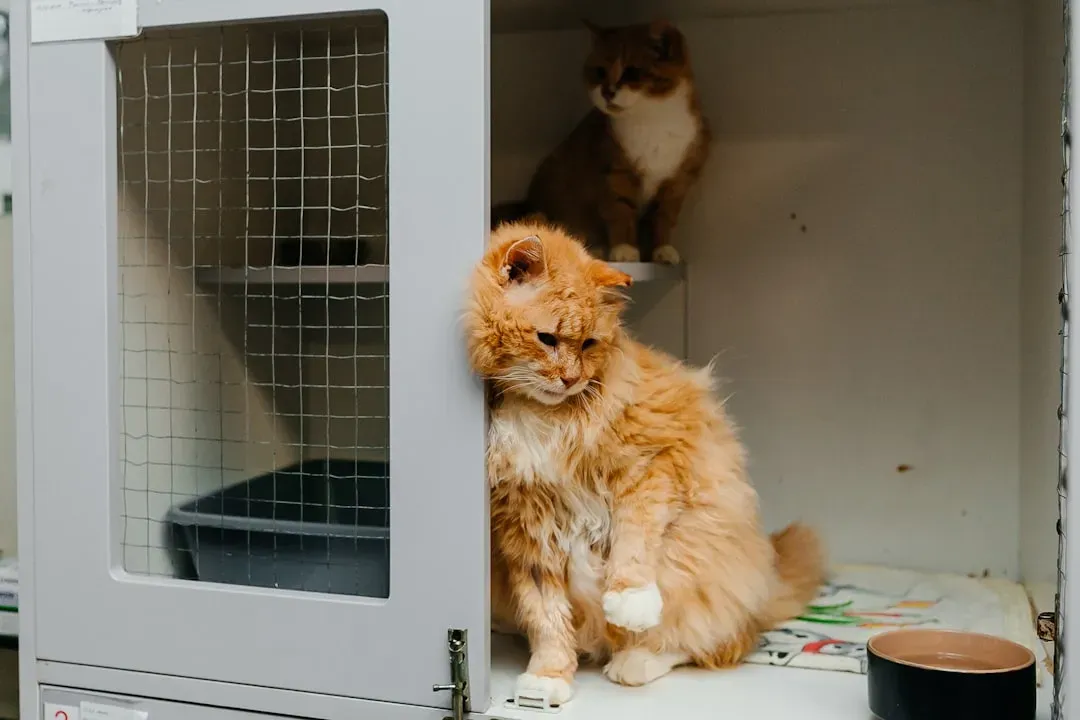
Before you head to the shelter, think honestly about what you can offer. Senior cats often have well-established personalities and may already have existing health issues. So, spend time with them at the shelter and be sure to ask questions to make sure this kitty will be a good fit for your home. Don’t rush the decision. Take time to interact with different cats and see whose personality clicks with yours.
Senior cats are less adaptable than kittens to major changes in social structure. For example, a senior cat who doesn’t get along well with dogs is unlikely to ever be comfortable in a home with one. Be realistic about your household dynamics. If you have multiple pets or young children, make sure the senior cat you’re considering can handle that environment. Not every senior cat will be the right fit, and that’s perfectly okay.
Conclusion
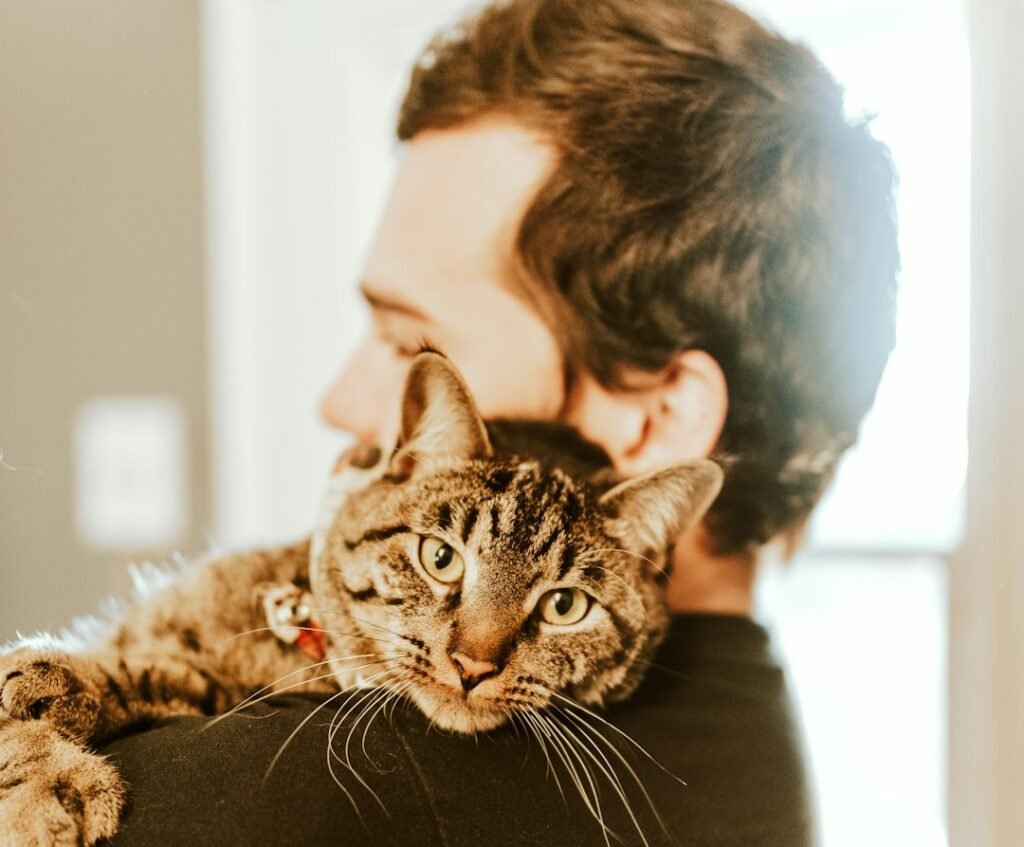
Adopting a senior cat isn’t just about giving an older animal a home. It’s about welcoming a companion who already knows who they are and what they want from life. Adopting a senior cat offers a range of rewards and unique benefits. Older cats provide calm companionship, established personalities, and reduced maintenance needs. They’re grateful, loving, and ready to settle into a comfortable routine with you.
These golden oldies deserve a chance at happiness just as much as any kitten. The bond you’ll form, the peaceful moments you’ll share, and the unconditional love they’ll offer make every consideration worthwhile. So before you automatically reach for the smallest, fluffiest kitten at the shelter, take a moment to meet some of the senior cats waiting patiently for their forever homes. You might just find that your perfect match has been waiting there all along. What do you think about welcoming a senior cat into your life?