Why Canada Lynx Can Move Across Deep Snow That Makes Hunting Difficult for Many Other Predators
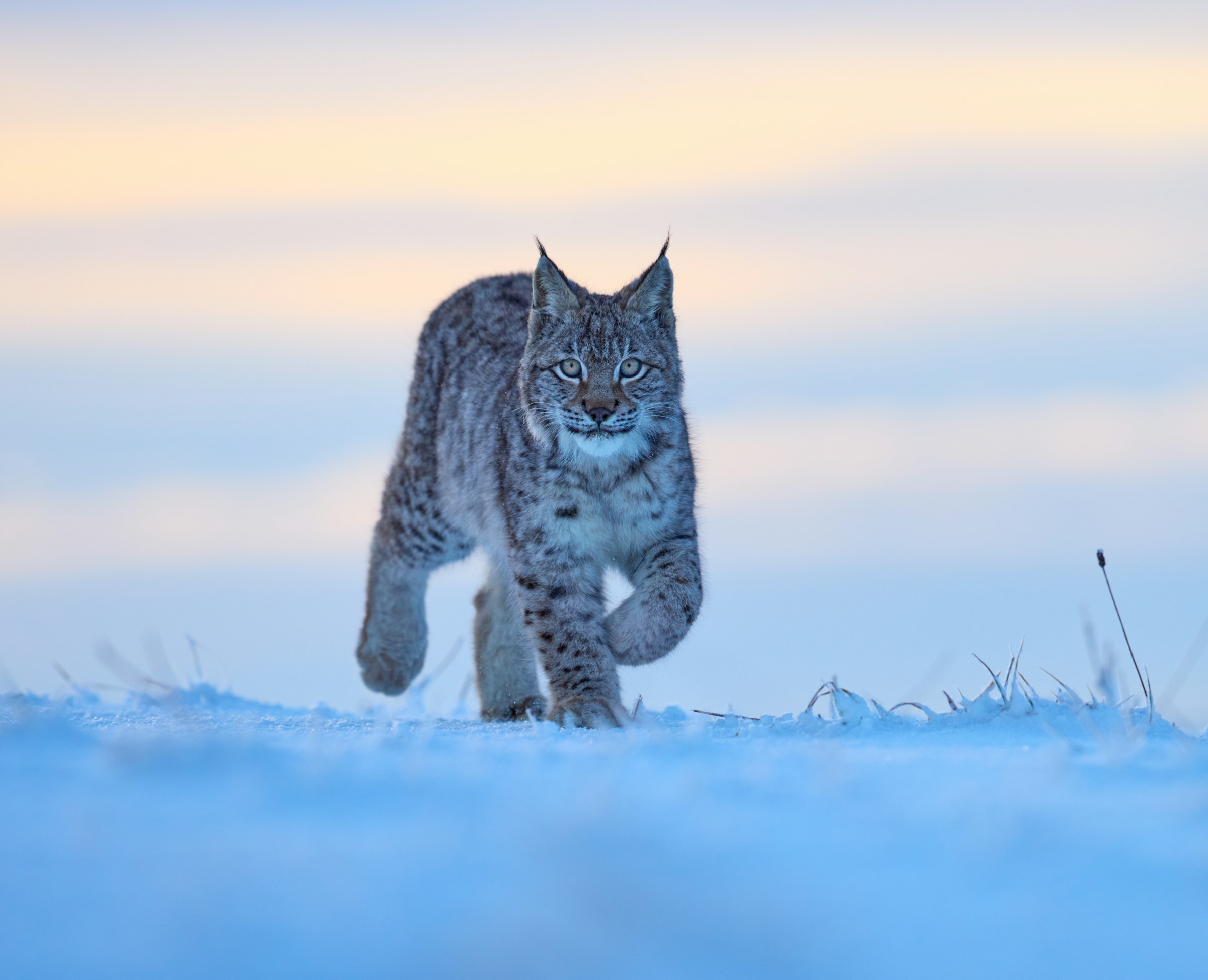
#1 The Snowshoe Paw That Started It All
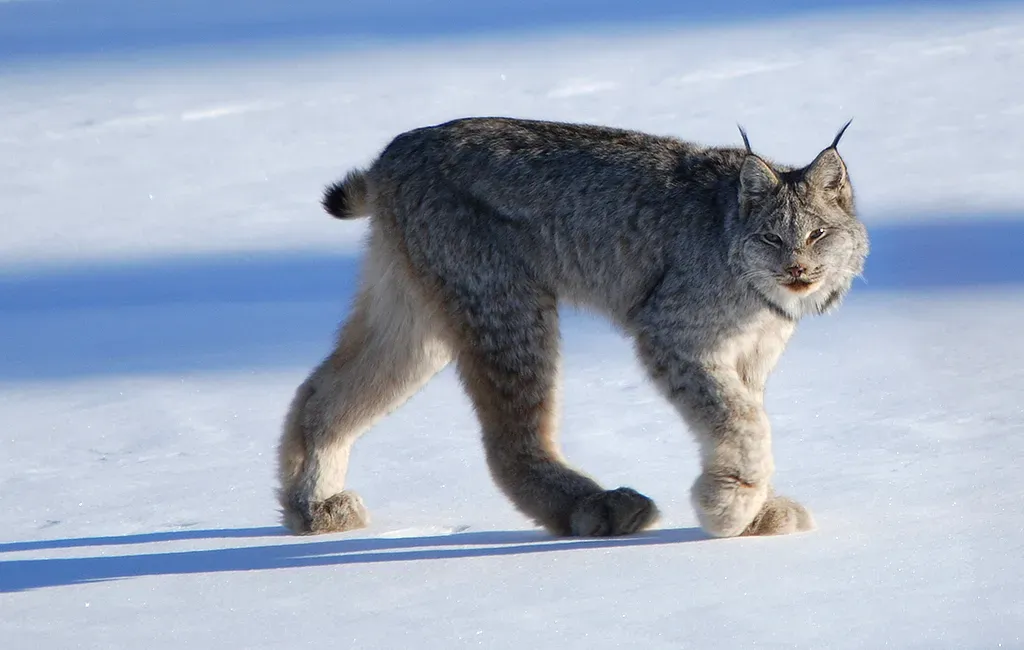
The most obvious reason Canada lynx thrive where other predators struggle comes down to their feet. Large, broad paws with dense fur between toes reduce foot loading on soft snow, a key winter adaptation that marks a major difference from the bobcat. That difference isn't subtle either; the paws look almost cartoonishly oversized compared to the rest of the animal's body.
It's universally recognized that this is an adaptation to walk and run on snow more effectively, essentially the animal equivalent of snowshoes that distribute body weight over a larger area. The comparison to human snowshoes isn't just a cute analogy either. It's a fairly precise description of the physics involved, since spreading weight over a wider surface reduces the pressure exerted per square inch, which is exactly what keeps a lynx riding on top of powder rather than plunging through it.
#2 Fur Padding That Adds Extra Float
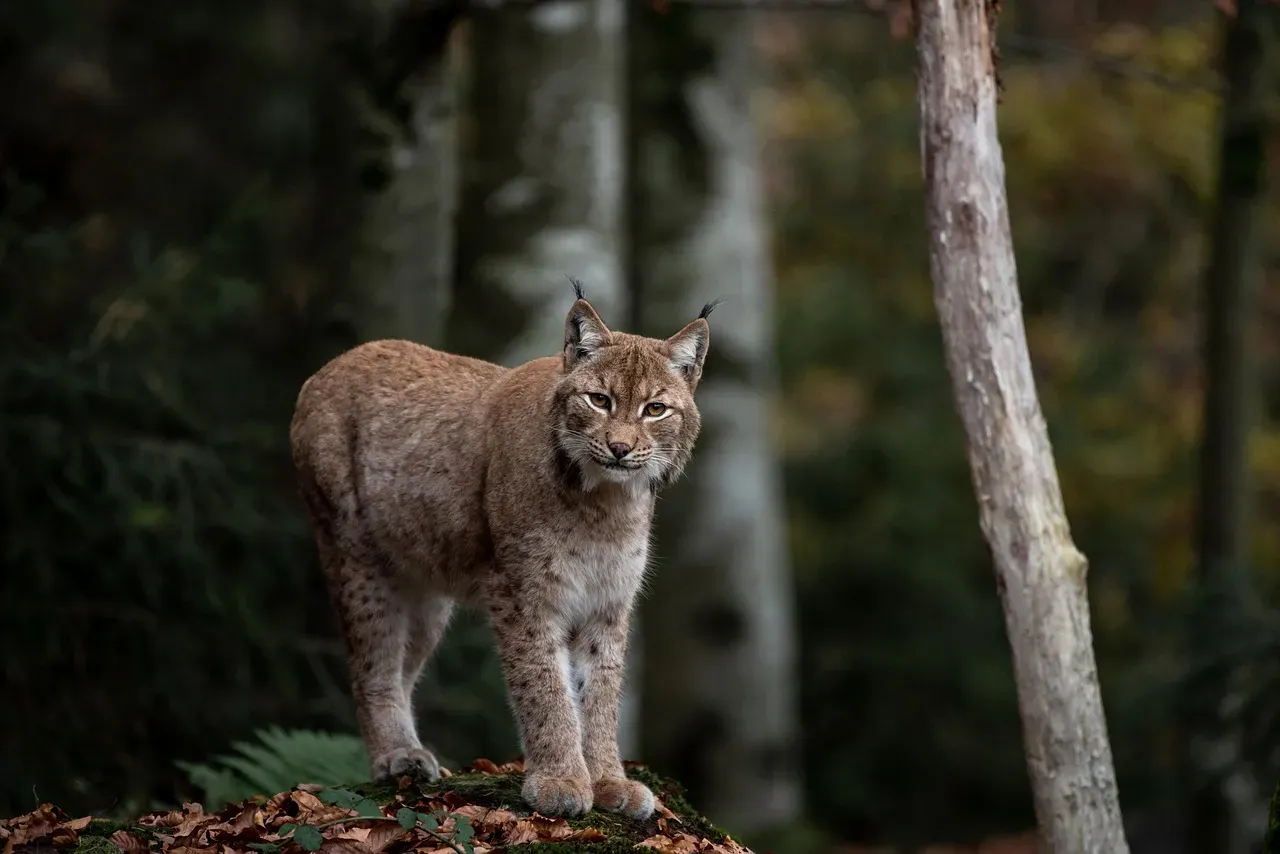
It's not just the size of the paw that matters. The fur growing between and around the toes plays a quiet but important role too. Canada lynxes have large paws with fur-padded undersides, perfect for navigating deep snow without sinking in, and relative to their overall track size, lynx leave small toe and plantar pad imprints surrounded by visible fur impressions.
That fur essentially acts as a built-in gasket, filling gaps between the toes and increasing the effective surface area touching the snow. Trackers in the field actually use this feature to identify lynx prints. Lynx tracks are significantly wider and may appear blurred at the edges due to thick foot fur. It's a small detail, but it tells you a lot about how thoroughly evolution has engineered this animal for a very specific kind of terrain.
#3 Long Legs That Add Clearance and Stride
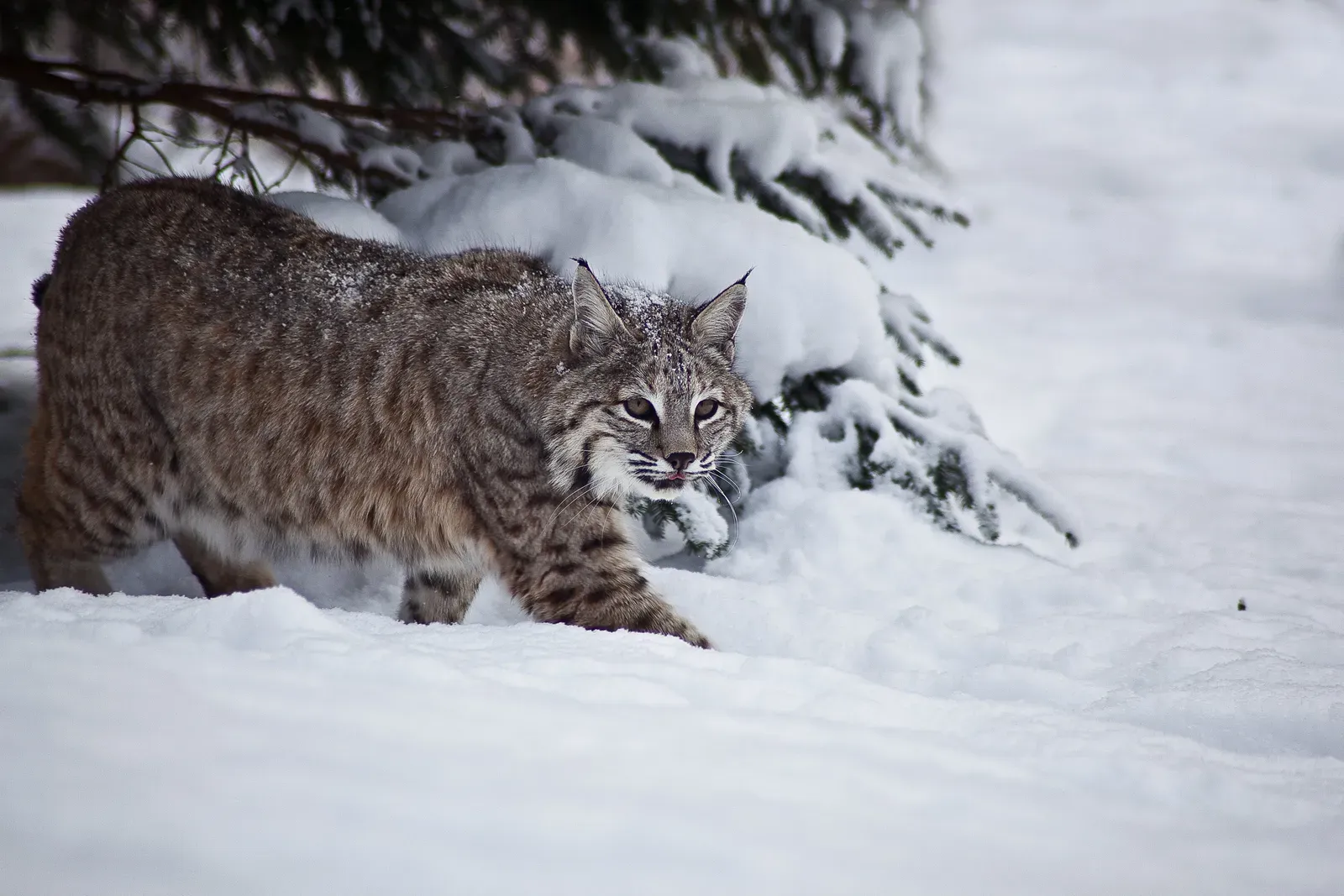
Paws alone don't tell the whole story. Lynx also carry unusually long legs relative to their body size, and that changes how they move through snow entirely. Long legs, especially the hind legs, improve stride and clearance in snow, supporting efficient travel and pounce mechanics.
Think of it like wading through a flooded street. Someone with longer legs simply keeps more of their body above the waterline while someone shorter gets soaked faster. Lynx have notably larger paws compared to bobcats, appearing more substantial due to their longer legs and specialized foot structure, and these oversized paws function like natural snowshoes, distributing the lynx's weight across deep snow, a critical adaptation for their northern habitat. That combination of long legs and wide paws working together is really what separates a confident, efficient hunter from an animal that's constantly fighting its own environment.
#4 A Direct Comparison With the Bobcat Shows the Gap
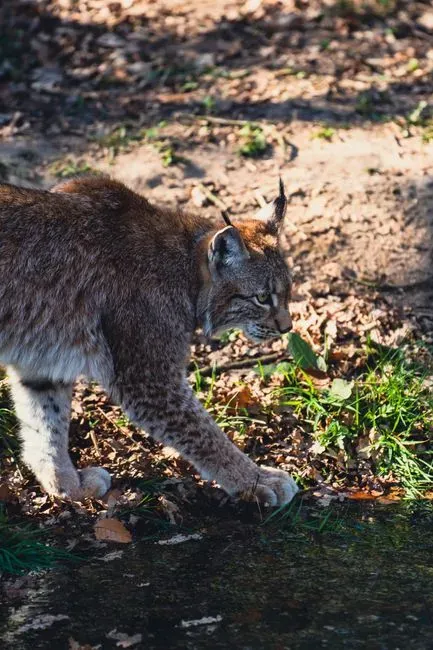
Nothing illustrates the lynx's snow advantage better than comparing it directly to its closest relative, the bobcat. The two animals look similar at a glance, but their winter capabilities are worlds apart. The bobcat may be limited at its northern range edge by its high foot loading in deep snow; it has smaller paws than lynx and therefore lacks the lynx's ability to move and forage well in deep, soft snow.
This isn't just an academic observation either, it has shaped where each species can actually live. It has been suggested that snow conditions historically limited bobcat invasion into areas occupied by lynx, and a reduction in both the duration and depth of snow cover due to climate change may be contributing to the bobcat range expansion. In other words, the lynx's snow-walking ability hasn't just helped it hunt, it has essentially drawn an invisible boundary line across the continent that kept a competitor out for thousands of years.
Biscuit
Biscuit is looking at you hopefully.
#5 The Hare Connection That Makes It All Matter
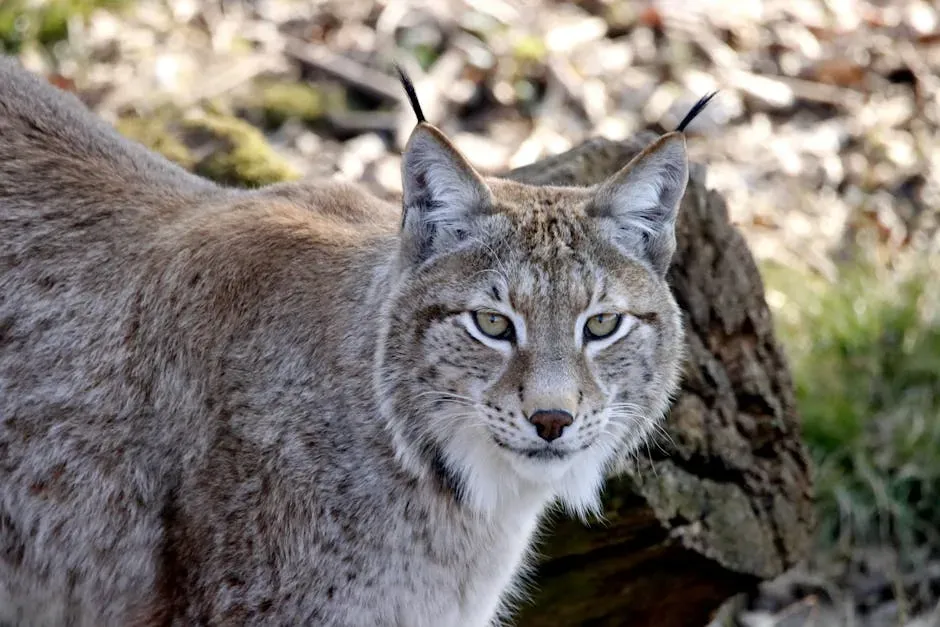
None of these physical traits would matter much if lynx didn't have a reason to chase prey through deep snow in the first place. That reason has a name: the snowshoe hare. Lynx rely on snowshoe hare as their main source of prey, with the single species comprising up to 96 percent of their diet.
The hare itself is no slouch in snow either, which makes the chase genuinely dramatic rather than one-sided. With its large "snowshoe" hind feet, a hare can bound 12 feet in a single leap, even in deep snow. But the lynx isn't left behind in that arms race. Lynx have a competitive edge: wide, padded paws akin to snowshoes that help keep the lynx afloat in deep snow, and where a snowshoe hare might be able to outrun a coyote, leaping lightly across the snow to safety, escape from a lynx is less certain. It's a genuine evolutionary arms race, one where both predator and prey have spent generations refining the exact same problem from opposite sides.
#6 A Competitive Edge That Depends Entirely on Snow Itself
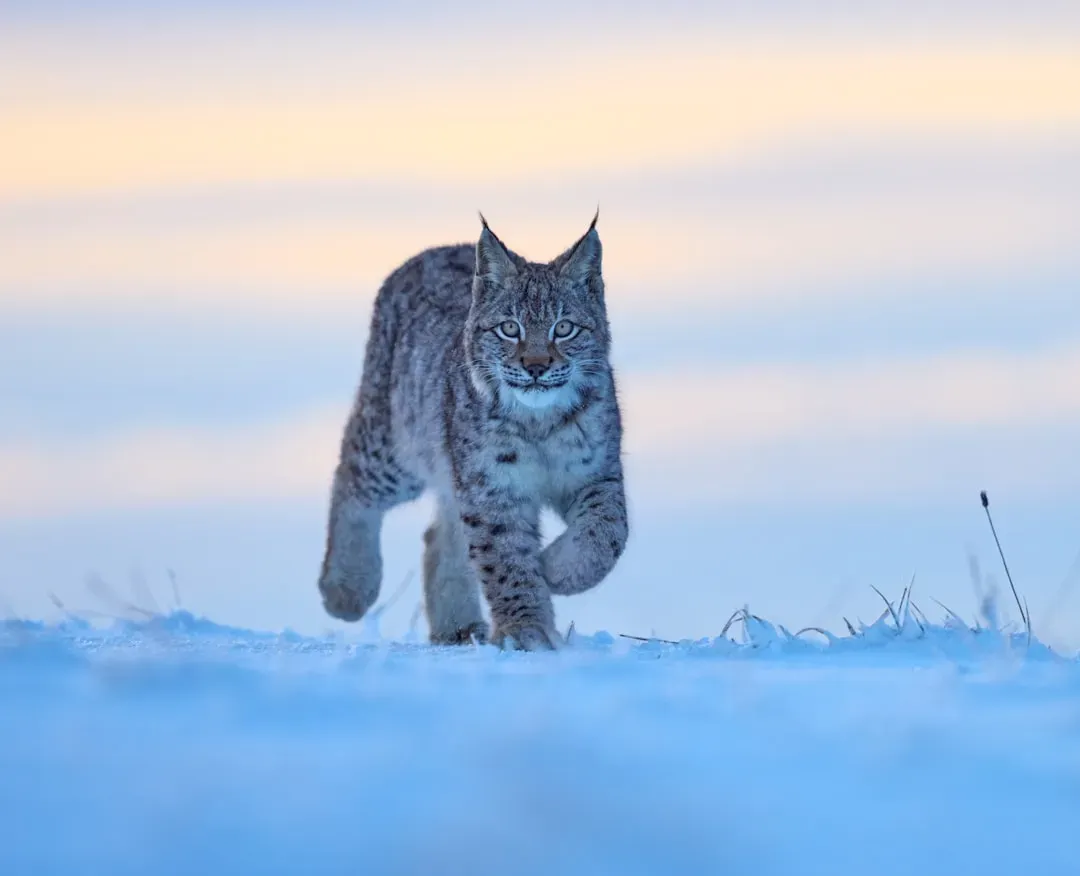
Here's the part that makes this whole story feel less like a settled fact and more like a fragile arrangement. The lynx's advantage isn't permanent or guaranteed, it exists only as long as the snow does. In the forest, lynx have a clear hunting advantage in deep snow that can bog down coyotes, but in shallower snow they lose their edge, according to a Nature Climate Change study published in September 2020.
Researchers tracking this dynamic found something striking about how thin the margin really is. Hares face a significantly higher risk from predators, particularly coyotes, in shallower snow, and lead researcher Michael Peers noted it was "really clear" that coyotes don't hunt hares effectively when the snow gets deep. That single variable, snow depth, appears to be the hinge on which an entire predator hierarchy swings. Climate change has led to warmer winters across Canada lynx and snowshoe hare habitat, often meaning less snow and faster melting, and with less consistent snow cover, lynx lose their competitive winter advantage and face greater competition from coyotes and bobcats.
Final Thoughts
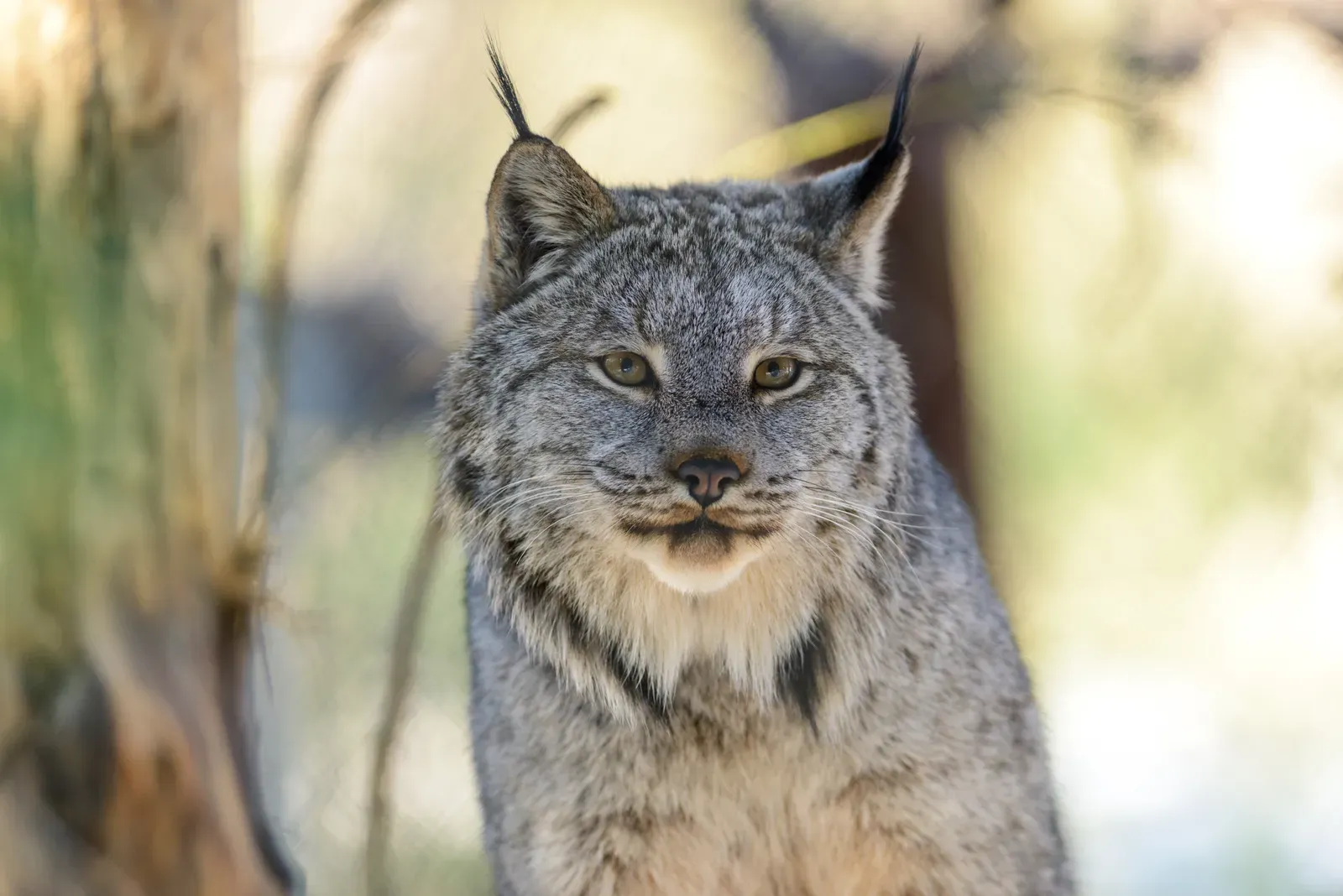
There's something almost humbling about an animal whose entire survival strategy hinges on a single environmental condition holding steady. The lynx didn't just adapt to snow, it built its whole existence around it, from its oversized feet down to its near-total dependence on a prey species that shares the same specialization. That's an elegant solution to a hard problem, but it's also a narrow one.
My honest take is that the lynx's snowshoe paws deserve to be remembered as one of the more genuinely impressive adaptations in North American wildlife, right up there with anything a textbook typically highlights. Still, it's hard not to feel a little uneasy knowing that the very trait making this animal so remarkable is also the trait most exposed to a warming climate. Whether that advantage holds for another century probably says more about us than it does about the lynx.
- Animal Science Says Small Wild Cats Can Possess Hunting Adaptations Every Bit as Specialized as Those of Lions and Tigers
- Why Ocelots Can Live in Dense Cover So Close to Human Activity and Still Remain Almost Impossible to See
- Wild Cat Research Says Familiar Human Voices Can Be Recognized Even by Feline Species That Were Never Domesticated
- 6 Big Cat Species on the Brink — and What’s Being Done