Why Ocelots Can Live in Dense Cover So Close to Human Activity and Still Remain Almost Impossible to See
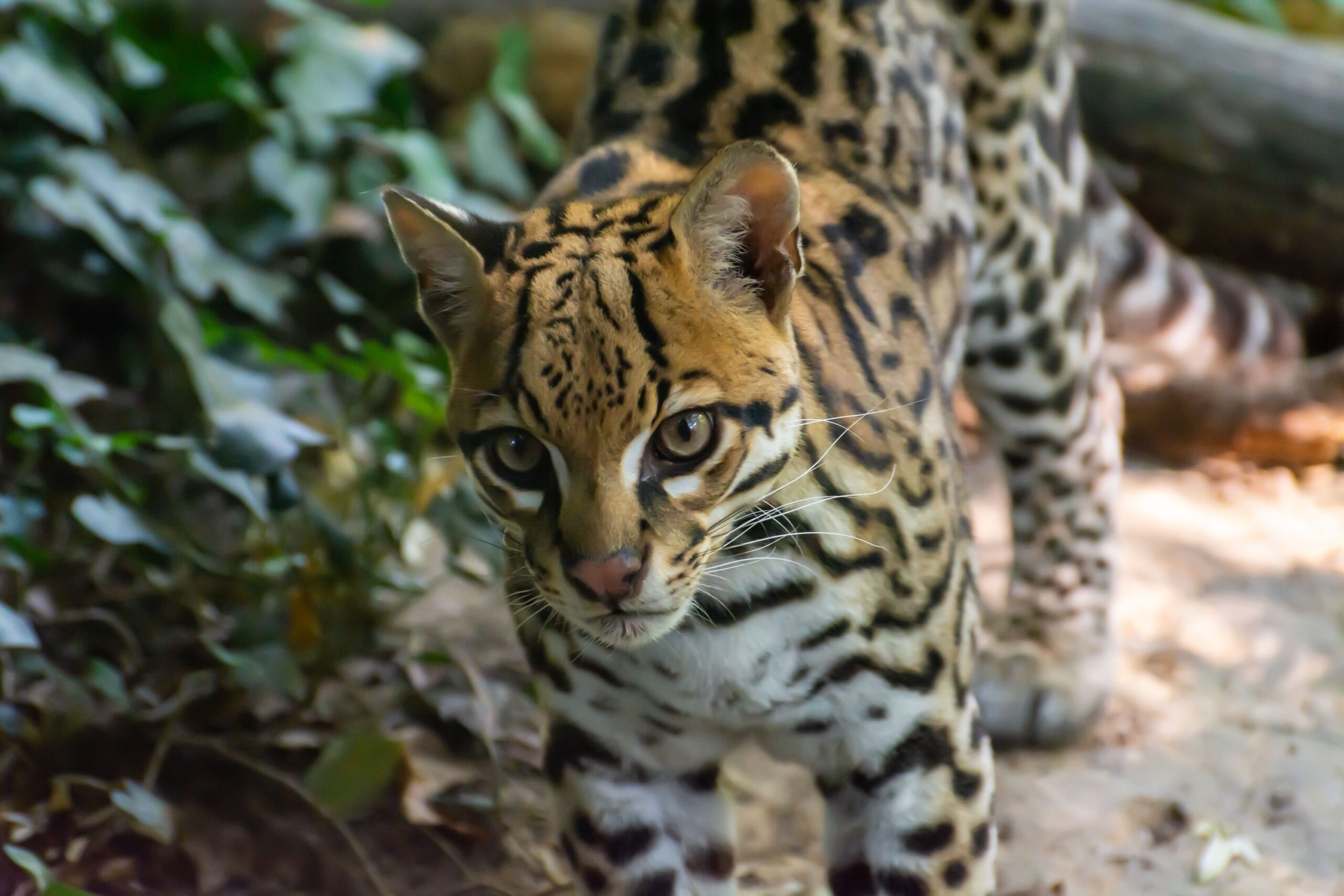
#1 A coat built for disappearing, not just decoration
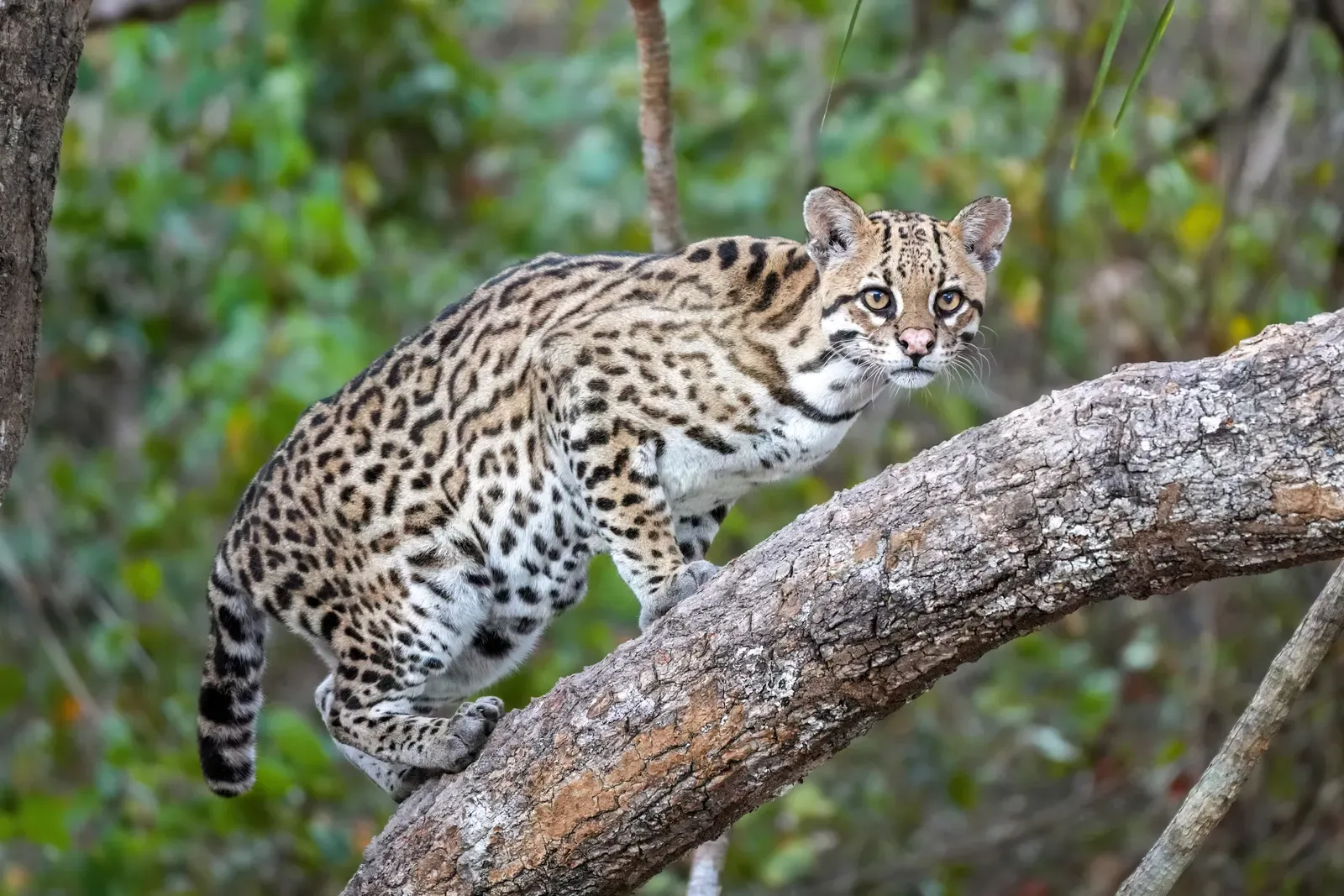
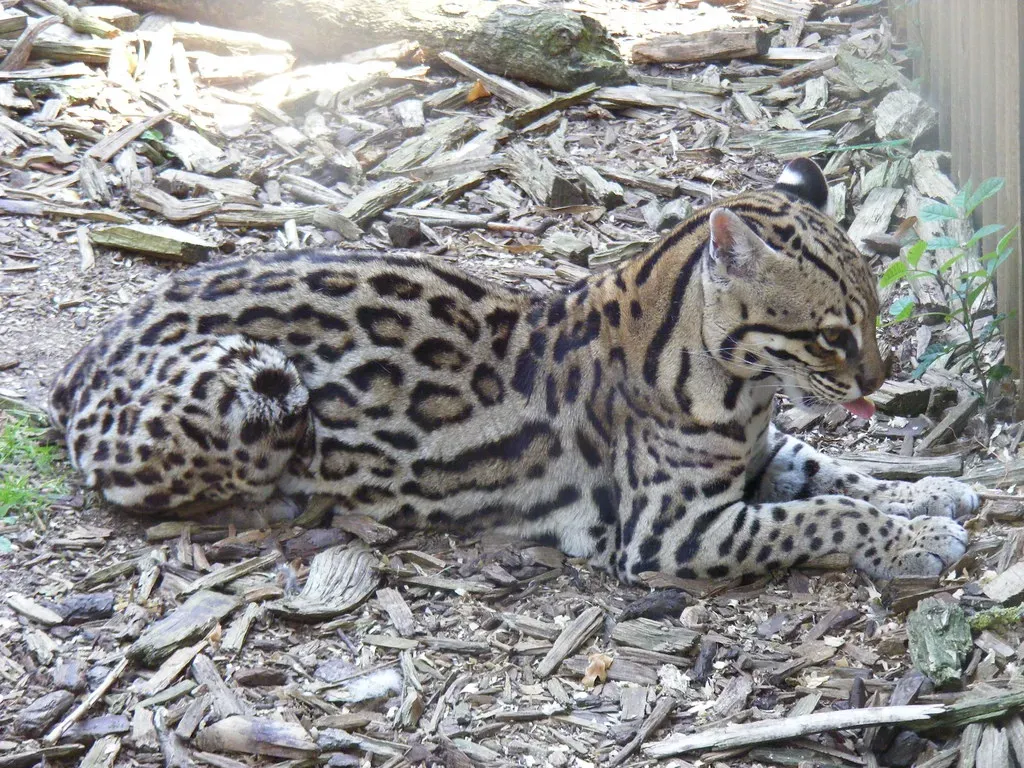
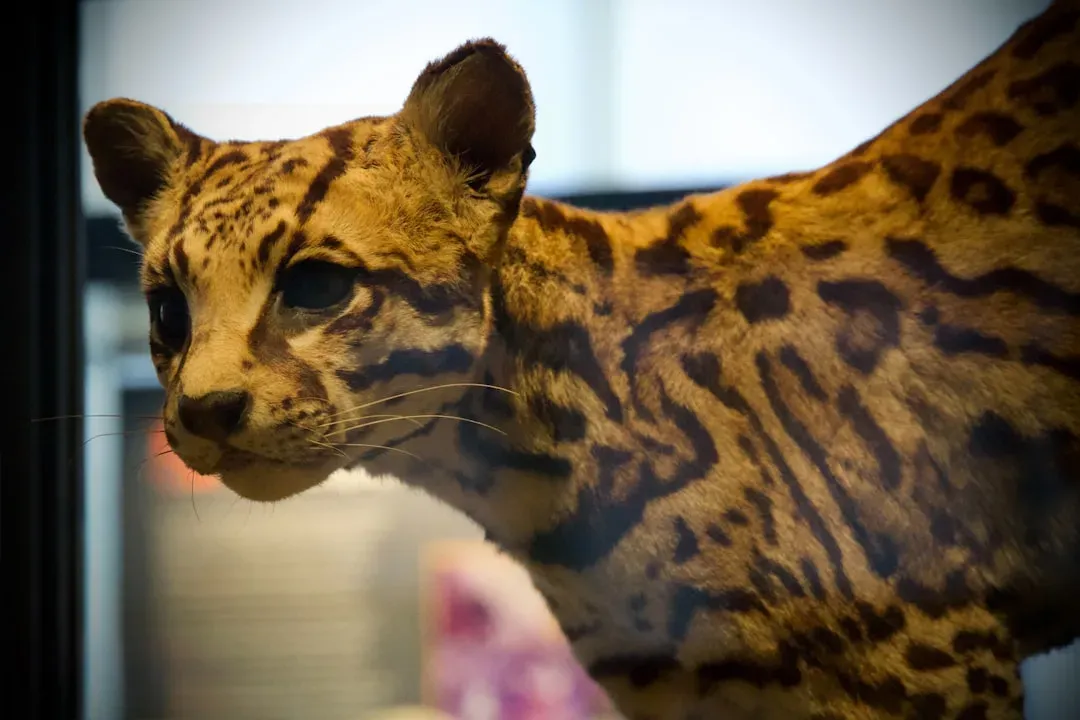
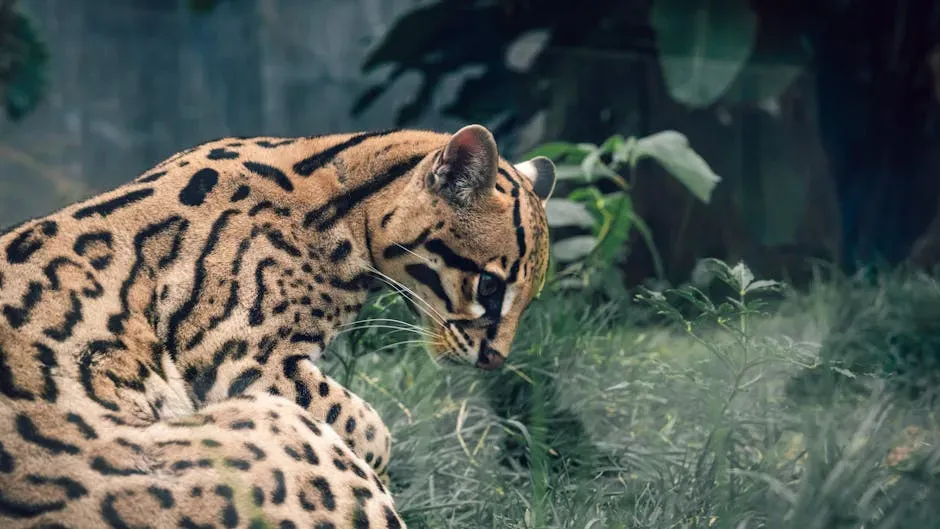
The ocelot's spotted and rosette-patterned coat isn't there to look striking, even though it does. Ocelots possess a tawny or cream-colored coat covered with dark spots and rosettes that aid camouflage. Against dappled light filtering through leaves, or against the mottled bark of a branch, that pattern breaks up the outline of the animal's body in a way that plain fur simply couldn't manage.
What makes the coat especially effective is its context-dependence. Ocelots have a spotted coat that allows them to blend in with their surroundings, particularly with the branches on which they are commonly found, making them hard to find in dense foliage, particularly when still. Add to that a compact frame, since they can reach a maximum height of only 40-50cm, their small stature also lends to this, and you get an animal that essentially becomes a shadow the moment it stops moving.
#2 Choosing habitat that people find inconvenient
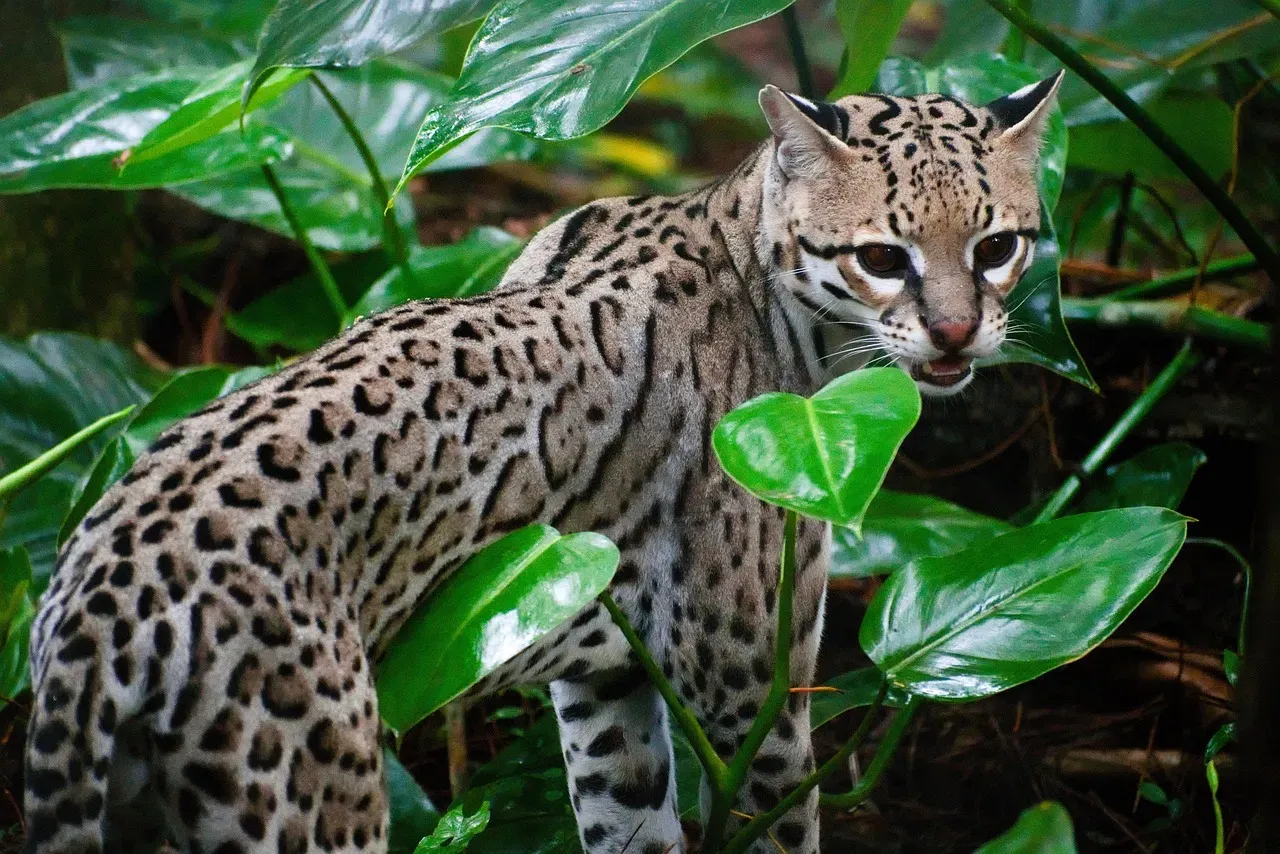
One of the more interesting patterns in ocelot ecology is that these cats don't merely tolerate thick vegetation, they actively seek it out and seem to need it. These cats are highly adaptable but share one non-negotiable requirement: dense, well-structured vegetative cover. That single requirement does a lot of explanatory work, because dense brush is exactly the kind of terrain most people avoid.
In South Texas, this preference has been documented over decades of fieldwork. The remaining ocelots in Texas occupy Laguna Atascosa National Wildlife Refuge and some surrounding private properties in what is known as dense thorn scrub habitat, which is inhospitable to people and many other animals but is one that provides suitable shelter for these remaining cats. In effect, the ocelot's favorite real estate is often the last place a human being wants to walk through, which turns out to be a convenient overlap for a species trying to stay hidden.
#3 A nighttime schedule that avoids people almost entirely
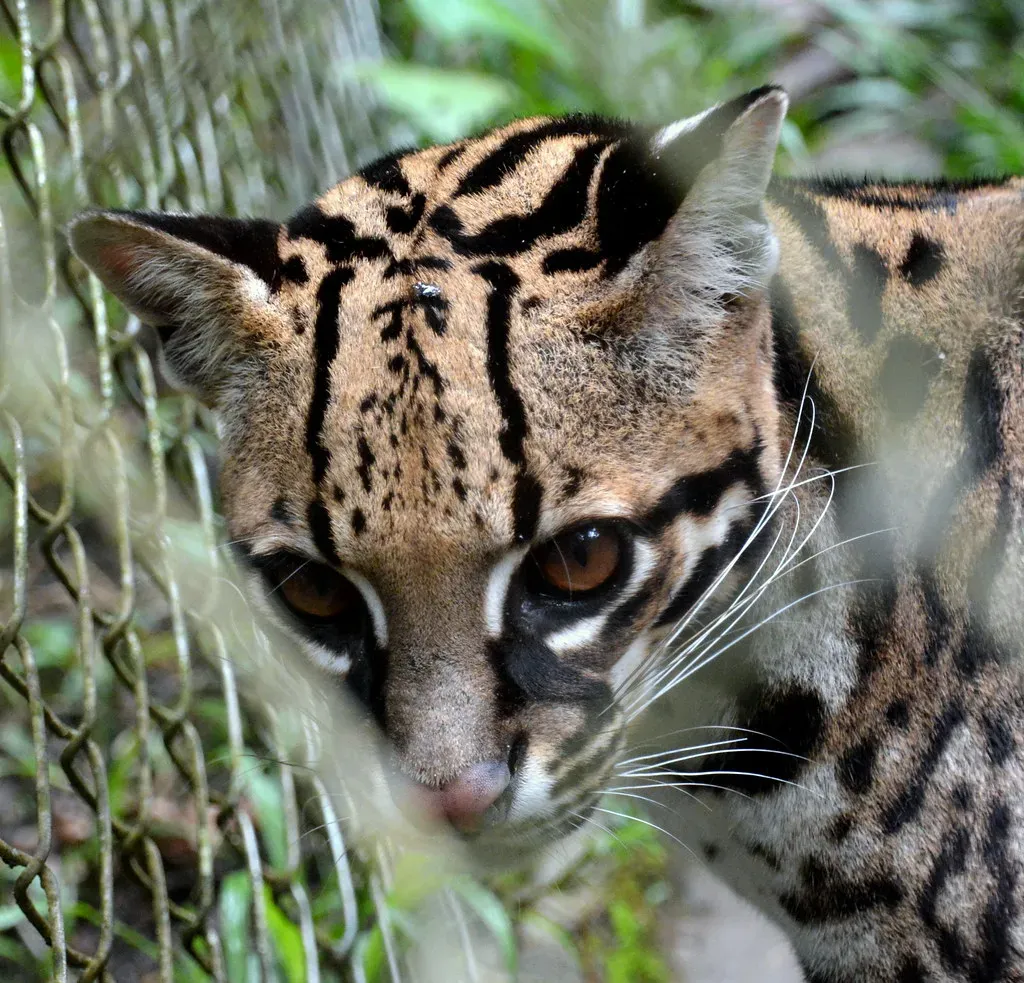
Timing matters as much as terrain. Ocelots are overwhelmingly active after dark, which puts them on a completely different clock than most human activity. Ocelots are opportunistic, nocturnal carnivores that hunt almost exclusively at night, relying on stealth and camouflage to capture a wide variety of small prey.
This isn't just a preference, it appears to be a strategy. Researchers studying ocelots in Texas found that ocelots showed a strong nocturnal activity pattern with the highest movement rates at night whereas bobcats showed a crepuscular activity pattern, suggesting the two species divide up the clock to avoid competing directly. Broader reviews of the species go further, proposing that the ocelot's nocturnal behaviour is an avoidance mechanism, allowing it to coexist with the cathemeral puma, and diurnal human activity.
#4 Adjusting behavior specifically around people
It's one thing to be naturally nocturnal. It's another to actively shift behavior in response to human pressure, and there's evidence ocelots do exactly that. A multi-year study in the Atlantic Forest of Brazil found that the ocelot and the southern tiger cat became more nocturnal in sites with higher human access, suggesting that they may be temporally avoiding encounters with humans or dogs.
That kind of flexibility suggests the ocelot isn't just passively benefiting from being nocturnal by nature. It's fine-tuning its schedule as a direct response to risk. The same study also found that the probability of habitat use of the small- and medium-size felids was negatively associated to the intensity of landscape use by humans, meaning ocelots quietly filter out the riskiest areas rather than confronting them.
Biscuit
Biscuit is looking at you hopefully.
#5 Long-term site selection that dodges roads and traffic
Beyond nightly behavior, ocelots make longer-term decisions about where to settle down, and those decisions consistently favor distance from human infrastructure. A 35-year dataset from South Texas found that at the second order, ocelots exhibited strong and consistent trends to use and select for areas of high woody cover and farther from high-traffic roads across time.
This wasn't a short-term fluke either. The same research spanned decades of landscape change, tracking multiscale habitat use and selection by an endangered carnivore, the ocelot, in South Texas, using a time series of remotely sensed imagery to map changes in availability of woody cover, habitat critical to ocelots that has diminished due to anthropogenic development and increased road infrastructure. Even as the surrounding landscape changed around them, the underlying preference for dense cover and distance from roads held steady, which is a strong signal that this isn't incidental behavior but a core survival rule.
#6 Senses tuned for darkness, not for being seen
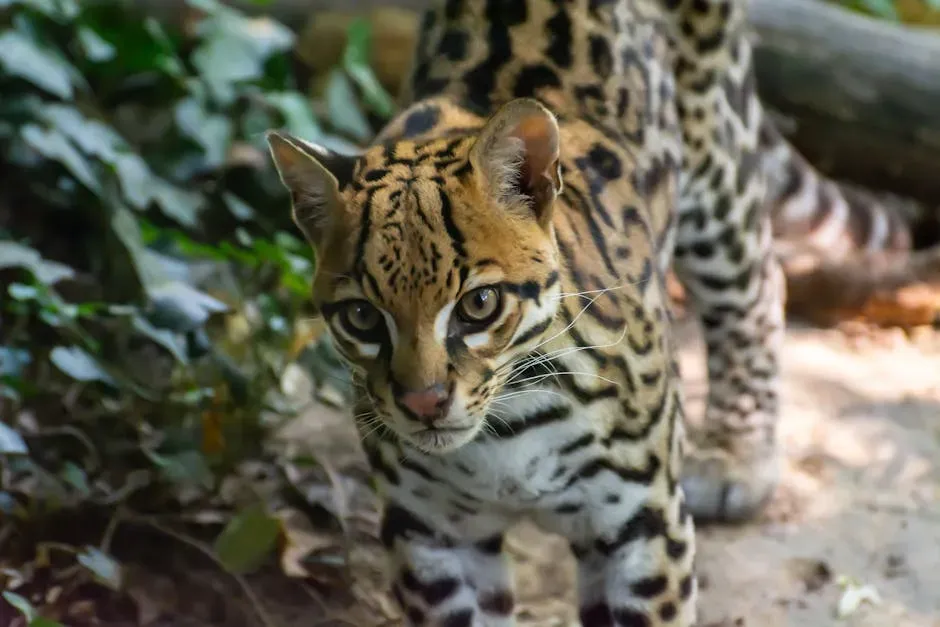
Staying hidden is only half the equation. Ocelots also need to hunt effectively in conditions where most animals, including people, would be functionally blind. Since they hunt in the dark, ocelots rely on sharp night vision, acute hearing, and sensitive whiskers to locate prey in complete darkness.
This sensory toolkit lets them move through cover with confidence rather than clumsiness, which matters because a cat crashing through brush would be far easier to spot or hear. Their reflective eye layer, described in wildlife accounts as giving them excellent night vision thanks to a layer that reflects light, means they can track prey and navigate obstacles using a fraction of the light a human eye would need. The result is an animal that moves with quiet precision through terrain that would trip up almost anything else.
#7 Solitary habits that minimize the odds of detection
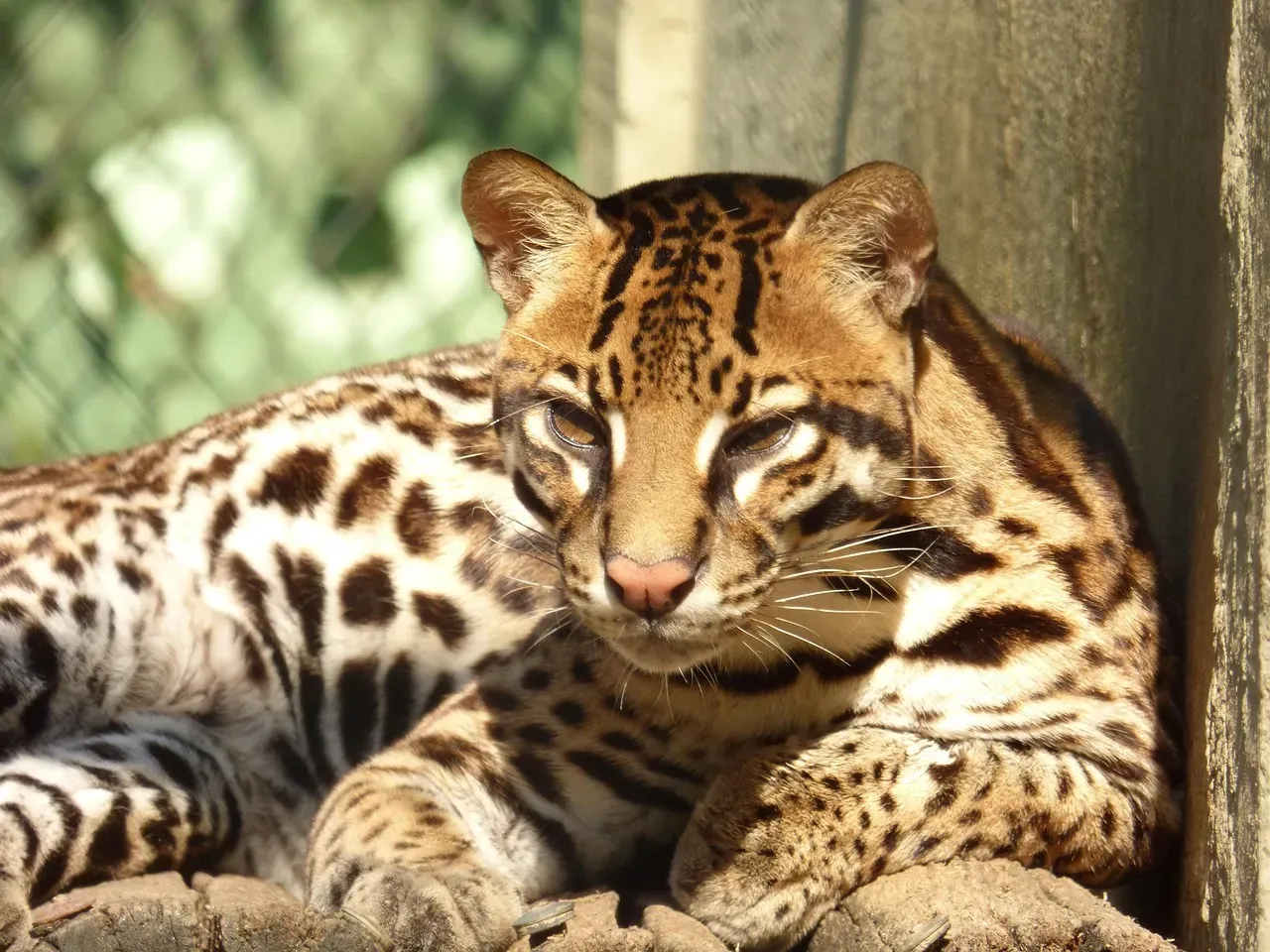
Unlike social predators that move and hunt in groups, ocelots operate almost entirely alone, and that solitary lifestyle compounds every other advantage already at play. As solitary animals, they require large territories to hunt and breed, often marking their territory with scent markings. A single, quiet, well-camouflaged animal covering a large territory alone is inherently harder to encounter than a group would be.
Their territories are genuinely large relative to their size, which spreads out any given individual's presence even further. A female may maintain a territory of up to 9 square miles, while a male's larger range, sometimes reaching 35 square miles, often overlaps with those of several females. Combine that spatial spread with nocturnal habits and a coat built for disappearing, and you get an animal whose odds of being seen by any given person, even one living right at the edge of its territory, drop dramatically.
The Takeaway
- Animal Science Says Small Wild Cats Can Possess Hunting Adaptations Every Bit as Specialized as Those of Lions and Tigers
- Wild Cat Research Says Familiar Human Voices Can Be Recognized Even by Feline Species That Were Never Domesticated
- Why Canada Lynx Can Move Across Deep Snow That Makes Hunting Difficult for Many Other Predators
- 6 Big Cat Species on the Brink — and What’s Being Done