Most cat owners spend real money on commercial treats, only to watch their feline completely ignore the bag. Meanwhile, your cat is eyeing that piece of chicken sitting on the cutting board. The answer to what your cat actually wants might already be in your kitchen, and it’s simpler than you think.
You sit down at the dining table and your cat looks up at you eagerly, possibly letting out a meow that clearly says “Can I have some of that?” The good news is that quite a few everyday foods you already have at home are genuinely safe, even beneficial, for your cat. The key is knowing which ones pass the test, and which ones absolutely don’t.
Your Cat Is a Born Carnivore, and That Changes Everything
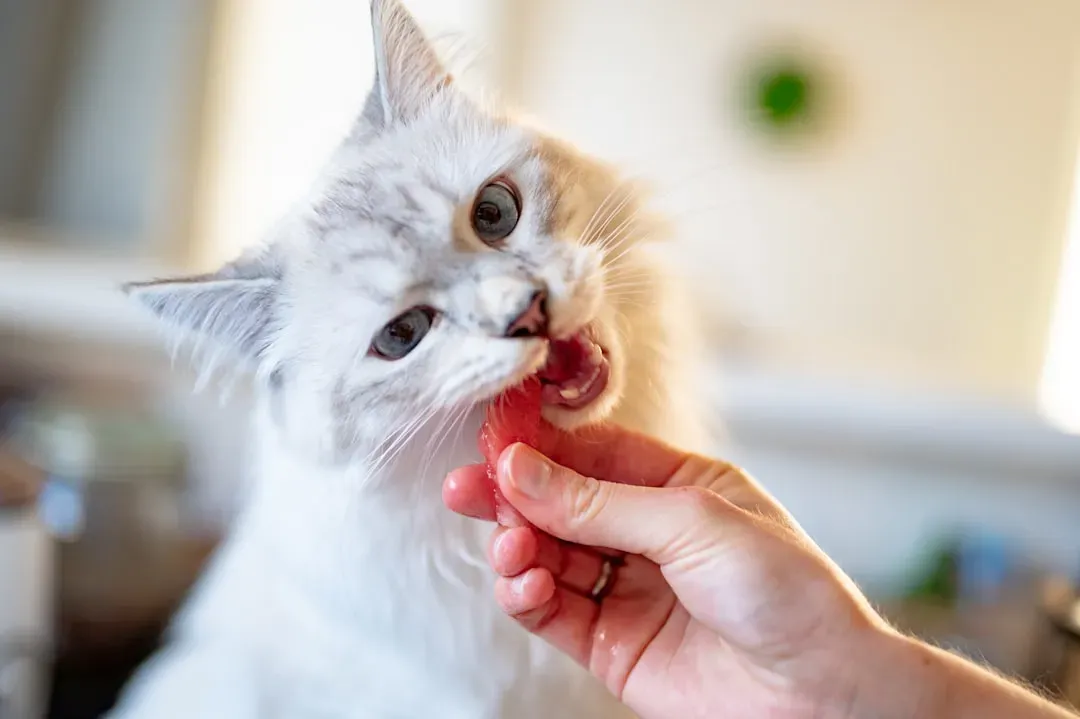
Cats fall under the category of true or obligate carnivores, which means they require nutrients that are only found in animal flesh. This is the foundation for understanding every snack choice you make for them. Their bodies are built to process meat efficiently, and that’s where the majority of their nutrition should come from.
Cats rely on a diet rich in animal protein, and unlike dogs, who can tolerate a more varied diet, cats require specific nutrients found only in meat to thrive. So when you’re browsing your pantry for something to share, start with protein. That’s not just a suggestion; it’s biology.
Cooked Chicken: The Gold Standard of Cat Snacks

Cooked, unseasoned chicken or turkey are excellent sources of protein for your cat. Aside from protein, cats also derive vitamin B6, selenium, phosphorus, and omega-6 from these types of meat. It’s no coincidence that chicken is one of the most common ingredients in commercial cat food. Your cat’s enthusiasm for it is entirely warranted.
When cooking meat for your cat, do not add herbs, butter, oils, or other flavoring to it. While you should keep portions small, a one-inch cube is a large snack serving, but turkey or chicken bites can be offered as a daily treat to most healthy cats. Plain, boiled, and bite-sized. That’s the formula, and it works every time.
Fish: The Classic Feline Obsession, With a Few Caveats
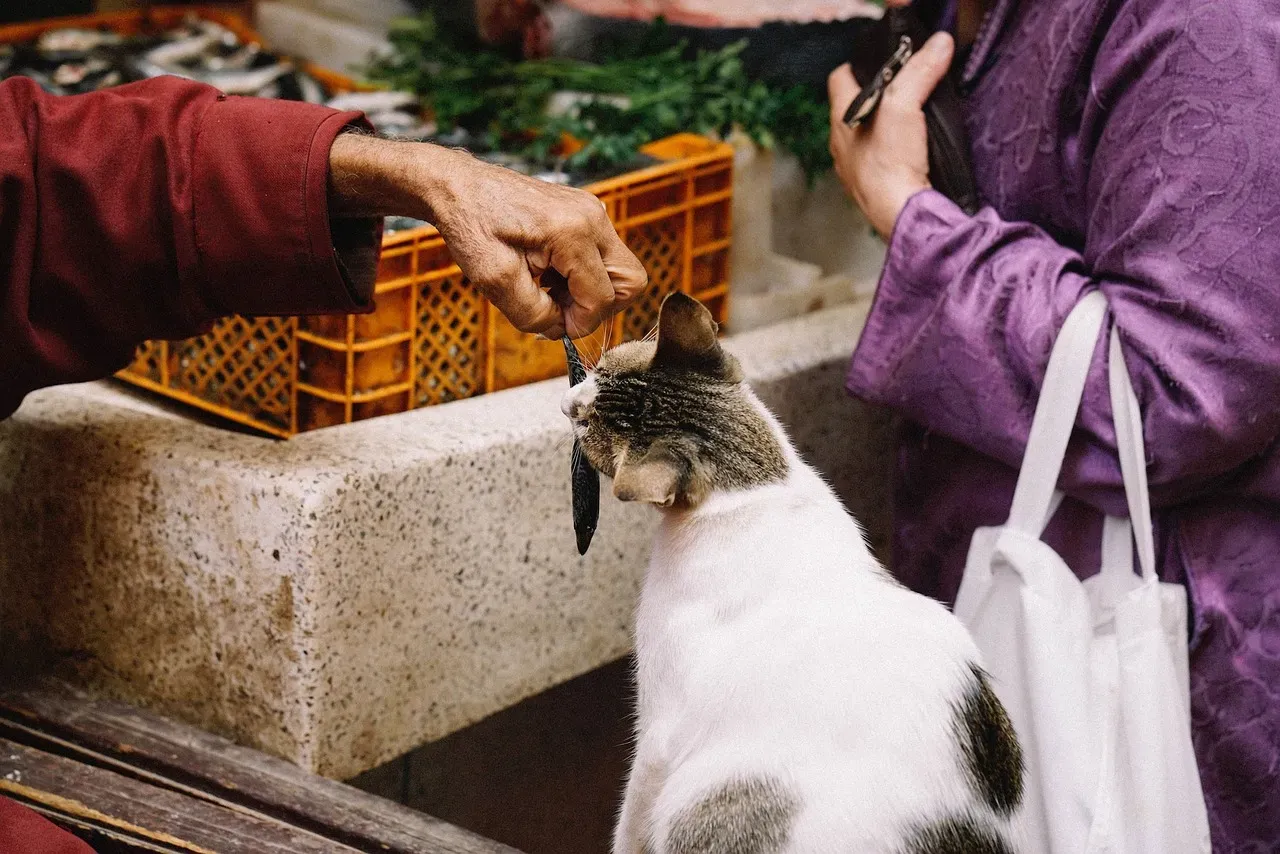
Fish and cats go hand in hand, and many cats love fresh fish in their diet. Most varieties of fish are safe to offer your cat, as long as they are thoroughly cooked with the skin and bones removed. Salmon and tuna tend to be particular favorites, and for good reason. They’re rich, aromatic, and packed with what a cat’s body genuinely craves.
Fish is packed with omega-3 fatty acids, which support a healthy coat and skin. However, too much fish can lead to mercury exposure, so it’s best to offer small portions as an occasional treat. Always cook the fish to remove potential parasites. Think of fish as a weekly highlight rather than an everyday staple. A small piece goes a long way in both nutrition and appreciation.
Cooked Eggs: A Surprisingly Perfect Treat
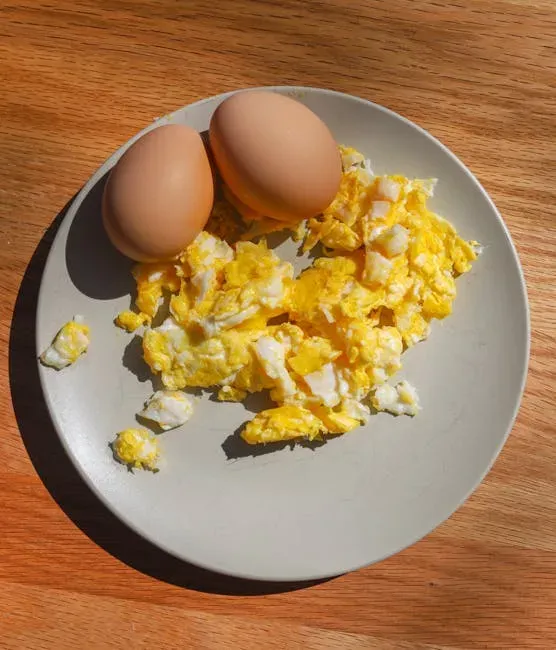
Whether hard boiled or scrambled, cooked eggs can be great for sharing with your cat. Eggs are a great source of protein, vitamin D, selenium, and riboflavin. This is one snack that checks multiple boxes at once. It’s affordable, easy to prepare, and your cat is quite likely to enjoy it.
Cats can enjoy a small portion of cooked eggs, scrambled or boiled, without any oil or butter, and they’re full of amino acids and protein, so they make a healthy treat. Never feed your cat raw eggs, as there’s a risk of salmonella. Scrambled with nothing added is the safest bet. Keep it simple and serve it cool enough to eat comfortably.
Pumpkin: The Quiet Digestive Hero
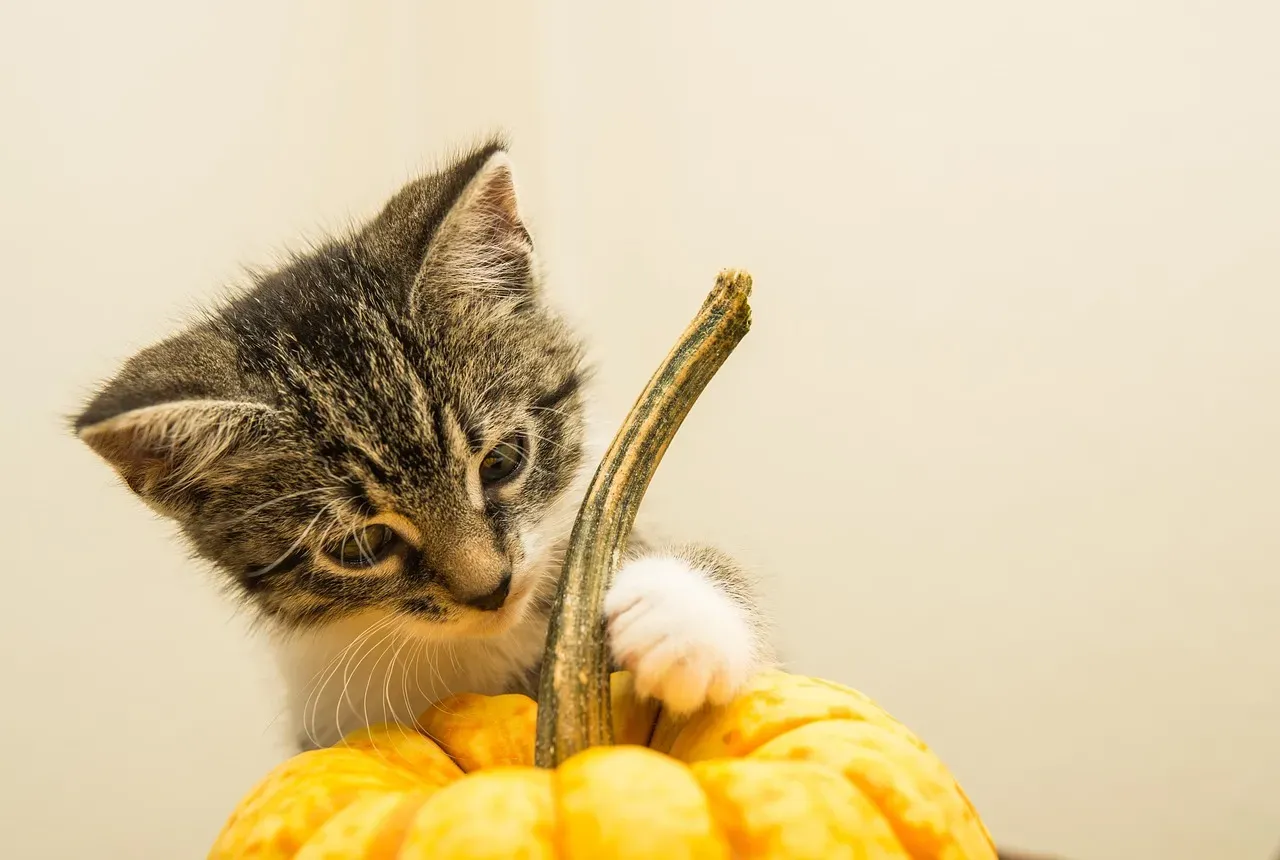
Pumpkin is a unique human food often prescribed for cats with stool problems due to its high fiber content and mild taste. Pureed pumpkin with no added spices can be used to treat both diarrhea and constipation in cats. It’s one of those rare foods that genuinely works on a functional level. Vets recommend it often for a good reason.
For a healthy cat, one tablespoon of pureed pumpkin fed a few times a week is appropriate. Never feed a cat raw pumpkin, which is hard to digest and can result in an obstruction. It’s also important to avoid pumpkin that has added ingredients such as butter, salt, herbs, or spices. Plain canned pumpkin from your pantry works perfectly well. Just check the label to make sure there’s nothing added.
Vegetables Your Cat Might Actually Accept
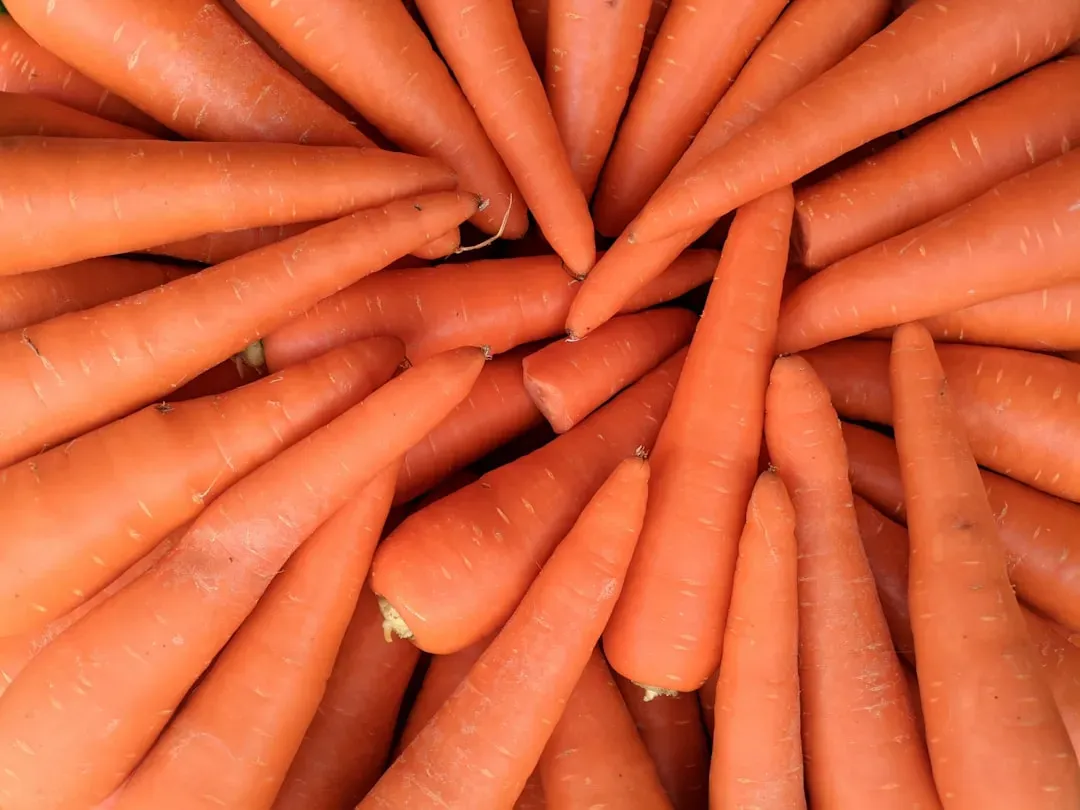
Cooked and pureed carrots are a good source of fiber, vitamin A, and beta-carotene for cats. As one of the healthiest vegetable treats for cats, cooked and pureed carrots are great for a cat’s vision, skin, and digestive system. The catch is that cats are unlikely to eat raw carrots, and they shouldn’t. Cooking softens them and makes the nutrients accessible in a way a cat’s digestive system can handle.
If your cat enjoys a little crunch, steamed or pureed green beans and peas can provide fiber and vitamins. These veggies are especially beneficial for overweight cats needing extra bulk in their meals. Don’t be surprised if your cat turns their nose up at vegetables entirely. Many cats will actually flat out reject fruits and vegetables, especially raw ones. Offer them once, and let your cat decide.
Fruits: Occasionally Fine, Often Ignored
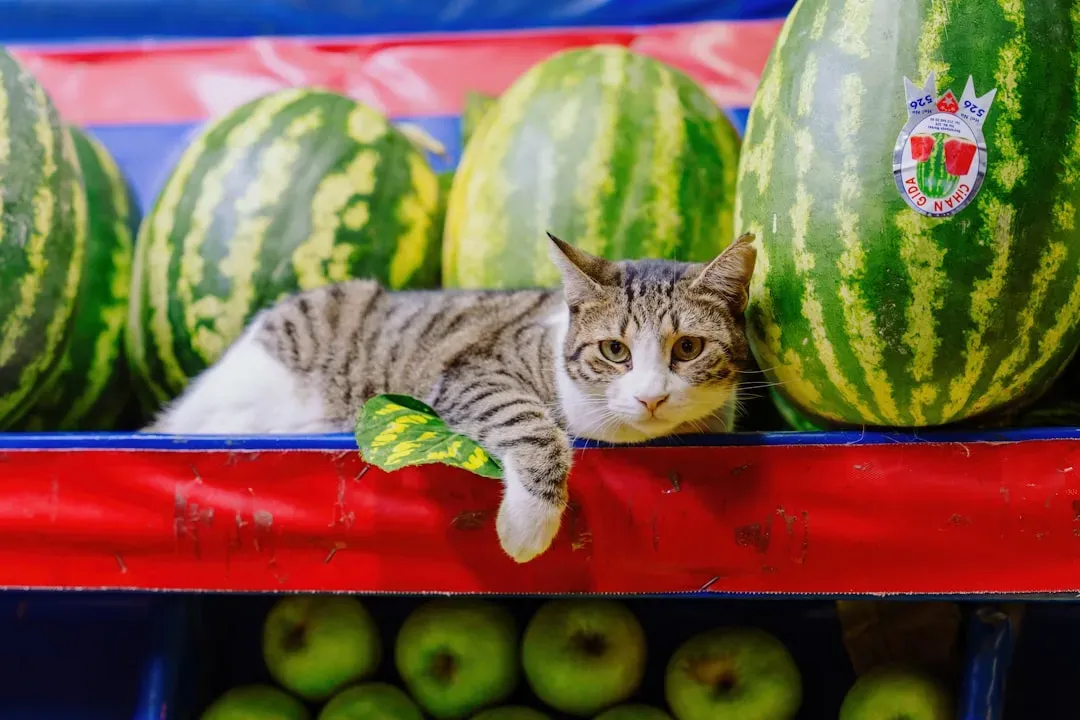
Cats don’t taste sweetness, but the scent, texture, or water content in fruit can still be appealing. That’s why some cats show curiosity about melon or blueberries while having zero interest in the actual sweet flavor. It’s the smell that draws them in, not the sugar.
Blueberries are high in antioxidants and safe to give whole or mashed as an occasional treat. Cantaloupes are a favorite among felines because of their tasty-smelling amino acids, and they’re hydrating and rich in vitamins A and C. Keep fruit portions minimal, and always remove seeds and rinds before offering anything to your cat. A tiny cube of watermelon on a warm day is genuinely harmless as an occasional gesture.
The Treat Limit You Should Actually Follow
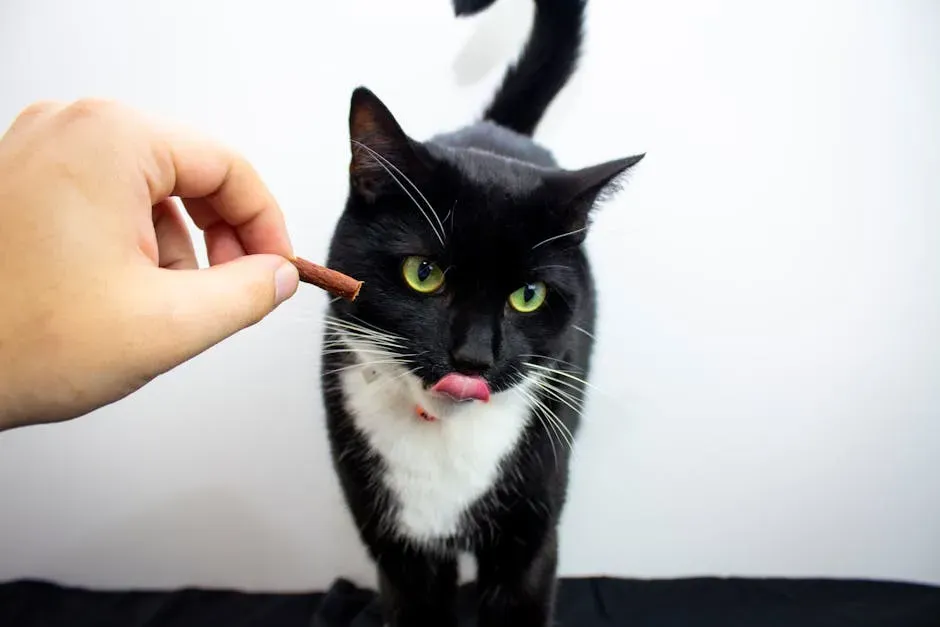
Treats typically shouldn’t make up more than about ten percent of the pet’s total diet. So if you plan to offer table food, reduce the cat’s regular ration. Tiny amounts offered very gradually work best to avoid upset tummies. This applies to both commercial treats and anything coming from your kitchen. A small piece is a treat. A full portion is a disruption to their diet.
Moderation is key, and introducing new foods slowly can help prevent digestive upset while allowing you to observe how your cat reacts to different fresh food options. If your cat has a chronic condition influenced by diet, such as diabetes or kidney disease, it’s recommended to check with your veterinarian before introducing new treats. When in doubt, a quick call to your vet is always worth it.
Foods That Must Never Make It to Your Cat’s Bowl
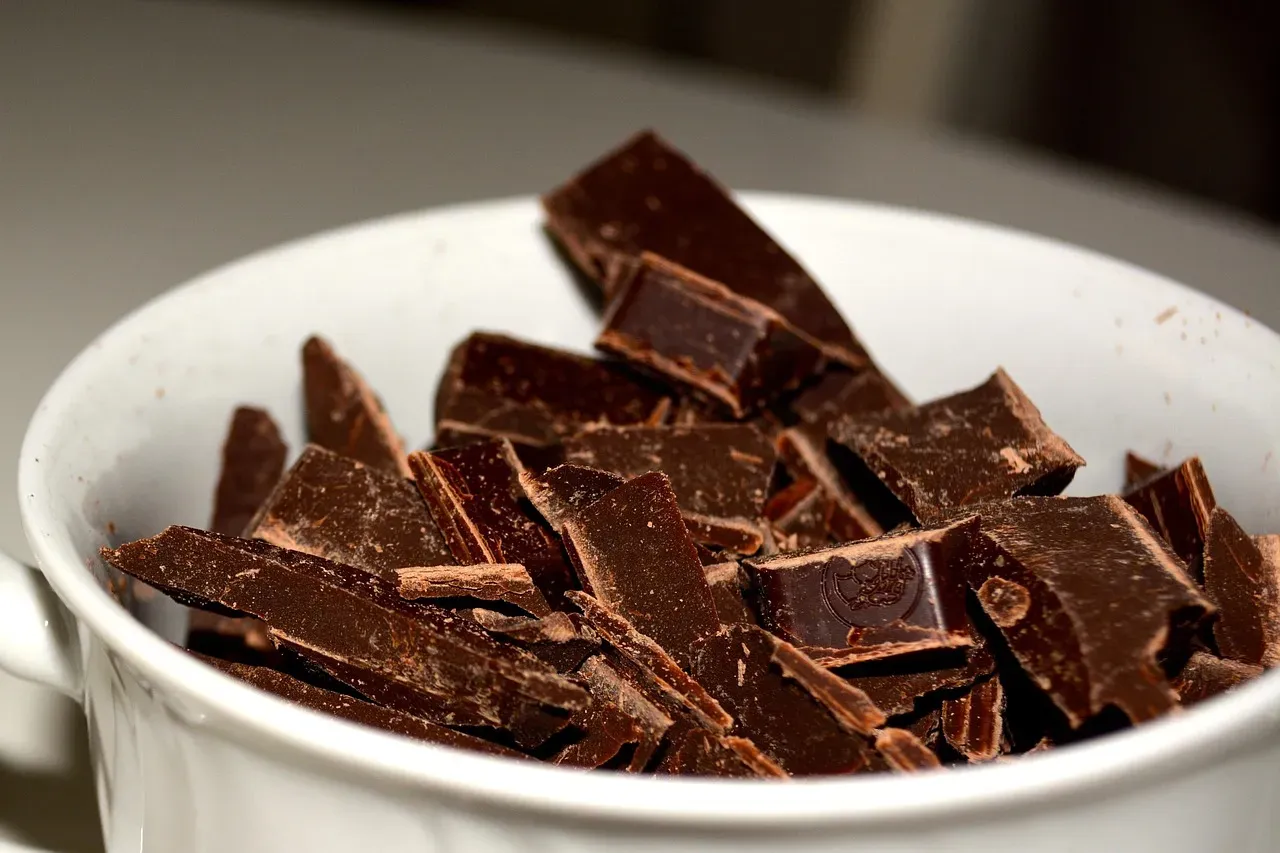
Some of the foods and ingredients that are poisonous or harmful for cats include dairy products, chocolate (especially dark chocolate), nuts (particularly macadamia nuts and walnuts), grapes and raisins, coffee, tea or anything with caffeine, and foods of the allium family such as garlic, onions, chives, leeks, shallots, and scallions. These aren’t foods to use sparingly. They’re foods to keep away from your cat entirely.
Although the cause for grapes’ adverse effects is still unknown, they are potentially harmful to both dogs and cats. Grapes and raisins can cause your cat to vomit, have diarrhea, and even lead to kidney failure. Theobromine in chocolate acts as a stimulant, and as cats struggle to metabolize it, the chemical stays in the bloodstream and quickly reaches dangerous levels. These are genuine hazards, not minor sensitivities, so the risk isn’t worth taking.
Conclusion: The Best Snack Is the One You Already Understand
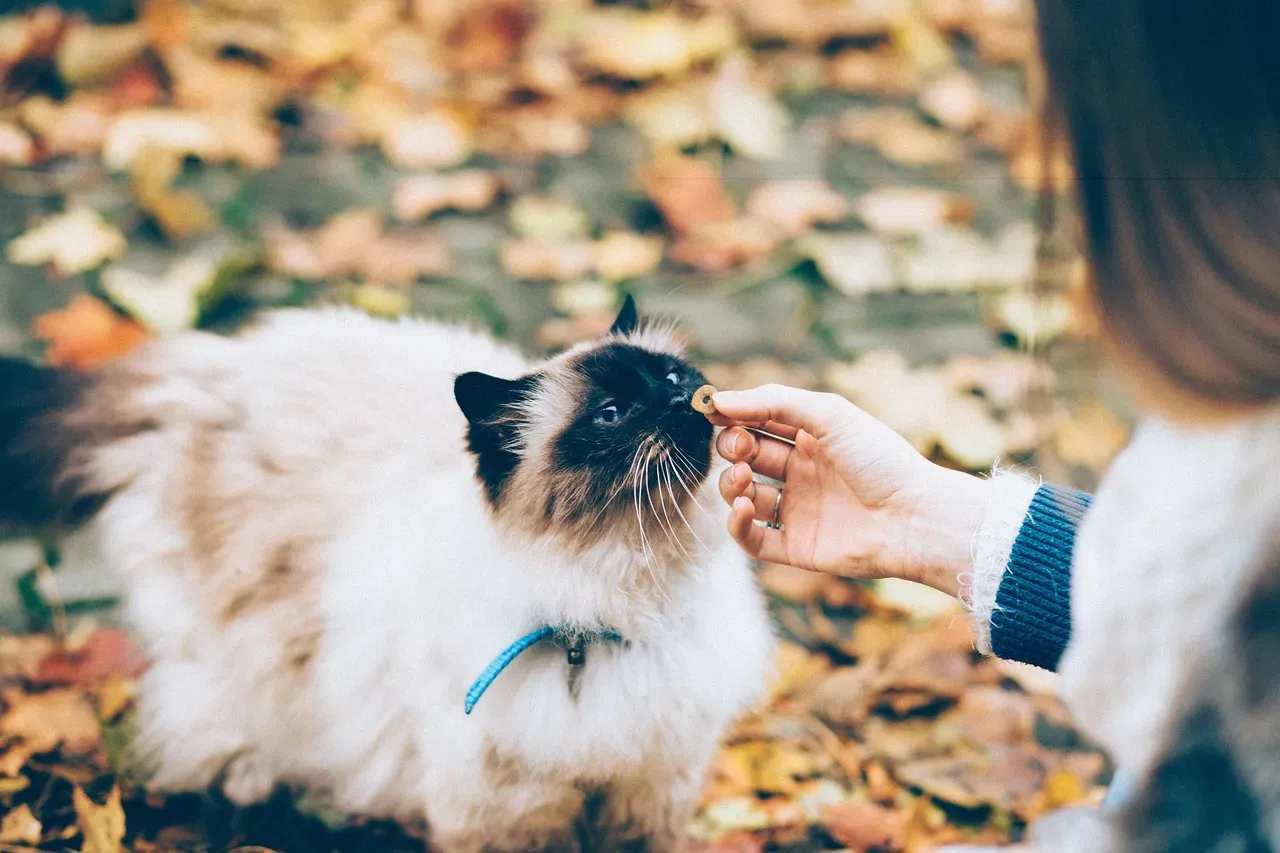
The most useful thing you can take away from all of this is straightforward. Your cat doesn’t need exotic treats or expensive novelty snacks. Sticking to whole, natural ingredients that align with their carnivorous diet covers the vast majority of what a cat actually needs from a snack. The ingredients doing the most good are often already sitting in your refrigerator.
While sharing small amounts of certain human foods with your cat can be safe, it’s essential to consult your veterinarian before making any changes to their diet. Every cat is different, and what’s harmless for one may trigger allergies or digestive issues in another, especially if they have underlying health conditions. A vet can help you understand your cat’s specific dietary needs and guide you on which treats are safe, how often they can be given, and in what portion sizes.
There’s something quietly satisfying about knowing that a small piece of plain cooked chicken or a spoonful of pureed pumpkin can genuinely improve your cat’s day. The best treat isn’t always the one in the fanciest packaging. Sometimes it’s just the one made with a little knowledge and a lot of care.