Most of us reach for the obvious explanation the moment a cat starts to purr. You assume it’s content. Maybe you’ve just fed it, or it’s curled into a warm spot on your lap, and that low, rhythmic sound feels like a small declaration of satisfaction. It’s an easy conclusion to draw, and it’s not entirely wrong.
What it is, though, is incomplete. The purr is one of the most layered and scientifically interesting behaviors in the animal kingdom, and researchers have spent decades trying to untangle just how much it really does. You might be surprised at where that thread leads.
How the Purr Is Actually Produced
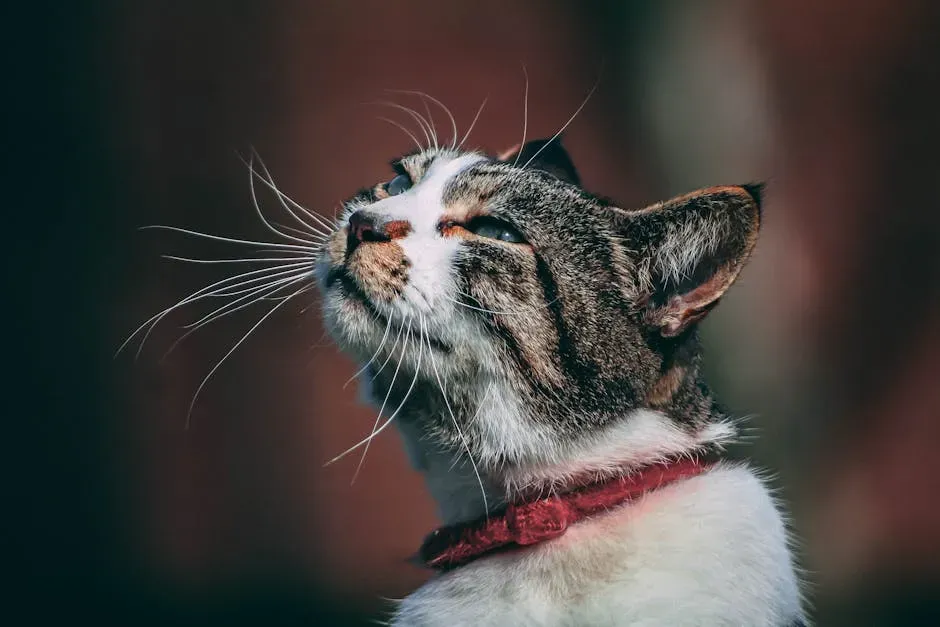
Before you can understand what the purr means, it helps to know what it actually is on a mechanical level. Purring is the result of rhythmic neural signals that cause the muscles in a cat’s larynx to twitch, and these rapid movements open and close the glottis, causing a separation of the vocal cords. The sound that comes out is that familiar rumbling hum, happening on both the inhale and the exhale.
Produced when the laryngeal and diaphragmatic muscles are stimulated to vibrate, a cat’s purr has a frequency of between 25 and 150 Hertz and maintains a consistent pattern during inhalation and exhalation. That consistency across the breath cycle is part of what makes it so distinctive. No other common domestic animal produces anything quite like it.
The Frequency That Makes It More Than Just Sound
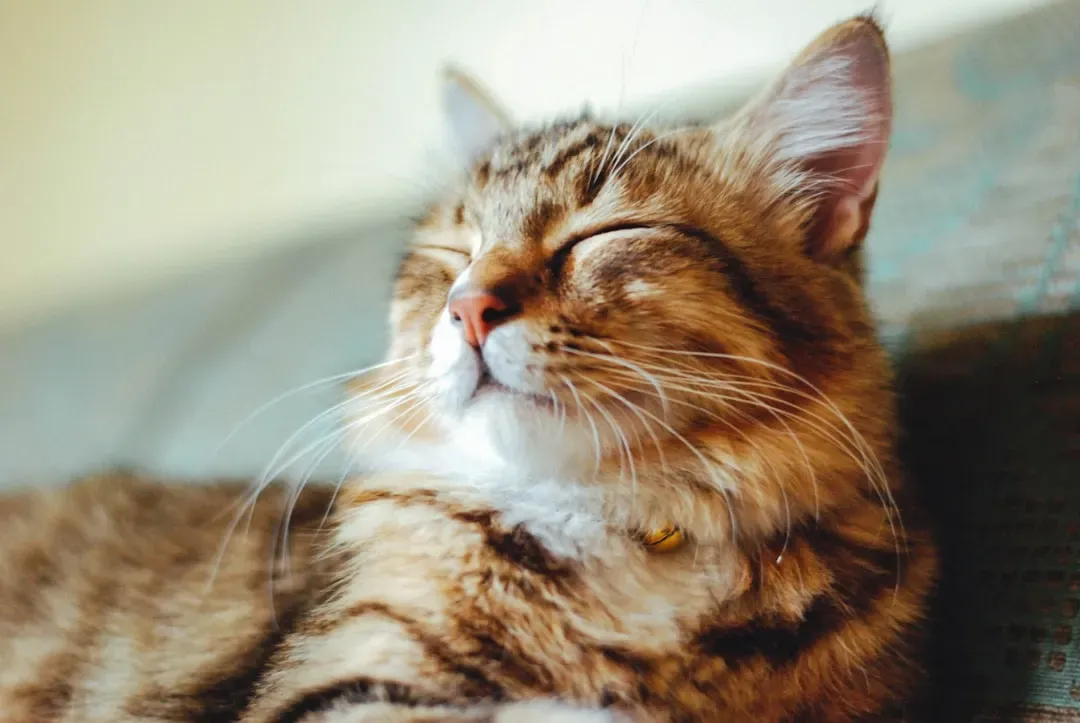
Cats purr during inhalation and exhalation at frequencies between 20 Hz and 150 Hz, and these frequencies correspond exactly with the best frequencies determined for bone growth, fracture healing, pain relief, relief of breathlessness, and inflammation. That’s not a loose approximation. It’s a fairly precise overlap with what medical science has independently identified as therapeutically useful.
Domestic cats, servals, ocelots, and pumas produce fundamental, dominant, or strong frequencies at exactly 25 Hz and 50 Hz, the two low frequencies that best promote bone growth and fracture healing. The fact that multiple species across the cat family land on the same frequencies suggests something more than coincidence. It points toward a biological function that goes deeper than simple communication.
Purring as a Built-In Self-Healing Mechanism
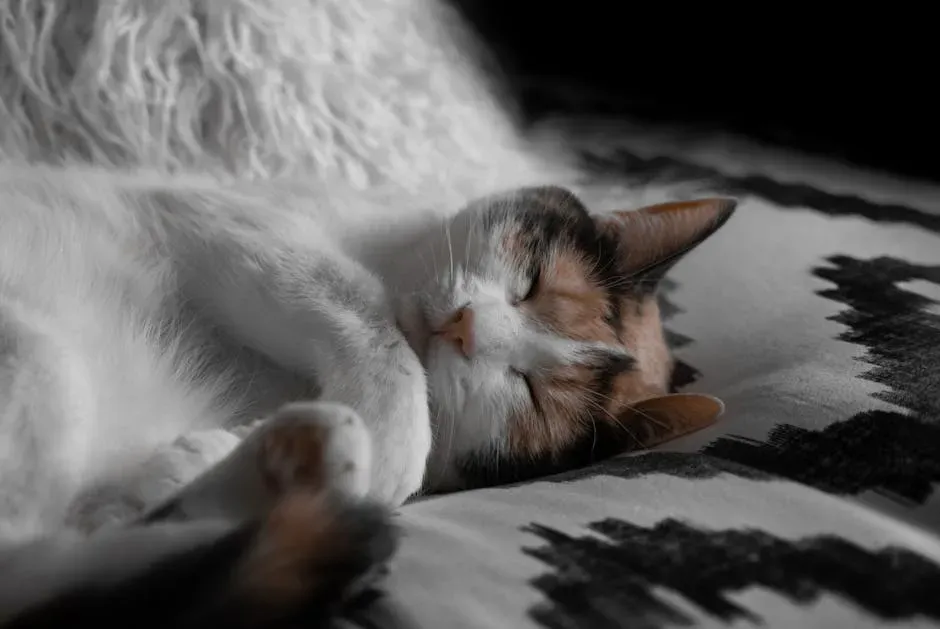
Cats instinctively purr when injured or in pain, suggesting purring functions as a built-in self-healing mechanism that has evolved over millions of years. This idea might seem a little wild at first, but consider the evidence. Cats purr when giving birth to kittens and mending from physical trauma, and this is supported by the fact that broken felid bones take significantly less time to heal than broken dog bones, with low frequency vibrations in the range of cat purrs being used to heal complex fractures in humans.
Research suggests that purring can promote healing in cats, as the vibrations produced by purring can stimulate healing in bones and tissues and help reduce pain and swelling. Additionally, the act of purring can release endorphins, which are natural painkillers, and provide a sense of comfort and well-being for cats. Your cat may not know it’s doing any of this on a conscious level, but the biology seems to be working quietly in the background.
When Your Cat Purrs Out of Stress, Not Satisfaction
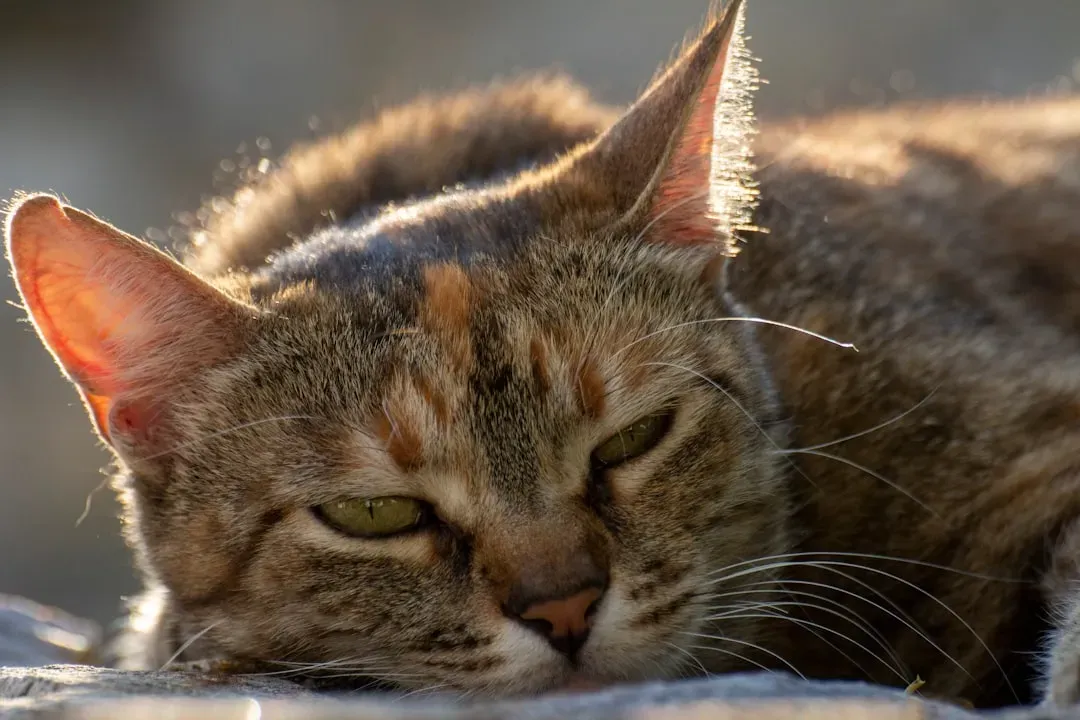
Cats don’t always purr out of happiness. In some situations, a cat may make a purring sound for the same reasons a young child sucks their thumb: it’s a way to self-soothe when they’re feeling stressed out or out of control. You’ve probably witnessed this without fully registering it. A cat at the vet, tense in its carrier, purring steadily, isn’t telling you it’s having a good time.
Purring may also help reduce stress and anxiety in cats, and the act of purring can be self-soothing for cats, much the way people feeling anxious hum or sing to themselves. In reality, a purr is more like a human laugh: we laugh when we are happy, but we also laugh nervously when we are uncomfortable or trying to diffuse tension. Purring is a physiological mechanism used for communication, self-regulation, and healing.
The Solicitation Purr: When Your Cat Wants Something From You
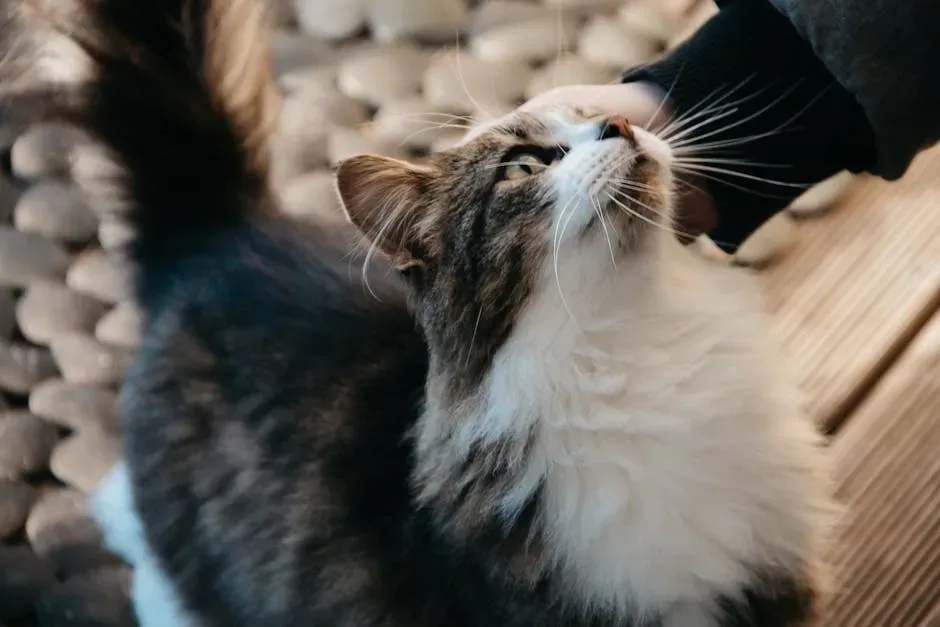
A study conducted at the University of Sussex found that cats have a “solicitous” purr when trying to communicate hunger, and this particular purr is coupled with a meow that has a similar frequency to the cry of a human baby. Researchers who played a recording of the solicitous purr to people without cats reported that it still incited feelings of urgency. Your instinct to respond is essentially being triggered by a sound engineered by evolution to do exactly that.
Cats that live in close contact with people often purr more frequently than feral or outdoor cats, which suggests that domesticated cats have adapted their purring behavior to interact more successfully with humans. In a way, they’ve learned to speak a language through a sound that’s difficult to ignore. It’s a quiet form of persuasion, and it works remarkably well.
Mother Cats, Kittens, and the Original Purpose of the Purr
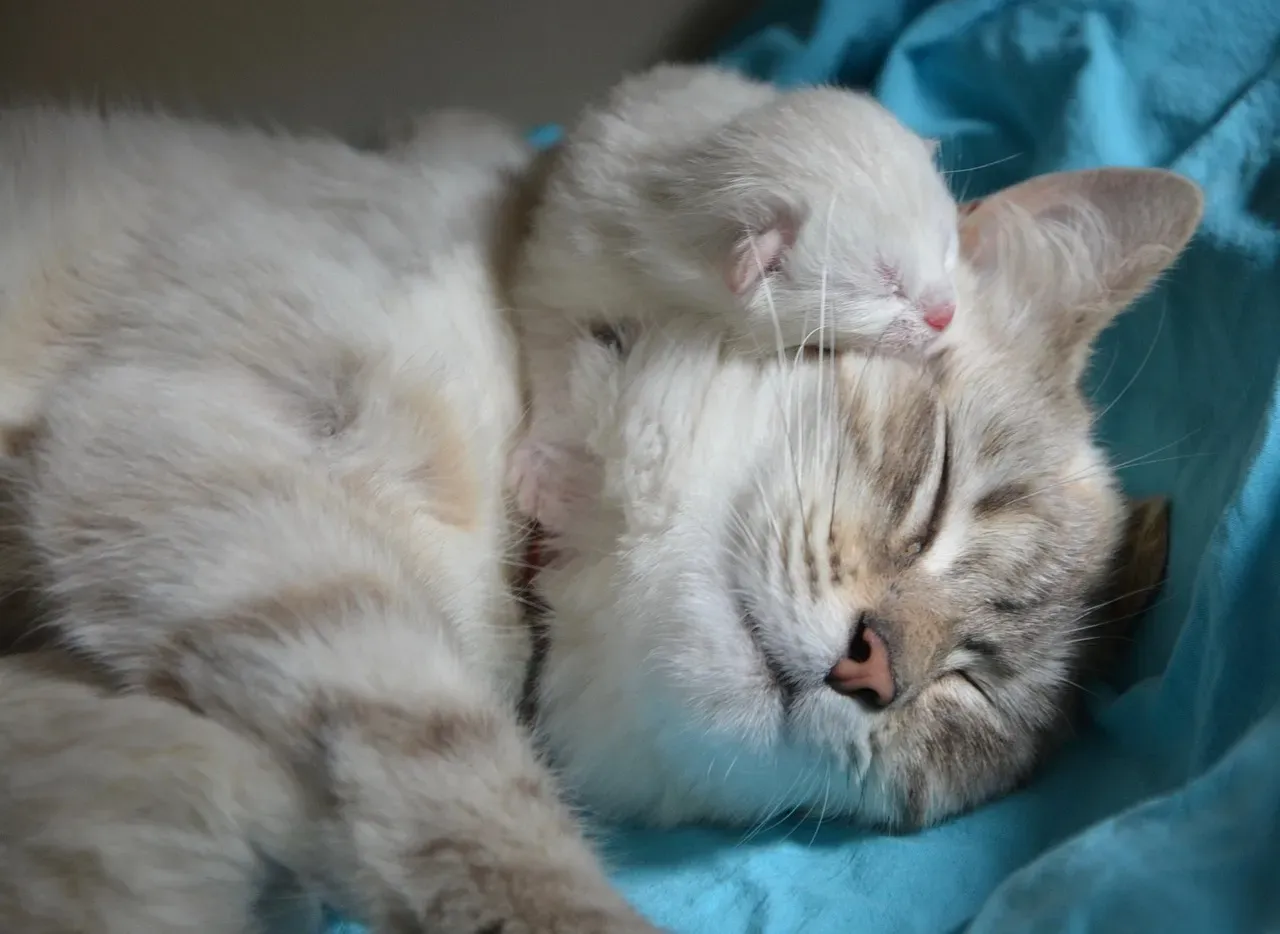
Purring is an important form of communication between cats and their newborn kittens, who don’t develop their vision and hearing until they are approximately ten days old. The feeling of their mother’s purr becomes a way to affirm safety, signal feeding time, and has the evolutionary benefit of being a quiet form of communication around predators. What you see in your adult cat today is a behavior that began as something much more primal and necessary.
Kittens are born blind and deaf, so they rely heavily on their sense of touch and smell. Mother cats use soft vibrations to communicate with their kittens, signaling that it’s safe to come closer and nurse. Kittens, in turn, purr back to their mothers, creating a mutual sense of comfort and security. That early loop of vibration and response shapes the behavior for an entire lifetime.
Why Cats Purr When They’re Dying or in Severe Pain
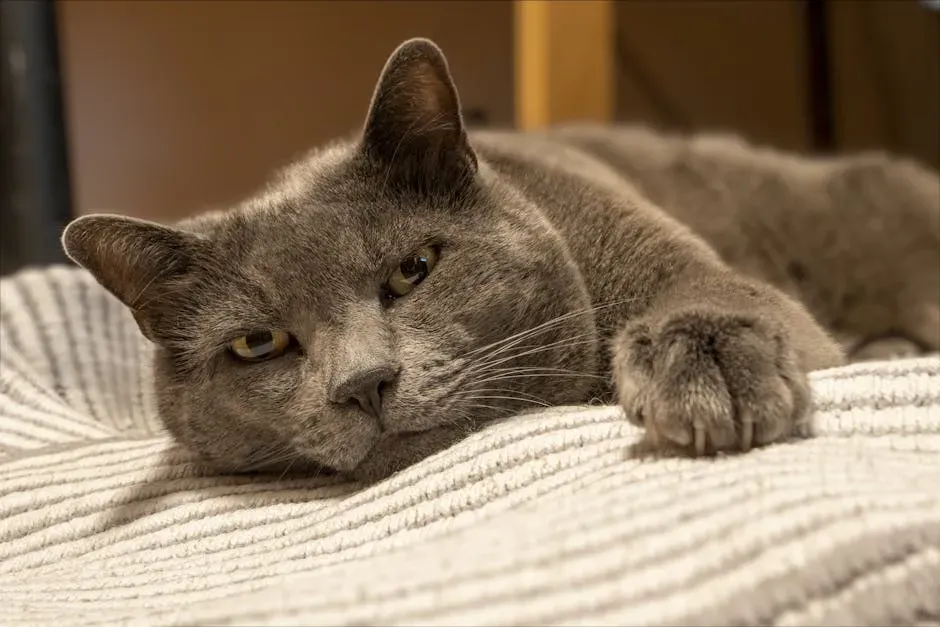
Cats produce purring vibrations at frequencies between 25 and 150 Hertz, which scientists have discovered can promote healing and provide pain relief. During the dying process, cats may utilize this natural mechanism to self-soothe and manage discomfort. Veterinary experts have observed cats purring even during euthanasia procedures, suggesting that this behavior serves as a crucial coping mechanism. It can be heartbreaking to witness, but it reveals something profound about the depth of this behavior.
Purring can help to reduce pain and stress, giving a dying cat a sense of peace and comfort in their final moments, because the vibrations produced by purring can stimulate the production of endorphins, which are natural painkillers. Some cats may even purr before they die, and the purring sound may potentially be a comforting sound for them. Understanding this can help you interpret what your cat needs rather than assuming a purring cat is always a content one.
What the Purr Does for Your Heart and Nervous System
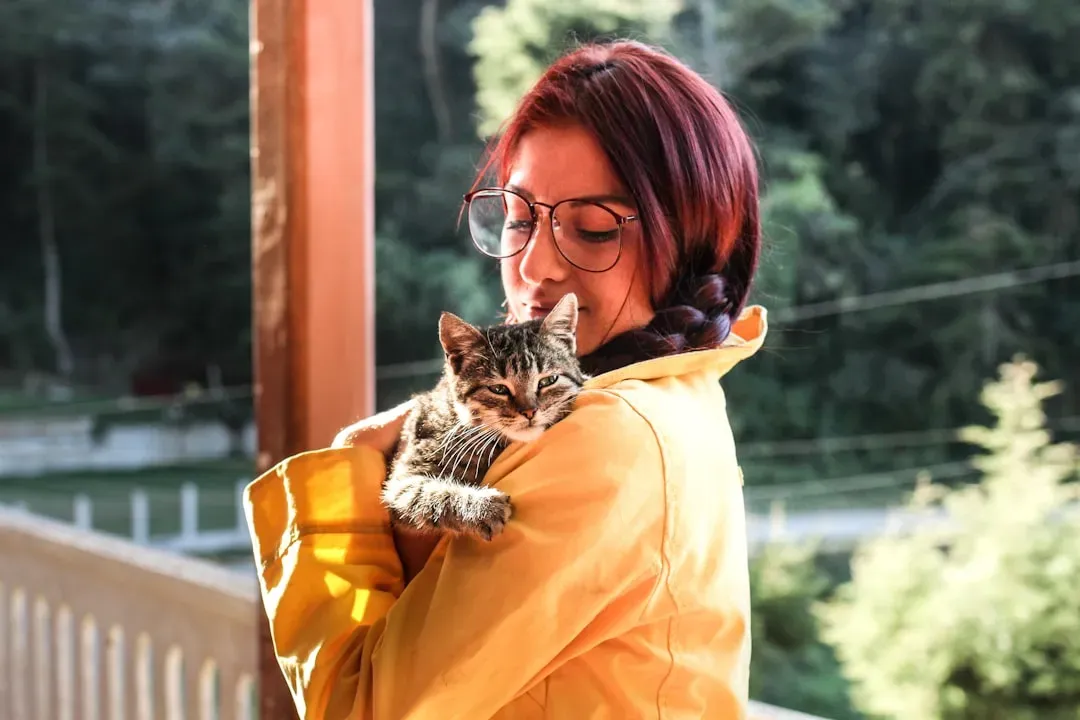
One of the most immediate effects of cat purring on humans is its ability to reduce stress and anxiety. The soothing sound and vibration of a purr have been compared to the calming effects of meditation. Studies suggest that the frequency of a cat’s purr, typically between 25 and 150 Hertz, has a relaxing effect on the human nervous system. It engages your senses in a way that slows things down, even when you’re not consciously trying to relax.
Studies have shown that cat owners are less likely to suffer from heart disease compared to those without cats, and the soothing effects of purring help reduce blood pressure, which can lower the risk of heart attacks and strokes. Research reveals cat owners face roughly forty percent less risk of heart attacks. Those numbers deserve more attention than they typically get in conversations about pet ownership.
The Science Still Has Gaps, and That Matters
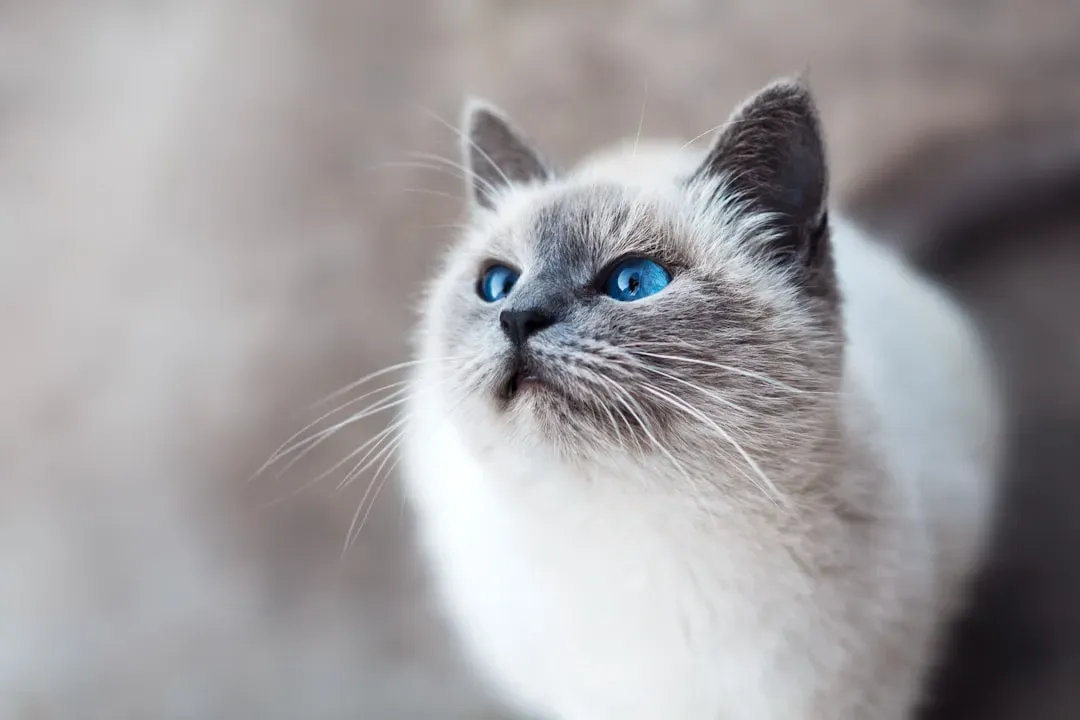
The absence of controlled human studies doesn’t disprove purr therapy’s potential benefits, but it does highlight the need for more rigorous scientific investigation. Future research must bridge the gap between promising laboratory evidence and clinical applications, while also unraveling the complex biological mechanisms that might explain how a purring frequency could influence human healing processes. Until comprehensive clinical trials provide clearer answers, purr therapy remains a fascinating area where science continues to explore the intersection between animal behavior and human health benefits.
Very low frequency vibrations have been proven to help promote tissue and bone regeneration, build muscle, and lessen swelling. Even NASA has experimented with using vibration therapy to help astronauts maintain healthy muscles and bones while in space. The framework is solid. What remains is closing the gap between what we understand in principle and what we can confirm through controlled study in humans.
Conclusion
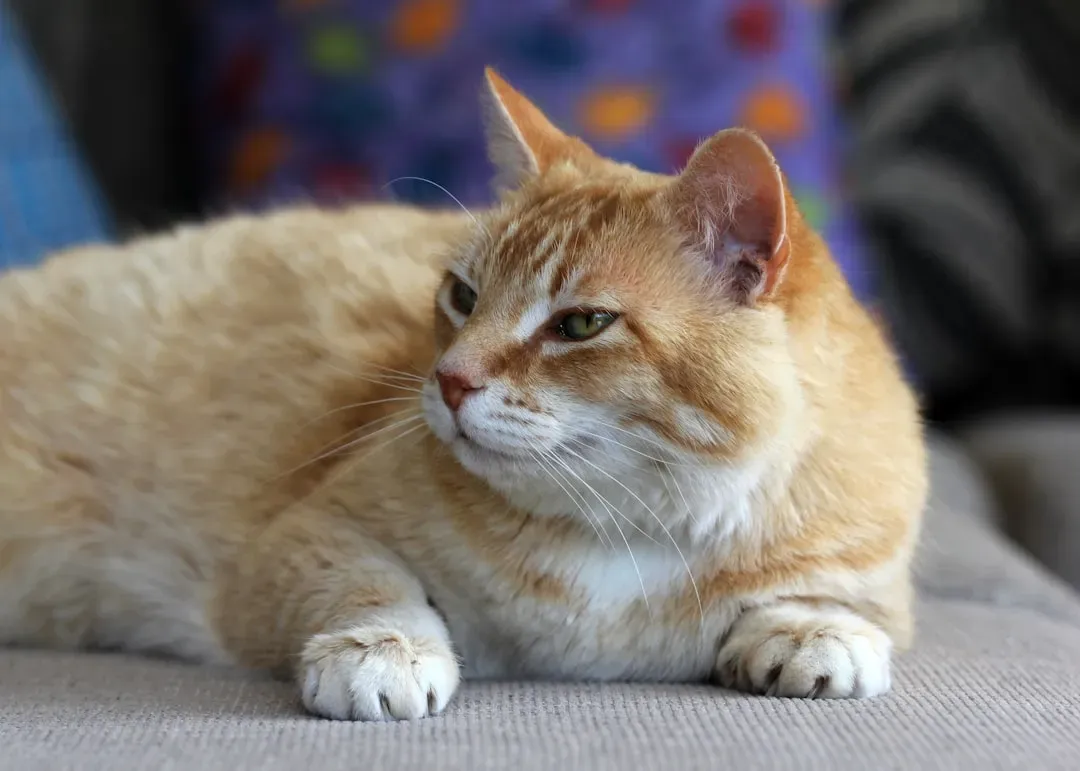
The purr carries more weight than most people give it credit for. It’s not just your cat signaling a good mood. It’s a biological tool that has been refined over millions of years for communication, self-repair, stress regulation, and, in ways that are still being studied, the benefit of the people around it.
Paying attention to context, body language, and the circumstances around the purr helps you understand what your cat is actually telling you. Sometimes it’s contentment. Sometimes it’s hunger. Sometimes it’s a quiet, instinctive attempt to heal. Either way, that soft rumble is doing far more work than it looks like from the outside.