Cats have a reputation for doing exactly what they please, and that’s part of the appeal. What’s less obvious, though, is how dramatically different individual breeds can be from one another in terms of temperament, tolerance, and emotional need. Some cats are almost comically laid-back, while others carry an intensity that can catch even experienced owners off guard.
If you’re thinking about bringing a cat into your home, or you’re simply curious about the personalities behind the pedigrees, understanding breed-specific temperament can save you a lot of guesswork. The article ahead covers ten breeds worth knowing, mostly for their gentleness, but with a few surprising exceptions that tend to get overlooked.
1. Ragdoll: The Cat That Goes Limp in Your Arms
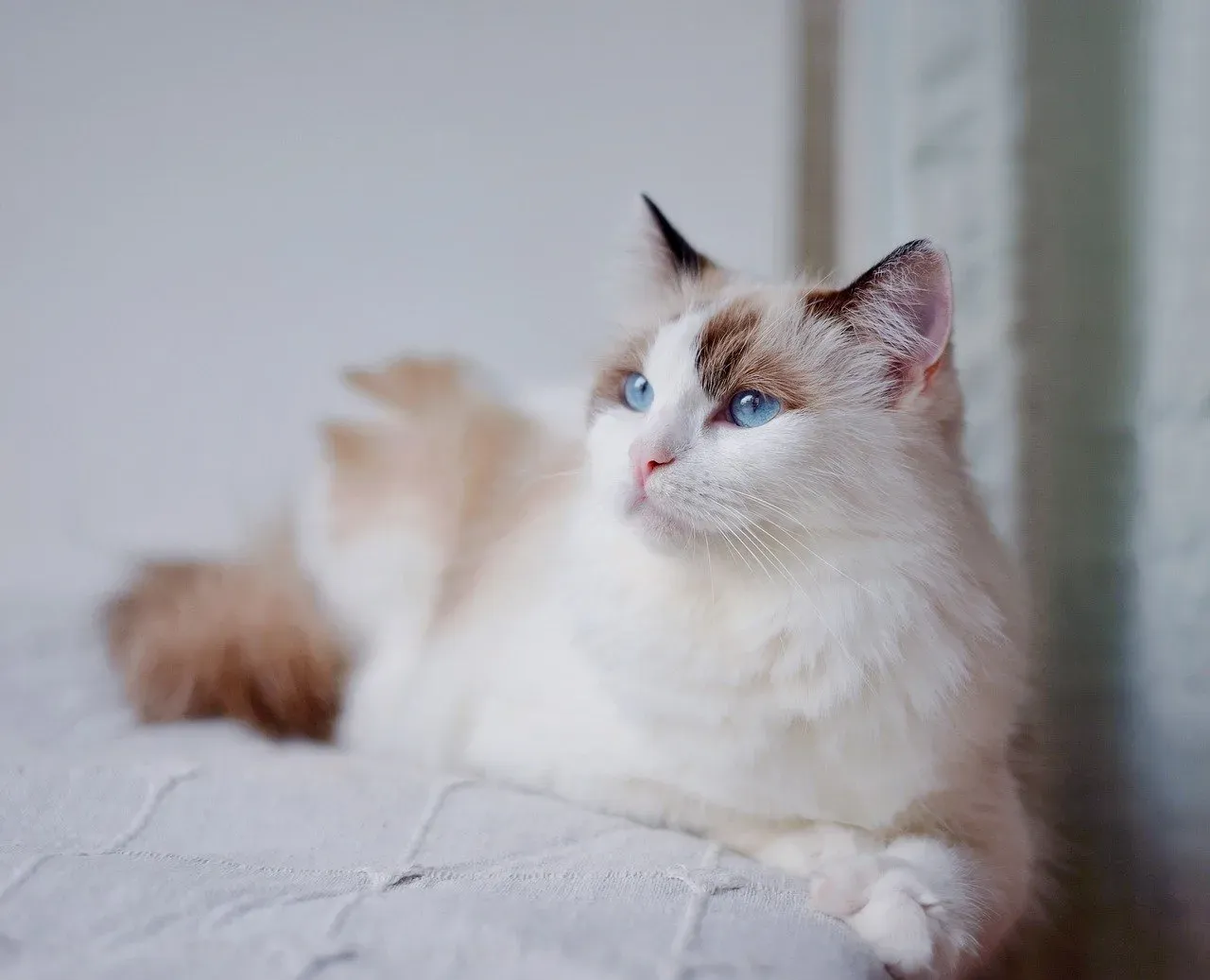
Ragdolls are named for their propensity to go limp in your arms, showcasing their trust and relaxed nature. It’s one of those endearing quirks that’s hard to believe until you experience it firsthand. They are large, affectionate cats that form deep bonds with their owners, often following them around the house like a shadow.
As one of the most family-oriented breeds, Ragdolls thrive in homes with children thanks to their patience and affectionate personality. They enjoy being involved in daily family life without becoming overstimulated or reactive, making them a calming presence. Their loving temperament extends to other pets as well, and they’re happy to share space with cats or well-mannered dogs. Rather than rough play, Ragdolls prefer soft games, cuddles, and simply being close to their favorite people.
2. Maine Coon: The Gentle Giant of the Cat World
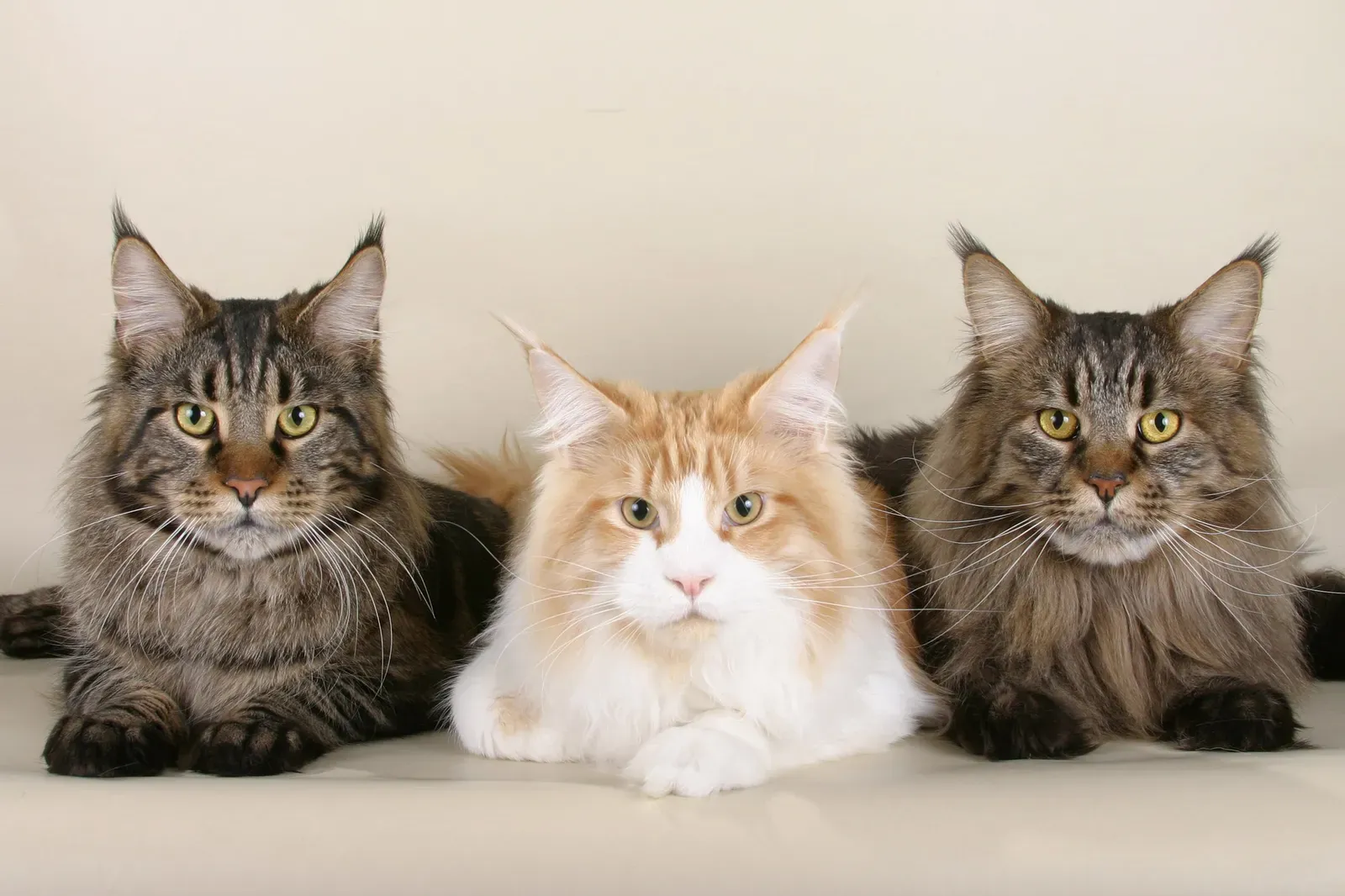
The Maine Coon, known as the “gentle giant” of the cat world, boasts a striking appearance matched by a heartwarming demeanor. Despite their size, the Maine Coon cat is sweet-tempered, gentle and friendly and gets along with just about everyone. They have a clown-like personality and are willing to help their owners, yet aren’t demanding of attention.
Maine Coons will often chirp and trill rather than meow to communicate with their people. They don’t typically meow; they chirp and trill, which is a mixture of a meow and a purr. Social by nature, they make excellent companions for large, active families of all ages that also enjoy having dogs and other animals. Despite their size, Maine Coons are among the gentlest of cats and tend to follow their people room-to-room as constant companions.
3. Birman: The Calm Companion With Ancient Roots
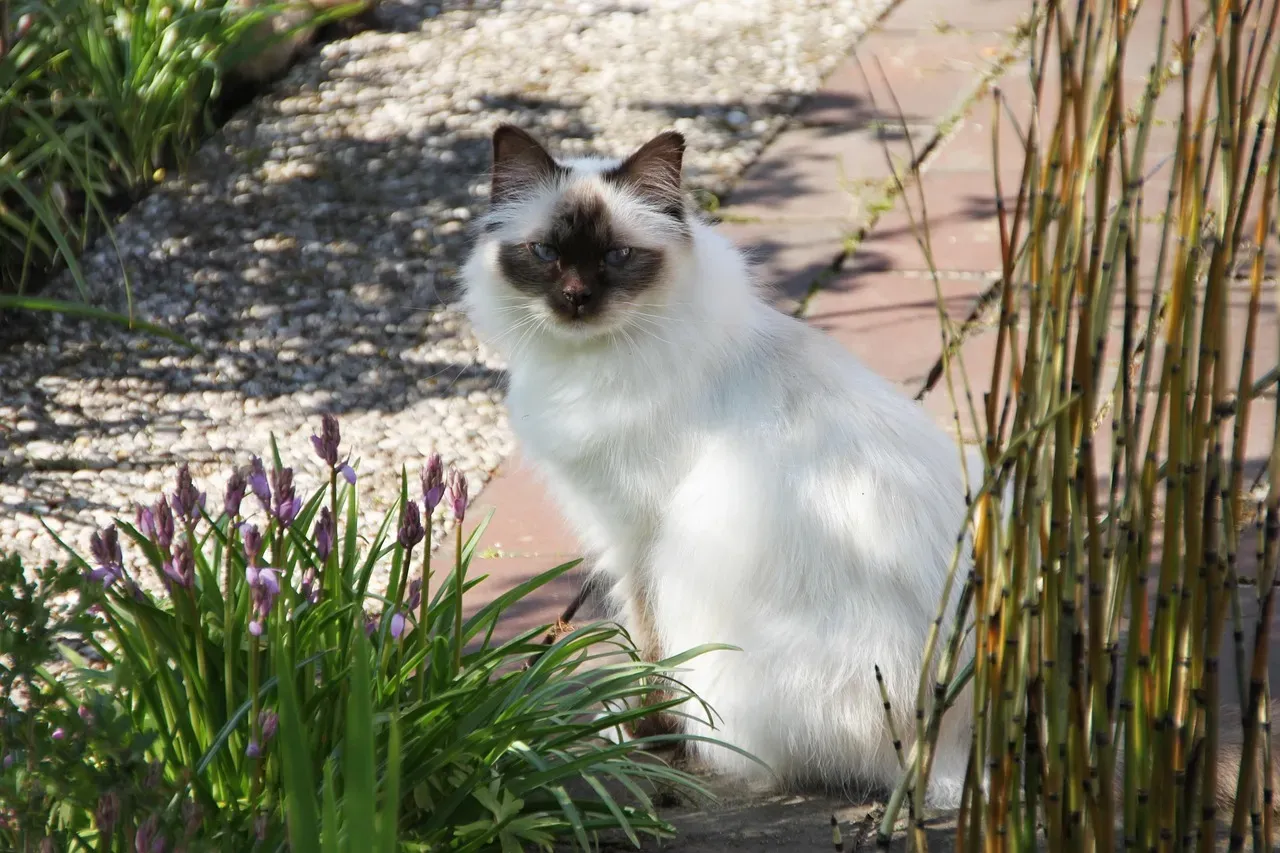
Also known as the Sacred Cat of Burma, the Birman is a striking breed recognized for its silky coat, deep blue eyes, and gentle expression. Originally bred as a companion, this cat is calm, people-oriented, and naturally affectionate. Birmans thrive in family settings where daily activity and human interaction are part of the routine. They enjoy being involved without becoming overwhelming, making them a great match for busy homes that still want a loving feline presence.
While they love attention and cuddles, they’re also good at reading the room and stepping back when they need quiet time. Their balanced personality makes them especially appealing to first-time cat owners seeking a gentle family pet. These cats exude composure and confidence, perhaps due to the centuries they spent as companions to temple priests in ancient Siam. Their natural curiosity leads to many explorations in the home, but usually without trouble. The Birman simply achieves a level of equilibrium not often seen!
4. British Shorthair: Calm, Sturdy, and Surprisingly Easygoing
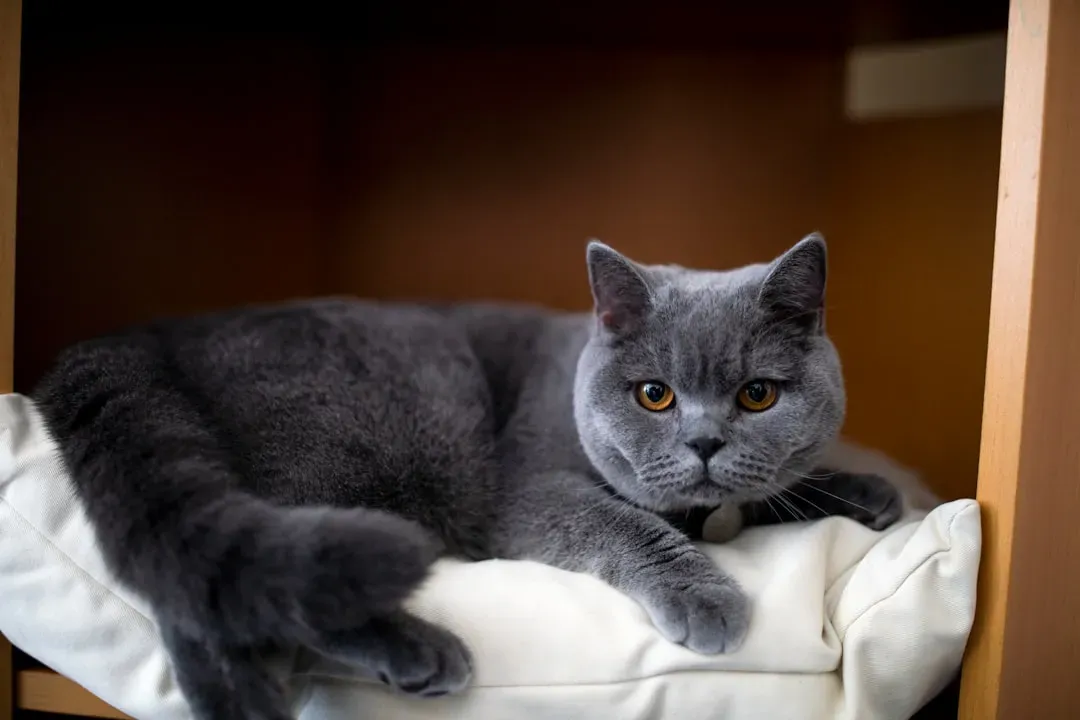
The British Shorthair is the epitome of a loyal and gentle friend, making it a cherished member of many households. The British Shorthair is a medium- to large-sized cat with a short, dense coat and a powerful build. This breed has a kind and gentle disposition that is ideal for families with small children. Smart, attentive, and low-key, the British Shorthair can be reluctant around strangers but warms quickly to familiar faces.
They are a very laid-back breed; they like to sit and survey a room just as much, if not more, as chasing a laser for hours. When they play, they aren’t loud or destructive, making them great pets for people who live in apartments or have small children. Importantly, research supports what owners already know. British Shorthairs had the lowest probability for aggression, a finding shared with Persians in the category of aggression toward strangers.
5. Scottish Fold: Sweet by Design, but Read the Fine Print

Also known simply as the Fold, the Scottish Fold is instantly recognizable by its forward-folded ears and round, teddy bear-like face. First discovered in Scotland during the 1960s, this breed is admired for its soft expression and naturally sweet temperament. Scottish Folds are affectionate without being overwhelming, making them a wonderful match for families with children of all ages. They enjoy gentle play, follow daily routines easily, and are happiest when spending time near their people rather than demanding constant attention.
Yet there’s a nuance worth noting. This breed is quite sensitive to change and may display aggression when new pets, like other cats, are introduced into the home. Additionally, they are not the friendliest toward babies and young children. While Scottish Folds are generally healthy cats, their unique ear structure can sometimes lead to health issues. Regular check-ups with the vet are essential to ensure their ears are clean and free from infections. So while you’ll likely enjoy a wonderfully affectionate cat, some precautions around introductions and health monitoring are worthwhile.
6. Persian: The Quintessential Lap Cat

Persian cats are one of the most outstanding breeds, known for their flat face, luxurious fur, and charming opulent demeanor. Originating from Persia, which is modern-day Iran, they have been valued for ages for their beauty and gentle behavior. Persian cats are known for their calmness, affection, and preference for a calm, peaceful environment.
In human relationships, Persians are gentle and affectionate. They form strong bonds with their owners and enjoy calm interaction. Their steady temperament fits well in homes that value routine and tranquility. You might not guess it by their perpetually grumpy expressions, but Persian cats are happy to play the role of sweet-natured friend in your household. The gap between how they look and how they actually behave is one of their most charming qualities.
7. Norwegian Forest Cat: Independent but Unexpectedly Gentle
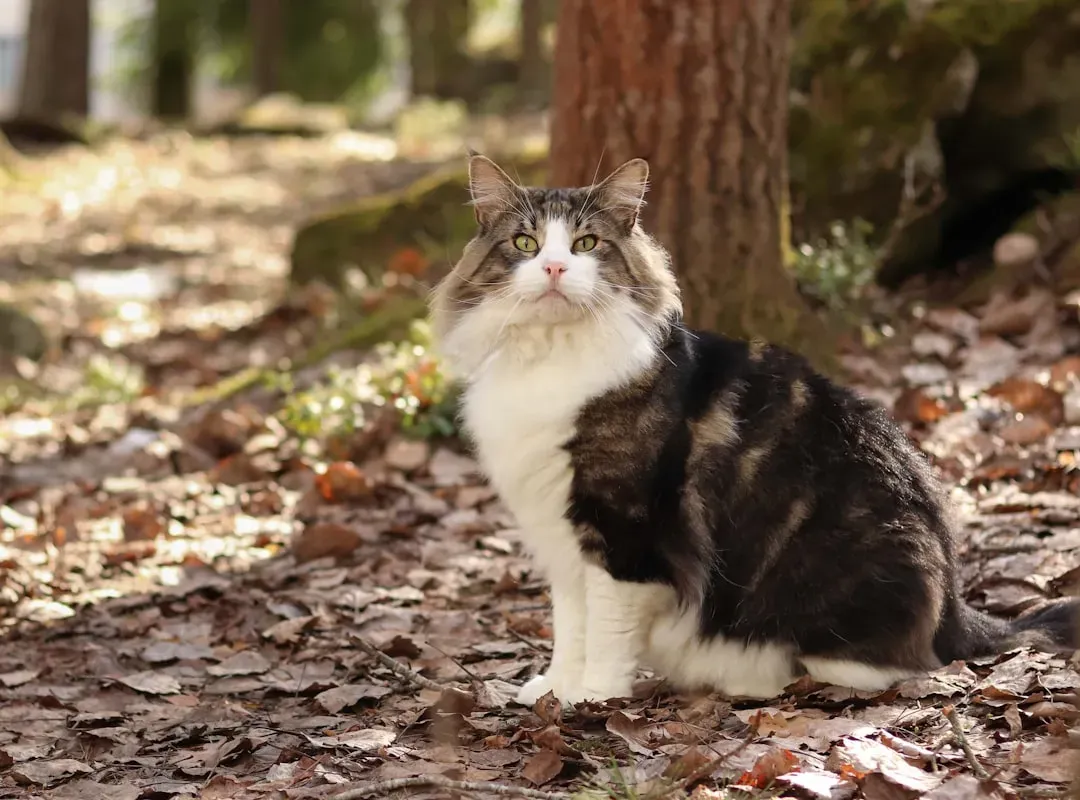
The Norwegian Forest Cat is a large, strong breed with a long, water-resistant coat. Originating in Norway, it developed to handle cold climates and rugged conditions. Its size and coat give it a striking yet natural appearance. Despite its rugged look, this breed is calm and patient. Norwegian Forest Cats are known for their gentle behavior and steady confidence. They enjoy activity but are not overly energetic indoors.
If you’re looking for a friendly cat that isn’t in constant need of attention, you’ll find it in the majestic Norwegian Forest cat. Centuries of adapting to harsh Scandinavian conditions has led to a breed that is well-tempered but not demanding. The Norwegian Forest cat works well within big families because they are adaptable and patient with children. They enjoy the presence of people and are welcoming to newcomers.
8. American Shorthair: The Reliable All-Rounder
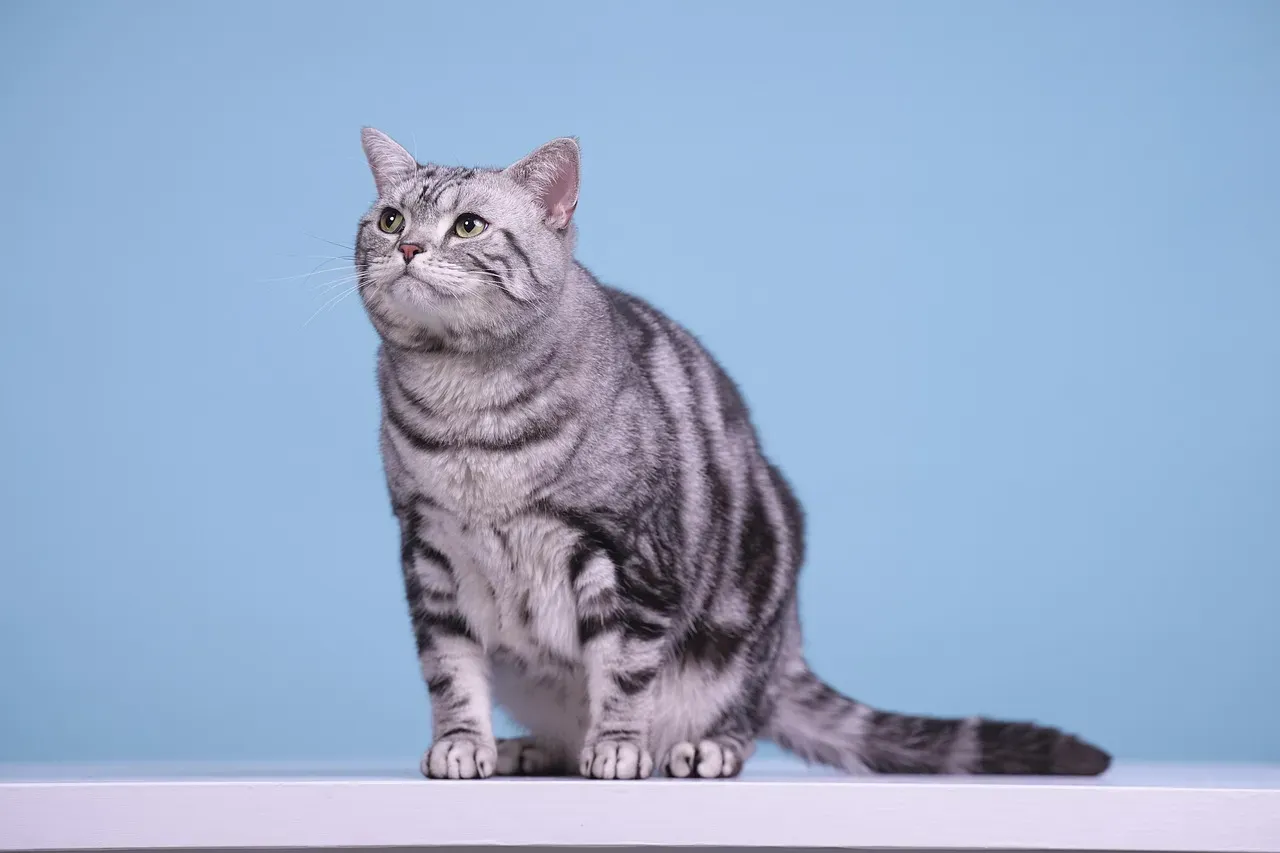
The American Shorthair is the “Goldilocks” of cats that strikes the perfect balance between calm and playful. This breed started out as barn cats that kept the original American colonies clean and rat-free and eventually became well-respected house cats, transitioning to a more relaxed lifestyle.
The American Shorthair cat, whose lineage likely stretches back to the Jamestown Colony and Mayflower, is a friendly, even-tempered breed. This is a laid-back working cat that’s always available when you need them, making it an ideal family companion. They are family-oriented, playful, funny, and gentle, and are often considered lower maintenance than other cat breeds. These cats love to be around their people, but they won’t beg for attention. Instead, they will climb onto your lap when they want to, and otherwise spend their time prowling and observing.
9. Siamese: Loving, Loyal, and a Little Fierce
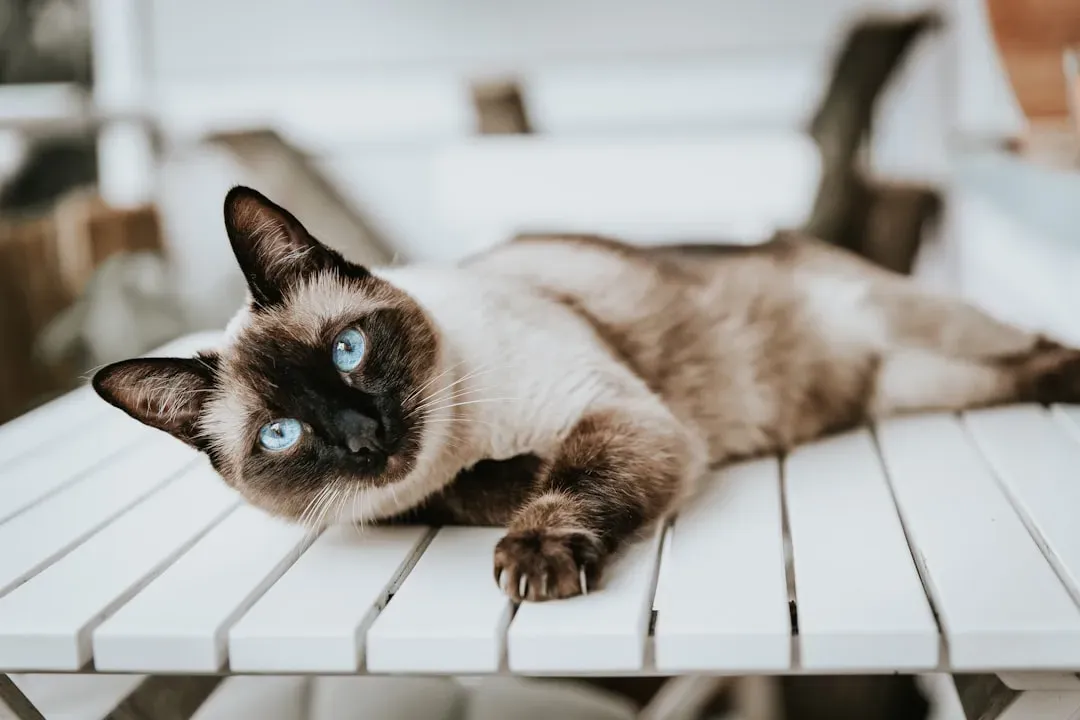
Siamese cats have striking blue eyes and a social nature. This means they’re happiest when they’re close to their people: on your lap, on your bed, or simply following you around the house. They’re also very vocal and talkative, and are known for the variety of sounds they make and their willingness to meow at you to get your attention.
That intensity, however, cuts both ways. Siamese cats form intense bonds and demand constant interaction. They react loudly and sometimes aggressively when they feel ignored or stressed. Their strong territorial instincts and high intelligence can lead to possessive behavior toward people and spaces. They can become jealous or demanding, which can turn into aggressive behavior especially if they feel ignored or displaced by other pets. They don’t tolerate being left alone for long and may lash out due to stress or boredom. With proper attention and stimulation, however, they can be loyal pets.
10. Bengal: Gorgeous, Smart, and Genuinely Wild at Heart
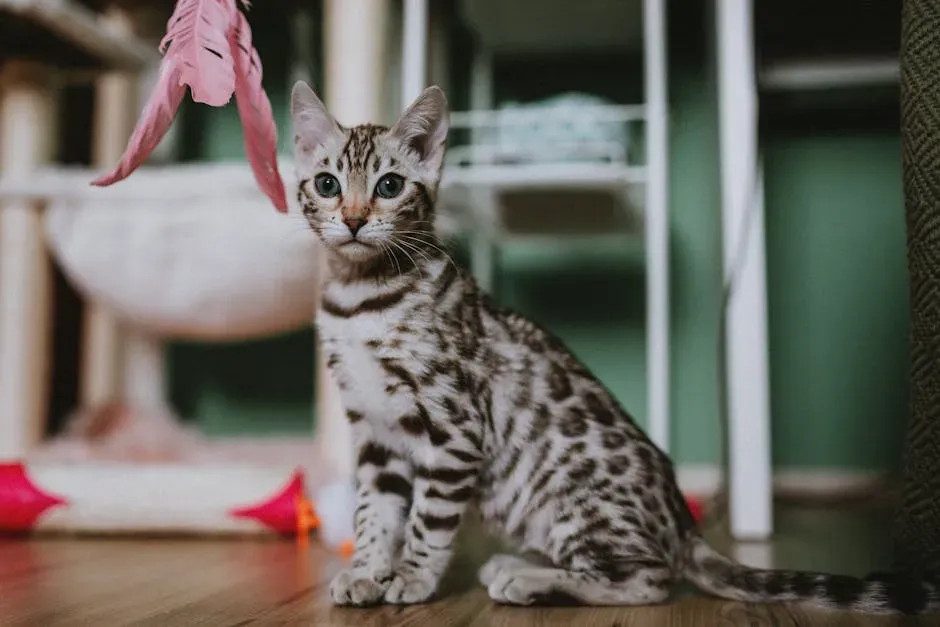
Bengals carry strong hunting instincts from their Asian leopard cat ancestry. They display high energy, dominance, and territorial behavior. Without daily stimulation and structured play, they may act out through biting, scratching, or chasing. The Bengal is known for its stunning spotted coat and wild appearance, but it also has a reputation for being one of the more aggressive breeds. Bengal cats are highly energetic and intelligent, which can sometimes translate into a more dominant personality. They can become territorial and protective, especially when they feel their home or family is threatened.
With their short coats, Bengal cats need minimal grooming, but they do need sufficient space and multiple interactive activities. Bengal cats thrive in homes where they can climb, scratch, and participate in interactive play. Without enough stimulation, Bengals may develop destructive or disruptive behaviors. They are intriguing in the right home and with interested owners. When they are in the wrong house, they may be difficult to manage in unsuitable environments. For experienced, active cat owners, a Bengal can be a magnificent companion. For everyone else, it’s a lesson in temperament expectations.
11. Turkish Van: The One Most Likely to Keep You on Your Toes
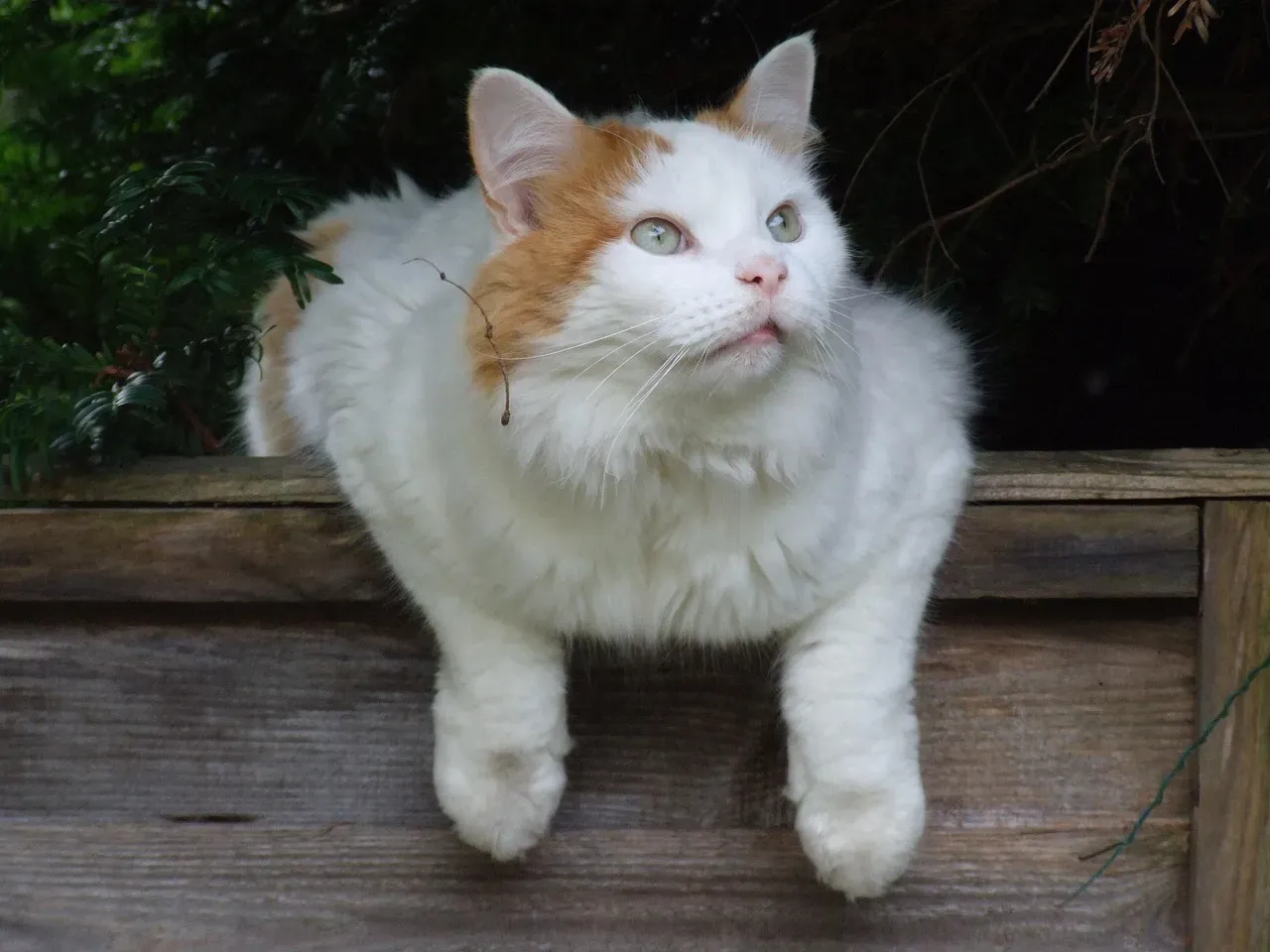
Often described as energetic and headstrong, the Turkish Van isn’t known for patience. They may not enjoy being held and can become reactive if physically restrained. They’re also known for their love of water, which can surprise unsuspecting owners. Research into feline behavior backs this up notably. Turkish Vans were the most likely breed to display aggression towards people in a large comparative study of domestic cat breeds.
Cluster analysis of feline personality traits placed the Turkish Van and Angora group as the most aggressive of all the clusters studied. Turkish Vans are very territorial and people typically find them staring out the windows for long periods of time. This breed requires plenty of attention from their owners because they like being pampered, but if this cat becomes neglected, they might become aggressive toward other pets or even humans in the home. They’re not for every household, but with the right owner who respects their boundaries, they can be fascinating and deeply loyal animals.
12. Sphynx: The Attention-Seeker With a Hair-Trigger Side
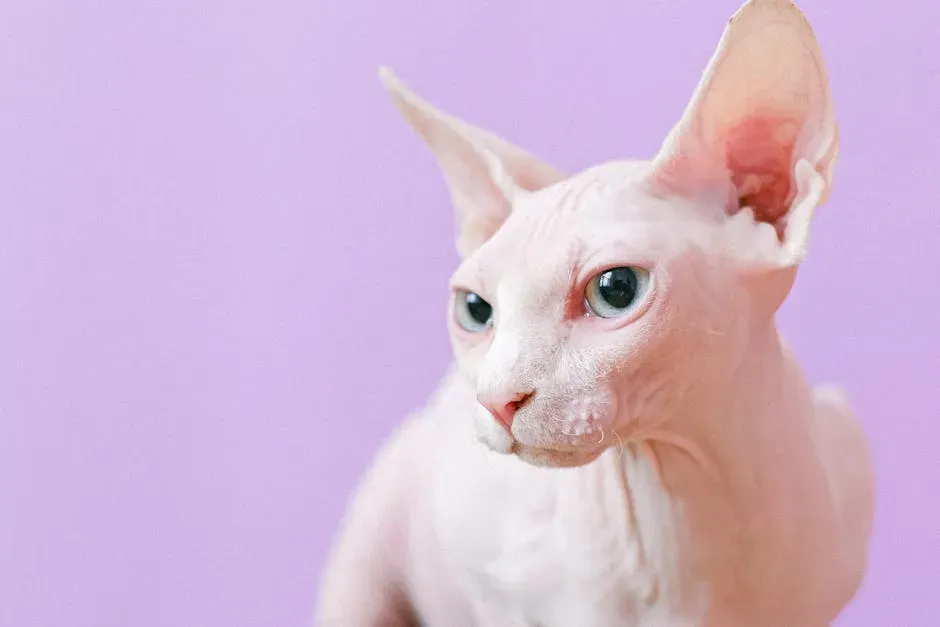
Sphynx cats often divide opinion due to their appearance, and there is hardly a middle ground. Personality is always what turns skeptics. They are some of the most loving, human-oriented cats in the market; they demand warmth all the time, they lie on people, and they tend to form strong attachments to their owners.
Sphynx cats crave attention and physical contact. They can become demanding and reactive if owners leave them alone for long periods. Their high energy and sensitivity may trigger nipping or swatting when overstimulated. Because they lack fur, they require frequent skin cleaning and can easily feel cold, so warm conditions are good for them. When the owners can meet those needs, the relationship developed is unlike that of most other breeds. Few cats reward attentive ownership quite like the Sphynx, though few cats punish neglect quite as visibly either.
13. What Actually Shapes a Cat’s Temperament?
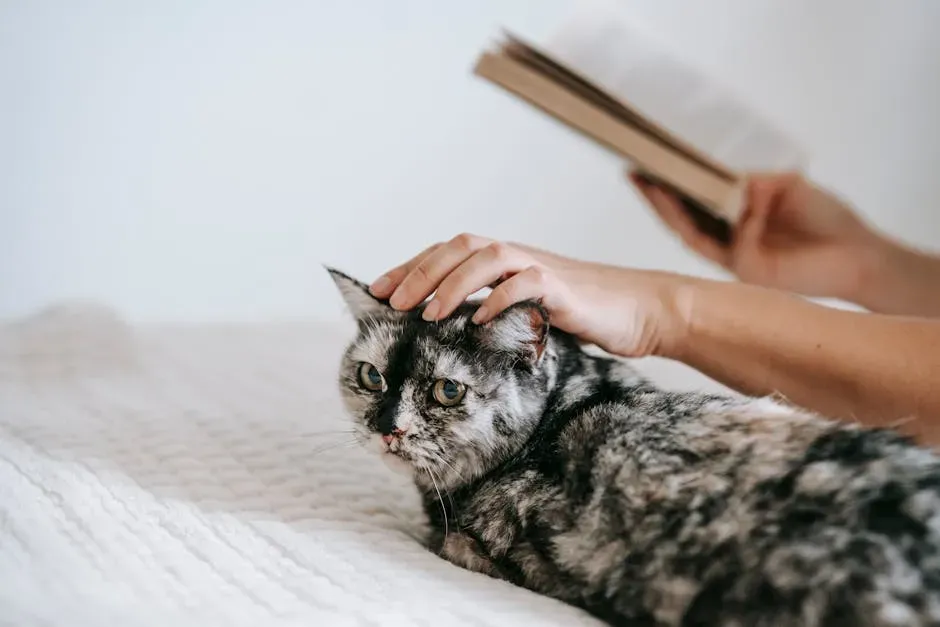
Environment shapes behavior just as powerfully as genetics. Proper socialization, enrichment, training, and medical care shape behavior more than breed alone. Owners who manage strong instincts properly raise stable, affectionate cats. Breed tendencies are real and useful to understand, but they’re a starting point rather than a fixed destiny.
A cat’s gentle nature does not merely stem from breed characteristics but also reflects the individual’s personality and the nurturing environment the owner provides. Genetics carry some weight since some breeds have stronger territorial instincts and higher reactivity. Early socialization also matters, as limited exposure to people and animals increases defensive behavior. Environment plays a role too, since crowded spaces and constant noise push stress levels higher. Understanding all of these factors together gives you a far clearer picture than breed label alone ever could.
Conclusion
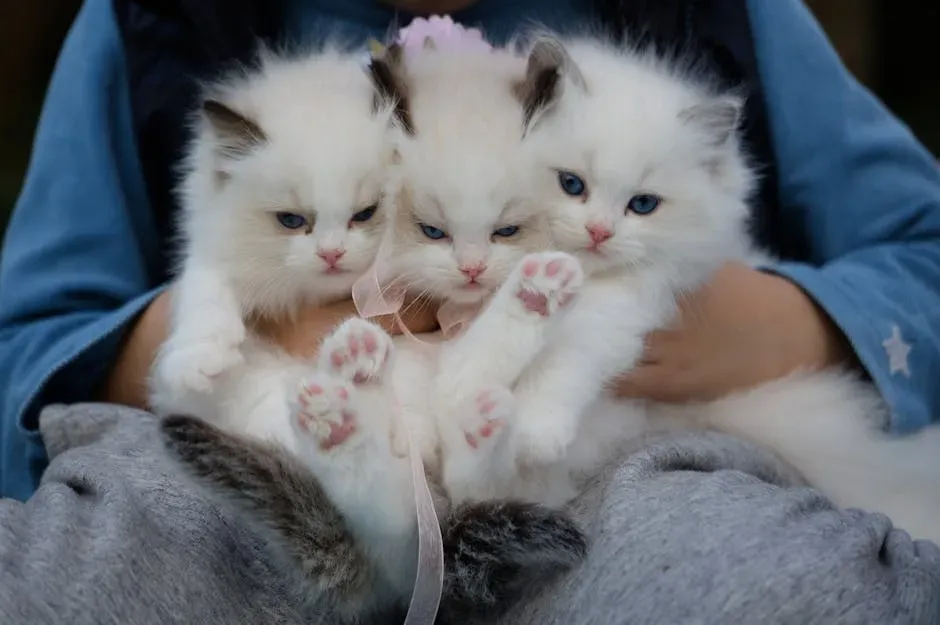
Choosing a cat based on temperament is one of the most practical decisions you can make as an owner. Choosing a cat for family life is about far more than looks. It’s about temperament, patience, and how well a feline fits into everyday routines. Some cats naturally enjoy gentle interaction, adapt easily to household noise, and form strong bonds with both adults and children.
The breeds in this article exist on a wide spectrum, from the famously relaxed Ragdoll to the high-voltage Bengal, and most fall somewhere in between. What tends to matter most in practice is how well a cat’s energy level and emotional needs align with your own lifestyle. A mismatch in that area is far more disruptive than any breed stereotype. The right cat for you might be the one you’d least expect, so keep an open mind alongside the research.
Kristina is a young writer from India. An arts graduate and an avid content creator, Kristina is passionate about animals and wildlife. She enjoys exploring topics related to pet care, animal behavior, conservation, and nature, combining thorough research with engaging storytelling.