There’s a reason people have spent years photographing their cats draped across sunlit floors, tucked into cardboard boxes, or slow-blinking from across the room like tiny, self-satisfied royalty. Cats have an almost supernatural talent for finding comfort, and they pursue it with a consistency that would impress even the most dedicated wellness enthusiast.
What makes it genuinely fascinating is that nearly every behavior you’d describe as “adorable” or “weird” actually has a purpose rooted deep in feline biology, evolutionary history, or emotional wiring. Your cat isn’t just being lazy or strange. They’re executing a highly refined comfort strategy, and they’ve been perfecting it for thousands of years.
Making Biscuits on Everything Soft
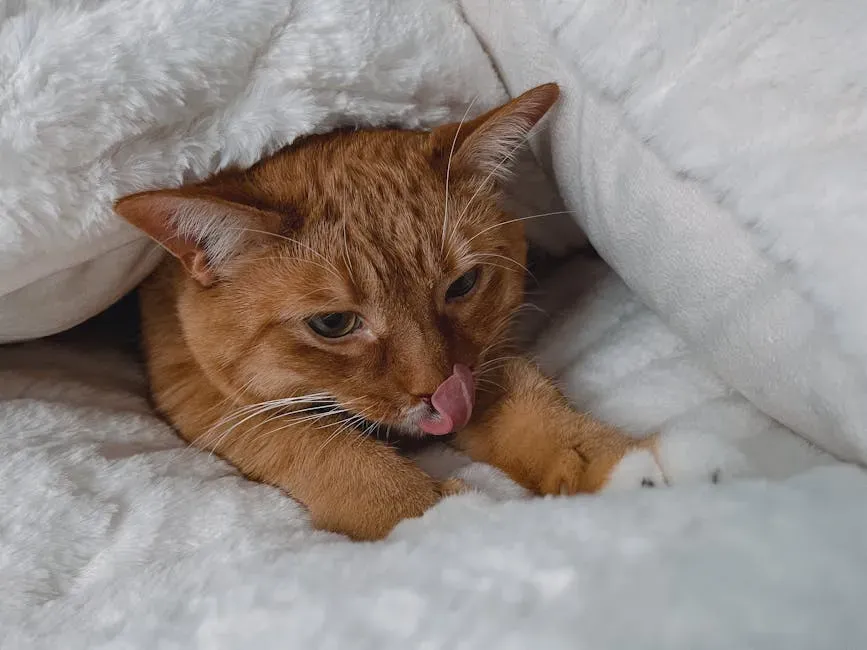
If your cat rhythmically pushes their paws in and out against a blanket, your lap, or the sofa cushions, you’re witnessing one of the most deeply rooted behaviors in the feline playbook. Kneading, often called “making biscuits,” is an extremely common cat behavior, and cats typically begin kneading when they are kittens, instinctively performing this action during nursing to help their mothers with milk production.
The action of kneading in cats causes the release of the pain-relieving, feel-good chemical dopamine in the brain. So when your cat settles onto your lap and starts working their paws, they’re not just being endearing. Kneading usually means the cat feels happy, friendly, and safe. It’s essentially their version of a deep exhale.
Chasing Sunbeams Across the Floor
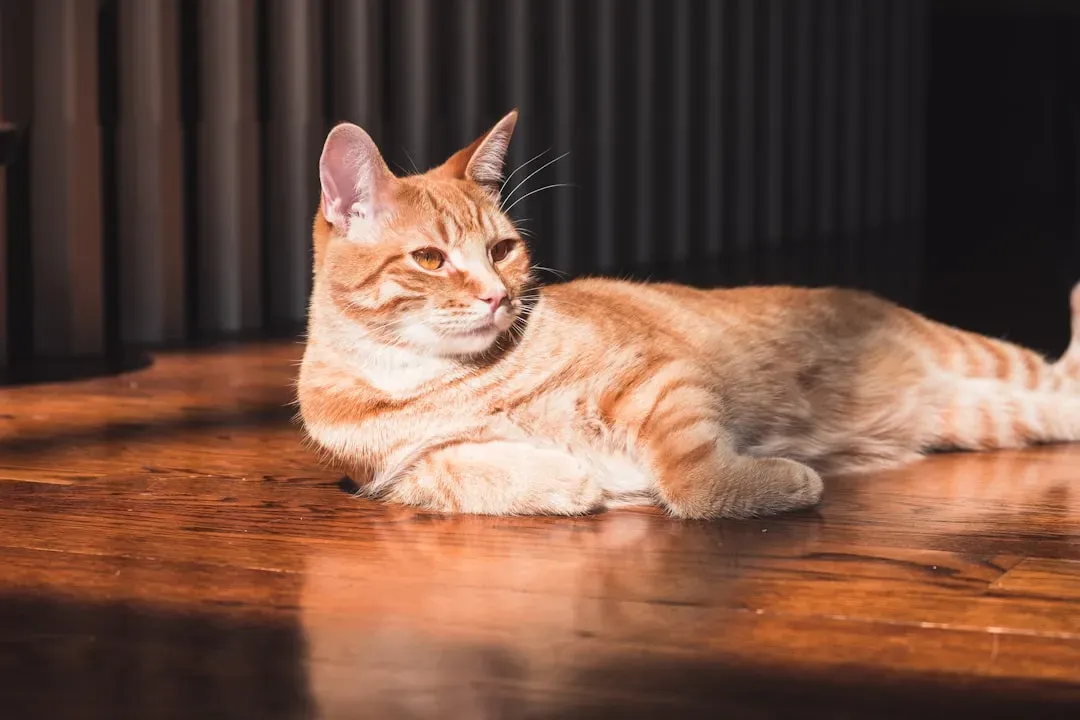
Cats are masters of thermoregulation, the process of maintaining an optimal internal body temperature. The average resting body temperature of a domestic cat ranges between 100.5°F and 102.5°F, slightly higher than that of humans. That gap explains a lot. Your cat isn’t being dramatic when they creep across the carpet to follow a shifting patch of sunlight.
Sunlight provides a natural, energy-efficient source of warmth. When a cat lies in a sunbeam, infrared radiation from the sun penetrates their fur and warms their skin and muscles, and this passive heating reduces the metabolic effort required to maintain core temperature. You could say your cat is simply outsourcing the effort of staying warm to the nearest available star.
The Classic Loaf Position
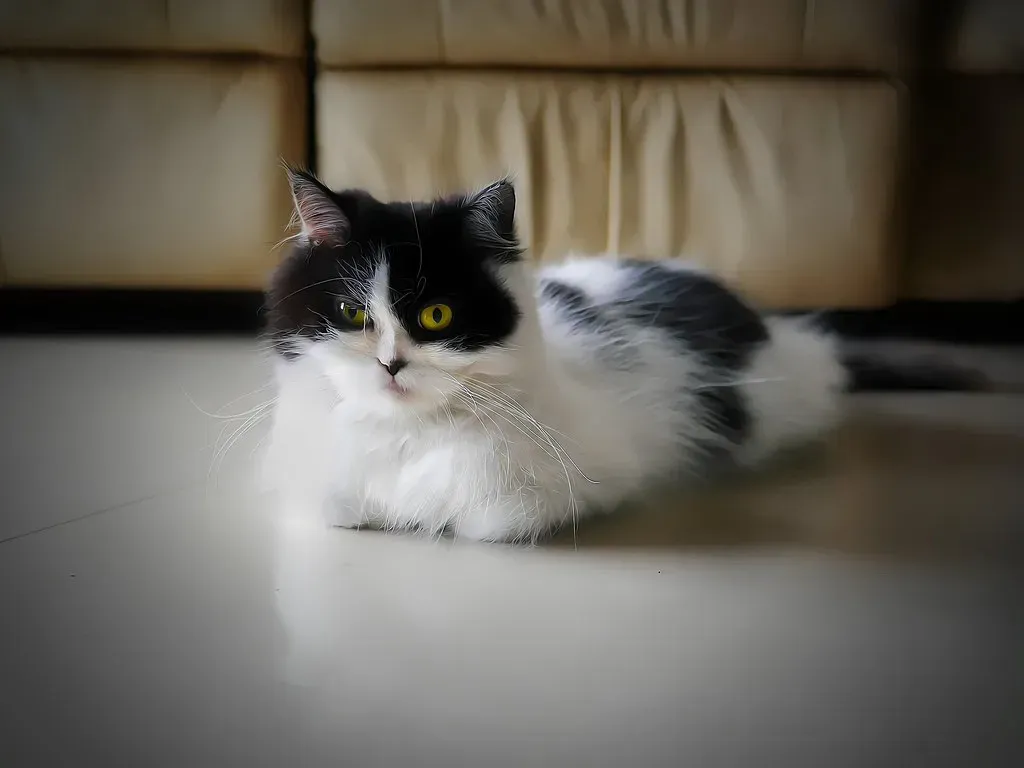
One of the most recognizable poses is when cats tuck their paws under their body, looking just like a little loaf of bread. While it’s undeniably cute, this pose can actually tell you a lot about your cat’s comfort, mood, and health. It’s one of those behaviors that looks effortlessly casual but carries real meaning.
Tucking their paws helps trap body heat, keeping them warm while they rest. Cats often loaf when they feel relaxed in their environment and don’t feel the need to stay on high alert. With their head upright and paws tucked, cats can rest comfortably while still being ready to react if needed. It’s the feline version of being both off-duty and on standby at the same time.
The Slow Blink Across the Room
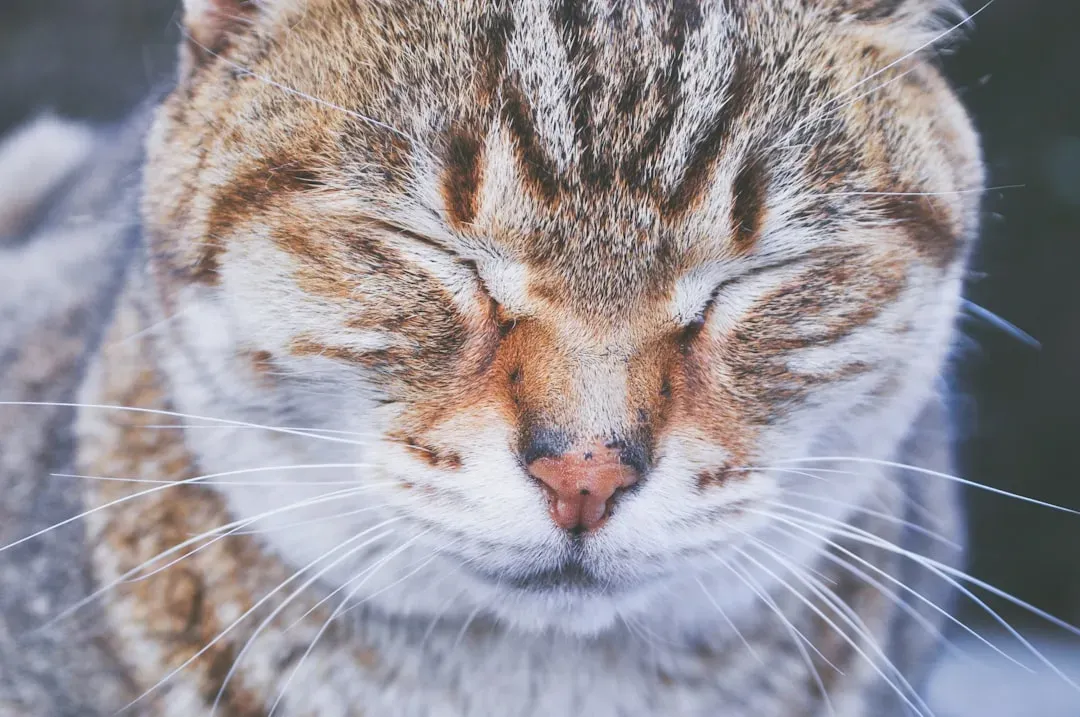
Slow blinking is a means of positive emotional communication that cats use to interact with humans, and it means that cats will only slow blink when they feel comfortable and close with someone. If your cat holds your gaze and then slowly closes and reopens their eyes, you’ve just received one of the highest forms of feline affection.
Cats not only initiate slow blinking behavior when they are feeling relaxed and content, but they also respond to slow blinks from other family members, including humans and other cats. One 2020 study found that cats were more likely to approach people who slow-blinked at them than those who kept a straight face. Try slow-blinking back. You might be surprised by how much your cat responds.
Squeezing Into Tiny Spaces and Boxes
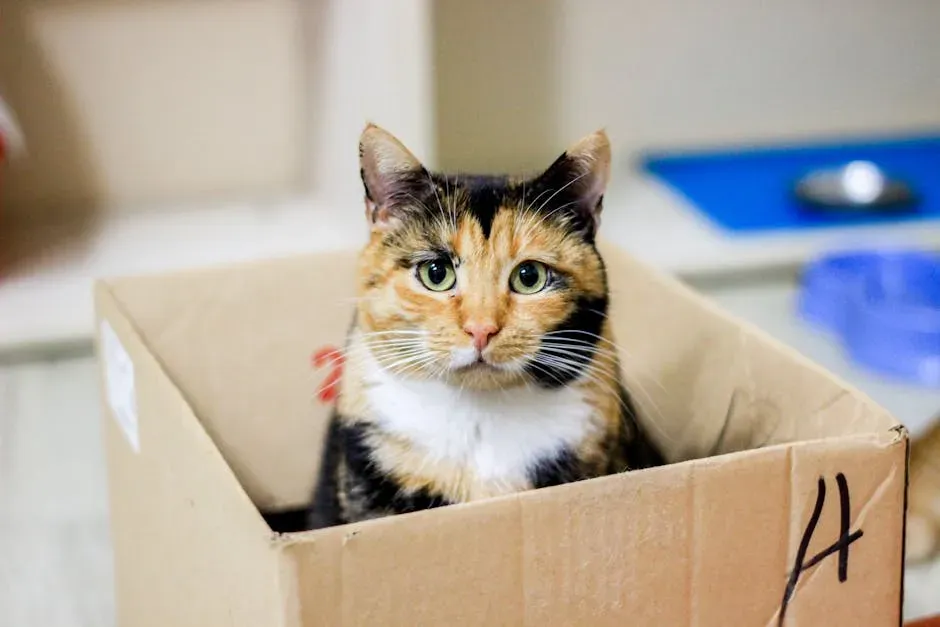
Cats love to be cozy and feel secure, and their habit of squeezing into small spaces like boxes, drawers, or cabinets can be traced back to their ancestors. Wildcats often slept in tight, secure areas to avoid predators and feel safe while sleeping. A cardboard box from an online order is, to your cat, essentially a five-star retreat.
Beyond security, boxes offer thermal insulation, which appeals to cats who naturally prefer warmer temperatures than most human homes. Studies have even shown that shelter cats provided with boxes to hide in show lower stress levels and adapt to new environments more quickly than those without boxes. Next time you’re about to break down that delivery box, maybe leave it out for a day or two first.
Sleeping Twelve to Sixteen Hours a Day
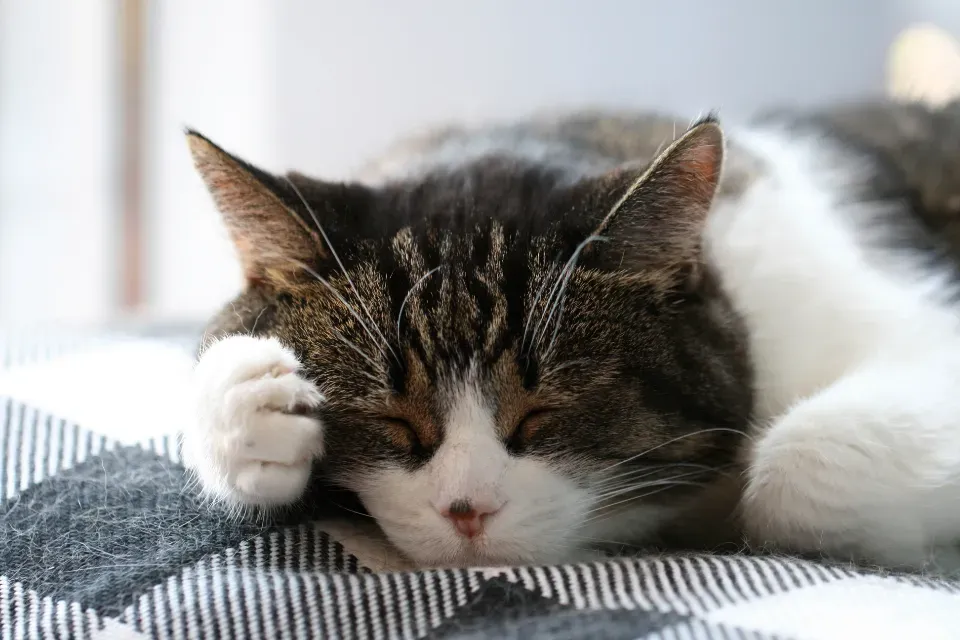
You’ve probably noticed that your cat treats sleep less like a necessity and more like a lifestyle. A typical domestic cat sleeps roughly 12 to 16 hours a day. That number isn’t a sign of laziness; it’s a holdover from their evolutionary roots. Cats are natural hunters. In the wild, they sleep around 70% of their day to conserve energy for hunting during twilight hours, and this instinct persists in domestic cats.
Cats have a polyphasic sleep pattern, which means they sleep multiple times a day. Catnaps range from 50 to 115 minutes but can be as short as 5 minutes, and the length of their naps will depend on their environment, as a noise or even the smell of food might rouse them into action at a moment’s notice. Your cat isn’t wasting the day. They’re conserving resources with remarkable precision.
Purring Like a Little Engine
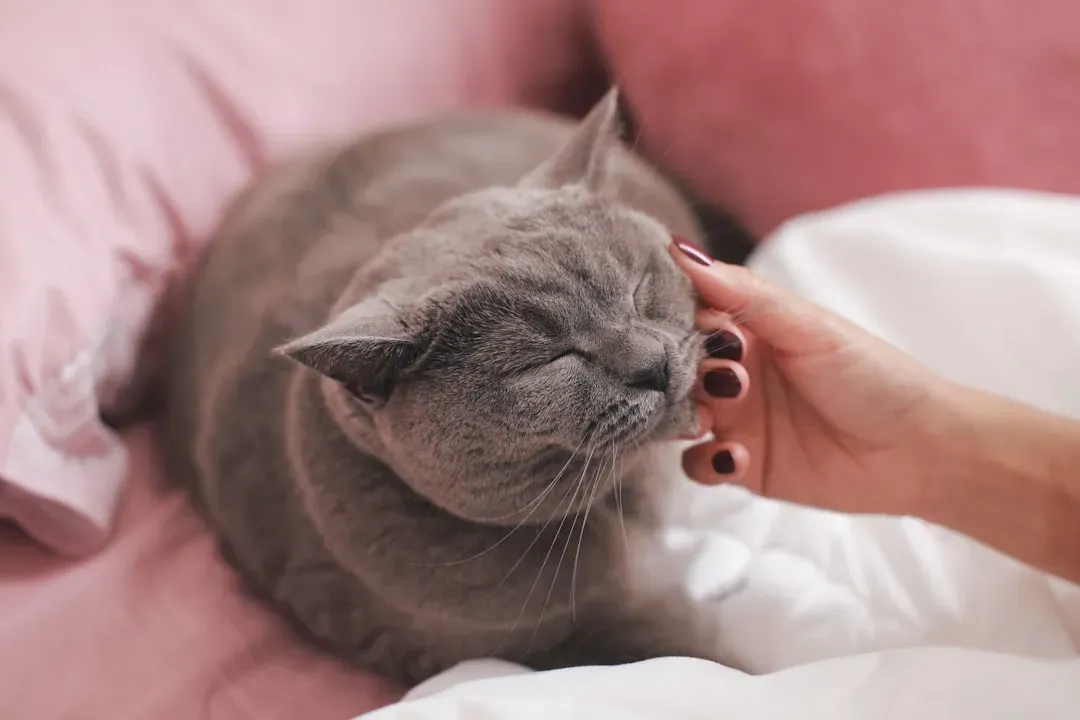
One of the most recognizable and common cat behaviors is purring, a soft, rhythmic sound that cats produce when they are content. While cat purring is almost always associated with happiness, there are times when it can have other meanings, such as anxiety and discomfort. Most of the time, though, a purring cat near you is a relaxed cat near you.
Purring is a special vibration from cords in your cat’s larynx. Some cats may purr under stress, but purring is usually a sign of relaxation. According to a study published in the journal Current Biology, cats also purr as a self-soothing mechanism when they are stressed. Whether it’s contentment or comfort-seeking, that rumble is your cat communicating something real.
Head Butting and Cheek Rubbing
When a cat butts its head against you, it is most likely indicating that it feels safe with you, and it wants to mark you as its territory. Cats have scent glands on their foreheads, chins, and cheeks, and when they push their heads up against you, this releases pheromones that can indicate to other cats and animals that a person or place is theirs. It’s territorial, yes, but also genuinely warm.
This behavior, which is called bunting, can also be a way to reduce stress, to express affection, and to receive comfort. When your cat rubs their cheek along your arm, they’re doing two things simultaneously: claiming you and calming themselves down. That’s an efficient use of a single gesture.
Grooming Themselves With Meticulous Care
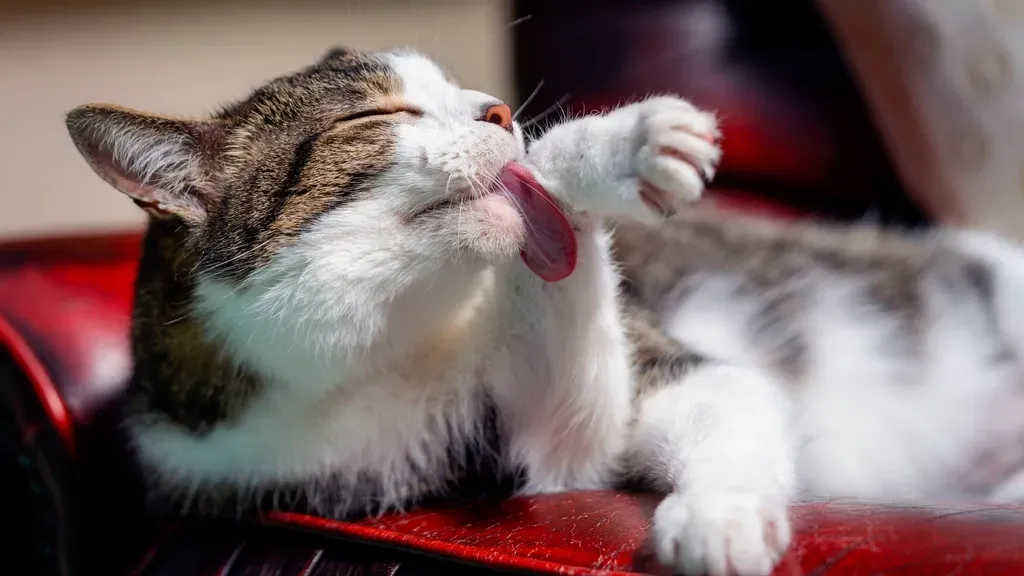
Cats tend to lick themselves a lot. This is because they’re self-cleaning creatures, and their grooming habits are quite impressive. Cats are born with the essential grooming tools: paws, a rough, barbed tongue, and saliva. The ritual is thorough, calming, and consistent, and it serves both hygiene and emotional regulation.
Oral grooming for domestic and feral cats is a common behavior; studies on domestic cats show that they spend about 8% of resting time grooming themselves. Grooming is extremely important not only to clean themselves but also to ensure ectoparasite control. So while your cat’s self-care routine might look like pure indulgence, there’s real function behind every careful lick.
Claiming the Highest Spot in the Room
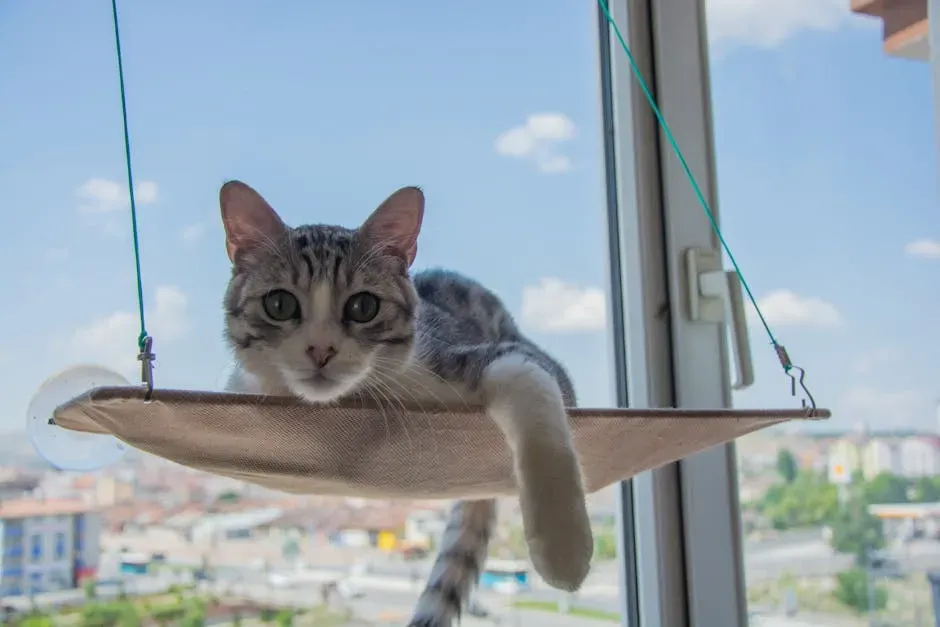
Cats have an uncanny ability to get up high, probably because it’s an advantage for hunting or hiding. Whether it’s the top of the refrigerator, a bookshelf, or a dedicated cat tree, your cat gravitates toward elevation with purpose. A high perch gives them visibility, security, and a sense of ownership over the space around them.
It’s worth enticing your cat with a cat tree or cat perch, and placing it somewhere warm, with a good view, for feline snoozing and surveillance. From up there, your cat can monitor the whole room without committing to any interaction. It’s the architectural embodiment of comfort on their own terms.
Sleeping on Your Clothes or Lap
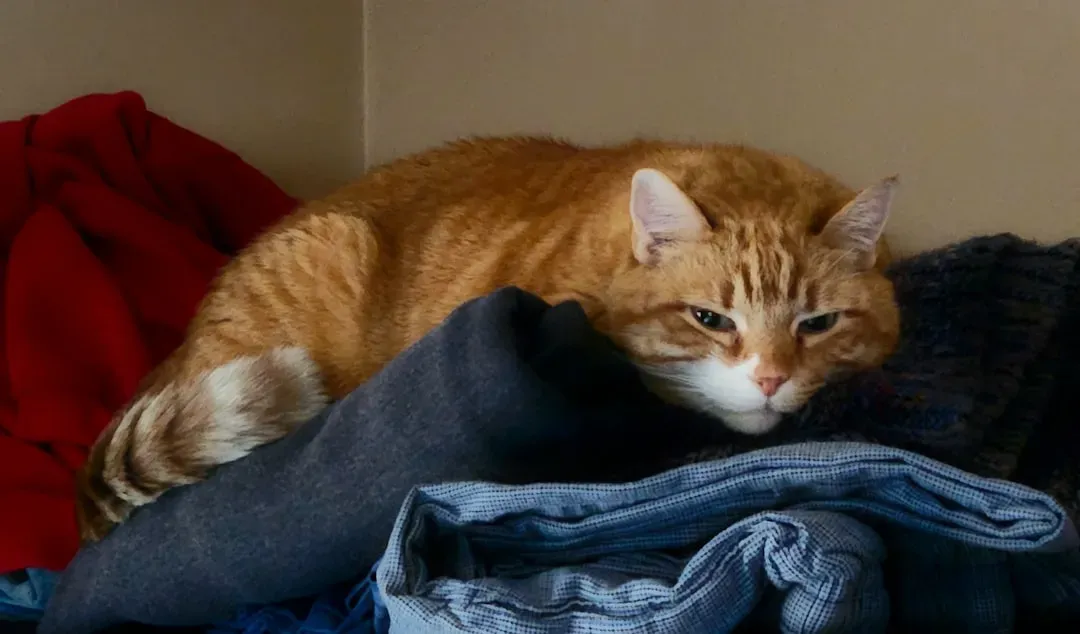
There’s a particular version of this behavior most cat owners know well. You fold a fresh pile of laundry, step away for two minutes, and return to find a cat planted directly on top of it. Cats adore soft materials, and faux fur or similar textures are perfect because they remind them of kittenhood snuggled up with their mother. Your worn clothes add another layer: your scent.
Cats love to knead and settle on soft surfaces like cozy blankets, squishy cushions, or most commonly your lap when they’re enjoying your interaction. The comforting association from kittenhood often sticks with cats into adulthood, and they continue the motion when they feel safe and happy. If your cat settles on you, take it as a sign that they trust you and see you as a source of comfort. That stack of clean laundry isn’t ruined. It’s been chosen.
Conclusion

Every one of these behaviors, from the slow blink to the sunbeam chase to the enthusiastic box occupation, tells the same underlying story. Your cat is a creature wired for comfort, and they pursue it with both instinct and intention. What looks like quirky or even inexplicable behavior is usually a well-practiced strategy for staying warm, feeling safe, and maintaining emotional balance.
Understanding these habits doesn’t just make your cat more interesting to observe. It makes you a better companion for them. When you recognize that your cat’s loaf position signals calm, or that kneading on your lap is a form of trust, you see the relationship differently. You’re not just sharing a home with an animal that sometimes ignores you. You’re living alongside a creature that has, in its own quiet and deliberate way, decided you’re worth getting comfortable around.
Kristina is a young writer from India. An arts graduate and an avid content creator, Kristina is passionate about animals and wildlife. She enjoys exploring topics related to pet care, animal behavior, conservation, and nature, combining thorough research with engaging storytelling.