Most people assume a cat’s vocabulary begins and ends with the meow. It’s the sound we notice first, the one we try to mimic back, and the one that fills countless videos online. What often goes unnoticed is the rich, layered communication happening right alongside it, through tail angles, slow blinks, timed behaviors, and strategic silence.
Cats are masterful communicators, using an intricate combination of vocal signals, body language, and subtle behavioral cues to express their needs, emotions, and intentions. The more closely you pay attention, the more apparent it becomes that your cat isn’t just reacting to the world. Your cat is actively trying to talk to you in it.
1. Your Cat Uses Its Tail Like a Mood Flag
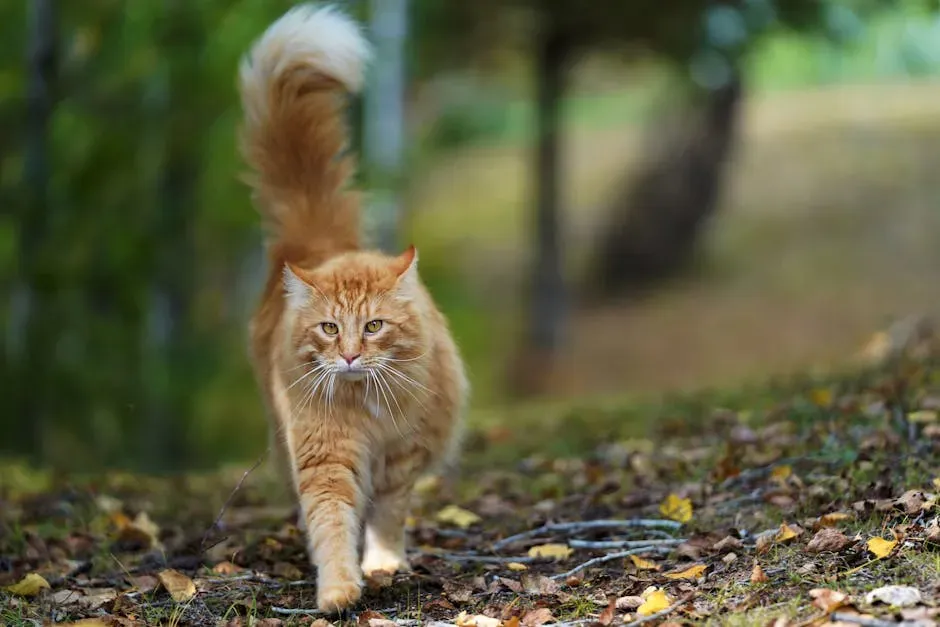
If you’ve ever watched your cat stroll into a room with its tail held perfectly vertical, that’s not a coincidence or a stretch. A cat holding its tail vertically generally indicates positive emotions such as happiness or confidence, and the vertical tail is often used as a friendly gesture toward people or other cats. It’s essentially a wave hello.
The tail communicates a whole spectrum beyond that greeting. A half-raised tail can indicate less pleasure, and discontent is indicated with a tail held low. A cat’s tail may swing from side to side, and if this motion is slow and “lazy,” it generally indicates that the cat is in a relaxed state. Once you start reading these signals, you’ll realize your cat has been narrating its mood all along.
2. Your Cat Gives You the Slow Blink on Purpose

That heavy-lidded, leisurely blink your cat sends your way from across the room is not sleepiness. It’s trust. In contrast to a direct stare, cats will lower their eyelids or slowly blink them to show trust and affection to their owners. It’s one of the quietest and most meaningful things a cat can say.
Research examining three types of interactions between cats and humans found that the modality of communication had a significant effect on how quickly cats approached a person, with cats interacting significantly faster in response to visual and bimodal communication compared to vocal communication alone. When your cat initiates a slow blink, it’s choosing a visual language it knows carries weight. Try blinking back. You might be surprised by what you get in return.
3. Your Cat Has Developed a Vocal Vocabulary Specifically for You
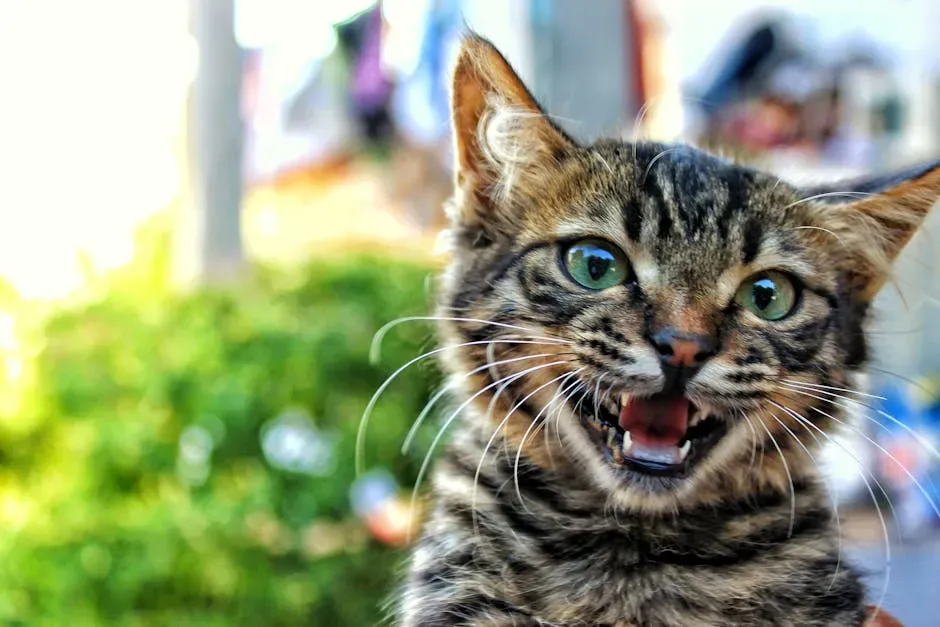
A fascinating aspect of feline sound is that cats primarily developed meowing to communicate with humans, not other cats. This means the sounds your cat makes at you are, in a real sense, a language evolved for your benefit. Adult cats rarely meow to each other, and so adult meowing to human beings is likely to be a post-domestication extension of mewing by kittens.
The range of that vocabulary is wider than most people realize. Scientists have counted around nine different types of vocalization in young cats and around sixteen in adult animals. Domestic cats have more different “words” than wild cats, suggesting our house cats have adapted their vocal range to humans over the course of domestication. Your cat isn’t just making noise. It’s crafting a message it’s learned you can understand.
4. Your Cat Reads Your Emotions and Responds Accordingly
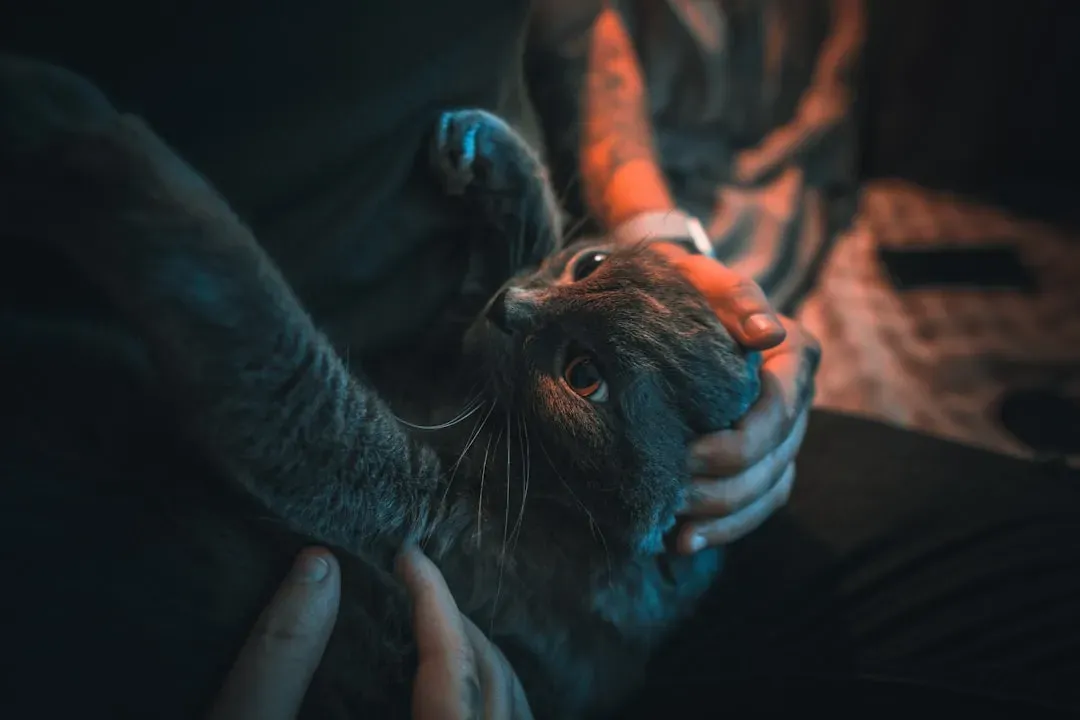
Intelligent cats often understand social cues, responding appropriately to your emotions or the actions of other pets. Their ability to communicate through various sounds and physical cues highlights their social intelligence. You’ve probably noticed your cat gravitating toward you when you’re having a rough day, or staying carefully out of the way when the energy in the room is tense.
Research has shown that cats are able to form close bonds with their human caregivers and can even recognize and respond to their owners’ voices and emotions. This isn’t coincidence or simply opportunistic comfort-seeking. It’s your cat processing emotional information from the environment and choosing how to respond. That’s a genuinely sophisticated thing to do.
5. Your Cat Uses Paw Contact to Get a Specific Point Across
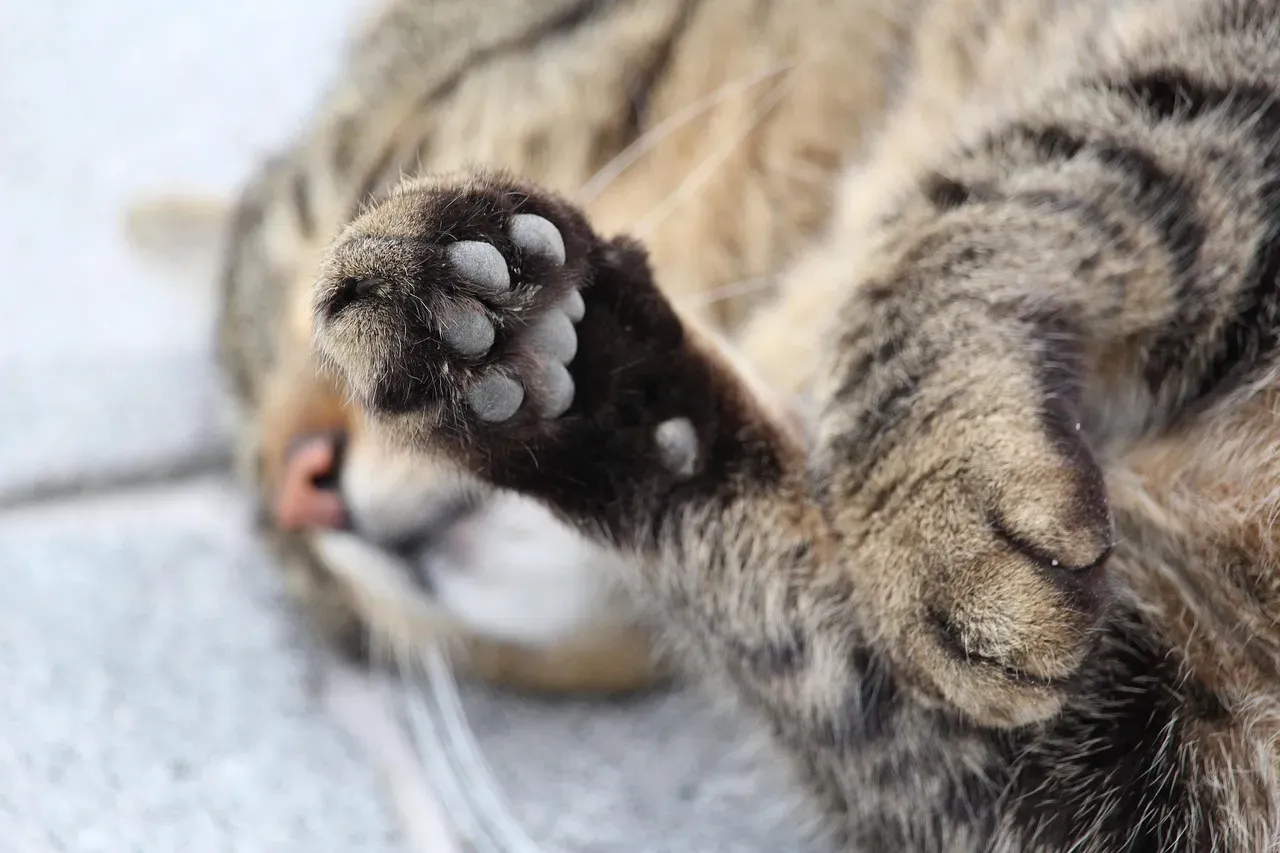
When your cat taps you gently on the arm or places a paw on your leg, that’s intentional contact with a clear communicative goal. Cats use their paws to communicate in a number of ways. A gentle paw tap is a way of getting your attention without meowing, while swatting usually signals a warning to back off or stop unwanted interaction. The distinction between a tap and a swat is deliberate, not accidental.
Some cats even modify gestures, such as paw taps or eye contact, depending on how effectively they elicit the desired response, a hallmark of social learning. Your cat is paying attention to what works with you specifically and adjusting its tactics. That’s not just communication. That’s personalized communication.
6. Your Cat Knows Its Name and Yours Too
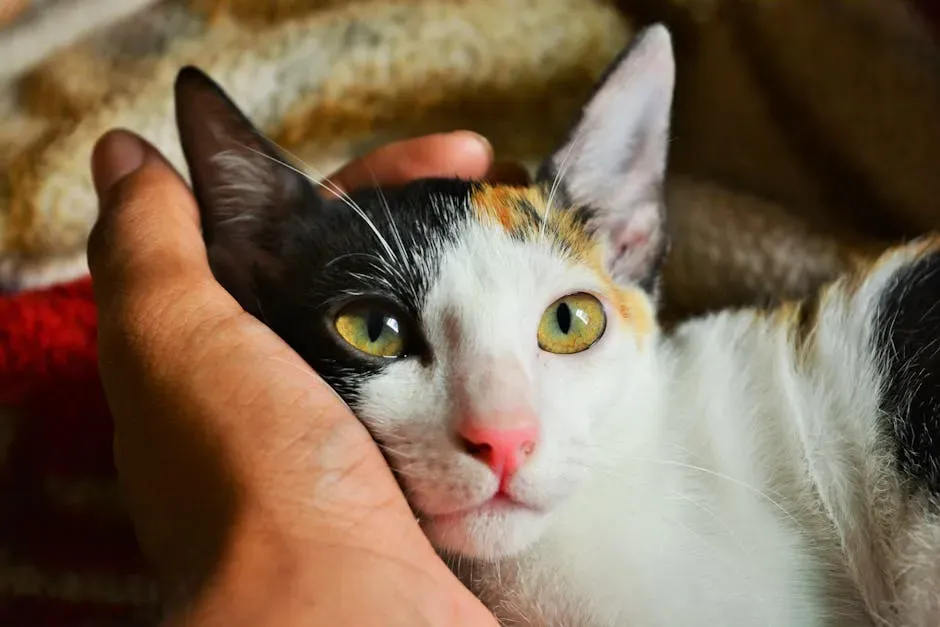
Research reveals that cats can recognize their names and their owners’ voices, responding with subtle behaviors like head and ear movements rather than overt actions. A cat that doesn’t bolt to your side when called isn’t necessarily ignoring you. It’s processing the signal, recognizing it, and deciding whether to act on it. Classic cat.
What makes this even more interesting is the social reach of that recognition. Studies have shown that cats recognize their own names. Not only that, but they also know their companions’ names. So while they might or might not respond, a smart cat knows when you’re talking about them. That quiet ear-swivel when you mention a housemate’s name? Probably not a coincidence at all.
7. Your Cat Mirrors Your Routines With Surprising Precision
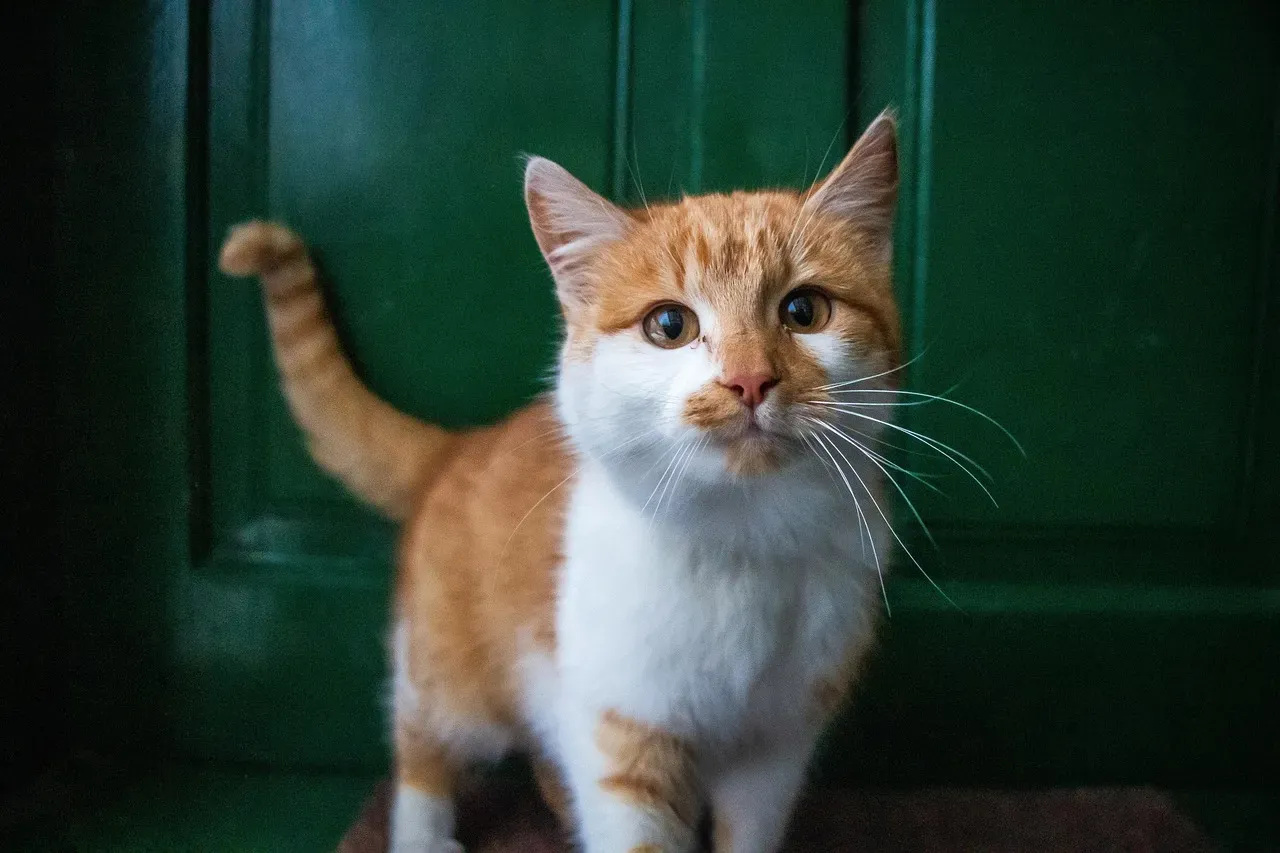
If your cat waits by the door just before their favorite human comes home or materializes in the kitchen the second the fridge opens, that’s not magic. Studies suggest cats use temporal learning, recognizing patterns in time and associating them with predictable outcomes. Your cat has been quietly building a mental schedule of your day.
In one study, cats remembered the “what” and “where” of past meals for up to fifteen minutes. In daily life, this helps them recognize patterns in time and associate them with outcomes, like you closing your laptop as a sign that dinner time is approaching. The cat who shows up the moment your work call ends isn’t psychic. It’s just been paying closer attention than you have.
8. Your Cat Uses Scent and Rubbing as a Form of Intentional Messaging

When your cat rubs its face against you or weaves between your legs, it’s not just being affectionate in a vague, fuzzy way. It’s sending a message through scent, marking you as part of its social group. Cats use several types of tactile behaviors to communicate, such as grooming or biting each other. They also use olfactory communication, including marking their territory and social group members through scent.
Kneading, often called “making biscuits,” signals comfort and contentment, while clawing or scratching is a natural behavior used to mark territory and stretch muscles. Each of these physical acts carries information. Your cat is essentially leaving a note for you and for any other cat in the space, written in a chemical language that’s been working far longer than meowing has.
9. Your Cat Learns by Watching You and Then Acts on It
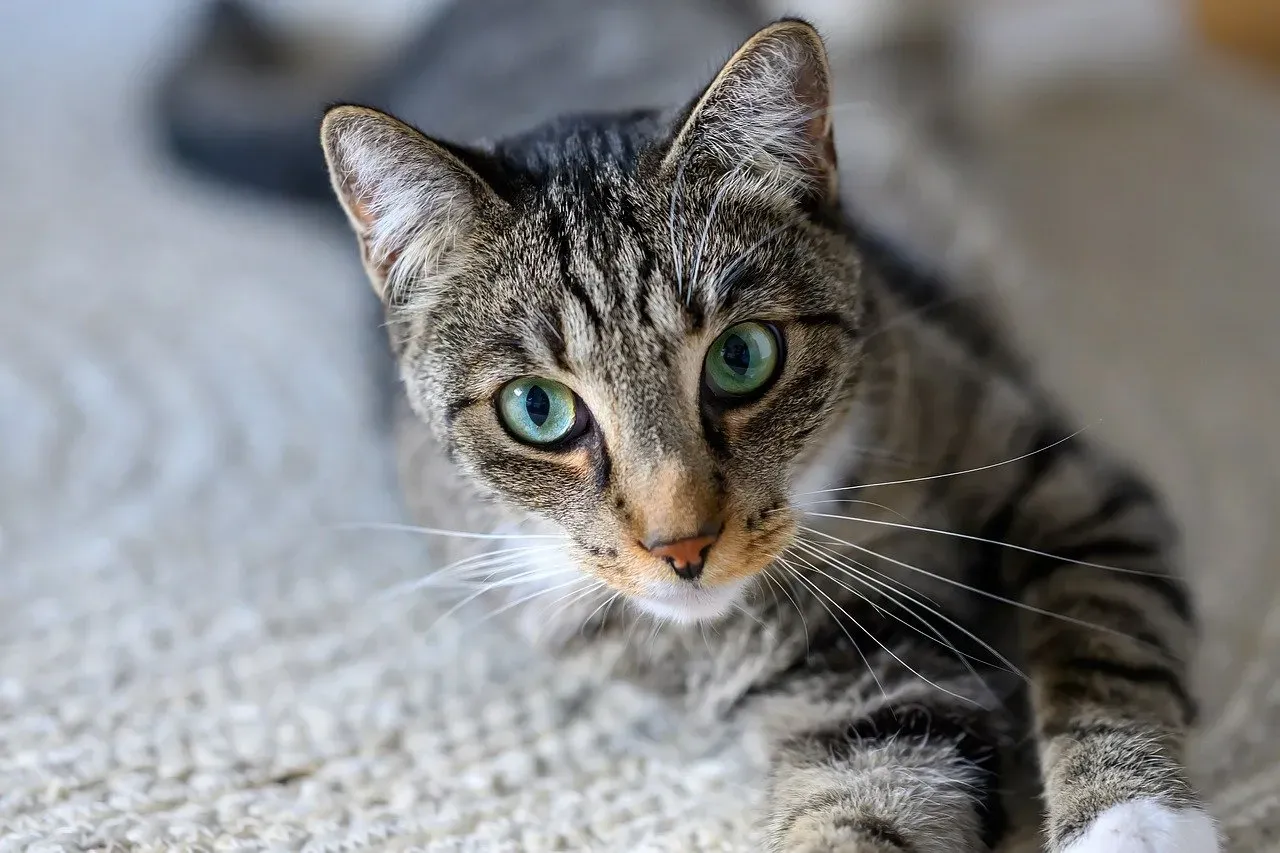
Observational learning is a hallmark of higher cognitive ability, and smart cats are good at it. You may have noticed your cat watching you turn a door handle or operate a faucet with a focused, almost calculating look. That isn’t idle curiosity. Simply by watching their owners and mirroring their actions, cats are capable of learning human-like behaviors like opening doors and turning off lights.
Rather than testing for abstract logic, scientists assess how cats use learning and memory to adapt to changing environments and relationships. Feline intelligence is measured not by obedience but by ingenuity, and by how skillfully cats turn curiosity into strategy. A cat that studies you before replicating your behavior isn’t just smart in the abstract. It’s demonstrating one of the clearest markers of complex cognition: learning from observation rather than from trial and error alone.
What This All Means for You and Your Cat
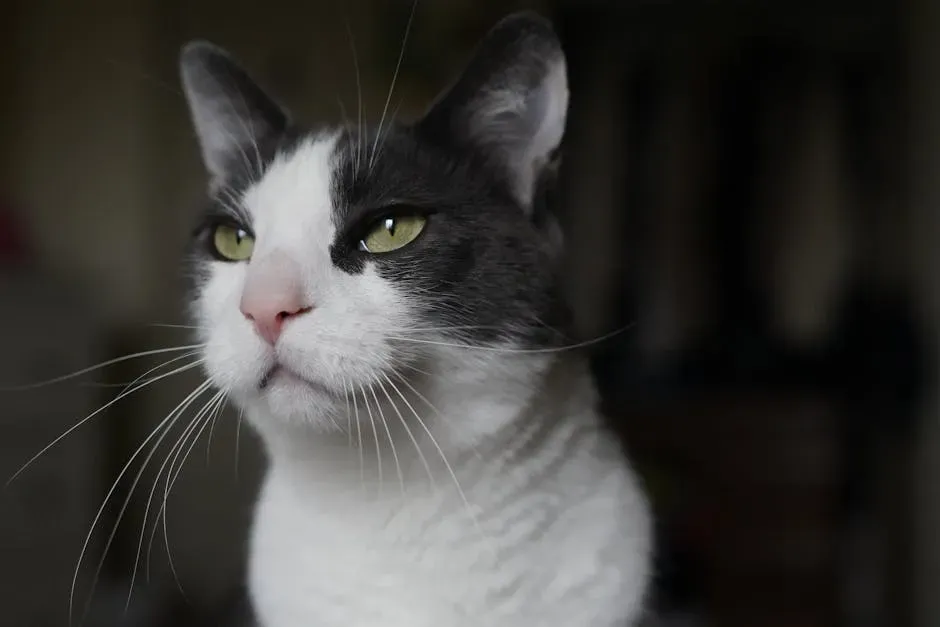
The picture that emerges across all nine of these signs is consistent. Cats that learn routines, manipulate environments, and communicate clearly are using the same mental skills researchers study in labs: memory, problem-solving, and social cognition. This isn’t about labeling your particular cat a genius. It’s about recognizing that every cat carries a richer inner and communicative life than a casual glance would suggest.
Research brings further evidence for the emergence of human-compatible socio-cognitive skills in cats that favor their adaptation to a human-driven niche. Overall, cats’ adaptation to the human social environment employs a combination of evolutionary processes that provide the basis for complex forms of interspecific communication. Your cat has been adapting to you, building a shared language piece by piece, one slow blink, one paw tap, and one perfectly timed appearance at the kitchen door at a time.
The more you learn to read these signals, the more you realize the conversation has always been two-sided. You just needed to start listening to the quieter half of it.
Kristina is a young writer from India. An arts graduate and an avid content creator, Kristina is passionate about animals and wildlife. She enjoys exploring topics related to pet care, animal behavior, conservation, and nature, combining thorough research with engaging storytelling.