You’ve probably experienced it. Your cat settles at the far end of the room, fixes you with that steady, half-lidded gaze, and shows zero interest in the lap you’re clearly offering. It’s not rudeness. It’s not indifference. It’s something far more layered than that, rooted in instinct, personality, early life, and a feline social code that runs completely counter to human expectations.
Understanding why your cat prefers a respectful distance over a cuddle session requires a small but meaningful shift in perspective. Once you start reading their behavior on their own terms, you’ll likely realize that your watchful, aloof companion is expressing something genuine. You just need to know what to look for.
Their Wild Ancestry Still Shapes Everything
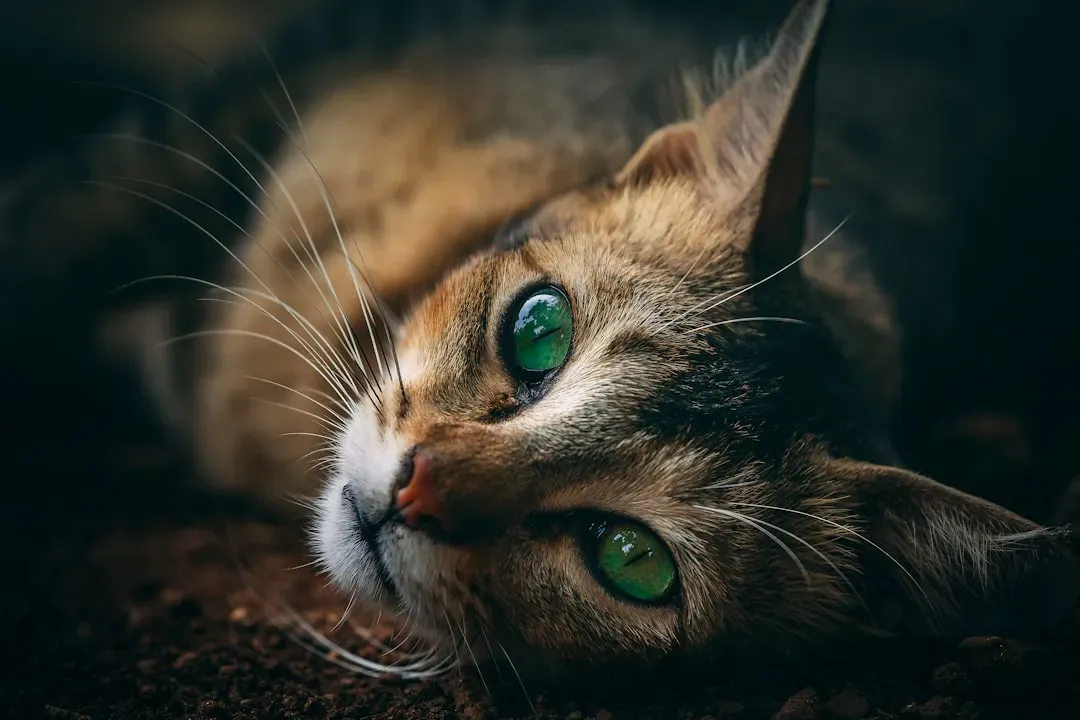
Domestic cats evolved from solitary, independent ancestors that relied only on themselves. Today, they exist on a social continuum, ranging from solitary individuals to those comfortable in social groups. Unlike dogs, they haven’t evolved from a fundamentally social species, which means they never had to develop sophisticated face-to-face communication skills.
Unlike dogs, who evolved to work closely with humans, cats developed as solitary hunters. That heritage doesn’t disappear the moment a cat curls up on your sofa. Cats aren’t like dogs who often crave constant physical contact. Their wild ancestors were solitary hunters, and this heritage remains deeply ingrained. Domestic cats may have adapted to living with humans, but their social needs are still very different.
Watching You Is Actually a Form of Trust
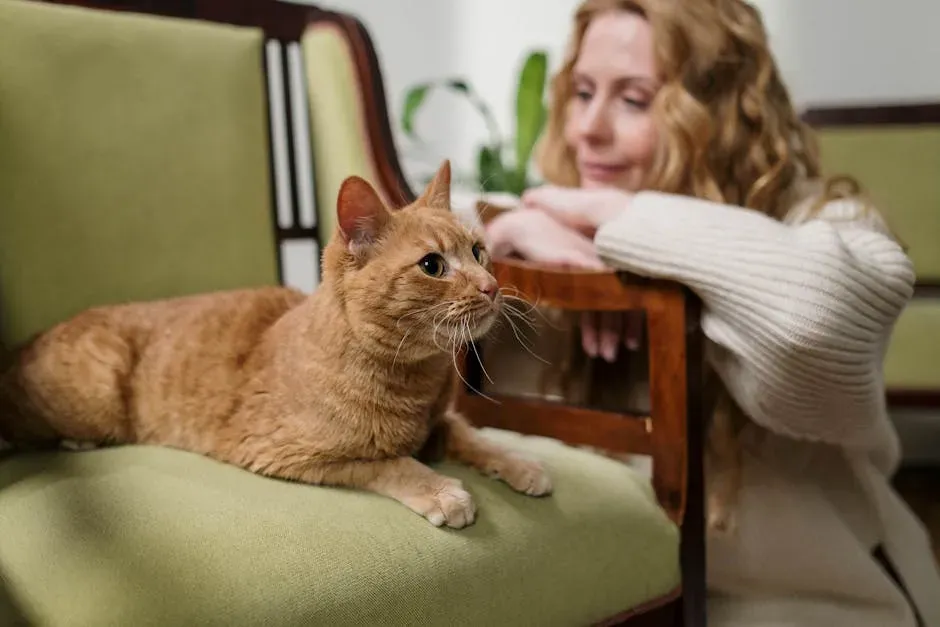
If your cat prefers to watch you rather than interact, it doesn’t mean they don’t love you. In fact, watching is often a sign of trust. By keeping an eye on you from a distance, your cat is showing that they feel safe in your presence. That calm, observational gaze isn’t detachment. It’s quiet confidence.
In the world of cats, watching is far more than a passive hobby; it’s a complex language and a window into their emotional world. For many cats, especially those with shy or independent personalities, observation is their way of participating in family life. It’s a subtle, gentle form of companionship that shouldn’t be underestimated.
Early Socialization Sets the Foundation
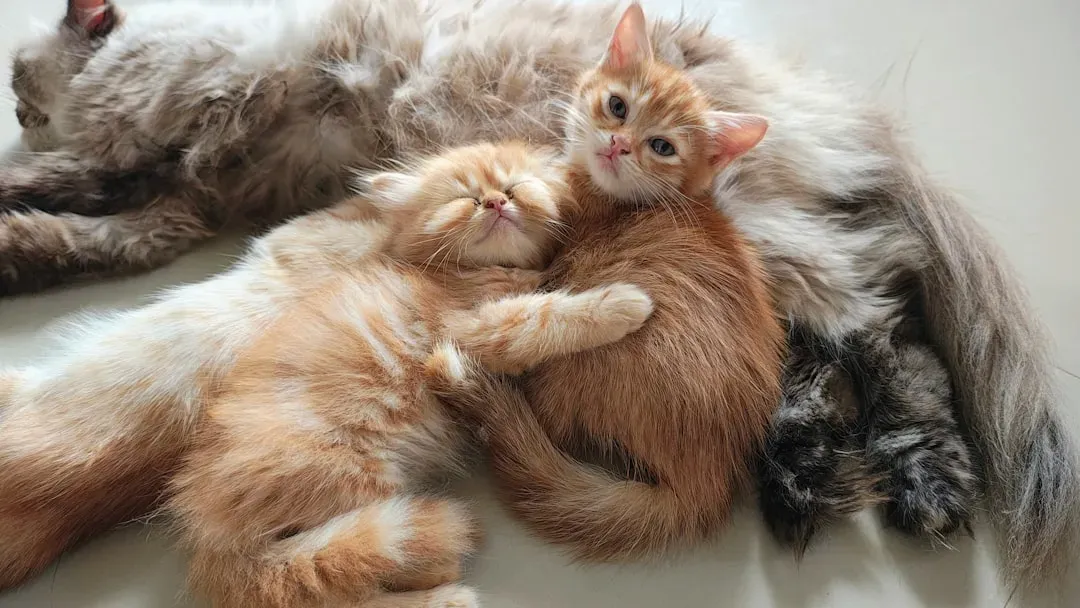
Cuddly cats are usually those that were introduced to human affection and interaction at an early age. The biggest factor in whether or not a cat will enjoy cuddling is whether or not they were socialized as a kitten. That window is narrower than most people realize.
Kittens must be regularly and gently exposed to human affection and interaction in their first four months of life in order for it to truly take. Bottle-baby cats, those rescued in their first couple of weeks and bottle-fed by humans, tend to be more cuddly and needy as they grow older, because humans were their primary caregivers from the very start. If that early exposure didn’t happen, you’re working with a different starting point, and that’s okay.
Personality Type Plays a Decisive Role
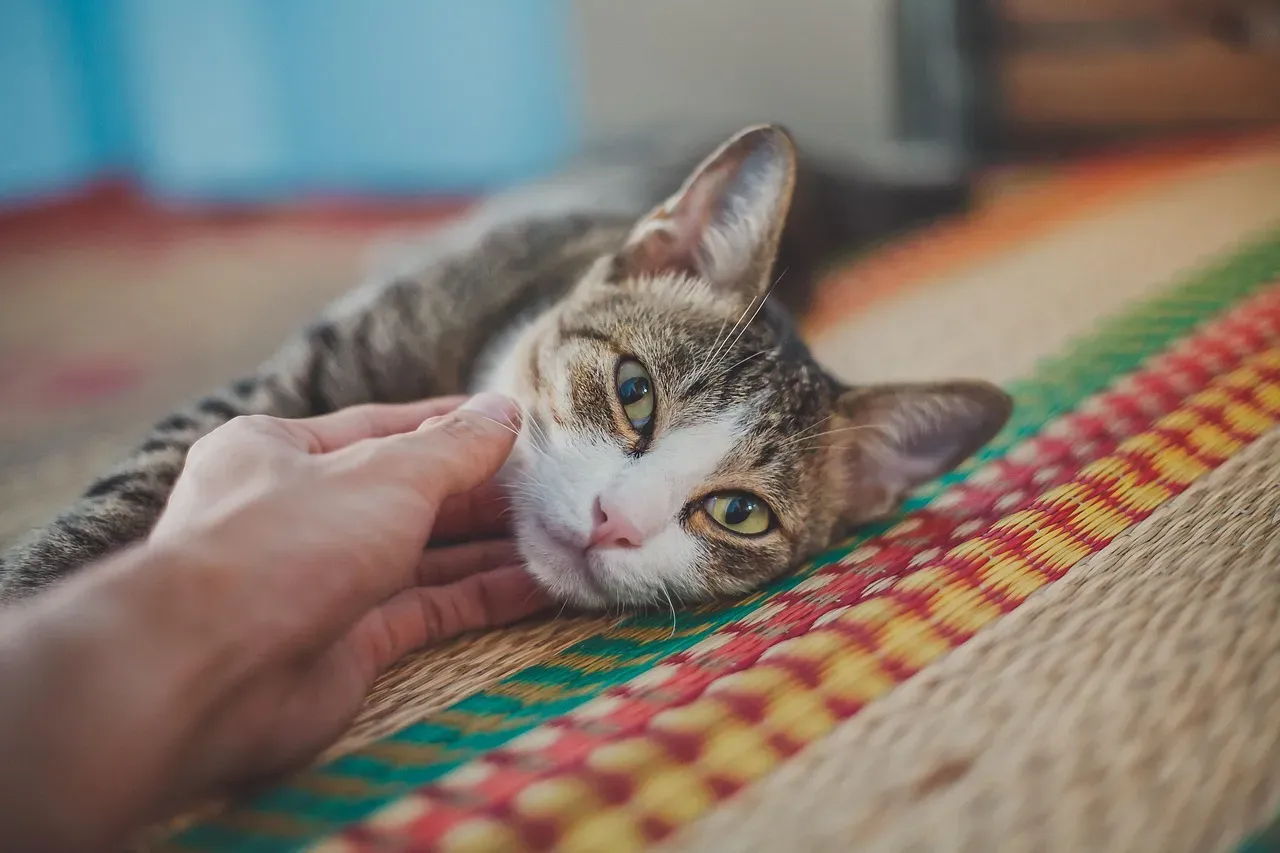
Researchers have identified five primary personality traits in cats, known as the Feline Five, each encompassing numerous related attributes. These characteristics, categorized as neuroticism, extraversion, dominance, impulsiveness, and tolerance, vary in their degree of expression in each individual cat. Every cat has all these characteristics, but in different degrees of markedness.
No two cats are exactly alike. Some are natural lap cats, while others are more reserved. Personality plays a big role in how your cat shows affection. Shy or independent cats often express love through proximity rather than direct contact. This doesn’t mean they’re less loving; they just have a different way of showing it. Accepting that difference is the starting point of a genuinely strong bond.
Cuddling Can Feel Like a Trap to Some Cats
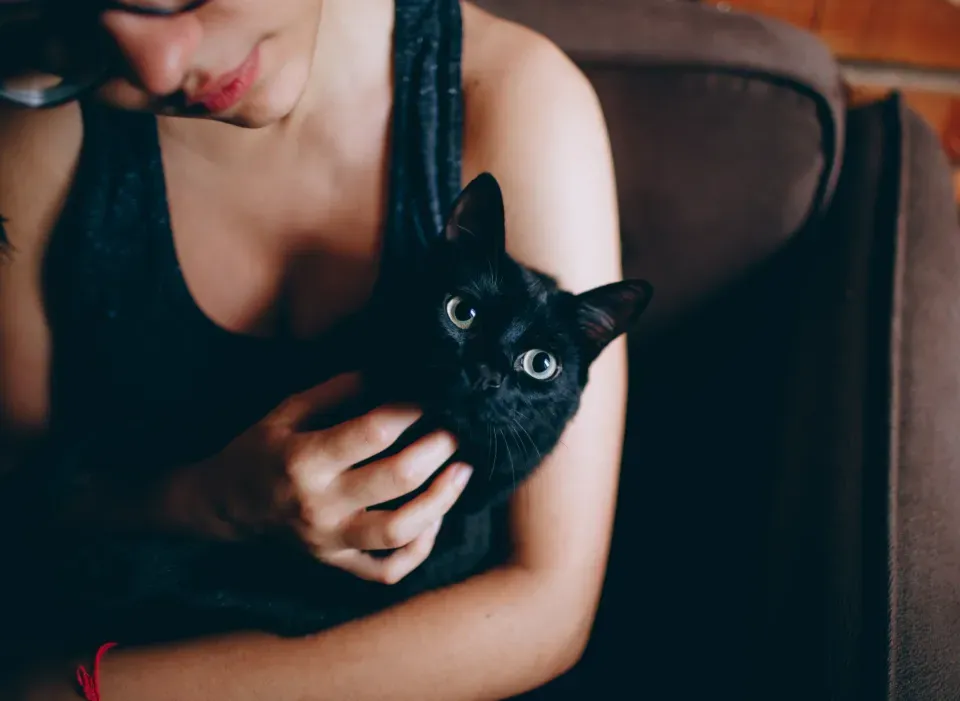
For a human, an embrace signals warmth and safety. For a feline, a cuddle can make them feel trapped. That’s why, when cats are held and prevented from having an escape route, they may become fearful or aggressive. It’s not personal. It’s physiological.
For some cats, the confinement can make them feel uneasy rather than safe and secure. These cats may instead prefer a little more distance, but will still show their trust and affection by wanting to be in the same room as you or looking for pets and playtime without actually accepting snuggles. Presence without physical contact is still closeness, just on their terms.
Overstimulation Makes Physical Contact Uncomfortable
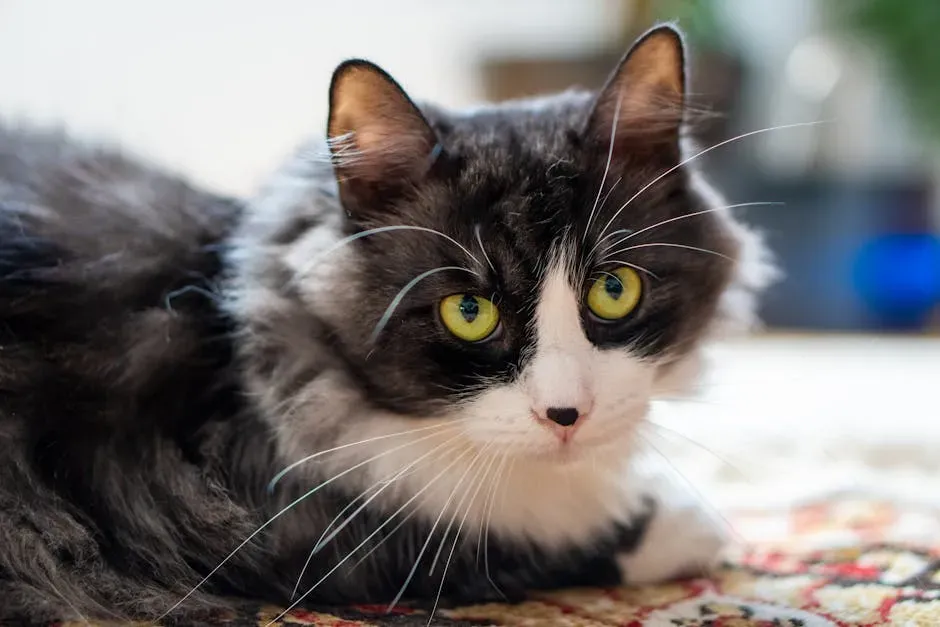
Cats have sensitive nervous systems, and petting that lasts too long can become overwhelming for them. If a cat frequently becomes overstimulated during cuddling sessions, they may begin avoiding those situations altogether. Overstimulation often happens when petting continues past the point where the cat feels comfortable.
Subtle warning signs usually appear first, such as tail flicking, shifting ears, or a ripple of skin along the back. If these signals are missed, your cat may resort to swatting or biting to end the interaction. When a cat associates cuddling with discomfort, they may begin keeping their distance. Shorter, calmer petting sessions can help restore positive experiences with affection. Your cat isn’t rejecting you. They’re asking you to read them more carefully.
The Environment Shapes Their Comfort Level
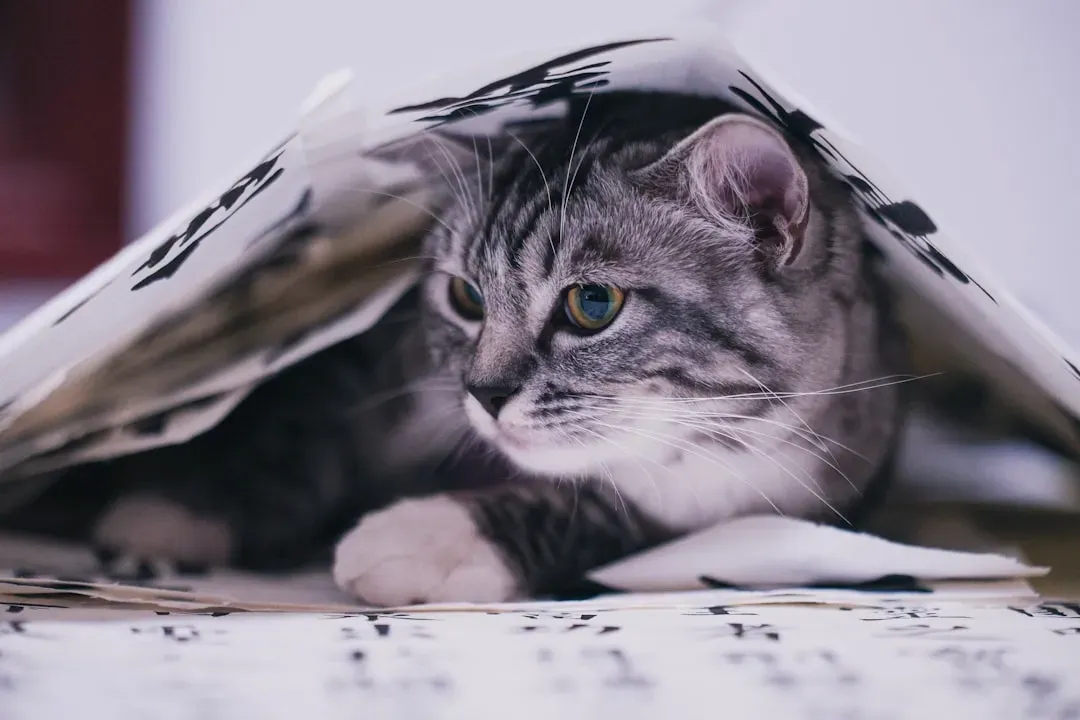
The environment can greatly influence your cat’s behavior. A noisy household, new pets, or unfamiliar visitors may make your cat prefer keeping a watchful distance. Proximity allows them to feel secure while still being part of the action. By providing quiet spaces and cozy hiding spots, you can help your cat feel more at ease. Over time, a calm environment encourages your cat to relax and draw nearer, sometimes even seeking out your attention more often.
When cats feel uncertain about their surroundings, they often respond by becoming more cautious or independent. Instead of seeking out affection, they may observe you from a distance while they figure out whether their environment is safe and predictable again. Stability matters more to cats than most owners realize, and even small disruptions can push a naturally sociable cat into a watching-from-afar phase.
Your Own Behavior Sends Signals Too
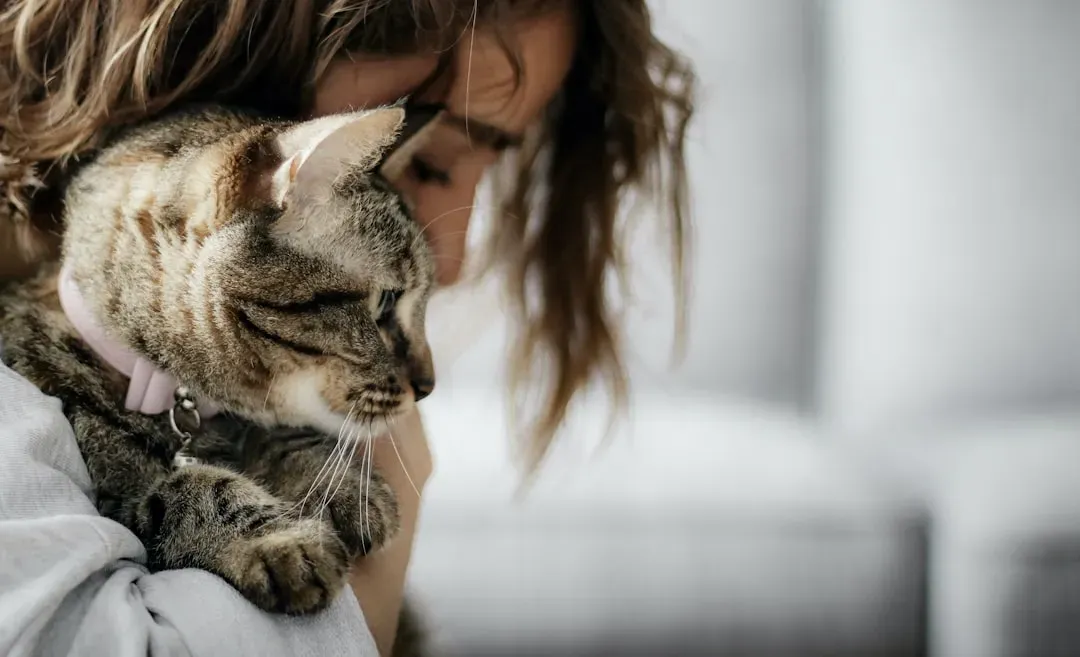
Sometimes, your own actions can confuse your cat and make them more likely to watch than interact. Sudden movements, loud voices, or inconsistent routines can make a cat cautious. Even well-meaning gestures, like picking up a cat who prefers to stay put, can make them hesitant. The more predictable and gentle your behavior, the more likely your cat is to feel comfortable enough to interact rather than just observe.
The way you interact with your feline companion can directly influence their affection levels. Cats respond well to positive reinforcement, and gentle handling can encourage a closer bond. The living conditions and the presence of other pets in the home can also affect a cat’s behavior. Cats in a calm, stable environment with well-managed introductions to new family members are more likely to develop affectionate relationships. Small, consistent changes in how you approach your cat can shift the dynamic more than you’d expect.
Distance-Loving Cats Still Show Affection Their Own Way
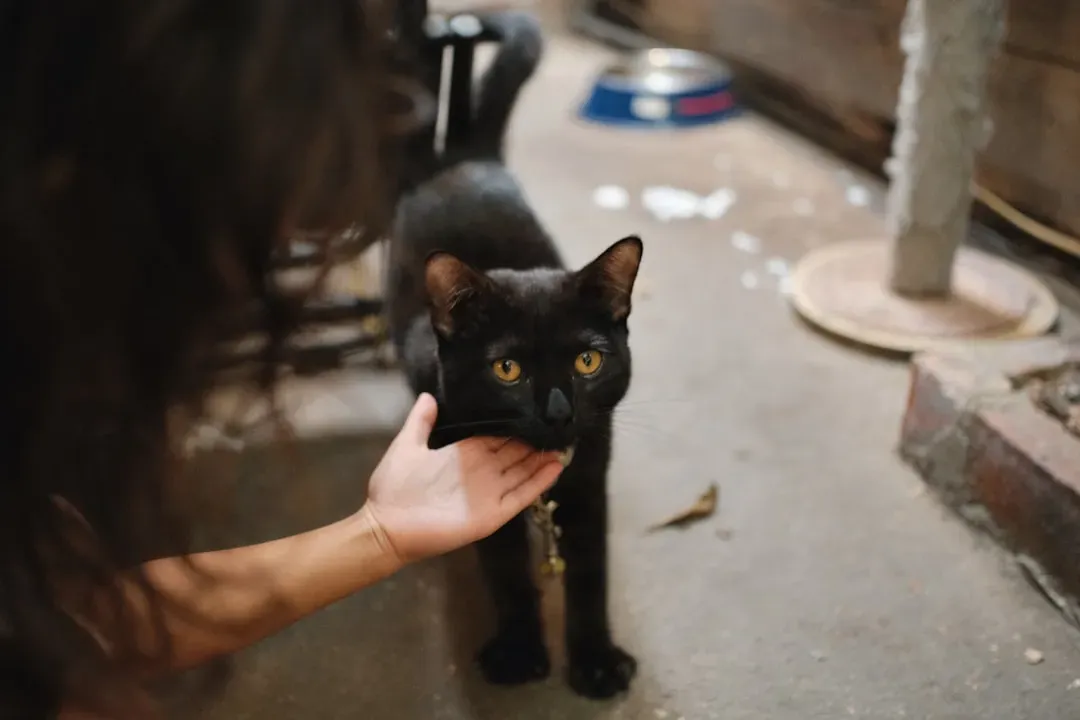
Interpreting feline body language is crucial for fostering affection. Subtle signals like a contented purr, a gentle nudge, or a slow blink can indicate a cat’s willingness to engage and express affection. Recognizing and reciprocating these signals can reinforce a bond of trust and affection, encouraging your cat to seek out more of these interactions.
If your cat follows you but does not like cuddling, this does not mean they are less affectionate. Instead, they may prefer affection at a distance, expressing love through their constant presence. This subtle behavior is a powerful indicator of the trust they place in you. Cats aren’t one-size-fits-all; they have a wide array of personality traits that can differ from other cats raised in the same home. From the playful and adventurous to the calm and reserved, every cat is a unique individual. Embracing this diversity enhances the joy of understanding and appreciating the endearing qualities that make them so special.
Conclusion
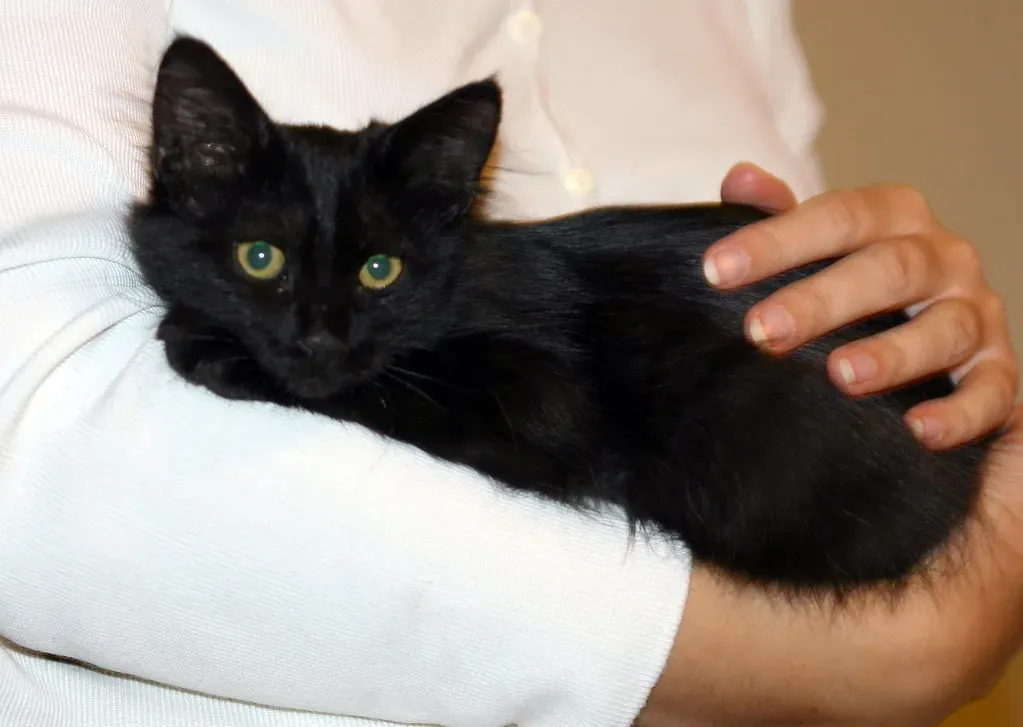
Your cat perched across the room, watching you with calm, steady eyes, isn’t giving you the cold shoulder. They’re doing something distinctly feline. They’re present, aware, and connected in the way that feels most natural to them. Cats are complex, fascinating creatures with personalities as unique as their paw prints. Whether your cat is a cuddle bug or a free spirit, understanding cat personalities can help you provide better care, build trust, and deepen your bond.
The real shift happens when you stop measuring your cat’s love in lap time and start noticing all the quieter ways they’re showing up for you. The slow blink from across the room. The deliberate choice to sleep in the same space. The watchful calm that says, in its own understated language, “I’m here, and I see you.” That’s not distance. That’s devotion, written in a dialect worth learning.
Kristina is a young writer from India. An arts graduate and an avid content creator, Kristina is passionate about animals and wildlife. She enjoys exploring topics related to pet care, animal behavior, conservation, and nature, combining thorough research with engaging storytelling.