You’ve probably spent good money on proper cat toys, only to watch your cat walk right past them and spend twenty minutes batting a hair tie across the kitchen floor. It’s one of the more reliably humbling experiences of cat ownership. The truth is, your home is already full of objects that hit your cat’s sensory triggers in ways that even the most cleverly designed toy can’t always replicate.
Understanding why your cat gravitates toward these everyday items isn’t just amusing trivia. It reveals something genuinely interesting about feline instincts, sensory biology, and how a domestic cat still carries the behavioral wiring of a small, capable predator. Once you see your living room through that lens, the appeal of a crinkled plastic bag or an abandoned cardboard box starts to make complete sense.
1. Cardboard Boxes
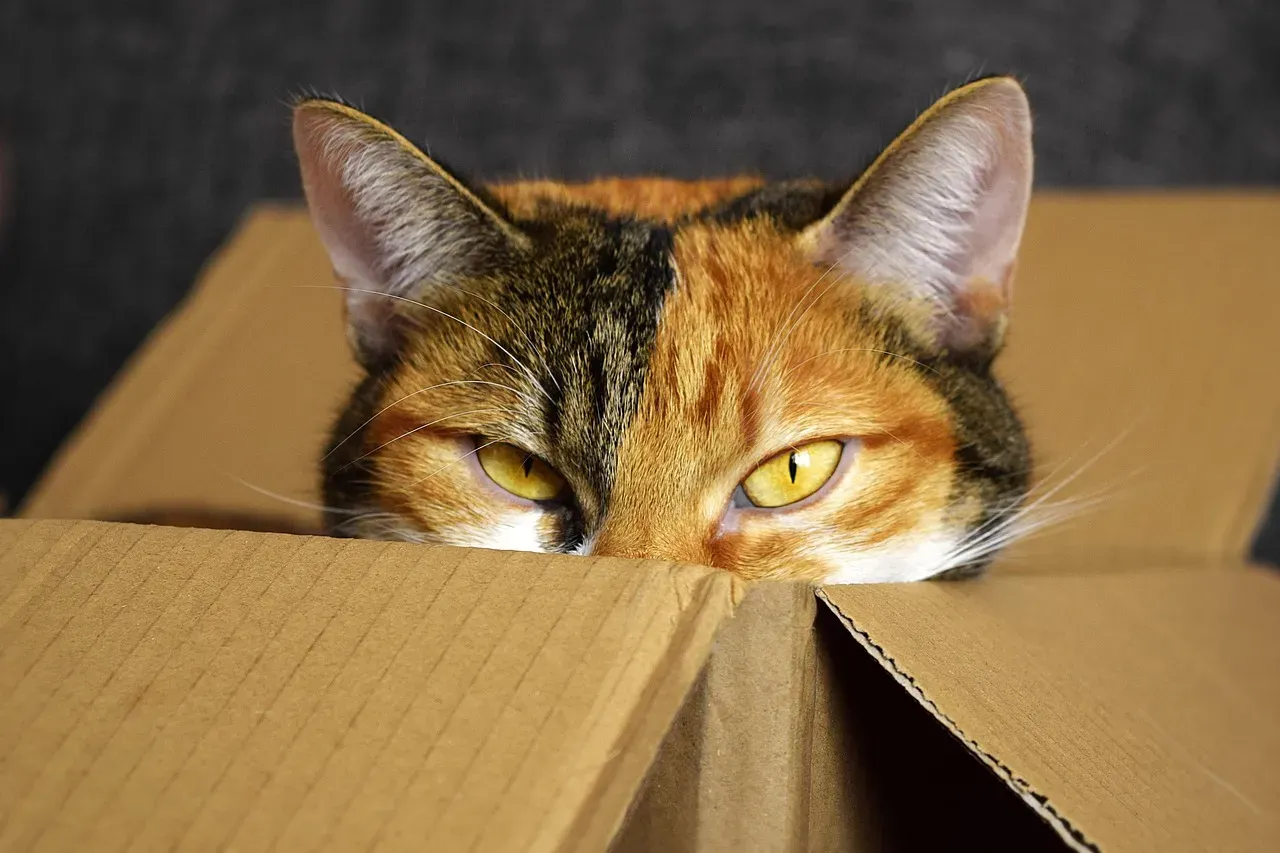
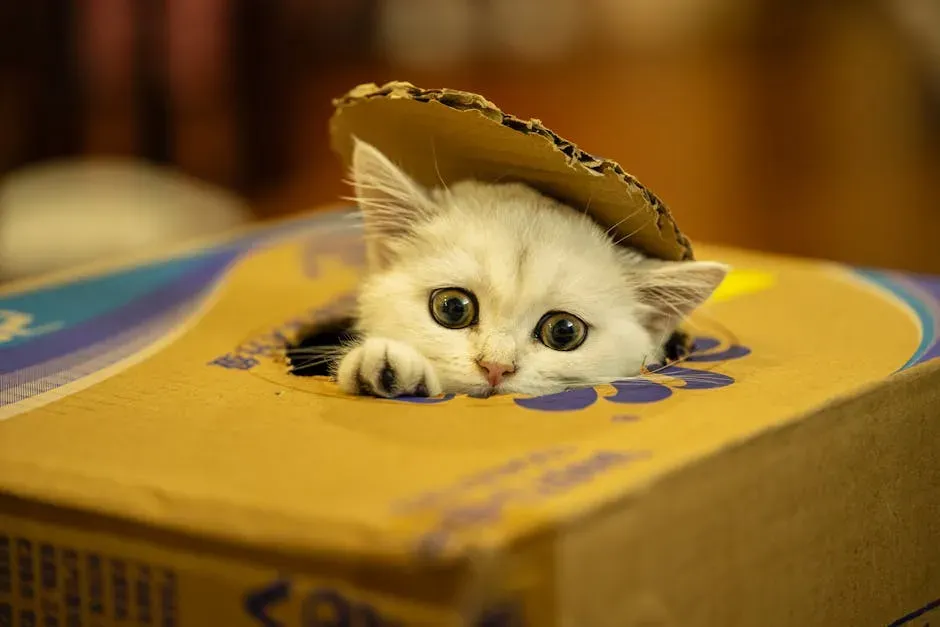
Few things in a cat’s life seem to generate the same immediate enthusiasm as a cardboard box dropped on the floor. Felines instinctually seek out enclosed spaces to protect against perceived threats, provide comfort, or relieve anxiety from new environments. That plain brown shipping box isn’t just fun. It’s ticking several evolutionary boxes at once.
A study conducted in PLOS ONE showed that cats who came into a Dutch animal shelter for the first time utilized cardboard boxes given to them for comfort and to adapt to a new, scary situation. The study revealed that the cats suffered from chronic stress beforehand, and the boxes helped. At home, a cardboard box gives your cat a hidden launching point and a safe retreat, satisfying both its predatory and defensive instincts in a single squat rectangle. If you offer boxes to your cat, remove all potentially dangerous material like staples, string, tape, and loose pieces.
2. Plastic Shopping Bags
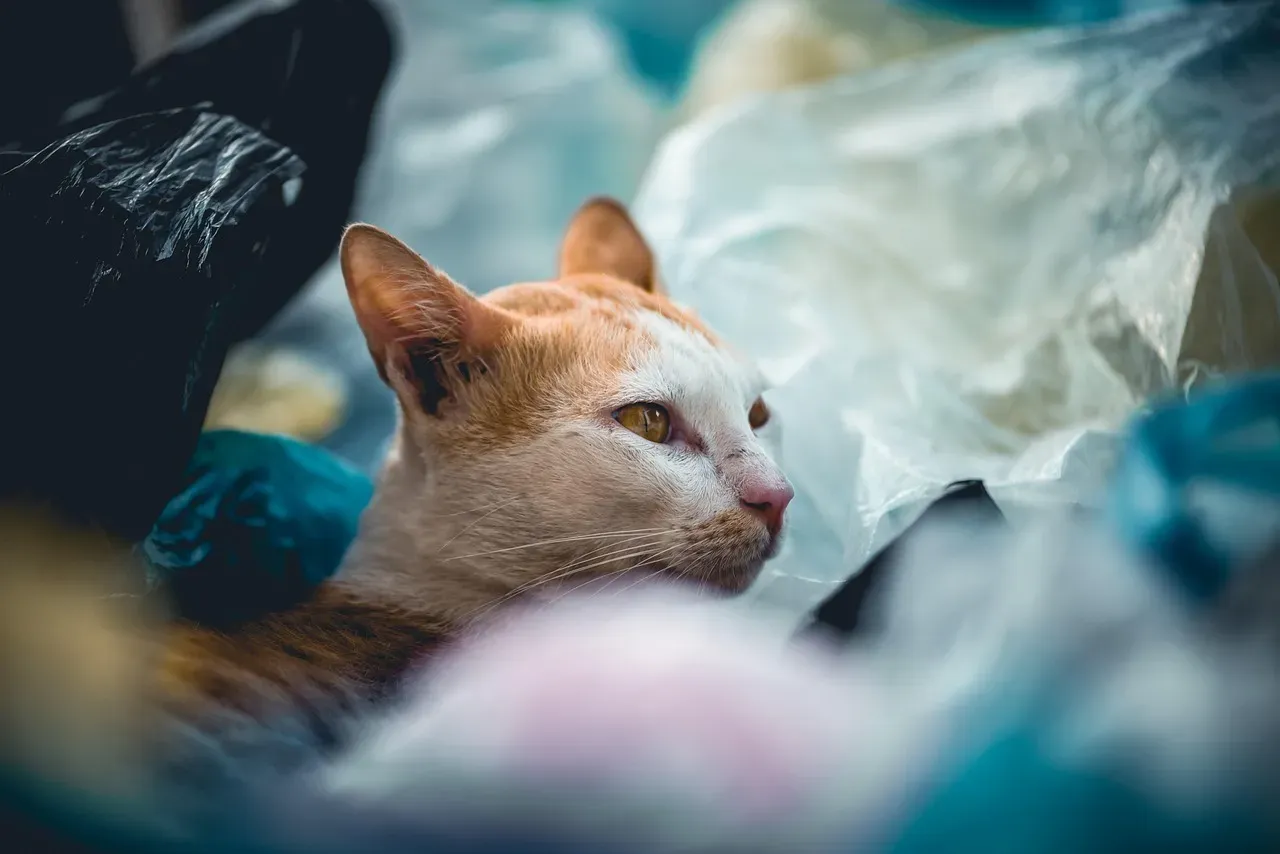
The moment you set a grocery bag on the floor, you’ve essentially rung a dinner bell for your cat. When you crumple a plastic bag or a piece of paper, it produces the exact same acoustic frequency as prey moving through dry brush. The sound instantly triggers a massive surge of adrenaline and predatory excitement in your cat’s brain. That’s not casual interest. That’s a hardwired hunting response.
Some plastic grocery bags are actually manufactured using “slip agents” made from rendered animal fat (tallow) to prevent the bags from sticking together. Your cat isn’t just hearing the bag; they are actually smelling and tasting the animal fat on the plastic. The combination of sound, scent, and unpredictable movement makes plastic bags genuinely irresistible to many cats. That said, plastic bags are incredibly dangerous; cats can easily suffocate or ingest the handles. Always supervise or redirect this fascination toward safer alternatives.
3. Laptop Keyboards
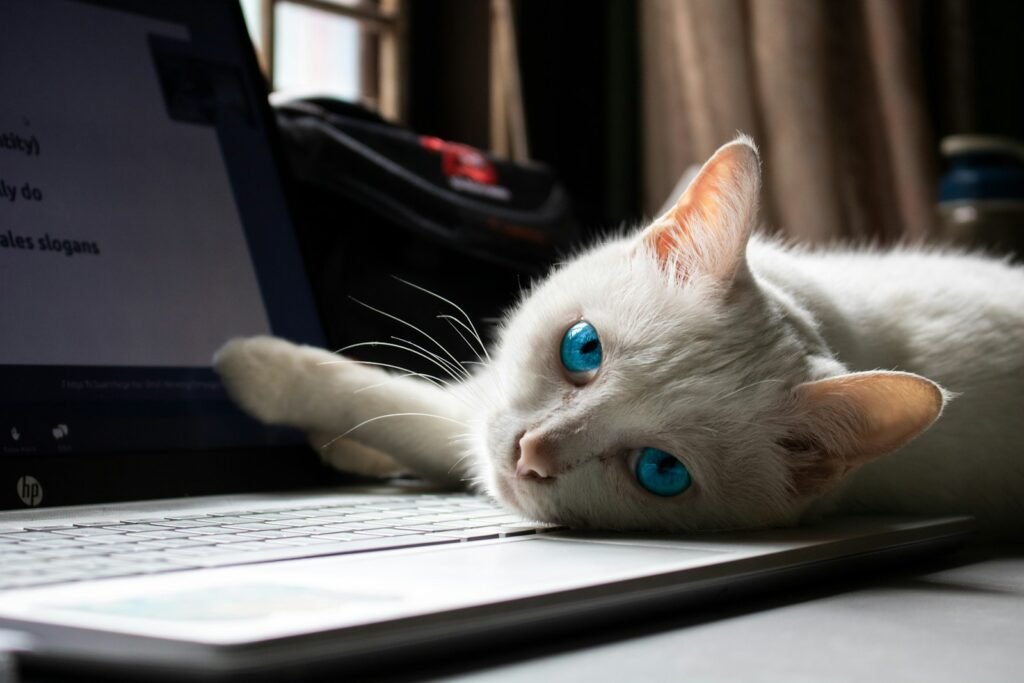
If your cat has ever walked across your keyboard at the worst possible moment, you’ve witnessed a behavior that’s equal parts territorial, social, and practical. Cats sit and sleep on keyboards to be close to you, ask for attention, express curiosity, and warm up, says Amanda Caron, a cat behaviorist and founder of Frisky Feline Behavior Counseling. The warmth alone is a real draw since laptops generate consistent low-level heat that a cat’s body readily appreciates.
It’s more probable your cat wants to deposit its own scent and supplant yours. It’s all about ownership – by doing this your cat is effectively saying “I own you!” Your keyboard smells heavily of you, and your cat views it as prime territory worth marking. Cats quickly learn that when they sit on the keyboard, they get what they want: attention. Once they’ve made that connection, no amount of gentle removal will fully break the habit.
4. Hair Ties and Rubber Bands
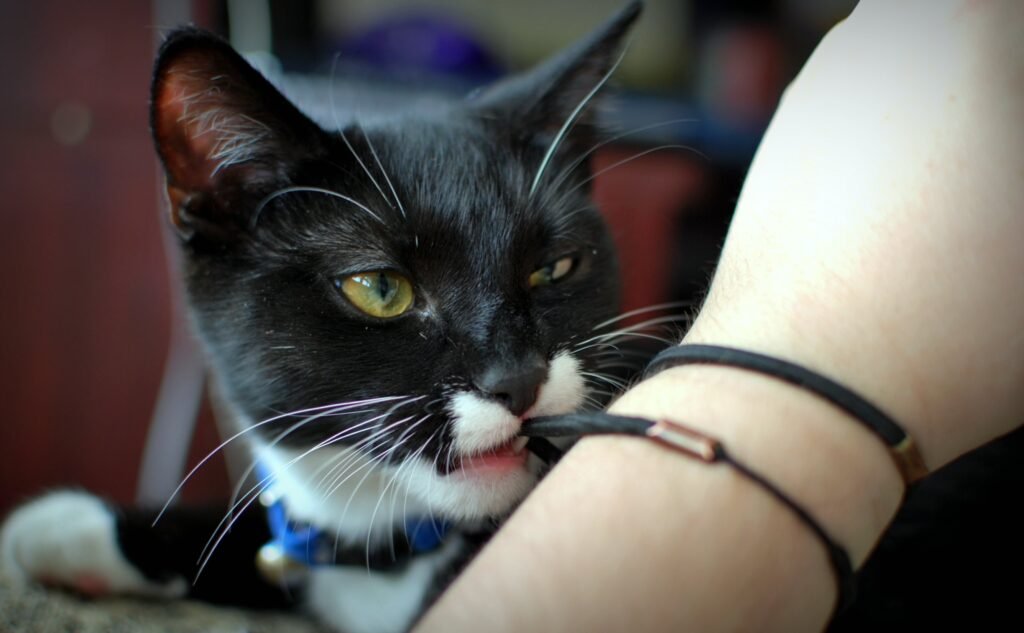
These two items have a way of vanishing from every countertop and bathroom surface in your home, usually courtesy of an enthusiastic set of paws. Many cats love to play with hair ties because they make ideal “prey,” stimulating their natural hunting instincts. Their size, springiness, and erratic motion when batted around closely mimic the unpredictable movement of small animals, making them deeply satisfying to chase and catch.
Hair ties easily absorb the smell of your shampoo or the natural smell of your hair. So, it makes sense that your kitty cat would find comfort in the way hair ties smell. There’s also a scent-based territorial element at play, with your cat drawn to items that carry your familiar smell. The risk here is real, though. Hair ties may pose a choking hazard and could cause a gastrointestinal blockage if swallowed. It’s best to always supervise your cat when playing with them.
5. Paper and Loose Sheets
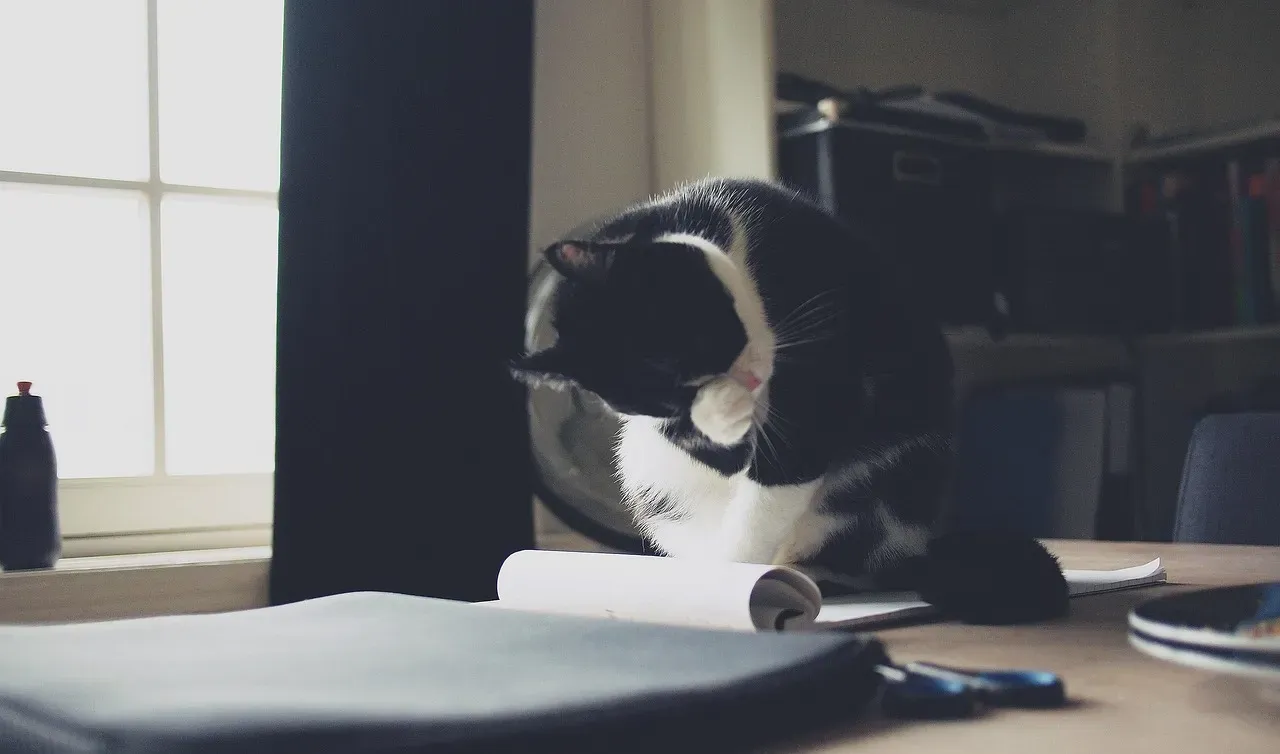
Drop a sheet of paper on the floor and, with most cats, the clock starts ticking before they claim it. Once a cat steps onto a sheet of paper and hears it crinkle underfoot, the sensory feedback loop keeps them engaged. Every small shift in weight produces a new sound, which is far more stimulating than sitting on a silent surface. It’s genuinely more interesting underfoot than a blank stretch of floor.
Cats have scent glands in their paw pads, along with glands on their forehead, chin, lips, and tail. When a cat kneads or simply sits on a surface, it deposits pheromones that are undetectable to humans but meaningful to the cat. Sitting on your paperwork is less an act of sabotage and more a quiet declaration of ownership. Cats are also naturally attention-seeking and curious creatures, so new objects in their environment, like a sheet of paper you may have dropped, are simply begging to be explored and staked a claim to.
6. Shoelaces and Shoes
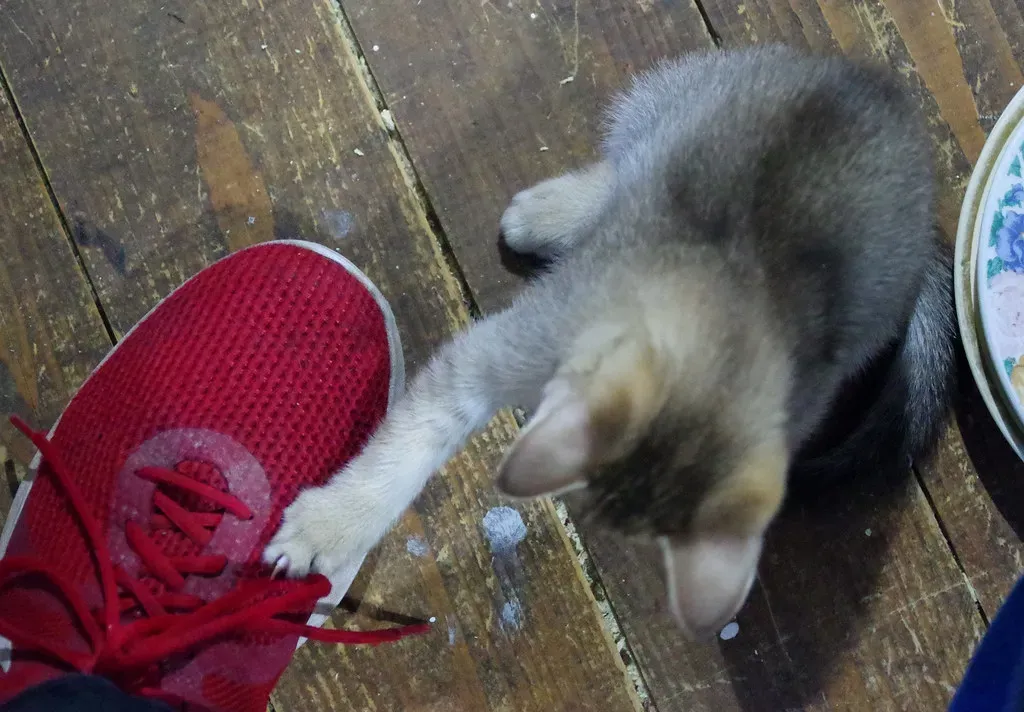
Few things light up a cat’s hunting drive quite like a dangling shoelace. The thin, worm-like shape, the unpredictable movement, and the way it swings when tugged all make shoelaces remarkably convincing prey substitutes. Small household items like pens, hair ties, or jewelry can also become targets. Cats are attracted to these because they resemble prey, and their unpredictable movement when batted can stimulate a cat’s predatory instincts.
The shoes themselves are another matter entirely. One common observation among cat owners is that their pets love to hang out near the shoe rack, slowly sniffing each shoe one by one with a unique look of enjoyment on their face. Your shoes carry an intense concentration of your personal scent, as well as traces of the outside world, which amounts to a rich and endlessly interesting olfactory experience for a creature with a sense of smell that is far sharper than any human’s. Keep shoelaces away from unsupervised cats since ingestion can cause serious blockages.
7. Laundry and Worn Clothing
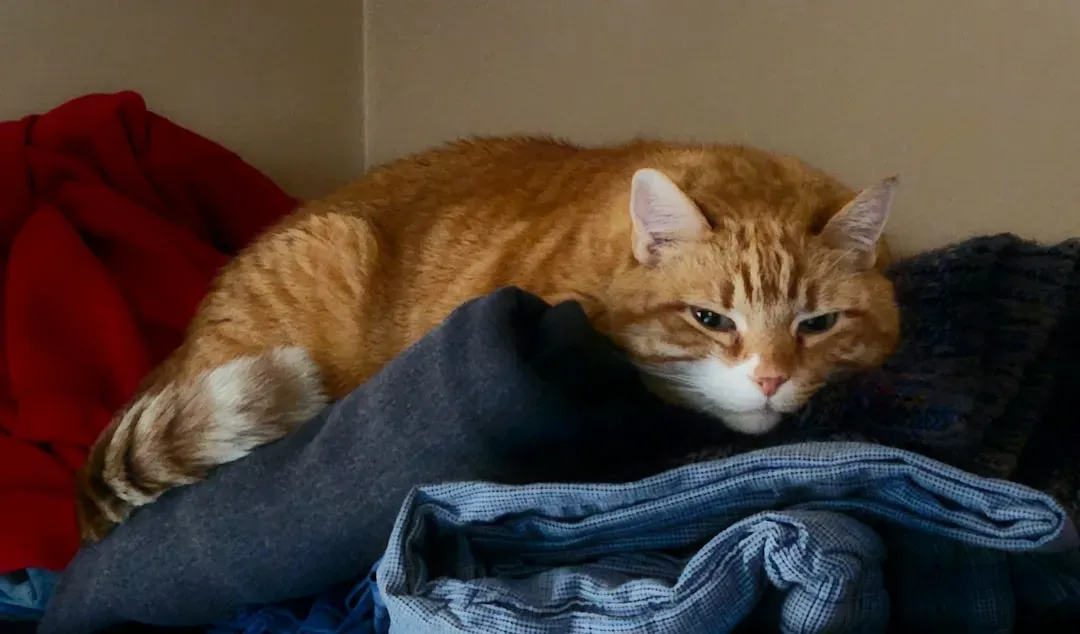
There’s a reason your cat makes a beeline for whatever you’ve just taken off and left on the chair. Dryers are appealing to cats because they are secluded, often warm, and may have soft clothes. A warm pile of laundry straight from the dryer hits nearly every comfort trigger a cat has: warmth, familiar scent, soft texture, and an enclosed nest-like shape.
Wool mimics the texture of potential prey such as small mammals, making it an attractive material for cats to knead and paw at. Wool sucking is relatively common in cats, especially the Oriental breeds. It could also connect to comfort behaviors learned very early in life, with soft fabric textures reminding them of the warmth of their mother. You should always make sure to supervise your cat when they’re playing with wool, as ingestion of strands can cause an intestinal blockage, which can be very serious.
8. Pens and Pencils
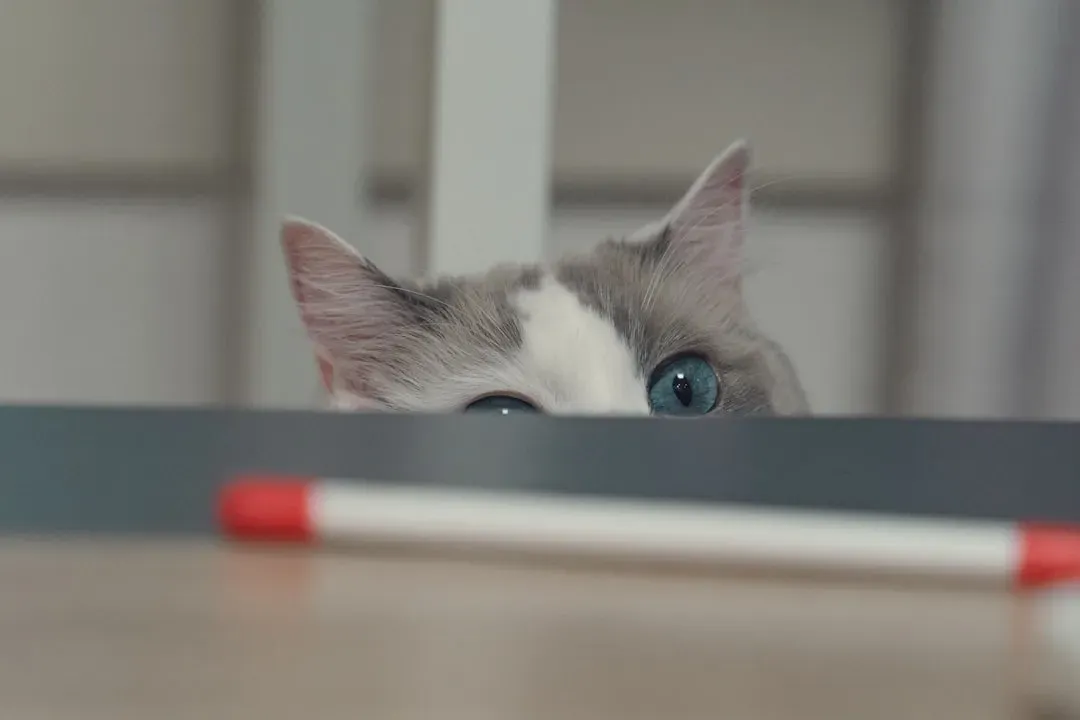
If you leave a pen on the edge of a table, there’s a reasonable chance you’ll find it on the floor within the hour. Cats seem constitutionally incapable of leaving them alone. One reason cats may drop items is to attract human attention. By knocking objects off tables or shelves, cats can communicate their desire for interaction or express boredom. Knocking things off surfaces is, at least in part, a social signal.
There’s also a simpler explanation rooted in pure play instinct. Cats are natural predators, and their play behavior mimics hunting. Dropping objects can simulate the act of catching and releasing prey, which helps sharpen their skills. A rolling pen behaves just unpredictably enough to engage a cat’s interest for longer than you’d expect. It moves, it rolls, it changes direction. From your cat’s perspective, it’s basically a tiny animal doing its best to escape.
9. Bottle Caps and Small Lids
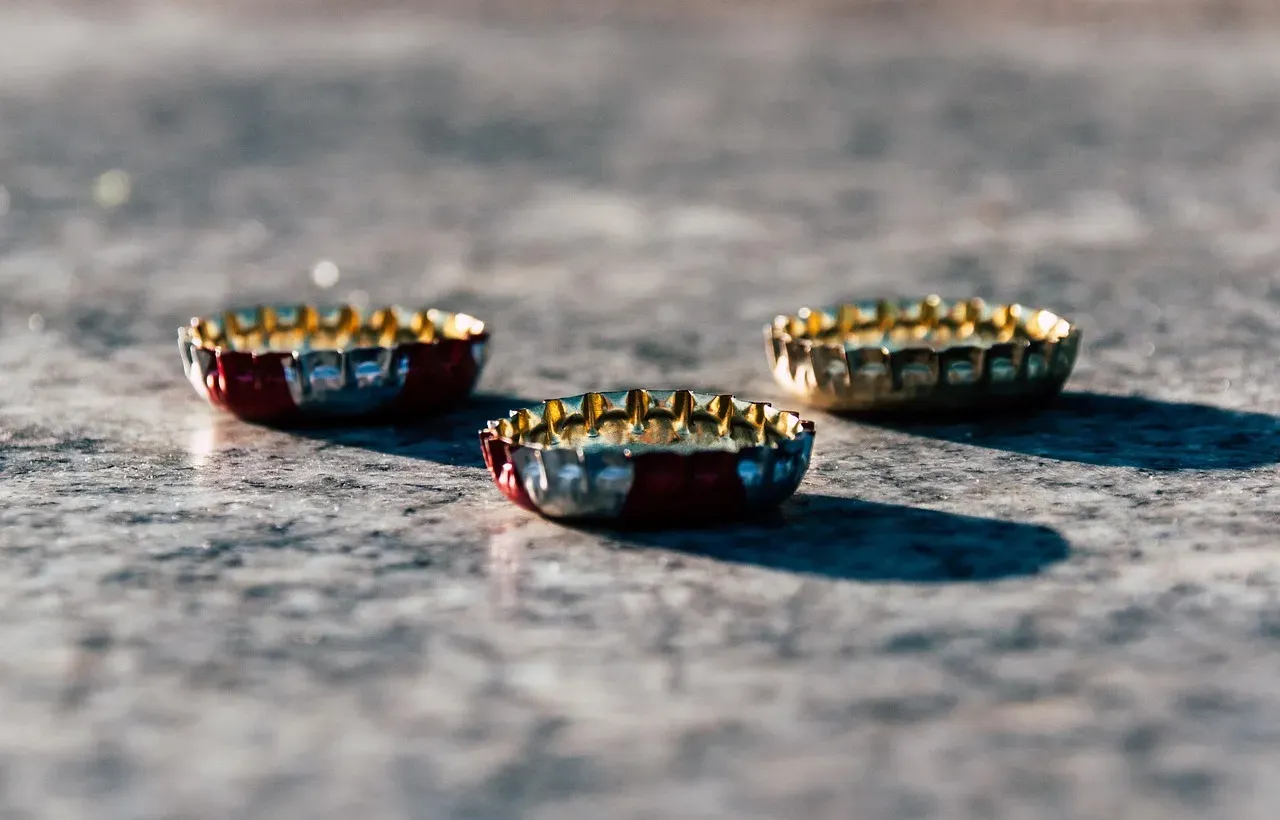
Plastic bottle caps are low-cost cat entertainment in its purest form. They’re light, they skitter across hard floors in erratic directions, and they’re just the right size for a paw swat. Metal bottle caps can have a similar effect as jewelry. Some cats enjoy playing with plastic bottle caps that you can twist off of milk cartons and water bottles. The unpredictability of their movement is a big part of the appeal.
Cats may develop a habit of collecting everyday household items, like floss picks, jar lids, and pen caps. They may enjoy playing with small pieces of plastic because they have a softer texture and can make some fun noises. That said, small items always carry some risk. Small items pose a choking and foreign body risk for cats. Whenever possible, you shouldn’t allow your cat to freely collect small items. A quick visual scan of your floors and counters can prevent an unnecessary vet visit.
10. Jewelry and Shiny Objects
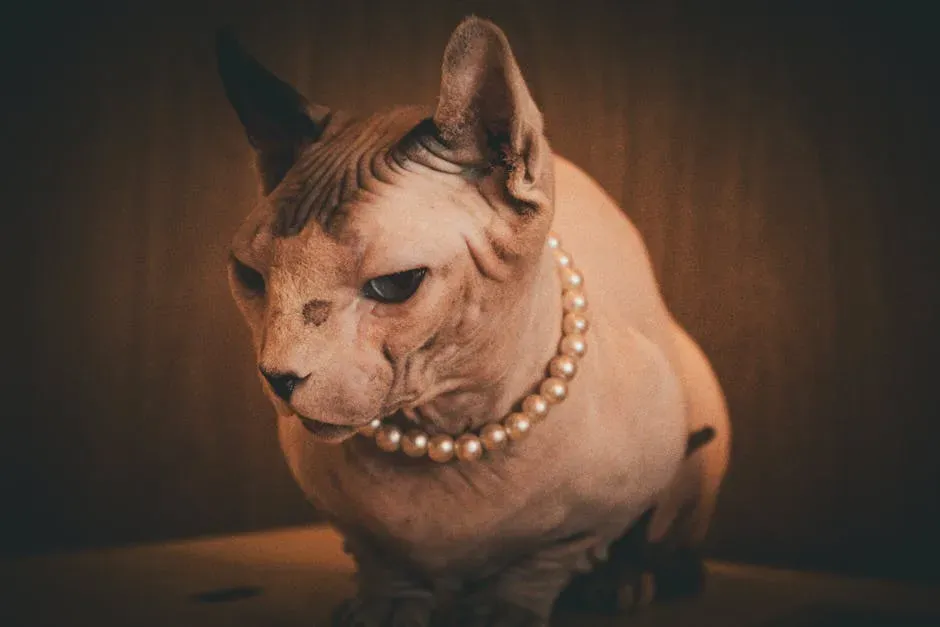
Cats and shiny things share a long history that most jewelry owners know firsthand. Rings left on the bathroom counter, earrings on the nightstand, and necklaces draped over a chair are all prime candidates for relocation by curious paws. It’s possible that cats are attracted to the shine and light reflecting off them. Jewelry and precious metals may have similar effects to laser pointers and light that reflects off mirrors. So, cats may just be intrigued and attracted to items that sparkle.
By nature, cats are opportunistic predators that stalk and catch prey whenever they can, even when they are not hungry. They usually capture any prey they can find and save it up for later. This may explain why cats may hoard rubber bands and hair ties, because they view them as prey. The same hoarding impulse applies to jewelry. If you’ve ever mysteriously lost a ring and later discovered it under the couch, your cat’s inner hunter is the most likely culprit. Keep small jewelry pieces stored securely when not in use.
11. Nail Files
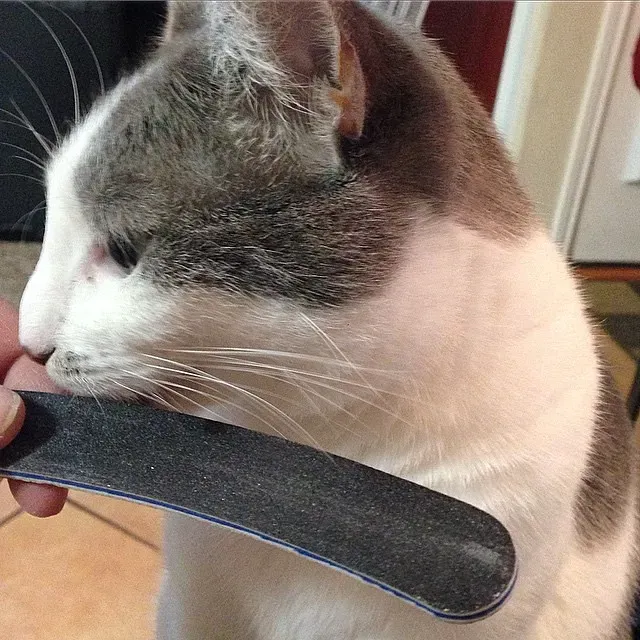
This one surprises most cat owners, but nail files are a genuine feline obsession for some cats. According to some feline behavior experts, cats are attracted to nail files because they smell like their owners. A nail file also has a rough texture and may remind your cat of another cat’s rough tongue, which is used in grooming. Those two factors together, personal scent plus familiar tactile sensation, create a surprisingly strong draw.
There’s also a nutritional angle worth knowing about. Filing nails leaves traces of keratin and calcium. If your cat is obsessed with your nail kit, they might be experiencing a nutritional deficiency and trying to get these from your file. If you notice your cat repeatedly seeking out nail files and grooming tools with unusual intensity, it may be worth checking in with your vet to rule out any underlying dietary gaps. Most of the time it’s just curiosity, but it’s a detail worth noting.
12. Paper Bags
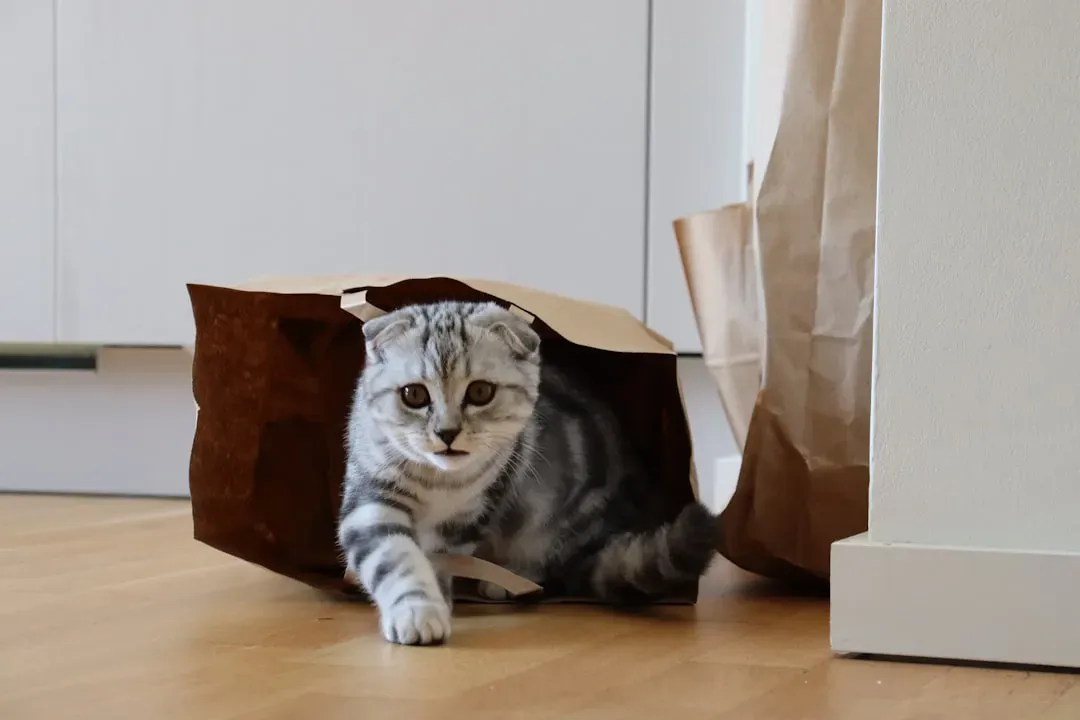
Unlike their plastic counterparts, paper bags are one of the safer household items your cat can explore, and most cats treat them like a carnival ride. Playing with a paper grocery bag is a relatively safe form of enrichment. The combination of the crinkle noise, the enclosed interior, and the slightly unpredictable way the bag moves when pawed all come together into a genuinely engaging sensory experience.
Hiding in boxes and bags also serves as a coping mechanism for domestic cats. From environmental changes like loud noises and unfamiliar visitors to other stressors such as physical pain, boredom or sadness, indoor cats often take comfort in a cozy, quiet spot. A confined space feels safe and allows your furry friend to rest and relax. A crumpled paper bag on the floor offers your cat both a play object and a small sanctuary. Don’t forget to take the handles off of any bag before giving it to your kitty because they risk getting stuck inside them and choking.
The Bigger Picture: What Your Cat Is Really Telling You
The items on this list aren’t random. They’re a window into how your cat experiences the world, through scent, sound, texture, temperature, and the ever-present pull of predatory instinct. While these behaviors might seem bizarre or whimsical, they are deeply rooted in feline biology, instinct, and environmental psychology. Your home, however ordinary it looks to you, is a layered sensory environment your cat is constantly navigating and interacting with.
Most of these attractions are completely harmless and, frankly, worth encouraging as a form of mental enrichment. Playtime is the chance to flex those muscles, practice their techniques, and work off energy. Playtime is beneficial to mental, emotional, and physical health. The items that carry real risk, including plastic bags, rubber bands, and small swallowable objects, are worth managing carefully.
At the end of the day, a cat who has interesting things to investigate, bat around, hide in, and claim as their own is a content and well-stimulated cat. You don’t always need to buy anything. Sometimes the best thing you can do is leave a cardboard box on the floor and step back. Your cat will handle the rest.
Kristina is a young writer from India. An arts graduate and an avid content creator, Kristina is passionate about animals and wildlife. She enjoys exploring topics related to pet care, animal behavior, conservation, and nature, combining thorough research with engaging storytelling.