Most people hear a cat purr and think: happy cat. It’s one of those sounds so deeply woven into everyday life that it rarely gets questioned. You reach down, give a scratch behind the ears, and out comes that familiar vibrating hum. Simple enough, right?
Not quite. Science has been quietly pulling back the curtain on cat purring for decades, and what researchers keep uncovering is far more layered and surprising than the contentment story most of us were told. From therapeutic vibrations to acoustic manipulation, the purr is far less simple than it sounds.
1. Your Cat’s Purr Begins in the Brain, Not Just the Throat
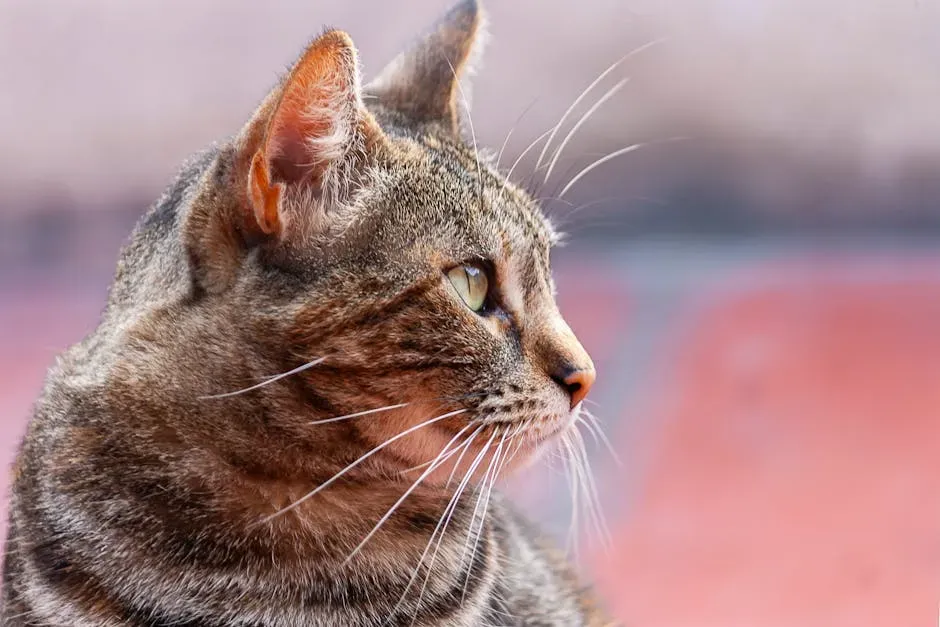
When you think about where a purr comes from, you’d probably point to the throat. That’s partially true, but the real origin is higher up. A neural oscillator in the cat’s central nervous system sends signals to the laryngeal muscles, causing them to vibrate at a frequency of 25 to 150 Hertz. That means the brain fires the first signal every single time your cat purrs.
As the cat breathes, air passing over these vibrating muscles creates the characteristic purring sound. This efficient, low-energy mechanism allows a cat to purr for extended periods without significant effort. It’s an elegant biological loop, one that your cat can sustain through both breathing in and breathing out without any real strain.
2. Cats Have Special Vocal Cord “Pads” That Make Purring Possible
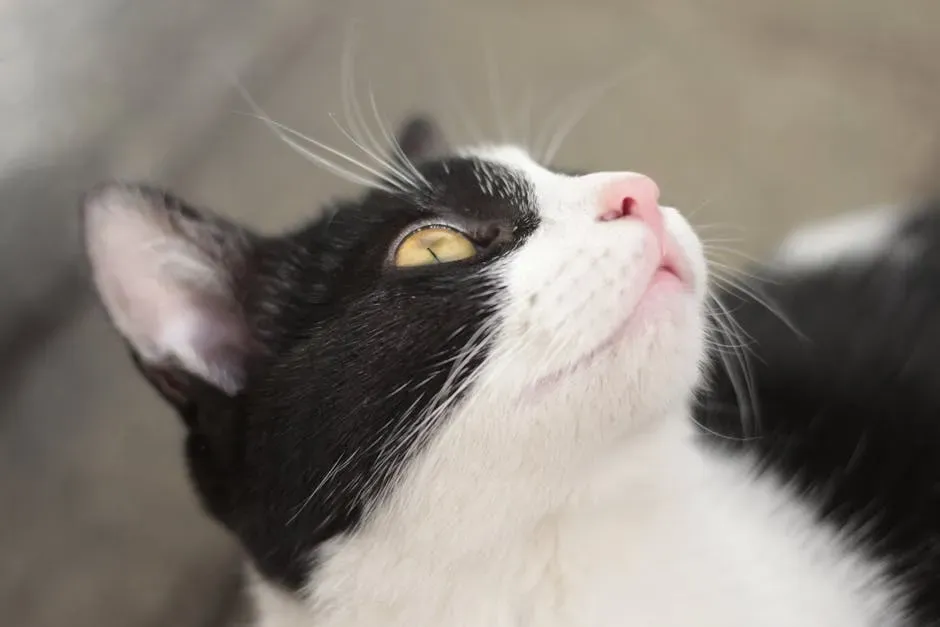
Domestic cats possess “pads” embedded within their vocal cords, which add an extra layer of fatty tissue that allows them to vibrate at low frequencies, scientists report in Current Biology. This was a genuinely surprising discovery, one that shifted thinking about how such a small animal can produce such a consistently low rumble.
Despite their small size, cats may be able to produce low purring sounds thanks to “pads” of tissue attached to their vocal cords, which may help the cords vibrate at much lower frequencies. A special anatomical adaptation of the cat’s vocal folds is likely the cause for the low frequencies observed, suggesting that the cat larynx is “built to purr.” In short, your cat’s throat is literally engineered for this.
3. The Purr Happens on Both the Inhale and the Exhale
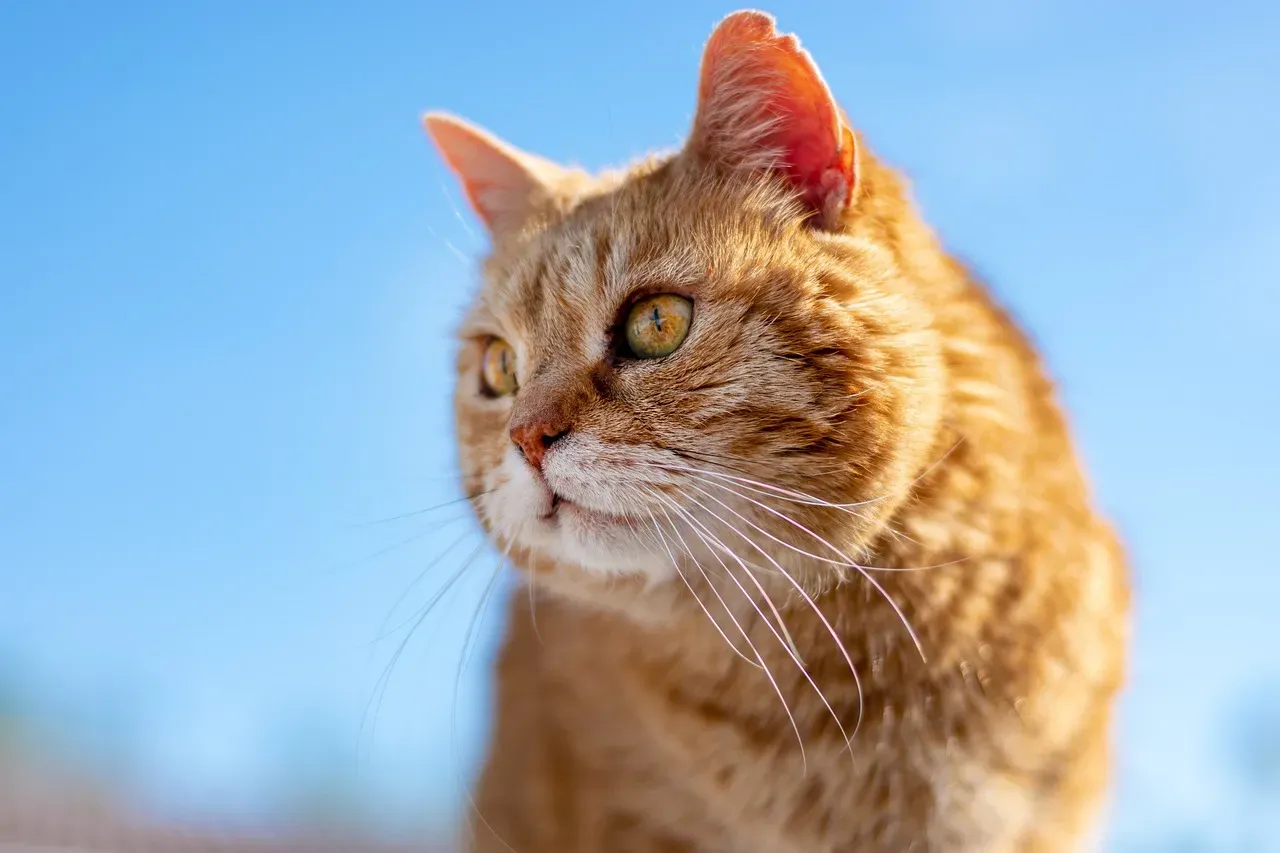
Most animal sounds happen only when air moves in one direction. Purring is different, and that distinction matters more than you’d expect. What makes the purr distinctive from other cat vocalizations is that it is produced during the entire respiratory cycle, inhaling and exhaling. Other vocalizations such as the “meow” are limited to the expiration of the breath.
This sound occurs with noticeable vibrations on the surface of the body, varies in a rhythmic pattern during breathing and occurs continuously during inhalation and exhalation. That continuous cycle is what creates the smooth, unbroken rumble you feel when a cat settles on your chest. It never pauses for a breath because the breath itself is part of the sound.
4. Cats Purr When They’re Stressed, Scared, or in Pain
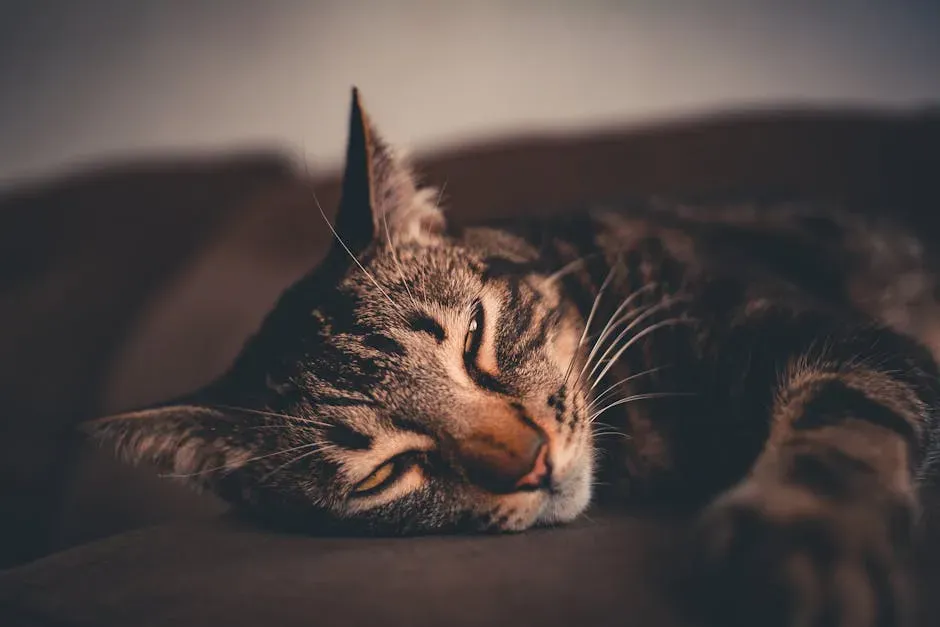
This is probably the most misunderstood fact about purring. It’s not exclusively a happiness signal. While often associated with happiness, cats purr for a variety of reasons, including stress, pain, fear, anxiety, giving birth, nursing, in heat, and even when sick or dying. If you’ve ever watched your cat purr loudly at the vet, that wasn’t contentment.
The act of purring releases endorphins, which are natural painkillers. A cat in pain may purr to make itself feel better. In the wild, a sick or injured animal that cries out attracts predators. A quiet purr may be a way to signal a need for care without drawing dangerous attention. It’s a survival strategy disguised as a cozy sound.
5. The “Solicitation Purr” Is Your Cat’s Way of Manipulating You
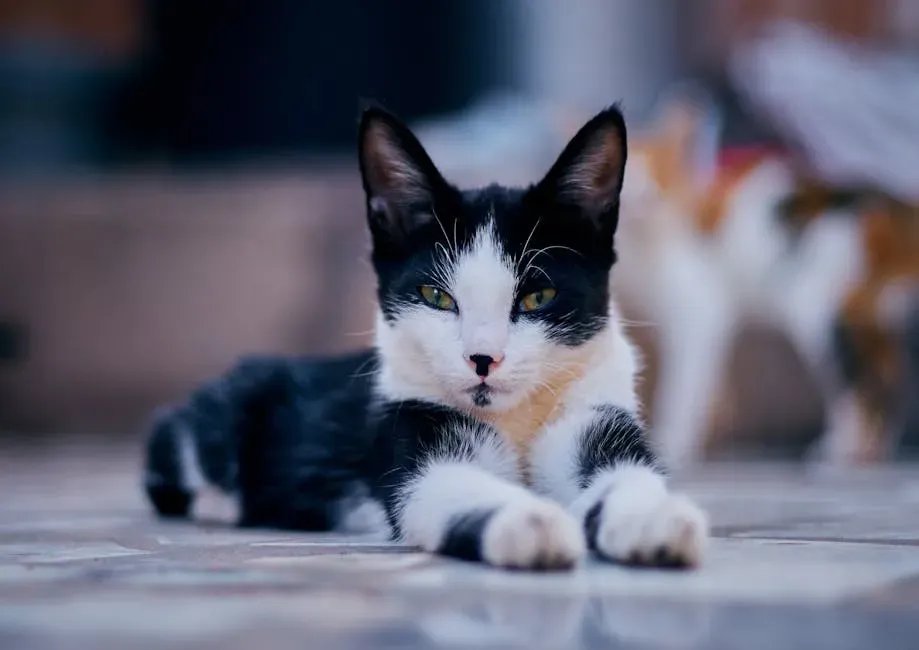
You’ve probably noticed that some of your cat’s purrs feel impossible to ignore. That’s not a coincidence, and it’s not just you. When they want food, domestic cats will often purr in a strangely plaintive way that their owners find difficult to ignore. By analysing the structure of these calls, Karen McComb from the University of Sussex found that “solicitation purrs” are based on the same low-pitched sounds that contented moggies make, but embedded within them is a high-pitched signal that sounds like a cry or a meow.
The “solicitation” purr sounds more urgent and includes a higher frequency sound. This high-frequency element of the solicitation purr is in the range of 220 to 520 Hertz, which corresponds closely to the cry of a human baby at 300 to 600 Hz. As humans, we’re pre-programmed to respond to the cries of a baby, so when cats use their solicitation purr to request something, they may be exploiting the urge that we have to provide and care for our babies. Even people who have never owned a cat respond to it.
6. Purring Vibrations Fall in the Same Frequency Range Used for Medical Healing
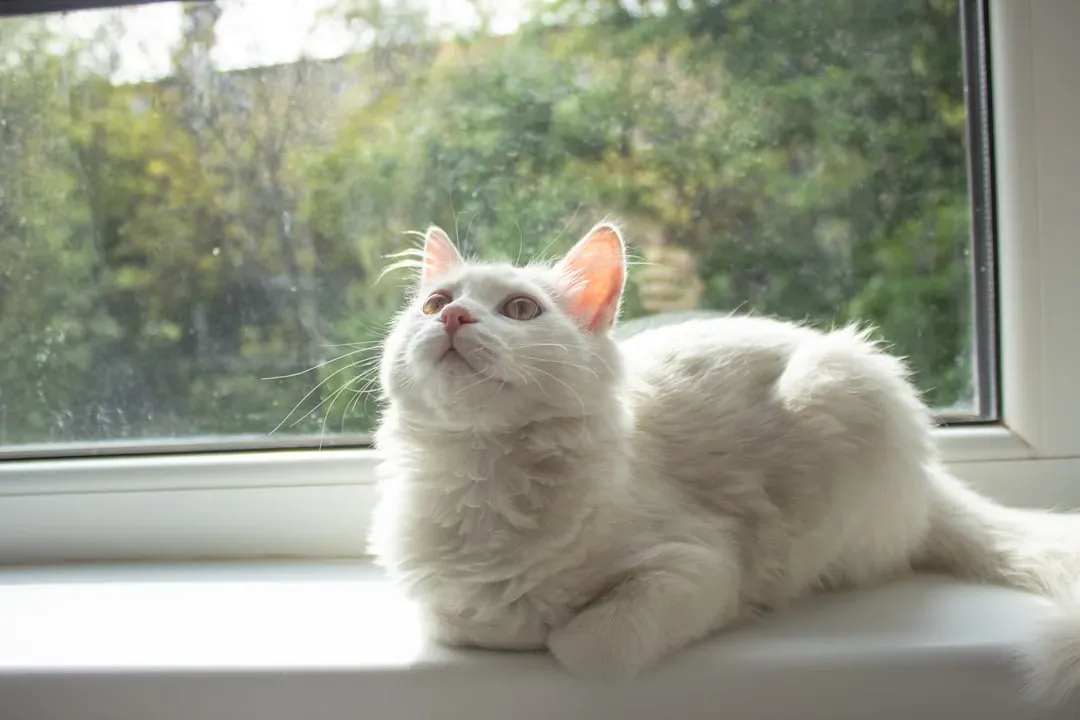
This is where things get genuinely fascinating. The frequency of the vibrations is typically between 25 and 150 Hertz, which is in the range of vibrations that can promote healing of bones and tissues. That overlap is not random. Researchers have spent years trying to understand whether it’s coincidental or deeply purposeful.
Purr frequencies correspond to vibrational and electrical frequencies used in treatment for bone growth and fractures, pain, edema, muscle growth and strain, joint flexibility, dyspnea, and wounds. Scientists hypothesize that purring evolved as a low-energy way to keep bones and tissues healthy during long periods of rest. By vibrating their entire body, cats provide their musculoskeletal system with the mechanical stimulation needed to maintain strength without the caloric cost of movement. A kind of built-in physiotherapy, running quietly in the background.
7. Cats May Use Purring to Heal Their Own Bones
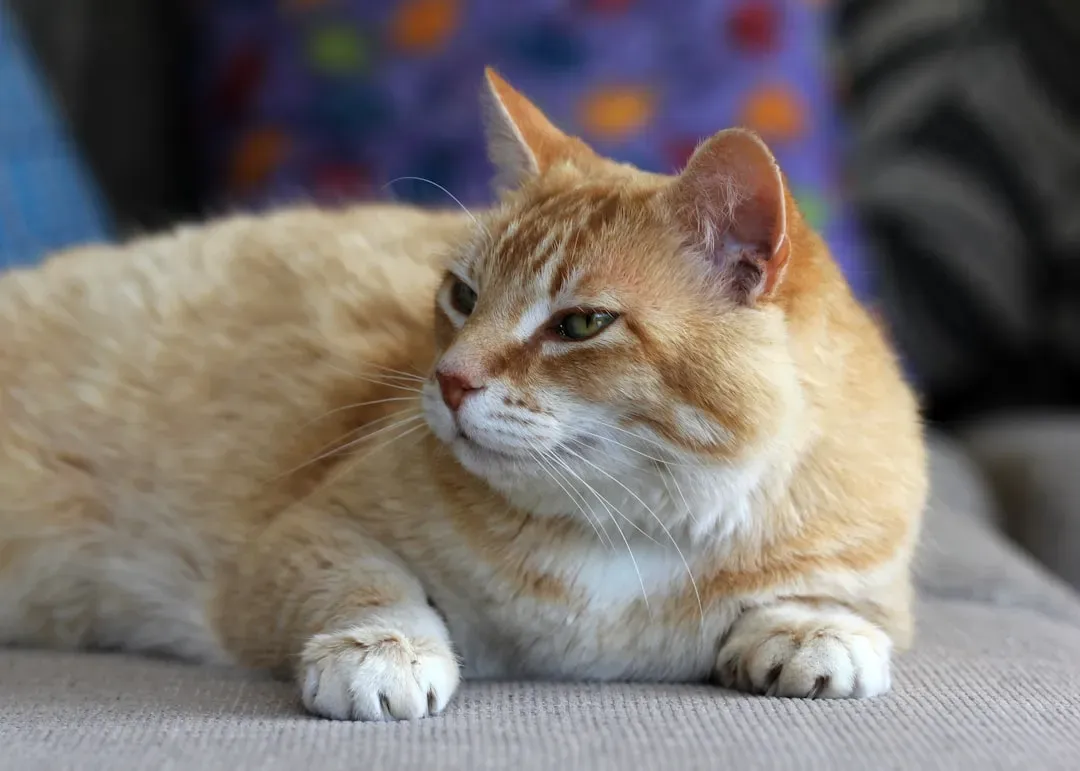
Cats are famously resilient animals, and some researchers believe the purr plays a direct role in that resilience. Researchers discovered cats may even be increasing their bone health through the constant low-pressure vibrations that come with purring. It seems that purring frequencies are often right on target to improve bone density and possibly even fracture healing.
This conjecture is supported by the fact that broken felid bones take significantly less time to heal than broken dog bones, and that low frequency vibrations in the range of cat purrs are used to heal complex fractures in humans. After all, it’s widely known that cats don’t exhibit as many muscle and bone abnormalities as their domestic counterpart, the dog. Perhaps a cat’s purr helps reduce the osteoporotic conditions or dysplasia that dogs often suffer from.
8. Kittens Begin Purring Within Days of Being Born
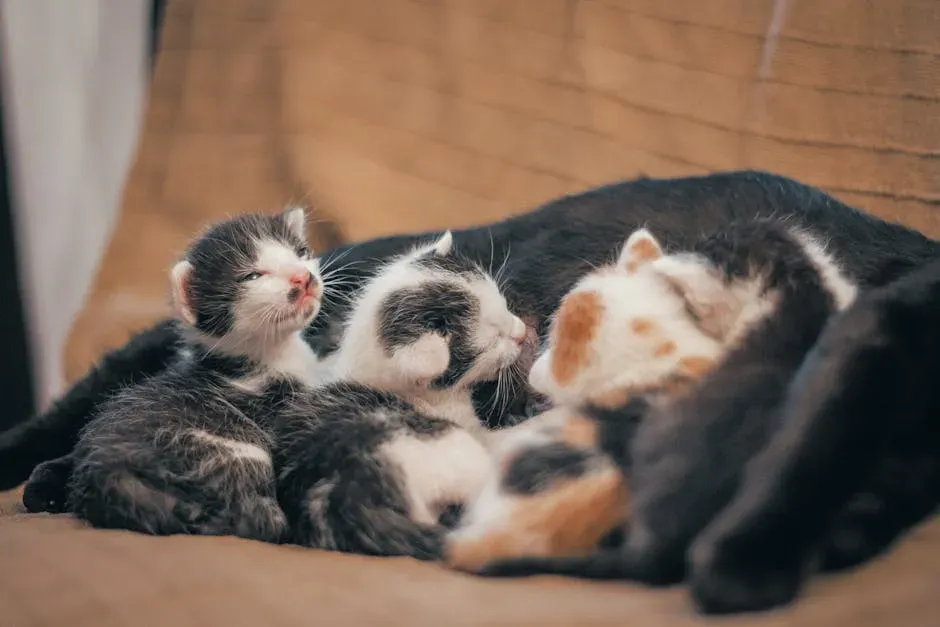
The purr isn’t something cats develop over time. It’s practically hardwired from birth. When it comes to kittens, purring is an important part of their communication with their mother. Kittens are born blind and deaf, and they rely on their sense of touch and smell to navigate their world. Purring is one of the ways that kittens communicate with their mother and siblings, as well as a way to soothe themselves.
Newborn kittens start purring within the first few days of life. They purr while nursing to let their mother know that they are content and comfortable. Purring may be a signaling mechanism of reassurance between mother cats and nursing kittens. That tiny rumble from a days-old kitten is already doing communicative work that matters for survival.
9. Cats Also Purr During Labor and at the End of Life
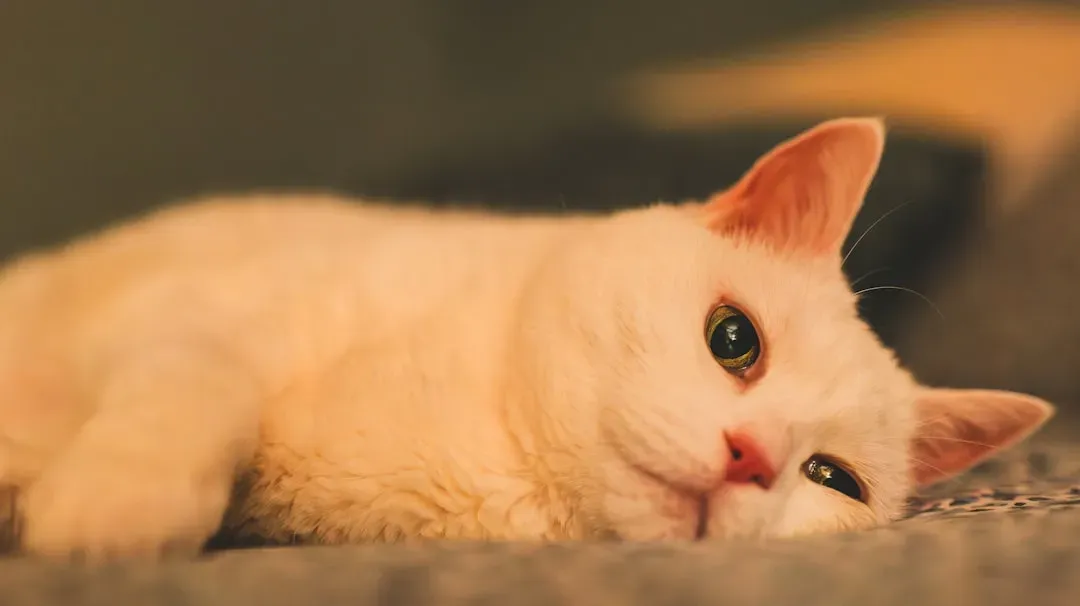
Purring accompanies a cat from its very first days all the way to its last. Female cats also purr during the first stage of labor, and this is thought to help them relax and reduce pain. Mother cats will purr when they are in labor to strengthen their kitten’s bones as they are going through the birth canal. They purr to repair their own damage during the labor process as well.
After experiencing the purring of extremely unwell, even dying cats, some veterinarians have described a “terminal purr.” In many cases, it became almost like a death knell, telling them that the end was near. What made it more difficult was that this end-stage purring would often give the cat’s family a glimmer of hope and optimism, as they understandably believed that the purring was a sign of recovery. Context, not just sound, is everything with a purr.
10. Not All Cats Can Purr, and No Cat Can Both Purr and Roar

The divide between roaring cats and purring cats is one of the more striking facts in feline biology. No cat can both purr and roar. The subdivision of the Felidae into “purring cats” (Felinae) on one hand and “roaring cats” (Pantherinae) on the other is based on whether the hyoid bone of the larynx is incompletely ossified in “roarers” or completely ossified in “purrers.”
In roaring cats like lions, tigers, and jaguars, the hyoid bone is more flexible, which enables the production of a deep, powerful roar but prevents true purring. They may produce a purr-like sound, but only on the exhale. There is one big cat that can purr: the cheetah purrs and meows like a house cat, and also chirps like a bird. It’s a category of one.
11. A Cat’s Purr Can Function Like a Natural Sleep Aid for Humans
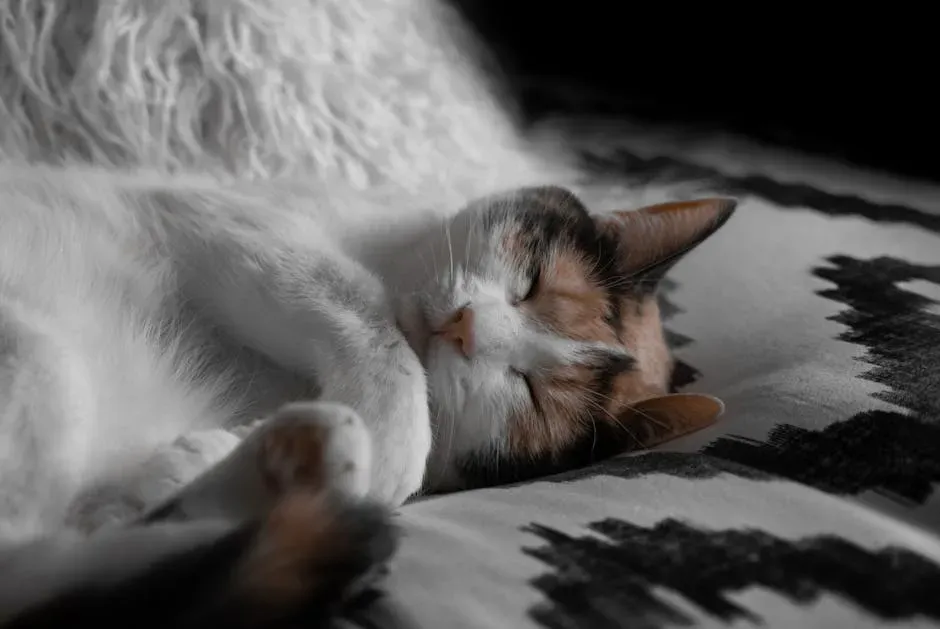
You may have already experienced this without realizing what was behind it. Many cat owners report falling asleep more easily with a purring cat nearby, and there’s a plausible biological explanation for why. For those suffering from insomnia or sleep disturbances, the purr can act as a natural lullaby. The consistency and frequency of a cat’s purr are like white noise machines used to aid sleep.
The repetitive sound of a cat’s purring has a calming, meditative quality that can reduce anxiety and promote mindfulness. Petting a cat or simply spending time with them often triggers the body’s relaxation response, helping people feel more grounded and at ease. Research has demonstrated that when a cat purrs, it causes a release of endorphins from humans too. The health benefits of this complicated chemical reaction include lowering blood pressure, decreasing stress levels, relieving pain, and improving general sense of well-being.
12. Some Cats Simply Don’t Purr, and That’s Completely Normal
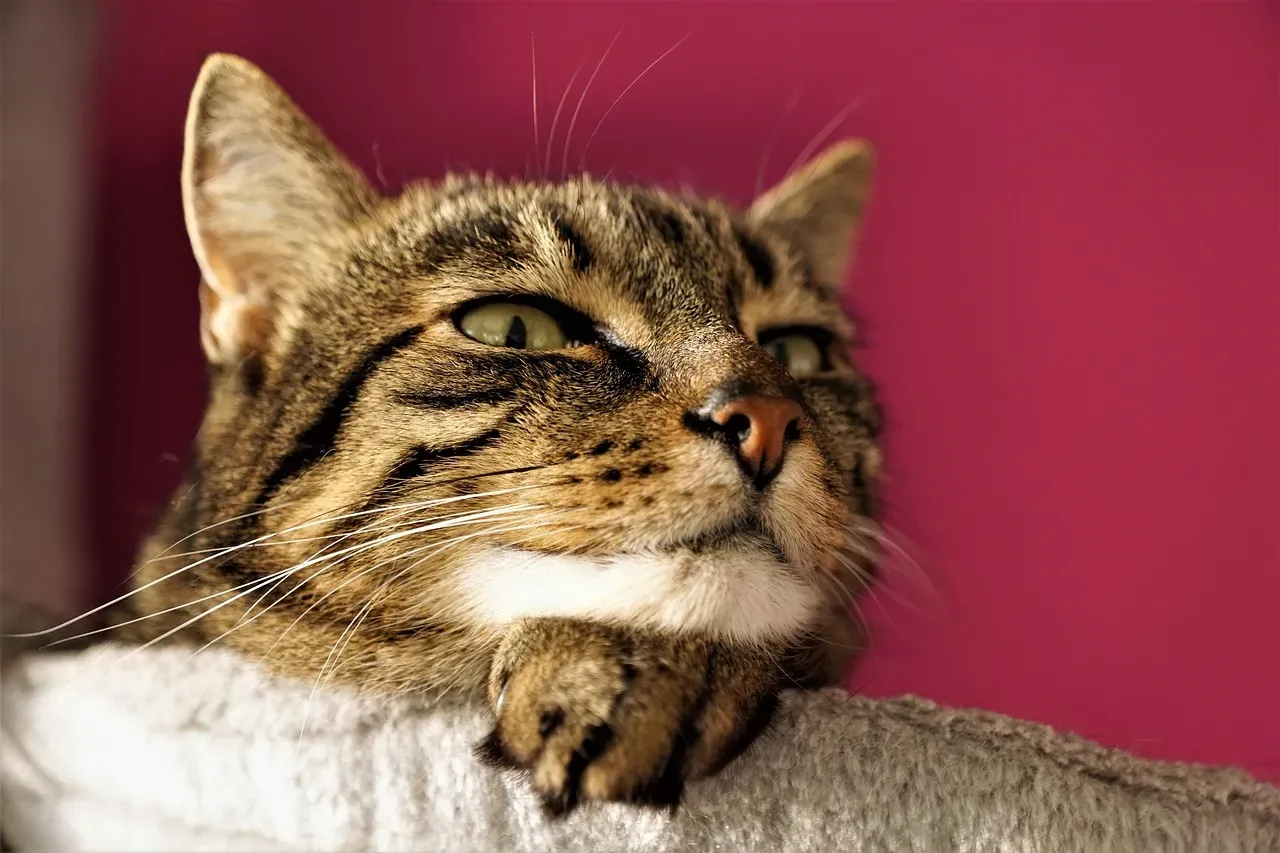
If you’ve ever worried because your cat rarely or never purrs, you can set that concern aside. Purring is not a universal trait across every individual cat. Some cats don’t purr and that’s acceptable. Lack of purring does not necessarily mean your cat is unhappy or unwell. They might just choose to communicate in different ways.
The intensity and length of the purr can also vary depending on the level of arousal of the animal. Some cats are simply quieter, more inclined toward silent slow blinks or physical closeness as their preferred way of connecting. Cats purr for multiple reasons, including contentment, pain relief, self-healing, anxiety, and communication with humans or kittens. Purring is not exclusively a happiness signal; it is a multi-purpose physiological and communicative tool. A cat that never purrs isn’t broken. It just has its own vocabulary.
Conclusion
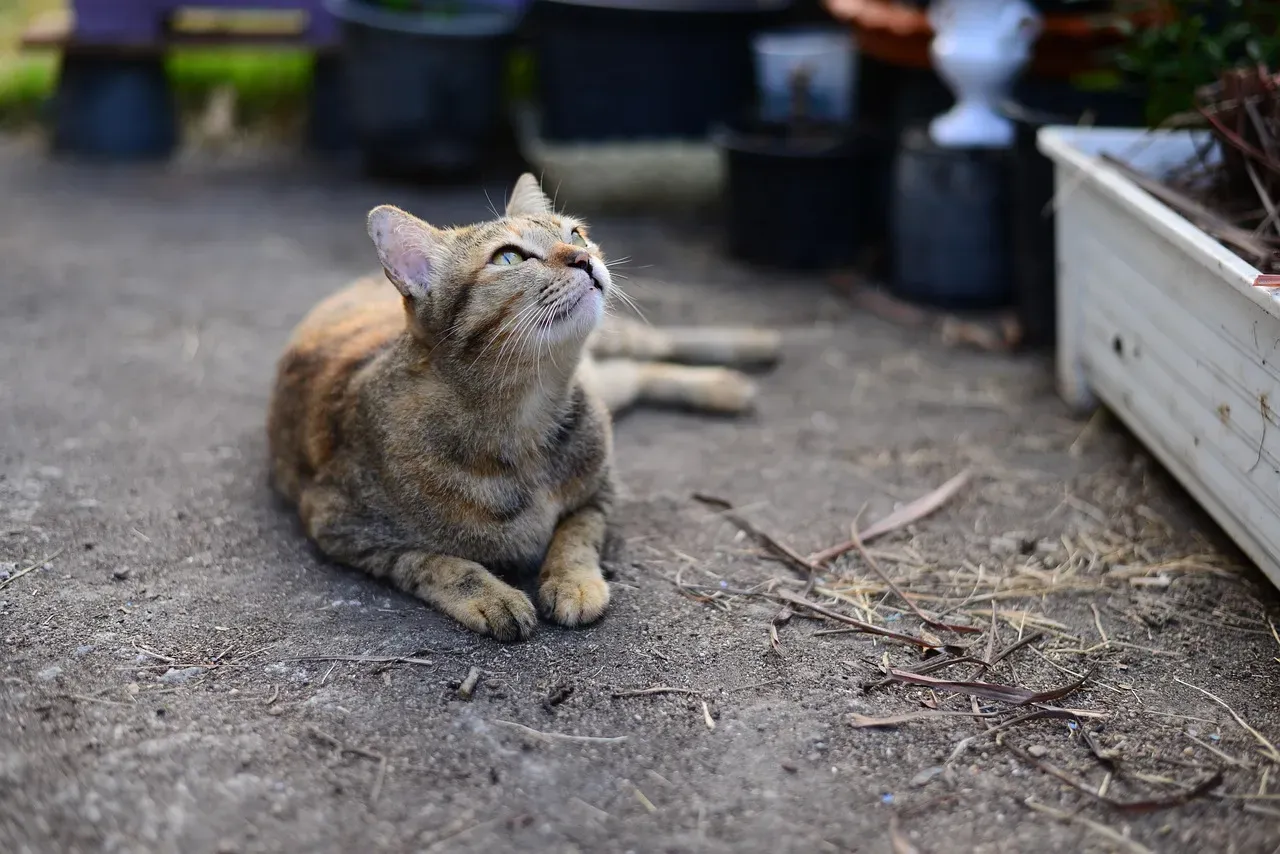
The purr is one of the most recognizable sounds in the world, yet for something so familiar, it remains genuinely complex. It’s a healing tool, a communication channel, a self-soothing reflex, and on occasion, a subtle act of manipulation. Your cat uses it at the beginning of life and at the very end, in moments of deep comfort and moments of real distress.
What’s worth carrying forward from all of this isn’t just the science. It’s the reminder that the animals we share our lives with are far richer and more layered than any single sound or behavior suggests. The next time you hear that low rumble, you’ll know you’re listening to something that science is still working to fully understand.
Kristina is a young writer from India. An arts graduate and an avid content creator, Kristina is passionate about animals and wildlife. She enjoys exploring topics related to pet care, animal behavior, conservation, and nature, combining thorough research with engaging storytelling.