You call your cat’s name. Nothing. You try again with a little more enthusiasm. Still nothing. Your cat is sitting three feet away, ears perfectly oriented in your direction, and yet somehow managing to give the impression that you simply do not exist.
Research has shown that cats know their own name and can distinguish it from similar-sounding nouns, even from the names of other cats in the household. This means your cat almost certainly understands when you’re calling them. They’re simply choosing not to respond. That realization can sting a little. The good news is that it almost never means what you think it means.
They’re Wired for Independence, Not Obedience
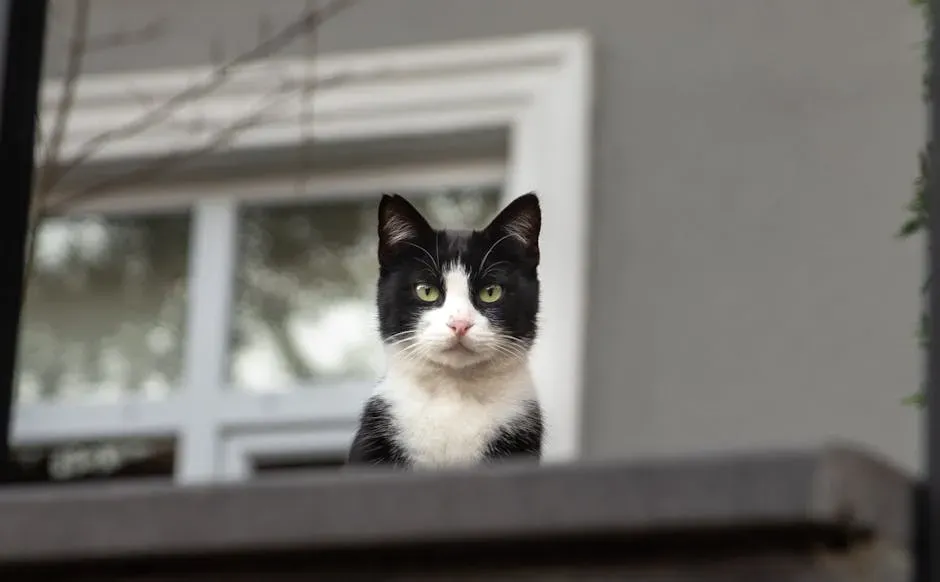
One major theory points to the difference in how dogs and cats became human companions. While dogs were domesticated and specially bred over thousands of years to be loyal and obedient, cats more or less domesticated themselves, moving into cities and hunting mice around grain stores by their own choice. Consequently, your cat doesn’t have a strong drive to listen and obey, and may ignore you if they’d rather be doing something else.
Cats are naturally independent creatures. Their ancestors were solitary hunters that only came together to mate, and your pet cat has inherited this trait. That’s not a character flaw. It’s just the blueprint they’ve been working from for thousands of years, and no amount of calling their name is going to override deep evolutionary wiring in that particular moment.
You’re Asking at the Wrong Time of Day
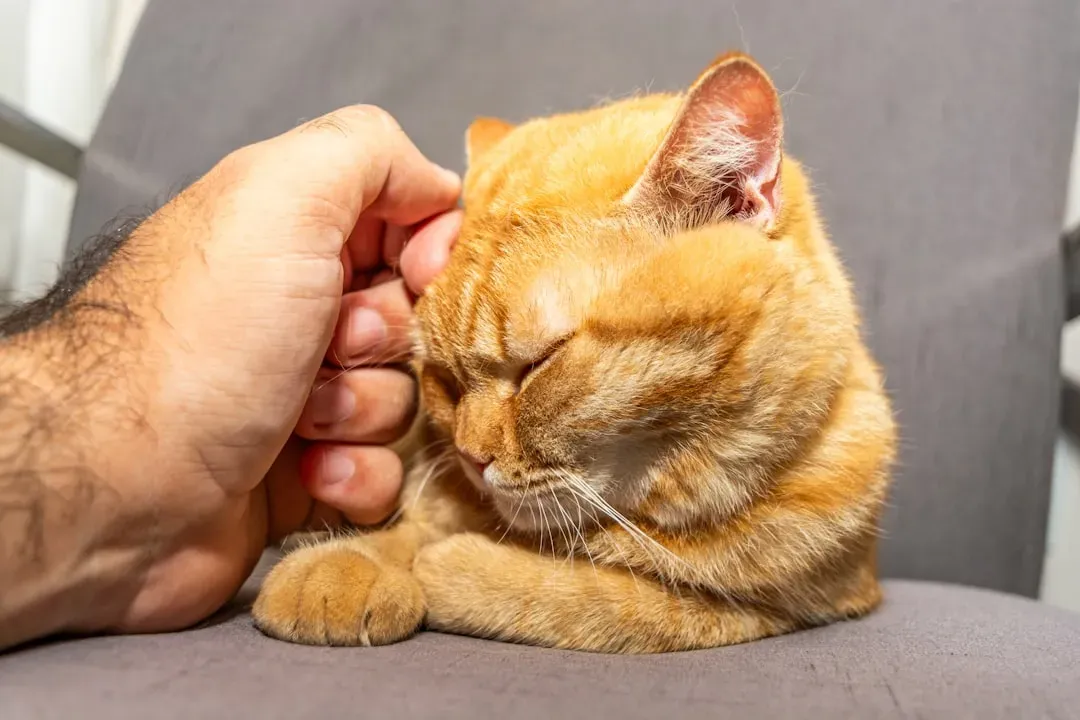
Like humans, cats experience varying energy levels throughout the day. They might ignore you simply because they’re tired, relaxed, or not in a social mood. This is especially true during their natural rest periods, which can occupy up to 16 hours of their day.
Cats aren’t obligate social animals the way dogs are, meaning they don’t need social contact as much as dogs do. Much like people who are introverts, cats thrive on socializing occasionally, on their own terms and with their favorite people, but they also enjoy alone time. So your cat may be ignoring you simply because they are not in the mood for interaction. The timing matters far more than most people realize. Catch them in an active, curious window and you’ll get a very different response.
They’re Overstimulated and Setting a Boundary
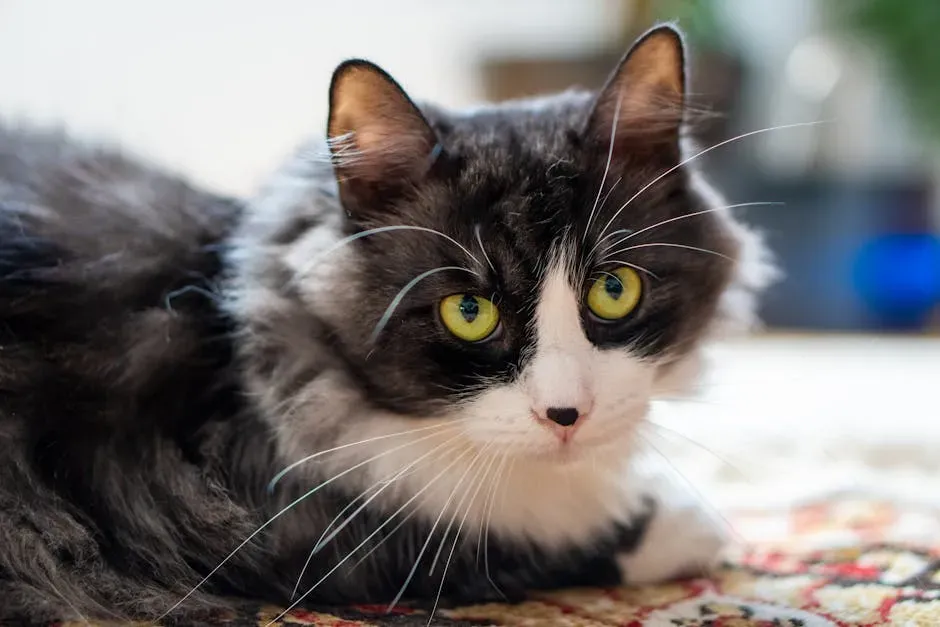
There is such a thing as too much attention, and your cat may start to ignore you if they feel overwhelmed or overstimulated. If you notice that your cat starts to ignore you after periods of extended physical contact, such as being petted for too long or being picked up when they don’t want to be, it’s likely that they’re trying to communicate that they need some space.
Affection has limits in the feline world. A cat may enjoy petting or cuddling but suddenly retreat once it reaches its tolerance threshold. Overstimulation can make them turn away, flick their tail, or even leave the room. Understanding these cues helps prevent negative associations with interaction. That tail flick isn’t attitude. It’s a polite, if firm, signal that the interaction is done for now.
Your Cat Is Stressed by Something in the Environment
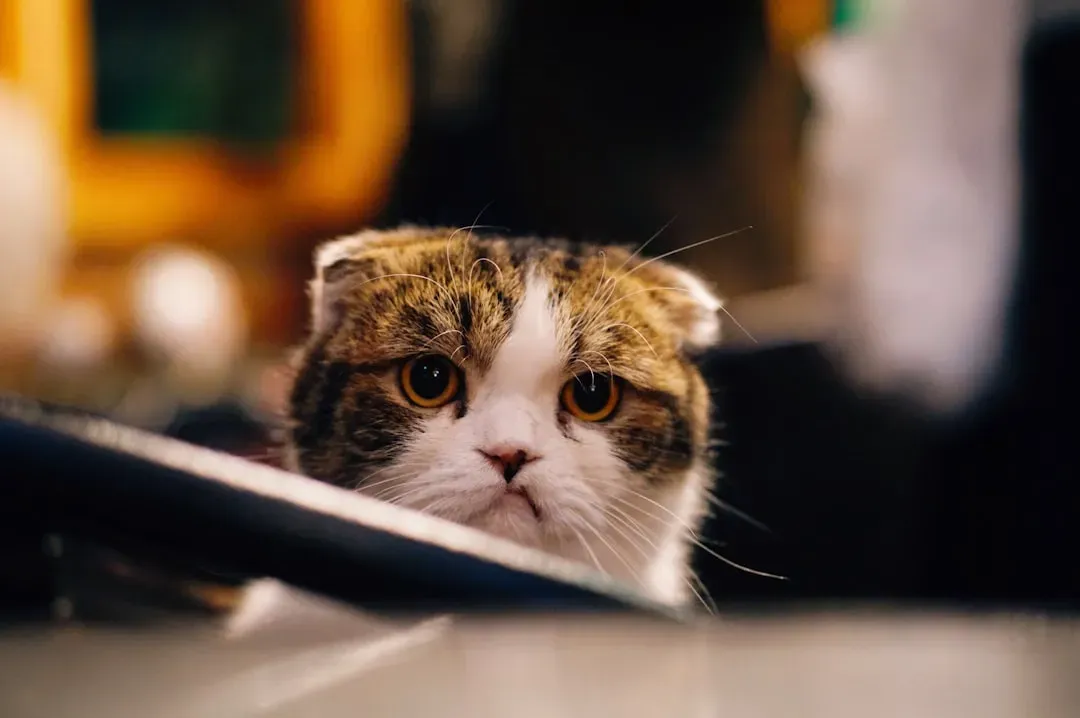
If your cat is usually social but has suddenly begun to avoid you, they might be feeling stressed. Stress can change their behavior. A stressed cat is less likely to want cuddles and human affection, though some cats might become clingy instead. They might even ignore you if they’re extremely stressed.
Stress can come in many different forms for cats, and it could be the smallest thing making your cat unhappy. Be mindful of any changes that might have stressed your cat, such as a house move, a new baby or visitor in the house, a new pet, a change of furniture, or a new neighborhood cat. Any of these things can upset your cat, as they’re creatures of habit and don’t like change. You may not even register these changes as significant, but your cat is keeping track of every shift in the household landscape.
They Haven’t Been Given a Reason to Respond
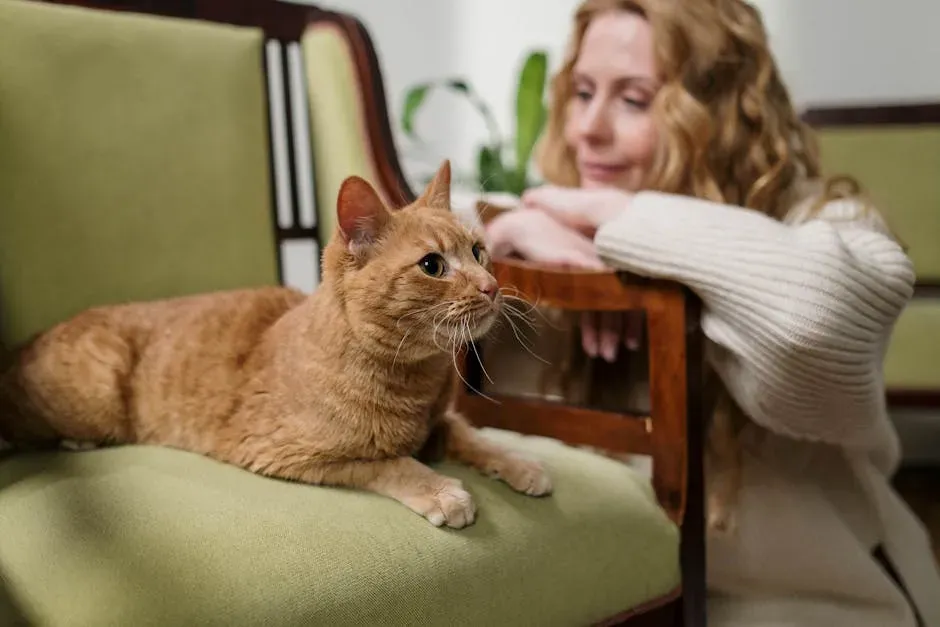
Research shows cats can recognize their names and distinguish them from other sounds, but they often actively choose whether or not to respond. This means that if the cat does not find a good reason or motivation to come to you, they might simply ignore you. It sounds blunt, but it’s honestly a reasonable position from the cat’s perspective.
Unless calling your cat is followed by something they value, like a meal or playtime, they might see no reason to respond. Training with positive reinforcement, consistent routines, and enriched environments can strengthen the bond between cats and their owners. In practice, this means pairing your calls with something genuinely rewarding, consistently, until responding to you actually feels worthwhile to them on their own terms.
They May Be Dealing With a Health Issue
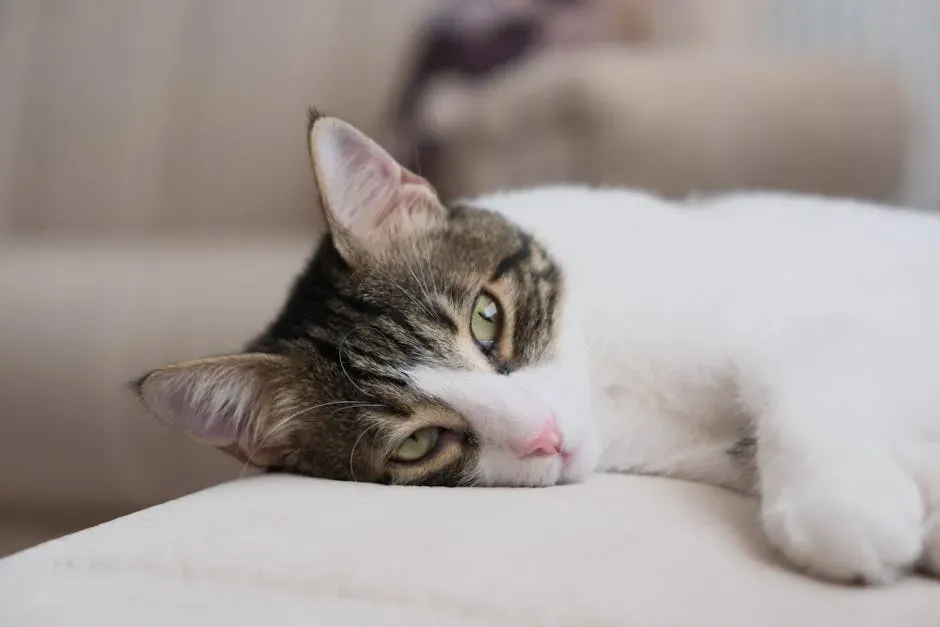
If your cat is ignoring you, it could mean they’re sick or in pain, especially if this behavior started suddenly. Many medical conditions, including kidney disease, infections, or anything that causes pain, can cause cats to withdraw and interact less with their families. This is related to cats being prey-predators who need to protect themselves from larger animals in the wild when they’re in vulnerable states, and house cats retain this instinct.
An older cat might not hear your call as clearly, which can easily be mistaken for ignoring you. If your cat also struggles to see you or navigate their space, they may seem distant. Both conditions can have a medical explanation rather than a behavioral one. Any sudden change in your cat’s social behavior, especially when accompanied by other symptoms, warrants a veterinary check-up. It’s worth the trip to rule things out, because cats are skilled at masking discomfort.
It’s Simply Their Personality
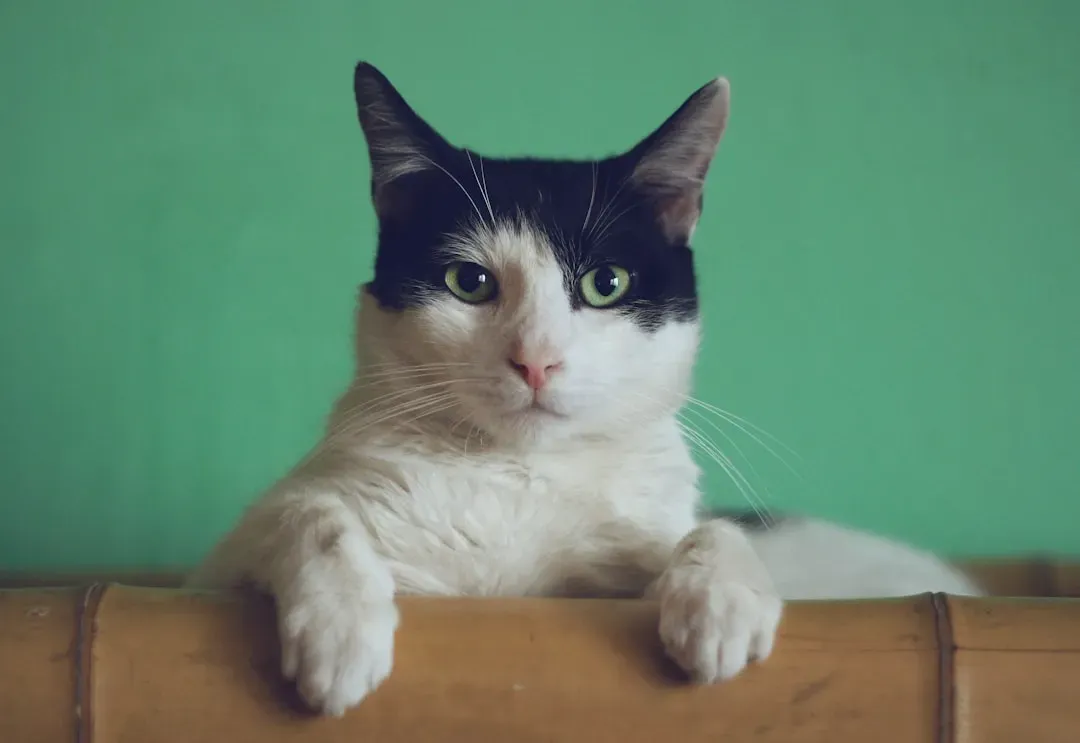
Although cats can and do desire social interaction, many cats also tend to be independent, as their ancestors were often solitary hunters. Some cats are more independent than others; this is partly influenced by how they were socialized as kittens and partly by their genetic makeup. Early life experiences shape a cat’s comfort level with humans in ways that stick around for life.
Some cats are simply more independent than others in terms of personality. As we know, cats are all different when it comes to temperament. Some cats have an affectionate character and actively seek attention from their owners. Other cats are perfectly happy with minimal human contact. If your cat is ignoring you and they’ve always been like this, it might just be who they are. That’s not a failure on your part. Some cats show love by simply existing near you, on their own quiet schedule.
Conclusion
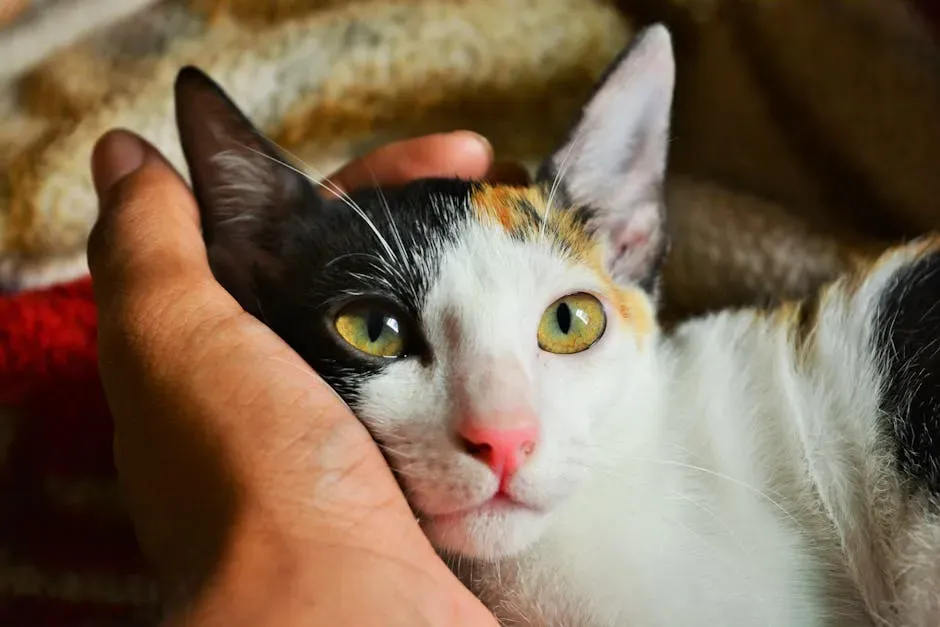
Understanding why your cat ignores you is, in a strange way, one of the more practical things you can do as a cat owner. Cats may seem to ignore their owners, but this is often rooted in their natural independence, instincts, or selective interaction style. Ignoring does not usually mean rejection. It’s a sign that cats regulate when and how they engage with humans.
Research conducted by Oregon State University found that cats can form secure attachments to their owners, similar to dogs and even infants. The way they express this attachment is simply more nuanced. Rather than always seeking attention, cats regulate interaction to suit their comfort levels.
The relationship you build with a cat is one built on patience and earned trust, not compliance. Once you stop measuring their affection by human standards and start reading their actual signals, the whole dynamic shifts. A slow blink from across the room, a tail held high as they walk past you, a choice to settle nearby when they could be anywhere else in the house. These are not small things. They’re just spoken in a language that takes a little time to learn.
Kristina is a young writer from India. An arts graduate and an avid content creator, Kristina is passionate about animals and wildlife. She enjoys exploring topics related to pet care, animal behavior, conservation, and nature, combining thorough research with engaging storytelling.