There’s a certain moment every cat owner knows well. You walk toward the kitchen, and suddenly your cat materializes out of nowhere, weaving between your legs with an expression that says, “I’ll have the tuna, please, and do make it snappy.” It’s charming at first. After a while, it starts to feel like you’ve been quietly hired for a job you never applied for.
Food excitement is normal in animals, especially one as instinct-driven as a cat. Being vocal and engaged around mealtimes is perfectly expected behavior. The question is whether your cat has crossed from healthy enthusiasm into full-on chef-and-servant territory. Here are twelve signs that answer that question, along with what you can actually do about each one.
1. You Can’t Walk Into the Kitchen Without an Escort
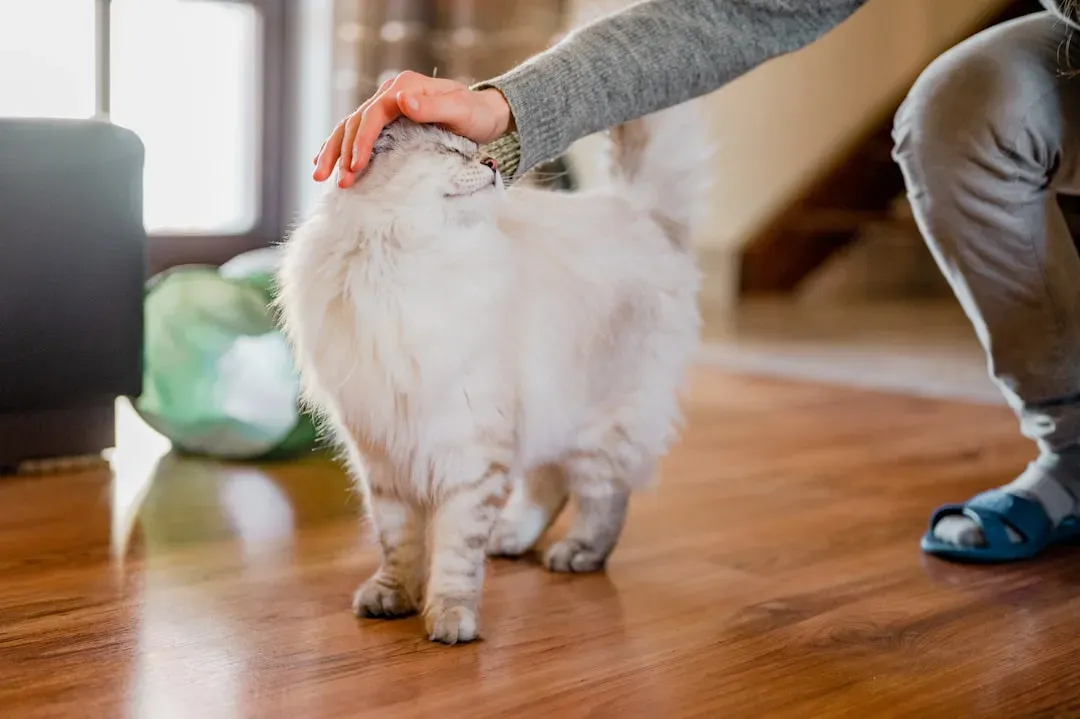
Your cat follows you into the kitchen every single time, no exceptions. It doesn’t matter whether you’re grabbing a glass of water, checking the stove, or just passing through. Some cats have learned to meow every time someone walks into the kitchen, hoping to entice you to give them a bite. Over time, this becomes a conditioned response they’ve essentially trained themselves to perform.
Meowing is both instinctive and learned. A cat’s ability to do it is instinctive and inborn, but doing it to get something specific is often a learned behavior. If you want to reduce the kitchen-escort routine, stop rewarding it with food even occasionally. Consistency is the only thing that gradually breaks the association.
2. Your Cat Wakes You Up Before Your Alarm Goes Off
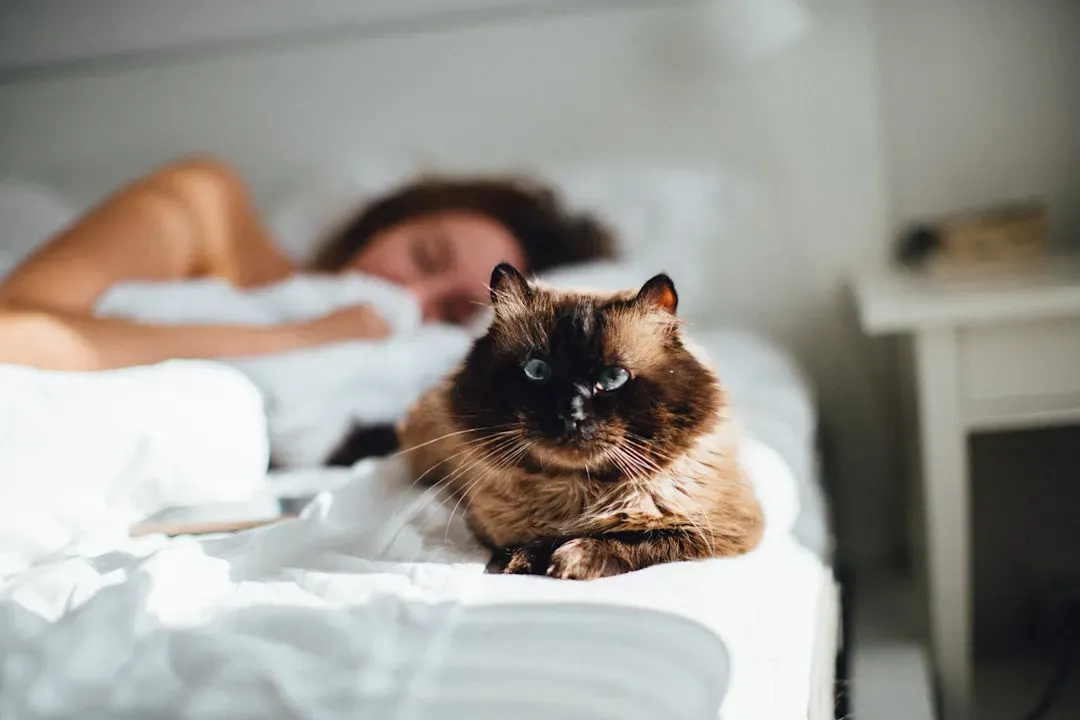
You set your alarm for 7 a.m. Your cat has decided breakfast is at 5:30. Hunger is one of the main reasons cats wake their owners early. Cats have very small stomachs, roughly the size of a ping pong ball, and will start to get hungry about five hours after eating. If you’re going more than eight hours between meals, your cat is genuinely starving by morning.
As hard as it is, ignoring this behavior completely is key. Complete, consistent ignoring. Adding a late-night meal or using an automatic feeder set for early morning can also help bridge that overnight gap without you losing sleep over it.
3. They Finish Their Bowl in Seconds and Immediately Ask for More
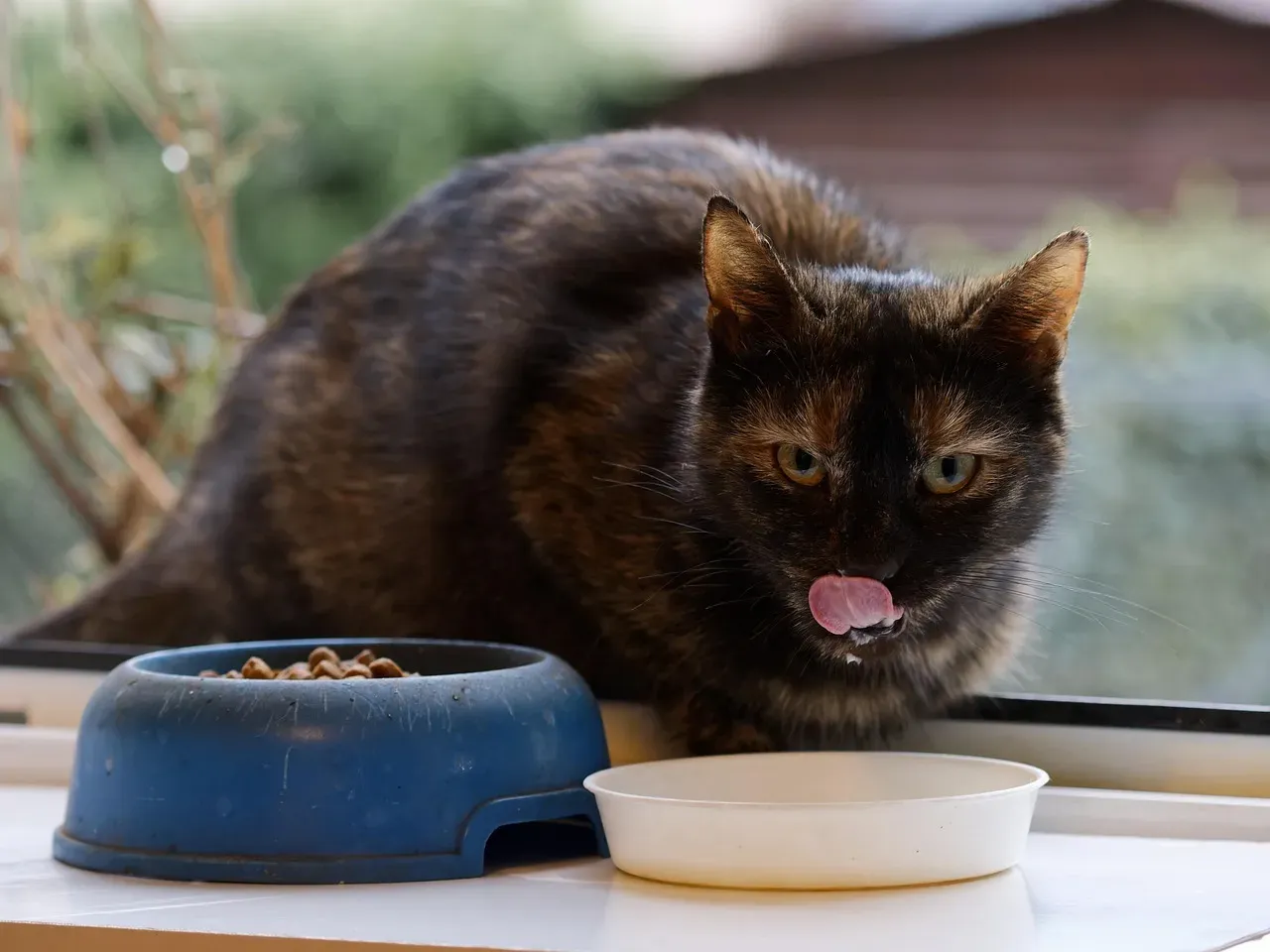
Many cats with food-focused behaviors are “gobblers.” They eat with such speed and force that the bowl is empty in seconds, which can cause vomiting and other issues that then lead to more hunger. If your cat inhales a meal and then turns to stare at you, the problem may not be portion size, but pace.
Slow feeders and puzzle toys are excellent for gobblers, forcing them to slow down their eating. They also give owners extended time before the pestering begins again while the cat is busily working through the feeder. It’s a practical fix that addresses both speed and boredom simultaneously.
4. You Hear Constant Meowing Long After the Bowl Has Been Filled
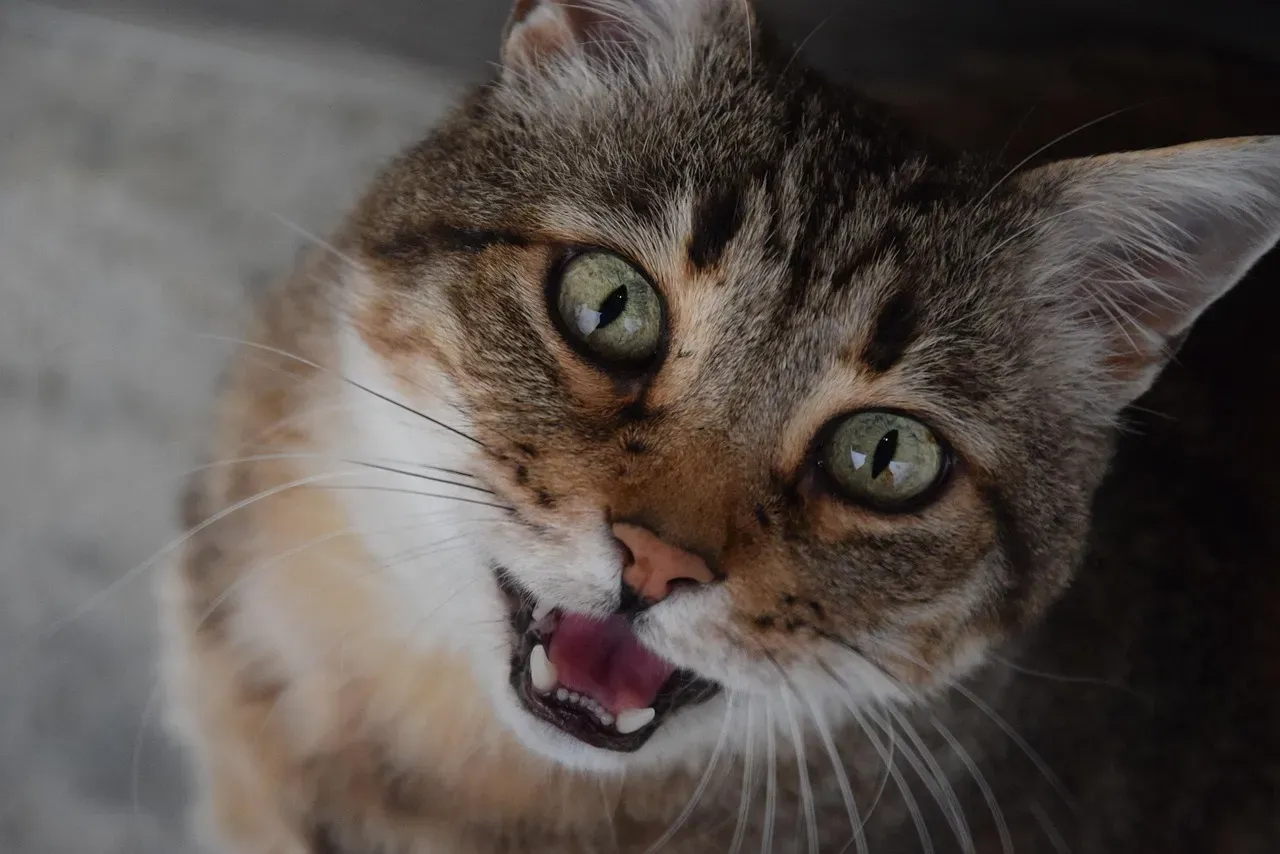
Meowing at feeding time is a normal behavior, and it should settle once your cat has been fed. Many cats will take a nap after eating. Crying that persists beyond feeding time could indicate hunger, a desire for attention, pain, boredom, or food obsession. Knowing which one is causing the noise matters quite a bit.
It can be hard to know whether your cat is obsessed with food or just hungry. If they’ve had the recommended amount of food according to their age and weight and are still meowing for more, they might not be self-regulating the way they should. Tracking how much your cat eats versus what’s recommended for their weight is a useful first step before assuming the issue is purely behavioral.
5. They Rub Against Your Legs Every Time You Cook
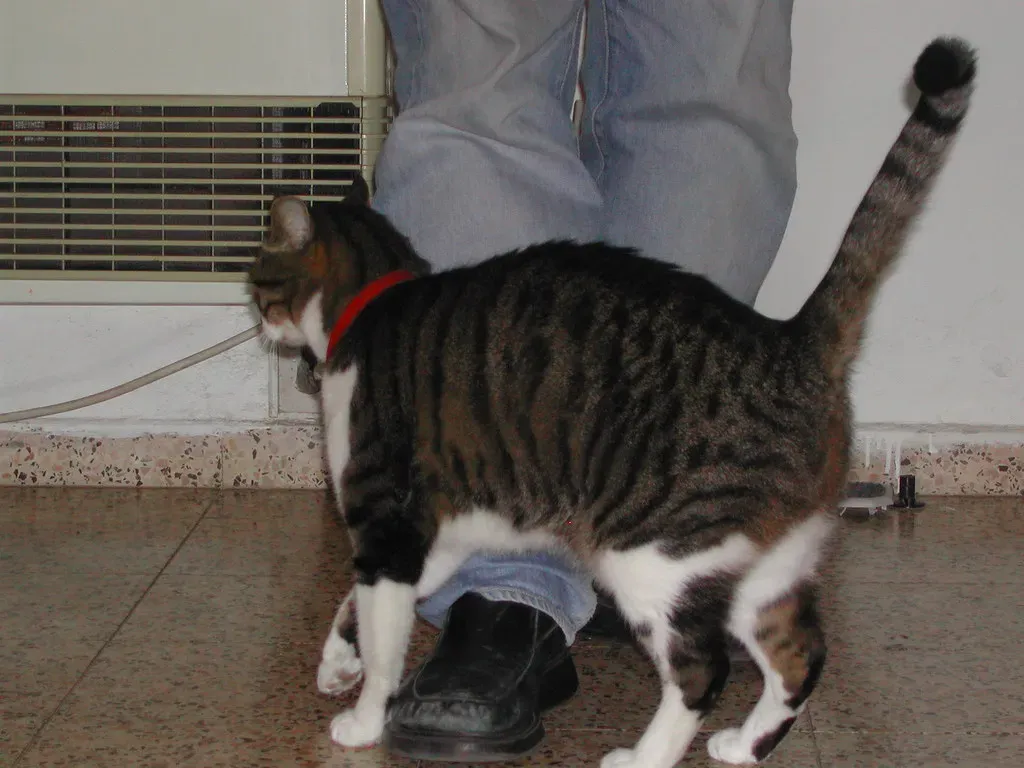
Rubbing up against your legs while you’re in the kitchen is one of the classic signs of food-focused behavior in cats. It looks affectionate, and sometimes it genuinely is. More often than not, though, it’s a strategic move timed perfectly to the sound of a can opener or refrigerator door.
Be sure to give your cat plenty of attention outside of mealtimes. Their persistent meowing or physical contact could be a desire for your affection rather than a request for food. If you make time for play and interaction during neutral moments in the day, they’re less likely to redirect all their social energy toward the kitchen.
6. Your Cat Tries to Steal Food From Your Plate
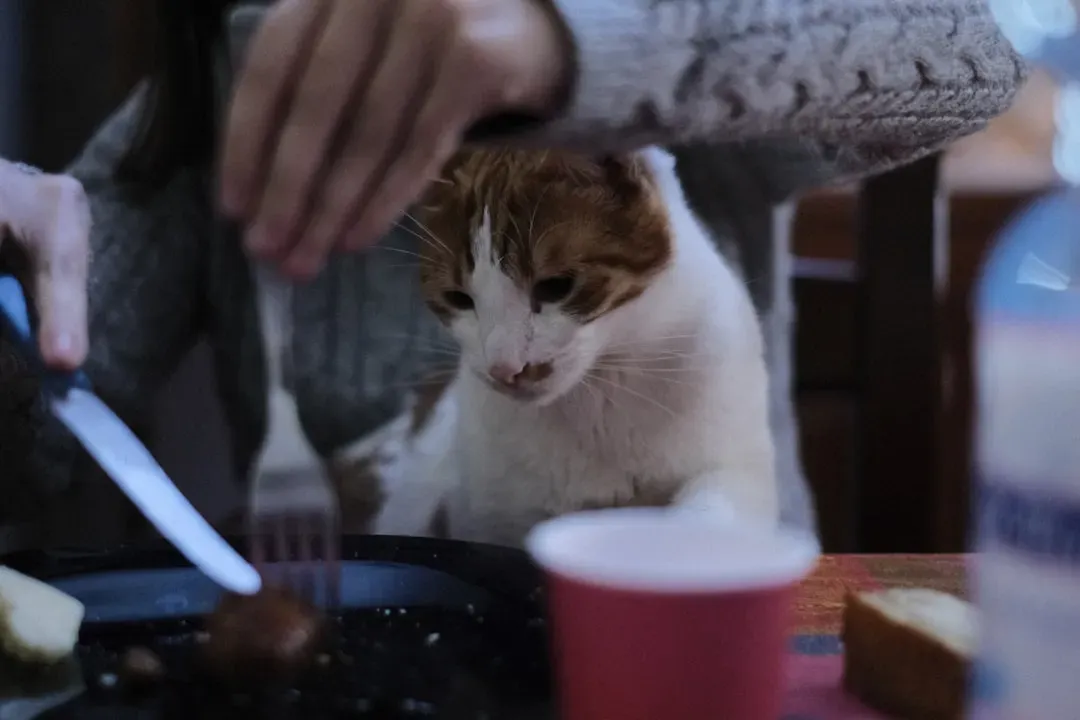
Common behaviors of cats trying to steal human food include meowing, following you around, attempting to jump on the table, and swiping at your food. A bold cat won’t wait for an invitation, especially if they’ve gotten away with it before. Once they succeed even once, the habit tends to stick.
If you’ve offered your cat pieces of your own meal while eating or rewarded them with food when they beg during meals, you may have put the notion in their head that they don’t actually have to wait for someone to offer food, it can just be a help-yourself option. The fix is firm and unsexy: stop feeding from the table entirely, and don’t waver.
7. They Scale the Counters the Moment You Leave the Kitchen
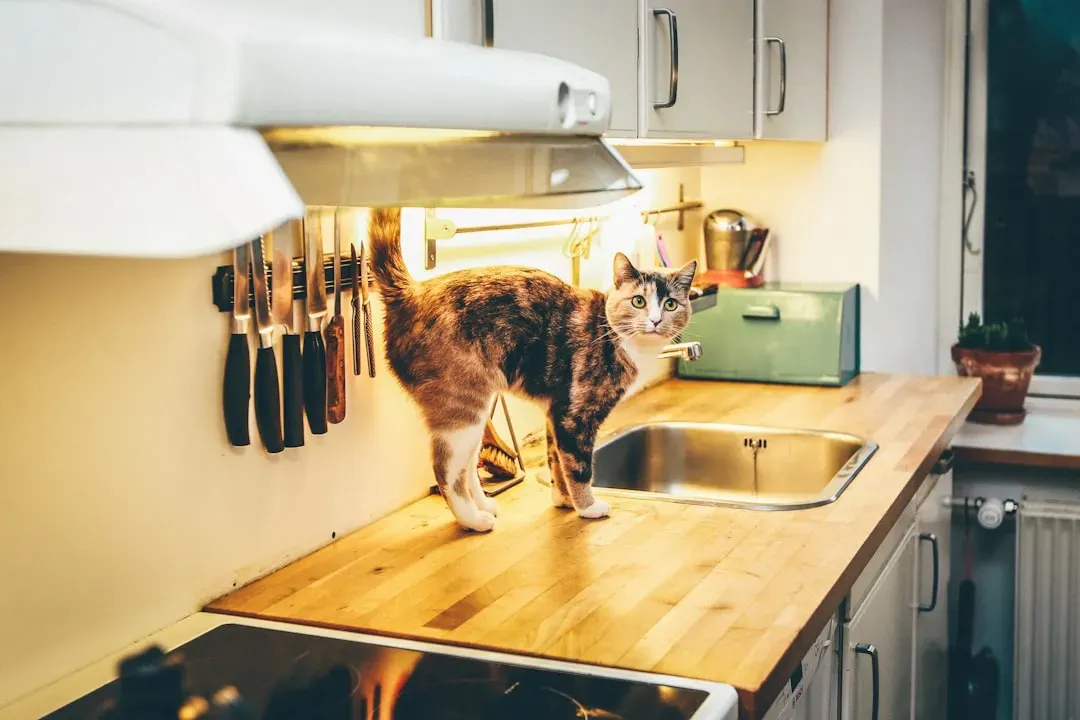
Cats are naturally curious and their love for climbing often leads them to kitchen counters in search of food. This behavior can not only be a nuisance, but it can also pose hygiene concerns. A cat who’s figured out that countertops sometimes hold food scraps is a cat who will keep checking, no matter how many times you redirect them.
Stealing food can also occur if it’s left out on an unattended counter or table. If you know you have a feline food thief, remove temptation by making sure leftovers aren’t kept out on the counter or table. Keeping surfaces clear isn’t a permanent cure, but it removes the reward that reinforces the behavior in the first place.
8. Mealtime Triggers Aggression Toward Other Pets
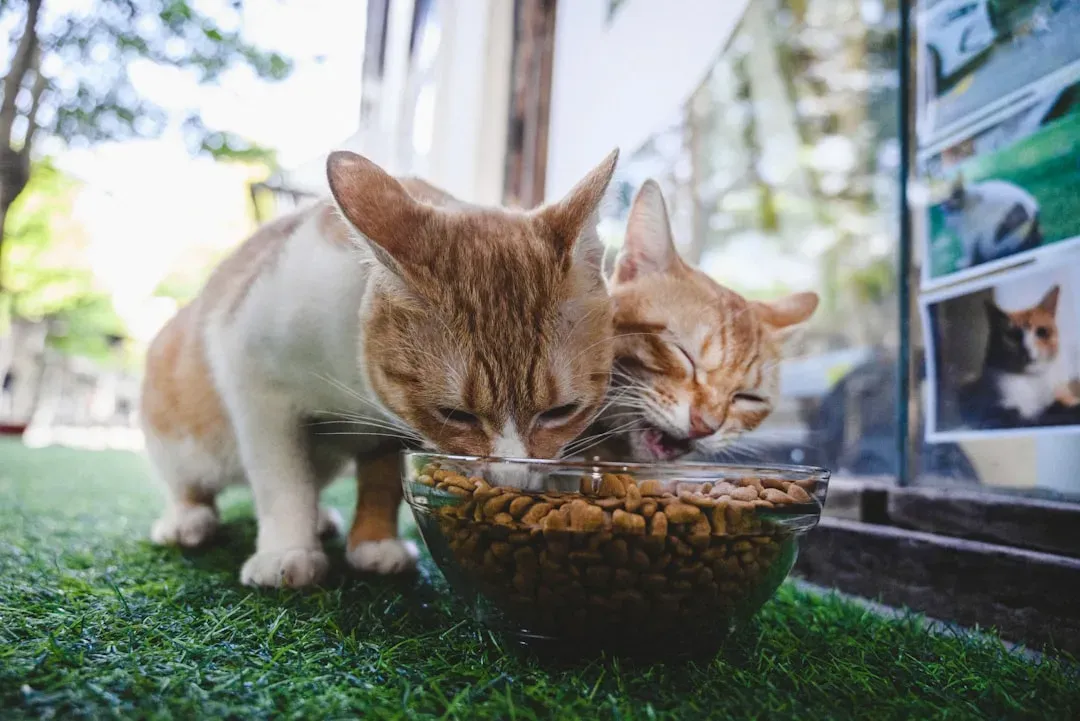
Aggression toward other pets when there is food around is one of the clearest signs that your cat is developing a food obsession. This is more than just possessiveness. It can escalate into real conflict in multi-pet households, especially when feeding happens in shared spaces.
High levels of stress can cause a cat to become intensely focused on food. Vets have diagnosed some cats with “psychogenic abnormal feeding behavior,” which involves begging and food-related aggression. Experts suggest structured play time and elimination of potential stressors to help address this condition. Feeding pets separately, in different rooms, is often the simplest and most effective starting point.
9. They Gobble Down Food So Fast They Vomit Shortly After
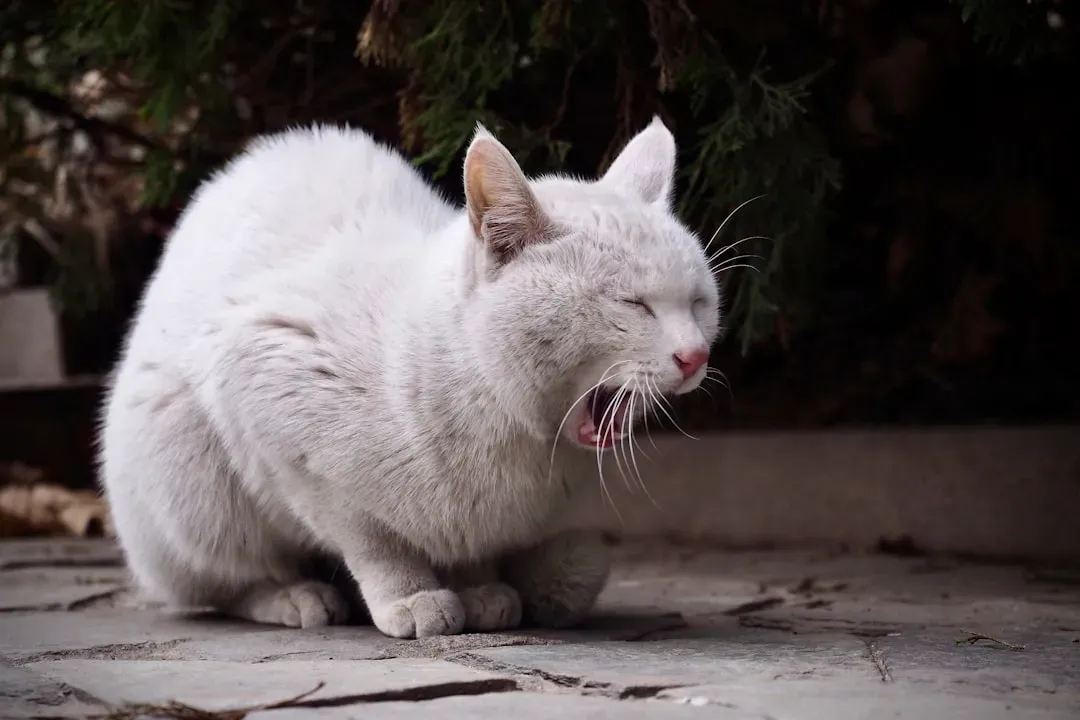
Beyond mental stimulation, puzzle feeders are also useful for what some trainers call “scarf and barfers.” These cats practically inhale their food and then it quickly ends up on your floor. Puzzle feeders require the cat to eat their food slowly because they’re not getting all of it at once. It’s a mechanical solution to what often feels like an inexplicable problem.
Puzzle feeders slow your cat’s eating speed, which is helpful for cats who tend to gobble down their food. Slower eating can also improve digestion by reducing the risk of indigestion and vomiting and help prevent obesity by controlling the amount of food your cat consumes. Even a simple muffin tin with kibble spread across the cups can make a notable difference in eating pace.
10. Your Cat Fixates on Your Food Even When Their Bowl Is Full
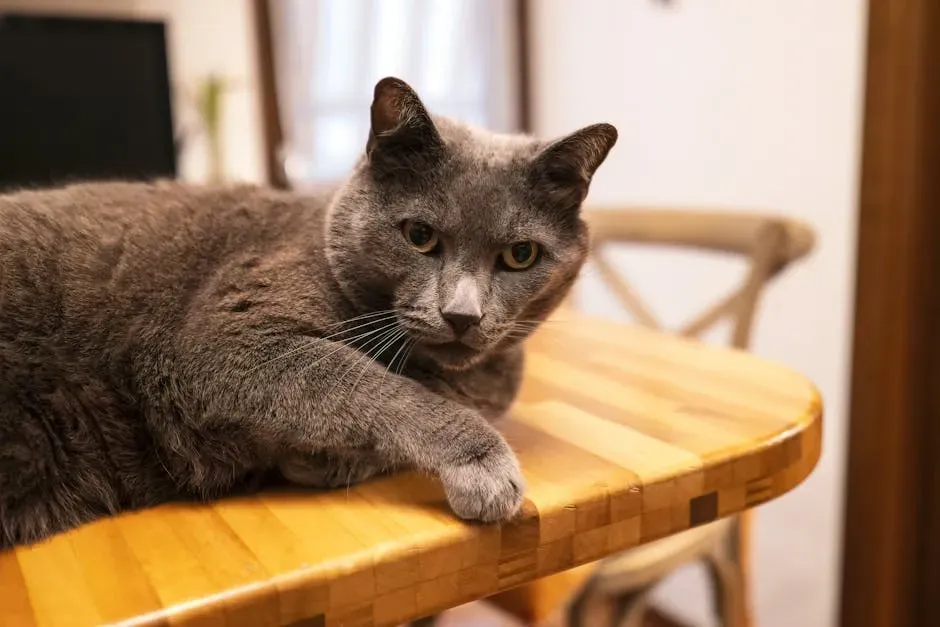
Low-quality cat food may not provide the nutrients your cat requires. If your cat’s food is not meeting their nutritional needs, they will eat obsessively to try to satisfy their hunger. A full bowl isn’t the same as a satisfying meal if the food itself is nutritionally inadequate for your cat’s size, age, or activity level.
Some of the best ways to help address a food obsession include ensuring you feed only high-protein pet food, as this will help your cat feel fuller much longer. It’s essential to make sure you’re providing the right nutrition and the right amounts based on individual circumstances. Many foods are targeted toward specific characteristics, such as kittens or senior pets. If you still aren’t sure whether your cat is getting adequate nutrition and quantity, an appointment with your veterinarian or a pet nutritionist is a wise move.
11. You’ve Accidentally Trained Them to Demand Food
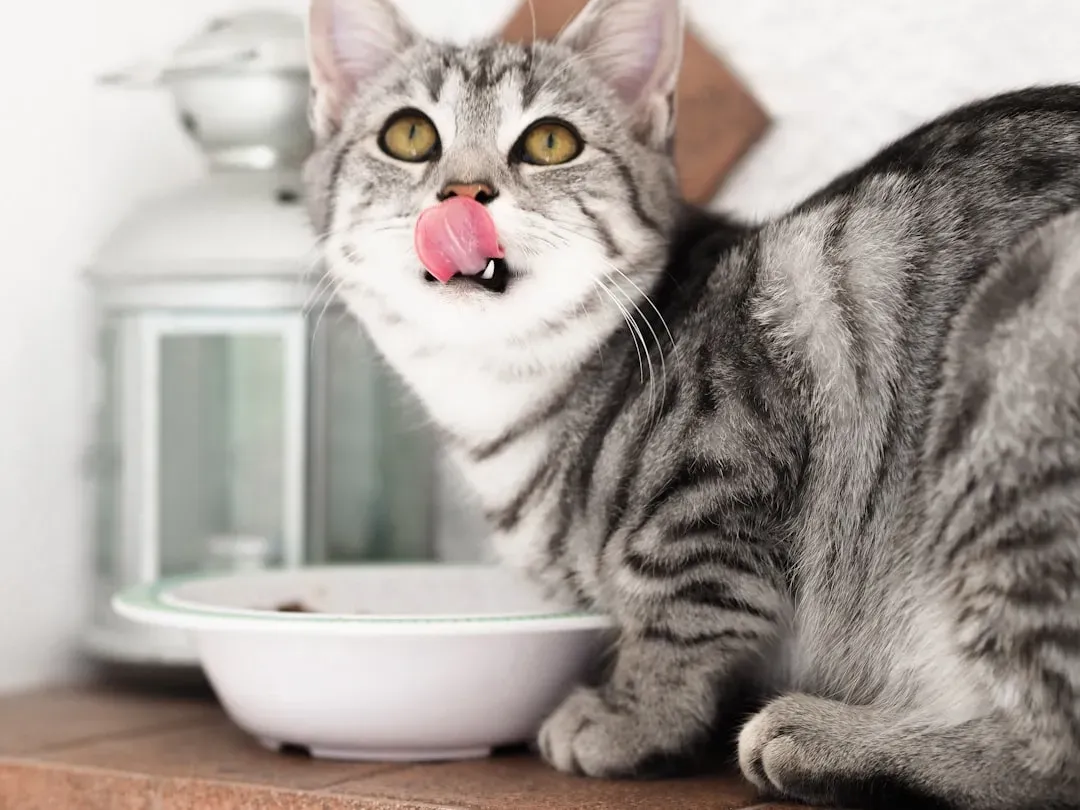
At some point, your cat was meowing, and your first thought was that they were hungry. Your cat made the association between food and meowing, so they did it again. That’s how you can accidentally train your cat to meow when they see food being prepared. It’s an easy cycle to fall into without realizing it’s happening.
One of the golden rules of behavioral science is that a behavior that is reinforced will continue. If your cat continues to beg and whine whenever you are near the food bowl, just ignore the behavior. Do not positively or negatively reward their crying. It may get worse before it gets better, so patience is a must. Consistency over a few weeks is the only thing that genuinely shifts this pattern.
12. The Behavior Has Suddenly Gotten Much Worse
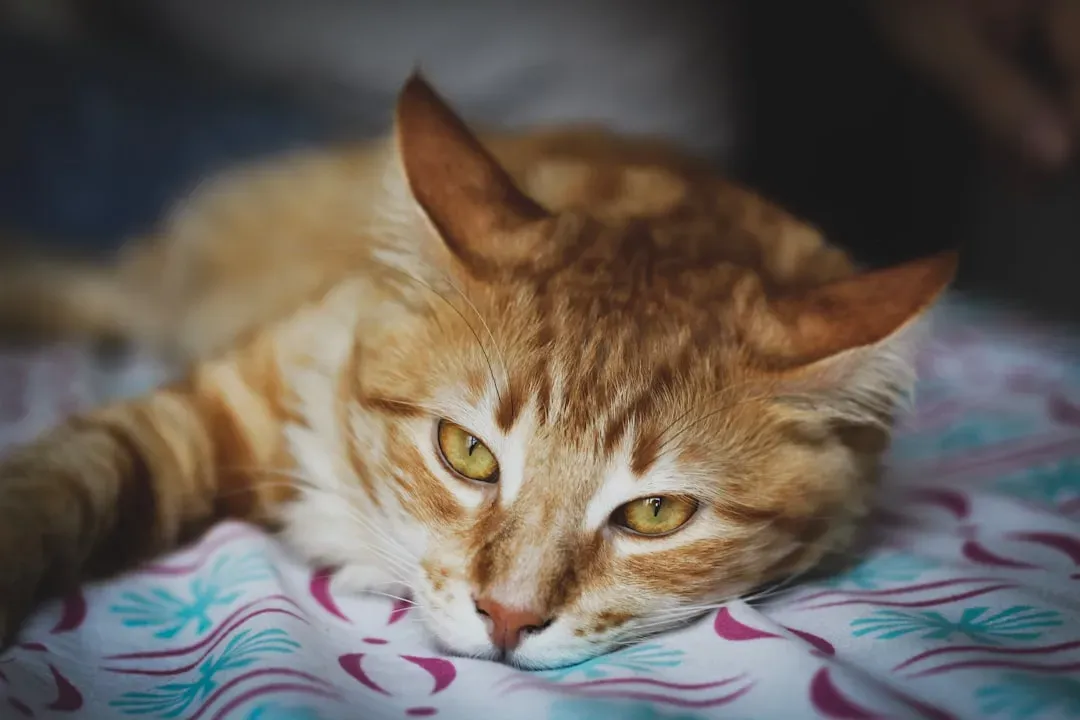
An underlying medical condition such as diabetes, hyperthyroidism, parasites, or worms could be the culprit behind your cat’s ravenous appetite. A dramatic increase in your cat’s appetite warrants a trip to the vet. This is especially true when the change in behavior is sudden rather than gradual, as sudden shifts tend to have a cause worth investigating.
If your cat has suddenly started to eat a lot more or can’t seem to be satisfied, it is a good idea to take them for a health checkup with a veterinarian. Other signs that may accompany an increased appetite and require veterinary attention include excessive drinking and urination, vomiting, diarrhea, weight loss, and lethargy. Ruling out a physical cause first always makes the most sense before trying behavioral solutions.
Conclusion: Understanding the Chef Dynamic
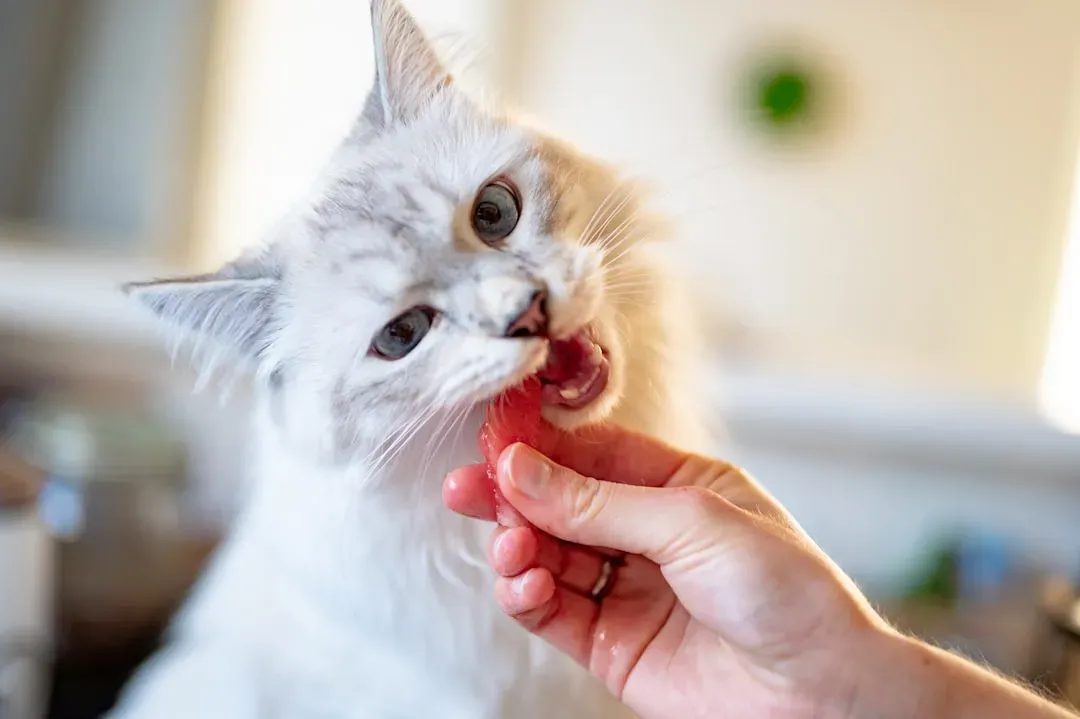
Living with a food-obsessed cat can feel like running a tiny, high-maintenance restaurant where the sole customer has no concept of closing time. The good news is that most of these behaviors are manageable once you understand what’s driving them.
Many food-focused cats respond better to multiple small, frequent meals throughout the day rather than one or two larger ones. This helps fulfill their natural grazing feeding style and can increase feelings of satiety. Small shifts in routine often make a bigger difference than any single intervention.
Providing a balanced, high-quality diet, ensuring adequate mental and physical stimulation, and addressing any medical concerns are key to helping your feline companion achieve a healthy and happy relationship with food. The goal isn’t to eliminate your cat’s enthusiasm for mealtimes; that enthusiasm is actually a sign of a lively, engaged animal. The goal is to make sure you’re partners in feeding, not employer and staff.
Kristina is a young writer from India. An arts graduate and an avid content creator, Kristina is passionate about animals and wildlife. She enjoys exploring topics related to pet care, animal behavior, conservation, and nature, combining thorough research with engaging storytelling.