Everyone loves telling you your cat doesn’t care about you. The internet is full of jokes about cats plotting your downfall, tolerating you for the food, or barely noticing when you leave for a week. It’s a funny bit, except it’s wrong, and the science backing that up is more specific than most people realize.
Cats don’t do dramatic. They don’t tackle you at the door or howl with joy when your car pulls into the driveway. Instead, they run a quiet, constant loop of tiny rituals that most owners scroll right past without ever clocking what they mean. By the time you finish this list, you’ll never look at a slow blink or a random head bump the same way again.
#1 – Following You From Room to Room
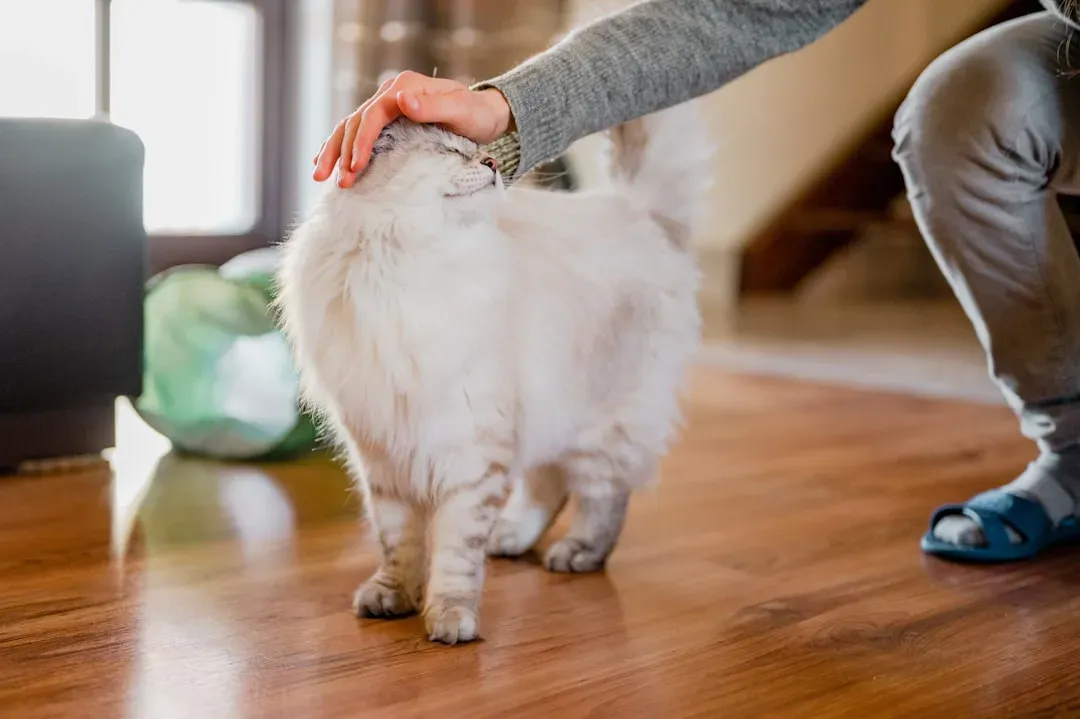
You get up to grab a glass of water and suddenly there’s a cat weaving around your ankles like you’re being escorted somewhere important. It’s easy to assume this is about food or boredom, but attachment research on cats tells a different story. When a cat shadows you constantly, it’s treating you the way a kitten treats its mother, as a home base that keeps the world feeling safe.
This isn’t a once-a-week quirk. It happens daily, often triggered by small transitions like walking from the kitchen to the couch, because your movement resets your cat’s sense of where its safety zone is. Pay attention next time you shift rooms. If a small shadow appears a few seconds later, that’s not curiosity. That’s a cat checking that its anchor hasn’t disappeared.
#2 – Meowing Specifically at You
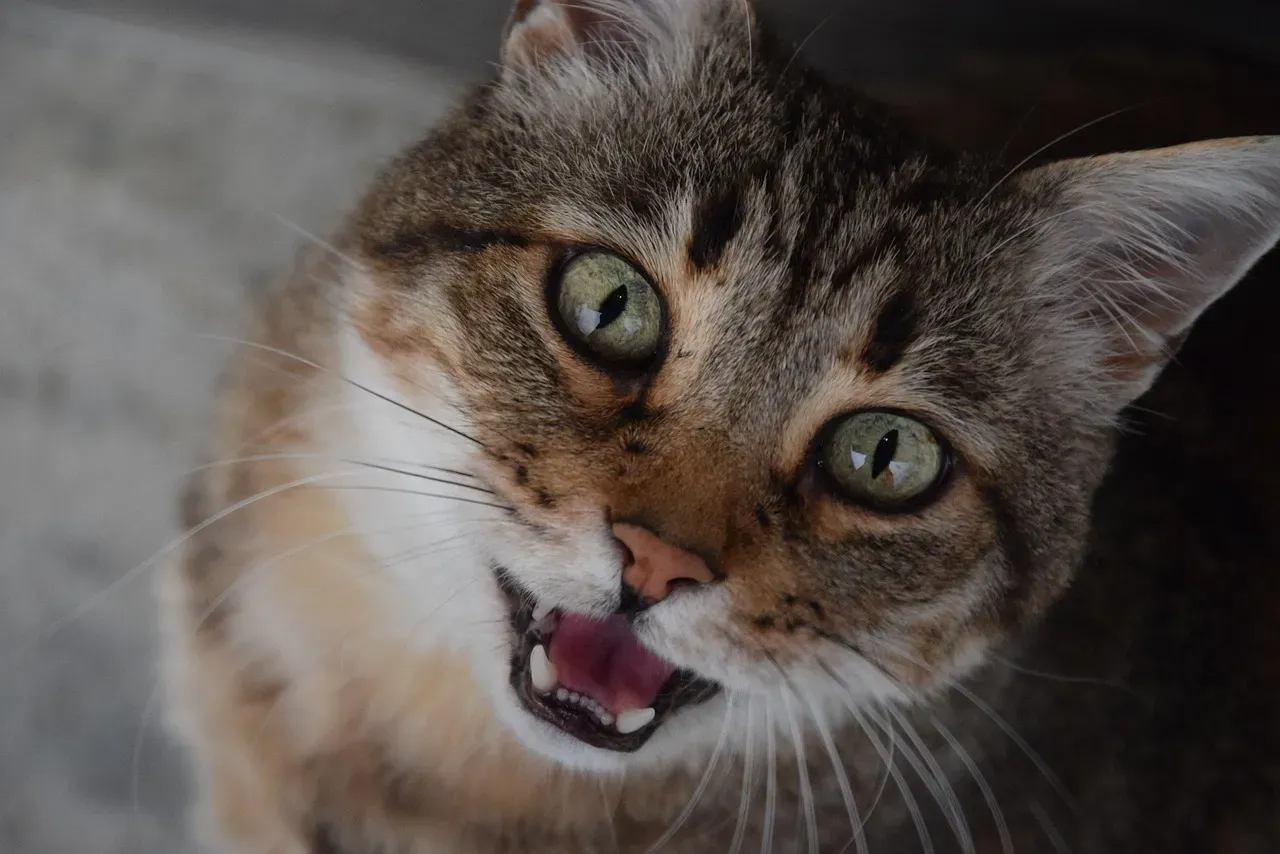
Adult cats barely meow at each other. That sound is something they mostly outgrow once they leave kittenhood, which makes it strange that so many cats meow constantly at their humans. The truth is a little unsettling in a sweet way: some of those meows are pitched to mimic a human infant’s cry, tuned specifically to make you stop what you’re doing and pay attention.
It isn’t an accident. Researchers describe this as a learned communication tool your cat built specifically for you, refined over months of trial and error until it found the tone that actually works. Different meows carry different requests, but the pattern that matters is simpler than the vocabulary: your cat only bothers developing this language for people it has decided are worth talking to.
#3 – Leaving “Gifts” Like Toys or Prey
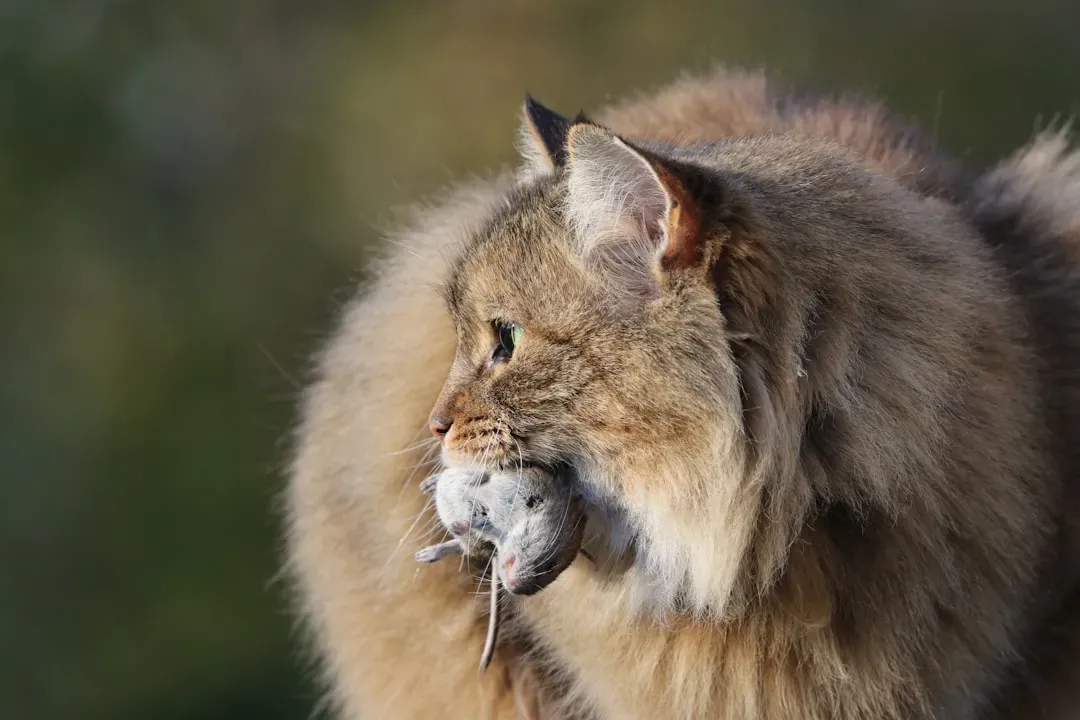
Finding a dead bug, a mangled toy mouse, or worse on your pillow is not most people’s idea of romance. But that unpleasant little offering is your cat’s version of coming home with dinner for the family. In the wild, mother cats bring prey back to teach and provide for their kittens, and your cat is running that exact same program, just with you cast as the kitten.
Vets are clear that this isn’t random hunting overflow. It’s targeted, deliberate, and far more common in cats who feel genuinely bonded to their household. The behavior tends to spike specifically when you’re home to witness it, because the point was never the mouse. The point was showing you what it caught.
#4 – Rolling Over and Exposing Their Belly
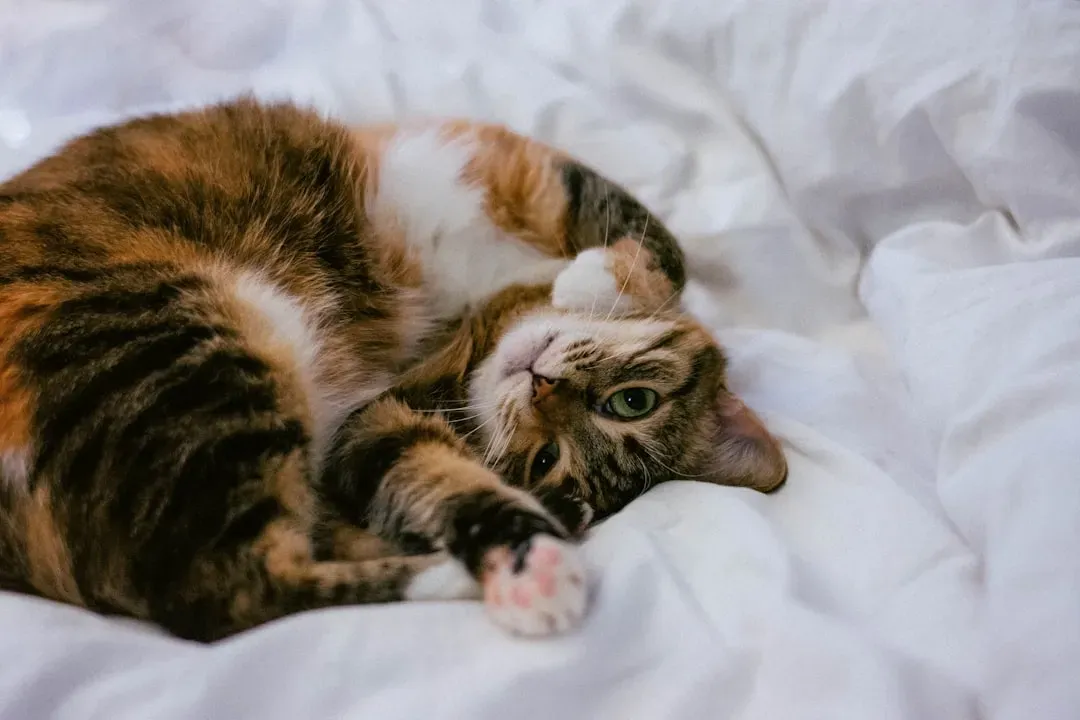
A cat flopping onto its back in front of you looks like an open invitation for belly rubs, and sometimes it is, but the deeper meaning is easy to miss. The belly is the single most vulnerable part of a cat’s body, covering vital organs with no real defense. Exposing it on purpose, in front of you, is one of the highest-stakes trust signals a cat can offer.
Behaviorists note this display shows up almost exclusively around people a cat considers completely safe, which is why a nervous or newly adopted cat rarely does it at all. It tends to happen during quiet, relaxed stretches at home, often paired with slow blinking or a lazy stretch. Your cat isn’t performing. It’s telling you, without words, that it has stopped watching its own back because it trusts you to.
#5 – Holding Their Tail Straight Up When Approaching
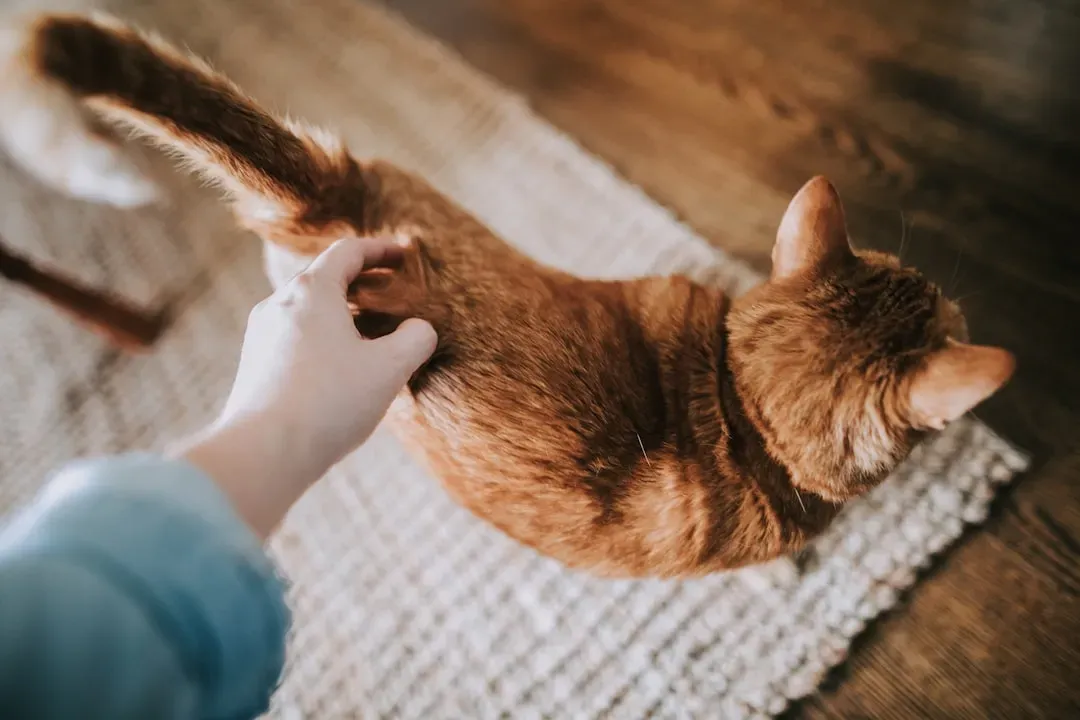
Watch a cat walk toward someone it likes and you’ll usually see the tail rise straight up, often with a small hook or curl at the very tip. That posture is essentially a wave hello, and it’s reserved specifically for people and animals a cat feels genuinely good about. It’s the opposite of the low, tucked, swishing tail that signals fear or irritation.
This happens daily, almost like clockwork, during greetings, because it’s less a mood and more a message: no threat here, approach freely. Researchers have documented this signal across bonded pairs, both cat-to-human and cat-to-cat. Owners who notice their cat consistently doing the upright hook-tail greeting tend to also report a noticeably closer relationship overall, and that’s not a coincidence.
#6 – Rubbing Their Face and Body Against Your Legs
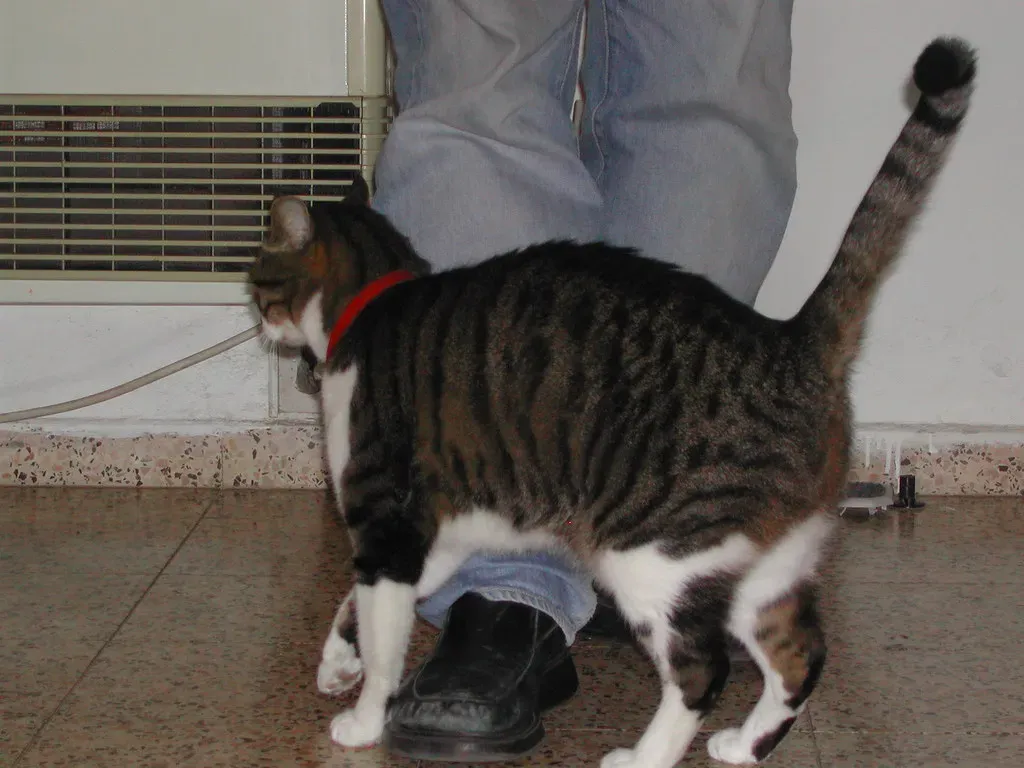
That full-body slide against your shins isn’t just a physical habit, it’s scent marking, and it’s more deliberate than most people assume. Cats have pheromone glands concentrated around their face, and rubbing them against you deposits a scent that essentially claims you as part of their territory and their colony.
This isn’t casual. Studies on feline olfactory communication show this ritual happens multiple times a day, but almost exclusively with people a cat has mentally filed as “mine.” It tends to intensify right after you’ve been away, when your scent has faded and needs refreshing. Many cats layer in purring while they do it, which is basically the feline version of underlining the message twice.
#7 – Choosing to Sleep Near or On You
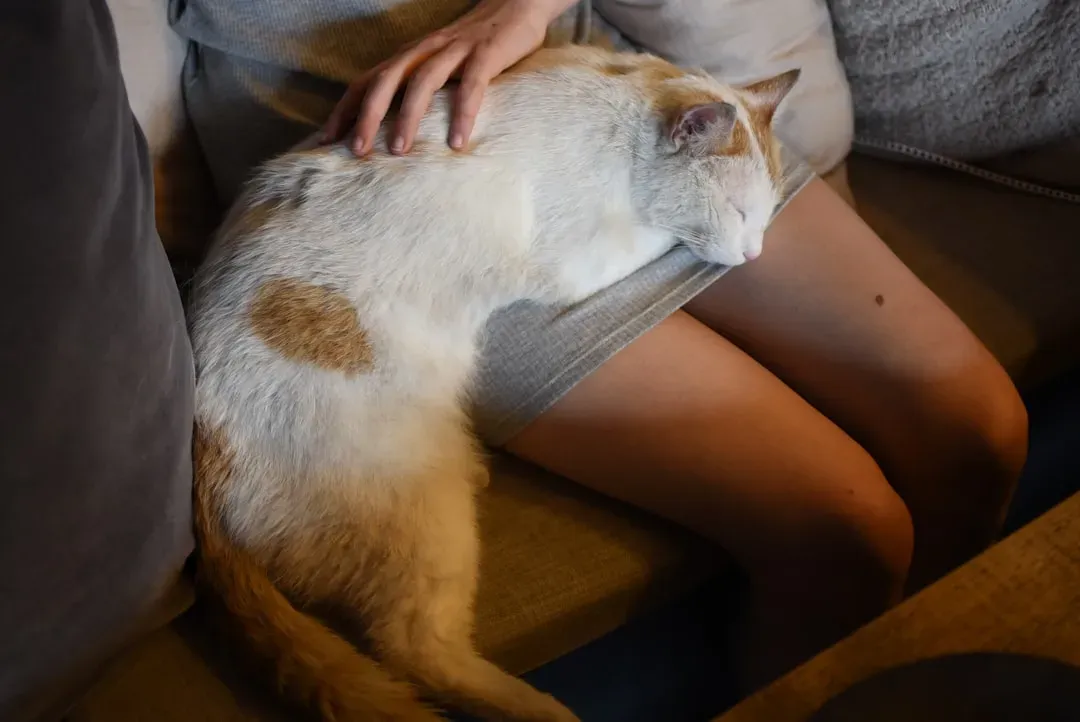
Sleep is the single most defenseless state an animal can be in, which makes a cat’s choice of where to nap far more meaningful than it looks. When your cat consistently picks your lap, your legs, or the empty half of your pillow over every other soft surface in the house, that’s not laziness. That’s a daily vote of confidence in your ability to keep it safe.
Here’s the detail most owners never notice: cats will often sleep facing away from you, back turned, completely exposed. That’s not indifference, it’s the opposite. It means your cat trusts you enough to watch its own blind spot. Move that same cat into an unfamiliar environment and watch how quickly that relaxed, exposed sleeping posture disappears, because the security it depends on is gone.
#8 – Grooming You With Licks or Nibbles
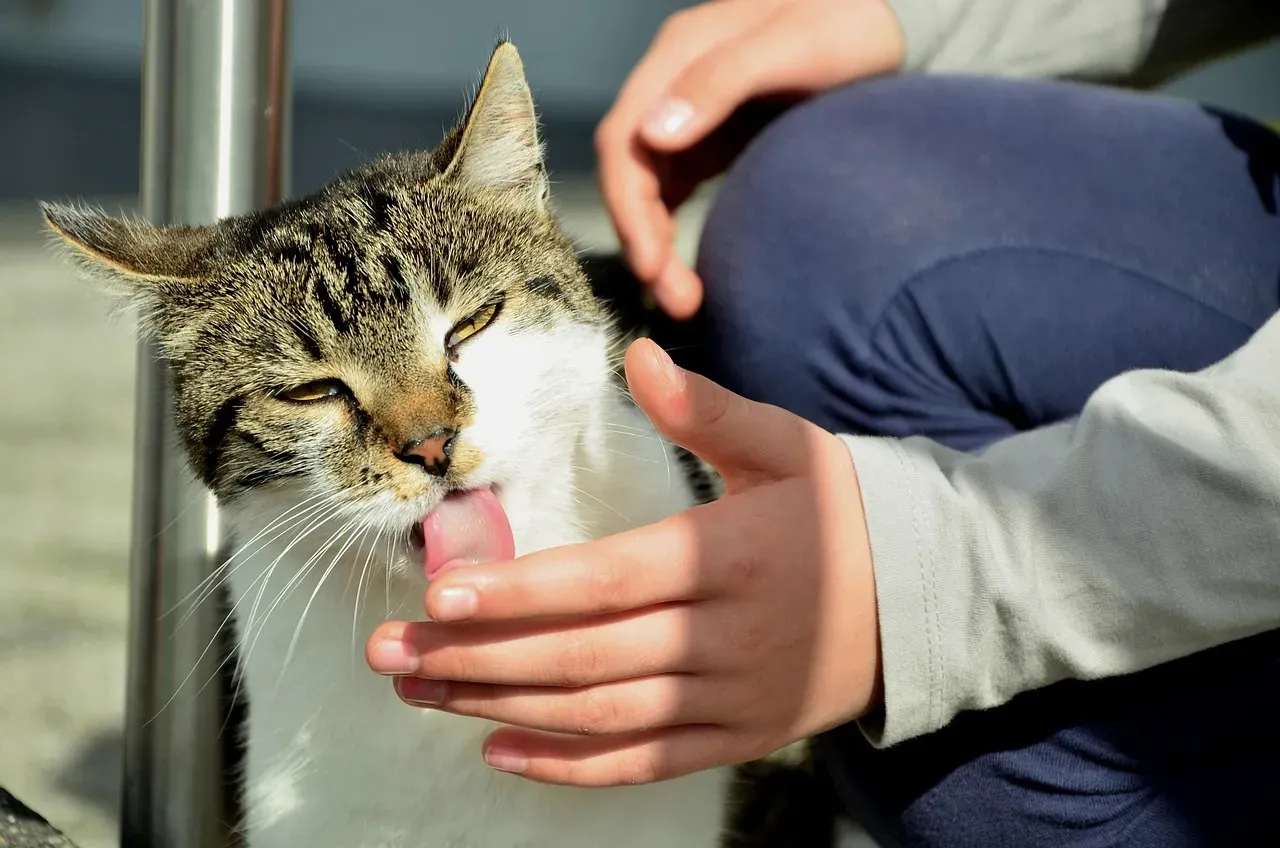
If your cat has ever licked your hand, your hair, or your arm with that sandpaper tongue, congratulations, you’ve been formally accepted into the family unit. Allogrooming, the technical term for social grooming, is something cats do almost exclusively with other cats they consider close bonds, and extending it to a human is a significant upgrade in status.
This behavior mirrors exactly what mother cats do with their kittens, reinforcing closeness through repeated, gentle care. Vets consistently flag it as one of the clearest signs a cat has folded you into its inner circle rather than just tolerating your presence. It’s rarely accidental and almost never random, it targets the same spots, at the same moments, again and again.
#9 – Giving Gentle Love Bites

Mid-pet, out of nowhere, your cat clamps its teeth gently around your hand. Panic isn’t necessary. This is what behaviorists call a love bite, and it shows up specifically when a cat is happily overstimulated but still fully engaged with you rather than trying to escape the interaction.
It’s a completely different animal, so to speak, from a defensive or fearful bite. The body language gives it away every time: relaxed posture, soft eyes, no flattened ears. These bites almost never break skin and usually happen daily during petting sessions with cats who feel comfortable enough to get a little intense without meaning any harm at all.
#10 – Kneading Your Lap or Blankets
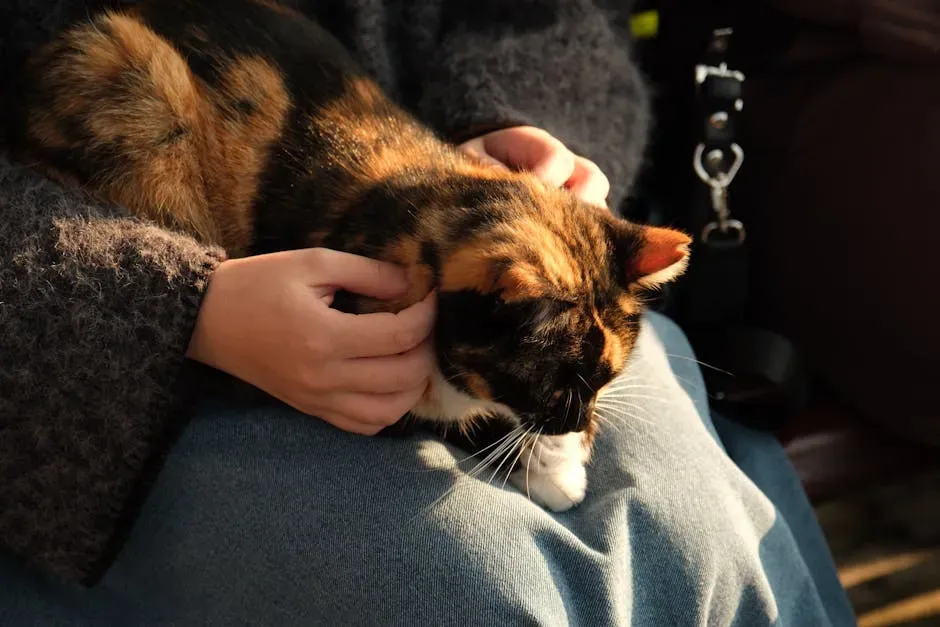
That rhythmic paw-pushing motion, sometimes called making biscuits, traces straight back to kittenhood, when nursing kittens knead their mother to stimulate milk flow. Adult cats never fully outgrow the instinct, and when they do it on you, it means you’ve triggered the exact same sense of comfort and security they associated with their mother.
This is one of the purest, most involuntary signs of contentment a cat can offer, and it shows up daily during the most relaxed moments of the day, often right before settling in for a nap pressed against you. Nobody taught your cat to do this. It’s instinct reaching back through years to tell you that right now, in this moment, it feels completely safe.
#11 – Purring While Interacting With You
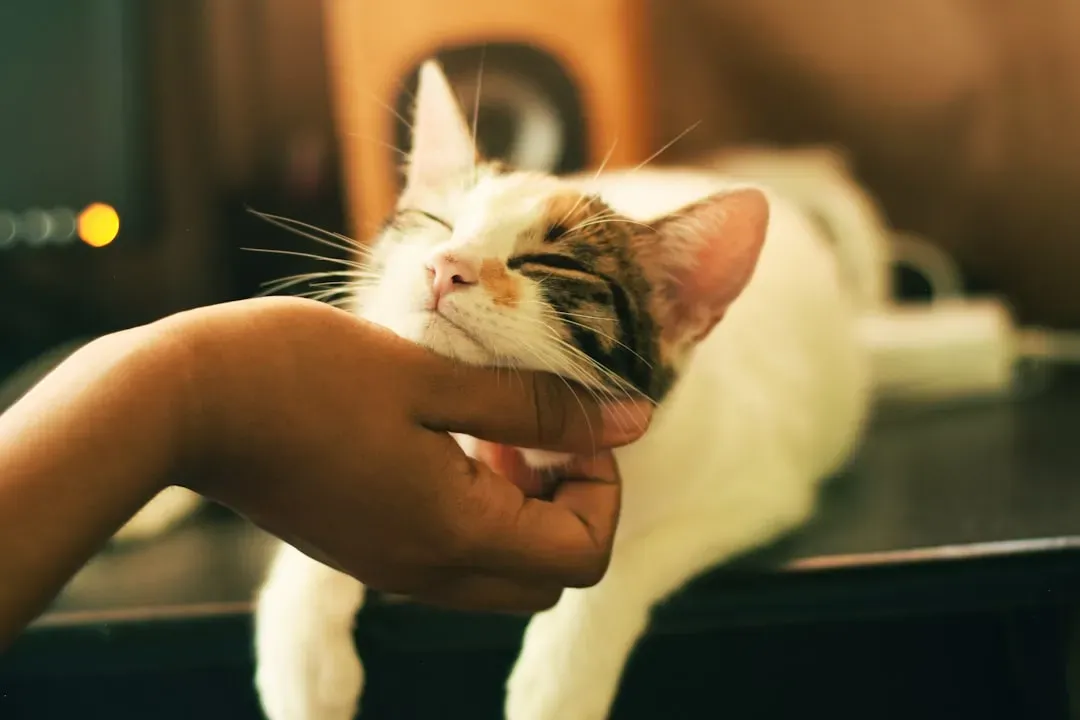
Purring gets misunderstood a lot because cats can technically purr while stressed or in pain, which gives skeptics an easy out. But the purring that shows up specifically during petting, lap time, and quiet closeness with you is a different signal entirely, and it’s overwhelmingly tied to genuine contentment rather than distress.
Your cat isn’t purring at the vet’s office and purring on your lap for the same reason. Research on positive-context purring shows it clusters heavily around bonded relationships, meaning your cat has essentially reserved this sound for you specifically. It often shows up layered with kneading or slow blinking, stacking three affection signals into one moment without you even noticing.
#12 – Head Butting or Bunting You
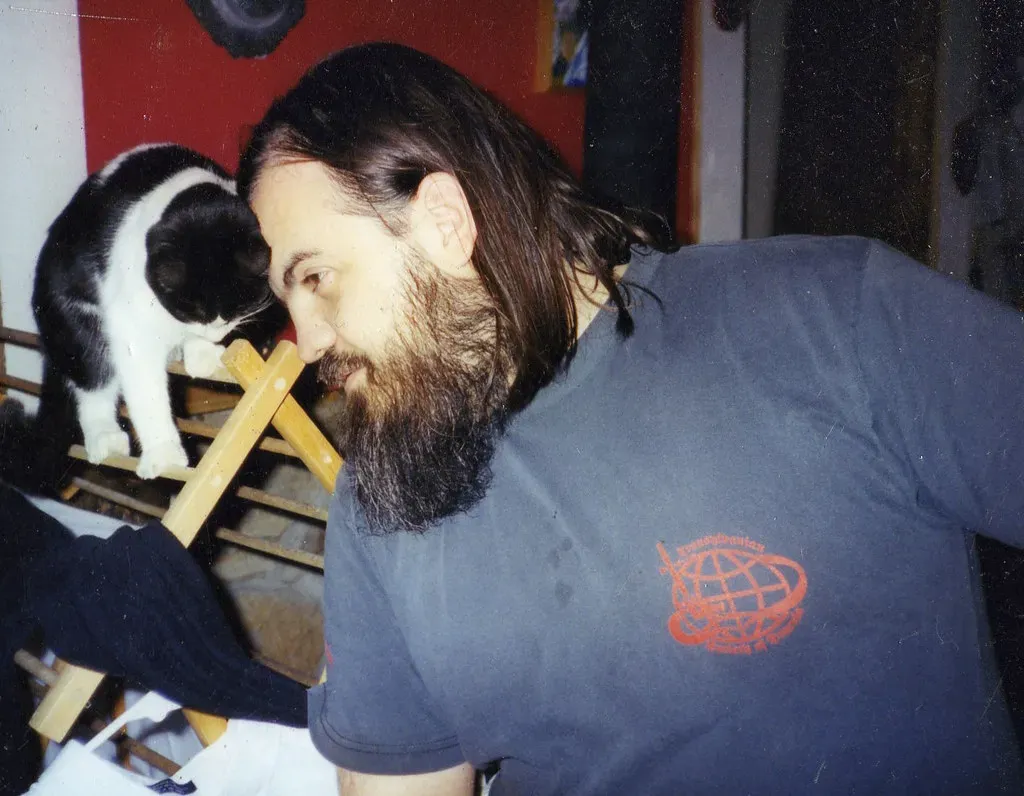
The gentle head bump against your hand or forehead, technically called bunting, is doing double duty. It transfers facial pheromones onto you, marking you as safe and familiar, while also functioning as a direct, physical hello reserved for chosen people rather than strangers or acquaintances.
Experts consider bunting one of the most unmistakable affection displays in a cat’s entire repertoire, precisely because it requires closing the physical distance between you completely. It isn’t something a cat does out of obligation or habit picked up randomly. It builds slowly, session by session, until one day your cat is initiating it daily without hesitation.
#13 – Slow Blinking at You
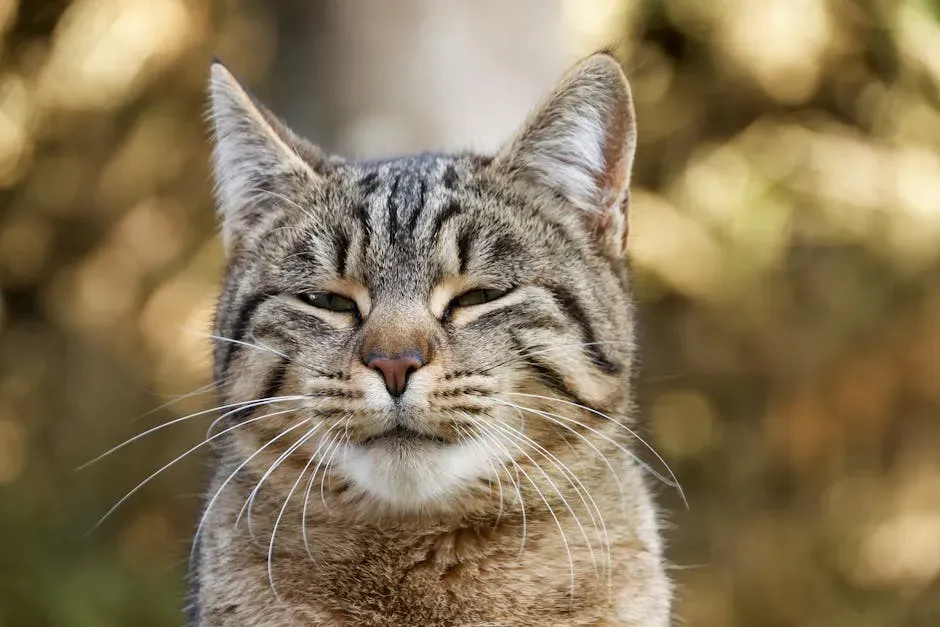
Lock eyes with your cat across the room and watch what happens if it likes you: a long, deliberate, half-closed blink, almost sleepy in how relaxed it looks. Researchers have studied this specific behavior and found it functions essentially as a cat’s version of a smile or a kiss, a voluntary lowering of the guard that only happens with humans a cat feels calm around.
You can test this yourself. Slow blink back, and most cats will either repeat it or approach you afterward, treating your response as confirmation that the message landed. Prolonged direct eye contact is normally something cats read as a threat, which is exactly why this soft, sleepy version means the opposite. It’s a signal that says the usual defenses are off.
A cat has absolute emotional honesty: human beings, for one reason or another, may hide their feelings, but a cat does not.
Ernest Hemingway
#14 – Treating You Like a Giant Kitten in Their Social Group
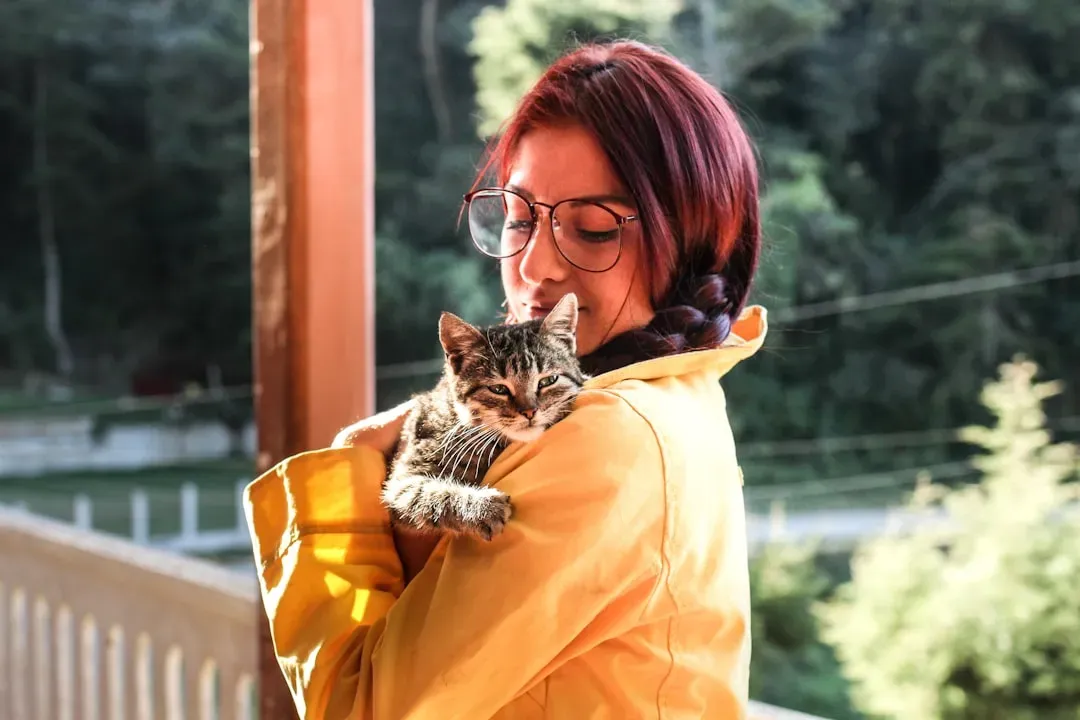
Everything on this list eventually points to the same conclusion. Cats that groom you, sleep pressed against you, greet you tail-up, and seek you out constantly aren’t running through a checklist of separate behaviors. They’ve simply folded you into their social structure the same way they’d fold in a mother, a sibling, or a trusted littermate.
Controlled studies on feline preference have found that bonded cats will often choose spending time with their person over food, which says a lot given how food-motivated cats can otherwise be. This isn’t a single dramatic gesture, it’s a daily, ongoing pattern of inclusion. Once you see it this way, every head bump and lazy blink on this list stops looking random and starts looking like exactly what it is.
Here’s the uncomfortable truth for anyone who’s ever called their cat cold or standoffish: the affection was there the whole time, just written in a language most people never bothered to learn. Dogs shout their love. Cats whisper it, in slow blinks and dead bugs on the pillow and a tail held high at the door, and honestly, once you notice it, it feels earned in a way that a dog’s instant enthusiasm never quite matches.
Cats don’t perform love for an audience. They just live it, quietly, every single day, and expect you to be paying enough attention to notice. Most owners aren’t. Now you are.
Kristina is a young writer from India. An arts graduate and an avid content creator, Kristina is passionate about animals and wildlife. She enjoys exploring topics related to pet care, animal behavior, conservation, and nature, combining thorough research with engaging storytelling.