Everyone tells you cats are aloof little con artists who only stick around for the food bowl. Then one day your cat flops onto your chest, goes completely limp, and stares at you like you hung the moon – and you realize that theory has a hole in it big enough to drive a litter box through.
Here’s the part nobody warns you about: cats don’t hand out trust evenly. They pick one person, sometimes even over a spouse or a child who feeds them daily, and reserve their most vulnerable behaviors exclusively for that human. If you’ve ever wondered why your cat treats you differently than everyone else in the house, the answer is sitting in these 13 signs – and by the end, you’ll never look at a slow blink the same way again.
#13 – Slow Blinking Is Your Cat’s Secret Handshake
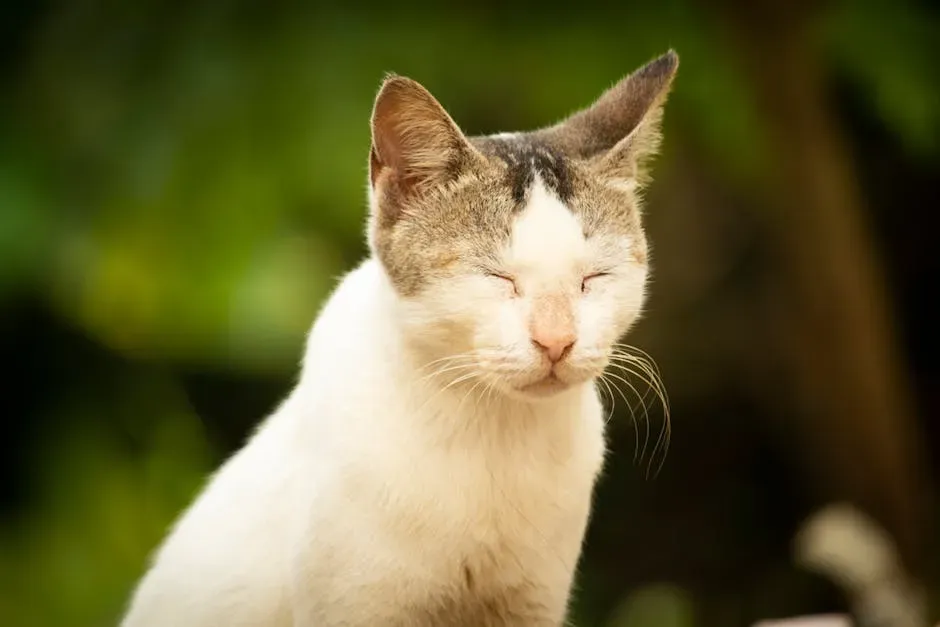
Most owners miss it completely because they’re waiting for something dramatic – a headbutt, a meow, anything loud. But the slow blink is quieter and, weirdly, more meaningful. A cat only closes its eyes like that, slowly and deliberately, when it feels absolutely zero threat standing in front of you.
Try blinking back and watch what happens. Researchers who study cat body language say returning the gesture can actually deepen the exchange, but the first offer always comes from the cat, on its own terms. Every stranger who walks in gets watched with wide, alert eyes. You get the slow blink because your cat has already decided you’re not a predator – you’re safe territory.
Fast Facts
- Some behaviorists nickname the slow blink a “cat kiss” because of how closely it resembles a relaxed, trusting expression.
- Wide, unblinking eyes are a classic threat-assessment posture cats reserve for strangers or unfamiliar spaces.
- Slow blinking almost never shows up during high-alert moments – it requires a baseline of calm the cat has already established.
- It’s one of the rare feline signals humans can practice back with real, observable success.
#12 – The Belly Exposed: A Bet Most Cats Never Make
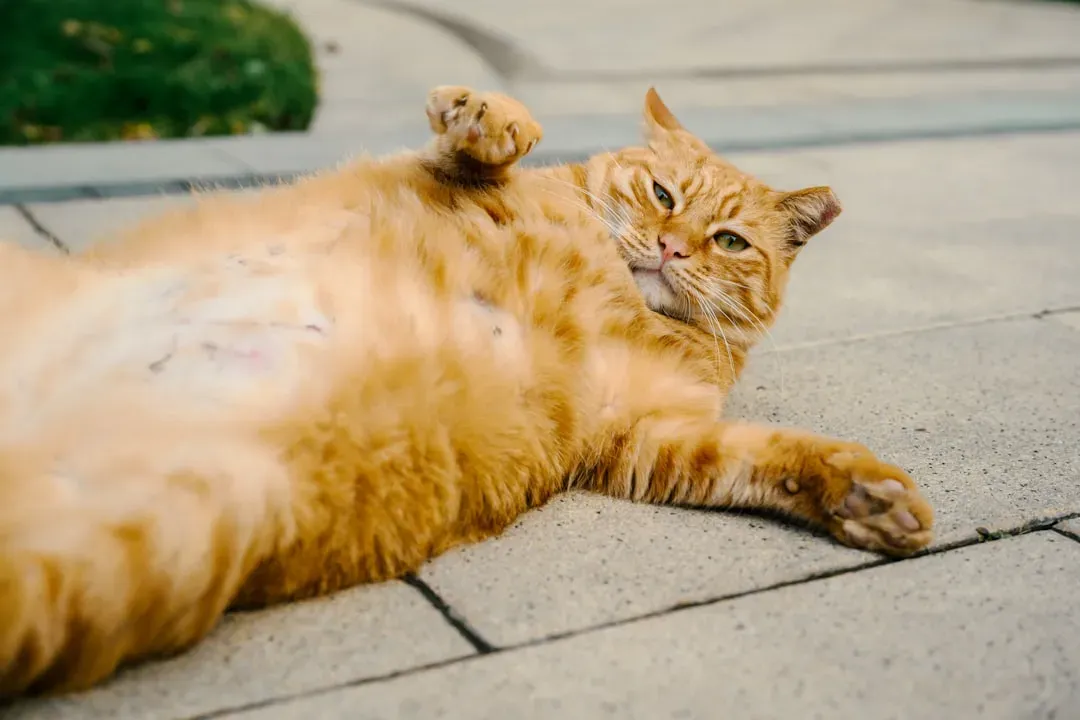
A cat flopping over to show its stomach looks adorable right up until you remember what that position actually means. The belly protects vital organs, and exposing it is the single most vulnerable posture in a cat’s entire repertoire. It doesn’t happen on impulse – it happens after weeks or months of deciding you’re not a threat.
Here’s the twist: even cats that have lived in the same house for years with multiple people often reserve belly exposure for just one of them. Try that move as a stranger and you might get swatted for your trouble. Try it as the chosen human, and sometimes you get a few rare seconds of an actual belly rub before the cat rolls back over, mission accomplished.
#11 – Kneading You Like You’re Still Their Kitten
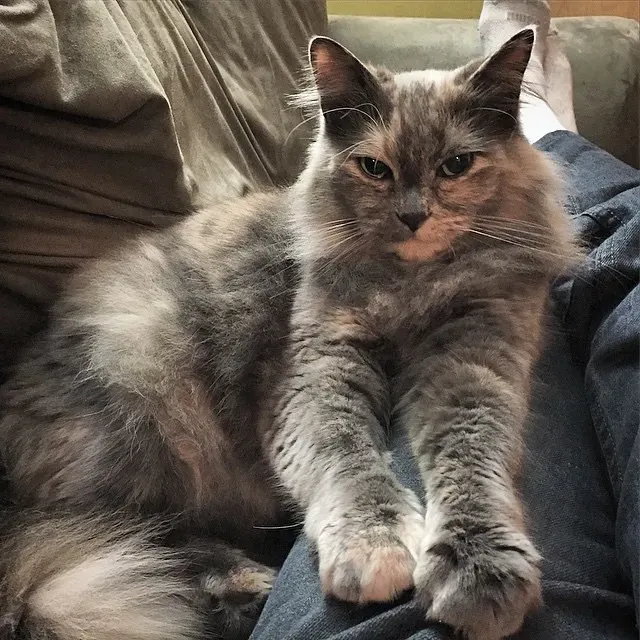
That rhythmic paw-pushing on your lap or chest isn’t random – it’s a straight callback to kittenhood, when kneading against mom stimulated milk flow. When your adult cat does it to you, it’s essentially filing you under “safe base,” the same emotional category as its mother.
This is where things get a little embarrassing for some households. Owners love to brag about the kneading, purring, sometimes even drooling session their cat puts on – until someone points out the cat has never once done it for anyone else in the family. It’s not a trick they perform. It’s a bond they’ve decided to build with exactly one person.
#10 – The Silent Shadow: Following You, Not the Food
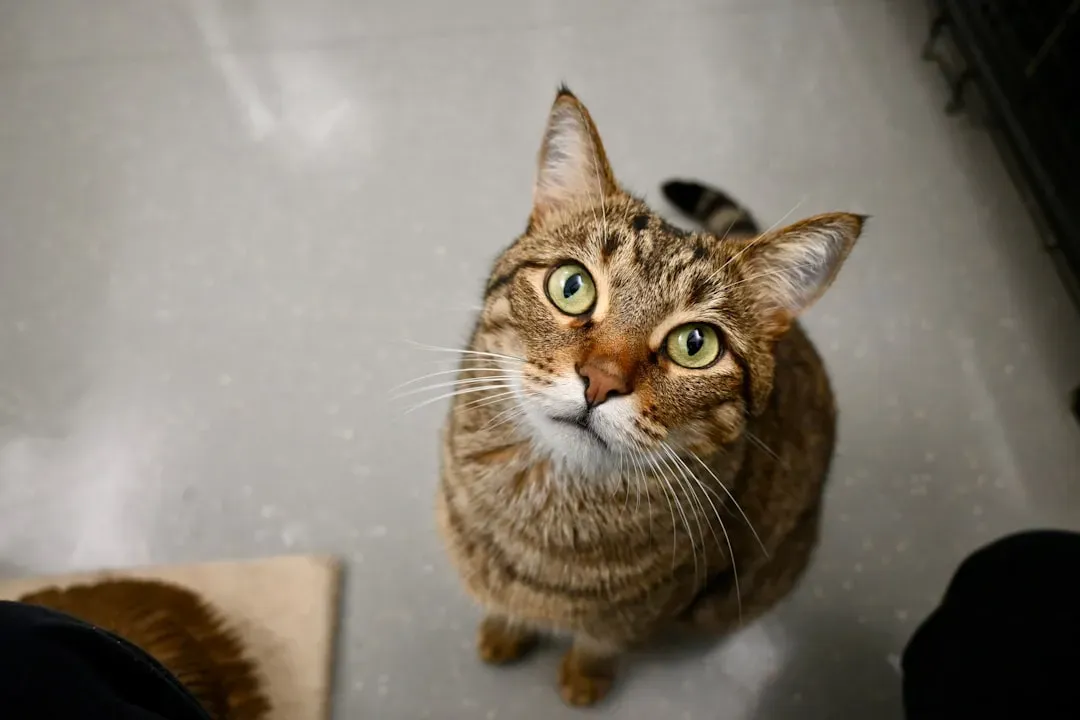
A cat trailing you from the kitchen to the bathroom to the bedroom isn’t necessarily hungry – that behavior is really about proximity and security, not snacks. Behavior researchers have noted this shadowing pattern gets stronger, not weaker, even when the cat has other people around who could just as easily feed it.
The uncomfortable truth for some family members: a cat can ignore the person who fills its bowl every single day and instead glue itself to someone who barely feeds it at all. That’s not confusion. That’s the cat quietly voting with its feet for who actually makes it feel secure.
#9 – Sleeping on You Is the Riskiest Nap They’ll Ever Take
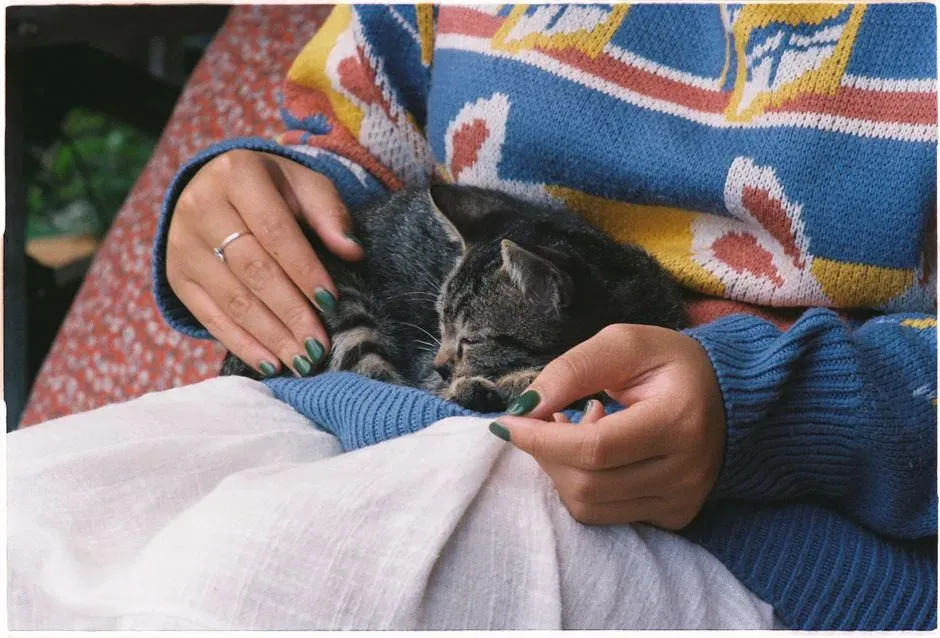
Choosing your lap, your chest, or the six inches of mattress next to your head is not a small thing for a cat. Sleep is when a cat is at its most physically defenseless, and a cat only surrenders to it near someone whose movements and presence it trusts completely.
That trust is oddly fragile, too. The same cat that curls up against you every night might vanish to another room entirely when houseguests stay over, or go quiet for days if your routine suddenly changes. As veterinarian and author James Herriot once put it,
Cats are connoisseurs of comfort.
James Herriot
And apparently, you’re the most comfortable thing in the house.
#8 – The Headbutt That Marks You as Family
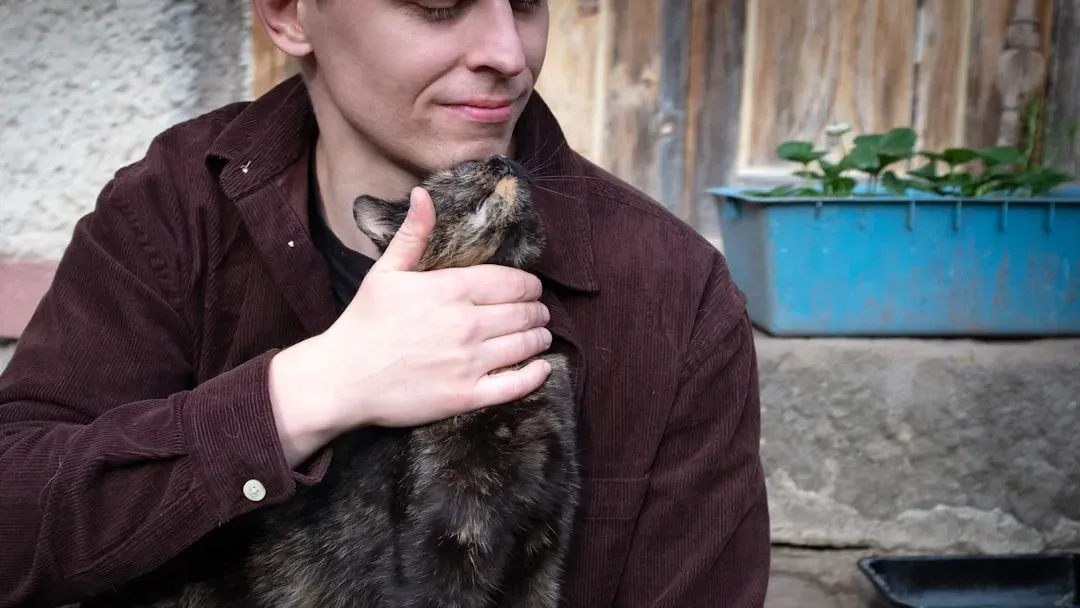
When your cat rubs its head or cheeks against you, it’s not just being cute – it’s actively transferring scent from glands near its face, essentially tagging you as part of its territory. This isn’t something cats do for just anyone who walks through the door.
Owners often mistake it for general friendliness, but plenty of cats reserve headbutting almost exclusively for their chosen person, even in busy multi-person households. The gesture carries real social weight in feline terms – it’s the cat publicly declaring you safe, familiar, and theirs.
#7 – The Purr That Means Something Different With You
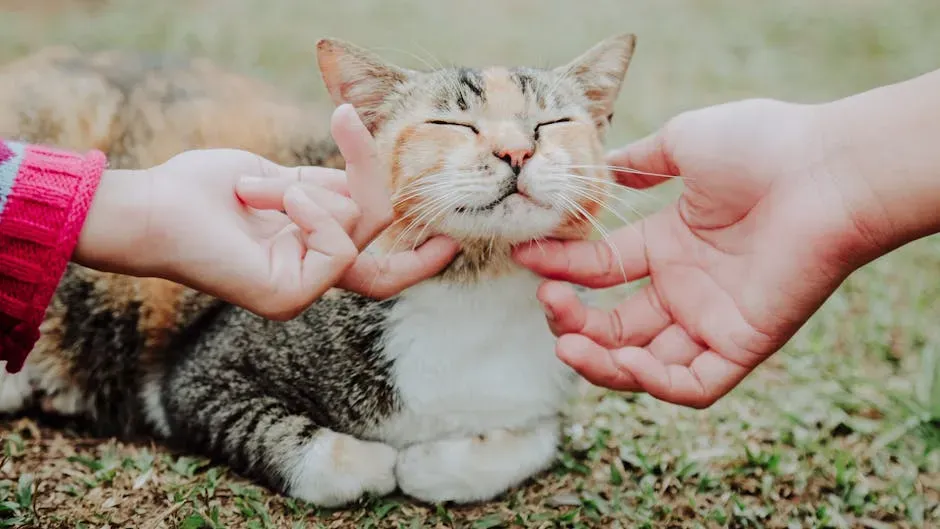
Purring near you while fully relaxed, with no signs of pain or hunger, is one of the clearest signals of genuine comfort a cat can give. Studies suggest this low rumble can actually lower stress for both the cat and the human nearby, which explains why it feels so oddly calming even on a bad day.
Here’s the catch, though: purring isn’t always a trust signal. Some cats purr to self-soothe even around people they dislike, which is why context matters more than the sound itself. The version your cat gives you – loose body, half-closed eyes, no tension anywhere – is the real thing, not a coping mechanism.
Quick Compare
- Trust purr: loose body, half-closed eyes, slow breathing, often paired with kneading or leaning in.
- Self-soothing purr: tense muscles, wide eyes, flattened ears, sometimes heard at the vet or during a stressful car ride.
- Shared trait: both versions use the same low-frequency rumble, which is why sound alone can be misleading.
- Tell-tale difference: only the trust purr shows up alongside a fully relaxed posture.
#6 – The Dead Mouse on Your Pillow Is a Gift, Not a Mess
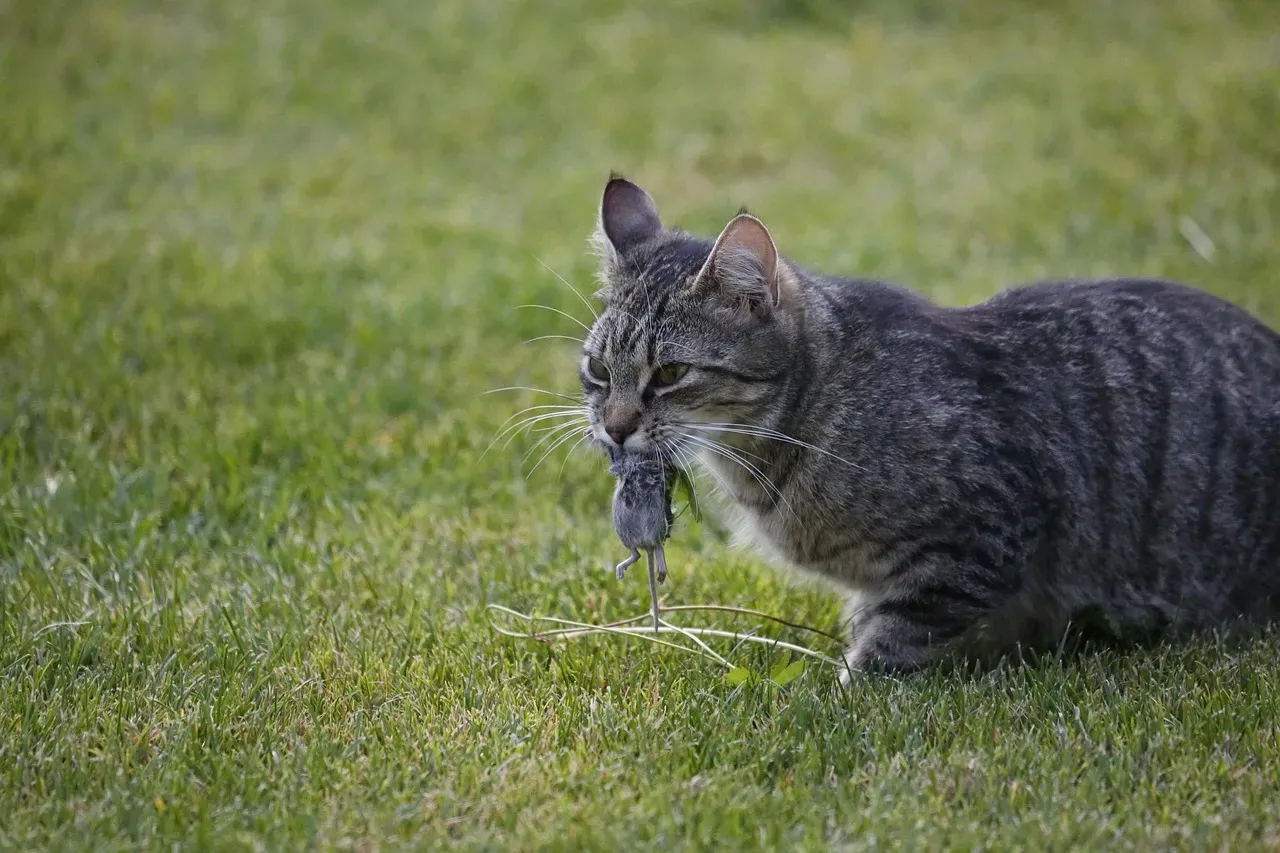
Finding a dead mouse, bird, or beloved toy deposited proudly at your feet is objectively disgusting and, according to behaviorists, a genuine act of generosity. Cats share resources with allies they trust, and this hunting-instinct-turned-social-gesture shows up far more often with the primary human in a household than with anyone else.
Some cats take it a step further and actually wait to watch your reaction before touching the “gift” themselves. It’s less about the prize and more about the presentation – your approval matters to them, even if your actual response is a horrified scream.
#5 – Staying in Plain Sight Instead of Vanishing
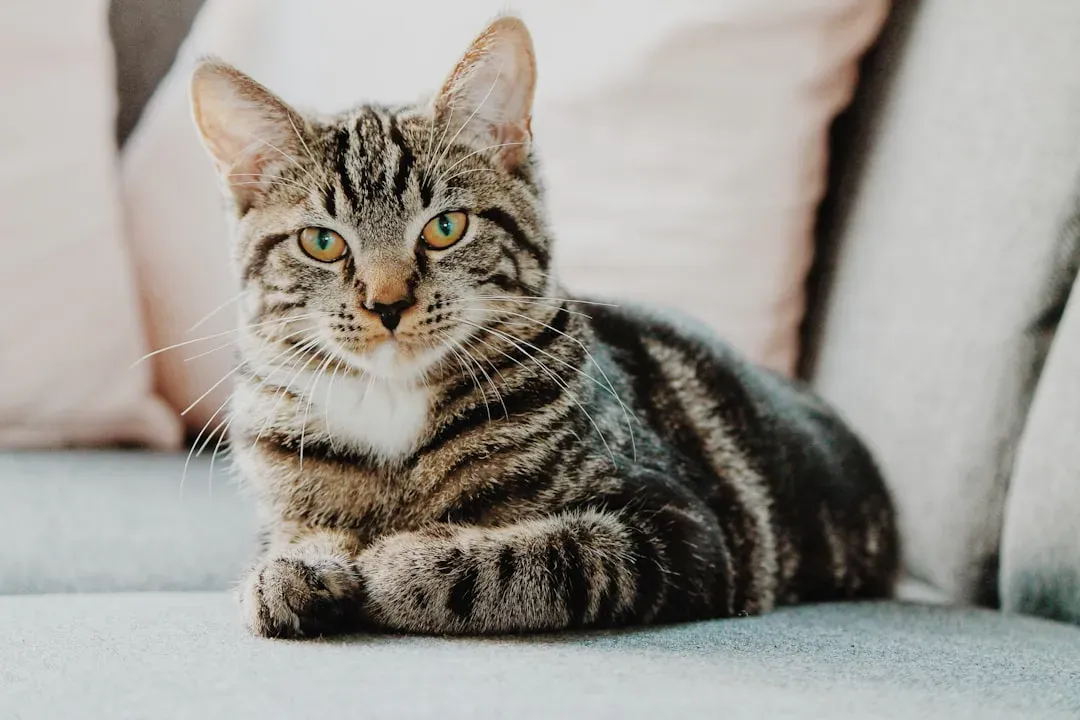
A cat that stays stretched out in the open when you walk into the room is telling you something important: it no longer sees you as a disruption worth escaping. Compare that to how the same cat might bolt under the bed when a stranger or a loud noise shows up, and the contrast becomes obvious.
This pattern holds up even during things cats typically hate, like the vacuum running nearby, as long as you stay calm and predictable. It’s common for a cat to disappear for every single guest in the house except the one person it has decided is safe to be near, no matter what.
#4 – When Your Cat Grooms You Like a Littermate
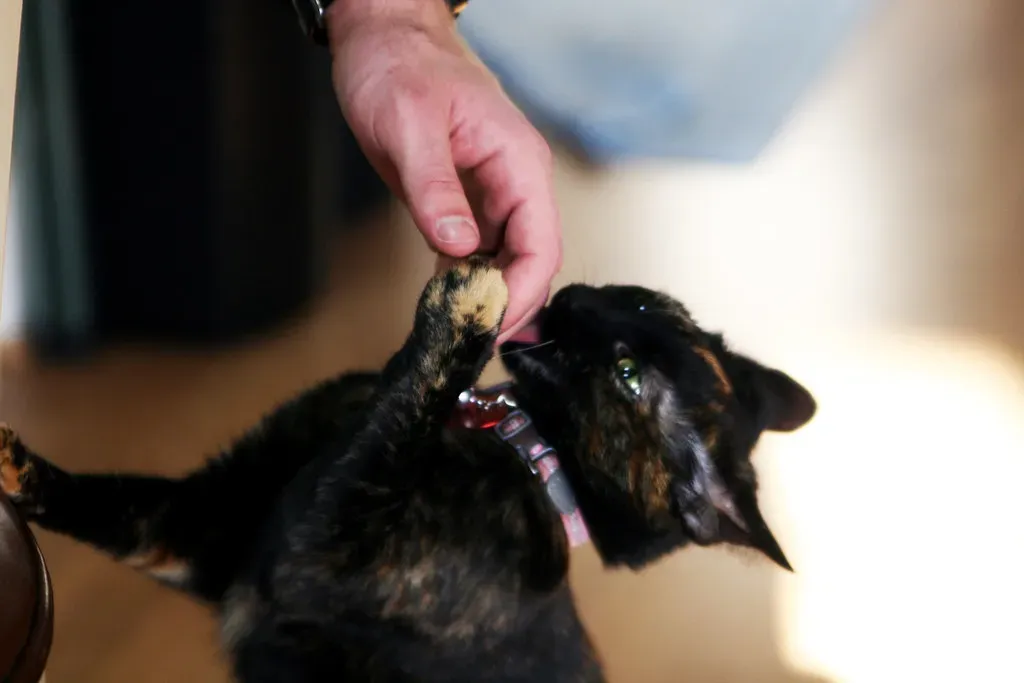
Licking your hand, your hair, or the sleeve of your shirt is your cat extending its own grooming ritual to include you, which is a surprisingly intimate gesture in feline social life. It only happens with sustained closeness and, according to behaviorists, essentially places you in the emotional category of littermate rather than owner.
The behavior is oddly particular, too. Many cats will pause mid-lick and only resume if you stay perfectly still, almost like they’re testing whether you’re a willing participant in the ritual or just an inconvenient obstacle in the way of it.
#3 – The Tail Hook Only You Get to See
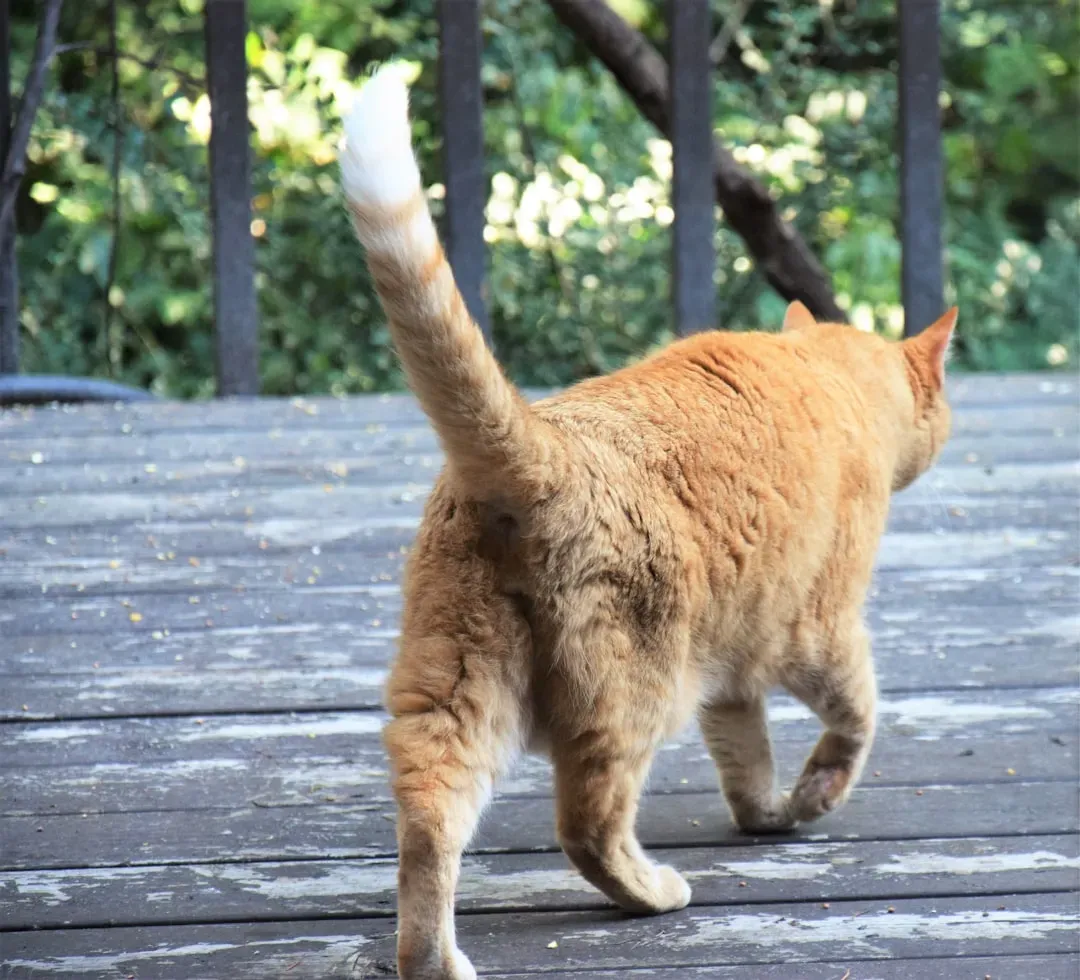
A tail held straight up with a small hook or curve at the very tip is one of the most reliable friendly-recognition signals in a cat’s body language, and it tends to show up consistently the moment you walk in the door. It’s subtle compared to a dog’s tail wag, which is exactly why so many owners overlook it entirely.
Cats that have lived with the same person for years often show this posture almost exclusively for that individual, while other household members get a flatter, more neutral tail. It’s a small gesture, but it’s remarkably consistent once the bond is established.
#2 – The Secret Language Built Just for You
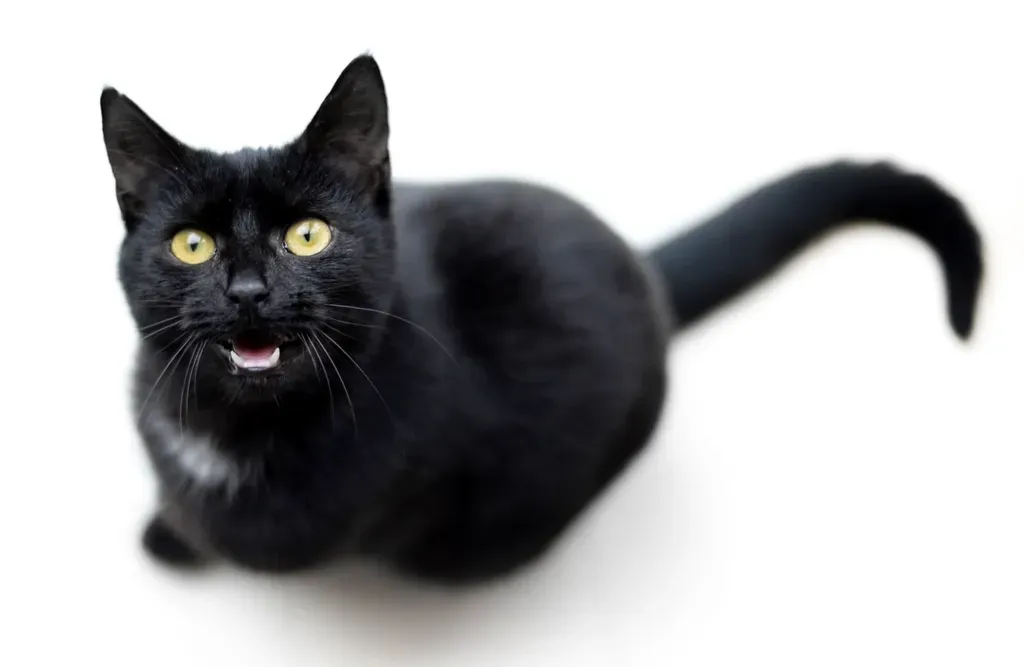
Cats are capable of developing specific meows, chirps, and trills that they use only with one particular person, distinct from the general demand-meows they aim at everyone else. Research on feline vocalization has found that cats actually modulate their voice depending on who’s listening, which means that odd little chirp is essentially a private dialect built for an audience of one.
This gets a little uncomfortable for less-favored family members, because some cats stop using these personalized sounds entirely around people they’re not bonded with. If your cat has a “voice” it only uses with you, that’s not a coincidence – that’s a relationship your cat has decided to invest in.
Worth Knowing
- Domestic cats can produce close to 100 distinct vocal sounds, far more than most people realize.
- Adult cats rarely meow at each other – the sound is largely reserved for talking to humans.
- The first detailed scientific classification of cat vocal patterns dates back to a 1944 study that sorted sounds into three main categories.
- Many cats fine-tune the pitch, length, and frequency of their calls specifically for the humans they interact with most.
#1 – Going Completely Limp Is the Highest Level of Trust
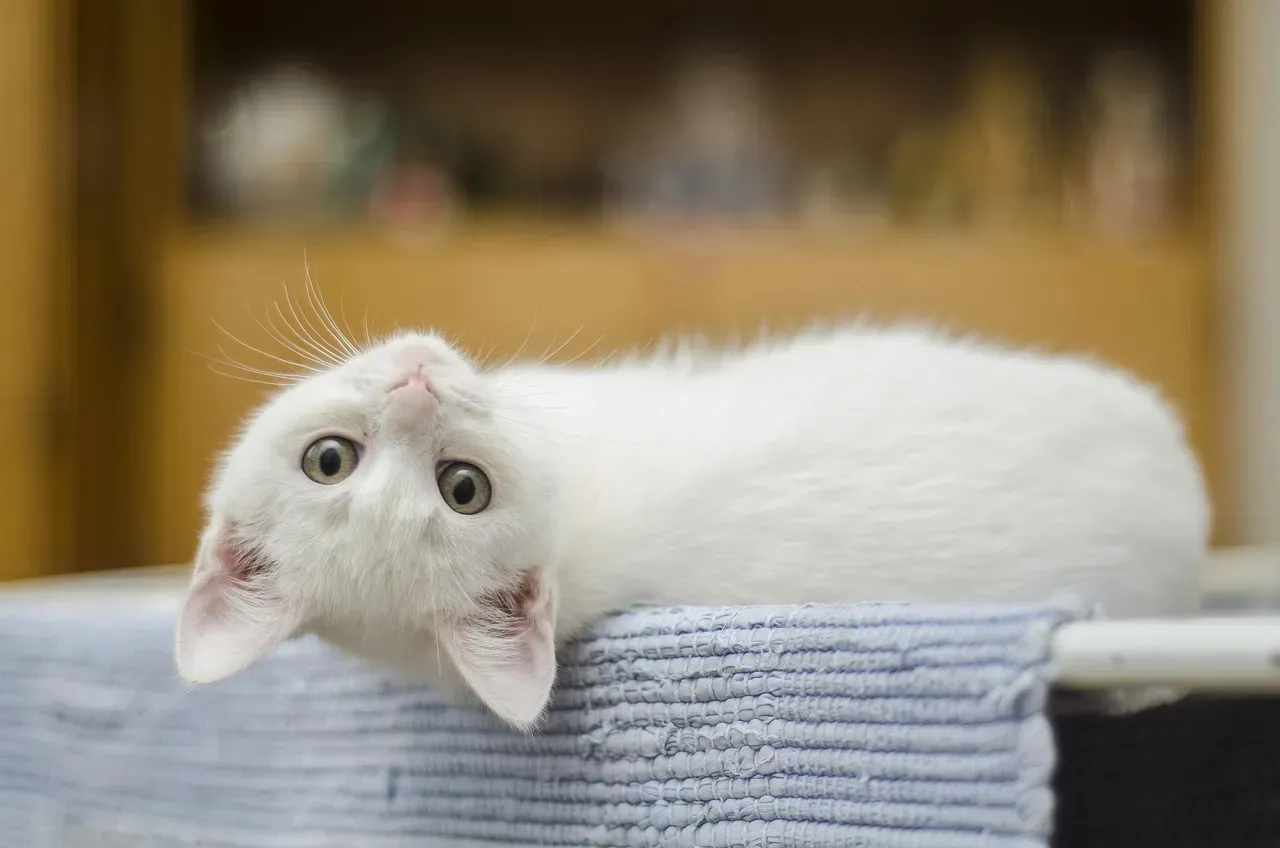
When a cat goes fully limp while you’re holding or petting it, with every muscle loosened and no bracing or attempt to escape, it has reached the absolute ceiling of feline trust. This isn’t something that develops overnight – it typically takes months or years of consistent, predictable safety before a cat allows itself to be that defenseless.
What makes it even more striking is how rarely this transfers to anyone else. The same cat that melts into your arms without a flicker of tension may stiffen up immediately the second someone else tries the exact same hold, proving the trust was never generic – it was built specifically around you.
The Bottom Line
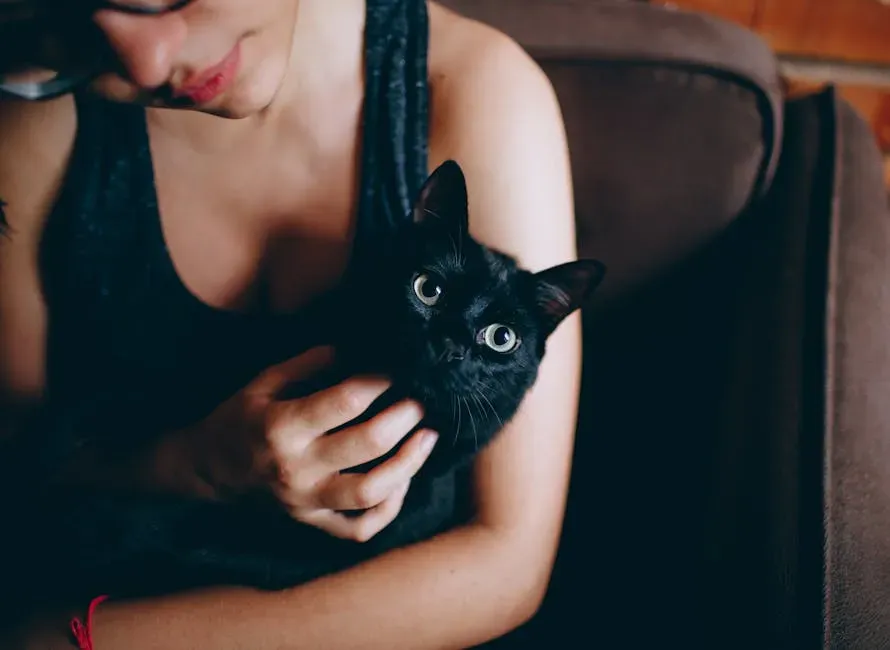
Cats don’t do equal-opportunity affection, no matter how much we’d like to believe otherwise. They rank people, whether we admit it or not, and they save their rarest, most vulnerable behaviors for exactly one human at a time. If your cat blinks slowly at you, goes limp in your arms, or has a chirp it uses for nobody else on earth, that’s not luck – that’s the closest thing to a formal declaration a cat is ever going to give you. Don’t take it for granted, and definitely don’t assume the cat who tolerates your roommate feels the same way about them. Trust like that isn’t shared. It’s earned, one slow blink at a time.
Kristina is a young writer from India. An arts graduate and an avid content creator, Kristina is passionate about animals and wildlife. She enjoys exploring topics related to pet care, animal behavior, conservation, and nature, combining thorough research with engaging storytelling.