Cats have a reputation problem. The story goes that they’re cold little roommates who only stick around for the food and the warm windowsill, tolerating you at best. But researchers studying feline attachment have found something that quietly wrecks that myth: most cats form the same kind of secure, one-on-one bond with a specific human that dogs and even toddlers do.
The catch is that cats don’t announce it. There’s no tail-wagging welcome party, no dramatic declaration of loyalty. Instead, the proof shows up in small, almost invisible habits that most owners never connect to each other. Once you know what to look for, you’ll probably realize your cat has been telling you this for years.
#1 – They Shadow Your Every Move
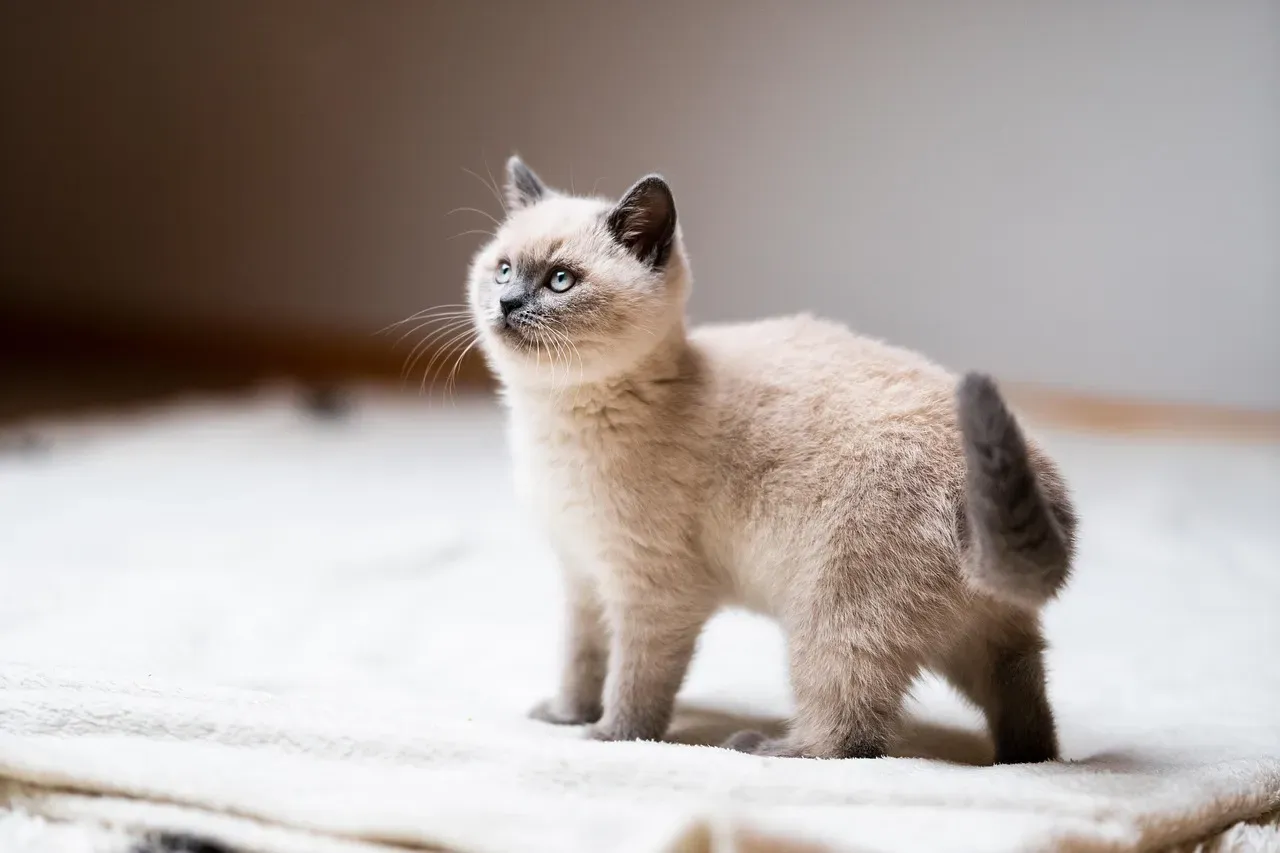
You get up to grab a glass of water, and suddenly there’s a cat trotting a few feet behind you like an off-duty bodyguard. Most people write this off as nosiness, but researchers who study feline attachment see it differently. Following you room to room, while keeping a respectful distance, is what’s known as proximity-seeking, and it’s the same instinct that makes a toddler check where mom is in a crowded room.
This isn’t random wandering. A cat that has chosen you treats your presence as their security blanket, especially when the house feels unpredictable or other people are around. In a well-known 2019 Oregon State University study on cat-human attachment, roughly two-thirds of cats tested showed this kind of secure bond behavior, tracking their person the way securely attached kids track a parent.
Fast Facts
- The 2019 Oregon State study tested 108 cats total, 70 kittens and 38 adults, each paired with their own owner in a controlled room.
- 65.8% of adult cats showed secure attachment, almost identical to the roughly 65% rate typically seen in human infants.
- That secure-attachment rate was even slightly higher than the 61% found in a separate 2018 study of companion dogs.
- Attachment style held steady over time, even after cats went through six weeks of extra socialization training.
#2 – The Slow Blink Is a Secret Password
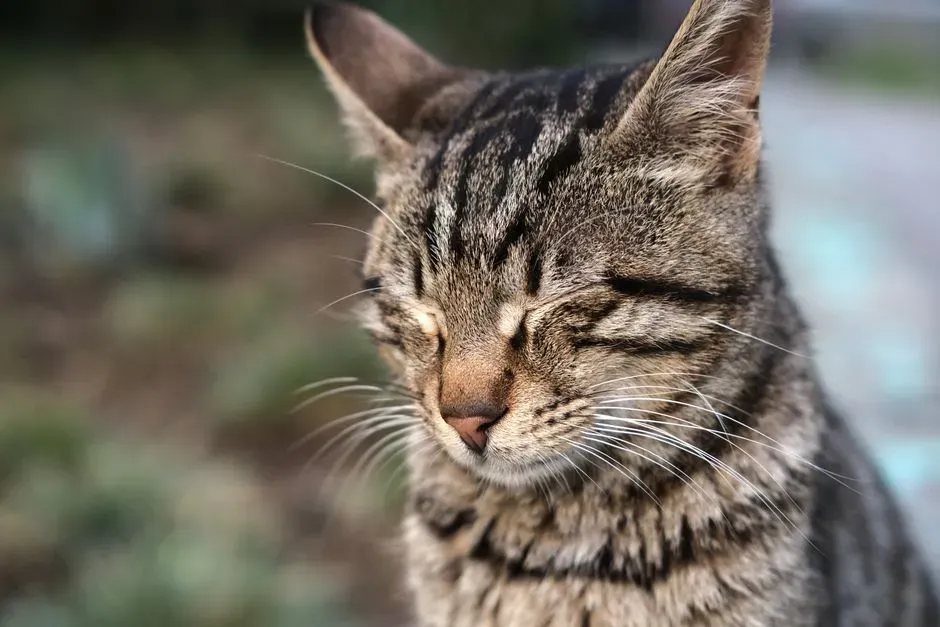
If your cat has ever locked eyes with you and slowly, deliberately closed them, congratulations: you’ve just been let into a private club. This isn’t a random flutter. It’s a calculated, almost theatrical gesture that cat behaviorists compare to a smile, and cats rarely bother doing it for strangers or people they merely put up with.
What makes it feel almost secret is how rarely it happens outside the bond. A cat won’t waste a slow blink on the mail carrier or your visiting cousin. It’s reserved, deliberate, and often reciprocal, meaning if you blink back slowly, you’re speaking their language in a conversation nobody else in the room can even hear.
#3 – Head Bunting Becomes Your Private Ritual
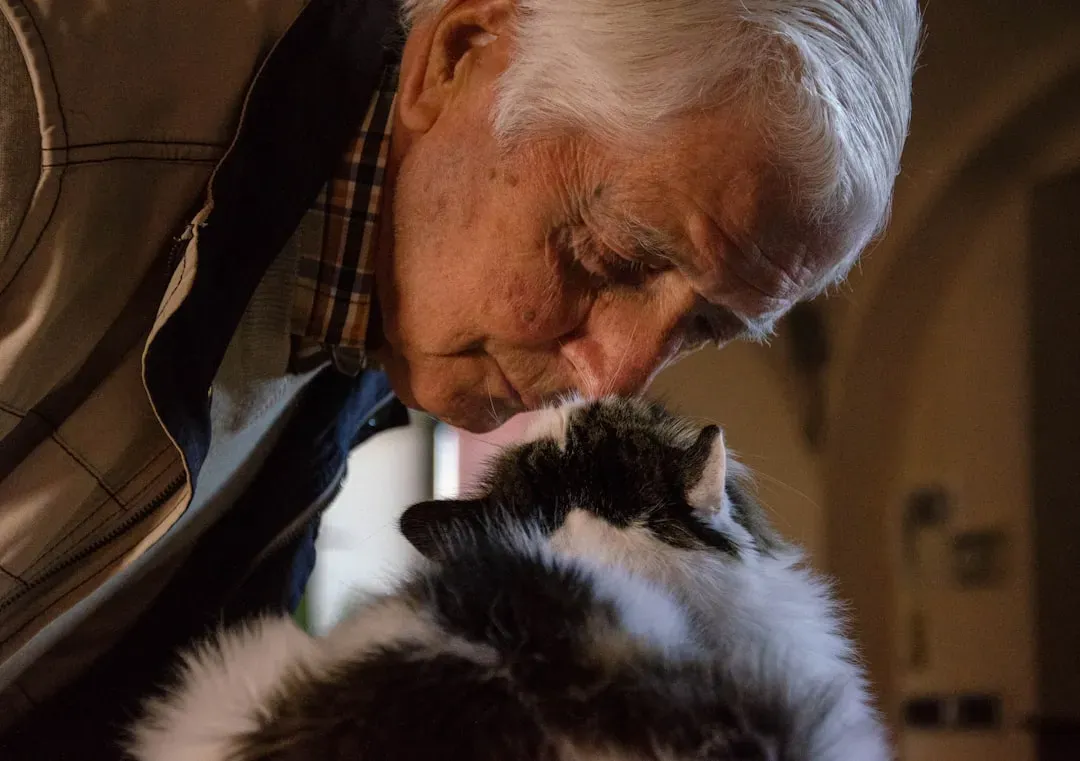
That head bump against your hand or shin isn’t just affection, it’s a signature. Cats have scent glands on their cheeks and forehead, and bunting is how they literally mark you as theirs. In multi-cat households, this is rarely handed out evenly. The chosen human tends to get the lion’s share of bunts, while other family members get a fraction of the attention.
It shows up most intensely after even short separations, like you coming home from work or stepping out of the shower. The behavior also releases calming pheromones for the cat, which is part of why it often looks so blissed-out mid-headbutt. It’s less a hello and more a quiet, physical claim: you belong to me.
#4 – They Claim Your Lap or Bed as Sacred Ground
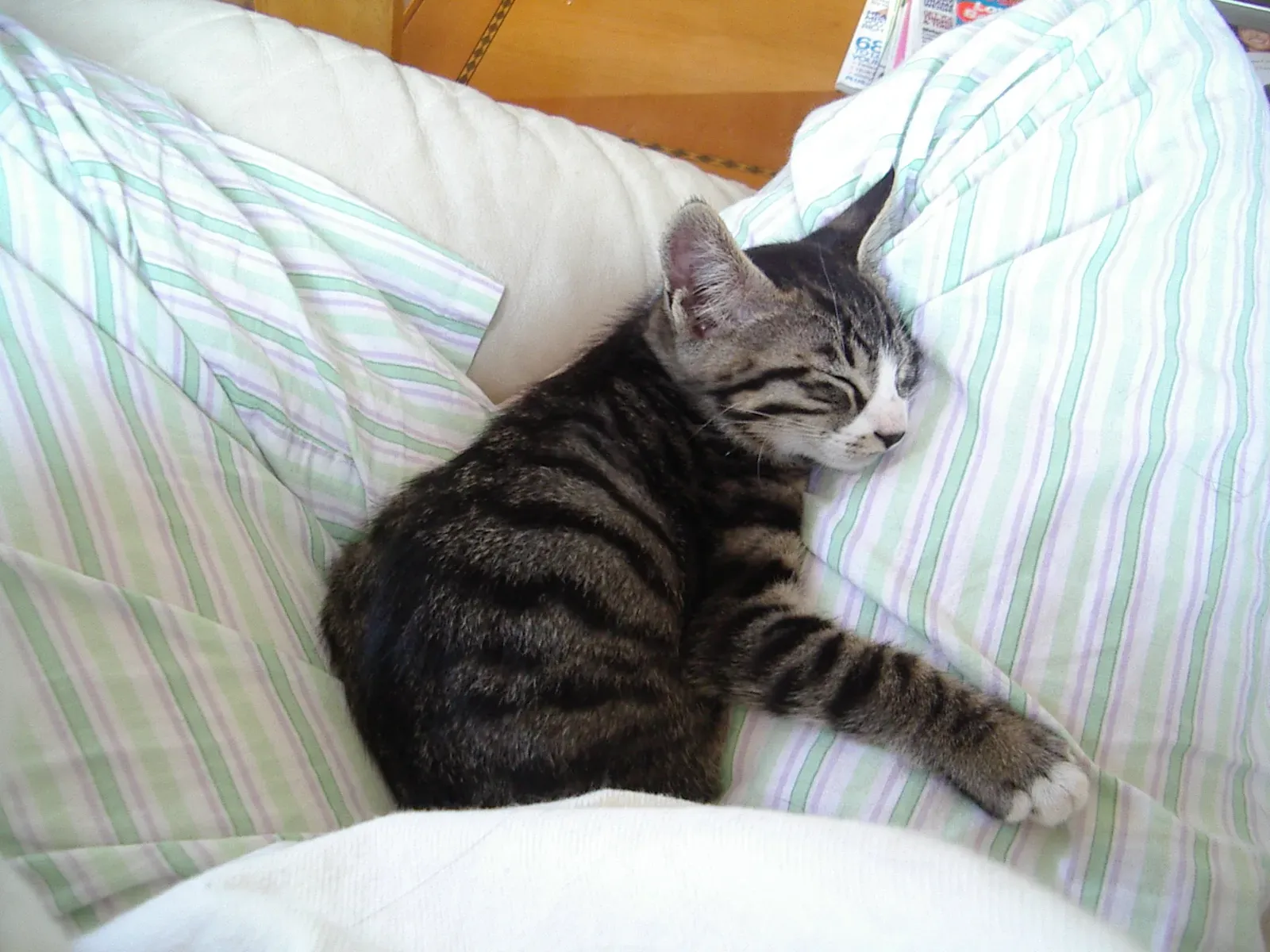
Sleep is when a cat is at its most defenseless, so where it chooses to do that says everything. A cat that curls up directly on you, ignoring perfectly good empty couch cushions nearby, is making a statement about who they trust enough to be vulnerable around.
This isn’t about warmth or convenience, either, since plenty of other cozy spots exist in most homes. Bonded cats will often reposition themselves throughout the night just to stay in contact with you, tucking against a leg or resettling near your hand. It’s less about comfort and more about staying physically anchored to their person.
#5 – Purring Turns Up the Volume Just for You
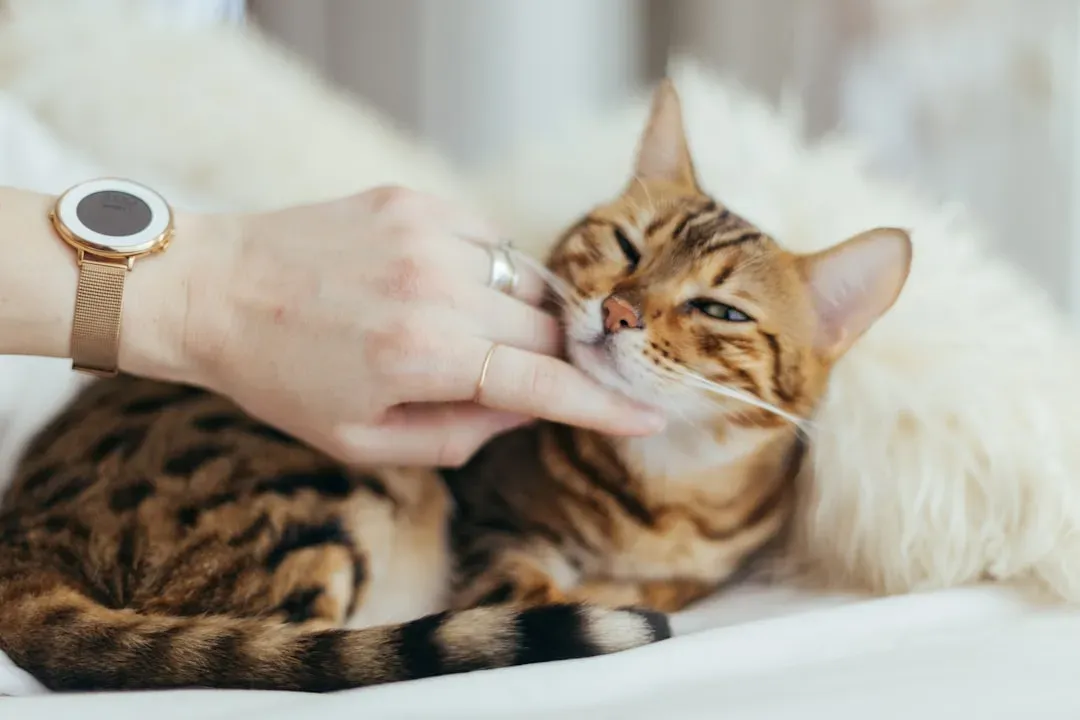
Cats purr for plenty of reasons, including pain and self-soothing, so not every purr is a compliment. But the deep, sustained, rumbling purr that kicks in the moment you walk in or start petting them is a different animal entirely. It’s tied to emotional security, and it tends to show up far more reliably with one specific person.
Owners of bonded cats often notice the volume and duration shift dramatically depending on who’s in the room. The purring isn’t background noise, it’s a direct response to your presence, almost like your cat’s nervous system exhales the second you sit down next to it.
#6 – Kneading Becomes an Exclusive Ritual
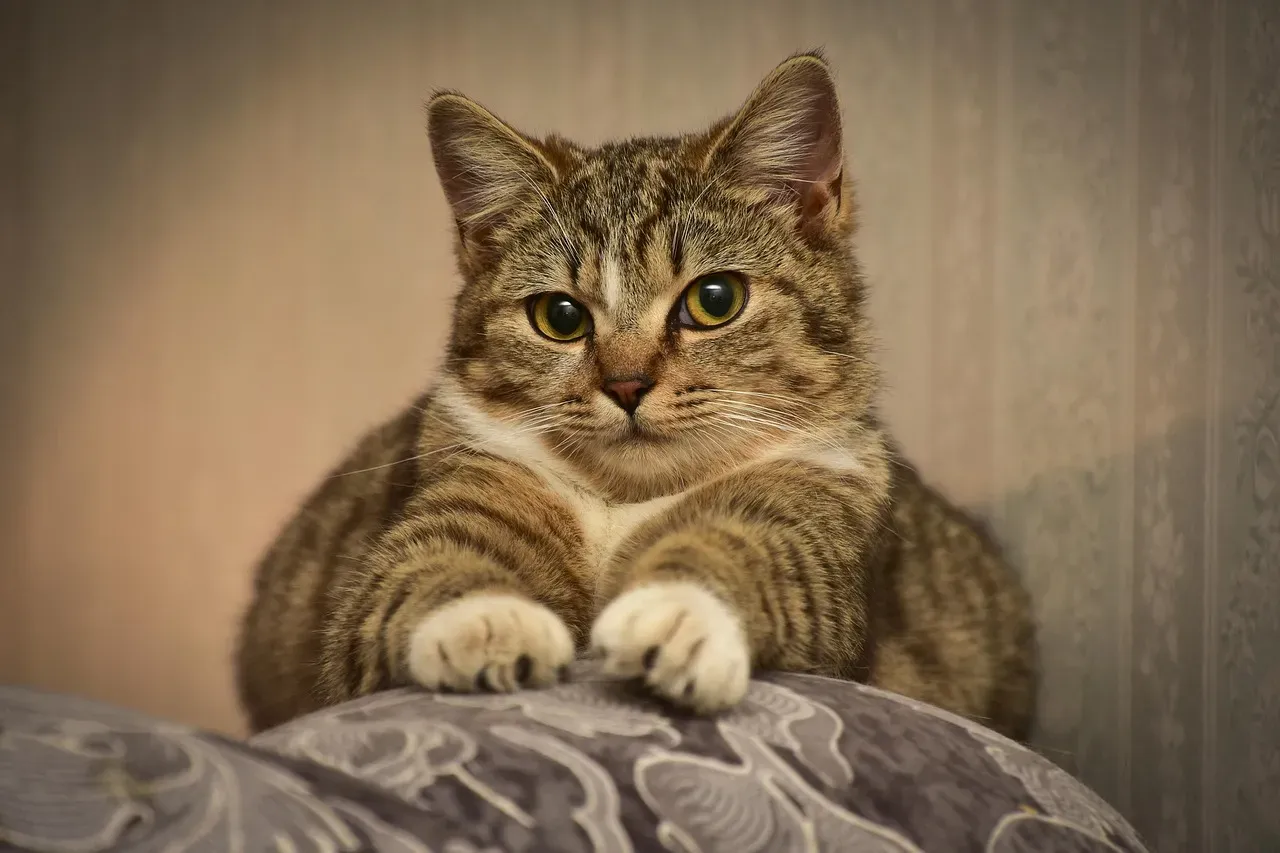
That rhythmic paw-pushing on your lap or chest traces back to kittenhood, when kneading against mom stimulated milk flow. Adult cats who keep doing it as grown-ups are essentially saying you make them feel like they’re back in that safe, fed, cared-for state. It’s not something most cats offer freely to just anyone.
Some cats get oddly specific about it too, kneading only a particular blanket, sweater, or side of the bed that carries their person’s scent. The intensity and duration often say more than the act itself. A quick, half-hearted knead is casual. Minutes of committed, eyes-closed kneading is a cat settling into total trust.
#7 – Belly Exposure Is a Trust Test You Passed
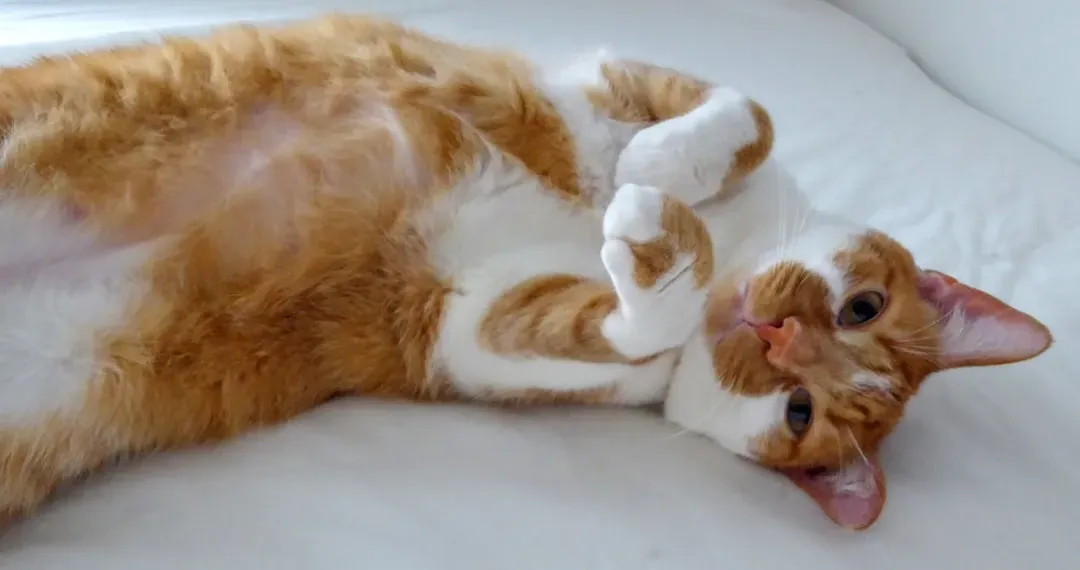
A cat’s belly is its most defenseless real estate, packed with vital organs and zero armor. Rolling over to expose it isn’t an invitation to rub it like a dog, and plenty of owners learn that the hard way. It’s a visual statement of safety, not a request for touch.
What matters most is who gets to see it. Cats rarely flash their belly at people they don’t fully trust, and the behavior tends to increase over months or years of gentle, consistent handling from one specific person. If your cat rolls over and stretches out in front of you, that’s a security clearance very few people in its life ever earn.
Worth Knowing
- Belly exposure typically builds gradually, often only after months of gentle, predictable handling from the same person.
- A relaxed, slow-blinking cat that rolls over is offering a full-body vote of confidence, not asking for a belly rub.
- Touching the exposed belly too soon can undo that trust, since most cats still guard that spot reflexively.
- A cat that never exposes its belly to anyone isn’t necessarily unbonded, some are simply more physically guarded by nature.
#8 – They Deliver “Gifts” Straight to Your Feet
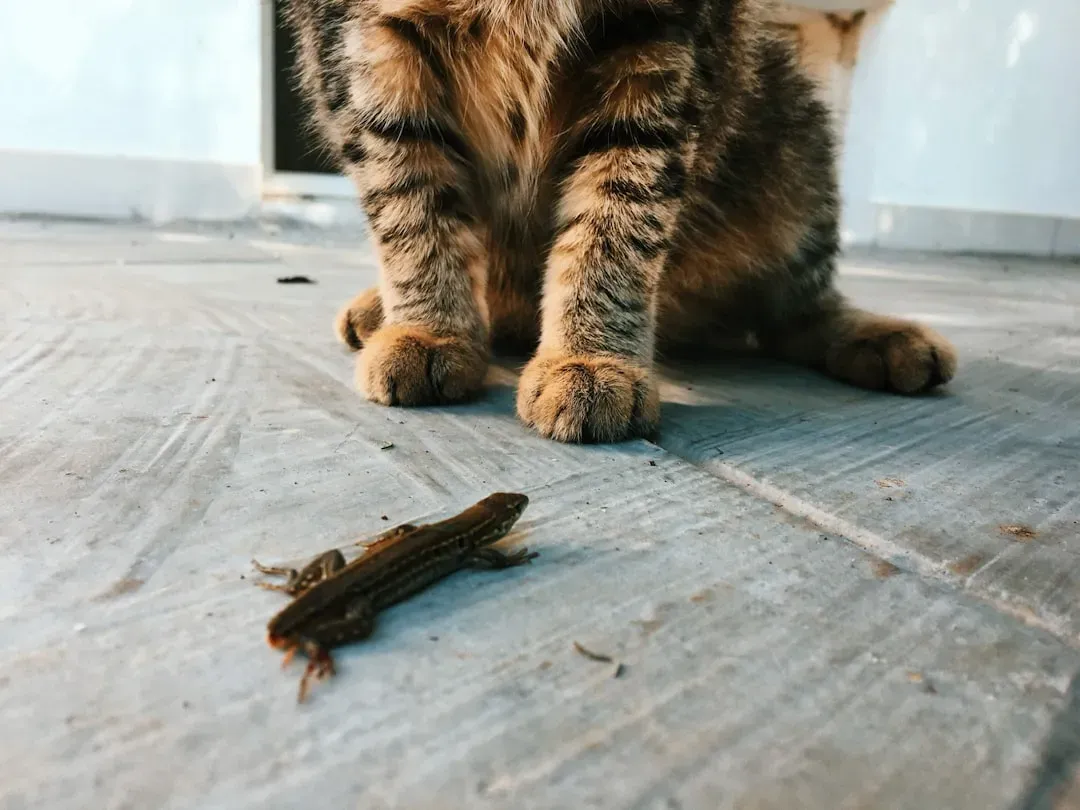
Finding a toy mouse, a dead bug, or worse on your pillow isn’t your cat being messy, it’s your cat being generous. This provisioning instinct, dropping hunted or “hunted” items at your feet, is a leftover from the same behavior wild cat mothers use to feed and teach their young.
Bonded cats tend to reserve this for their chosen person rather than scattering trophies around the house at random. Some owners even notice an uptick in gift-giving during stressful stretches, almost like the cat is trying to comfort or provide for them. It’s not glamorous, but it’s one of the clearest signs of priority a cat can offer.
#9 – A Secret Vocabulary of Chirps and Trills
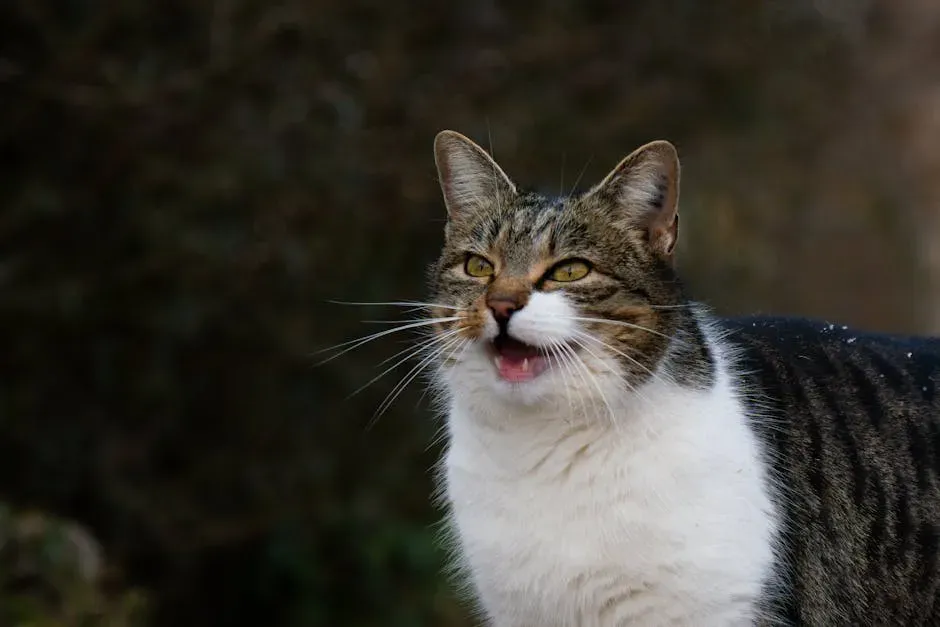
Most people assume a meow is a meow, but bonded cats often develop a distinct set of sounds reserved specifically for their person. Chirps, trills, and soft murmurs that show up the second you walk in the door are different from the flat, demanding meow used to beg for dinner.
These sounds usually pair with a raised tail and a direct, confident approach, and they tend to fade fast the moment someone else enters the room. Over time, this becomes something close to a private dialect, built slowly through months of repeated, one-on-one interaction that no one else in the house ever gets to hear.
Quick Compare
- Bonded chirp or trill: Soft, short, paired with a raised tail and direct eye contact.
- Everyday meow: Flatter and more insistent, usually tied to food or door demands.
- Stranger response: Silence or a single wary meow, rarely a chirp.
- Multi-cat homes: The private “vocabulary” often surfaces with only one household member, not everyone.
#10 – Mutual Grooming Extends to Your Hands and Hair
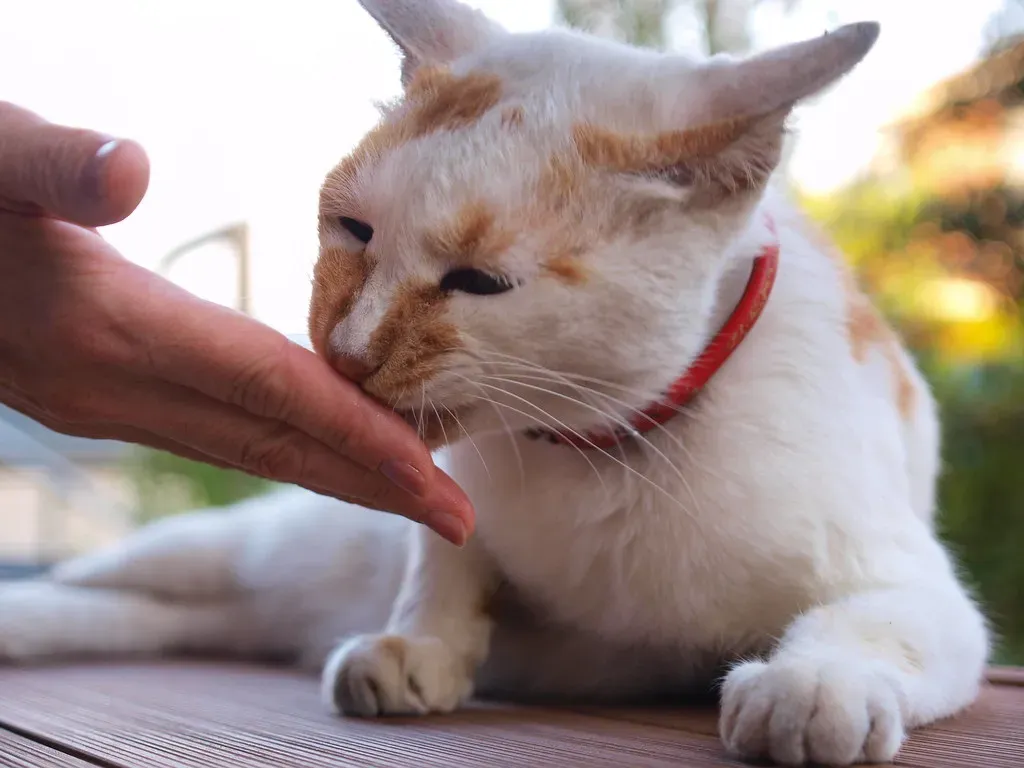
When a cat licks your hand or nibbles at your hair, it’s borrowing a page straight from cat-to-cat social bonding. Allogrooming, as behaviorists call it, is typically reserved for close companions in a cat’s world, and humans rarely make that list unless real trust has been built.
It’s also oddly specific. Cats often target the same spot repeatedly, like fingers or a section of hair, likely chasing a scent that’s uniquely yours. These sessions tend to happen during quiet, relaxed moments and stop abruptly if a less-trusted person walks in, which says a lot about how selective the gesture really is.
#11 – Their Tail Wraps and Quivers Just for You
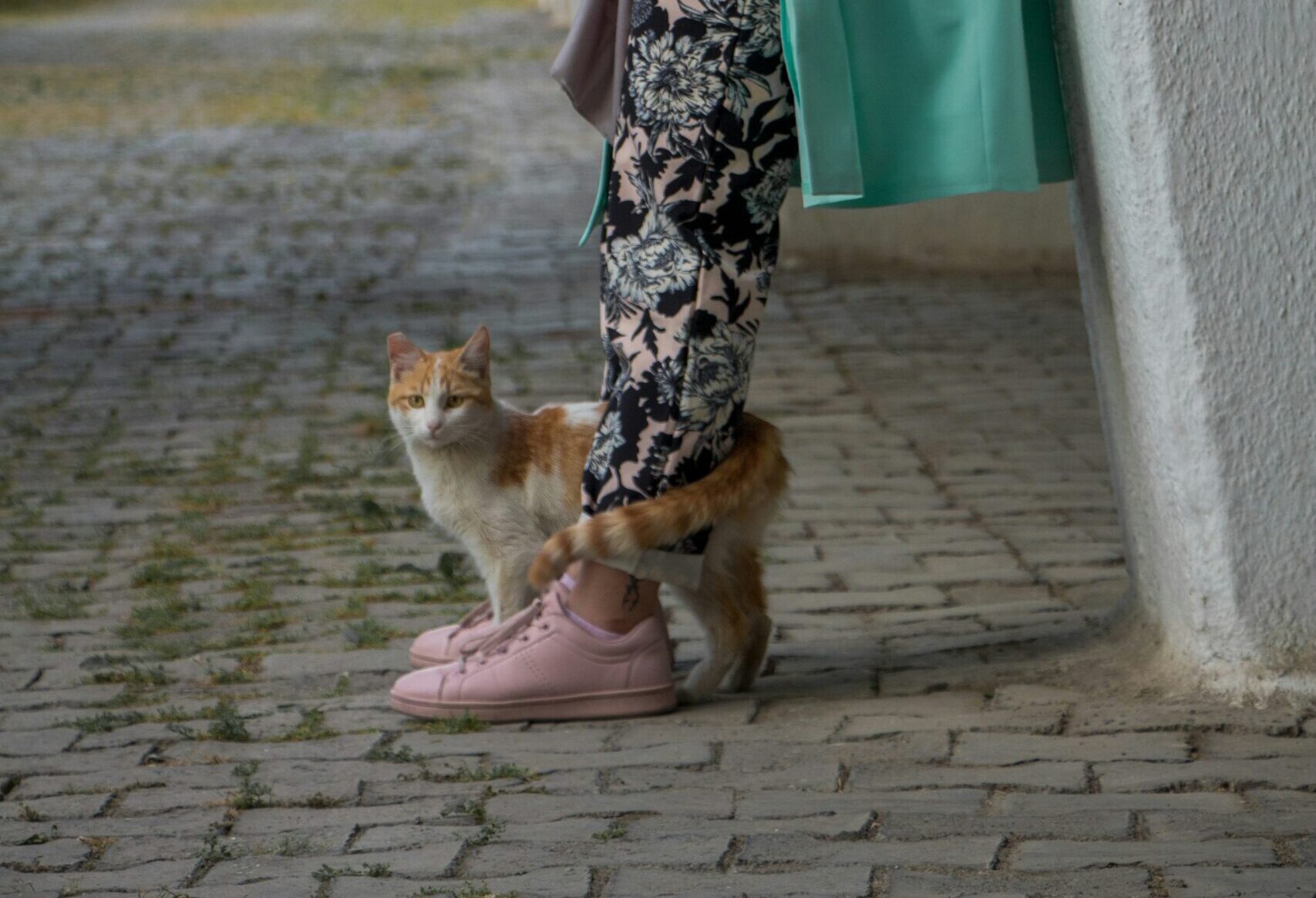
A cat’s tail is basically a mood ring, and the subtle stuff is where the real information lives. A gentle wrap around your leg or ankle, paired with a slight quiver at the tip, signals genuine excitement and affection, not just casual acknowledgment.
This is noticeably different from the neutral or irritated tail swishes reserved for people the cat merely tolerates. It usually shows up alongside an upright posture and steady eye contact, and researchers who track feline body language note that quivering frequency climbs specifically around a cat’s preferred person, almost like a happy little glitch it can’t control.
#12 – They Wait by the Door Like Clockwork
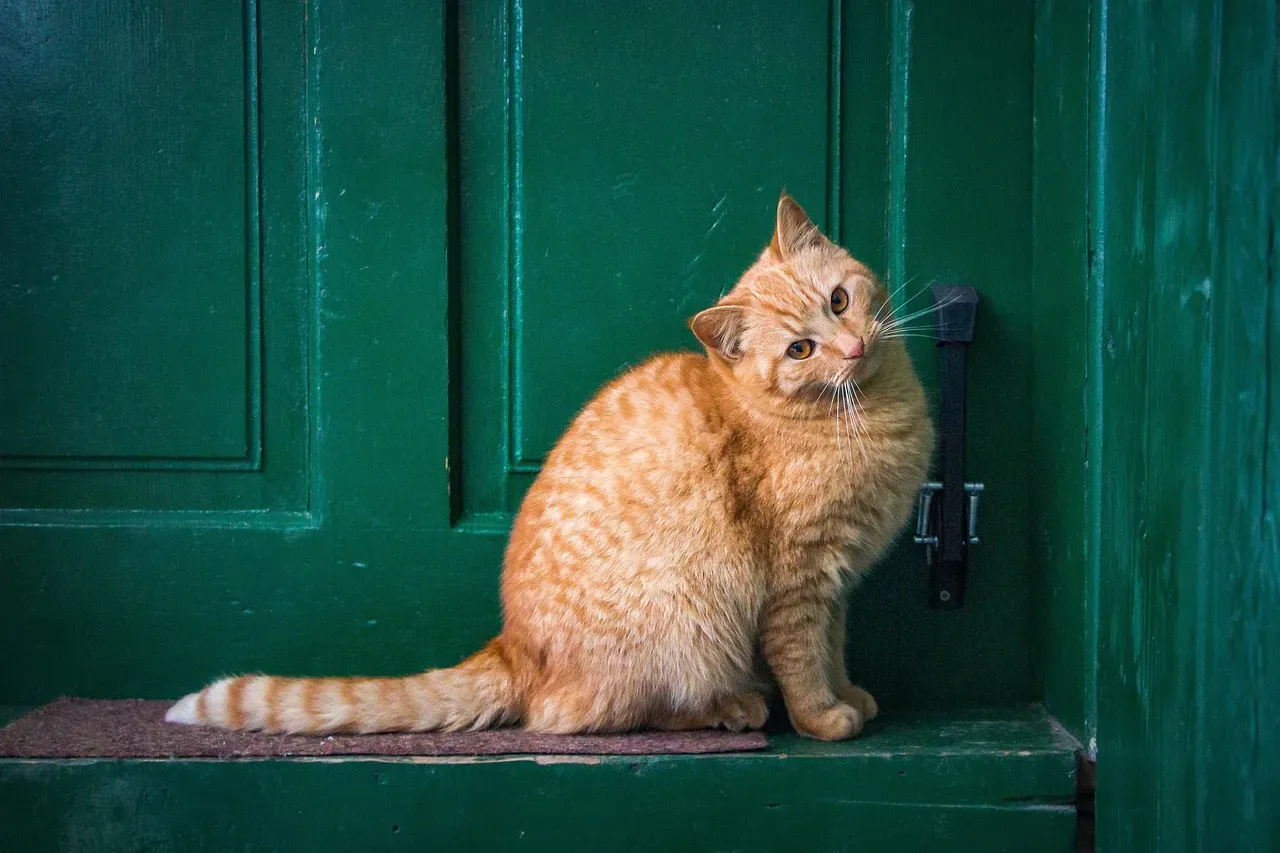
Cats are famous for pretending not to care when you leave, right up until they’re caught sitting by the window at the exact time you usually come home. This kind of anticipatory waiting, tied to one specific person’s schedule, is a strong marker of attachment rather than boredom.
The vigil often intensifies after longer separations, like a weekend trip, hinting at something close to mild separation distress. And it’s not just habit, since many cats adjust their waiting spot even when your schedule shifts, proving they’re tracking you specifically and not just the clock on the wall.
#13 – Everyone Else Gets the Cold Shoulder
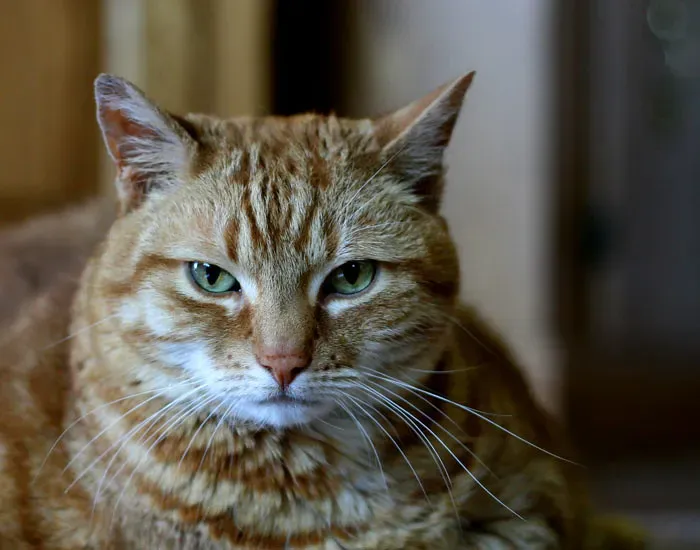
Here’s the part that trips people up: a deeply bonded cat isn’t necessarily a friendly cat to everyone. Plenty of cats reserve their warmth entirely for one person while staying distant, avoidant, or flat-out unimpressed with the rest of the household.
That contrast is actually the clearest evidence of a primary bond rather than general sociability. If your cat plays with you, naps near you, and seeks you out, but treats your roommate like furniture, that’s not a personality flaw. It’s a quiet vote of confidence, cast specifically in your direction.
At a Glance
- Bonded behavior: Seeks you out, relaxes fully around you, tolerates handling only you attempt.
- Unbonded behavior: Avoids laps, stays out of arm’s reach, tenses up during handling.
- Bonded cats can still act shy or standoffish with guests while remaining completely at ease with their one person.
- A cat ignoring everyone but you is actually a stronger loyalty signal than a cat that’s friendly to the whole room.
#14 – They Mirror Your Moods Like a Mirror
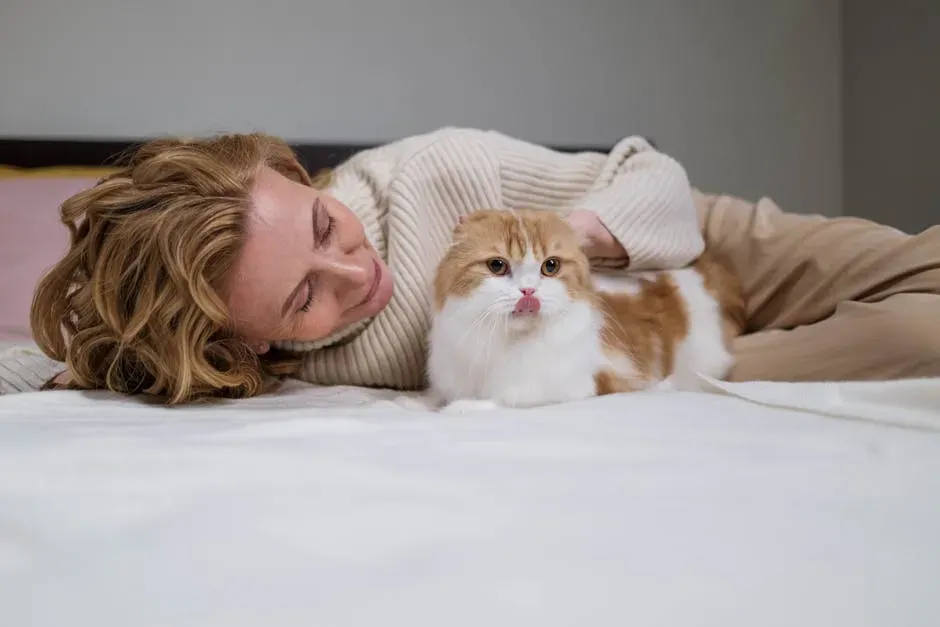
The deepest sign is also the hardest one to fake. Cats with a secure, long-term bond start syncing their energy to yours, going quiet and clingy when you’re sick or stressed, and getting playful and loose when you’re relaxed and upbeat. This kind of emotional attunement doesn’t show up overnight. It takes years of consistent closeness to build.
Researchers studying human-animal bonds have found that cats pick up on human cues far more selectively than the “aloof” stereotype suggests, responding specifically to the moods of their chosen person rather than to people in general. Some evidence even points to stress responses syncing between cat and owner over time. When your cat curls up tighter during a rough week or gets zoomy right along with your good mood, that’s not coincidence. That’s years of quiet observation turning into real emotional partnership.
Here’s the part worth sitting with: none of these fourteen signs are loud. There’s no dramatic tail-wag greeting, no frantic licking, no obvious performance for an audience. Cats do their bonding in silence, through small repeated choices about who gets the belly, who gets the gifts, who gets the 2 a.m. sleep-spot upgrade.
And honestly, that’s what makes it feel earned rather than automatic. A dog’s loyalty is practically unconditional from day one. A cat’s loyalty has to be built, tested, and re-confirmed in a hundred small moments you might not even notice you’re winning. If your cat has quietly picked you, don’t mistake the silence for indifference. It’s the opposite. It’s trust that never needed to be loud in the first place.
Kristina is a young writer from India. An arts graduate and an avid content creator, Kristina is passionate about animals and wildlife. She enjoys exploring topics related to pet care, animal behavior, conservation, and nature, combining thorough research with engaging storytelling.