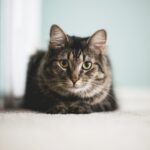
Walk into any vet clinic waiting room and you’ll spot the pattern immediately: flat-faced breeds struggling to breathe, long-haired cats matted despite expensive grooming, and owners quietly asking why their “perfect” purebred keeps needing costly procedures. The cats everyone lines up to buy – Persians, Bengals, Scottish Folds – are often the ones filling exam rooms with preventable problems.
Meanwhile, there’s a quieter list vets keep in the back of their minds. These are the breeds that rarely show up for emergency visits, don’t come with a lifetime of genetic baggage, and somehow never make it onto the glossy “most popular cats” rankings. Fifteen of them, to be exact – and a few might completely change what you thought you knew about picking a cat.
#1 – American Shorthair: The Underrated All-American Classic
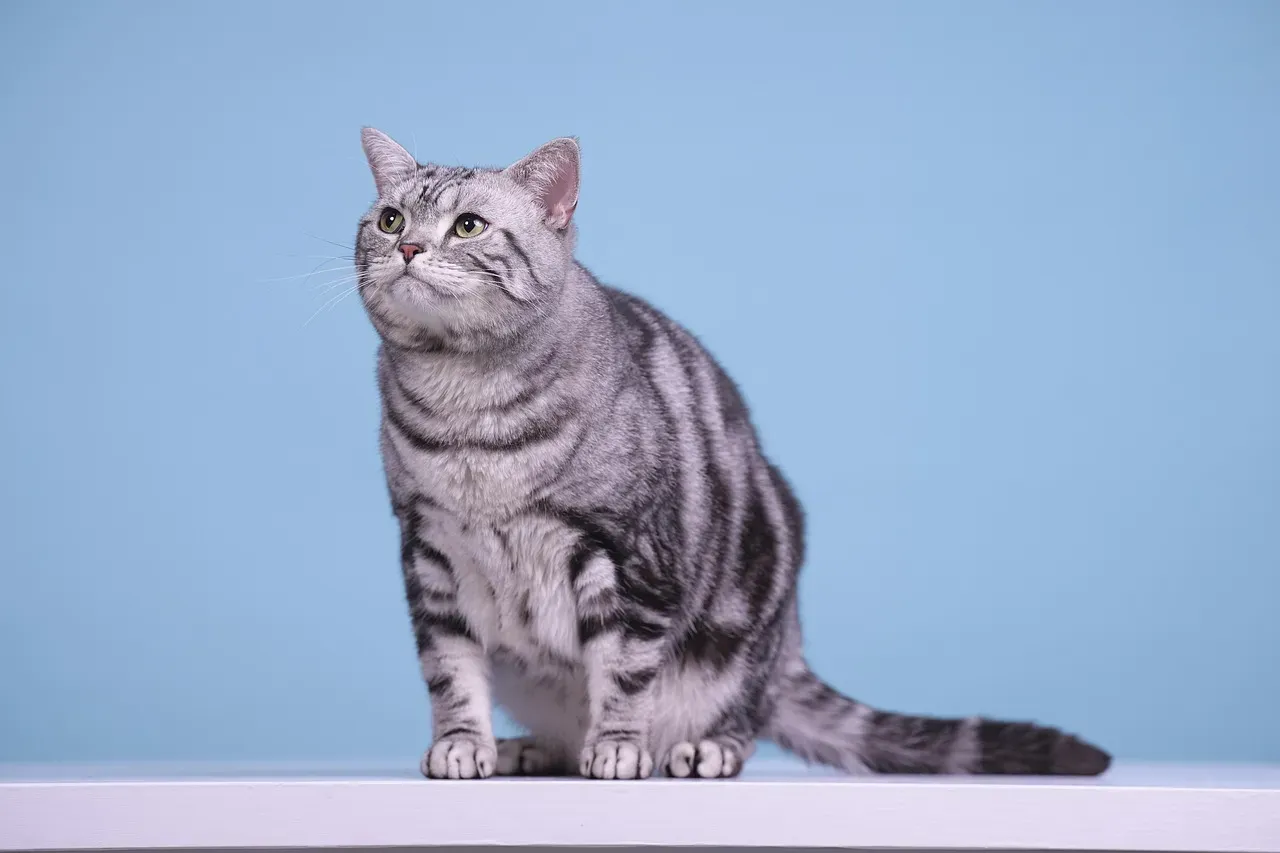
Vets quietly rank the American Shorthair among the healthiest, most drama-free cats they see. That sturdy build and short coat mean far fewer skin issues, fewer grooming sessions, and none of the breathing problems that plague flatter-faced breeds.
Most owners never realize these cats routinely live 15 to 20 years with minimal medical intervention. They shrug off apartment living, toddlers, and chaotic schedules without the meltdowns some exotic breeds are known for, and their natural hunting instinct keeps mice out of the house as a bonus.
Fast Facts
- Origin: North America, descended from European working cats brought over in the 1600s
- Average weight: 7–12 pounds
- Average lifespan: 15–20 years
- Coat: Short and dense, recognized in more than 80 colors and patterns
#2 – British Shorthair: Calm Independence Most Buyers Ignore
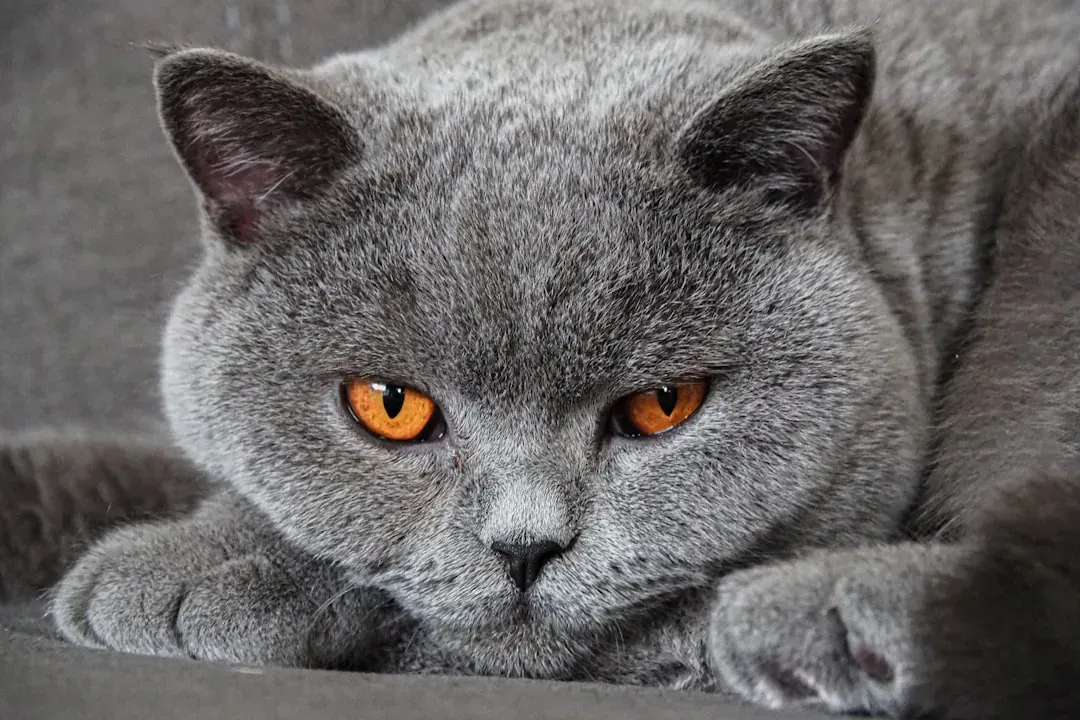
The British Shorthair’s plush, low-shed coat and unshakable calm make it a favorite among vets who see first-time owners get overwhelmed by needier breeds. These cats don’t demand constant attention, but the affection they do offer feels earned rather than performative.
Their resistance to several common feline illnesses genuinely surprises even seasoned breeders. Because they thrive on routine, they rarely spiral into the obesity or dental disasters that show up so often in more restless or brachycephalic cats.
#3 – Russian Blue: The Hypoallergenic Secret Hiding in Plain Sight
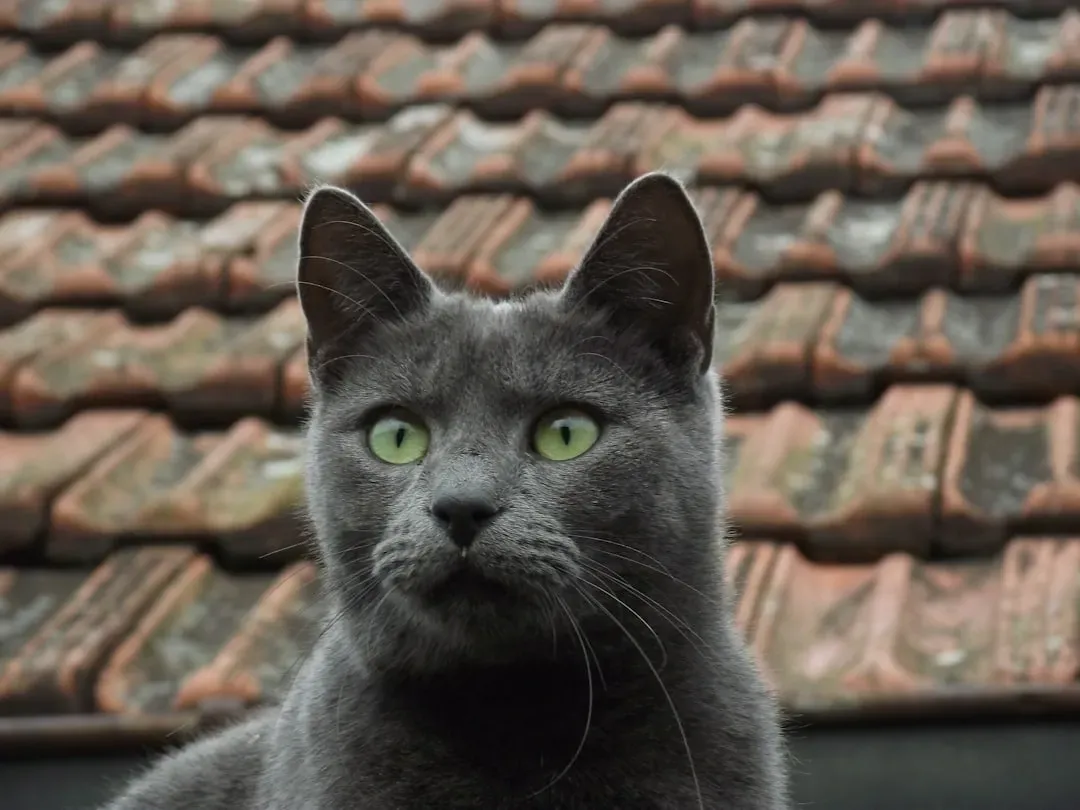
Russian Blues produce noticeably lower levels of the Fel d 1 allergen than most breeds – a detail many allergy sufferers only discover after months of frustration with other cats. Their dense, water-repellent coat stays sleek with almost no brushing required.
Vets describe their quiet intelligence and loyalty as easy to mistake for coldness, when really it’s just a slow-burn kind of devotion. They settle into new homes fast and skip the respiratory and heart conditions that haunt flatter-faced breeds.
#4 – Burmese: The Social Butterfly Vets Recommend for Families
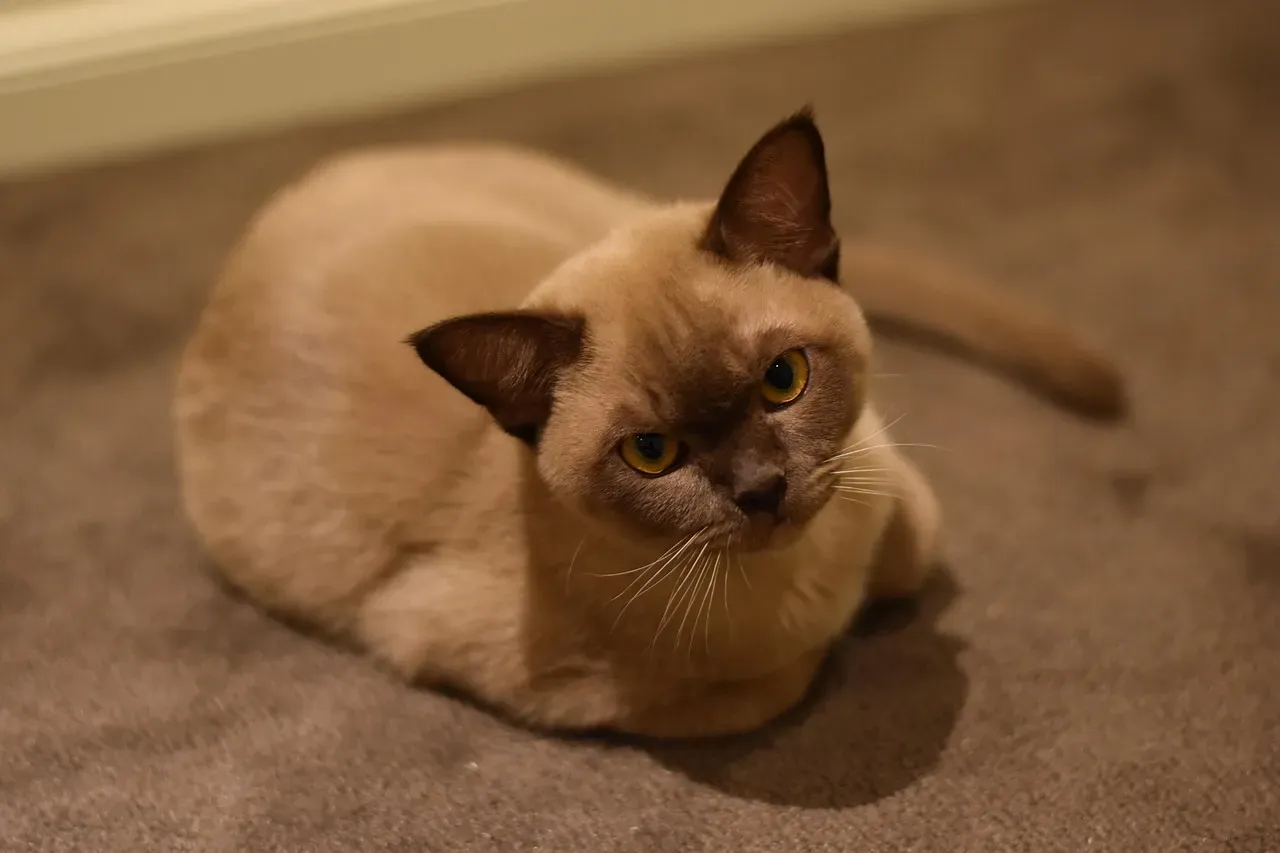
Burmese cats attach themselves to their people with an intensity that surprises new owners. They don’t vanish when guests arrive or kids get loud; if anything, they lean into the chaos.
These cats hold onto their playful energy well into their senior years, without the manic hyperactivity that burns owners out. Vets report fewer behavioral complaints from Burmese households compared to some of the more high-strung, headline-grabbing exotics.
#5 – Birman: The Gentle, Low-Shed Companion Vets Wish Got More Attention
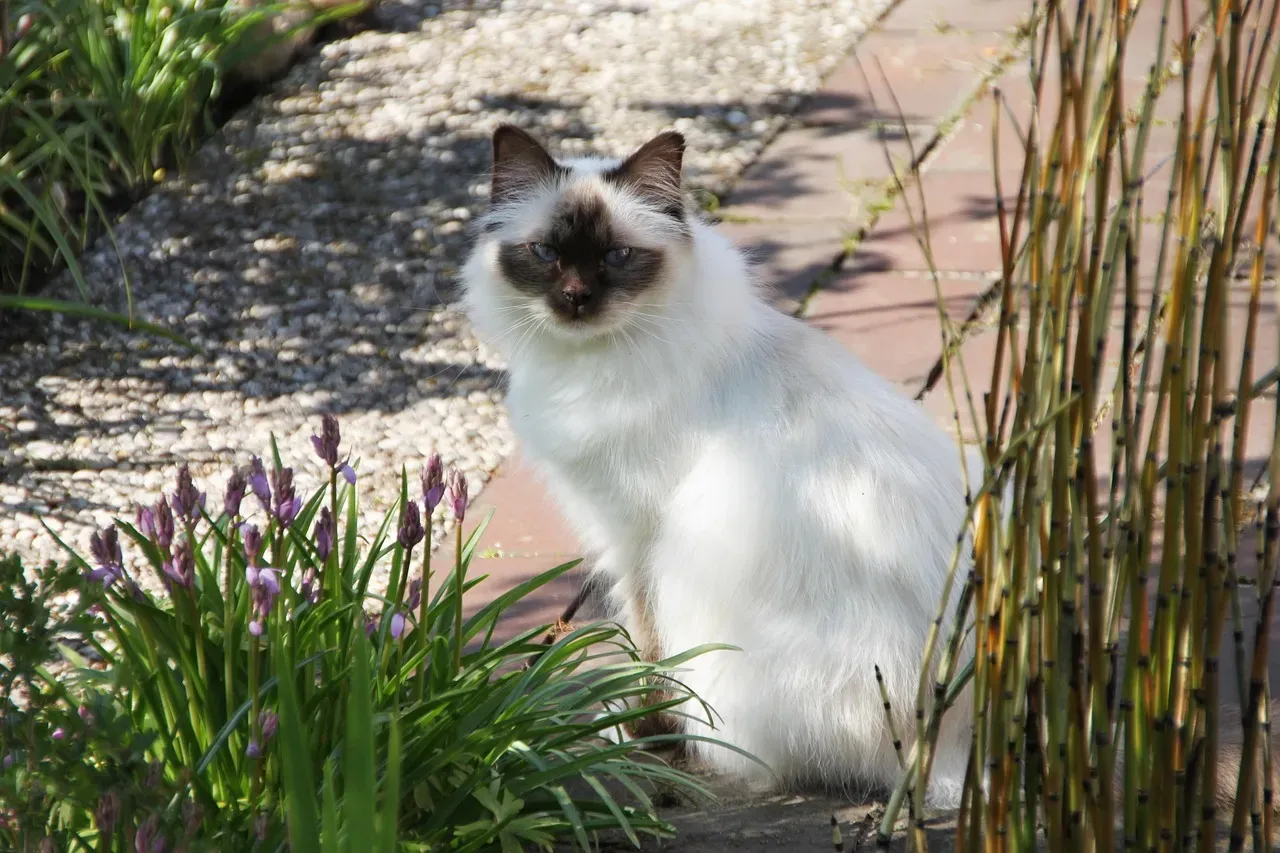
Birmans pair striking blue eyes and silky coats with a temperament so easygoing that vets genuinely wish more families gave them a chance. Their semi-long fur mats far less than a Persian’s and only needs weekly attention, not daily wrestling matches with a comb.
They tolerate handling calmly during exams, which vets appreciate more than you’d think, and they largely dodge the polycystic kidney disease that shows up in related long-haired lines. Quiet and steady, they suit small apartments just as well as sprawling houses.
#6 – Abyssinian: Athletic Yet Surprisingly Low-Maintenance
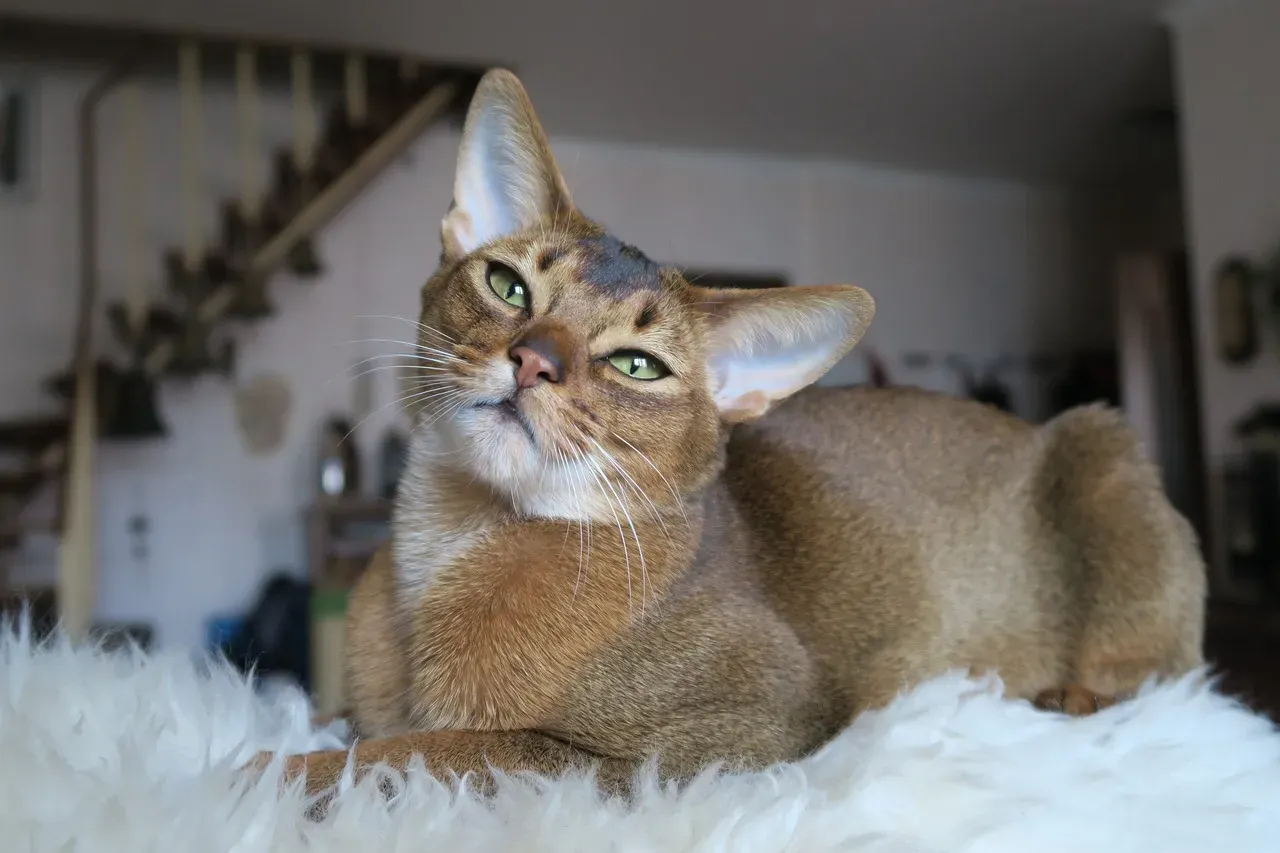
The Abyssinian looks like it should be exhausting to own, but its ticked coat barely needs grooming even though the cat itself never stops moving. Vets consistently praise their intelligence, especially their knack for puzzle toys that keep boredom-driven destruction in check.
These cats show remarkable resistance to several hereditary conditions that trip up other shorthaired breeds. Their curiosity keeps them endlessly entertaining without tipping into the kind of destructiveness some owners dread when they hear the word “athletic.”
Worth Knowing
- Ancestry traces back to cats along the Nile River and coastal East Africa
- Average lifespan: 9–15 years
- High energy levels mean they thrive with cat trees, window perches, and daily play
- Their ticked coat needs only occasional brushing despite constant activity
#7 – Oriental Shorthair: The Talkative Yet Healthy Alternative
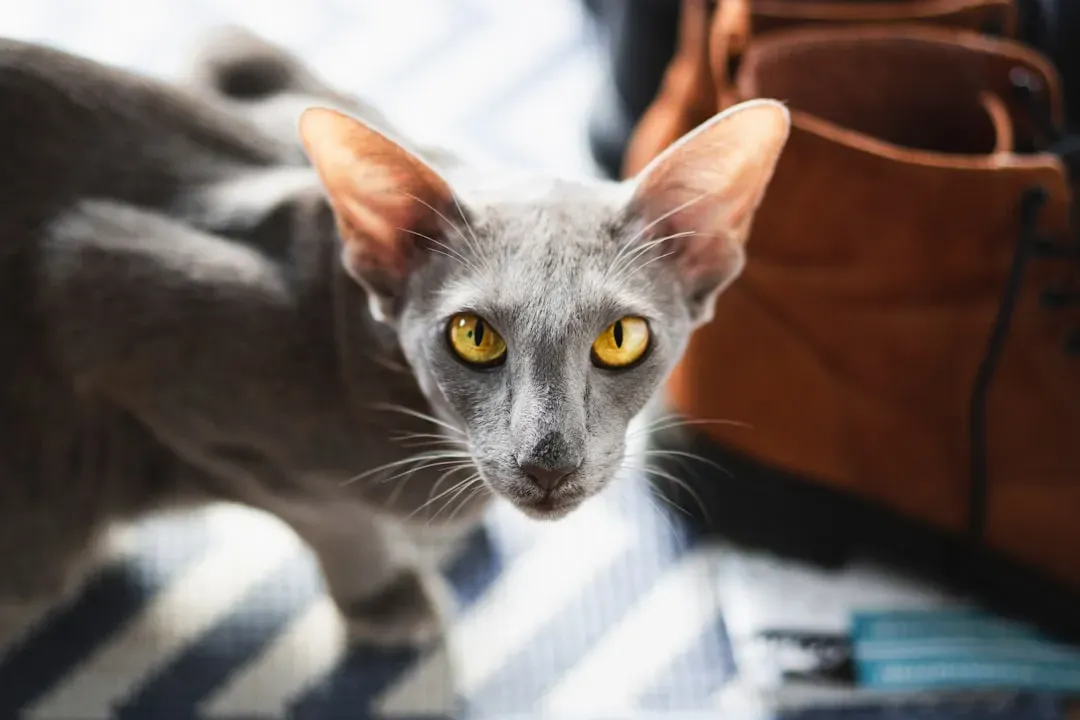
Orientals offer the same chatty, clingy personality people love in Siamese cats, just wrapped in a far wider range of colors and patterns – and vets say they fly almost completely under the radar. Their oversized ears and slender build come with far fewer breathing complications than you’d find in flatter-faced cousins.
They form intense bonds and genuinely need interactive play to stay mentally sharp, which keeps both cat and owner engaged. Dental issues stay rare as long as owners keep up basic routine care, making them a low-drama pick disguised as a high-drama personality.
#8 – Tonkinese: The Perfect Medium Between Extremes
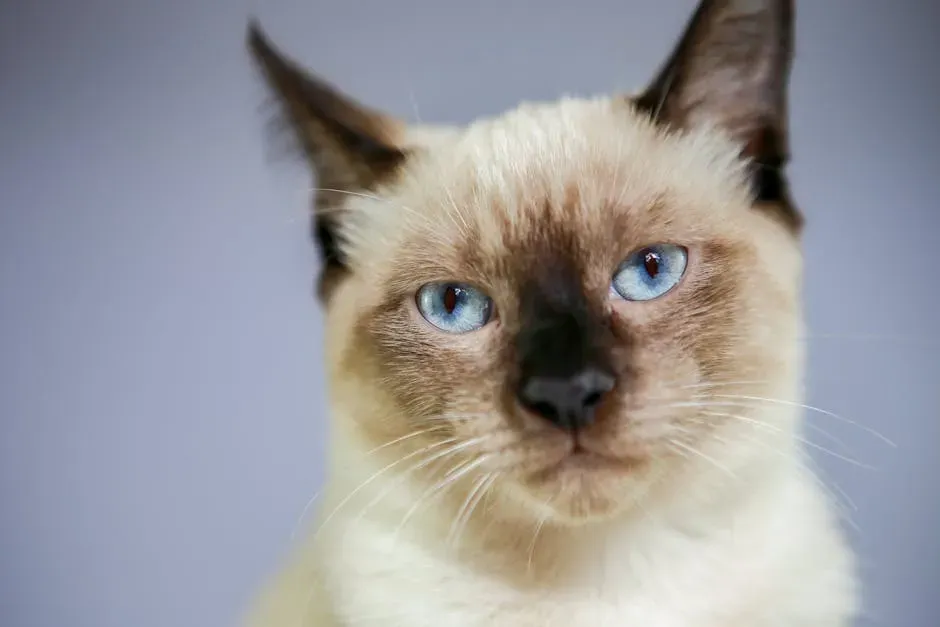
Tonkinese cats split the difference between Burmese affection and Siamese chattiness, landing on something warm without being clingy or constantly vocal. Their short coats and sturdy health profiles mean fewer surprise vet bills over a lifetime.
Owners consistently report fewer litter box issues and smoother integration into multi-pet households than expected. Vets note their balanced energy works equally well for couch-potato owners and people who want an active companion.
#9 – Chartreux: The Rare French Blue With Serious Health Advantages
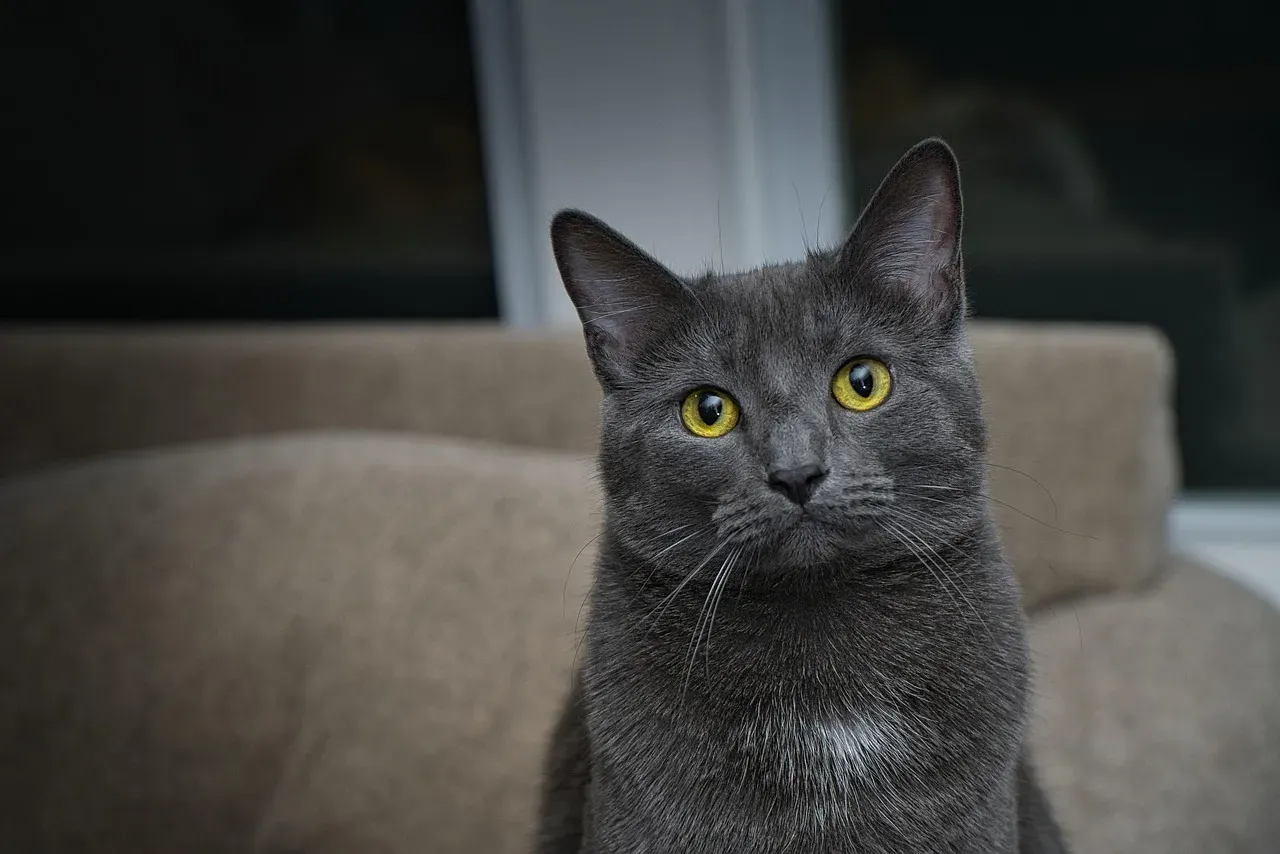
Chartreux cats carry an old-world reputation for quiet dignity, and vets consistently point to their unusual longevity as reason enough to give this breed a second look. Their dense blue-gray coat resists matting almost entirely and asks for very little upkeep.
These cats show notably strong resistance to certain cardiac and kidney conditions that plague other breeds. Their calm, unbothered demeanor makes them a natural fit for seniors, quiet households, or anyone tired of high-strung cats.
At a Glance
- Origin: France, with a history tracing back to medieval monasteries
- Average lifespan: 12–15 years, longer than many purebred cats
- Distinctive copper-orange eyes paired with a blue-gray coat
- Known for an unusually quiet voice – most Chartreux rarely meow
#10 – Korat: The Silver-Blue Thai Treasure Nobody Talks About
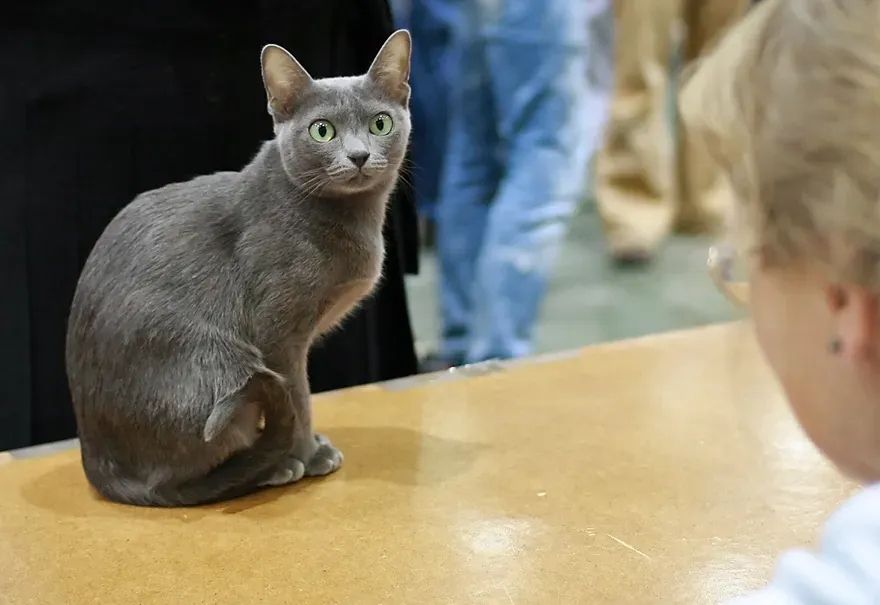
Korats bring a striking silver-blue coat and heart-shaped face to the table without dragging along the health baggage that comes with more extreme, exaggerated breeds. Vets appreciate their sturdy constitutions and unusually low rate of hereditary disease.
They bond deeply, but usually with just one or two chosen people, while still managing to be polite when guests show up. Their short coat asks for almost nothing in terms of grooming, which makes them a quietly ideal low-maintenance choice.
#11 – Siberian: The Surprisingly Hypoallergenic Forest Cat
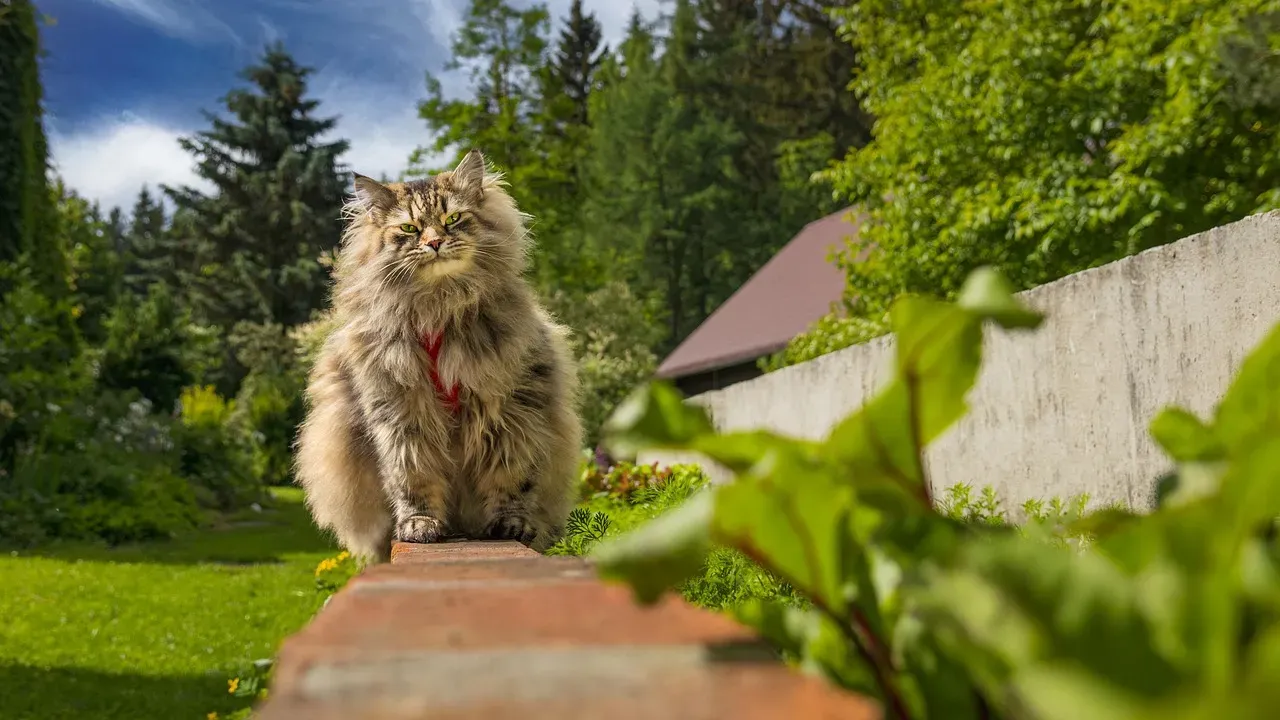
Siberians look like they’d shed you out of your own home, yet they often test lower for the Fel d 1 allergen than plenty of shorthaired breeds. A weekly brushing session is usually enough to keep their thick coat from becoming the burden it appears to be.
Bred for harsh climates, these cats handle cold and active households with equal ease. Vets report fewer skin and ear problems in Siberians than in breeds with folded ears or pushed-in faces, which says a lot about how form-over-function breeding tends to backfire.
#12 – Turkish Van: The Water-Loving Swimmer Vets Find Fascinating
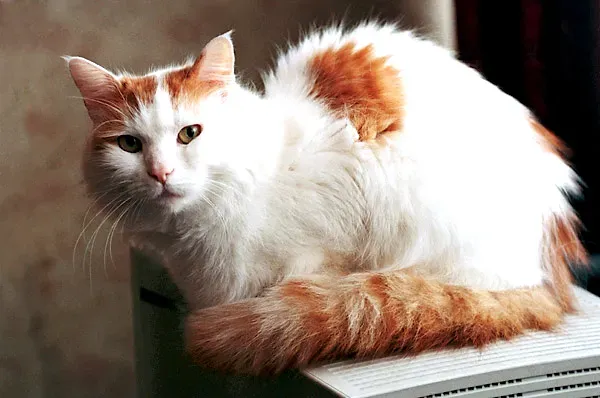
Turkish Vans have a genuine love of water that catches new owners off guard – sinks, bathtubs, even the occasional pool aren’t off-limits for this breed. Their water-resistant coat isn’t just a quirky trait; it’s part of what keeps them remarkably healthy overall.
Their large, muscular frame supports excellent long-term health, and they largely avoid the ear and eye problems that show up in some long-haired breeds. Independent by nature, they’re a surprisingly good fit for owners who can’t be home every hour of the day.
#13 – Norwegian Forest Cat: The Hardy Outdoor-Adapted Breed
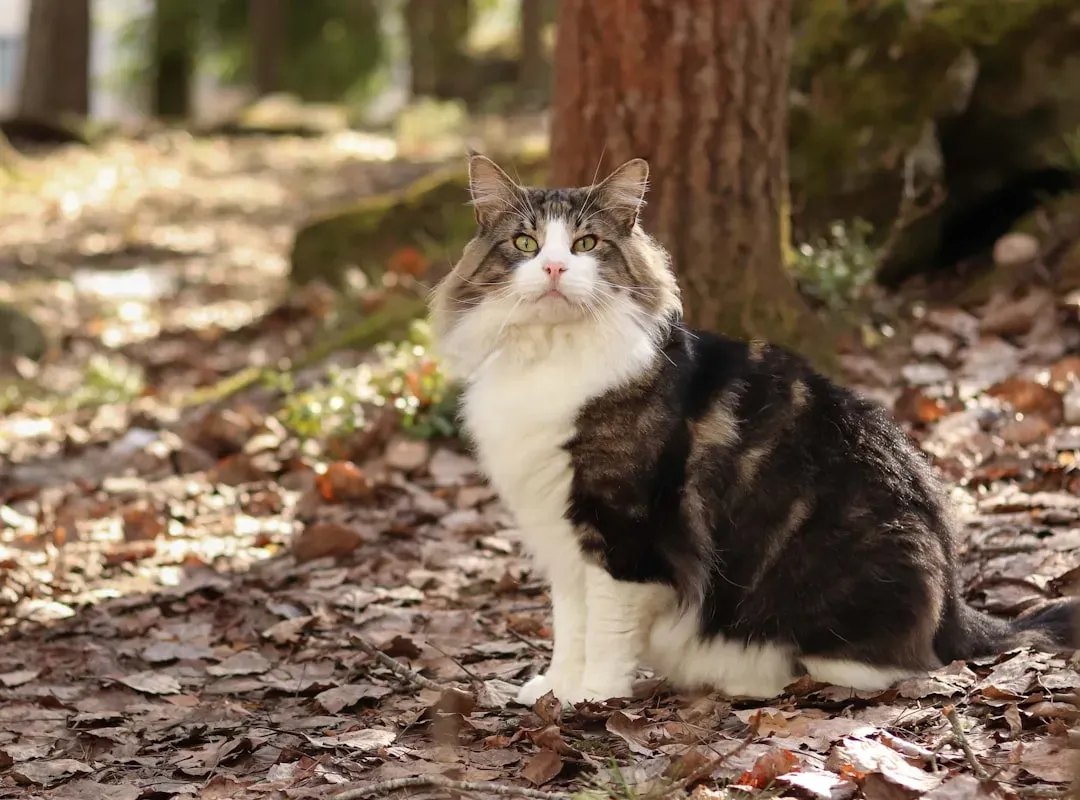
Norwegian Forest Cats evolved to survive brutal Scandinavian winters, and that heritage shows up indoors as fewer weather-related and skin issues than you’d expect from a cat with this much fur. Vets consistently note their calm confidence and low overall disease rates.
They love vertical space and interactive play but don’t require constant supervision to stay happy, which makes them ideal for busy households. Despite their semi-long coat, occasional brushing is genuinely all they need.
Why It Stands Out
- Built for harsh climates with a water-resistant double coat
- Males can weigh up to 16–22 pounds, among the largest domestic breeds
- Strong climbing instincts thanks to powerful hind legs
- Lower rates of polycystic kidney disease compared to some long-haired breeds
#14 – Devon Rex: The Playful, Low-Shed Alternative
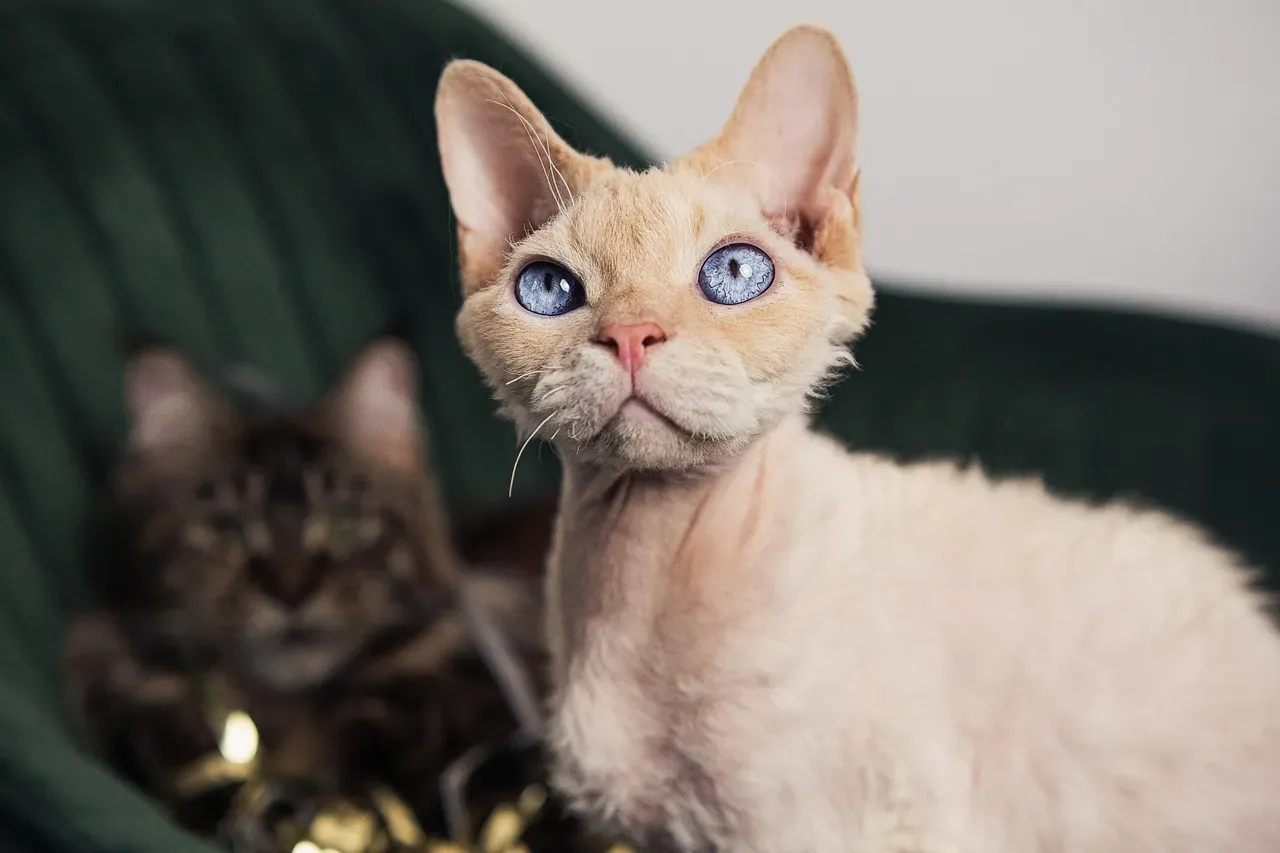
Devon Rex cats look almost otherworldly with their short, curly coats, but that unusual texture comes with a real practical perk: minimal shedding and very little grooming. Their high energy and near-constant affection make them feel more like a dog in a cat’s body.
Vets see noticeably fewer skin allergies and respiratory complaints in Devon Rex cats compared to hairless or flat-faced breeds. They adjust well to apartment life and genuinely enjoy puzzle feeders, which keeps their busy minds occupied.
#15 – Sphynx: The Naked Cat That Solves Allergy and Shedding Problems
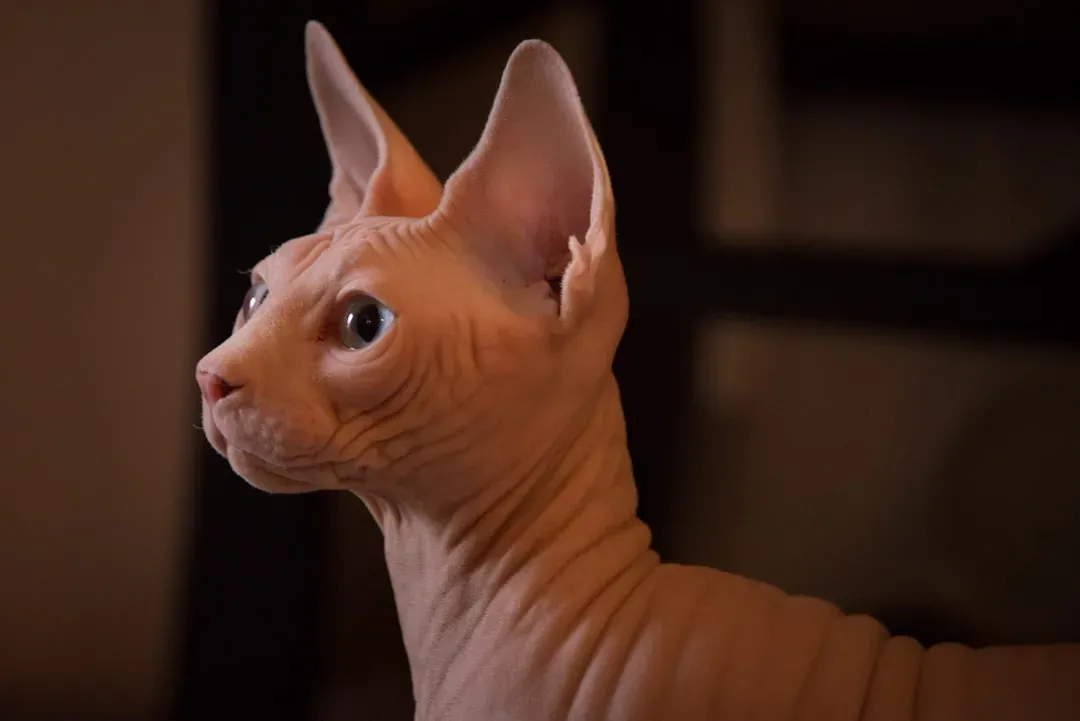
Sphynx cats erase the shedding and dander issues that make so many households avoid cats altogether, and their personalities tend to be far warmer than their alien-like appearance suggests. Yes, they need regular bathing since they have no fur to absorb their skin’s natural oils, but overall vet visits often drop once owners get the routine down.
These cats frequently outlive expectations when owners stay on top of their skin and temperature needs. Vets genuinely wish more people gave them a fair shot instead of assuming hairless automatically means high-maintenance.
The Bottom Line
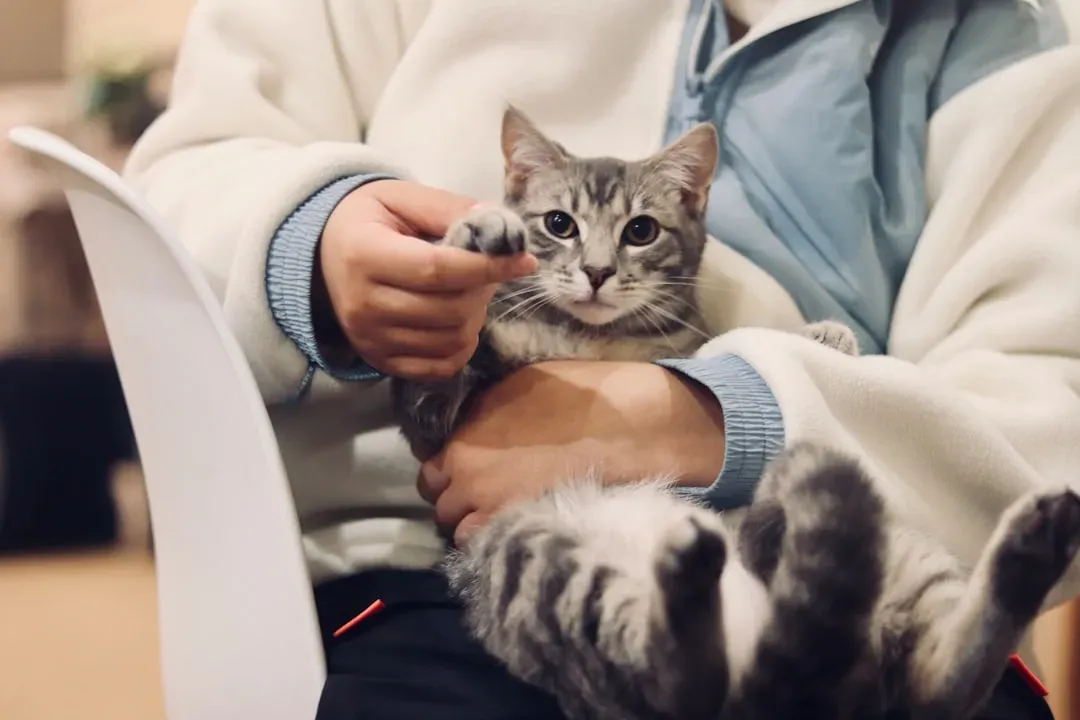
Vets see the same story play out on repeat: flashy breeds with breathing problems, grooming nightmares, and behavioral landmines dominate impulse purchases, while these 15 quietly deliver better health, easier care, and steadier companionship. Lower lifetime vet bills and stronger bonds tend to follow when people choose based on temperament and resilience instead of chasing a look.
If you don’t own a cat, at least one, there is not much use in owning a house.
James Herriot
That sentiment holds up whether the cat in question is a $2,000 show-bred Bengal or a scrappy American Shorthair from a shelter down the street. The healthiest, happiest cats on this list prove that the best choice usually isn’t the flashiest one – it’s the one built to actually thrive alongside you for the next two decades.
Kristina is a young writer from India. An arts graduate and an avid content creator, Kristina is passionate about animals and wildlife. She enjoys exploring topics related to pet care, animal behavior, conservation, and nature, combining thorough research with engaging storytelling.