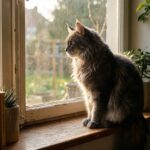
Most people assume an old cat that sleeps all day and stops chasing toys has simply given up. They see the slower walk, the shorter meows, the missed leaps onto the counter, and they panic, convinced their cat is depressed, in pain, or just fading out.
Here’s the twist almost nobody expects: the quietest, most “boring” senior cats are often the happiest cats you’ll ever meet. They’re not shutting down – they’re settling in. The signals are subtle enough that even people who’ve owned cats for decades misread them, so stick around, because once you know what to actually look for, you’ll never see your old cat’s naps, stares, or silence the same way again.
#1 – They Pick One Sacred Spot And Never Cheat On It
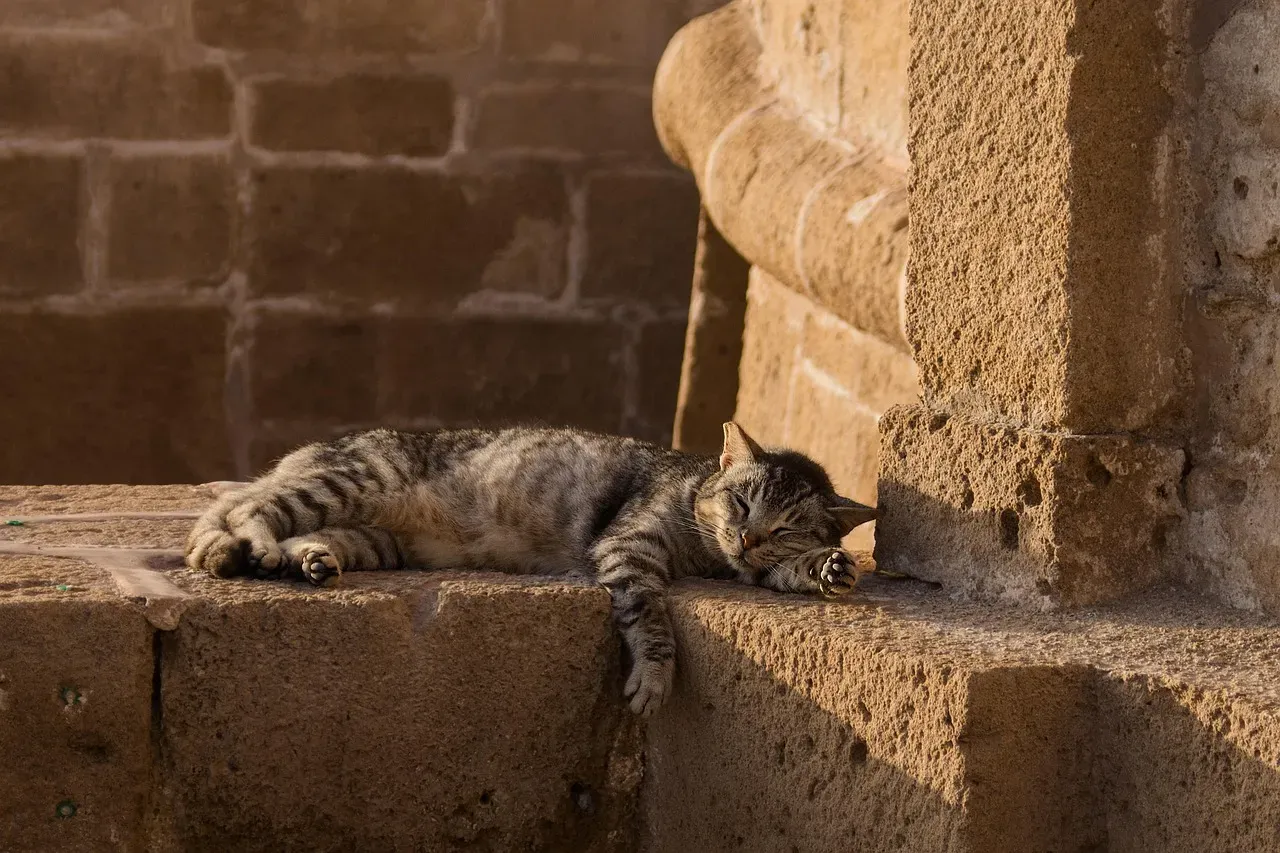
When a cat is young, every windowsill, box, and laundry pile is fair game. A senior cat who’s truly at peace narrows that down to one spot – the back of the couch, that ratty old chair you keep meaning to toss, or a blanket that smells like you – and rarely strays from it.
The tell isn’t just that they sleep there. It’s how they settle: slow blinks, loose paws, a body that melts instead of curling into a defensive ball. Owners often mistake this for laziness, but it’s usually a cat quietly announcing, “I found my safe place, and I don’t need to look anymore.”
#2 – Their Purr Switches From Demanding To Just… Content
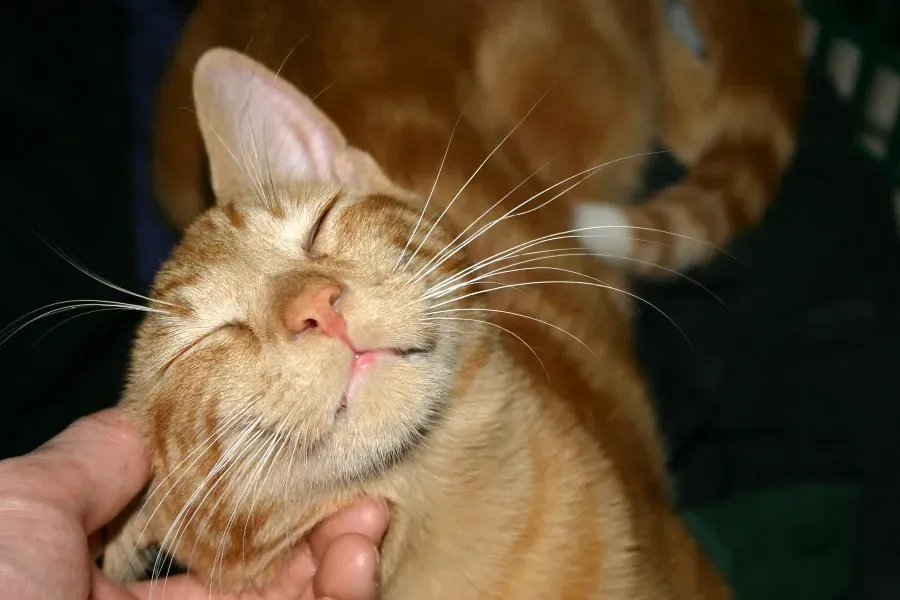
Not all purrs are created equal, and most people never notice the difference. Younger cats deploy what behaviorists sometimes call the “urgent purr” – loud, paired with headbutts, pacing, or a chorus of meows that basically translates to emotional blackmail for food or attention.
A peaceful senior’s purr changes texture entirely. It gets softer, slower, sometimes only detectable when you rest a hand on their chest. There’s no demand attached – they might be half-asleep in your lap while you scroll your phone, purring for absolutely no reason except that life, right now, is fine. That background hum with nothing riding on it is often the sound of a cat whose needs are already met.
Quick Compare
- Urgent purr: loud, paired with headbutts, pacing, or insistent meowing for food or attention.
- Content purr: soft, steady, and often happens with no request attached at all.
- Urgent purr: usually stops the moment they get what they want.
- Content purr: can continue for minutes with nothing being “won.”
#3 – They Let The Little Annoyances Slide
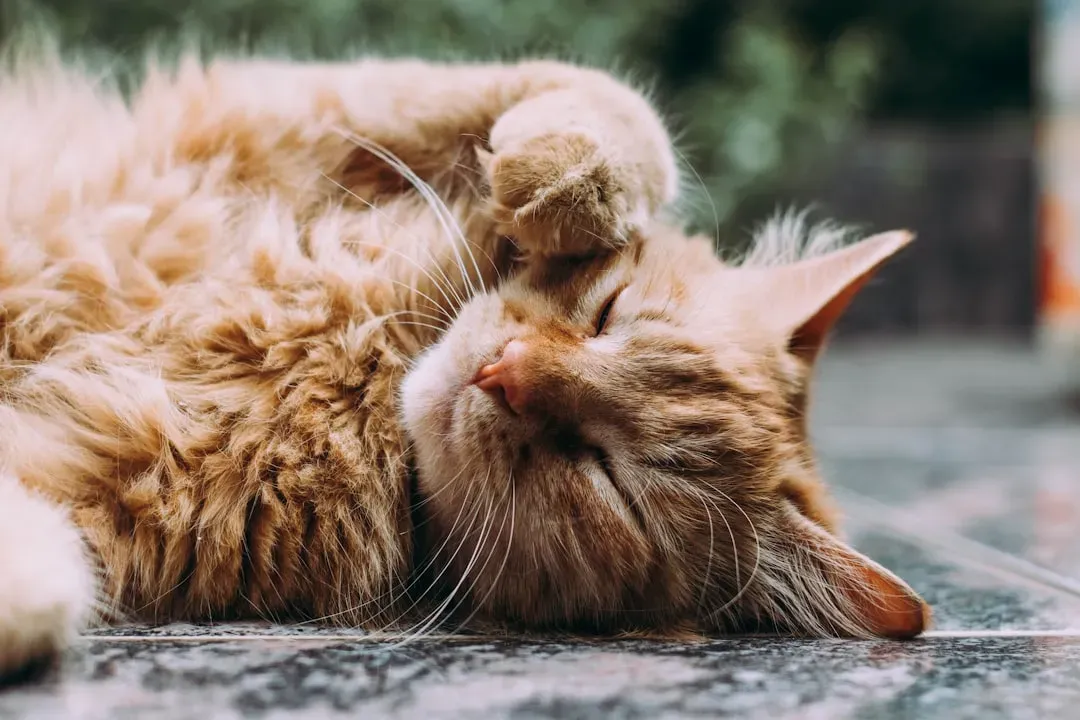
Remember when your cat used to swat at every foot moving under the blanket, or sprint out of the room the second the vacuum roared on? Many older, settled cats simply stop caring about that stuff. They might throw the vacuum some side-eye, but they no longer treat it like an air raid siren.
They’ll tolerate kids walking past, a dog’s tail swinging too close, or you shifting around in bed without acting like the house is under attack. This isn’t automatically “going senile” – though any sudden change in tolerance is worth a vet visit to rule out hearing or vision loss. More often, it’s a cat who’s decided most disruptions simply aren’t worth the energy anymore, and that’s not apathy. That’s wisdom earned the hard way.
#4 – Their Greeting Ritual Slows Down But Somehow Feels Warmer
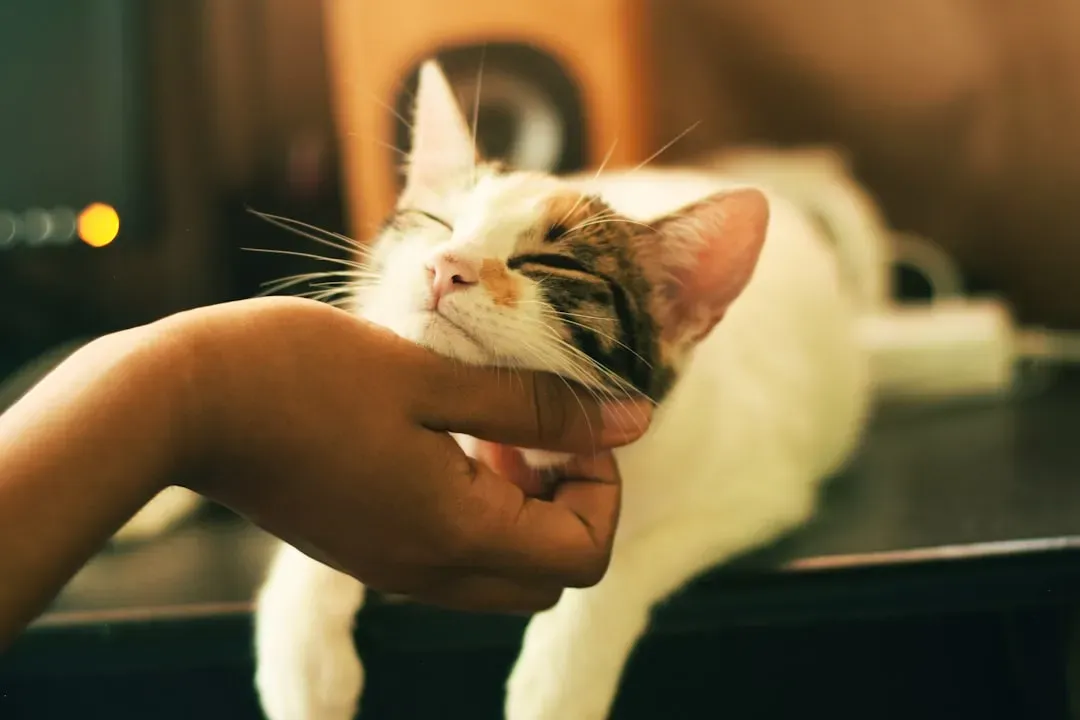
Young cats greet you like a tiny SWAT team – sprinting to the door, meowing, weaving frantically between your ankles. Old cats at peace trade that chaos for something almost ceremonial.
They lift their head when they hear your keys. They stretch, blink slowly, and stroll over without urgency. Instead of a frantic demand for dinner, you get a gentle nose bump or a soft rub against your leg. Some owners misread this as a cat caring less – but it’s usually the opposite. They’re no longer afraid you won’t come back, so there’s nothing left to panic about.
#5 – They Quietly Resign As “CEO” Of The House
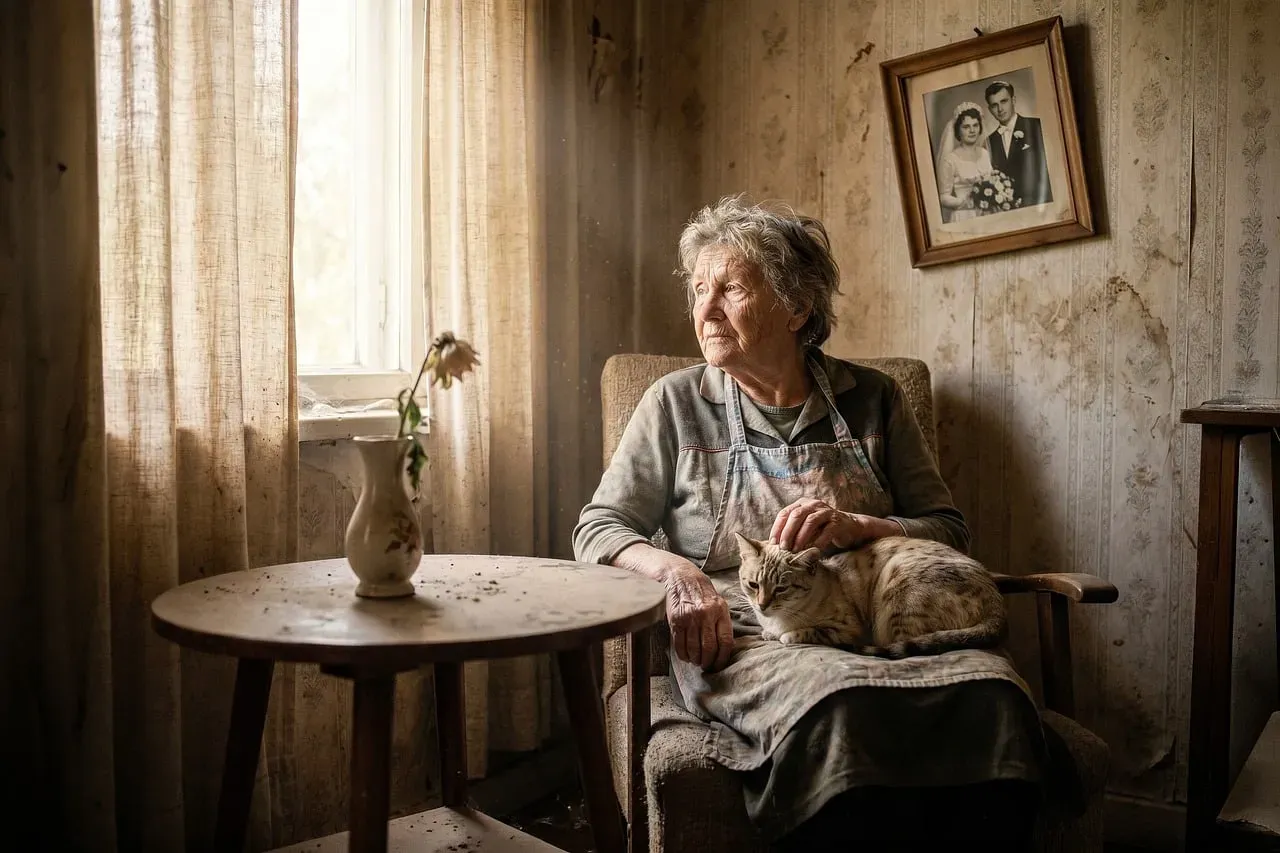
A younger, territorial cat treats every room like a battlefield that needs marking and re-marking on a nightly schedule. An older cat who’s made peace with everything quietly steps down from that job. You’ll notice they stop patrolling every room after dark, stop obsessively checking windows and doors, and let other pets pass by without a single power display.
Instead, they claim two or three zones they genuinely love and let the rest of the house run itself. Some multi-pet owners actually panic when the senior “alpha” stops enforcing the rules, but this is often the cat’s version of, “I’ve done my time. I don’t need to control every square inch anymore.”
#6 – Their Play Gets Smaller, But The Spark Never Fully Dims
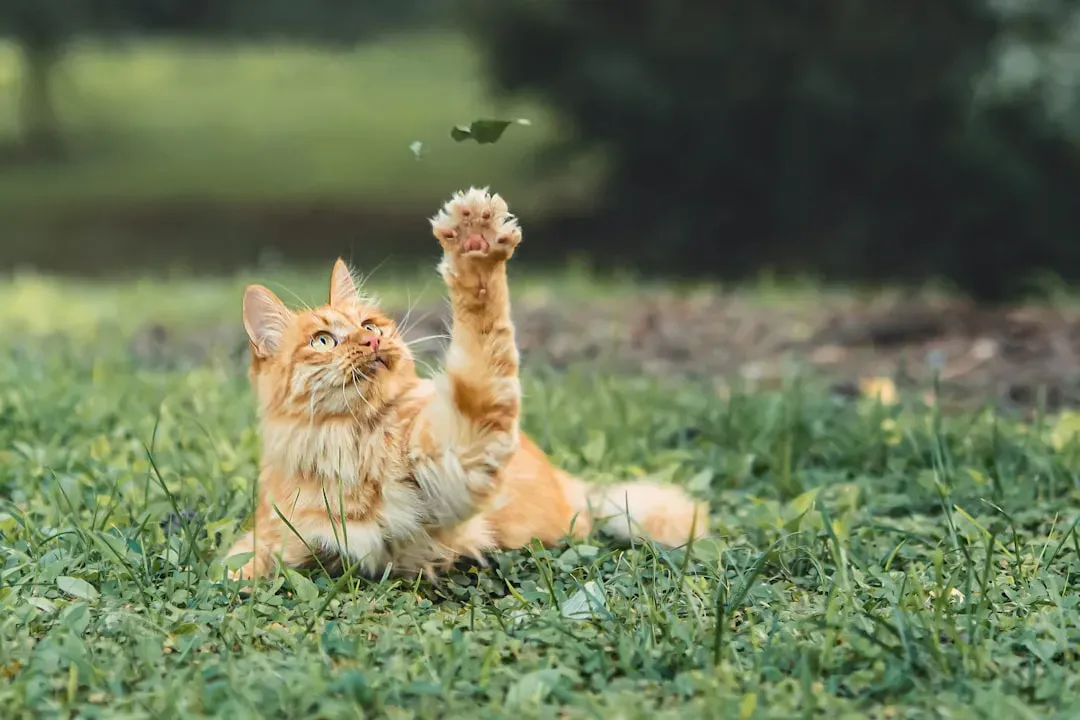
Most people assume that once an old cat stops chasing toys at full speed, the joy is gone for good. That’s simply not true. Peaceful seniors often reinvent play in a lower-impact form – a lazy paw at a feather, a half-hearted kick at a stuffed mouse, a single perfectly timed swat after watching a toy for a while.
The real sign of contentment isn’t hyperactive chasing – it’s that the interest is still there even when the body can’t keep up. Eyes light up, whiskers come forward, ears track the movement. Some people insist seniors “must” play like kittens to be happy, but forcing intense play can actually stress arthritic joints. A cat that accepts a gentler version and then calmly settles down is telling you, in cat language, “That was enough. I’m satisfied.”
Fast Facts
- Many veterinary studies suggest most cats over 12 show some degree of joint stiffness, even without an obvious limp.
- Short, low-impact play sessions of just a few minutes are often gentler on aging joints than long chase games.
- Cats instinctively mask discomfort, so a change in play style is sometimes the first visible clue something feels different.
- A senior that still tracks toys with its eyes and ears, even without chasing, is showing real engagement, not disinterest.
#7 – They Choose Being Near You Over Being On You
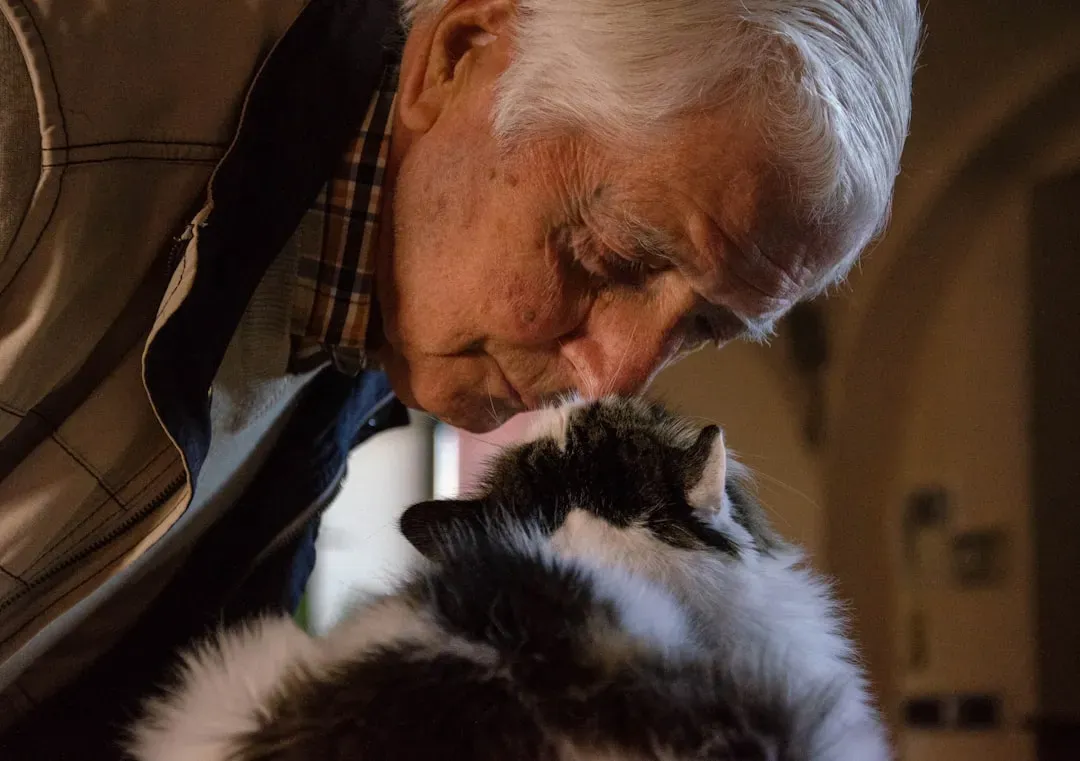
Young, needy cats want to be on your laptop, in your face, walking across your keyboard mid-sentence. Content older cats make a subtler choice: not on top of you, but very deliberately near you – the arm of the couch instead of your chest, a bed at your feet instead of your pillow.
That shift from clinginess to quiet companionship is a big deal. A senior cat that prefers relaxed proximity over constant physical contact is showing secure attachment, not fading affection. They don’t believe you’ll vanish if they’re not physically pinned to you, so the love just gets quieter – and honestly, more mature.
#8 – Their Grooming Gets Selective, Not Sloppy
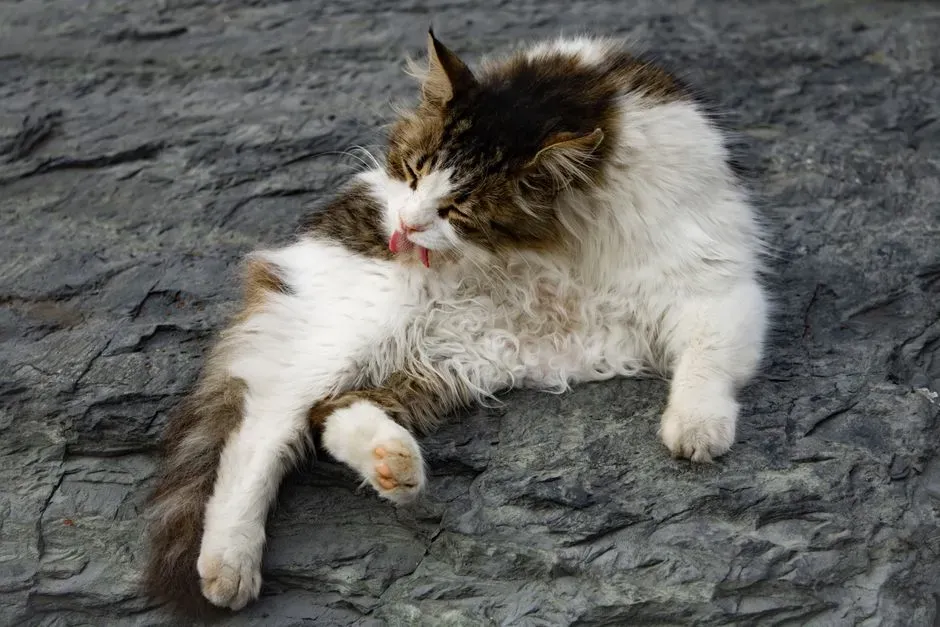
Here’s where a lot of owners get it wrong. Yes, genuinely poor grooming can signal pain or illness. But a peaceful senior cat often shows selective grooming – they might skip the acrobatics needed to reach the middle of their back, while keeping their face, chest, and front paws impeccably tidy.
The pattern is what matters, not the perfection. A cat that keeps the key areas clean, leans into gentle brushing, and doesn’t look greasy or matted overall isn’t giving up – they’re adapting to an older body and letting you fill in the gaps. If they relax into the brush instead of fighting it, that’s peace talking, not neglect.
#9 – Their Meows Shrink Into Soft, Rare Check-Ins
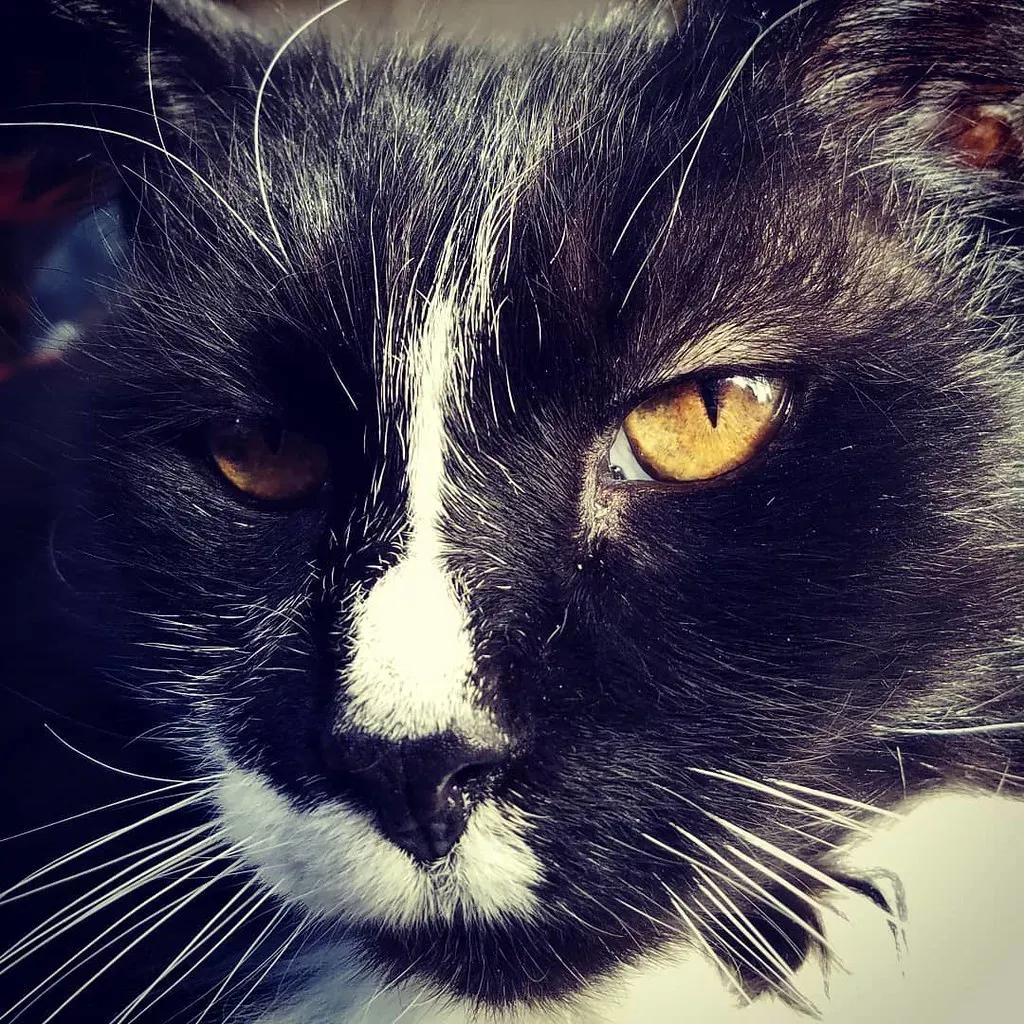
Vocal changes in senior cats always deserve a vet’s attention, but a quiet cat isn’t automatically a sad cat. Many peaceful seniors simply stop narrating every single thought that crosses their mind.
Their meows shrink down to short acknowledgments, soft “hello” chirps when you walk in the door, or the occasional call only when they genuinely need something. A cat that chooses silence because they trust their needs will be met is often more at peace than the one yowling nonstop – the difference between a worried child and a secure one. Sudden loud nighttime yowling is a different story and deserves its own conversation with a vet, but everyday quiet is often just quiet confidence.
#10 – They Roll With Routine Changes Instead Of Panicking
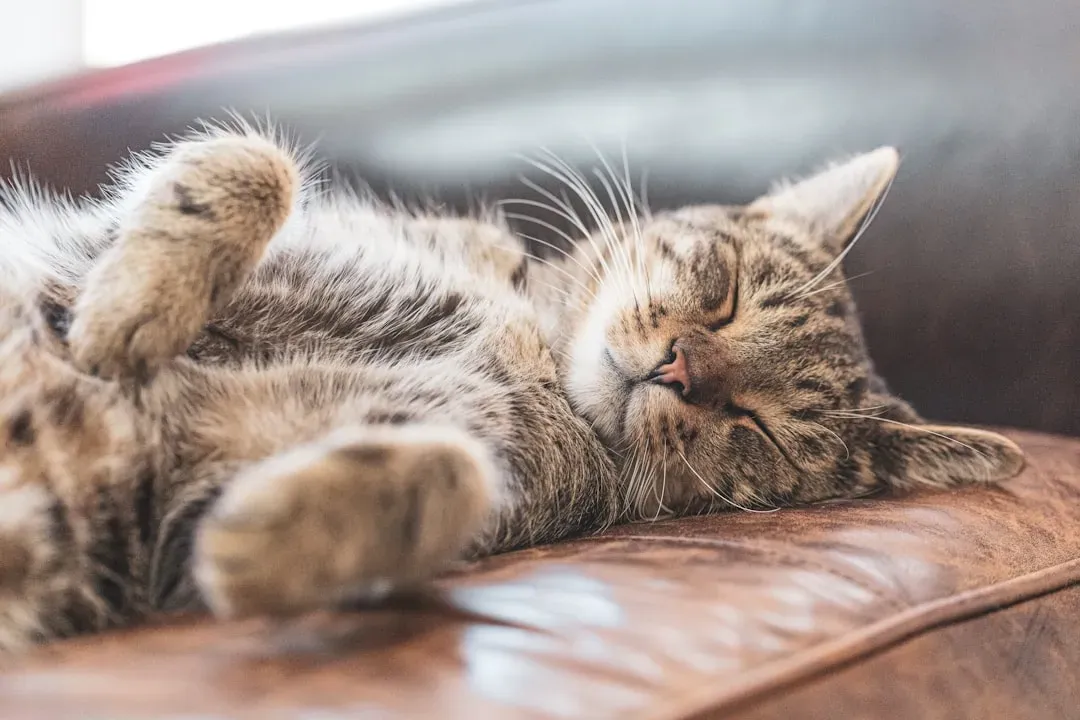
Cats are famously obsessed with routine, and that doesn’t magically disappear with age. Yet some senior cats who’ve made peace with life handle small changes with surprising grace – you shift feeding time by an hour, move a chair, roll out a new rug, and instead of a meltdown, they sniff, think, and shrug it off.
That ability to adapt calmly, as long as basic safety and comfort stay intact, is a major sign of emotional flexibility. Some purists insist any change is cruel to an old cat, but gentle upgrades – a ramp, a more accessible litter box, a new sunny perch – can genuinely improve their quality of life. When your senior explores these changes without spiraling, they’re telling you they trust you to get it right.
Worth Knowing
- Introduce one change at a time – a new rug, a moved bowl, a shifted feeding hour – rather than several at once.
- Keep the “big three” stable when possible: litter box location, sleeping spot, and feeding schedule.
- Low-entry litter boxes and small ramps can ease mobility without disrupting a cat’s sense of territory.
- A calm, unhurried tone from you during any transition helps a senior cat settle in faster.
#11 – They Sleep Hard, Then Wake Up Calm
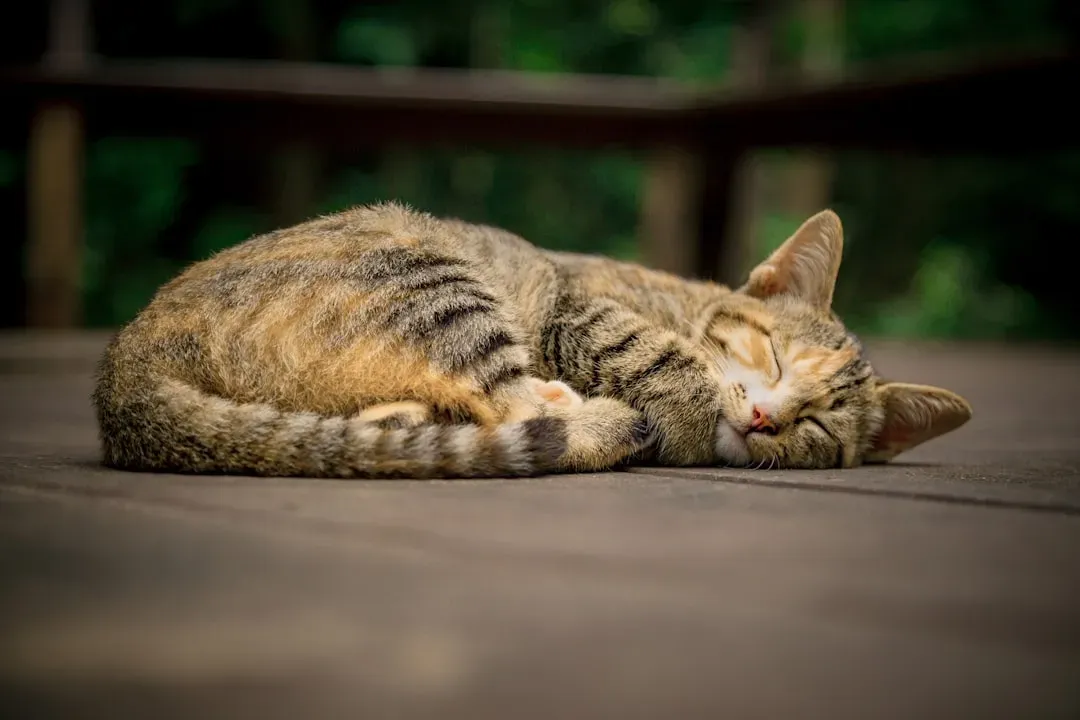
Yes, old cats sleep more – that part isn’t news to anyone. The real sign of peace is how they wake up. A content senior falls into deep, twitchy REM sleep in their favorite safe spot, and when you gently call their name or touch them, they might startle for a split second, just like a person would, then quickly relax and recognize you.
Compare that to a cat who wakes in a blind panic every time, disoriented and unable to settle anywhere. One looks like peace. The other looks like worry. A cat who can fully “let go” into deep sleep is a cat who trusts the safety of their world completely.
#12 – They Stop Competing With Other Pets – And Sometimes Start Mothering Them
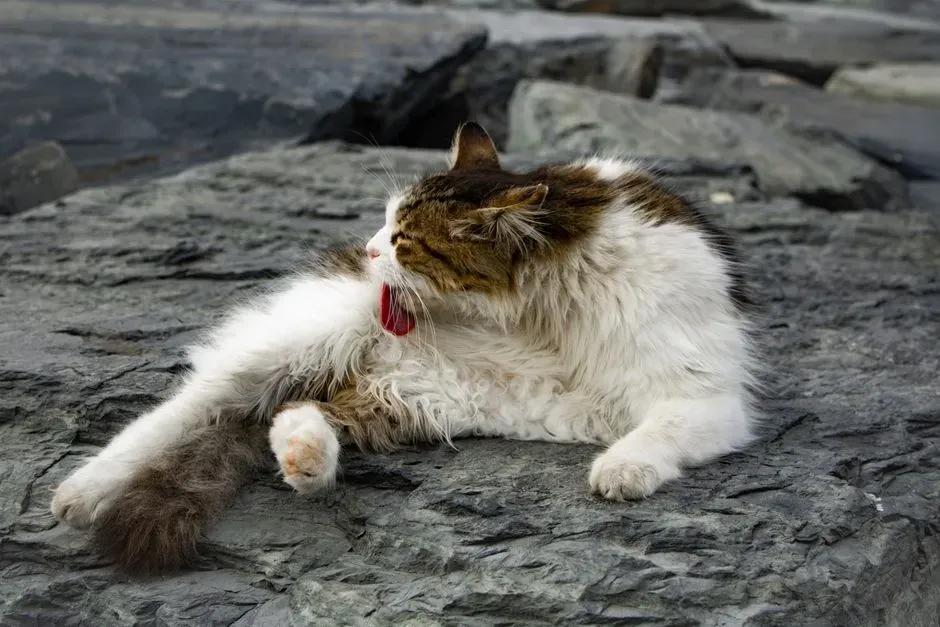
In multi-pet homes, aging cats who’ve mellowed out often step down from the throne entirely. You might notice them letting younger cats pass first at doorways, no longer bothering to steal food or toys, watching play from a distance like a retired referee.
Sometimes they even groom younger animals, especially if they grew up together. Many people assume this means the older cat has gotten “weak” or “sad,” but it’s often a dignified retirement – they’re not being pushed out, they’re choosing to conserve energy and skip the drama. Sharing space peacefully on neutral ground, like a couch or a bed, is social peace in action.
Why It Stands Out
- Letting a younger pet eat or pass through a doorway first, without any posturing.
- Watching play from a distance instead of joining in or breaking it up.
- Grooming a younger housemate calmly, especially one they’ve known for years.
- Sharing a couch or bed on neutral terms, with no hissing or claimed corners.
#13 – They Melt Into Spa Days And Sunbeams Like Nothing Else Matters
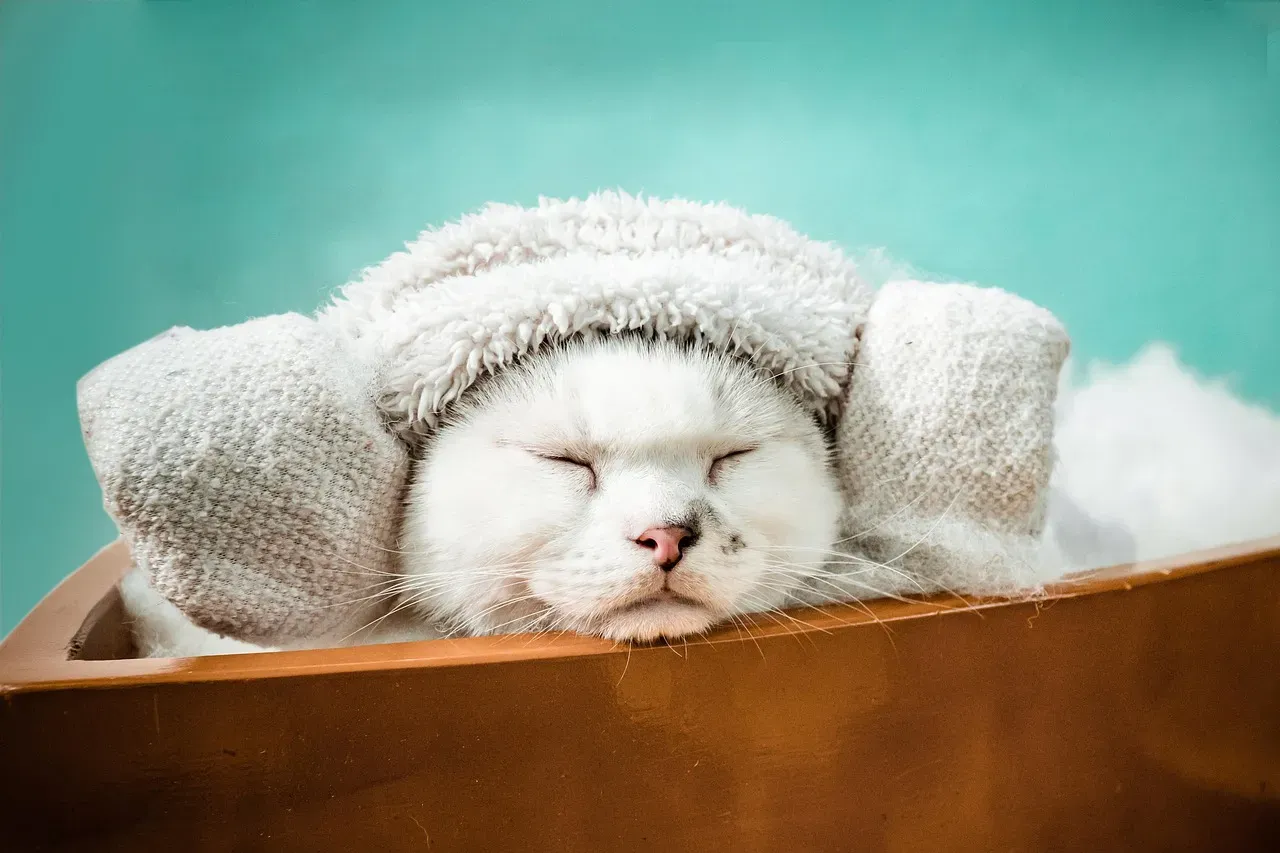
Young cats tolerate nail trims and brushing under loud protest. Peaceful seniors often genuinely start enjoying low-stress “spa moments,” especially once pain is managed and you move at their pace – leaning into brushing, closing their eyes during a warm washcloth wipe, stretching out fully in a sunbeam like they’re on a beach vacation.
Internet comments will insist “cats don’t like being handled,” but anyone who’s lived with a truly bonded senior knows better.
A cat has absolute emotional honesty: human beings, for one reason or another, may hide their feelings, but a cat does not.
Ernest Hemingway
When your old cat melts under your hand and sighs into a sun patch, that’s a cat who’s finally done fighting the world.
#14 – They Get Weirdly Polite About Asking For Things
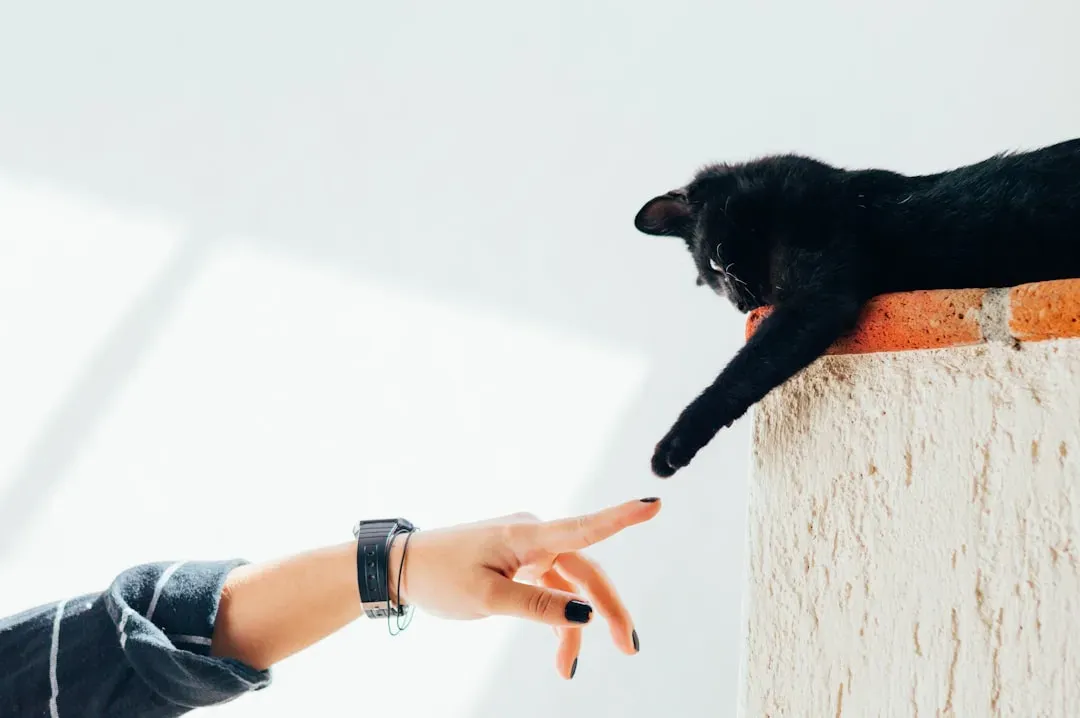
Anxious cats demand. Peaceful cats ask. As cats settle into a genuinely content old age, many develop almost comical manners – sitting quietly near the bowl and staring at you instead of yowling, tapping a closed door once instead of screaming at it, nudging your hand instead of biting it.
That softer, more measured communication usually means they trust you’ll respond, because you’ve proven yourself enough times already. Not every “polite” cat is automatically at peace – pain and exhaustion can quiet a cat too, which is why vet checkups still matter. But in an otherwise healthy senior, calm requests followed by relaxed settling are the emotional equivalent of, “We’re good. I know you’ve got me.”
#15 – They Give You That Long, Soft, Unblinking Stare
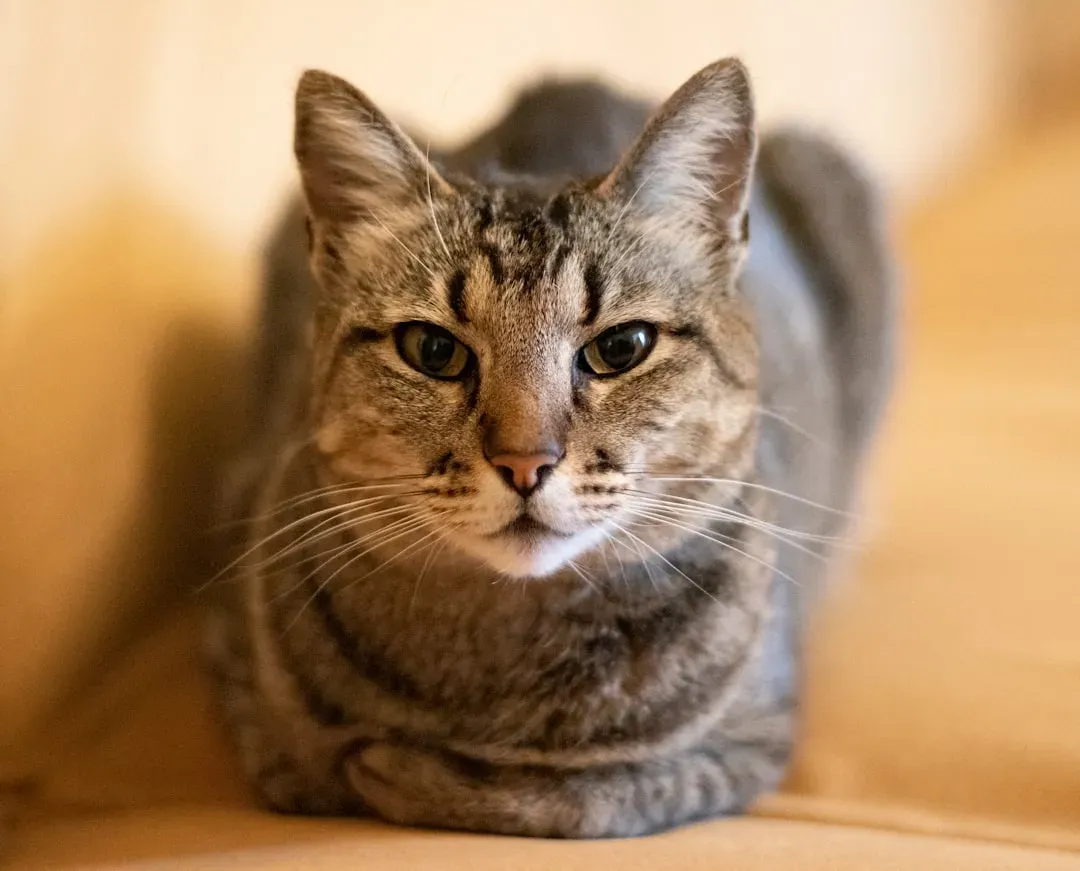
Everyone talks about slow blinks, but almost nobody mentions the resting stare. One of the gentlest is that long, quiet gaze they give you from across the room – not dilated pupils, not hunting focus, just a steady, relaxed look with half-lowered eyelids and maybe a slow blink at the end.
In that moment, they’re not asking for food and they’re not plotting anything. They’re just with you. Some people get spooked by it and wonder why their cat is staring, but seasoned cat owners know exactly what it means: a senior cat choosing to quietly watch you live your life, with a loose body and peaceful eyes, is about as close as a cat gets to saying, “We did okay. This life was good.”
The Quiet Truth About Old Cats
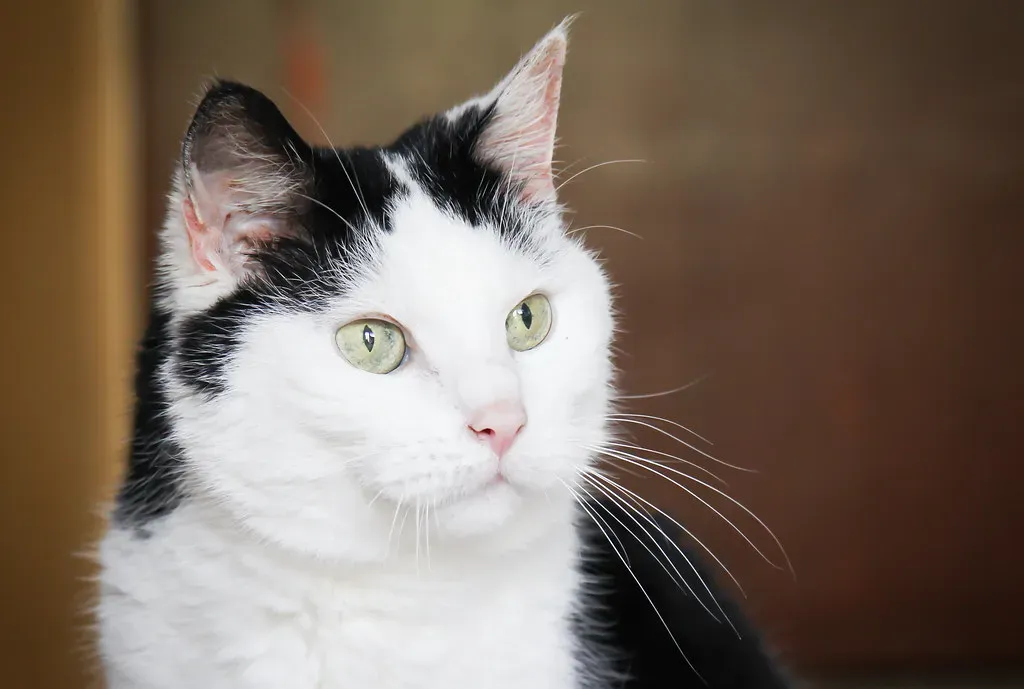
Old cats don’t announce their peace with dramatic gestures. They whisper it – in quieter purrs, softer meows, gentler greetings, and a thousand tiny choices to stay instead of run, to watch instead of fight, to rest instead of patrol.
Here’s my honest take: the behaviors most owners panic over – less hyper play, a smaller territory, a calmer hello at the door – are usually the exact opposite of decline. They’re proof a senior cat finally feels safe, loved, and done proving anything to anyone. The hard part isn’t spotting these signs. It’s resisting the urge to mourn an ending that hasn’t actually arrived, and letting your cat’s quiet be exactly what it looks like: hard-won serenity, not surrender.
Which of these have you caught your own old cat doing – and did you realize, until now, what it actually meant?
Kristina is a young writer from India. An arts graduate and an avid content creator, Kristina is passionate about animals and wildlife. She enjoys exploring topics related to pet care, animal behavior, conservation, and nature, combining thorough research with engaging storytelling.