Most cat owners believe their pet’s biggest need at the end is medicine, more vet visits, or constant hovering. But veterinarians who specialize in feline hospice say the opposite is true. In the final weeks of a senior cat’s life, the things that matter most are almost embarrassingly small – a warmer blanket, a quieter room, a bowl moved two feet closer.
Cats find security in the sights, sounds, and smells of their known territory, not in grand gestures. Most owners miss these signals entirely because they’re looking for something dramatic. Here’s what hospice vets and feline behavior specialists actually say your senior cat is quietly asking for – starting with the one almost everyone gets backwards.
#1 – A Warm Body, Not Just a Warm Room
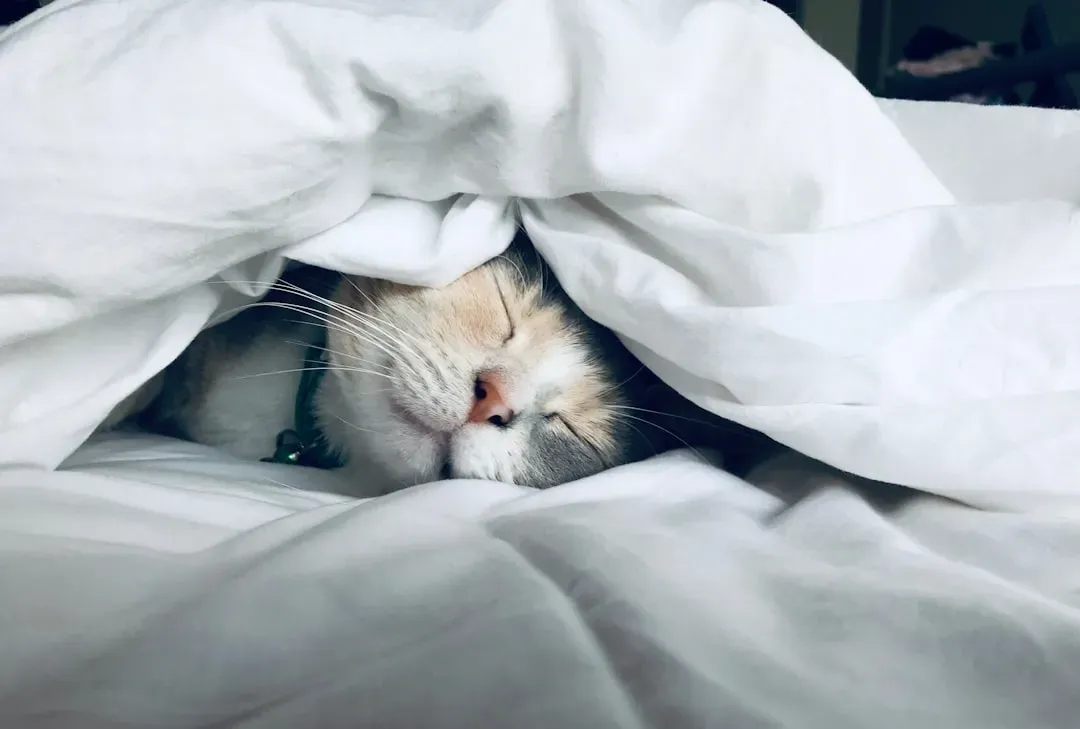
Cold isn’t a minor discomfort for a dying cat – it’s often the first physical sign that something has changed internally.
As circulation slows in the final stage of life, cats develop noticeably cold extremities before anything else shows. Ears and paw pads feel cold, and you may notice abdominal breathing, labored shoulder movements, or agonal jaw breathing. This isn’t the cat being “a little chilly.” It’s a physiological shift that a heated bed or wrapped hot water bottle can genuinely ease, not just decorate.
Fast Facts
- Cold ears and paw pads often show up before other visible symptoms
- Breathing may shift to using the shoulders or jaw more heavily
- Direct warmth against the body works better than raising room temperature
- A wrapped hot water bottle or heated pet bed holds warmth longer than a blanket alone
Most owners crank the thermostat and call it done. That’s a mistake. A senior cat near the end needs direct, sustained warmth against the body – not ambient room heat that dissipates before it reaches thin, aging fur. Keeping the body warm with blankets or a warm water bottle is one of the specific ways owners can respond in this stage. But warmth alone doesn’t fix everything – what we found about #2 matters just as much.
#2 – Silence Over Stimulation
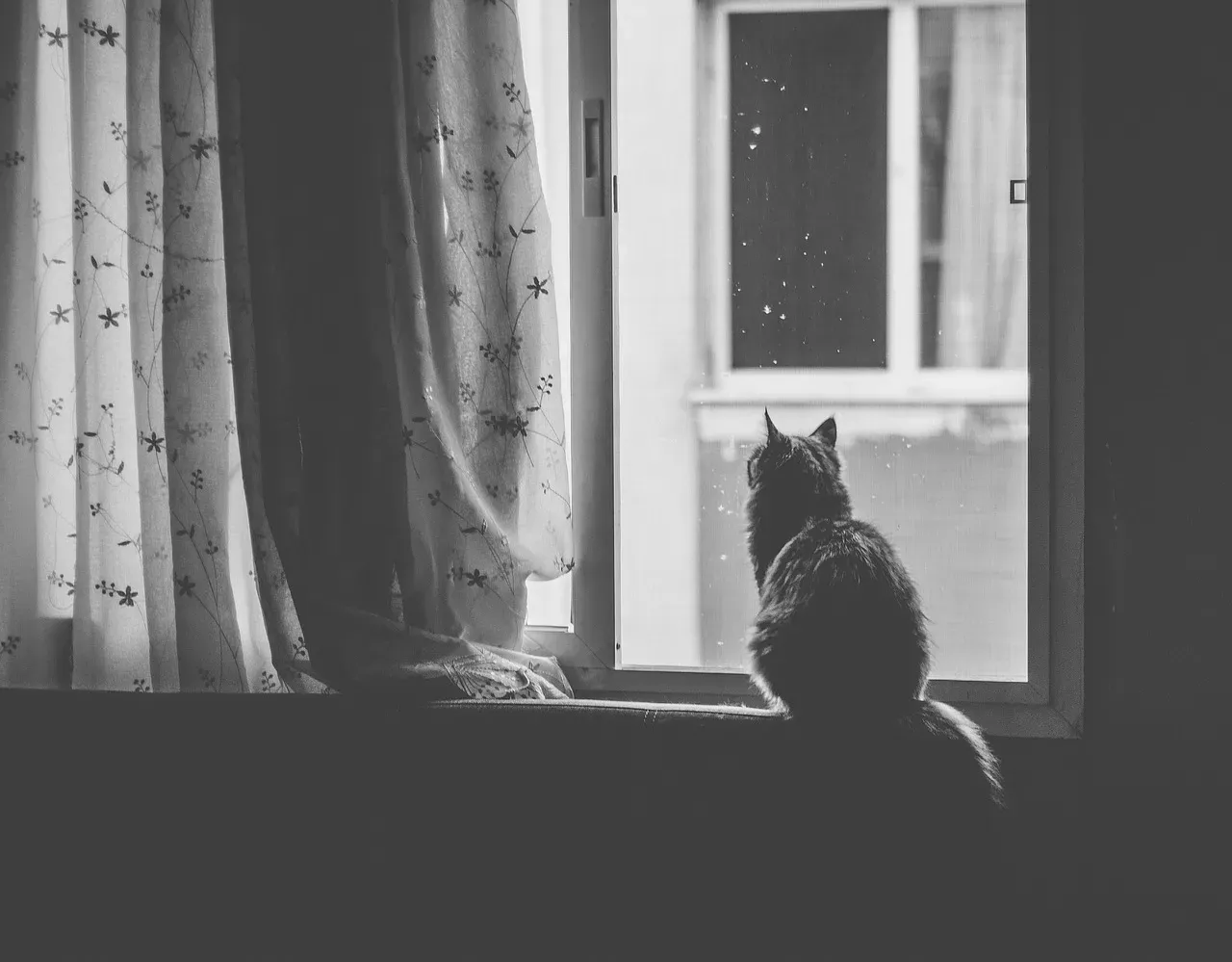
A senior cat’s nervous system near the end of life is overloaded, and noise makes it worse, not better.
Creating a comfortable environment for a dying cat means paying close attention to temperature, noise level, and accessibility, and cats overwhelmingly prefer a warm, quiet space. Most families assume playing soft music or keeping the TV on for “company” helps. It doesn’t. It adds sensory load to a system that’s already struggling to process basic stimuli.
The fix isn’t total silence like a sealed room – it’s controlled quiet. A low-traffic corner of the house, away from kids running through hallways or vacuum cleaners, does more for comfort than any calming spray or sound machine ever will. This is one of the most overlooked variables in end-of-life comfort, and it costs nothing to fix. But silence only works if the space itself feels safe – which brings us to what we found about #3.
#3 – A Territory That Still Smells Like Home
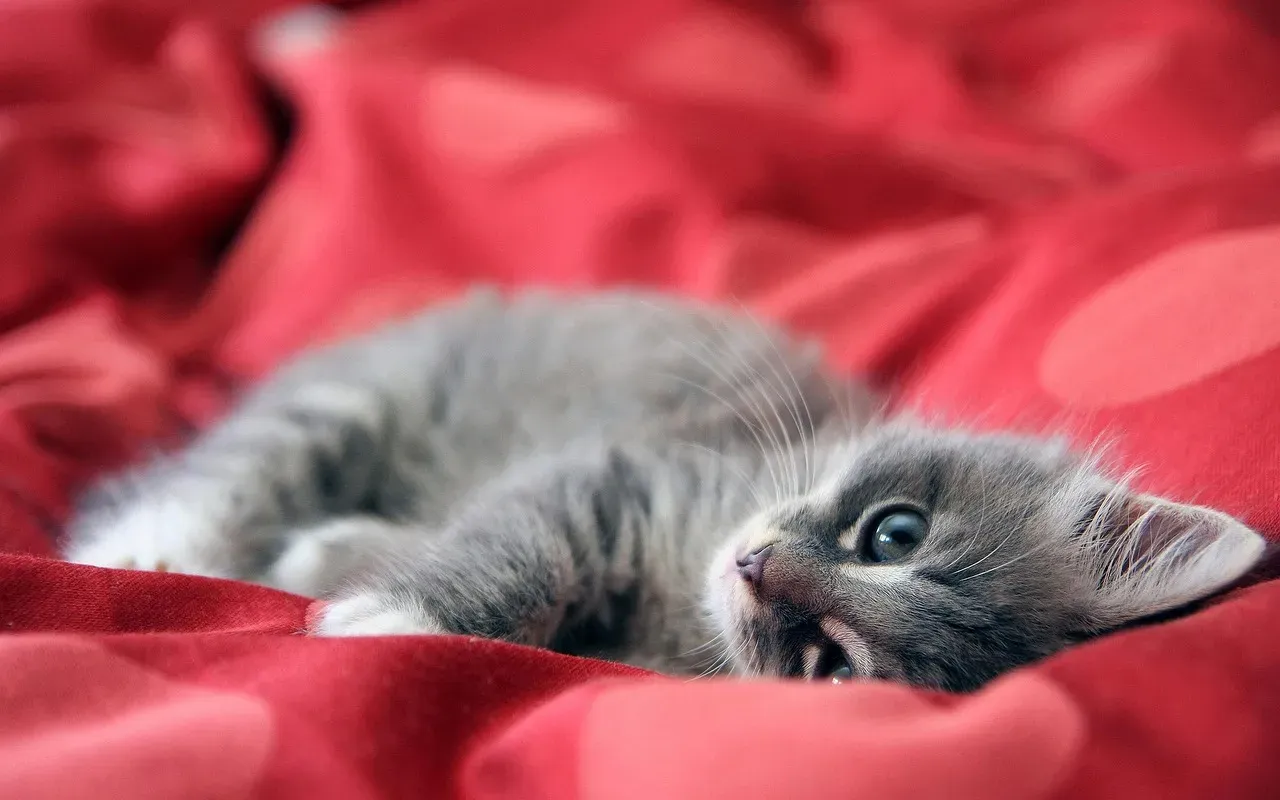
Cats don’t find comfort in “cozy.” They find comfort in familiar.
Cats find security in the sights, sounds, and smells of familiar people and furnishings, and they learn to anticipate predictable feeding and activity routines that reinforce their sense of safety. This is secretly why moving a dying cat to a “special” new bed or a different room often backfires instead of soothes. The unfamiliar scent profile alone can spike stress hormones in a body that has none left to spare.
The best move isn’t a new setup – it’s the oldest blanket in the house, unwashed, placed where the cat already naps. Resist the urge to sanitize everything. That lingering scent of home is doing more therapeutic work than any product marketed as “calming.” But even the right smell won’t matter if the cat can’t physically reach it – and that’s exactly what #4 exposes.
#4 – Litter Boxes and Bowls That Don’t Require Effort
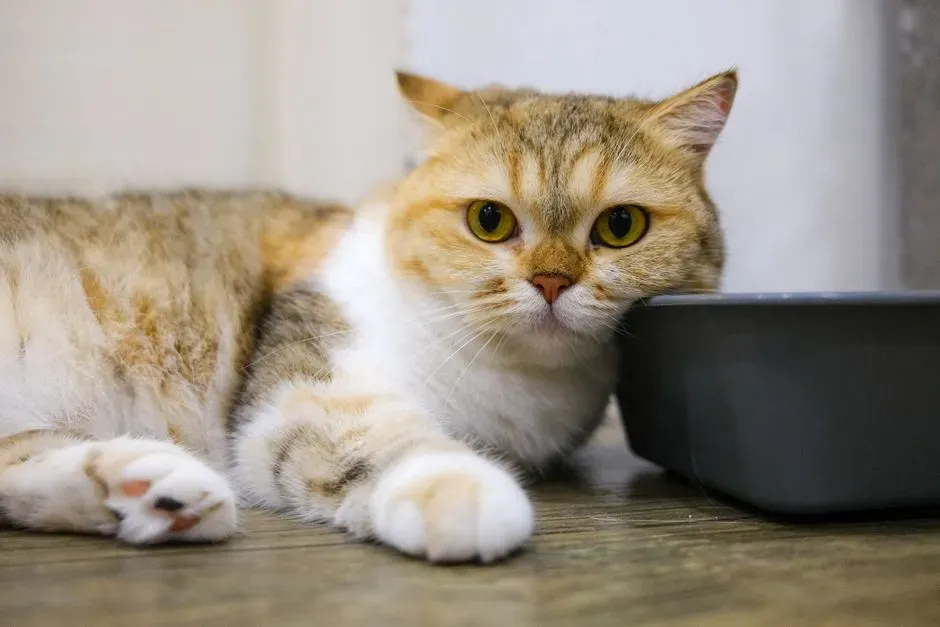
Mobility loss is one of the quietest, most underestimated struggles senior cats face.
Senior cats often lose mobility to muscle loss and arthritis pain, and it usually starts small – no longer jumping onto the counter – before progressing to being unable to climb in and out of a tall litter box. Most owners don’t realize their cat has stopped using the litter box properly not out of illness, but out of sheer physical inability to climb in.
At a Glance
- Low-sided litter boxes make entry and exit far easier for arthritic joints
- Food and water bowls work best at floor level, near favorite resting spots
- Ramps or steps help cats reach old favorite perches without jumping
- Set these changes up early – don’t wait for a visible struggle
The solution is almost insultingly simple: swap for low-sided boxes and bring food and water bowls to floor level near resting spots. Good hospice care includes environmental adjustments like elevated food bowls, low-entry litter boxes, and ramps arranged well before this stage arrives, reducing strain on weak joints. Waiting until the cat is already struggling is the mistake – set this up early. But accessibility means nothing without knowing when to actually approach the cat, which is where #5 gets controversial.
#5 – Being Left Alone, On Their Own Terms
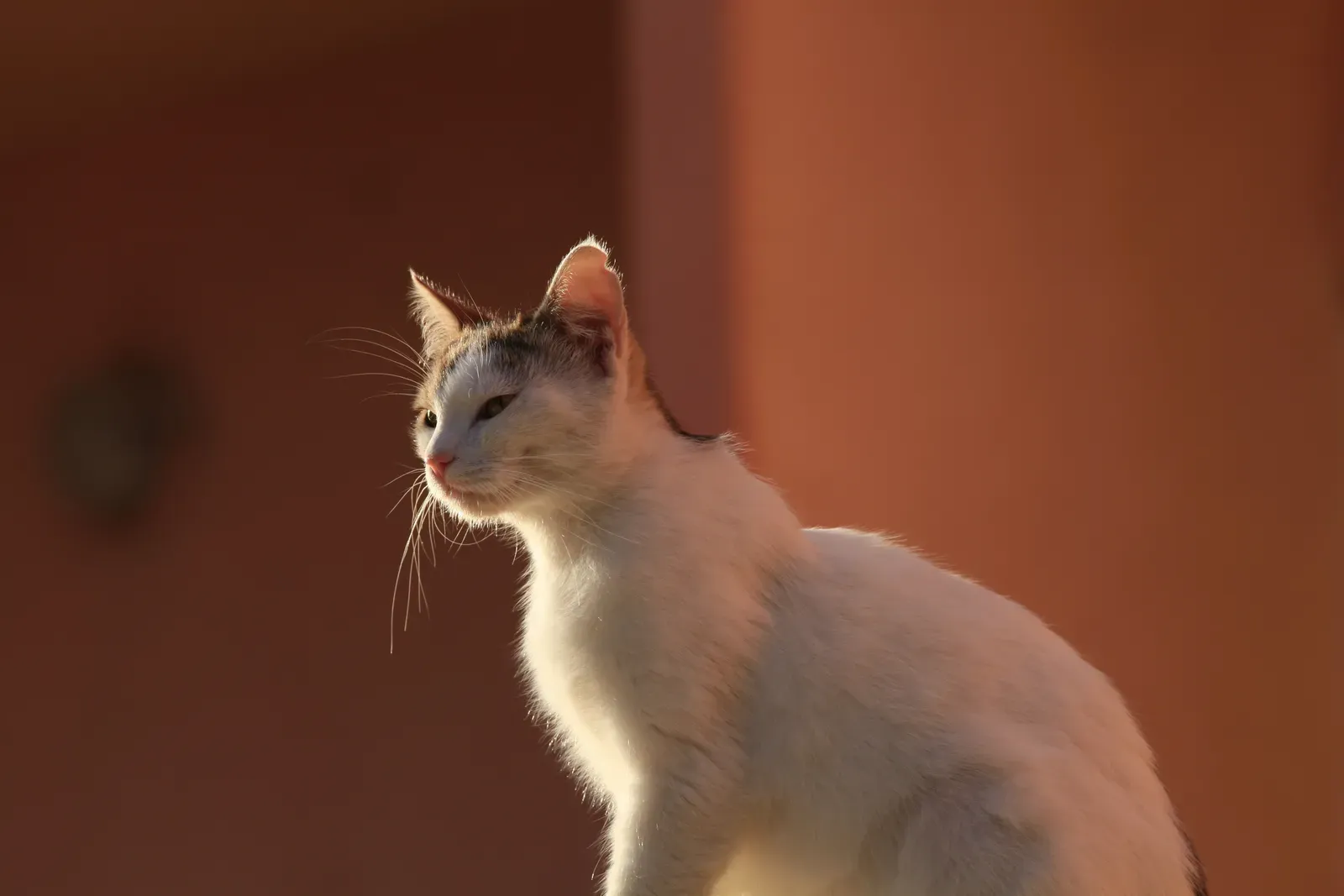
Here’s a genuinely controversial take: constant hovering is not always love – sometimes it’s stress in disguise.
Every cat wants a different level of contact near the end. Some clingy cats suddenly seek out solitude, while others need the comfort of a human nearby at all times. Most owners assume more presence is always better. It isn’t. Forcing closeness on a cat that’s instinctively withdrawing can backfire badly.
The right approach is to let the cat lead, keeping a close eye on cats who want solitude without being intrusive about it. This is where owner guilt often overrides feline instinct – checking every ten minutes, picking the cat up “just to be sure.” That impulse, however loving, can add stress at the exact moment the body needs calm. But for cats who want the opposite of solitude, the story flips entirely – which is exactly what #6 reveals.
#6 – Closeness for the Cats Who Ask for It
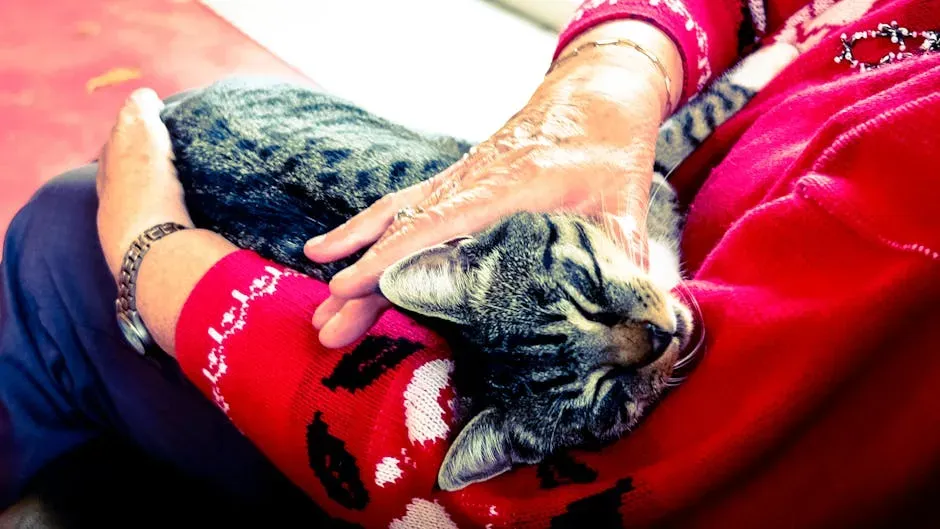
Not every senior cat pulls away. Some do the opposite, and owners often misread it.
Instead of retreating, some senior cats become almost velcro-like – following owners room to room, crying to be held, refusing to leave a lap. Most people assume clinginess in an old cat means anxiety or confusion. Increasingly, hospice specialists read it as a direct comfort request, not a symptom to manage.
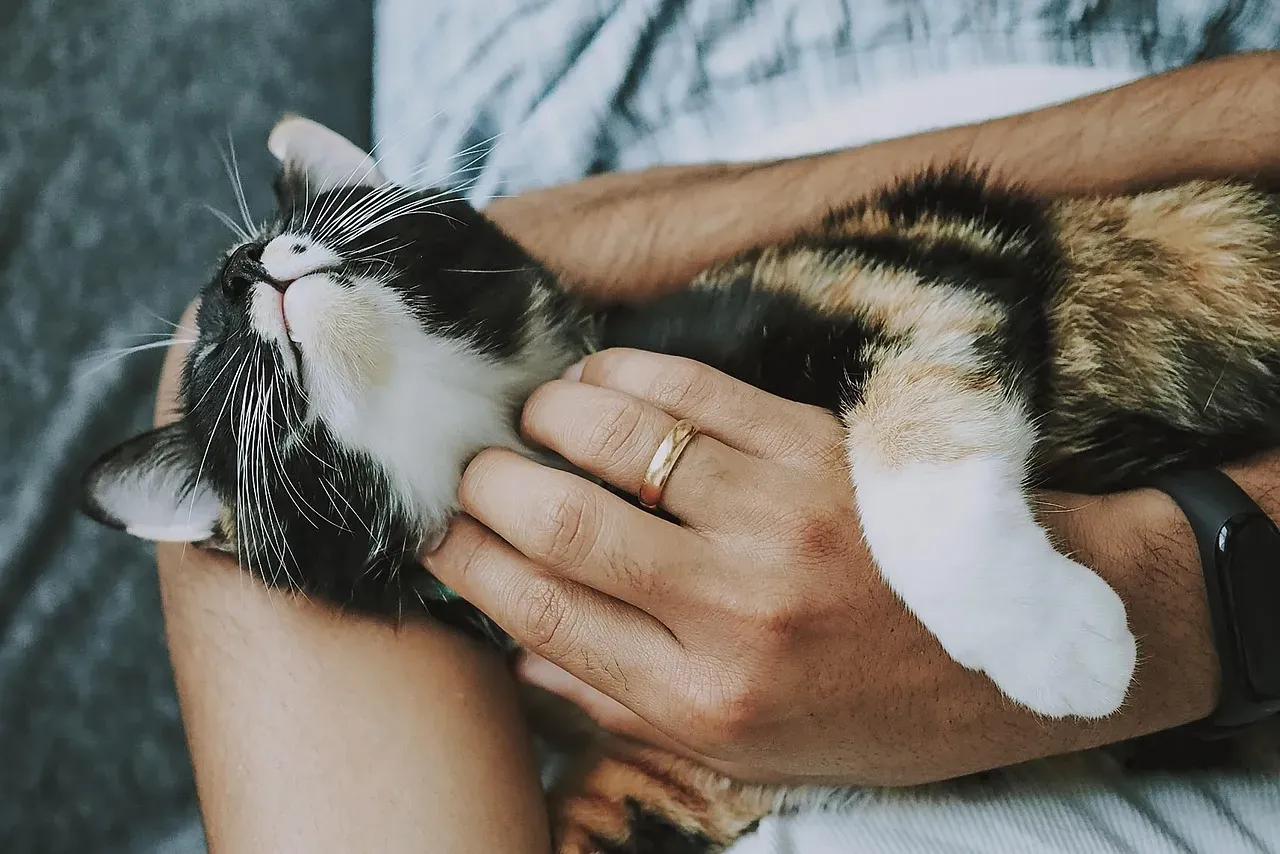
For these cats, isolating them “to let them rest” is the wrong move. If a cat wants to be near people, let them – sit close, talk softly, stroke them gently. The lesson here is uncomfortable for control-oriented owners: comfort isn’t one-size-fits-all, and the cat, not a checklist, decides which kind it needs. That same instinct also shapes how a cat wants to be touched, which #7 gets into.
#7 – Gentle Touch, Not Handling
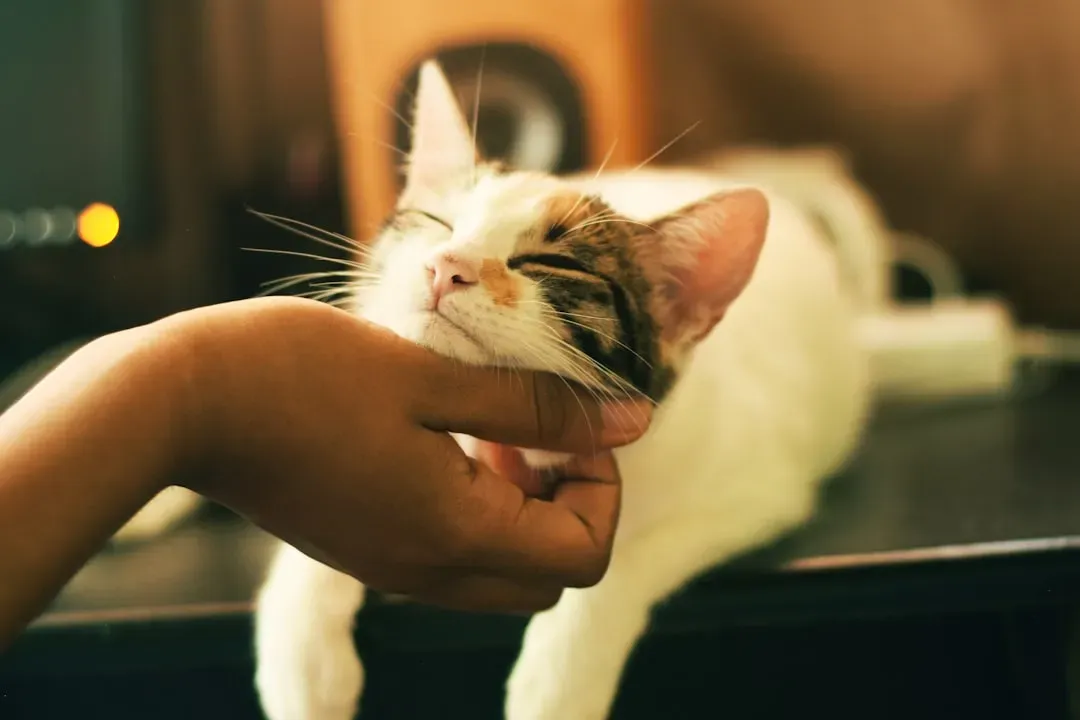
There’s a real difference between comforting a cat and physically managing one, and dying cats feel that difference intensely.
If you sense the time is near, resist the urge to pick your cat up or talk loudly – simply being quietly present offers the deepest comfort a cat can feel in those final moments. Most well-meaning owners default to lifting, cradling, or repositioning their cat “to help.” That instinct, however tender, can cause pain in joints and skin that are already hypersensitive.
Gentle stroking along familiar spots – the head, the base of the ears – tends to land far better than full-body handling. Companionship through presence provides immense comfort, and even if a cat seems unresponsive, a soothing voice and gentle touch can still register. The goal isn’t to do more – it’s to do less, more softly. But touch without a stable daily rhythm still leaves a cat unsettled, which is where #8 comes in.
#8 – A Routine That Doesn’t Change
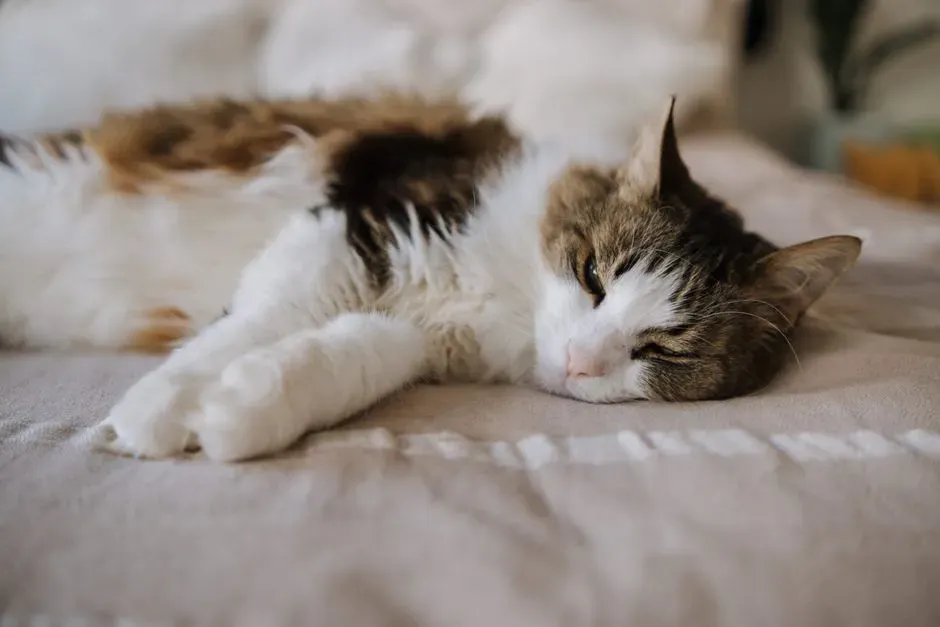
Predictability is a form of comfort that most owners drop the moment things get serious – and that’s exactly backward.
Cats learn and anticipate predictable feeding and activity routines, and that predictability promotes a real sense of safety. Most families rearrange the entire household schedule once a cat is declining – new feeding times, new sleeping arrangements, constant rearranging “to help.” That disruption often causes more anxiety than the illness itself.
The better approach is boring on purpose. Same feeding windows, same resting spot, same voice and cadence when entering the room. Consistency doesn’t cure anything, but it removes one more layer of uncertainty from a body that’s already losing control of everything else. Still, routine can’t override actual physical pain – and that’s the uncomfortable truth behind #9.
The truth I have learned is that there is no single way to do this right. There is only paying attention.
Common hospice caregiving philosophy
#9 – Pain Control, Even When the Cat Doesn’t “Show” It
This is the comfort most owners underestimate the most, because cats are experts at hiding it.
Cats are hardwired to mask pain, which means caregivers have to actively learn to recognize the subtle signs. Most people wait for obvious crying or limping before assuming their cat is in pain – but by then, the pain has often been present for weeks. Pain plays a huge role in a pet’s quality of life, and each cat may express discomfort differently, so tuning into their specific language matters.
Pain medication such as gabapentin or opioids like buprenorphine can be tailored to a senior cat’s specific needs. This isn’t optional comfort – it’s foundational. Every other item on this list becomes far less effective if a cat is quietly in pain underneath it. But pain relief doesn’t help if you’re forcing food a body no longer wants – which is exactly what #10 addresses.
#10 – Not Being Forced to Eat or Drink
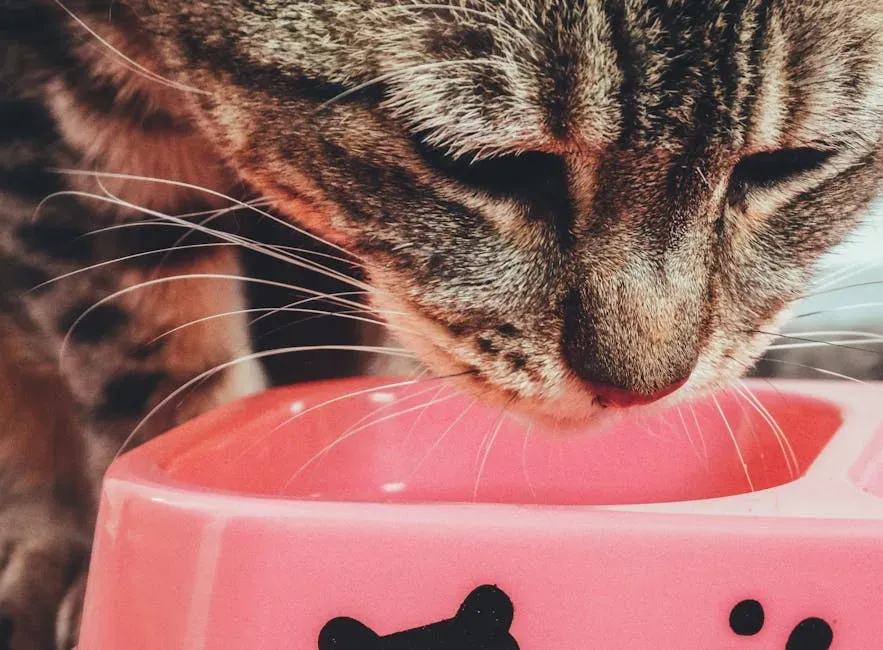
Refusing food is one of the most misunderstood signs in a senior cat’s final stage, and the instinct to intervene is almost universal.
Refusing most or all food is one of the earliest signs that appears days to weeks before the end, often alongside staying in one spot and sleeping significantly more. Most owners respond by force-feeding, syringing water, or hand-feeding aggressively. That instinct comes from love, but it frequently causes more distress than it solves.
Worth Knowing
- Appetite loss often starts with treats and moist food before dry food is refused
- Small, frequent offerings tend to work better than large forced meals
- Syringe feeding can risk aspiration if the cat resists
- Weight can drop quickly once eating stops almost entirely
The recommended response at this stage is explicitly to not force-feed. Forcing food or water can cause real distress and even aspiration, so offering small amounts frequently is the safer path. This is a hard shift for owners who equate feeding with caregiving. Sometimes the most loving act is simply offering, not insisting. But appetite loss almost never travels alone – it’s usually paired with something else, which brings us to #11.
#11 – Permission to Withdraw From Favorite Places
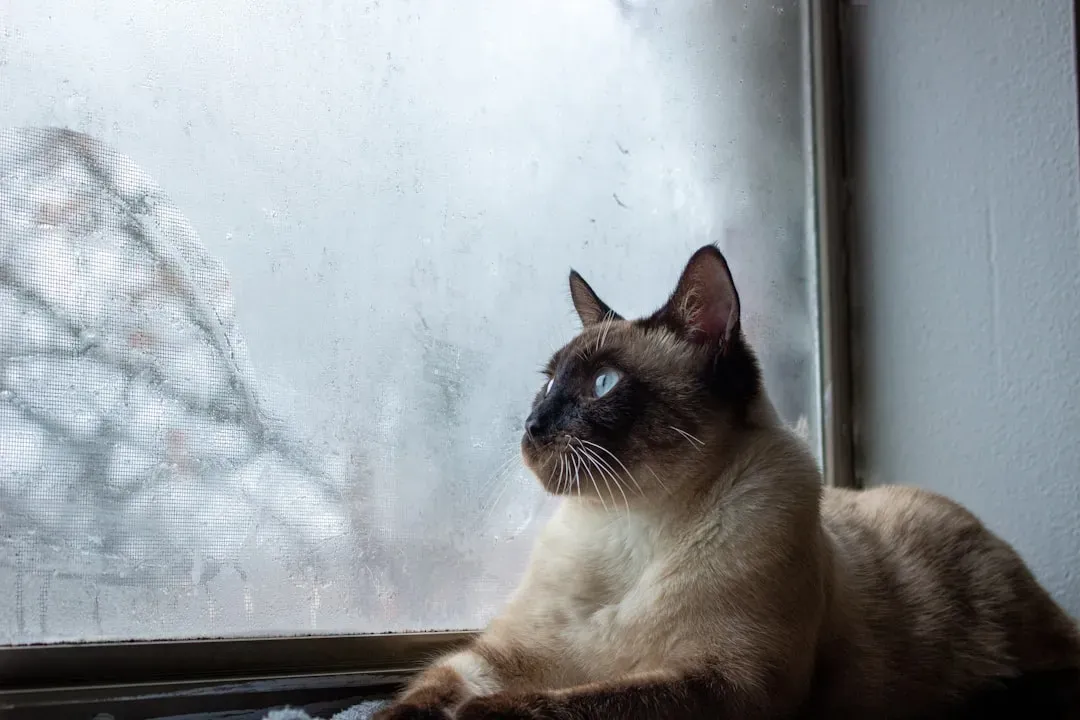
When a senior cat stops visiting its favorite windowsill or chair, most owners read it as sadness. It’s usually something else entirely.
Staying in one spot instead of visiting favorite places is a specific, documented sign appearing days to weeks before the end. Here’s a genuinely controversial point worth stating plainly: many owners try to physically move their cat back to “happy spots,” assuming it will lift their mood. That approach usually adds stress rather than comfort.
The better response is to bring the favorite blanket or toy to the cat, rather than the cat to the location. Forcing mobility a body no longer has isn’t comforting – it’s exhausting for a system running on limited reserves. Letting the cat choose its own geography, even if it’s just one small spot, respects where its energy actually is. But even a settled spot needs a physical setup, which is where #12 comes in.
#12 – Ramps, Steps, and Zero Jumping Required
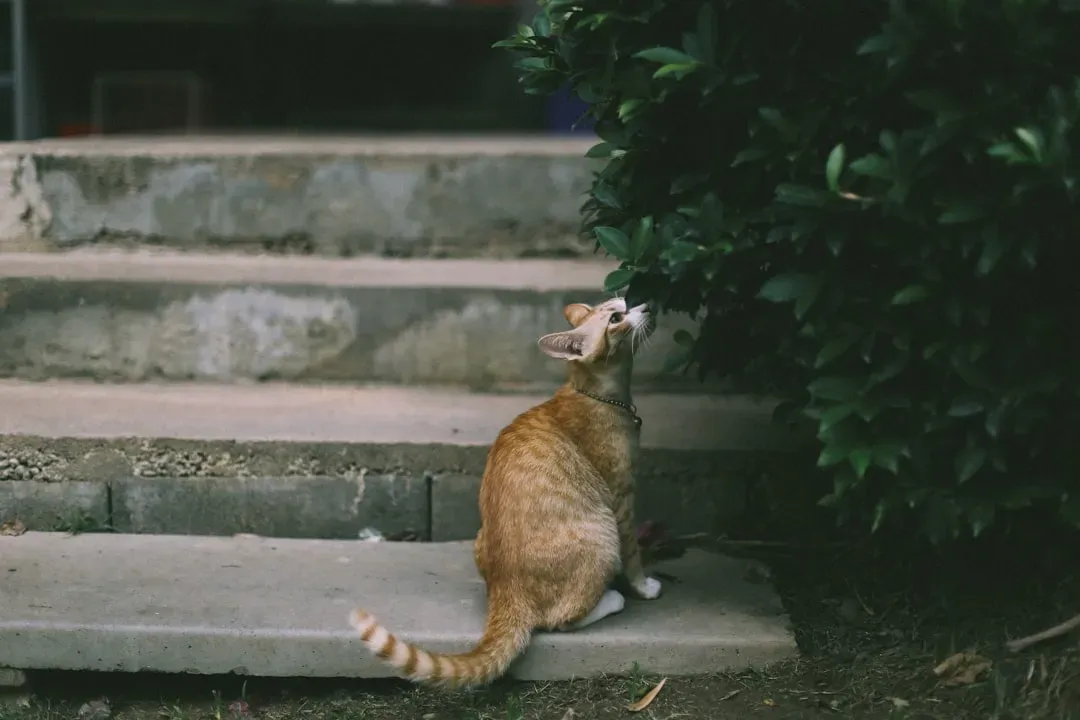
Physical accessibility is one of the least talked-about comforts, and it’s almost entirely preventable with the right setup.
Owners can help by making sure everything a cat needs is easily reachable, including ramps or stepping stones to safely access favorite perches or resting places. Most households wait until the cat has already fallen or struggled visibly before adding any support. By that point, the cat has likely avoided a favorite resting spot for weeks out of quiet frustration.
A simple setup – low-sided litter boxes, raised food bowls, plus ramps or steps – reduces strain on weak joints well before a crisis forces the issue. This is proactive comfort, not reactive damage control. Waiting for an obvious injury means the cat already suffered in silence first. But physical comfort only goes so far without emotional stability from familiar companions, which is exactly what #13 covers.
#13 – The Right Company, Chosen Carefully
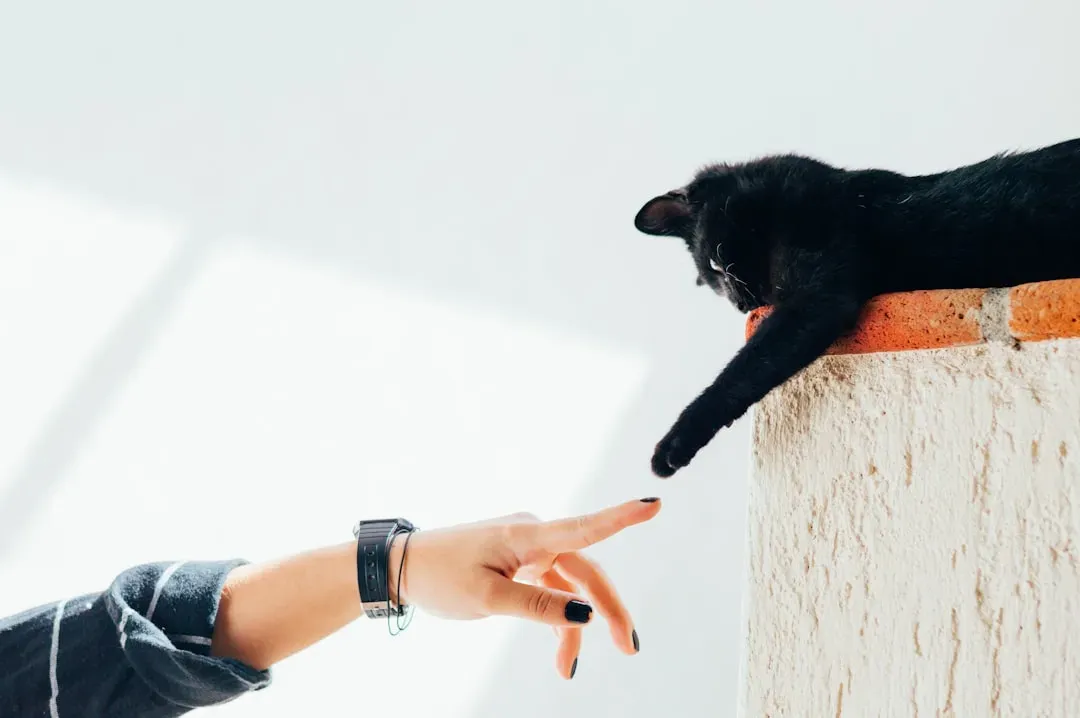
Not every companion – human or animal – belongs in the room during a senior cat’s final stage, and this is where good intentions sometimes backfire.
Whether other pets should stay close depends on how well the cat gets along with them, the cause of illness, and overall health status, though bonded cats often do benefit from staying together. Most families assume every pet in the house should have equal access to say goodbye. That’s not always safe or comforting.
Quick Compare
- Bonded companion cat: familiar scent and presence, often genuinely comforting
- Calm, healthy pet: generally low risk if introduced quietly
- Anxious or unfamiliar pet: added stress that can undo other comforts
- Sick or parasite-carrying pet: should be kept away entirely
Dying cats already have a compromised immune system, so any visiting animal must be in good health with no parasites or infectious disease risk. This is a case where love has to be filtered through caution. A bonded companion cat can be deeply comforting – but an anxious dog or unfamiliar visitor can undo every other comfort on this list in minutes. Which leads to the final, quietest comfort of all – #14.
#14 – A Calm, Familiar Voice at the Very End
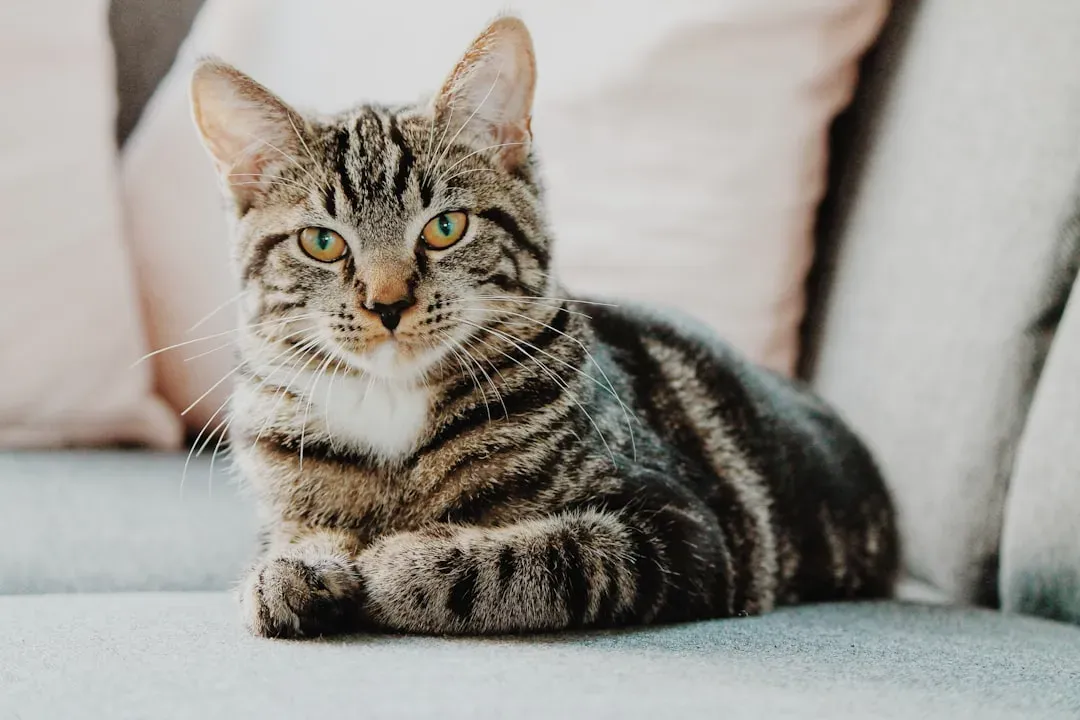
This is the sign almost every owner underestimates until it’s the only thing left they can give.
Resisting the urge to pick a cat up or talk loudly, and simply being quietly present, offers the deepest comfort a cat can feel in those final moments. Most people think comfort at the very end requires action – medicine, movement, intervention. Often it requires the opposite: stillness, a lowered voice, and a hand that stays put instead of fussing.
Sitting quietly beside the cat and speaking in a gentle, soothing voice is one of the most consistently recommended final responses. There’s nothing dramatic about this comfort, and that’s exactly the point. It doesn’t require a vet visit or a product. It requires an owner willing to sit still and let their voice, not their hands, do the comforting.
The Bottom Line
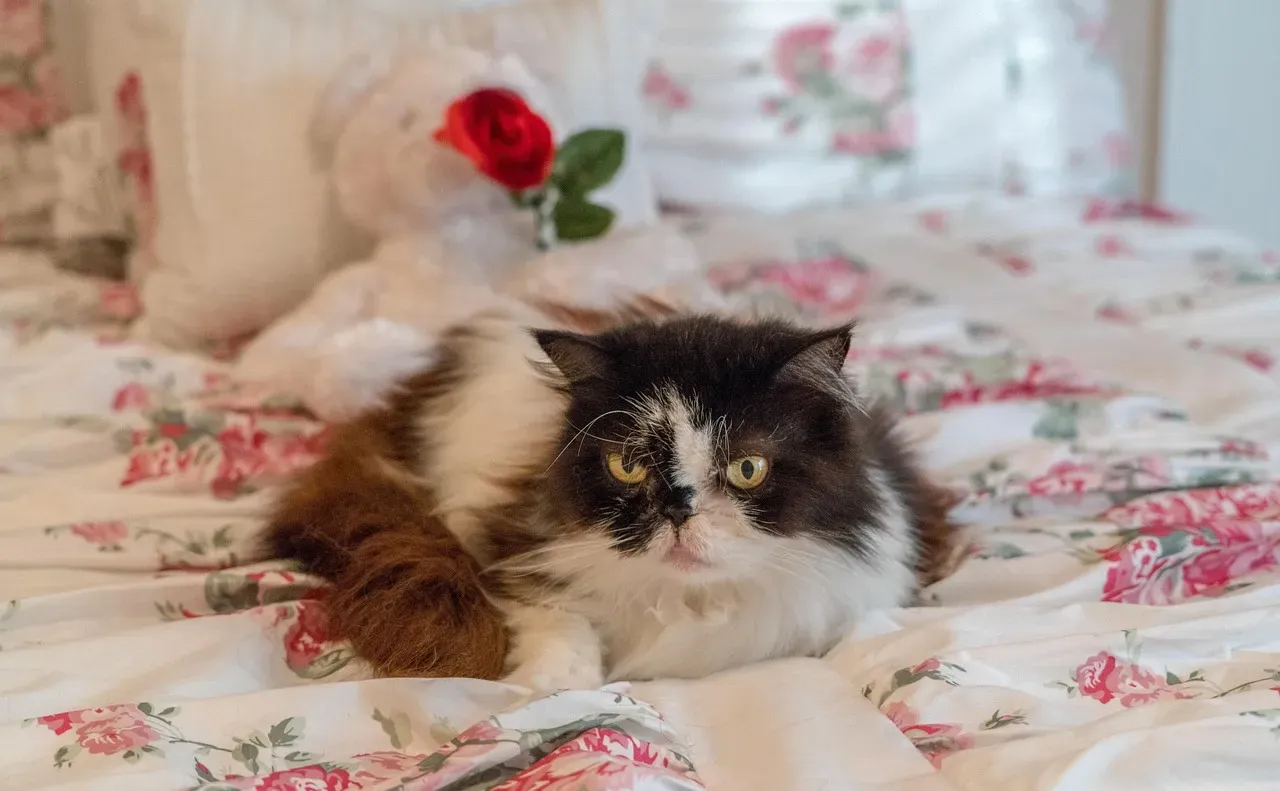
The most shocking part of researching this isn’t any single comfort – it’s how consistently owners get the instinct backwards. We reach for more when senior cats near the end are quietly asking for less: less noise, less handling, less forcing, less rearranging.
The comforts that matter most cost nothing and demand almost no action – a warm blanket, a familiar smell, a lowered voice, and the discipline to let the cat lead. If there’s one opinion worth stating plainly, it’s this: well-meaning intervention is often the biggest obstacle to real comfort in a senior cat’s final chapter.
Did your cat ask for something on this list that surprised you? Drop it in the comments – other cat owners need to hear it too.
Kristina is a young writer from India. An arts graduate and an avid content creator, Kristina is passionate about animals and wildlife. She enjoys exploring topics related to pet care, animal behavior, conservation, and nature, combining thorough research with engaging storytelling.